

P0140 on 2001-2006 Hyundai Santa Fe: O2 Sensor No Activity Causes and Fixes
This code almost always means the rear oxygen sensor (Bank 1, Sensor 2) has failed. On V6 models, this sensor is on the exhaust pipe for the cylinder bank near the firewall. Expect to pay $40-$90 for an aftermarket sensor and replacement is a common DIY job, though the sensor can be seized in the exhaust pipe.
- P0140 points to a dead downstream oxygen sensor on Bank 1.
- On V6 engines, make sure you are working on the rear cylinder bank (near the firewall).
- The vehicle is safe to drive, but you will not pass an emissions test until this is fixed.
- The most likely fix is replacing the sensor itself, which is a manageable DIY job with the correct 22mm (7/8") O2 sensor socket, but be prepared for a seized sensor.
- Always inspect the wiring and check the 'SENSOR' fuse in the engine bay fuse box before buying a new sensor.
What's Unique About the 2001-2006 Hyundai Santa Fe
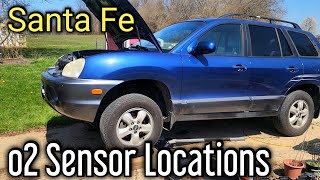
For the first-generation Hyundai Santa Fe, the key is identifying the correct sensor location, which depends on the engine. On the 2.4L 4-cylinder engine, there is only one exhaust bank, which is Bank 1. On the more common 2.7L and 3.5L V6 engines, Bank 1 is the cylinder bank located towards the rear of the engine bay, against the firewall. Bank 2 is at the front, near the radiator. Mistaking Bank 1 for Bank 2 is a common and costly diagnostic error on these V6 models. 🎬 Watch: Identify the correct sensor locations on your V6 engine. Access to the Bank 1 sensors on the V6 can be tight.
Symptoms You May Notice
- Check Engine Light is on.
- Failing a state emissions inspection.
- In rare cases, slight hesitation upon acceleration after a deceleration phase may be noticed.
- The Check Engine Light may blink, signaling the vehicle is unsafe to drive, as noted in NHTSA ODI #11618243.
- Replacing the wrong sensor (e.g., replacing the upstream Sensor 1, or replacing the sensor on Bank 2 instead of Bank 1 on V6 models).
- Replacing the catalytic converter. P0140 indicates a problem with the sensor circuit itself (no activity), not necessarily the converter's performance.
- Overlooking a blown fuse for the sensor's heater circuit.
Most Likely Causes
- Failed Downstream Oxygen Sensor (Bank 1, Sensor 2) 🔴 High Probability → Shop Oxygen Sensor Oxygen sensors are wear-and-tear items that degrade over time due to constant exposure to high-temperature exhaust gases. After 10-15+ years and high mileage, failure is extremely common. Contamination from oil or coolant leaks can also shorten their life.
How to confirm: After checking wiring, use a scan tool to observe live data for 'O2S B1S2'. A healthy downstream sensor should show a relatively steady voltage. A dead sensor will show a flat, unchanging voltage, often stuck between 0.415V and 0.515V, which the ECM interprets as no activity. A multimeter can also be used to test the sensor's output voltage directly.
Typical fix: Replace the Bank 1, Sensor 2 oxygen sensor. This requires a 22mm (or 7/8") oxygen sensor socket. Applying penetrating oil like PB Blaster beforehand is highly recommended as the sensor is often seized in the exhaust pipe. Apply anti-seize compound to the threads of the new sensor before installation.
Est. part cost: $40-$90 - Damaged Wiring or Connector 🟡 Medium Probability The sensor wiring is routed under the vehicle and is exposed to road debris, moisture, and extreme heat from the exhaust system. This can cause wires to melt, break, or corrode over time, especially at the connector.
How to confirm: Visually inspect the entire wiring harness from the O2 sensor to its connection point. Look for any signs of melting, chafing, breaks, or corrosion on the connector pins. Perform a continuity test on the signal and heater circuit wires with a multimeter if visual inspection is inconclusive.
Typical fix: Repair the damaged section of wire or replace the connector pigtail. Ensure the repaired harness is properly secured away from the hot exhaust pipe using zip ties.
Est. part cost: $10-$30 - Blown Fuse for O2 Sensor Heater ⚪ Low Probability → Shop Oxygen Sensor A short in the O2 sensor's internal heater element or its wiring can cause the associated fuse to blow, which will prevent the sensor from reaching operating temperature and showing activity.
How to confirm: Check the fuse boxes, both in the engine bay (left side) and inside the cabin (driver's side kick panel). Look for a fuse labeled 'SENSOR', 'O2 SENSOR', or similar. On some Hyundai models, it may be a 10A or 15A fuse labeled 'SENSOR 1' or 'SENSOR 2' in the engine compartment fuse box.
Typical fix: Replace the blown fuse. If the new fuse blows immediately, it indicates a persistent short circuit in the heater circuit of one of the O2 sensors or its wiring that must be diagnosed and fixed.
Est. part cost: $1-$5
Rare But Worth Checking
- Exhaust Leak: A significant exhaust leak between the catalytic converter and the B1S2 sensor can introduce outside oxygen into the exhaust stream. This can cause the sensor to read incorrectly, though it more commonly triggers other codes. It's worth checking for audible leaks or black soot marks around exhaust flanges.
- Faulty Powertrain Control Module (PCM): → Shop Engine Control Module (ECM) This is extremely rare. Before condemning the PCM, all other possibilities, including the sensor, wiring, and fuses, must be exhaustively ruled out. A PCM failure for a single sensor input circuit is not a common occurrence and should be the last item considered.
Diagnosis Steps
- Connect an OBD-II scanner to confirm P0140 is the only code present. Note any other codes, especially heater circuit codes like P0141.
- Identify the engine (2.4L I4, 2.7L V6, or 3.5L V6). For V6 models, confirm Bank 1 is the rear bank, near the firewall.
- Safely raise the vehicle and locate the Bank 1, Sensor 2 oxygen sensor. It is installed in the exhaust pipe *after* the primary catalytic converter for that bank.
- Thoroughly inspect the sensor's wiring harness and connector for any signs of melting, corrosion, or physical damage. Pay close attention to where the harness is secured near the exhaust.
- Check the fuse for the oxygen sensor heater circuit. This is often a 10A or 15A fuse in the engine compartment fuse box, possibly labeled 'SENSOR'.
- With a capable scan tool, monitor the live voltage data for 'O2S B1S2'. A dead sensor will show no activity or a fixed, flat-line voltage (e.g., ~0.45V). A healthy downstream sensor should show a relatively stable voltage that changes slowly.
- If the wiring and fuse are good and the sensor shows no activity, the sensor itself has most likely failed. They can be very difficult to remove if rusted; use plenty of penetrating oil and a proper 22mm (7/8") O2 sensor socket.
- After replacement, apply anti-seize to the new sensor's threads, install, and torque to spec. Clear the code with the scan tool and perform a drive cycle to ensure the code does not return.
Parts You'll Likely Need
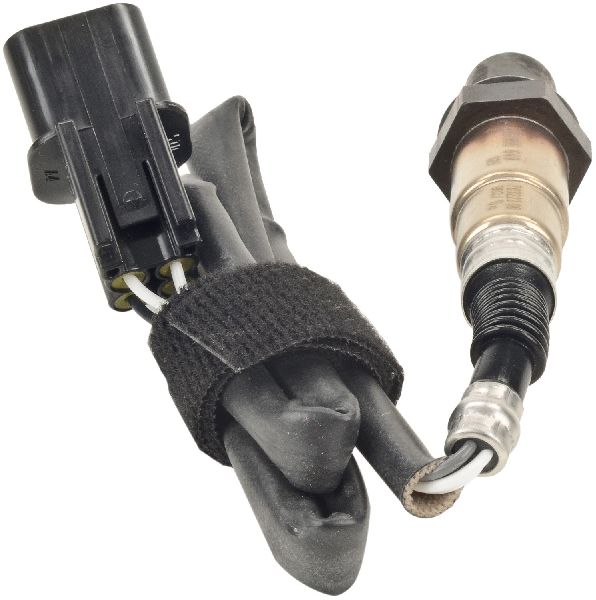
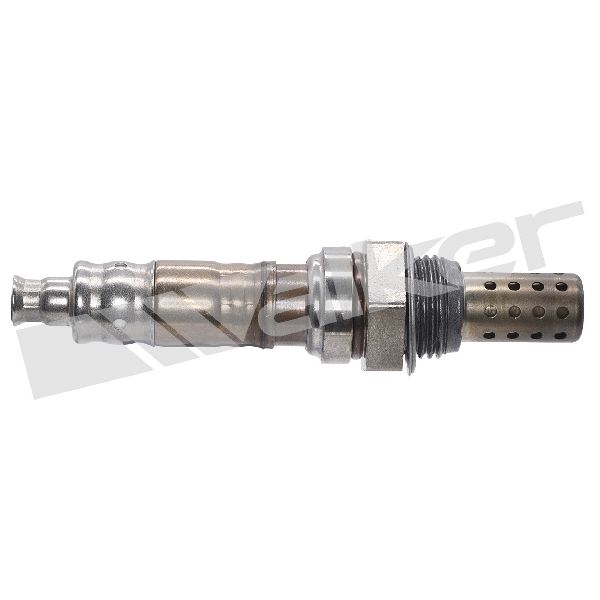
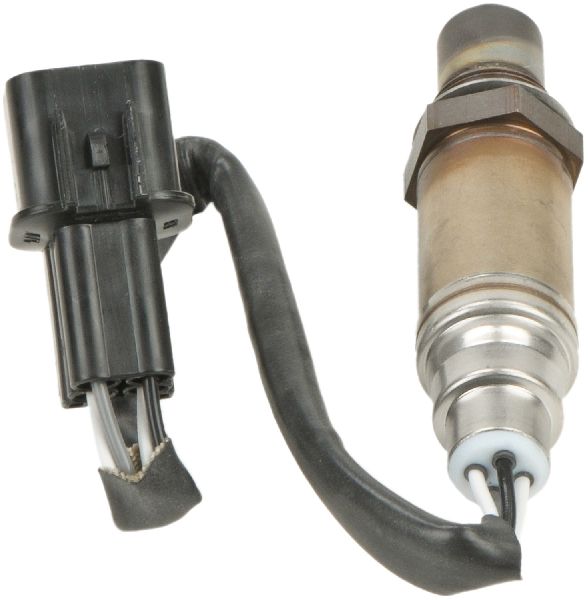
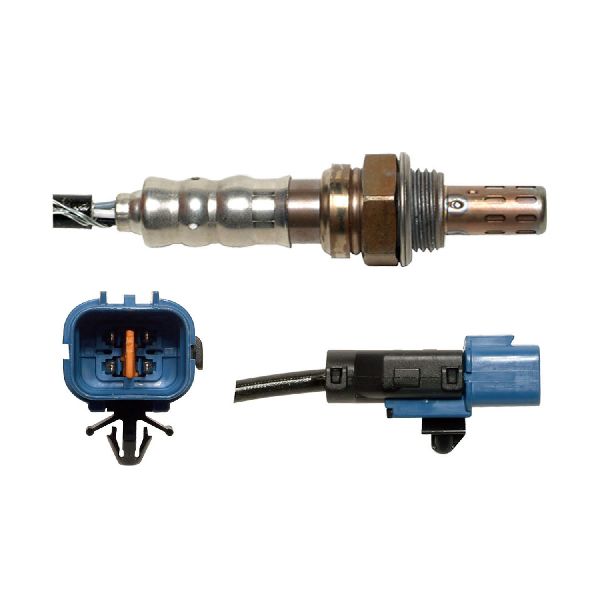
- Downstream Oxygen Sensor (Bank 1, Sensor 2)
(OEM #39210-37140 (For 2.7L V6, verify by VIN))— This is the component that the P0140 code directly identifies as having no signal activity. It is a common wear item and the most frequent cause of this code.
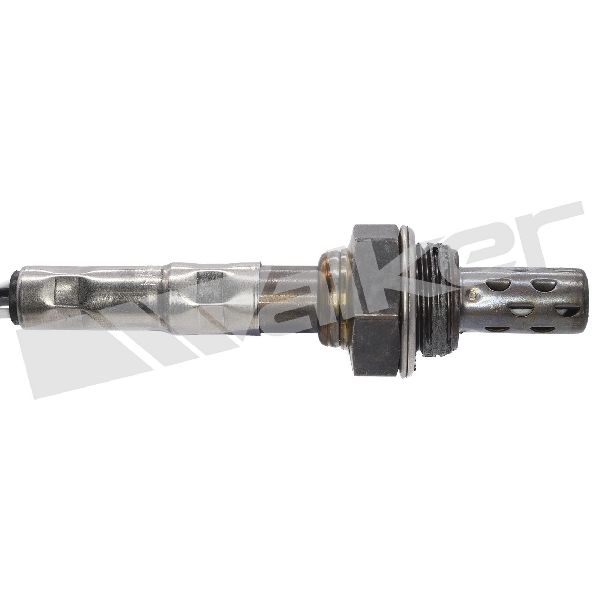
Trusted brands: NGK/NTK, Bosch, Denso, Walker
OEM price range: $120-$200
Aftermarket price range: $40-$90
Technical Service Bulletins (TSBs) & Recalls
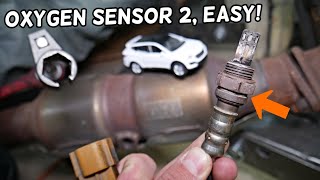
- source_type: TSB | id_or_name: TSB 02-36-333 (superseded) | relevance: Mentioned a change in oxygen sensor design for the 2.7L V6 engine around 2003 from Titanium to Zirconium types. The old and new sensors are not interchangeable and require different wiring and ECM logic. While not directly for P0140, it highlights 🎬 See this step-by-step guide to fixing the P0140 code. the importance of using the correct part number for the vehicle's specific year.
Platform-Specific Known Issues
- Seized O2 Sensors: → Shop Oxygen Sensor A very common complaint on Santa Fe forums is that the original oxygen sensors become seized in the exhaust pipe due to age and rust. Extensive use of penetrating oil (sometimes over several days) and a high-quality 22mm O2 sensor socket are often required for removal. In some cases, heating the exhaust bung with a torch is necessary, but this should be done with extreme caution.
- V6 Bank 1 Access: On the 2.7L and 3.5L V6 engines, the Bank 1 (rear bank) sensors are harder to access than the Bank 2 (front bank) sensors due to tighter clearance against the firewall. While the downstream sensor is more accessible from underneath the vehicle, it can still be a tight fit for tools.
Mechanic-Grade Diagnostic Values
- Downstream O2 Sensor (B1S2) Voltage — expected: Relatively stable voltage, slowly fluctuating. After sudden deceleration from ~4000 RPM (fuel cut), voltage should drop below 0.2V. On sudden acceleration, it should rise to 0.6V-1.0V.. Failure: Voltage is stuck between 0.415V and 0.515V for more than 76 seconds, which the ECM interprets as 'no activity'.
- O2 Sensor Heater Circuit Resistance — expected: Typically between 2 and 10 ohms for a Zirconia-type sensor at room temperature. Some sources cite a tighter range of 5-7 ohms.. Failure: A reading of 0 ohms indicates a shorted heater element. An infinite reading (OL) means the heater circuit is open/burnt out.
- O2 Sensor Heater Power Supply — expected: Approximately 12V (battery voltage) at the heater power wire in the harness connector with the key on, engine off.. Failure: No voltage indicates a blown fuse, a problem with the relay, or a break in the power wire from the fuse box.
Wiring & Ground Locations
- Engine Control Module (ECM) — Located below the center of the dash.. The ECM is the termination point for the O2 sensor signal and control wires. A poor connection at the ECM or an internal fault (rare) could cause P0140.
- G02 / G03 / G103 — Under the center console, near the SRS control module.. These are primary ground points for various modules in the center console area, including the ECM. A corroded or loose ground here can cause a wide range of difficult-to-diagnose electrical issues, including sensor signal problems.
- B1S2 O2 Sensor Connector — On the lower right side of the engine/exhaust system for Bank 1. The harness-side connector for the 2.7L V6 has wires for heater power (often Orange), heater control, signal, and ground.. This is the most common location for wiring damage due to heat and road debris. All voltage and resistance tests are performed at this connector.
Real Owner Repair Stories
- hyundai-forums.com user (2003 Hyundai Santa Fe 2.7L V6) — Check Engine Light with code P0140.
❌ Tried (didn't work) Initially, the owner was confused about the location of Bank 1 vs Bank 2.
✅ What actually fixed it The user confirmed Bank 1 is the rear bank (near the firewall). They replaced the downstream O2 sensor on that bank (B1S2) which resolved the P0140 code. The user noted the most difficult part was removing the old, rusted-in sensor. - NHTSA ODI #11618243 — An owner reported a Check Engine Light that was continuously on and blinking. Diagnostic codes retrieved included P0140 for the O2 circuit along with P0172 (System Too Rich) and P0126 (Knock Sensor Circuit).
OEM Part Supersession History
39210-37140→39210-37140 (current)— This part number applies to early models of the Santa Fe 2.7L V6.
Heads up: Crucially, Hyundai changed the O2 sensor technology on the 2.7L V6 engine around the 2002-2003 model year from Titanium to Zirconium types. The wiring harness and ECM logic also changed. Installing a sensor for a later year (e.g., a 2004 Zirconia sensor) on an early 2001 model that requires a Titanium sensor (or vice-versa) will result in a 'no activity' code, even if the part is brand new. Always verify the correct part number by VIN.
Model Year Variations Within This Range
- Circa 2001-2003 (2.7L V6): Hyundai issued TSB 02-36-333 which detailed a change from Titanium-type oxygen sensors to Zirconium-type sensors on the 2.7L V6 engine. This change also involved modifications to the wiring harness and the Engine Control Module (ECM). The two sensor types are electrically incompatible. Using the wrong type of sensor for the vehicle's specific production date will cause codes like P0140 because the ECM cannot interpret the signal.
Diagnostic Flowchart
Real Owner Stories
Aggregated from forums and TSBs cited above. Mileages and costs reflect what owners reported in those sources.
2001-2006 Hyundai Santa Fe — ~150000 miles
Symptoms: Check Engine Light was on. The old sensor was severely rusted and seized in the exhaust pipe, making it very difficult to remove.
What fixed it: Replaced the rear bank, downstream oxygen sensor after using penetrating oil.
Source hint: hyundai-forums.com: 'O2 Sensor Bank 1 Sensor 2'
2006 Hyundai Santa Fe 2.7L V6
Symptoms: Needed to replace the B1S2 oxygen sensor located on the rear bank, after the pre-cat, while avoiding damage to the surrounding heat shields.
What fixed it: Used a special 22mm (7/8") O2 sensor socket to successfully remove and replace the sensor.
Source hint: YouTube - 92KBuilds: 'Hyundai Santa Fe 2.7 o2 Sensor Locations'
Related OBD-II Codes
Frequently Asked Questions
Where is Bank 1 Sensor 2 located on my 2.7L or 3.5L V6 Santa Fe?
I have a 2003 Santa Fe 2.7L V6. Are all replacement oxygen sensors the same?
Why is the oxygen sensor so hard to remove on my Santa Fe?
Could a blown fuse cause the P0140 code on my Santa Fe?
Does this P0140 issue also affect other Hyundai or Kia models with the 2.7L V6?
Helpful Videos

We Have This Part in Stock


The information in this article is provided for general reference and educational purposes only. Vehicle specifications, procedures, and part compatibility can vary by production date, trim level, and region. Always consult your vehicle's factory service manual and verify part numbers before purchasing or performing repairs. Safety-critical components such as airbags, seat belts, and braking systems should be installed by a qualified professional.
- Hyundai Santa Fe:
- 🧭 Diagnostic Flowchart
- 🎬 Helpful Videos
- 🛍️ Shop This Part
- What's Unique About the 2001-2006 Hyundai Santa Fe
- Symptoms You May Notice
- Most Likely Causes
- Rare But Worth Checking
- Diagnosis Steps
- Parts You'll Likely Need
- Technical Service Bulletins (TSBs) & Recalls
- Platform-Specific Known Issues
- Mechanic-Grade Diagnostic Values
- Wiring & Ground Locations
- Real Owner Repair Stories
- OEM Part Supersession History
- Model Year Variations Within This Range
- Real Owner Stories
- 2001-2006 Hyundai Santa Fe — ~150000 miles
- 2006 Hyundai Santa Fe 2.7L V6
- Related OBD-II Codes
- Frequently Asked Questions
- 🎟️ Get 5% Off