

P0140 on 2013-2016 Mazda CX-5: Causes and Fixes for O2 Sensor Inactivity
This code almost always means the downstream oxygen sensor (Bank 1, Sensor 2) has failed. It's a common wear-and-tear part. Expect to pay around $60-$120 for an aftermarket sensor or $150+ for an OEM part. This is a manageable DIY repair for most, with the main challenge being potential rust on the old sensor. Some owners report needing the OEM sensor for the code to stay cleared.
- P0140 on a 2013-2016 CX-5 almost certainly means the downstream O2 sensor (after the catalytic converter) has failed.
- Symptoms are minimal; you will only see a Check Engine Light and will fail an emissions test. Drivability is not affected.
- Before buying a new sensor, perform a quick visual inspection of the wiring and connector underneath the car for any obvious damage or corrosion.
- Replacing the sensor is a DIY-friendly job, but the old sensor can be seized with rust, so use penetrating oil and the correct 22mm O2 sensor socket.
- Consider using a genuine OEM (Denso or Mazda) sensor, as some owners report that aftermarket parts do not resolve the code long-term.
What's Unique About the 2013-2016 Mazda CX-5
For the first-generation Mazda CX-5 with the Skyactiv-G engine, the P0140 code is a very common and straightforward fault. There are no widespread, unique design flaws that cause this code; it's typically just the result of the downstream O2 sensor reaching the end of its service life. Unlike some platforms where this code might point to complex software or ECU issues, on the CX-5 it almost always leads to a simple sensor replacement. However, some owners have reported that the code returned after using an aftermarket sensor and was only resolved by installing a genuine Mazda (OEM) part.
Symptoms You May Notice
- Check Engine Light is illuminated on the dashboard.
- Vehicle will fail an emissions test.
- No noticeable impact on drivability or fuel economy.
- Replacing the upstream oxygen sensor (Bank 1, Sensor 1). The code P0140 is specific to the downstream sensor (Sensor 2).
- Replacing the catalytic converter. A bad converter would typically trigger a P0420 (Catalyst Efficiency) code, not a P0140.
- Using a cheap aftermarket sensor. Some owners have experienced the P0140 code returning until an OEM Denso or Mazda-branded sensor was installed.
Most Likely Causes
- Failed Downstream Oxygen Sensor (Bank 1, Sensor 2) 🔴 High Probability → Shop Oxygen Sensor Oxygen sensors are wear-and-tear items that degrade over time from constant exposure to high-temperature exhaust gases. This is the most common reason for a P0140 code.
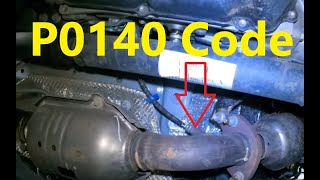
How to confirm: Using a scan tool, observe the live data for 'O2S12' or 'B1S2'. The voltage should fluctuate slowly. If it is stuck at a steady voltage (e.g., 0.45V) or shows 0V when the engine is warm, the sensor has likely failed. 🎬 Watch: How to diagnose and fix a P0140 code. A visual inspection of the sensor itself may also show signs of contamination or physical damage.
Typical fix: Replace the downstream oxygen sensor. A specialized 22mm (or 7/8") O2 sensor socket is highly recommended for removal. Applying penetrating oil for several hours or even days beforehand can be crucial for removing a rusted/seized sensor. Some owners report that only an OEM sensor will permanently resolve the code.
Est. part cost: $60-$220 - Damaged Wiring or Corroded Connector 🟡 Medium Probability The sensor and its wiring are located under the vehicle, exposed to road debris, moisture, and extreme heat, which can lead to corrosion or physical damage over time.
How to confirm: Visually inspect the entire wiring harness from the O2 sensor to its connection point. Look for frayed, brittle, or melted wires, and check the connector pins for green or white corrosion or moisture. A multimeter can be used to check for continuity and proper voltage/ground at the connector.
Typical fix: Repair the damaged section of the wiring harness or clean the connector pins with a contact cleaner. Applying dielectric grease before reconnecting can prevent future corrosion.
Est. part cost: $5-$50 - Exhaust Leak ⚪ Low Probability Gaskets and pipe welds can degrade over time, especially in regions with high road salt usage, leading to rust.
How to confirm: Listen for hissing or ticking sounds from the exhaust system, especially when the engine is cold. Visually inspect the exhaust pipes and gaskets between the upstream and downstream O2 sensors for black soot marks, which indicate a leak. A 'shop towel test' (briefly blocking the tailpipe to build pressure and make leaks more audible) can also help.
Typical fix: Replace the leaking exhaust gasket or repair the cracked pipe.
Est. part cost: $20-$100
Rare But Worth Checking
- Faulty Powertrain Control Module (PCM): → Shop Engine Control Module (ECM) This is extremely rare. All other possibilities, especially the sensor and its wiring, should be exhaustively ruled out before considering the PCM as the cause.
- Blown Fuse for O2 Sensor Heater Circuit: → Shop Oxygen Sensor The O2 sensor has an internal heater that helps it reach operating temperature quickly. This heater is on a fused circuit. While uncommon, a blown fuse will prevent the sensor from working and can set a P0140. Check the fuse box diagram for fuses related to 'O2' or 'Heater'.
Diagnosis Steps
- Connect an OBD-II scanner to confirm the P0140 code is present and check for any other codes.
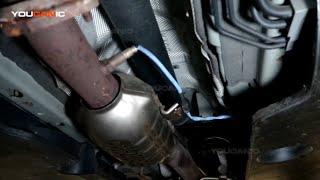
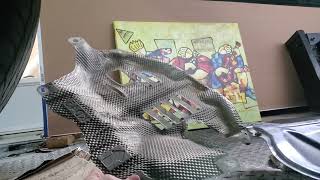
- Visually inspect the downstream O2 sensor, its connector, and wiring harness for any obvious signs of damage, such as melting, corrosion, or breaks. The connector is located above a small skid plate that may need to be partially removed (held by 10mm bolts). 🎬 See this video to quickly locate both oxygen sensors.
- Use the scanner's live data function to monitor the voltage of the Bank 1 Sensor 2 ('O2S12'). With the engine warm and running, a healthy sensor shows a slowly fluctuating voltage. If the voltage is stuck, flat-lined, or absent, it points to a problem with the sensor or its circuit.
- If the wiring looks good, test the sensor's heater circuit with a multimeter to ensure it has the correct resistance (typically between 1 and 10 ohms). Also check for a blown fuse for the heater circuit in the vehicle's fuse box.
- If the wiring, fuse, and heater circuit are confirmed to be good, the oxygen sensor itself is faulty and should be replaced.
- After replacement, clear the code with the scanner and perform a drive cycle to ensure the fix was successful.
Parts You'll Likely Need
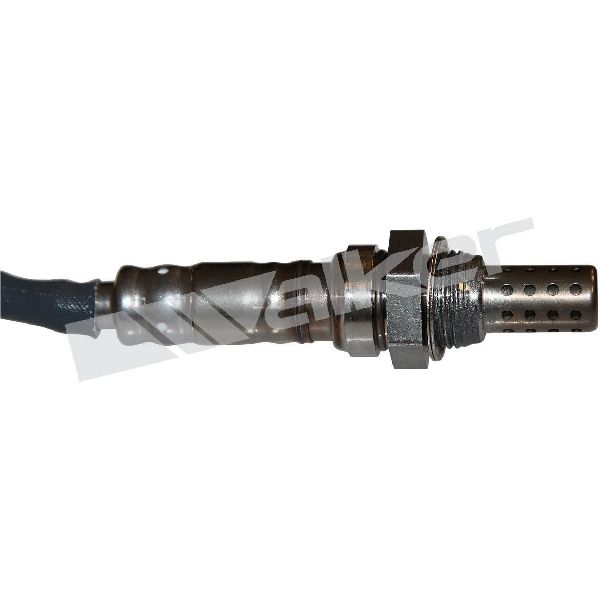
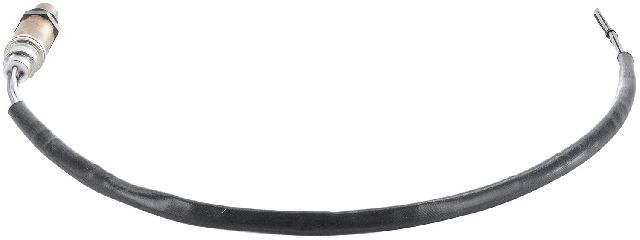
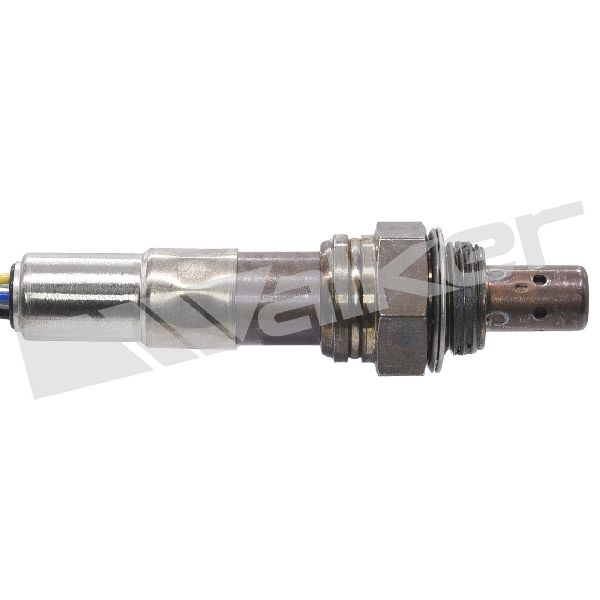
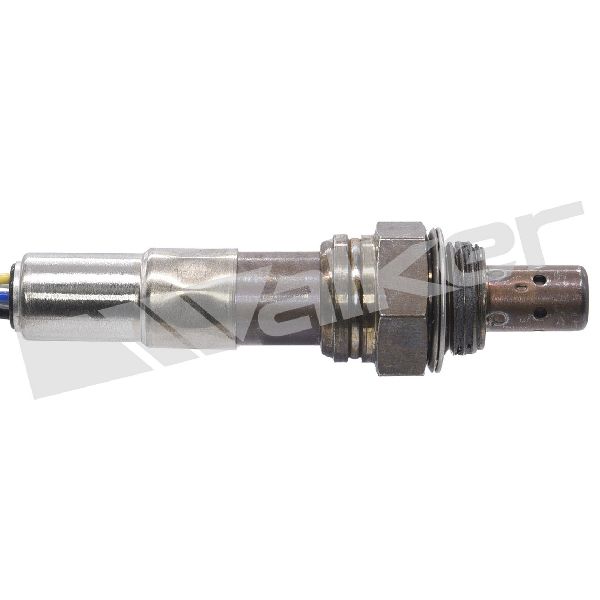
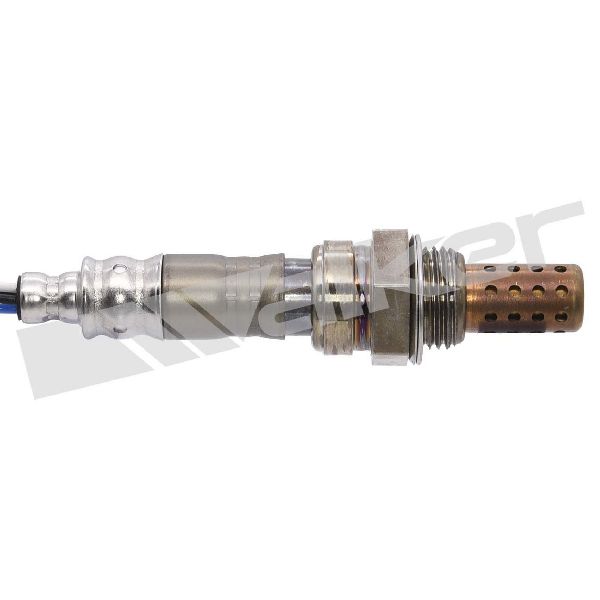
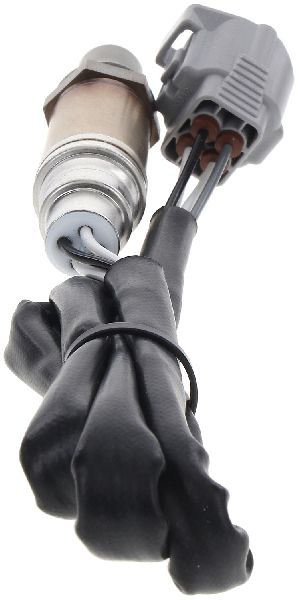
- Downstream Oxygen Sensor (Bank 1, Sensor 2)
(OEM #PE20-18-861A)— This is the component that the P0140 code directly identifies as having no activity. It is a common wear item and the most frequent cause of this code.
Trusted brands: Denso (OEM supplier), NGK/NTK, Bosch
OEM price range: $150-$220
Aftermarket price range: $60-$120
Related Codes That Often Appear With This One
- P0135 — This code indicates a fault in the heater circuit of the O2 sensor. They often appear together when the sensor's internal heating element fails.
- P013A — This code indicates 'O2 Sensor Slow Response – Rich to Lean (Bank 1, Sensor 2)'. It can be a precursor to P0140 as the sensor begins to fail and its reaction time degrades.
Platform-Specific Known Issues
- Persistent Code with Aftermarket Sensors: Multiple owner reports on forums indicate that the P0140 code can sometimes persist or return shortly after replacing the sensor with an aftermarket brand. The issue was only resolved after installing a genuine OEM Mazda sensor.
Mechanic-Grade Diagnostic Values
- Downstream O2 Sensor (HO2S) Heater Resistance — expected: 2—50 ohms at normal temperature.. Failure: Resistance is outside of this range, or shows an open circuit (infinite resistance).
- Downstream O2 Sensor (HO2S) Heater Resistance (Alternate Spec) — expected: 4.1 Ω ±0.3Ω at 20°C (68°F).. Failure: A reading significantly outside this more precise range indicates a likely faulty heater element.
- Downstream O2 Sensor (HO2S) Voltage during Deceleration — expected: 0.3 V or less.. Failure: If the voltage (PID: O2S12) does not drop to 0.3V or less when decelerating from 3,000 RPM or more with the accelerator fully released, the sensor is faulty.
- P0140 Trigger Condition — expected: Voltage should fluctuate.. Failure: The code is set if the sensor voltage does not change between 410-490 mV for more than 74 seconds when the PCM expects a response.
Hidden / Shadow Codes Worth Checking
- Mode $06, TID $05, CID $02: This corresponds to the O2 Sensor Monitor test results for Bank 1, Sensor 2. A 'Fail' status on this test can indicate an emerging problem with the sensor's response time or amplitude, which can eventually lead to a P0140 code, even before the Check Engine Light is on. (see via An advanced scan tool capable of displaying Mode $06 data, such as FORScan, Autel, or Snap-on scanners.)
Scan Tool Commands That Help
- FORScan, M-MDS, or equivalent: Live Data PID Monitoring (O2S12) — Use this to observe the sensor's voltage output in real-time. A flat-lined or stuck voltage (e.g., 0V or 0.45V) when the engine is warm confirms a lack of activity. This is the primary diagnostic step after checking for codes.
Wiring & Ground Locations
- HO2S Connector Pins C & D — On the downstream oxygen sensor's 4-pin electrical connector, under the vehicle.. These are the specific terminals for the internal heater circuit. A resistance measurement across these two pins directly tests the integrity of the heater, which is essential for sensor operation and a common failure point.
- PCM Connector Pins 2AI & 2AG — At the main Powertrain Control Module (PCM) connector, typically located in the engine bay.. These are the specific termination points for the downstream O2 sensor's signal circuit. Performing a continuity test from the sensor connector (pins A and B) to these PCM pins can definitively rule out an open or shorted wire in the main engine harness, which would mimic a failed sensor.
- Ground Point G07 — Located on the left rear of the engine.. This is a primary engine ground point. While not exclusive to the O2 sensor, a poor connection at this location can cause a variety of sensor and drivability issues, including erratic sensor readings. It should be checked for corrosion and tightness if electrical issues are suspected.
OEM Part Supersession History
PE20-18-861A→PE02-18-86ZA (or PE02-18-86Z)— Standard part lifecycle revision by Mazda.
Heads up: The original part number PE20-18-861A is correct for the vehicle, but is often confused with ignition coil part number PE20-18-100A by online sellers. When purchasing, verify the part is an oxygen sensor. The OEM supplier is Denso, and their direct-fit part number is 234-4583.
Model Year Variations Within This Range
- 2016: The 2016 model year received a facelift with a revised grille, updated infotainment system (Mazda Connect), and improved interior noise insulation. However, the 2.0L PE-VPS engine and its associated emissions control system, including the downstream O2 sensor, remained unchanged from the 2013-2015 models.
Diagnostic Flowchart
Other Known Issues on This Vehicle
Issues unrelated to this code that are worth knowing about as an owner of this generation:
- Leaking Drive Belt Auto Tensioner 🟠 Medium — Common issue across 2013-2019 Skyactiv engines. TSB 01-019/19 was issued for oil leakage from the tensioner damper, especially in high heat/load conditions. (Ref: TSB 01-019/19)
- Intake Valve Carbon Buildup 🟠 Medium — A known characteristic of all early direct-injection (GDI) engines, including Skyactiv-G. Oil vapors from the PCV system bake onto the intake valves. Can cause misfires or rough idle over 50,000+ miles, though Mazda's design is considered less prone than some competitors. (Ref: TSB SSB009934 / 01-013/16 (mentions decarbonization for misfires))
- Infotainment System 'Ghost Touch' 🟡 Low — Widespread issue where the infotainment screen registers phantom touches, changing settings or making calls randomly. It is caused by a faulty touch screen layer. It is more prevalent on slightly later models but has been reported on the 2016 model year. (Ref: TSB 09-003/22 (for 2017-2020 models, but the issue exists on earlier systems))
- Premature Brake Wear 🟡 Low — Some owners report needing to replace brake pads and rotors sooner than expected, particularly on the rear axle.
- Failing Accelerator Pedal Hinge 🟠 Medium — Affects vehicles in cold climates; the pedal hinge can separate from the base in temperatures below freezing. (Ref: TSB 01-013/16)
Used vs. New Parts: Buying Guide for This Vehicle
When a used part is the smart pick: A used part is a reasonable choice for the wiring harness pigtail if the original connector is damaged or corroded. For the sensor itself, a used part is not recommended due to its nature as a wear item with a finite lifespan.
Donor-vehicle mileage cap: roughly under 60000 miles for the part to have meaningful remaining life.
What to inspect on the donor part:
- For a wiring pigtail, ensure the connector is free of corrosion (no green or white powder).
- Check that the locking tab on the connector is intact and not brittle.
- Inspect the wires for at least 6 inches back from the connector to ensure they are not frayed, melted, or brittle.
OEM-only on this vehicle (don't cheap out):
- Oxygen Sensor (Bank 1, Sensor 2)
Aftermarket brands forum-validated for this vehicle:
- Denso (this is the Original Equipment Manufacturer)
- NGK / NTK
Brands owners have reported issues with on this vehicle:
- Unbranded or generic 'white-box' sensors have a high rate of failure or incompatibility with the Mazda PCM, often causing the P0140 code to return shortly after installation, as noted in multiple owner forums.
Real Owner Stories
Aggregated from forums and TSBs cited above. Mileages and costs reflect what owners reported in those sources.
2014 Mazda CX-5 2.0L Skyactiv-G — 75000 miles
Symptoms: Started with a P013A code, then got a P0140 after replacing the sensor with a Bosch aftermarket part. The scan tool showed fluctuating voltage, but the code remained.
What fixed it: The issue was only resolved after having the sensor replaced at a dealership with a genuine OEM Mazda part.
Source hint: Reddit r/MechanicAdvice - '2014 Mazda CX-5 can't clear p0140 code'
2013 Mazda CX-5 2.0L Skyactiv-G
Symptoms: The P0140 code kept coming back even after replacing both oxygen sensors with aftermarket versions.
What fixed it: Installing a genuine OEM Mazda sensor.
Source hint: Reddit r/mazda - 'Code P0140 keeps coming back'
Related OBD-II Codes
Frequently Asked Questions
Can I use a Bosch or other aftermarket sensor to fix the P0140 code on my 2014 CX-5?
Where is the downstream O2 sensor connector located on the 2013-2016 CX-5?
Is there a specific tool I need to remove the O2 sensor on my Skyactiv-G 2.0L?
Does TSB 01-013/16 apply to my 2013-2016 CX-5?
Will a P0140 code cause my CX-5 to drive differently?
Are there other common issues I should look out for while fixing this code?
Helpful Videos


We Have This Part in Stock

The information in this article is provided for general reference and educational purposes only. Vehicle specifications, procedures, and part compatibility can vary by production date, trim level, and region. Always consult your vehicle's factory service manual and verify part numbers before purchasing or performing repairs. Safety-critical components such as airbags, seat belts, and braking systems should be installed by a qualified professional.
- Mazda CX-5:
- 🧭 Diagnostic Flowchart
- 🎬 Helpful Videos
- 🛍️ Shop This Part
- What's Unique About the 2013-2016 Mazda CX-5
- Symptoms You May Notice
- Most Likely Causes
- Rare But Worth Checking
- Diagnosis Steps
- Parts You'll Likely Need
- Related Codes That Often Appear With This One
- Platform-Specific Known Issues
- Mechanic-Grade Diagnostic Values
- Hidden / Shadow Codes Worth Checking
- Scan Tool Commands That Help
- Wiring & Ground Locations
- OEM Part Supersession History
- Model Year Variations Within This Range
- Other Known Issues on This Vehicle
- Used vs. New Parts: Buying Guide for This Vehicle
- Real Owner Stories
- 2014 Mazda CX-5 2.0L Skyactiv-G — 75000 miles
- 2013 Mazda CX-5 2.0L Skyactiv-G
- Related OBD-II Codes
- Frequently Asked Questions
- 🎟️ Get 5% Off