

P0140 on 2003-2009 Mercedes-Benz E-Class: Causes and Fixes for O2 Sensor Inactivity
This code almost always points to a failed downstream oxygen sensor (Bank 1, Sensor 2). Replacing the sensor is the most common fix. Expect to pay between $70 and $180 for a quality aftermarket part from a brand like Bosch. Before replacing, check the wiring connector for oil contamination, a known issue on these engines.
- P0140 on your E-Class means the downstream, post-catalytic converter O2 sensor on the passenger side isn't sending a signal.
- The most probable cause is a failed oxygen sensor, which is a standard maintenance item that wears out over time.
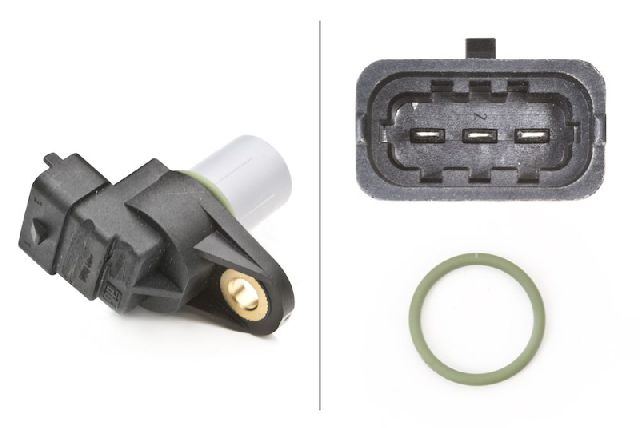
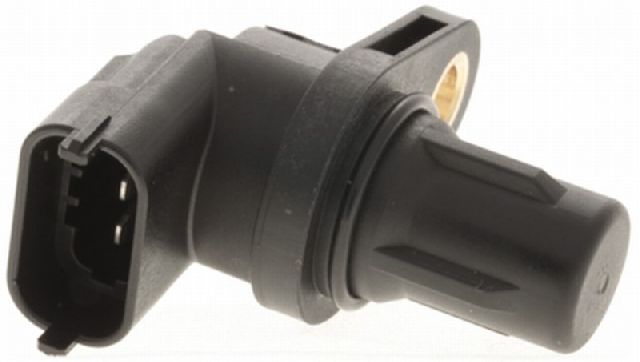
- Before replacing the sensor, perform a quick visual inspection of the wiring for obvious damage and check the connector for oil contamination, a well-documented issue on Mercedes engines where oil wicks from cam sensors.
- Driving with this code is safe, but you will not pass an emissions test until it is fixed.
- Replacing the sensor is a DIY-friendly job with the correct 22mm O2 sensor socket, but if oil is in the harness, the root cause must also be addressed.
What's Unique About the 2003-2009 Mercedes-Benz E-Class
For the W211 generation E-Class (2003-2009), the P0140 code is a common and straightforward fault. The primary causes are typical for most vehicles: the sensor fails due to age and heat. However, on Mercedes engines of this era (particularly the M272 V6 and M273 V8), there's a well-documented phenomenon where oil leaks from the camshaft position sensors or cam adjuster magnets. This oil can wick through the engine's wiring harness via capillary action and contaminate the O2 sensor connectors, causing this specific 'no activity' fault. While the sensor itself is the most frequent culprit, inspecting its connector for oil is a critical diagnostic step on these cars. If oil is found, the source of the leak must be fixed to prevent repeat failures.
Generation note: The 2003-2009 E-Class range covers the W211 generation. A significant facelift occurred in 2006 for the 2007 model year, which included updating the V6 and V8 engines from the M112/M113 family to the M272/M273 family. The cause and diagnosis for P0140 remain largely the same across these engine types, as the fundamental issue relates to a standard downstream oxygen sensor. However, the oil wicking issue is more pronounced on the later M272/M273 engines.
Symptoms You May Notice
- Check Engine Light is illuminated on the dashboard.
- Vehicle will fail an emissions test.
- In rare cases, a slight decrease in fuel economy or rough idle may be noticed, but often there are no drivability symptoms.
- Replacing the upstream oxygen sensor (Sensor 1). This code specifically points to the downstream sensor (Sensor 2).
- Replacing the catalytic converter. A failing catalytic converter typically causes an efficiency code (P0420), not a 'no activity' fault like P0140.
- Cleaning the Mass Airflow (MAF) sensor. A dirty MAF sensor can cause a host of fuel trim issues but will not directly cause a P0140 code.
Most Likely Causes
- Failed Downstream Oxygen Sensor (Bank 1, Sensor 2) 🔴 High Probability → Shop Oxygen Sensor Oxygen sensors are wear-and-tear items that degrade over time due to extreme heat and exhaust contaminants. They have a finite lifespan, often around 80,000-100,000 miles.
How to confirm: Use a scan tool to view live data for the Bank 1 Sensor 2 voltage. If the voltage is stuck, flat (often near 0.45V), or shows no activity when the engine is warm, the sensor has likely failed. You can also test the sensor's internal heater circuit for proper resistance with a multimeter; a reading outside the typical 2-15 ohm range indicates failure.
Typical fix: Replace the Bank 1, Sensor 2 oxygen sensor. This sensor is located in the exhaust pipe after the catalytic converter on the passenger side.
Est. part cost: $70-$180 - Wiring or Connector Issue 🟡 Medium Probability The wiring harness is routed near hot exhaust components and can become brittle or melt. More specific to Mercedes, oil from leaking camshaft position sensors can travel through the wiring harness and contaminate the O2 sensor connector, disrupting the signal.
How to confirm: Visually inspect the wiring harness from the sensor to the main connector for any signs of melting, chafing, or breaks. Unplug the connector (often found on the transmission bell housing or under the passenger floor mat) and check the pins for corrosion or the presence of engine oil. Perform a 'wiggle test' on the harness while watching live data to see if the signal appears intermittently.
Typical fix: Repair the damaged section of wiring. Clean the oil-filled connector thoroughly with electrical contact cleaner. If oil contamination is present, the source of the leak (e.g., camshaft sensor) must be fixed and preventative 'pigtail' harnesses are often installed to stop future wicking.
Est. part cost: $5-$60 - Blown Fuse for O2 Sensor Heater ⚪ Low Probability → Shop Oxygen Sensor A short in the sensor's heater element or its wiring can cause the corresponding fuse to blow, preventing the sensor from warming up and becoming active.
How to confirm: Locate the front SAM (Signal Acquisition Module) fuse box in the engine compartment. Check fuses associated with the oxygen sensors. While the pass 2 content mentioned F57, fuse charts for the W211 are complex and can vary. A visual inspection of all relevant fuses in the front SAM is recommended. Test the suspect fuse for continuity with a multimeter.
Typical fix: Replace the blown fuse. If the fuse blows again immediately, it indicates a short circuit in the heater element of the O2 sensor or its wiring that must be diagnosed and repaired.
Est. part cost: $1-$5
Rare But Worth Checking
- Exhaust Leak: An exhaust leak upstream of the sensor can introduce outside air, potentially causing erratic readings, though it's less likely to cause a 'no activity' code compared to a complete sensor or wiring failure.
- Engine Control Module (ECM) Fault: → Shop Engine Control Module (ECM) This is extremely rare. The ECM should only be considered a potential cause after all other possibilities have been exhaustively tested. Oil contamination from the engine harness has been known to reach and damage the ECM in severe cases. 🎬 Watch: How oil in the harness damages your ECU
Diagnosis Steps
- Read the fault codes with an OBD-II scanner to confirm P0140 is present and check for any other codes, like P0141.
- Use the scanner's live data function to monitor the voltage of 'O2 Sensor Bank 1 Sensor 2'. With the engine fully warmed up, it should show a relatively stable voltage. If it's flat, stuck (e.g., at 0.45V), or shows no activity, this points to a problem.
- Perform a thorough visual inspection of the oxygen sensor's wiring harness and connector. Trace the wiring from the exhaust pipe to the connector on the transmission bell housing. Look for melting, chafing, or corrosion.
- CRITICAL: Unplug the sensor connector and inspect for engine oil. If oil is present, the source (likely camshaft position sensors) must be identified and repaired to prevent repeat failure.
- Check the fuse for the O2 sensor heater circuit. In the W211, this is located in the engine bay fuse box (Front SAM).
- If wiring and fuses are good, test the sensor's heater circuit resistance with a multimeter. An open circuit or resistance outside of the 2-15 ohm specification indicates a failed sensor.
- If all other tests pass, the most likely cause is a faulty oxygen sensor. Replace the Bank 1 Sensor 2 oxygen sensor.
- After replacement, clear the codes and perform a drive cycle to ensure the Check Engine Light does not return.
Parts You'll Likely Need
- Downstream Oxygen Sensor (Bank 1, Sensor 2)
(OEM #A0045420818 (cross-references to Bosch parts))— This is the component that directly reports the data causing the P0140 code. It is a common wear item and the most frequent cause of the fault.
Trusted brands: Bosch, Denso
OEM price range: $150-$250
Aftermarket price range: $70-$180 - Camshaft Sensor Pigtail Harness
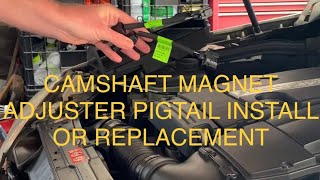
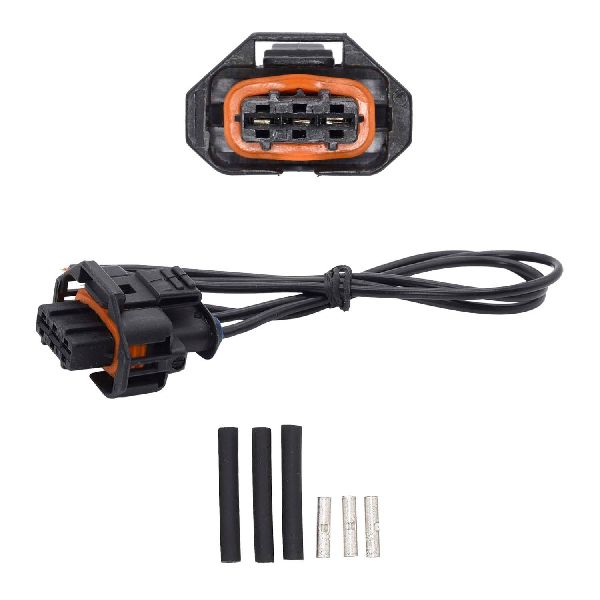
(OEM #2711500156)— If oil is found in the O2 sensor connector, this 'sacrificial' pigtail is installed between the leaking cam sensor and the main harness to absorb leaking oil and prevent it from migrating further. This is a preventative part to fix the root cause.
Trusted brands: Genuine Mercedes-Benz
OEM price range: $20-$30
Related Codes That Often Appear With This One
- P0141 — P0141 indicates a malfunction in the heater circuit for the same sensor (Bank 1, Sensor 2). They often appear together if the sensor's internal heater has failed or if there is a wiring/fuse issue affecting the entire sensor.
- P0136 — This is a general circuit malfunction code for the same sensor. It can appear alongside P0140 in cases of intermittent wiring faults or sensor failure.
Technical Service Bulletins (TSBs) & Recalls
- LI05.20-P-067123: This TSB addresses oil in the engine wiring harness from leaking camshaft adjuster solenoids on various engines, including the M156 but the principle applies to M272/M273. It describes the complaint of various fault codes (including for O2 sensors) and recommends replacing affected components and installing an adapter plug (pigtail).
- Campaign Bulletin 2012070002: While for a later model, this bulletin acknowledges the issue of oil leaking from camshaft sensors into the wiring harness, causing damage to downstream components like O2 sensors and the ECU, and covers repair costs.
Platform-Specific Known Issues
- On W211 models, particularly those with the M272 (E350) and M273 (E550) engines, oil leaks from the camshaft position sensors or cam adjuster magnets are notorious for traveling through the engine wiring harness. This oil follows the wires and contaminates other connectors, including those for the oxygen sensors, eventually causing codes like P0140. If oil is found in the O2 sensor connector, the source of the leak must be addressed and preventative 'pigtail' harnesses (Part No. 2711500156) should be installed to prevent a repeat failure.
Mechanic-Grade Diagnostic Values
- Downstream O2 Sensor Live Data Voltage (Engine Warm, Post-Catalyst) — expected: Relatively stable voltage, typically between 0.1V and 0.9V. Unlike the upstream sensor, it should not switch rapidly.. Failure: A flat, unchanging voltage, often stuck near 0V, 0.45V, or another value, indicates no sensor activity.
- O2 Sensor Heater Element Resistance (at the sensor connector, engine cold) — expected: 2-15 Ohms. Some sources state a tighter 2-10 Ohm range.. Failure: A reading of infinite resistance (Open Loop / OL) or near-zero Ohms (short circuit) indicates the internal heater has failed and the sensor must be replaced.
- O2 Sensor Heater Power Supply Voltage (at harness connector, sensor unplugged, key on) — expected: Approximately 12V (Battery Voltage).. Failure: A reading of 0V indicates a problem upstream, such as a blown fuse or a break in the power wire from the Front SAM.
Scan Tool Commands That Help
- Mercedes-Benz STAR/XENTRY: Guided Test for Oxygen Sensor G3/3 (Right O2 sensor, downstream of CAT) — To follow a manufacturer-specific diagnostic tree that checks live data, actuates the heater circuit, and provides specific expected values and wiring diagrams. This is the most definitive way to diagnose the fault beyond a generic OBD-II scanner.
Wiring & Ground Locations
- O2 Sensor Connector (Bank 1, Sensor 2) — The connector is typically located on the transmission bell housing on the passenger side, or in some W211 models, under the passenger-side floor mat and carpet near the transmission tunnel.. This is the primary point to inspect for physical damage, corrosion, and the notorious oil contamination wicked from the engine harness.
- W15/2 — A primary ground point located in the left (driver's side) footwell area.. While not the direct ground for the O2 sensor itself, poor grounds in this area can cause a variety of strange electrical issues with the engine control module and other related systems, potentially contributing to signal problems.
- Front SAM (Signal Acquisition Module) — Located in the fuse box in the engine compartment, typically on the driver's side under a plastic cover.. This module houses the fuses and relays that supply power to the O2 sensor heater circuits. A failure here or a blown fuse within it will prevent the sensor from activating.
Real Owner Repair Stories
- mbworld.org forum user (Mercedes-Benz E-Class (W211) with M272 V6 engine) — Intermittent Check Engine Light with code P0140.
❌ Tried (didn't work) Replacing the oxygen sensor multiple times., Having the wiring checked by a specialist.
✅ What actually fixed it The forum thread describes a frustrating, intermittent fault that kept returning. While the original poster did not provide a final definitive "this fixed it" post, the discussion highlights that even after replacing the most common parts (sensor and wiring checks), the issue can persist, pointing towards a more complex intermittent open/short in the harness or a rare ECU-side issue. This serves as a caution that P0140 is not always a simple sensor replacement.
Model Year Variations Within This Range
- 2003-2006 (Pre-facelift with M112/M113 engines): The issue of oil wicking through the harness from the cam sensors is less common than on the later M272/M273 engines, though still possible. Diagnosis is more likely to point directly to a failed sensor or standard wiring damage.
- 2007-2009 (Post-facelift with M272/M273 engines): These engines are highly prone to oil leaks from the camshaft position sensors and magnets contaminating the engine wiring harness. For a P0140 code on these models, checking the O2 sensor connector for oil is a mandatory first step after reading codes.
Diagnostic Flowchart
Other Known Issues on This Vehicle
Issues unrelated to this code that are worth knowing about as an owner of this generation:
- Sensotronic Brake Control (SBC) Failure 🔴 High — Very common. The SBC pump is a service item with a predefined lifespan based on brake actuations. Failure is inevitable. (Ref: Mercedes extended the warranty on the SBC unit to 25 years with unlimited mileage, and many owners have received free replacements even when serviced at independent shops.)
- Airmatic Suspension Failure 🟠 Medium — Common on models equipped with this option, typically after 80,000-120,000 miles. Leaking air springs/struts and failing compressors are the usual culprits.
- M272 V6 Balance Shaft Gear Wear 🔴 High — Affects M272 engines produced before a certain engine serial number (approx. pre-2007). The gear material was too soft and wears prematurely, causing timing issues. (Ref: This was the subject of a class-action lawsuit which provided an extended warranty (now expired) for affected vehicles. Repair is very labor-intensive.)
- Oil Wicking from Camshaft Sensors into Wiring Harness 🟠 Medium → Shop Engine Camshaft — A very common issue across many 2000s Mercedes engines, especially the M271, M272, and M273. The internal seals of the cam sensors and magnets fail, allowing oil to enter the main engine harness. (Ref: Mercedes issued TSBs (e.g., LI05.20-P-067123) and created preventative 'pigtail' harnesses (p/n 2711500156) to stop the oil migration.)
- 7G-Tronic (722.9) Conductor Plate Failure 🟠 Medium — Common issue on vehicles with the 7-speed automatic transmission. The conductor plate, which houses speed sensors and solenoids, fails electronically, causing harsh shifting or getting stuck in gear.
Used vs. New Parts: Buying Guide for This Vehicle
When a used part is the smart pick: A used wiring connector pigtail from a junkyard could be a cost-effective solution if only the connector is damaged and the rest of the harness is intact. A used Front SAM could be an option if diagnosed as faulty, but requires careful matching of part numbers.
Donor-vehicle mileage cap: roughly under 80000 miles for the part to have meaningful remaining life.
What to inspect on the donor part:
- For a wiring connector, ensure the plastic is not brittle, the locking tab is intact, and the pins are clean and straight.
- For a SAM module, check for any signs of water intrusion or corrosion on the casing and pins. Avoid any units from vehicles with flood damage.
OEM-only on this vehicle (don't cheap out):
- Engine Control Module (ECM) - Must be OEM and often requires professional programming (SCN coding) to the vehicle's VIN.
- Camshaft Sensor Pigtail Harness (the preventative part) - The genuine Mercedes-Benz part is inexpensive and designed specifically for this purpose.
Aftermarket brands forum-validated for this vehicle:
- Bosch (often the OEM supplier for Mercedes)
- Denso
- NTK
Brands owners have reported issues with on this vehicle:
- Unnamed, no-brand 'generic' sensors from online marketplaces are frequently cited in forums as being unreliable, failing to communicate properly with the ECU, or having a very short lifespan.
Real Owner Stories
Aggregated from forums and TSBs cited above. Mileages and costs reflect what owners reported in those sources.
2005 Mercedes-Benz C230 (M271)
Symptoms: The owner encountered codes P0136 and P0141 and discovered oil had migrated into the post-cat O2 sensor connector.
What fixed it: Cleaned the connectors, replaced the oxygen sensor, and installed isolation wires (pigtails) to stop the oil wicking from the cam sensors.
Source hint: MBWorld.org: 'Oil in Harness, Cam Sensor Leak'
2006 Mercedes-Benz E350 (W211)
Symptoms: A frustrating, intermittent P0140 code that persisted even after the owner replaced the downstream sensors and had the wiring inspected.
What fixed it: The source suggests the fault was elusive, potentially requiring deeper investigation into subtle wiring issues or the catalytic converter.
Source hint: MBWorld.org: 'Intermittent CEL - O2 Sensor P0140'
Mercedes-Benz E-Class (W211)
Symptoms: The owner discovered the oxygen sensor connector was full of an oily fluid while diagnosing a sensor-related fault code.
What fixed it: Identified as oil wicking through the harness from the cam adjuster magnets.
Source hint: Reddit (r/mercedes_benz): 'Oxygen sensor connector full of oily substance'
Related OBD-II Codes
Frequently Asked Questions
I found oil inside my oxygen sensor connector; how did it get there on my E-Class?
Is there a specific part to prevent oil from ruining my new O2 sensor?
Where is the fuse for the O2 sensor heater located on a W211?
Does TSB LI05.20-P-067123 apply to my E-Class if I have an O2 sensor code?
Where exactly is the Bank 1 Sensor 2 oxygen sensor located on this vehicle?
What should the resistance be when testing the O2 sensor heater circuit on my Mercedes?
Helpful Videos



We Have This Part in Stock


The information in this article is provided for general reference and educational purposes only. Vehicle specifications, procedures, and part compatibility can vary by production date, trim level, and region. Always consult your vehicle's factory service manual and verify part numbers before purchasing or performing repairs. Safety-critical components such as airbags, seat belts, and braking systems should be installed by a qualified professional.
- Mercedes-Benz E-Class:
- 🧭 Diagnostic Flowchart
- 🎬 Helpful Videos
- 🛍️ Shop This Part
- What's Unique About the 2003-2009 Mercedes-Benz E-Class
- Symptoms You May Notice
- Most Likely Causes
- Rare But Worth Checking
- Diagnosis Steps
- Parts You'll Likely Need
- Related Codes That Often Appear With This One
- Technical Service Bulletins (TSBs) & Recalls
- Platform-Specific Known Issues
- Mechanic-Grade Diagnostic Values
- Scan Tool Commands That Help
- Wiring & Ground Locations
- Real Owner Repair Stories
- Model Year Variations Within This Range
- Other Known Issues on This Vehicle
- Used vs. New Parts: Buying Guide for This Vehicle
- Real Owner Stories
- 2005 Mercedes-Benz C230 (M271)
- 2006 Mercedes-Benz E350 (W211)
- Mercedes-Benz E-Class (W211)
- Related OBD-II Codes
- Frequently Asked Questions
- 🎟️ Get 5% Off