

P0140 on 1995-1999 Mitsubishi Eclipse: Rear O2 Sensor Causes and Fixes
On a 2G Mitsubishi Eclipse, code P0140 almost always means the rear (post-catalytic converter) oxygen sensor has failed. The fix is to replace the sensor with a direct-fit Denso (Part No. 234-4001) or NGK/NTK part. Expect to pay $60-$120 for a quality aftermarket sensor. The sensor connector is uniquely located inside the car, under the driver's seat.
- P0140 on your Eclipse means the rear O2 sensor is dead.
- You can still drive the car, but you won't pass an emissions test.
- Buy a direct-fit oxygen sensor from Denso (234-4001) or NGK/NTK for a reliable repair. Avoid universal parts and other brands.
- The most difficult part of the job is accessing the connector, which is located under the driver's seat inside the car.
- Always check the wiring for damage and check the O2 heater fuse before assuming the sensor is the only problem.
What's Unique About the 1995-1999 Mitsubishi Eclipse
For the second-generation (2G) Eclipse, this code is very common due to age. The most unique aspect of this repair is the location of the sensor's electrical connector. The wiring passes through a grommet in the floor pan and connects under the driver's seat, which can be a point of corrosion or damage. The DSM (Diamond-Star Motors) community strongly advises using only Denso or NGK/NTK brand sensors, as they were the original equipment suppliers; other brands, particularly Bosch, are known to cause compatibility issues with the stock ECU.
Symptoms You May Notice
- Check Engine Light is on.
- Inability to pass an emissions inspection.
- Slight decrease in fuel economy (5-10%) in some cases, though less common as the rear sensor does not directly control fuel trim.
- Replacing the front (upstream) oxygen sensor. This code specifically points to the rear (downstream) sensor, Bank 1 Sensor 2.
- Replacing the catalytic converter. A bad converter typically sets a P0420 (Catalyst Efficiency) code, not a P0140 'no activity' code.
Most Likely Causes
- Failed Rear Oxygen Sensor 🔴 High Probability → Shop Oxygen Sensor The sensors have a finite lifespan and simply wear out from constant exposure to heat and exhaust gases. Given the age of these vehicles, sensor failure is the most probable cause. The internal sensing element or heater circuit can fail, leading to no activity.
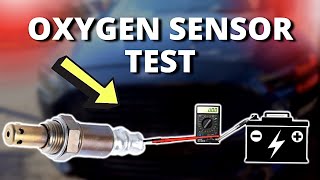
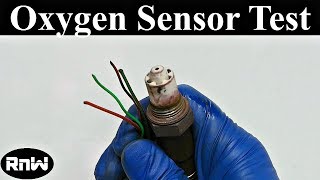
How to confirm: Using a scan tool, monitor the live data for 'Bank 1 Sensor 2'. If the voltage is stuck at a fixed value (e.g., 0.45V) and does not fluctuate at all during driving, 🎬 Watch: How to test oxygen sensor activity and signal the sensor is dead. A healthy sensor should show slow fluctuations. You can also test the sensor's internal heater circuit resistance with a multimeter; it should typically be between 11-18 ohms when cold. 🎬 See how to test sensor resistance with a multimeter
Typical fix: Replace the rear oxygen sensor. It is located in the exhaust pipe after the catalytic converter. Use a 22mm (7/8") oxygen sensor socket for removal and installation.
Est. part cost: $60-$120 - Damaged Wiring or Connector 🟡 Medium Probability The sensor wiring runs under the car and is exposed to road debris and heat. The electrical connector is located under the driver's seat inside the cabin, and the pass-through grommet in the floor can leak, causing corrosion on the connector pins. Forum users on DSMtuners frequently point to checking this connector as a key diagnostic step.
How to confirm: Visually inspect the entire length of the sensor's wiring harness for any signs of melting, chafing, or breaks. Unplug the connector under the driver's seat (you may need to remove the seat or lift the carpet) and check for corroded, bent, or broken pins.
Typical fix: Repair the damaged section of wire or clean/replace the corroded connector. If the connector is damaged, a replacement pigtail may need to be spliced in.
Est. part cost: $5-$50 - Exhaust Leak ⚪ Low Probability Rust on the 25+ year old exhaust system can cause leaks to develop at gaskets or flanges between the catalytic converter and the rear O2 sensor.
How to confirm: With the engine running, carefully feel or listen for any puffs of air coming from the exhaust pipe or flanges near the rear O2 sensor. A shop can perform a smoke test to pinpoint the leak. An exhaust leak can introduce oxygen, causing the sensor reading to flatline.
Typical fix: Replace the leaking gasket or section of exhaust pipe.
Est. part cost: $20-$200
Rare But Worth Checking
- Failed Engine Control Module (ECM/PCM): → Shop Engine Control Module (ECM) This is very rare. Before condemning the ECM, you must exhaustively prove the sensor and its entire wiring circuit are in perfect condition. This should be the absolute last item to check after all other possibilities are ruled out.
- Blown O2 Sensor Heater Fuse: → Shop Oxygen Sensor The O2 sensor has a heater circuit to bring it to operating temperature quickly. This circuit is often protected by a fuse. If the fuse blows, the sensor may not heat up properly, preventing it from sending a signal and triggering a P0140 code. Check the fuse box for a fuse labeled 'O2 HTR' or similar.
Diagnosis Steps
- Read the code with an OBD-II scanner to confirm P0140 is present. Check for any other codes, especially P0141.
- Visually inspect the rear oxygen sensor, which is screwed into the exhaust pipe after the catalytic converter. Look for obvious damage to the sensor or its pigtail.
- Follow the sensor's wire from the sensor to where it enters the cabin through a grommet in the floor pan, under the driver's side of the vehicle. Inspect for any melting, cuts, or chafing against the chassis or heat shields.
- Locate the electrical connector for the rear O2 sensor. On 2G DSMs, this is found inside the car, under the driver's seat and beneath the carpet. Disconnect it and inspect the pins on both sides for corrosion, moisture, or damage.
- With a scan tool connected, access the live data stream. Watch the voltage for 'O2S B1S2' (Bank 1, Sensor 2). Start the engine and let it warm up.
- A healthy rear sensor will show a relatively steady, but not completely flat, voltage. A sensor triggering P0140 will often be stuck at a single voltage (like 0.45V) or show 0V with no change. This confirms the 'no activity' fault.
- If the sensor signal is flat, the sensor itself has most likely failed. If the wiring and connector look good, proceed with replacement.
- Before replacing, consider a final wiring check. Test for continuity on the signal and ground wires between the sensor connector and the ECM connector to rule out a hidden wire break. Also check for a blown O2 sensor heater fuse in the vehicle's fuse panel.
- If a new sensor is installed and the code returns, re-check all wiring and investigate the possibility of an exhaust leak just upstream of the sensor.
Parts You'll Likely Need
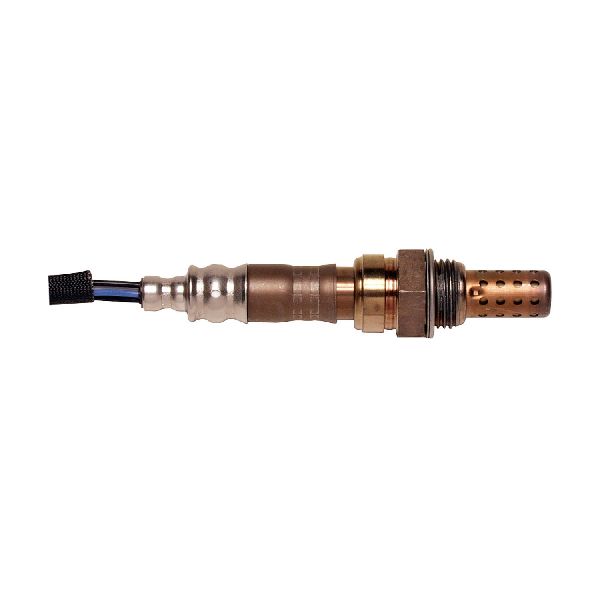
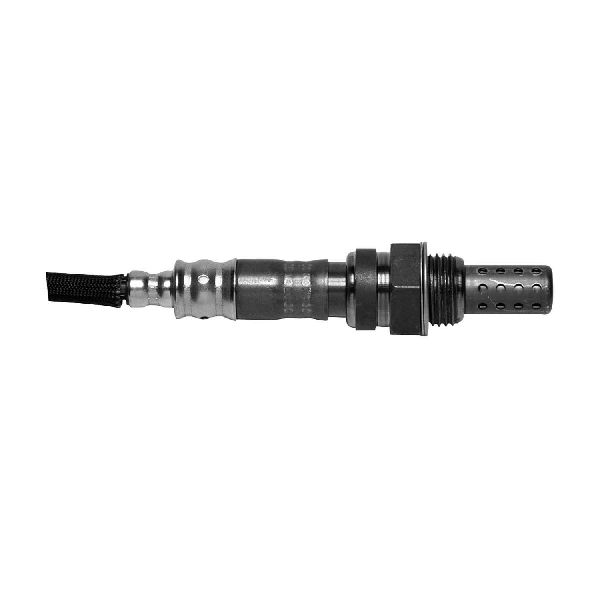
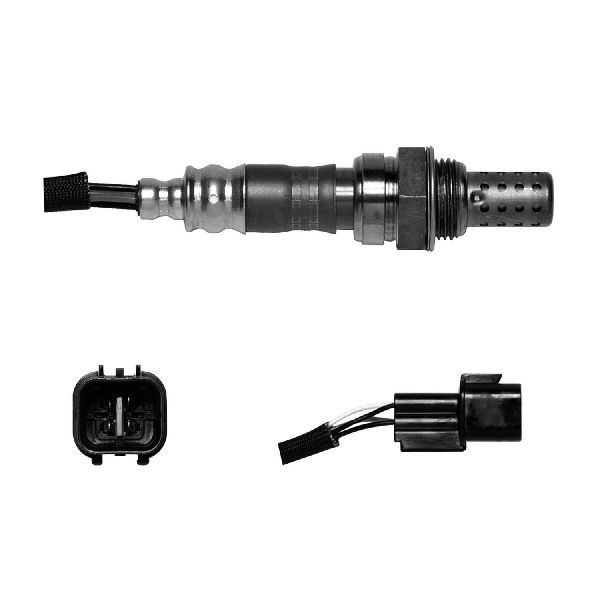
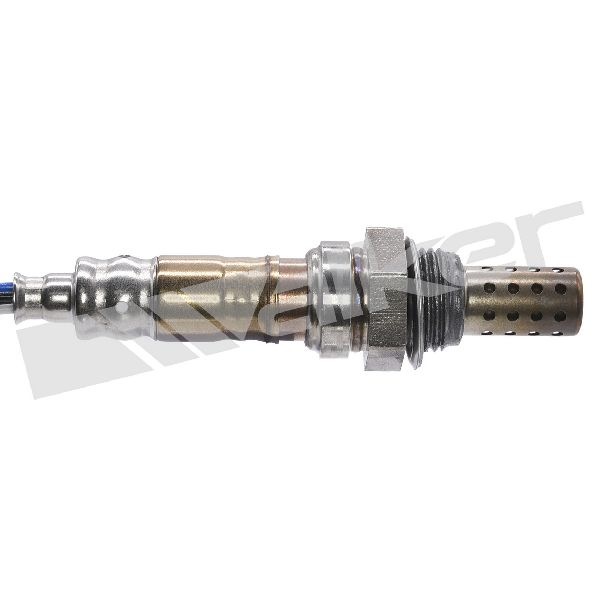
- Rear Oxygen Sensor (Bank 1, Sensor 2)
(OEM #MD185335)— This is the component that has failed internally, causing the 'no activity' reading. It is a standard wear-and-tear item.
Trusted brands: Denso, NGK/NTK
OEM price range: $130-$190
Aftermarket price range: $60-$120
Related Codes That Often Appear With This One
- P0141 (O2 Sensor Heater Circuit Malfunction Bank 1, Sensor 2): If the sensor's internal heater fails, it can cause the P0140 code to appear as the sensor cannot reach operating temperature to produce a signal. If P0141 is present, it should be addressed first.
Platform-Specific Known Issues
- The electrical connector for the rear O2 sensor is located inside the car, under the driver's seat. You must feed the new sensor's wire through a grommet in the floor pan to connect it. This location protects the connector but can be inconvenient to access.
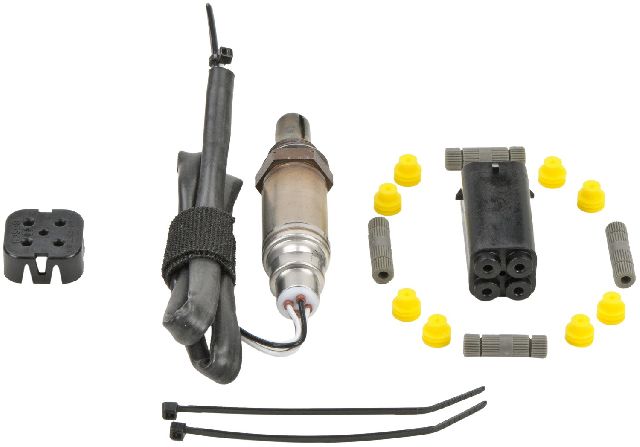
- Enthusiasts on forums like DSMtuners.com strongly recommend using only Denso or NGK/NTK direct-fit sensors. Universal sensors that require splicing wires and other brands (especially Bosch) are known to have compatibility problems with the 2G Eclipse ECU.
- A real-world example from a DSMtuners forum member showed that even after replacing the sensor, the P0140 code returned. The old sensor was tested and confirmed to be stuck at 0.45 volts, indicating a definitive failure. The recurring code suggested an underlying wiring or ECU issue in that specific case.
Mechanic-Grade Diagnostic Values
- Rear O2 Sensor Heater Circuit Resistance — expected: 11 - 18 Ohms at 68°F (20°C). Failure: An infinite reading (open circuit) or zero ohms (short circuit) indicates a failed heater element.
- Rear O2 Sensor Signal Voltage (Live Data) — expected: Slowly fluctuating voltage, typically between 0.1V and 0.9V after warm-up.. Failure: Voltage is stuck at a fixed value (e.g., 0.45V) or shows 0V, indicating no activity.
- DTC Set Condition: Vehicle Speed — expected: Test is performed when vehicle speed is greater than 30 km/h (19 mph).. Failure: N/A - This is a condition for the ECU to run the monitor.
- DTC Set Condition: Engine Temperature — expected: Test is performed when engine coolant temperature is more than 76°C (169°F).. Failure: N/A - This is a condition for the ECU to run the monitor.
Wiring & Ground Locations
- Rear O2 Sensor Connector (Harness Side) — Inside the vehicle cabin, under the driver's seat, beneath the carpet.. This connector is a common point for corrosion or damage due to moisture wicking through the floor grommet. All electrical tests for the sensor circuit begin here.
- ECM Pin 40 (Signal) — At the main Engine Control Module (ECM/ECU). The wire is typically White.. This is the pin where the ECM receives the voltage signal from the rear O2 sensor. A continuity test from this pin to the sensor connector's signal pin is required to rule out a broken wire.
- ECM Pin 41 (Sensor Ground) — At the main Engine Control Module (ECM/ECU). The wire is typically Black.. On 2G DSMs, this is a dedicated sensor ground return, NOT a chassis ground. Incorrectly grounding this wire to the chassis when installing a universal sensor will cause a P0140 code.
- Rear O2 Heater Power — At the sensor connector. The wire is typically Red.. This wire should have 12V+ with the key on. It provides power to the sensor's internal heater. No power here will cause P0140 and likely P0141.
- Rear O2 Heater Control — At the sensor connector. The wire is typically Yellow with a Black stripe.. This is the ground-side control wire from the ECM for the heater circuit. The ECM pulses this to ground to control heater operation.
Real Owner Repair Stories
- DSMtuners.com user 'Silverpearll' (2G DSM (year not specified)) — Car was chugging, surging, and being very sluggish under load at low speeds. The Check Engine Light was flashing, indicating a severe misfire.
❌ Tried (didn't work) The owner initially suspected a bad serpentine belt, which was ruled out by a mechanic.
✅ What actually fixed it The advice given by multiple senior members was that a failed O2 sensor can foul spark plugs, causing a misfire. The recommended fix was to first replace the faulty oxygen sensor, then inspect and likely replace the spark plugs (and wires if needed) to resolve the misfire condition. The O2 sensor failure was the root cause of the drivability symptoms. - DSMtuners.com user 'Big Bald' (2G DSM (year not specified)) — Bucking at idle and a P0300 (Random Misfire) code appeared immediately after installing a new universal O2 sensor.
❌ Tried (didn't work) Installing a Bosch Universal O2 sensor.
✅ What actually fixed it The user directly linked the installation of the Bosch universal sensor to the new drivability problems. This story serves as a real-world example of the DSM community's advice to avoid Bosch sensors due to incompatibility issues with the stock ECU. The implied fix is to replace it with a recommended Denso or NTK sensor.
OEM Part Supersession History
MD185335→N/A— This is the widely cited genuine Mitsubishi OEM part number for the 1995-1999 2G DSM rear oxygen sensor.
Heads up: Part number MR560365 fits later 2001+ models and should not be used on a 2G Eclipse.
Model Year Variations Within This Range
- 1995-1996 vs. 1997-1999: The 2G DSM platform received a facelift in 1997, which included changes to various wiring harnesses. While the rear O2 sensor function and P0140 code logic remained the same, technicians should be aware that wire colors or pin positions at intermediate connectors could potentially differ between the 95-96 and 97-99 year ranges. Always source wiring diagrams specific to the vehicle's exact year.
Diagnostic Flowchart
Used vs. New Parts: Buying Guide for This Vehicle
When a used part is the smart pick: A used part is a reasonable choice for the sensor's electrical pigtail/connector if the original is damaged or corroded. A complete used engine harness is also viable, but it MUST be from the correct model year range (1995-1996 or 1997-1999) due to wiring differences.
Donor-vehicle mileage cap: roughly under 150000 miles for the part to have meaningful remaining life.
What to inspect on the donor part:
- For a connector, check for intact locking tabs, non-brittle plastic, and clean, corrosion-free pins.
- For a harness, look for intact loom, no signs of melting near the exhaust, and no previous amateurish splice repairs.
OEM-only on this vehicle (don't cheap out):
- Oxygen Sensor: It is not recommended to use a used oxygen sensor as it is a wear item with a finite lifespan. A new sensor is the only reliable repair.
Aftermarket brands forum-validated for this vehicle:
- Denso (OEM supplier)
- NGK / NTK (OEM supplier)
Brands owners have reported issues with on this vehicle:
- Bosch: Forum consensus on DSMtuners is overwhelmingly negative, with members reporting immediate issues like rough idle, incompatibility with the stock ECU, and recurring codes after installing Bosch sensors.
Real Owner Stories
Aggregated from forums and TSBs cited above. Mileages and costs reflect what owners reported in those sources.
1999 Eclipse
Symptoms: The Check Engine Light was coming on and off, showing code P0140. A test of the old oxygen sensor confirmed it was stuck at 0.45 volts and would not move.
What fixed it: The owner replaced the rear O2 sensor, but the P0140 code returned after about 150 miles and the car still could not pass an emissions inspection. The ultimate fix was not reported in the forum thread.
Source hint: DSMtuners.com - Recurring P0140 Code
Related OBD-II Codes
Frequently Asked Questions
Where is the rear O2 sensor connector located on my 1995-1999 Eclipse?
What brand of oxygen sensor is best for my 2G DSM?
I replaced the rear O2 sensor but the P0140 code came back. What's wrong?
Will a P0140 code cause my Eclipse to fail an emissions test?
How can I tell if my rear O2 sensor has failed by using a scan tool?
Does this P0140 issue also affect the Eagle Talon and Plymouth Laser?
Helpful Videos
We Have This Part in Stock


The information in this article is provided for general reference and educational purposes only. Vehicle specifications, procedures, and part compatibility can vary by production date, trim level, and region. Always consult your vehicle's factory service manual and verify part numbers before purchasing or performing repairs. Safety-critical components such as airbags, seat belts, and braking systems should be installed by a qualified professional.
- Mitsubishi Eclipse:
- 🧭 Diagnostic Flowchart
- 🎬 Helpful Videos
- 🛍️ Shop This Part
- What's Unique About the 1995-1999 Mitsubishi Eclipse
- Symptoms You May Notice
- Most Likely Causes
- Rare But Worth Checking
- Diagnosis Steps
- Parts You'll Likely Need
- Related Codes That Often Appear With This One
- Platform-Specific Known Issues
- Mechanic-Grade Diagnostic Values
- Wiring & Ground Locations
- Real Owner Repair Stories
- OEM Part Supersession History
- Model Year Variations Within This Range
- Used vs. New Parts: Buying Guide for This Vehicle
- Real Owner Stories
- 1999 Eclipse
- Related OBD-II Codes
- Frequently Asked Questions
- 🎟️ Get 5% Off