

P0140 on 2003-2007 Saturn Ion: O2 Sensor Inactivity Causes and Fixes
This code almost always means the rear oxygen sensor (Bank 1, Sensor 2) has failed or its wiring is damaged. A replacement sensor is the most common fix, costing around $40-$80 for an aftermarket part and is a straightforward DIY repair. Before replacing, check the wiring and connector for obvious damage, as this is a common failure point.
- P0140 on a Saturn Ion points to the rear (downstream) oxygen sensor.
- The most likely fix is replacing the sensor itself, which is an affordable and accessible DIY job for most home mechanics.
- Before buying a new sensor, always perform a quick visual inspection of the wiring and connector for obvious damage, as this is the second most common cause.
- Driving with this code is safe, but you will fail an emissions test and should resolve it to ensure the emissions system is functioning correctly.
What's Unique About the 2003-2007 Saturn Ion
The Saturn Ion uses a standard GM emissions control system for its era, so there's nothing exceptionally unique about how it uses the P0140 code. The cause is almost always a simple component failure due to age and heat cycles. Because the sensor is located underneath the car, its wiring is susceptible to damage from road debris or corrosion over time, which is a common point of failure noted by owners. One critical diagnostic note for these GM platforms is to never apply grease to the O2 sensor connector, as the sensor's wiring is used to draw in reference air for accurate readings.
Symptoms You May Notice
- Check Engine Light is on
- Failure to pass a vehicle emissions test
- Slight decrease in fuel economy (less common)
- Replacing the upstream (Sensor 1) oxygen sensor. A common mistake is to mix up the sensor locations. P0140 specifically refers to Sensor 2, which is located *after* the catalytic converter.
- Replacing the sensor without checking the wiring first. Technicians note that a wiring or connector issue is a significant possibility, and a simple visual check can save the cost of an unneeded sensor.
Most Likely Causes
- Failed Downstream Oxygen Sensor (Bank 1, Sensor 2) 🔴 High Probability → Shop Oxygen Sensor Oxygen sensors are wear items that degrade over time from constant exposure to heat and exhaust gases. After many years and miles, internal failure is very common and the most likely cause of P0140.
How to confirm: Using a scan tool, observe the live data for the B1S2 O2 sensor. If the voltage is stuck flat between 391-491mV and does not change after the engine is warm, the sensor has failed. If the wiring tests good, the sensor is the culprit. A completely dead sensor may show 0V.
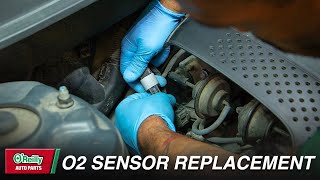
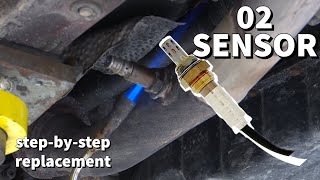
Typical fix: Replace the Bank 1, Sensor 2 oxygen sensor. This sensor is located on the exhaust pipe after the catalytic converter. An O2 sensor socket is recommended for removal. 🎬 Watch: A step-by-step guide to changing your O2 sensors.
Est. part cost: $40 - $90 - Damaged Wiring or Connector 🟡 Medium Probability The sensor and its wiring are located under the vehicle, exposed to road debris, moisture, and extreme temperatures, which can lead to corrosion, frayed wires, or a damaged connector. Sometimes the connector is simply forgotten to be plugged back in after other service.
How to confirm: Visually inspect the entire wiring harness from the O2 sensor to where it connects to the main harness. Check for melted sections, chafing, or breaks. Unplug the connector and check for corrosion or bent pins. Use a multimeter to test for continuity, power, and ground at the connector. A bad ground connection is a known potential cause.
Typical fix: Repair the damaged section of the wiring harness or replace the connector pigtail. Ensure the wiring is properly secured away from hot exhaust components.
Est. part cost: $15 - $40 - Failed O2 Sensor Heater Circuit ⚪ Low Probability → Shop Oxygen Sensor The internal heater element within the O2 sensor can burn out, or the fuse supplying power to the heater circuit can blow. The sensor cannot produce a signal until it reaches operating temperature (approx. 600°F).
How to confirm: Check for a related trouble code like P0141 (O2 Sensor Heater Circuit Malfunction). If P0141 is present, diagnose it first, as an inoperative heater will cause P0140 to set. Check the fuse box for a blown O2 sensor or emissions-related fuse. Test for power and ground on the heater circuit wires at the sensor's connector.
Typical fix: If the fuse is blown, replace it and investigate the cause of the overcurrent. If the heater element inside the sensor has failed, the entire sensor must be replaced.
Est. part cost: $1 - $90
Rare But Worth Checking
- Exhaust Leak: An exhaust leak upstream of the Sensor 2 can allow outside oxygen into the exhaust stream, which can cause the sensor to provide an inaccurate, flat-line reading. This is less common than sensor or wiring failure but worth checking, especially if you hear an exhaust leak.
- Powertrain Control Module (PCM) Fault: → Shop Engine Control Module (ECM) In very rare cases, the internal circuit in the PCM that reads the O2 sensor can fail. This should only be considered after all other possibilities, including wiring and grounds, have been exhaustively ruled out.
Diagnosis Steps
- Read the codes with an OBD-II scanner to confirm P0140 is present and check for any other codes, especially P0141.
- Visually inspect the downstream O2 sensor's wiring harness and connector. Look for any signs of melting, chafing, corrosion, or loose connections. Ensure the connector is fully seated.
- Check the vehicle's fuse panel for any blown fuses related to the emissions system or O2 sensors.
- Use a scan tool to monitor the live data stream for 'O2S B1S2'. The voltage should fluctuate slightly. If it is stuck at a steady voltage (specifically between 391-491mV for 90+ seconds on a warm engine for this GM platform), this confirms the 'no activity' condition.
- If you have access to a multimeter, disconnect the sensor and test the wiring harness side of the connector for proper ground and reference voltage from the PCM. Check the sensor side for resistance of the heater circuit.
- Listen and feel for any exhaust leaks between the engine and the downstream O2 sensor. A leak can skew sensor readings.
- If the wiring, fuse, and exhaust system are all confirmed to be in good condition, the oxygen sensor itself has most likely failed and should be replaced.
Parts You'll Likely Need
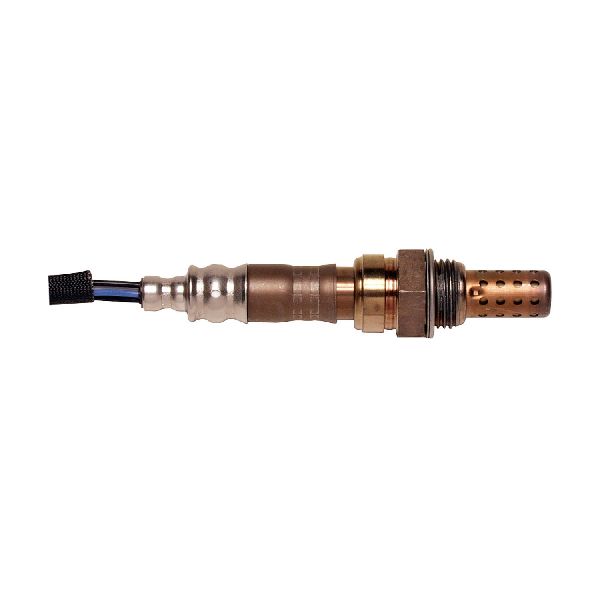
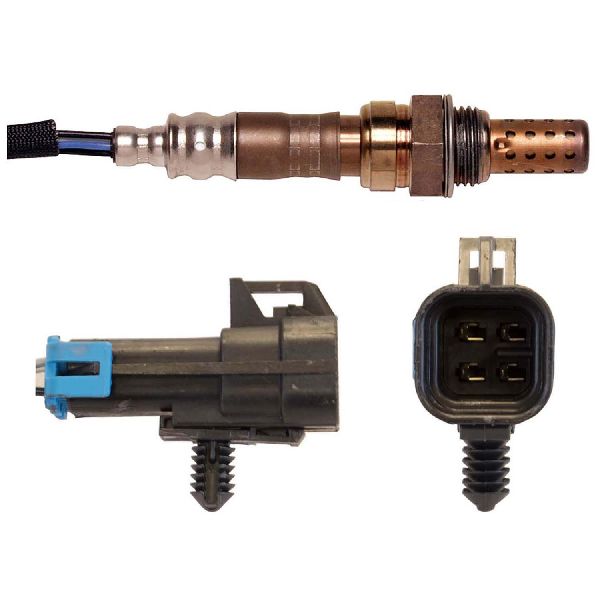
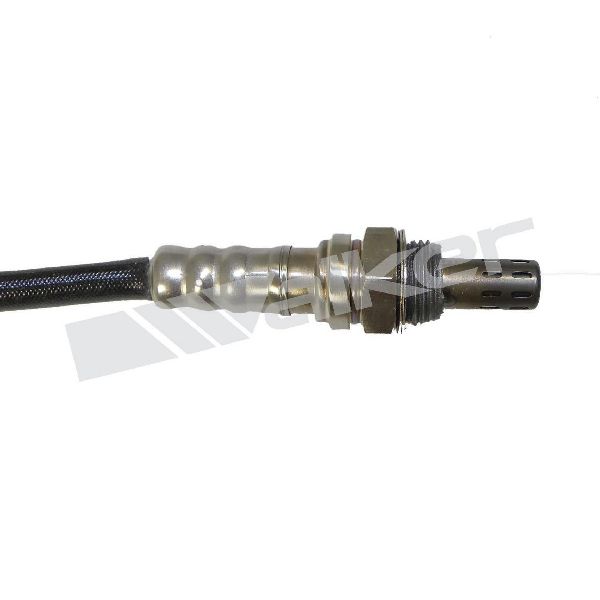
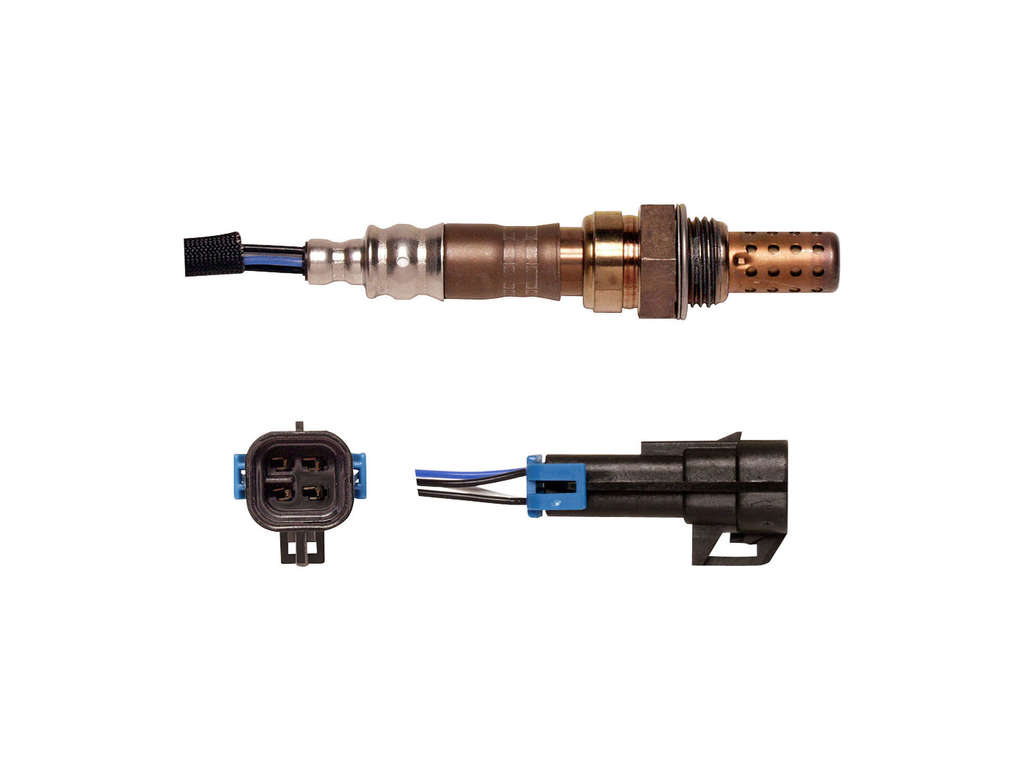
- Downstream Oxygen Sensor (Bank 1, Sensor 2)
(OEM #12578576)— This is the component that directly reports the condition that triggers code P0140. It is a common wear-and-tear item that fails with age.
Trusted brands: ACDelco (OEM), Denso, Bosch, Walker Products
OEM price range: $80-$100
Aftermarket price range: $40-$80
Related Codes That Often Appear With This One
- P0141 — P0141 indicates a malfunction in the heater circuit for the same O2 sensor. A failed heater will prevent the sensor from reaching operating temperature (around 600°F), causing it to show no activity and triggering P0140. Diagnostic procedure for GM vehicles states to always diagnose and fix P0141 first.
Platform-Specific Known Issues
- Do Not Use Grease on Connector: A specific diagnostic aid for these GM vehicles warns against applying any grease or material to the HO2S connector. The wiring sheath is used to carry reference air to the sensor, and blocking it can cause false readings or trigger codes like P0140.
- Check for Loose Ground: A loose oxygen sensor ground can also cause false readings or a P0140 code. This should be checked during wiring inspection.
Mechanic-Grade Diagnostic Values
- Downstream O2 Sensor Voltage (Live Data) — expected: Fluctuating between 10-999 mV on a warm, closed-loop engine.. Failure: Voltage is stuck between 391-491 mV for 90 seconds.
- PCM Bias Voltage to O2 Sensor — expected: Approximately 450 mV (0.45V) with the key on, engine off, when measured on the signal wire.. Failure: Significantly different or no voltage may indicate a PCM or wiring issue.
- O2 Sensor Heater Element Resistance — expected: Typically between 3 and 25 ohms, but check specifications for the exact replacement part. One example for a similar GM post-cat sensor showed a target of 11.7-14.5 ohms.. Failure: Reading of 0 ohms (short circuit) or OL/infinite resistance (open circuit).
- O2 Sensor Harness Power (Heater Circuit) — expected: 12V on the power wire (Pink/Black for a 2007 Ion) with the key on.. Failure: No voltage indicates a blown fuse (check EMISS fuse 10) or a wiring problem.
Wiring & Ground Locations
- Engine Harness Ground Stud — On the back of the engine block, above the starter and just under the #4 intake runner. Look for a 10mm bolt with multiple ring terminals attached.. 🎬 See how to find and fix common GM electrical grounds. This is a primary grounding point for the engine harness. A loose or corroded connection here is a known cause of persistent P0140 codes even after replacing the sensor, as it disrupts the sensor's ground reference.
- G107 — On the left rear corner of the cylinder head (for 2007 2.2L models).. This is another engine ground point. Verifying all engine-to-chassis grounds are clean and tight is crucial when diagnosing electrical codes like P0140.
- G105 — On the lower left rear of the engine, above the starter (for 2007 2.2L models).. This ground's proximity to the starter and lower engine components makes it susceptible to corrosion. It should be inspected when troubleshooting sensor circuit issues.
- HO2S2 Connector Wires (2007 Ion) — At the downstream O2 sensor connector.. Knowing the wire colors allows for accurate testing: Pink/Black is 12V+ for the heater, Tan/White is the heater ground, and the other two (Purple/White, Black/White) are for the sensor signal and reference.
Real Owner Repair Stories
- Saturn Forum user (2004 Saturn Vue (shares powertrain with Ion)) — Persistent O2 sensor codes after replacing the sensor twice with different brands.
❌ Tried (didn't work) Replacing the downstream O2 sensor (once with a Bosch, once with another brand).
✅ What actually fixed it The strongly suggested fix, after the new parts failed, was to locate and clean the main engine harness ground point. A forum expert described the location as the back of the block, above the starter, with a 10mm bolt holding two ring terminals. This implies the root cause was a bad ground, not the sensor itself.
Model Year Variations Within This Range
- 2003-2007: The downstream oxygen sensor part number can vary between the early (2003-2004) and later model years. It also differs between the 2.2L L61 engine and the 2.4L LE5 engine, which was introduced in 2006. Always confirm the part number with the vehicle's VIN before purchasing.
Diagnostic Flowchart
Used vs. New Parts: Buying Guide for This Vehicle
When a used part is the smart pick: For this repair, using a used part is not recommended. Oxygen sensors are wear items with a finite lifespan determined by heat cycles and mileage. A used sensor from a junkyard has an unknown history and is likely to fail sooner than a new part, making the labor a wasted effort.
What to inspect on the donor part:
- Not applicable as used parts are not advised.
OEM-only on this vehicle (don't cheap out):
- While not required for the O2 sensor, if a P0420 code accompanies P0140, it is strongly recommended to use an OEM or CARB-compliant catalytic converter. Aftermarket converters for this platform often fail to meet the PCM's strict monitoring parameters, leading to a quick return of the check engine light.
Aftermarket brands forum-validated for this vehicle:
- Denso
- Bosch
- NGK/NTK
- ACDelco (is the OEM supplier)
Brands owners have reported issues with on this vehicle:
- Unnamed, no-brand, or generic 'white-box' sensors from online marketplaces should be avoided. Forum discussions frequently show these parts failing quickly or being dead on arrival, negating any initial cost savings.
Real Owner Stories
Aggregated from forums and TSBs cited above. Mileages and costs reflect what owners reported in those sources.
2004 Saturn Ion — 19041 miles
Symptoms: The check engine light was on, but the car ran perfectly. A code reader indicated 'no voltage going to (or through) the O2 sensor'.
What fixed it: The forum thread did not conclude with a successful repair. The owner did not report what ultimately fixed the issue after checking the fuse, wiring, and connector.
Source hint: Saturn Forum - Thread titled 'Code P0140 ? help'
Related OBD-II Codes
Frequently Asked Questions
Where is the Bank 1, Sensor 2 oxygen sensor located on my Saturn Ion?
I have a P0141 code along with P0140 on my Ion. Which one should I fix first?
Is it okay to put dielectric grease on the new O2 sensor connector for my 2006 Ion?
My scan tool shows the B1S2 voltage is stuck at 450mV on my Ion. Does this confirm the sensor is bad?
Are other GM cars like the Chevy Cobalt or HHR known to have this same P0140 problem?
Besides the sensor itself, what is a specific wiring issue to check for on a Saturn Ion with a P0140 code?
Helpful Videos
We Have This Part in Stock


The information in this article is provided for general reference and educational purposes only. Vehicle specifications, procedures, and part compatibility can vary by production date, trim level, and region. Always consult your vehicle's factory service manual and verify part numbers before purchasing or performing repairs. Safety-critical components such as airbags, seat belts, and braking systems should be installed by a qualified professional.
- Saturn Ion:
- 🧭 Diagnostic Flowchart
- 🎬 Helpful Videos
- 🛍️ Shop This Part
- What's Unique About the 2003-2007 Saturn Ion
- Symptoms You May Notice
- Most Likely Causes
- Rare But Worth Checking
- Diagnosis Steps
- Parts You'll Likely Need
- Related Codes That Often Appear With This One
- Platform-Specific Known Issues
- Mechanic-Grade Diagnostic Values
- Wiring & Ground Locations
- Real Owner Repair Stories
- Model Year Variations Within This Range
- Used vs. New Parts: Buying Guide for This Vehicle
- Real Owner Stories
- 2004 Saturn Ion — 19041 miles
- Related OBD-II Codes
- Frequently Asked Questions
- 🎟️ Get 5% Off