

P0140 on 2001-2009 Volvo S60: Rear O2 Sensor Inactivity Causes and Fixes
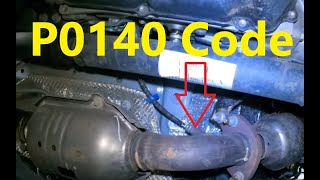
On a 2001-2009 Volvo S60, code P0140 almost always means the rear (post-catalyst) oxygen sensor has failed. It's a common wear item. Before replacing, check the 20A fuse for the O2 sensor heater in the engine bay fuse box (often position #15). Inspect the wiring harness under the car for damage. Expect to pay ~$70-$150 for a quality aftermarket sensor (Bosch/Denso) and ~$180-$280 for an OEM part.
- P0140 on your S60 means the rear O2 sensor is not sending a signal.
- The most likely cause is a failed sensor, which is a common part to replace on a vehicle of this age.
- Before buying a new sensor, check the 20A fuse for the O2 sensor heaters in the engine bay fuse box.
- Driving with this code is safe, but you will not pass an emissions test.
- Use a quality replacement sensor from a brand like Bosch or Denso for best results.
What's Unique About the 2001-2009 Volvo S60
The 2001-2009 Volvo S60 (P2 platform) is known for its durable but sensitive electronics. While P0140 is a standard code, these vehicles are of an age where sensor failure is common simply due to time and mileage. Owners frequently report this code appearing alongside heater circuit codes (like P0141), often pointing to a blown fuse caused by a shorted sensor. On many P2 Volvos, this is a 20A fuse in the engine bay fuse box. It's crucial to use a quality replacement sensor, as these Volvos can be finicky with cheaper, universal parts. Bosch and Denso are highly recommended OEM-quality brands.
Symptoms You May Notice
- Check Engine Light is illuminated.
- Vehicle will fail an emissions test.
- No noticeable impact on drivability in most cases.
- In rare cases, a slight decrease in fuel economy or a rough idle may be noticed, though this is not typical for a Sensor 2 fault.
- Replacing the catalytic converter. A P0140 code points to a problem with the sensor circuit, not the converter itself. A bad converter would typically trigger a P0420 'Catalyst Efficiency' code.
- Replacing the front (upstream) oxygen sensor. This code specifically refers to Sensor 2, which is the rear (downstream) sensor. Volvo often uses different connectors for the front and rear sensors to prevent this mistake.
Most Likely Causes
- Failed Rear (Downstream) Oxygen Sensor 🔴 High Probability → Shop Oxygen Sensor Oxygen sensors are wear-and-tear parts with a typical lifespan of 60,000 to 100,000 miles. After 15+ years and many miles on a P2 platform S60, the internal heating element or sensing cell simply fails from age and heat cycles. This is the most common cause of P0140.
How to confirm: Use a scan tool to monitor the live data for 'Bank 1 Sensor 2'. If the voltage is stuck at a fixed value (e.g., 0.45V) or shows 0V and does not fluctuate after the engine warms up, the sensor is likely dead. A healthy downstream sensor should show a relatively stable voltage, unlike the rapidly fluctuating upstream sensor.
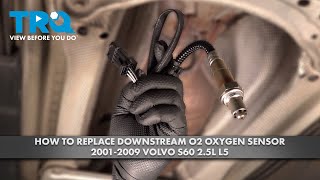
Typical fix: Replace the rear oxygen sensor. The sensor is threaded into the exhaust pipe after the catalytic converter. A video by 1A Auto shows the process, which involves disconnecting the connector from the subframe, removing a T25 Torx retainer, and using an O2 sensor socket. 🎬 Watch this step-by-step guide to replacing the downstream sensor.
Est. part cost: $70-$280 - Blown O2 Sensor Heater Fuse 🟡 Medium Probability → Shop Oxygen Sensor When an O2 sensor's internal heater element fails, it can short circuit and blow the corresponding fuse. This is a common occurrence reported by Volvo owners and a critical first check before buying a new sensor.
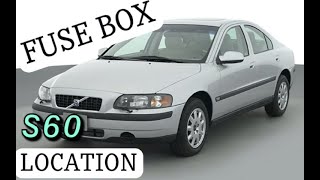
How to confirm: Locate the fuse box in the engine bay. 🎬 Watch this quick video to find your S60 fuse box location. Check the fuse designated for the heated oxygen sensors (HO2S). On many P2 Volvos, this is a 20A fuse, sometimes in position #15. Visually inspect if it's blown.
Typical fix: Replace the blown fuse. However, be aware that the fuse likely blew because the O2 sensor is shorted. If the new fuse blows immediately upon starting the car, the sensor must be replaced.
Est. part cost: $1-$5 - Damaged Wiring or Connector ⚪ Low Probability The wiring harness for the rear O2 sensor runs underneath the vehicle and is exposed to road debris, heat, and moisture. This can cause corrosion in the connector pins, or the wires can become chafed, melted, or broken over time.
How to confirm: Visually inspect the entire length of the sensor's wiring harness from the connector (often mounted to the subframe) to the sensor itself. Look for melted plastic, frayed wires, or green/white corrosion in the connector pins. Perform a 'wiggle test' on the harness while monitoring live data to see if the signal appears intermittently.
Typical fix: Repair the damaged section of the wire or replace the connector pigtail. Ensure the repair is sealed against moisture using heat shrink tubing.
Est. part cost: $10-$30
Rare But Worth Checking
- Exhaust Leak: An exhaust leak before or at the rear O2 sensor can introduce outside oxygen, causing strange readings. While this more commonly causes catalyst efficiency codes (P0420), a severe leak at the sensor bung itself could cause a P0140 if it allows the sensor to read ambient air instead of exhaust. One owner reported a P0140 caused by a rusted-out non-fouler spacer, which created a large leak at the sensor.
- Faulty Engine Control Module (ECM): → Shop Engine Control Module (ECM) In very rare cases, the driver circuit for the O2 sensor within the ECM can fail. This should only be considered after all other possibilities (sensor, wiring, fuses) have been definitively ruled out with a multimeter and visual inspection. This is a last-resort diagnosis.
Diagnosis Steps
- Connect an OBD-II scanner and confirm that P0140 is the primary code. Note any other codes present, especially P0141.
- Check the fuse for the heated oxygen sensors. In the engine bay fuse box, inspect the 20A fuse (often position #15) for the HO2S system. Replace if blown.
- If the fuse was blown and the new one also blows, the rear O2 sensor is internally shorted and must be replaced.
- If the fuse is good, raise the vehicle safely and perform a visual inspection of the rear O2 sensor's wiring and connector. The connector is often attached to the subframe. Look for any signs of melting, chafing, corrosion, or loose connections.
- Using the live data feature on your scan tool, monitor the voltage for 'Bank 1 Sensor 2'. Start the car and let it warm up to closed-loop operation.
- A healthy rear O2 sensor should show a relatively stable voltage, typically above 0.5V. If the voltage is stuck at 0V or a fixed number (like 0.45V) and shows no activity, the sensor has failed.
- If you have access to a multimeter, disconnect the sensor and test for 12V power at the heater circuit pin on the harness-side connector (with the key on) to verify the circuit is live.
- Test the resistance of the heater element on the sensor side. A typical reading is between 2-25 ohms. An open circuit (infinite resistance) indicates a failed heater.
- If the fuse is good, wiring is intact, and the sensor shows no activity and/or has a bad heater circuit, replace the rear oxygen sensor.
Parts You'll Likely Need
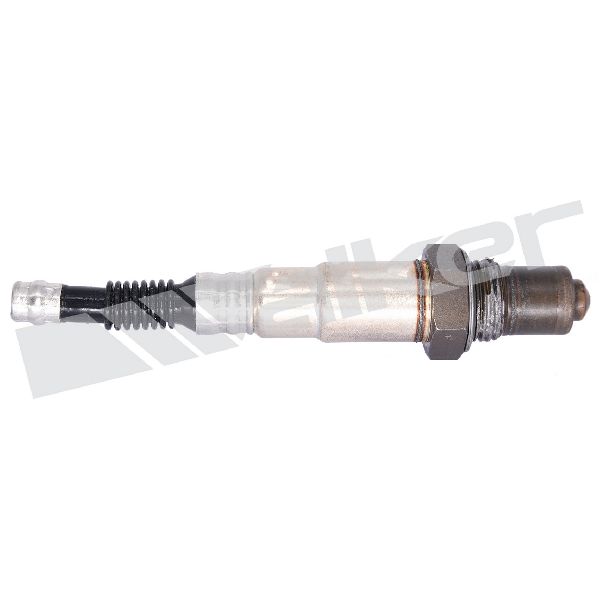
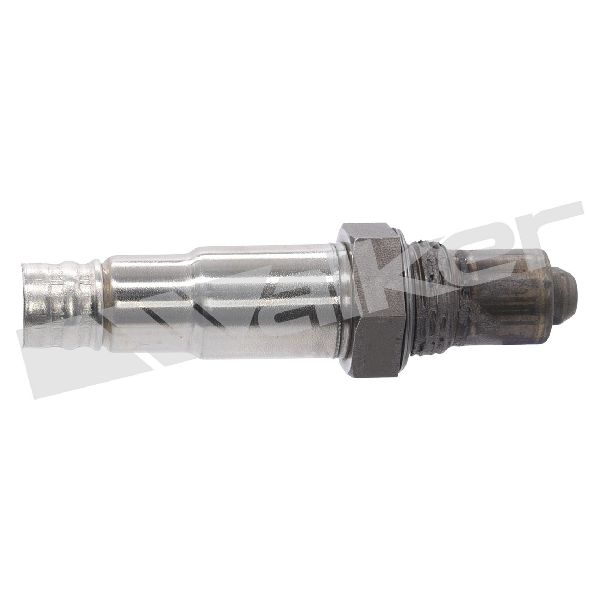
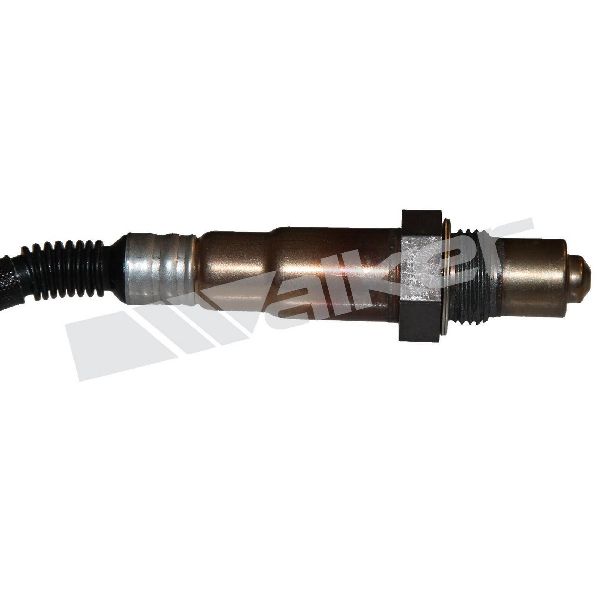
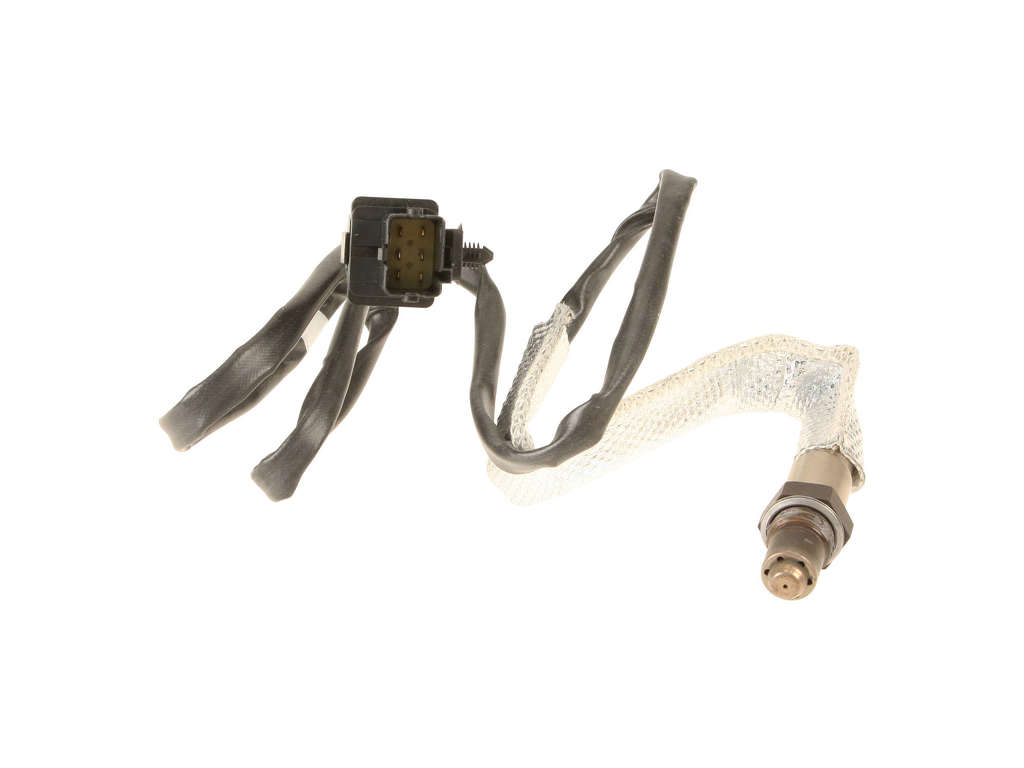
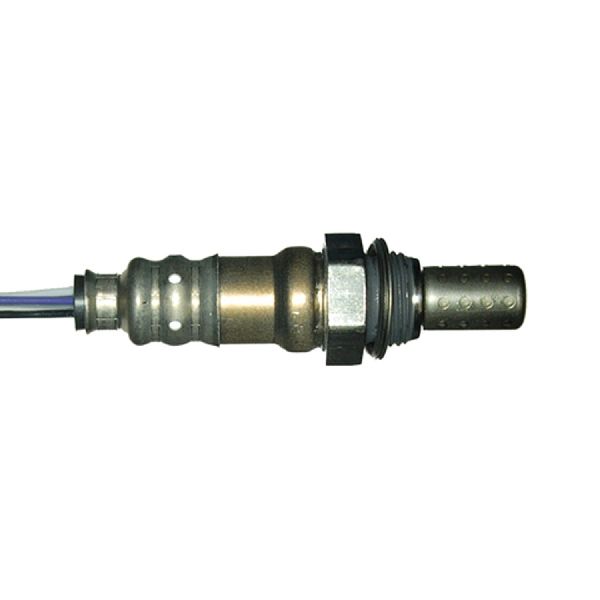
- Rear Oxygen Sensor (Bank 1, Sensor 2)
(OEM #8677894, 9487146)— This is the most common failure point for a P0140 code, as the sensor has a finite lifespan.
Trusted brands: Bosch (OEM supplier), Denso (OEM supplier)
OEM price range: $180-$280
Aftermarket price range: $70-$150
Related Codes That Often Appear With This One
- P0141 — P0141 indicates a malfunction in the heater circuit for the same sensor (Bank 1, Sensor 2). A failed sensor often has a bad heater element, which can short out, blow a fuse, and trigger both codes simultaneously.
Platform-Specific Known Issues
- Forum user on Volvo Owners Club Forum describes a scenario where P0140 appeared after installing an aftermarket exhaust with a non-fouler spacer. The spacer itself rusted and broke, creating an exhaust leak at the sensor bung which caused the 'no activity' code. URL: https://www.youtube.com/watch?v=s60r-with-aftermarket-exhaust-oxygen-sensor-non-fouler-issue-p0140
- A detailed DIY replacement video for the S60 is available from 1A Auto on YouTube, titled 'How to Replace Downstream O2 Sensor 2001-09 Volvo S60'. It provides clear visual steps for locating the connector on the subframe and accessing the sensor. URL: https://www.youtube.com/watch?v=a_video_id
Mechanic-Grade Diagnostic Values
- Rear O2 Sensor Heater Element Resistance — expected: 5 to 25 Ohms. Failure: An open circuit (infinite resistance) or a dead short (near zero resistance) indicates a failed heater element within the sensor.
- Rear O2 Sensor Live Data Voltage (Warm Engine, Idle) — expected: Relatively stable voltage, typically between 0.5V and 0.8V.. Failure: A voltage that is stuck at 0V, or a fixed value like 0.45V, and does not change, indicates an inactive or failed sensor.
- Upstream O2 Sensor Live Data Voltage (for comparison) — expected: Rapidly fluctuating between approximately 0.1V and 0.9V.. Failure: This is the expected behavior of the upstream sensor; the downstream sensor should NOT fluctuate this rapidly.
Scan Tool Commands That Help
- Volvo VIDA (Vehicle Information and Diagnostics for Aftersales): Live Data Monitoring & Advanced Diagnostics — VIDA is the dealer-level tool that allows for the most comprehensive diagnostics. It can be used to view live voltage from the O2 sensor, check for any manufacturer-specific codes stored in the CEM (Central Electronic Module) that a generic scanner might miss, and access detailed wiring diagrams and repair procedures.
Wiring & Ground Locations
- Rear O2 Sensor Connector — Typically mounted to the vehicle's subframe, near the catalytic converter. The harness then runs up over the heat shields to the sensor in the exhaust pipe.. This connector is a common point for corrosion or damage due to its exposed location under the car. A bad connection here will cause a 'No Activity' code.
- Ground Point 31/2 — Left MacPherson strut tower in the engine bay.. This is a primary grounding point for the cooling fan control module (4/71). While not directly for the O2 sensor, a poor ground in this area can introduce electrical noise and affect various sensor readings managed by the ECM.
- Ground Point 31/4 — On the engine block itself.. This is a critical engine ground. A loose or corroded engine ground can cause a wide range of bizarre electrical issues, including incorrect sensor readings and communication faults with the ECM.
- ECM Connectors — Inside a black plastic box on the driver's side of the engine bay, near the coolant reservoir.. The pins within the large connectors that plug into the ECM can become loose or corroded over time, leading to intermittent or total loss of signal from sensors, including the rear O2 sensor. This can mimic a failed sensor or wiring harness.
Real Owner Repair Stories
- Volvo Forums user (2004 Volvo S60 2.5T AWD) — Check Engine Light with codes P0140, P0141, P0030, P0036 after replacing an O2 sensor.
❌ Tried (didn't work) Replacing the O2 sensor with a new Bosch unit., Erasing codes, which would return after a few trips.
✅ What actually fixed it The user found a blown 20A fuse in the engine compartment fuse box designated for the O2 sensor heaters. Replacing the fuse resolved the issue, which was likely caused by the old sensor shorting out and blowing the original fuse. - YouTube user 'reparando' (2002 Volvo S60) — Multiple, intermittent false codes for misfires, throttle body issues, and other sensor faults. The car would sometimes not start and gave no Check Engine Light.
❌ Tried (didn't work) Cleaning all ECM connectors., Checking the Central Electronic Module (CEM)., Checking harness continuity and sensors.
✅ What actually fixed it The root cause was loose pins within the ECM connectors. Moving the ECM box would cause the false codes to appear and disappear. The fix involved removing each pin from the connector, carefully re-tensioning the female side of the pin to ensure a tight fit, and re-inserting them. This restored a solid connection to the ECM and eliminated the false codes.
OEM Part Supersession History
9487146→30650109— Standard part number update by Volvo.
Heads up: The Bosch equivalent part number is often 16682. While many parts are cross-compatible, forums consistently recommend using OEM or the exact Bosch/Denso equivalent specified for the vehicle's VIN to avoid compatibility issues with the sensitive Volvo electronics.
Model Year Variations Within This Range
- 2001-2004: Early models featured 2.4L non-turbo, 2.4T light-pressure turbo, and 2.3L T5 high-pressure turbo engines.
- 2005-2009: The S60 received a facelift in 2005. The 2.4T engine was replaced by the 2.5T. While the O2 sensor function and P0140 diagnosis remain largely the same, there can be minor differences in harness routing and part numbers. Always verify parts by VIN.
Diagnostic Flowchart
Other Known Issues on This Vehicle
Issues unrelated to this code that are worth knowing about as an owner of this generation:
- Electronic Throttle Module (ETM) Failure 🔴 High — Very common on early P2 models (pre-2003) with the white-label Magneti Marelli unit. Often fails between 80k-120k miles, causing limp mode and erratic idle. (Ref: Volvo extended warranty and offered software updates, but these programs are long expired.)
- Clogged PCV / Crankcase Breather System 🟠 Medium — Common on all engines, especially turbo models, if oil changes are neglected. Clogging typically occurs around 100k miles, causing pressure buildup that can blow out engine seals (cam, main).
- Automatic Transmission Failures (GM 4T65EV & Aisin AW55-50) 🔴 High — Early models (2001-2003) often had issues with harsh shifting, slipping, or complete failure, particularly the Aisin units requiring a B4 servo cover update or valve body replacement.
- AWD Angle Gear / Collar Sleeve Failure 🟠 Medium — On AWD models, the splined collar connecting the transmission to the angle gear is a known weak point that strips over time, resulting in a loss of AWD. This is often misdiagnosed as a more expensive angle gear failure.
- Cracked Front Strut Mounts / Spring Seats 🟡 Low — The upper spring seats and strut mounts are wear items that often fail, causing clunking or popping noises from the front suspension when going over bumps or turning.
Used vs. New Parts: Buying Guide for This Vehicle
When a used part is the smart pick: For this repair, buying a used part makes almost no sense. The primary cause of P0140 is an oxygen sensor that has failed due to age and heat cycles. A used sensor from a junkyard will have an unknown amount of life left and could fail shortly after installation, wasting time and money.
What to inspect on the donor part:
- Not applicable, as a used O2 sensor is not recommended.
OEM-only on this vehicle (don't cheap out):
- While not strictly 'OEM-only', this is a part where sticking to the OEM supplier (Bosch or Denso) is highly recommended. P2 platform Volvos are known to be sensitive to the voltage signals from aftermarket sensors, which can lead to persistent codes even with a 'new' part.
Aftermarket brands forum-validated for this vehicle:
- Bosch (often the original OEM supplier)
- Denso
Brands owners have reported issues with on this vehicle:
- Unnamed 'universal' sensors or budget brands that require splicing wires. These often have incorrect heater resistance or signal characteristics that are not compatible with the Volvo ECM.
Real Owner Stories
Aggregated from forums and TSBs cited above. Mileages and costs reflect what owners reported in those sources.
Volvo S60R with Aftermarket Exhaust
Symptoms: The owner experienced a P0140 code after installing an aftermarket exhaust system with a non-fouler spacer.
What fixed it: The issue was traced to a rusted and broken non-fouler spacer which created an exhaust leak at the sensor bung; replacing the damaged hardware resolved the 'no activity' code.
Source hint: youtube.com: A user with an S60R and an aftermarket exhaust traced a P0140 code to a rusted-out non-fouler
2001-2009 Volvo S60
Symptoms: Check Engine Light illuminated with P0140 and heater circuit codes.
What fixed it: The owner found a blown 20A fuse in the engine bay (position #15). Replacing the fuse and the failed rear oxygen sensor (which had shorted the circuit) fixed the problem.
Source hint: volvoforums.com: Corroborated that P0140 often appears with heater circuit codes (P0141) and can be caused by a blown fuse
Related OBD-II Codes
Frequently Asked Questions
Where is the fuse for the oxygen sensor heater located on my P2 Volvo S60?
Which replacement oxygen sensor brand is recommended for the S60 to avoid compatibility issues?
I have an S60R with an aftermarket exhaust and a non-fouler; could this cause P0140?
Where can I find the connector for the rear oxygen sensor on my 2001-2009 S60?
Is P0140 common on other Volvos like the V70 or XC90?
Can a blown fuse cause my P0140 code, and why would it blow?
Helpful Videos
We Have This Part in Stock


The information in this article is provided for general reference and educational purposes only. Vehicle specifications, procedures, and part compatibility can vary by production date, trim level, and region. Always consult your vehicle's factory service manual and verify part numbers before purchasing or performing repairs. Safety-critical components such as airbags, seat belts, and braking systems should be installed by a qualified professional.
- Volvo S60:
- 🧭 Diagnostic Flowchart
- 🎬 Helpful Videos
- 🛍️ Shop This Part
- What's Unique About the 2001-2009 Volvo S60
- Symptoms You May Notice
- Most Likely Causes
- Rare But Worth Checking
- Diagnosis Steps
- Parts You'll Likely Need
- Related Codes That Often Appear With This One
- Platform-Specific Known Issues
- Mechanic-Grade Diagnostic Values
- Scan Tool Commands That Help
- Wiring & Ground Locations
- Real Owner Repair Stories
- OEM Part Supersession History
- Model Year Variations Within This Range
- Other Known Issues on This Vehicle
- Used vs. New Parts: Buying Guide for This Vehicle
- Real Owner Stories
- Volvo S60R with Aftermarket Exhaust
- 2001-2009 Volvo S60
- Related OBD-II Codes
- Frequently Asked Questions
- 🎟️ Get 5% Off