

P0141 on 2012-2018 Audi A6 3.0T: O2 Heater Circuit Causes and Fixes
This code almost always means the post-catalytic converter oxygen sensor on the passenger side (Bank 1) has failed. Replacing the sensor is the typical fix. Expect to pay $70-$150 for a quality aftermarket sensor and $180-$250 for an OEM part. It's a DIY-friendly job if the sensor isn't seized.
- P0141 on your A6 3.0T means the heater inside the passenger-side, post-catalytic converter O2 sensor has failed.
- This is a common issue and does not prevent you from driving the car, but it will cause an automatic failure on an emissions test.
- Before buying a new sensor, perform a quick visual check of the wiring for damage and check for a blown fuse in one of the car's three main fuse panels.
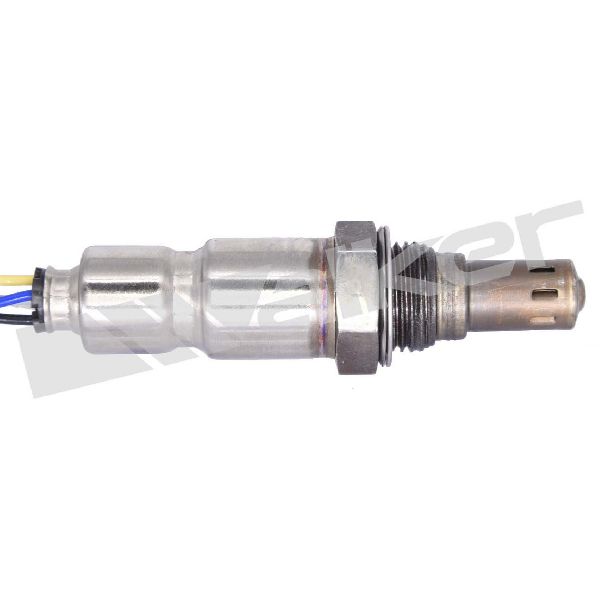
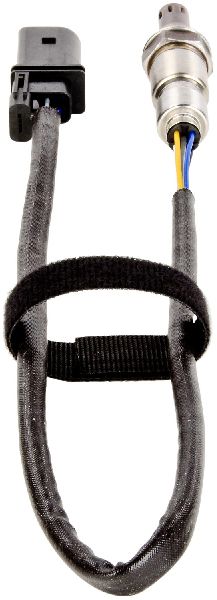
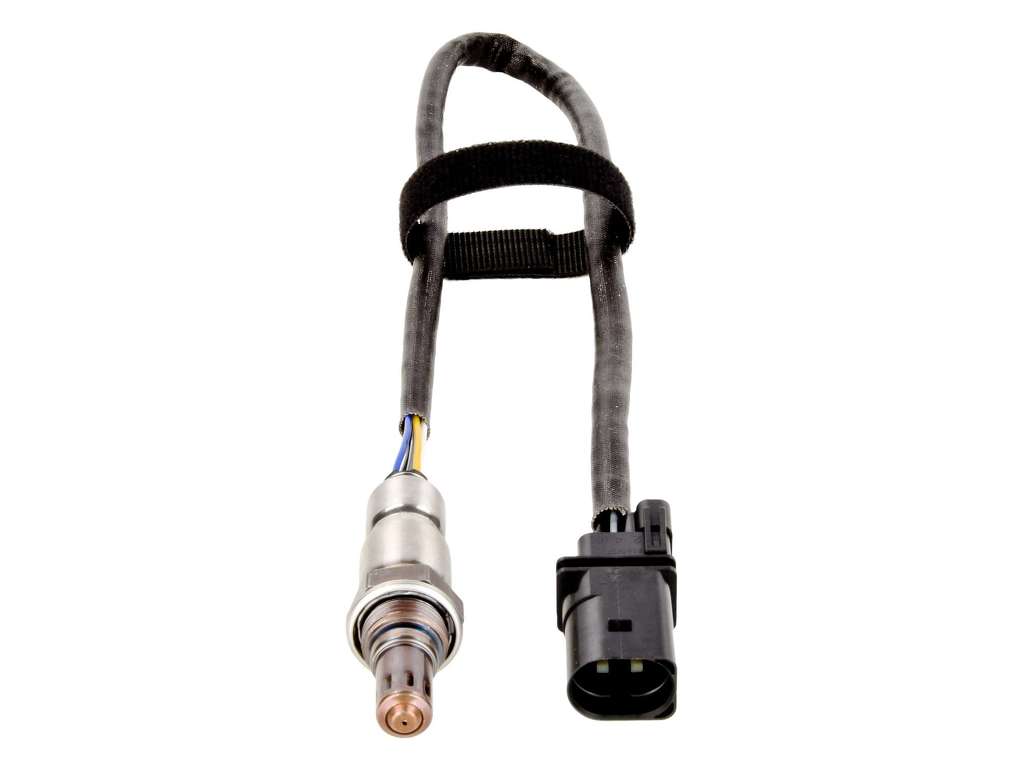
- The most likely fix is to replace the sensor (OEM #06E906265AA, or a quality aftermarket like Bosch 17351). You will need a special 22mm O2 sensor socket to perform the job.
- Do not mistake this code for a bad catalytic converter; P0141 is specific to the sensor's electrical heater circuit.
What's Unique About the 2012-2018 Audi A6
On the Audi A6 with the 3.0L TFSI engine, this is a straightforward and common fault with no unique platform-specific causes. Bank 1 refers to the passenger side of the engine in a US-market vehicle. The failure is typically due to the natural end of the sensor's service life, which can be around 80,000-100,000 miles. Diagnosis and repair follow standard procedures for this type of fault.
Symptoms You May Notice
- Check Engine Light is on.
- Vehicle will fail an emissions test.
- Potential for slightly reduced fuel economy.
- Replacing the catalytic converter. A P0141 code specifically points to the sensor's heater circuit, not the efficiency of the converter itself. A bad converter would typically set a P0420 code.
Most Likely Causes
- Failed Oxygen Sensor 🔴 High Probability → Shop Oxygen Sensor Oxygen sensors are wear items that operate in a harsh exhaust environment. The internal heating element is a common failure point after many heat cycles, typically failing around 80,000-100,000 miles. The heater element is essentially a resistor that can burn out like a light bulb filament.
How to confirm: Disconnect the sensor and measure the resistance across the two heater circuit pins (usually the same color wires, e.g., white) with a multimeter. A reading of 'OL' (infinite resistance) indicates an open circuit. A good heater should have a resistance typically between 2-15 ohms when cold. You can also check for 12V power and ground at the vehicle-side harness connector with the key on.
Typical fix: Replace the Bank 1, Sensor 2 oxygen sensor. This is located on the passenger side of the vehicle, downstream of the catalytic converter.
Est. part cost: $70-$250 - Damaged Wiring or Connector 🟡 Medium Probability The sensor and its wiring are located under the vehicle and are exposed to road debris, water, and extreme heat from the exhaust, which can cause wires to break, melt, or connectors to corrode. Even a small tear in the harness can allow moisture in and cause a short.
How to confirm: Visually inspect the wiring harness leading to the O2 sensor for any signs of melting, chafing, or breaks. Check the electrical connector for corrosion, moisture, or pushed-out pins.
Typical fix: Repair the damaged section of wiring or replace the connector pigtail. Ensure the wiring is properly secured away from the hot exhaust pipe.
Est. part cost: $15-$50 - Blown Fuse ⚪ Low Probability
How to confirm: Check the vehicle's fuse boxes. The C7 A6 has multiple fuse panels: on the left and right sides of the passenger compartment and in the luggage compartment. Consult a fuse diagram for your specific model year to locate the fuse for 'Lambda probe heater' or similar. For example, on some diagrams, fuse SA6 or SA7 in the engine bay fuse holder is for the Lambda probe heater.
Typical fix: Replace the blown fuse after inspecting the circuit for a short to ground that may have caused it to blow. A shorted O2 sensor heater element can cause the fuse to blow.
Est. part cost: $1-$5
Rare But Worth Checking
- Faulty Engine Control Module (ECM): → Shop Engine Control Module (ECM) This is extremely rare and should only be considered after all other possibilities (sensor, wiring, fuses) have been exhaustively ruled out. The ECM driver for the heater circuit would have to fail.
Diagnosis Steps
- Read the code with an OBD-II scanner to confirm P0141 is present. Note any other codes.
- Locate the Bank 1, Sensor 2 oxygen sensor. It is on the passenger's side exhaust pipe, after the catalytic converter. 🎬 Watch: How to quickly locate Bank 1 Sensor 2
- Visually inspect the sensor's wiring and electrical connector for any obvious signs of damage, such as melted plastic, frayed wires, or corrosion.
- Check the fuse for the O2 sensor heater circuit. The C7 A6 has fuse panels on the driver's side dash, passenger's side dash, and in the trunk. Refer to a vehicle-specific diagram.
- If the wiring and fuse are okay, disconnect the sensor. Use a multimeter to test for 12-volt power at the harness connector with the ignition on (but engine off).
- Test the resistance of the heater element on the sensor itself. Measure between the two heater wires (often matching colors). A reading of 'OL' (over-limit/open) or a value outside the 2-15 ohm range (when cold) means the heater is broken and the sensor must be replaced.
- If the sensor tests good but there is no power at the harness, the wiring between the fuse box/ECM and the sensor is faulty and needs to be traced and repaired.
Parts You'll Likely Need
- Oxygen Sensor (Bank 1, Sensor 2)
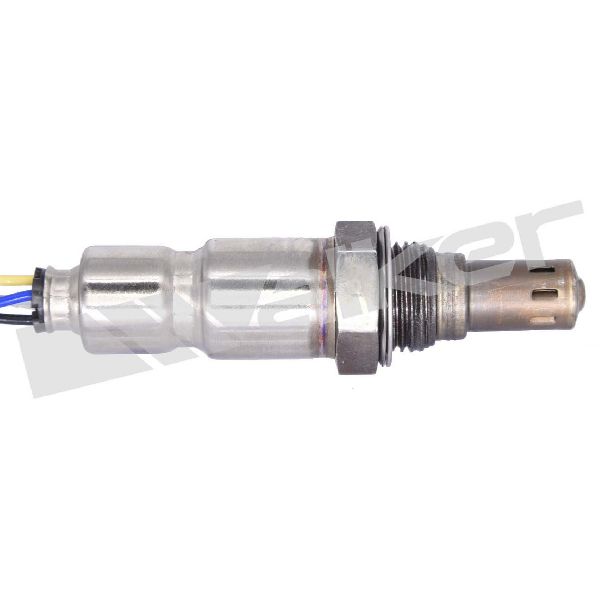
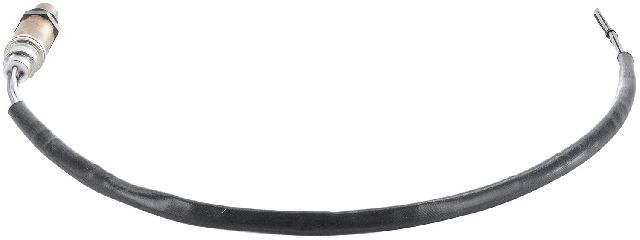
(OEM #06E906265AA)— The internal heating element of the original sensor is the most common point of failure, making sensor replacement the definitive fix for P0141.
Trusted brands: Bosch (OEM supplier), NTK, Denso
OEM price range: $180-$250
Aftermarket price range: $70-$150 - Oxygen Sensor Socket — A special slotted socket (usually 22mm or 7/8") is required to remove and install the oxygen sensor without damaging its wire. 🎬 Watch: Step-by-step downstream O2 sensor removal for Audi 3.0T An offset or flex-head version can make access easier.
Trusted brands: Lisle, OEMTOOLS, Bav Auto Tools
Aftermarket price range: $10-$30
Related Codes That Often Appear With This One
- P0161 — P0161 is the same heater circuit fault but for Bank 2, Sensor 2 (driver's side). Seeing both codes together could indicate a shared power or ground issue, such as a blown fuse that supplies both heater circuits, or it could simply be that both sensors have reached the end of their service life at the same time.
- P0135 — P0135 is for the Bank 1, Sensor 1 (pre-cat) heater circuit. Seeing multiple heater circuit codes (e.g., P0141, P0161, P0135, P0031) can point towards a systemic electrical issue rather than individual sensor failures.
Platform-Specific Known Issues
- Multiple Heater Circuit Codes Simultaneously: It is not uncommon to see multiple O2 sensor heater codes (e.g., P0141, P0161, P0031, P0051) appear at the same time. While this could mean multiple sensors have failed, it strongly suggests checking for a common cause first, such as a blown fuse for the heater circuit or a problem with the power supply relay.
Mechanic-Grade Diagnostic Values
- O2 Sensor Heater Element Resistance (cold) — expected: 2-15 Ohms. Failure: A reading of 'OL' (open circuit) or significantly outside the expected range.
- VCDS Live Data: Post-Cat O2 Sensor Voltage (at steady RPM) — expected: A relatively stable voltage between 0.10V and 0.95V.. Failure: A constant voltage of exactly 0.450V can indicate damaged wiring or a short.
- VCDS Live Data: O2 Heater Resistance (dynamic) — expected: Resistance will rise significantly as the sensor heats up. A cold reading might be ~15 Ohms, while a hot reading could be over 40 Ohms.. Failure: An extremely high reading (e.g., >200 Ohms) or a reading that doesn't change may indicate a fault, though specs vary. An Audi service document notes a failure threshold between 810 - 4560 Ω, though this seems exceptionally high.
Scan Tool Commands That Help
- VCDS (VAG-COM): Engine -> Measuring Blocks -> Group 041 — To monitor the status of the oxygen sensor heater operation in real-time.
- VCDS (VAG-COM): Engine -> Basic Settings -> Group 036 (Post-Cat O2 Sensor Diagnosis) — To run a specific ECU-led test on the Bank 1, Sensor 2. The output will show 'TEST ON/OFF' and then a result of 'B1-S2 OK' or 'B1-S2 NOT OK'. This is a definitive way to confirm if the ECU sees a fault with the sensor's response.
- VCDS (VAG-COM): Advanced Measuring Values — To observe the live resistance of the lambda probe heater as calculated by the ECU. This can help diagnose intermittent issues without physically disconnecting the sensor.
Wiring & Ground Locations
- Bank 1 Sensor 2 Connector — Under the vehicle on the passenger side, mounted to a bracket near the transmission cross-member, typically a 4-pin or 6-pin black connector.. This is the primary connection point to test for 12V power, ground, and to test the sensor-side resistance. It is exposed to road debris and heat.
- Engine Block Ground Point — There are several main engine-to-chassis ground points. One key location is on the passenger side of the engine compartment, near the alternator.. A poor engine ground can cause floating voltages and create various sensor errors, including heater circuit faults. While not a common cause for a single P0141, it's a possibility if multiple electrical codes are present.
- Earth connection 386 — Described in wiring diagrams as 'Earth connection 21, in main wiring harness'.. This is a potential ground path for the O2 sensor circuit within the main vehicle harness. A fault here would be difficult to trace but could cause this code.
Real Owner Repair Stories
- Reddit r/Audi user (Audi (model not specified, but behavior is universal)) — Check Engine Light with a massive list of codes appearing simultaneously.
❌ Tried (didn't work) The user was just starting diagnosis, but a typical misstep would be to start replacing individual sensors one by one.
✅ What actually fixed it The user reported codes P0141, P0161, P0031, P0037, P0051, P0057 (all four O2 heater circuits), plus faults for the secondary air injection and EVAP valve circuits. This pattern overwhelmingly indicates a failure of a common power source, such as a single fuse or relay that supplies power to all of these components, rather than all components failing at once. The fix is to identify and replace the shared fuse/relay.
OEM Part Supersession History
06E906265AA→06E906265S— Part update or supplier change. The original part is listed as no longer available by many suppliers.
Model Year Variations Within This Range
- 2016-2018: The C7.5 facelift models use the updated CREC 3.0T engine instead of the CGXB. However, for the P0141 fault, the downstream oxygen sensor part number, function, and diagnostic procedure remain consistent with the earlier 2012-2015 models.
Diagnostic Flowchart
Other Known Issues on This Vehicle
Issues unrelated to this code that are worth knowing about as an owner of this generation:
- Water Pump & Thermostat Failure 🔴 High — Common failure item, especially on pre-2013 models. Plastic components become brittle and crack, leading to coolant leaks. Failure can occur anywhere from 30,000 to 100,000 miles. (Ref: Service actions were issued for some early models to replace thermostats.)
- PCV Valve (Oil Separator) Failure 🟠 Medium — Very common issue, typically occurring between 60,000-80,000 miles. Symptoms include a whistling noise, high oil consumption, and vacuum leaks. Replacement is labor-intensive as the supercharger must be removed.
- Timing Chain Tensioner Rattle 🟠 Medium — More common on earlier C7 models (pre-2016). A brief rattle on cold start is considered 'normal' by Audi if under 3 seconds, but can be a sign of future tensioner issues. The C7.5 (2016+) CREC engine revision is less prone to this.
- S-Tronic (DL501) Mechatronic Unit Failure 🔴 High — Can affect cars equipped with the 7-speed S-Tronic dual-clutch transmission. Symptoms include harsh/jerky shifting, getting stuck in gear, and PRNDS light flashing. Repairs are very expensive. A TSB (Technical Service Information) TPI 2059070/3 exists for this issue, often recommending mechatronic unit replacement. (Ref: TPI 2059070/3)
- Carbon Buildup on Intake Valves 🟡 Low — A common issue for all direct-injection engines, including the 3.0T. Becomes noticeable after 60,000 miles and can cause misfires and a rough idle. The 2016+ CREC engine revision added port injection to mitigate this issue.
Used vs. New Parts: Buying Guide for This Vehicle
When a used part is the smart pick: A used part is only a reasonable choice for the wiring harness connector pigtail if the original is physically damaged. Never buy a used oxygen sensor, as it is a wear-and-tear item with a finite lifespan.
Donor-vehicle mileage cap: roughly under 80000 miles for the part to have meaningful remaining life.
What to inspect on the donor part:
- For a wiring pigtail: check that the plastic is not brittle or cracked.
- Ensure the connector's locking tab is intact and clicks securely.
- Inspect the pins for any signs of green or white corrosion or moisture damage.
- Confirm there are no nicks or exposed copper in the wires.
OEM-only on this vehicle (don't cheap out):
- While not strictly 'OEM-only', it is highly recommended to use either the Audi Genuine sensor or one from an OEM supplier like Bosch, NTK, or Denso. The ECU is sensitive to the specific resistance and response characteristics of the sensor.
Aftermarket brands forum-validated for this vehicle:
- Bosch
- NTK
- Denso
Brands owners have reported issues with on this vehicle:
- Generic, unbranded sensors from online marketplaces should be avoided. A forum user reported issues with a 'RoadFar' brand sensor, suspecting mismatched internal wiring despite a physical fit.
Real Owner Stories
Aggregated from forums and TSBs cited above. Mileages and costs reflect what owners reported in those sources.
2012-2018 Audi A6 C7 3.0T — ~49700 miles
Symptoms: The owner experienced a failure of the post-cat sensor, which is a known wear item on this platform.
What fixed it: Replacement of the post-cat oxygen sensor (Bank 1, Sensor 2).
Source hint: Audi Resource Forum (Singapore)
2012-2018 Audi A6 C7 3.0T
Symptoms: A long list of codes appeared at once, including P0141, P0161, and other heater circuit faults.
What fixed it: Investigation of a systemic electrical issue, such as a blown fuse or power supply relay, rather than individual sensor failure.
Source hint: Reddit r/Audi: A user posted a long list of codes that appeared at once on their Audi, including P0141, P0161, and other heater circuit faults
Related OBD-II Codes
Frequently Asked Questions
Where is the Bank 1, Sensor 2 oxygen sensor located on my 2012-2018 Audi A6 3.0T?
At what mileage do oxygen sensors typically fail on the Audi A6 C7 3.0T?
My Audi A6 has P0141 along with P0161, P0031, and P0051. Should I replace all four sensors?
Which fuse should I check for the Lambda probe heater on a C7 A6?
Can I use a used oxygen sensor from a donor Audi A7 or Q5 to fix P0141?
What resistance should I see when testing the O2 sensor heater on my 3.0L TFSI?
Helpful Videos




We Have This Part in Stock

The information in this article is provided for general reference and educational purposes only. Vehicle specifications, procedures, and part compatibility can vary by production date, trim level, and region. Always consult your vehicle's factory service manual and verify part numbers before purchasing or performing repairs. Safety-critical components such as airbags, seat belts, and braking systems should be installed by a qualified professional.
- Audi A6:
- 🧭 Diagnostic Flowchart
- 🎬 Helpful Videos
- 🛍️ Shop This Part
- What's Unique About the 2012-2018 Audi A6
- Symptoms You May Notice
- Most Likely Causes
- Rare But Worth Checking
- Diagnosis Steps
- Parts You'll Likely Need
- Related Codes That Often Appear With This One
- Platform-Specific Known Issues
- Mechanic-Grade Diagnostic Values
- Scan Tool Commands That Help
- Wiring & Ground Locations
- Real Owner Repair Stories
- OEM Part Supersession History
- Model Year Variations Within This Range
- Other Known Issues on This Vehicle
- Used vs. New Parts: Buying Guide for This Vehicle
- Real Owner Stories
- 2012-2018 Audi A6 C7 3.0T — ~49700 miles
- 2012-2018 Audi A6 C7 3.0T
- Related OBD-II Codes
- Frequently Asked Questions
- 🎟️ Get 5% Off