

P0141 on 2009-2012 Audi Q5 3.2L V6: O2 Sensor Heater Fault Causes and Fixes
For a 2009-2012 Audi Q5 with the 3.2L V6, code P0141 almost always means the downstream oxygen sensor (Bank 1, Sensor 2) has failed. The internal heater burns out, triggering the check engine light. Expect to pay $70-$150 for an aftermarket sensor and $180-$250 for an OEM part. It's a DIY-friendly fix with the right O2 sensor socket.
- P0141 on your 2009-2012 Q5 3.2L points directly to a problem with the heater inside the downstream (post-catalytic converter) oxygen sensor on the passenger side.
- The most common cause by far is simply a failed O2 sensor; the internal heater burns out from age.
- This is a DIY-friendly repair. Before buying a new sensor, take 5 minutes to check the fuse for the O2 sensor heater circuit.
- If the fuse is good, the next step is to replace the Bank 1, Sensor 2 O2 sensor. You will likely need a special 22mm O2 sensor socket to do the job.
- Ignoring this code won't damage your engine, but it will prevent you from passing an emissions test and may slightly reduce your fuel economy.
What's Unique About the 2009-2017 Audi Q5
The Audi Q5's first generation (8R) is covered by the 2009-2017 year range, but the naturally aspirated CALB 3.2L V6 engine was only available in North American models from 2009 to 2012. This engine uses a speed-density system (no MAF sensor), relying heavily on its oxygen sensors for accurate fuel control. Failure of the O2 sensor heater element is a very common issue on these vehicles as they age, due to the thousands of heat cycles the component endures.
Generation note: The specified vehicle year range (2009-2017) covers the entire first generation of the Audi Q5 (Typ 8R). However, the CALB 3.2L V6 engine was only offered in North American models from 2009 to 2012. This guide is specific to those models.
Symptoms You May Notice
- Check Engine Light is on
- Failure to pass an emissions test
- Slightly decreased fuel economy
- Exhaust may smell rich or like gasoline in some cases
- Replacing the catalytic converter. A P0141 code is specific to the sensor's heater circuit and is not caused by a failing catalytic converter.
- Replacing the wrong oxygen sensor. This engine has four O2 sensors. P0141 is for Bank 1 (passenger side) and Sensor 2 (downstream, after the catalytic converter). Always confirm the location before replacing.
Most Likely Causes
- Failed Bank 1, Sensor 2 Oxygen Sensor 🔴 High Probability → Shop Oxygen Sensor The internal heater element within the O2 sensor is a common failure point due to age and repeated heat cycles. It's the most frequent cause for P0141.
How to confirm: Unplug the sensor and use a multimeter to test the resistance between the two heater wires (often the two same-colored wires, e.g., white). A reading of 'OL' (Open Loop/infinite resistance) or zero ohms indicates a failed heater. A good heater should have a low resistance, typically between 2-30 ohms depending on the brand.
Typical fix: Replace the Bank 1, Sensor 2 oxygen sensor.
Est. part cost: $70-$150 - Damaged Wiring or Connector 🟡 Medium Probability The sensor is located under the vehicle and exposed to road debris, moisture, and extreme heat from the exhaust, which can damage the wiring harness or corrode the connector pins over time. The wiring can also be damaged by contact with the driveshaft or exhaust components if not properly secured.
How to confirm: Visually inspect the wiring harness from the sensor up to where it enters the cabin. Look for any signs of melting, chafing, or breaks. Check the electrical connector (typically a black 4-pin connector located on a bracket near the transmission) for corrosion, moisture, or bent pins.
Typical fix: Repair the damaged section of the wiring harness or clean/replace the connector.
Est. part cost: $10-$50 - Blown Fuse ⚪ Low Probability
How to confirm: Consult the owner's manual or a fuse diagram for the fuse panels. On the Q5, there are panels on the left and right sides of the dashboard and in the right side of the luggage compartment. The O2 sensor heater fuse is often shared with other engine components and may be located in the E-box in the plenum chamber under the windshield cowl. Check fuses in the left-side dash panel and the luggage compartment panel.
Typical fix: Replace the blown fuse. If the fuse blows again immediately, it indicates a short circuit in the wiring or sensor that must be diagnosed.
Est. part cost: $1-$5
Rare But Worth Checking
- Faulty Engine Control Module (ECM): → Shop Engine Control Module (ECM) This is extremely rare. The ECM should only be considered after all other possibilities (sensor, wiring, fuses) have been exhaustively tested and ruled out. An ECM failure would likely present with other fault codes as well.
Diagnosis Steps
- Read the code with an OBD-II scanner to confirm P0141 is present.
- Check the fuses for the oxygen sensor heater circuit. On the Q5, check the panels on both sides of the dashboard, in the right-side of the luggage compartment, and in the electronics box in the plenum chamber.
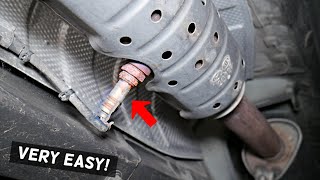
- Locate the Bank 1, Sensor 2 oxygen sensor. On the 3.2L V6, Bank 1 is the passenger side of the engine. Sensor 2 is the one located after the catalytic converter. 🎬 See exactly where to find the Bank 1 Sensor 2 location.
- Inspect the sensor's wiring and connector for any visible damage, melting, or corrosion. Ensure it is properly secured and not touching any moving parts or hot exhaust components.
- Disconnect the sensor and test the heater circuit resistance across the two heater pins (usually same color) on the sensor side. A good sensor will read a low resistance (e.g., 2-15 ohms). Infinite resistance (OL) means the heater is burned out.
- With the key on (engine off), use a multimeter to check for 12V power and a good ground on the harness-side connector pins that correspond to the heater circuit. The ground is often a pulsed signal from the ECM, so a test light may flicker. If power or ground is missing, the problem is in the vehicle's wiring or fuse, not the sensor.
- If the sensor's heater circuit tests bad, replace the oxygen sensor. A 22mm slotted O2 sensor socket is required. Applying penetrating oil to the threads beforehand is highly recommended.
- After replacement, clear the code with the OBD-II scanner and take a test drive to ensure the light does not return.
Parts You'll Likely Need
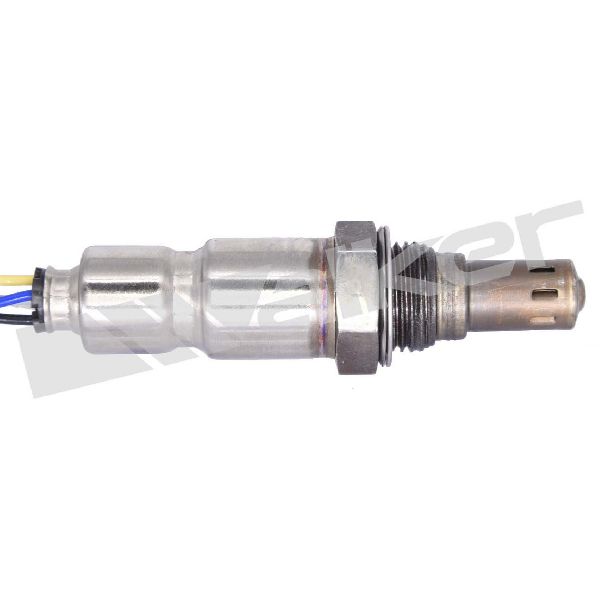
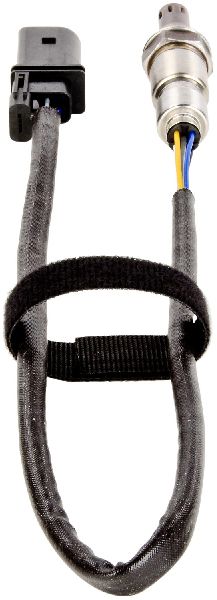
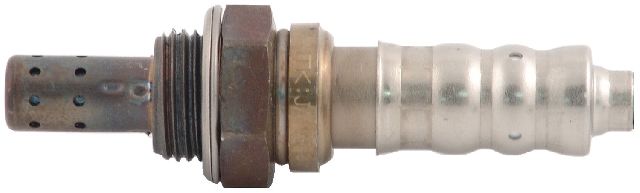
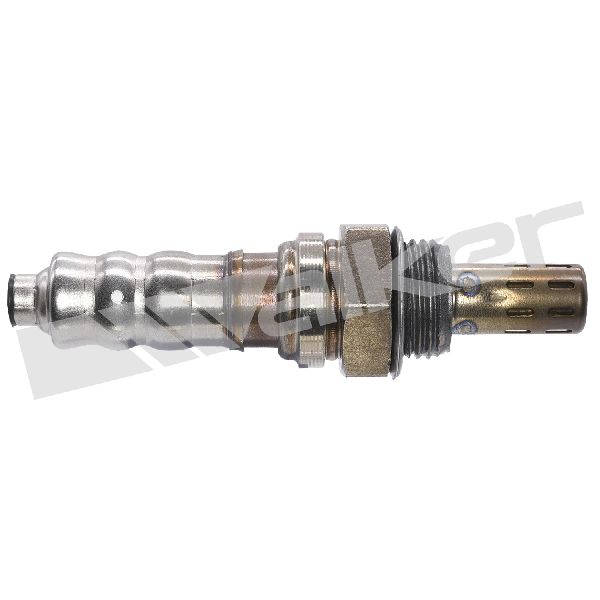
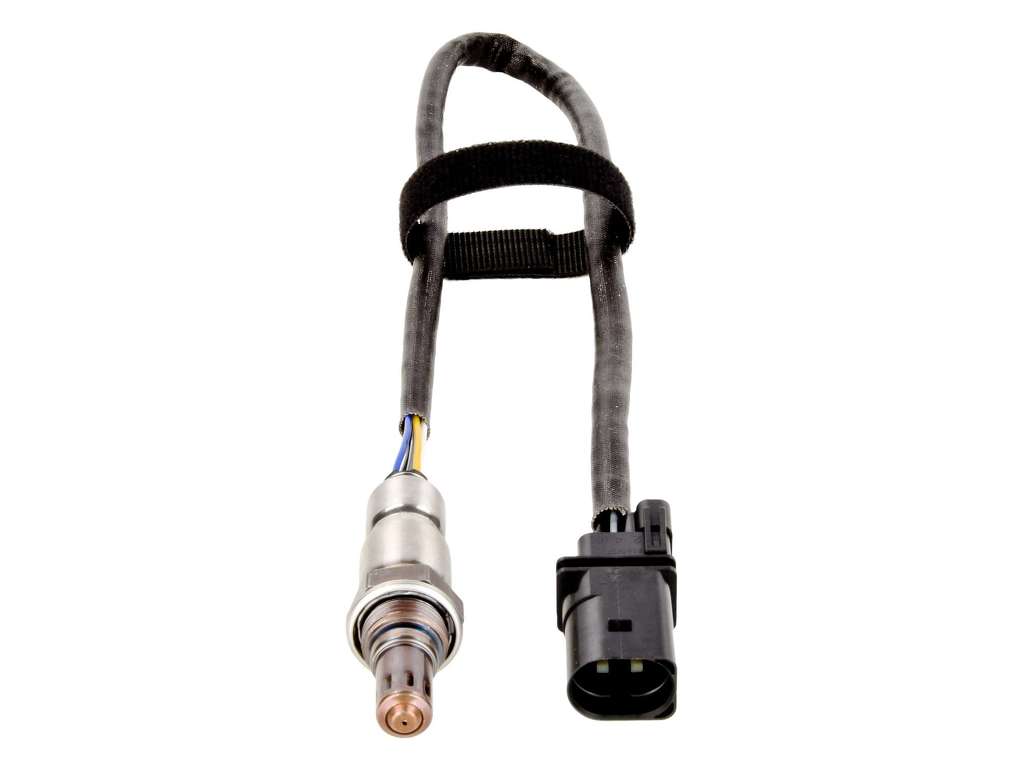
- Downstream Oxygen Sensor (Bank 1, Sensor 2)
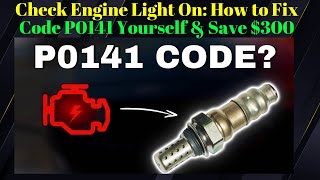
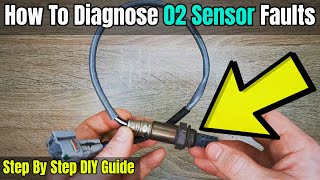
(OEM #06E906265Q)— This is the component that contains the heater element that fails, directly causing the P0141 code. 🎬 Watch this guide to diagnose and fix oxygen sensor heater faults.
Trusted brands: Bosch (OEM supplier) - Part #17098 or #18026, NTK/NGK - Part #25197, Denso - Part #234-4823
OEM price range: $180-$250
Aftermarket price range: $70-$150
Platform-Specific Known Issues
- A TSB (24Ei) was issued for some 2019 Q5 models for an incorrect post-catalyst O2 sensor being installed from the factory, but this does not apply to the 3.2L V6 models.
- Access to the sensor connector can be tight. It is typically mounted on a bracket near the transmission housing. Some owners find it easier to access from below after removing the underbody splash shields.
Mechanic-Grade Diagnostic Values
- O2 Sensor Heater Element Resistance — expected: 2.5 to 15 Ohms at ~68°F (20°C).. Failure: A reading of infinite resistance (Open Loop / 'OL') or zero Ohms (short circuit) indicates a failed heater element. Some ECU documentation notes a fault if resistance is over 10k Ohms.
- Heater Circuit Voltage (Harness Side) — expected: Approximately 12V (battery voltage) on the power supply pin with Key On, Engine Off. The ground pin is controlled by the ECM via a Pulse-Width Modulated (PWM) signal, so a test light may flash or a multimeter may show a fluctuating voltage when the heater is commanded on.. Failure: No voltage on the power pin points to a blown fuse or wiring issue upstream. No PWM signal on the ground pin (when commanded) points to a wiring issue or a faulty ECM driver circuit.
- VCDS Live Data Heater Resistance — expected: The ECU reports a calculated resistance. While a cold sensor might be 15 Ohms, a hot, functioning sensor can read higher, for example, 48 Ohms.. Failure: A reported value of many thousands of Ohms (e.g., >10k Ohms) or a status of 'Open Circuit' in the measuring block confirms the fault detected by the ECU.
Scan Tool Commands That Help
- VCDS (VAG-COM) or ODIS: Output Diagnostic Test Mode (DTM) / Output Tests — This function allows a technician to manually activate the O2 sensor heater circuit. This is invaluable for confirming if the wiring, fuse, and ECM driver are working correctly. If the heater can be activated manually, it isolates the fault to either an intermittent problem or the sensor itself, saving significant diagnostic time.
Wiring & Ground Locations
- Ground Point 609 — In the plenum chamber (the area under the windshield wipers), on the right side.. The main electronics box containing fuses and relays is located in the plenum. A poor ground connection in this water-prone area can cause various electrical issues, including intermittent power to the O2 sensor heater circuit.
- Ground Connection 369 — A common ground point within the main engine wiring harness itself.. Corrosion or a break in this internal harness ground can affect multiple sensors that share it, leading to confusing diagnostic codes. It's a potential cause if multiple sensor faults appear simultaneously.
- Sensor Connector T4ae (unofficial designator) — A black, 4-pin connector mounted to a metal bracket on the passenger side of the transmission bellhousing.. This is the primary test point. For the heater circuit, Pin 1 is typically 12V+ power from a fuse/relay, and Pin 2 is the PWM ground signal from the ECM. Testing here confirms if the fault is in the sensor or the vehicle's wiring.
Real Owner Repair Stories
- AudiWorld Forums (2010 Audi Q5 3.2L V6) — Persistent P0141 Check Engine Light.
❌ Tried (didn't work) Replacing the Bank 1, Sensor 2 oxygen sensor. The code returned shortly after.
✅ What actually fixed it The owner found a corroded wire inside the harness insulation, approximately 6-8 inches upstream from the sensor connector. The wire appeared fine externally but had high resistance. Splicing in a new section of wire and sealing it with heat shrink permanently resolved the P0141 code.
When the Usual Fixes Don't Work
- In several documented cases, replacing the oxygen sensor did not resolve the P0141 code. The most common alternative cause found by owners was a break or corrosion in the wiring harness several inches away from the connector. The external insulation of the wire often looks undamaged, masking the internal failure. This requires a point-to-point continuity or voltage drop test from the ECM connector to the sensor connector to identify, rather than just testing at the sensor plug itself.
OEM Part Supersession History
06E906265Q→06E906265S, then 06E906265AE— Component revisions for improved longevity and performance of the heater element.
Heads up: All listed part numbers are physically and electrically compatible for this application. It is always recommended to install the latest available revision (06E906265AE as of late 2023) to benefit from any manufacturing improvements.
Diagnostic Flowchart
Other Known Issues on This Vehicle
Issues unrelated to this code that are worth knowing about as an owner of this generation:
- Intake Valve Carbon Buildup 🔴 High — Very common on all FSI (direct injection) engines. Performance degradation can be noticed by 60k-80k miles, often requiring manual cleaning.
- Timing Chain Tensioner Wear 🔴 High — A known issue on the 3.2L V6. A rattling noise on cold starts is the primary symptom. Failure is catastrophic and repair is extremely expensive as the chains are on the rear of the engine, requiring engine removal.
- Water Pump and Thermostat Housing Leaks 🟠 Medium — The water pump and thermostat housing are made of plastic and are prone to cracking and leaking with age and heat cycles, typically after 70k miles.
- Oil Consumption due to Piston Rings 🟠 Medium — While more famous on the 2.0T engine, some 3.2L V6 engines can also suffer from oil consumption due to clogged oil control rings on the pistons.
Used vs. New Parts: Buying Guide for This Vehicle
When a used part is the smart pick: Almost never for the oxygen sensor itself. The heater element is a primary wear component with a finite lifespan, making a used sensor a poor investment. A used wiring harness pigtail from a junkyard is a smart, cost-effective choice if the original connector or a section of wire is physically damaged.
Donor-vehicle mileage cap: roughly under 60000 miles for the part to have meaningful remaining life.
What to inspect on the donor part:
- For a connector/pigtail: Ensure the plastic is not brittle and the locking tab is intact.
- Check for zero signs of green or white powder (corrosion) on the electrical pins.
- Bend the wires in several places to feel for internal stiffness or breaks under the insulation.
OEM-only on this vehicle (don't cheap out):
- While not strictly 'OEM-only', it is strongly advised to avoid unbranded 'universal' oxygen sensors that require splicing. The precise calibration of the sensor can be compromised, and the splice points introduce a potential point of failure.
Aftermarket brands forum-validated for this vehicle:
- Bosch (OEM supplier)
- NTK/NGK
- Denso
Brands owners have reported issues with on this vehicle:
- Generic, no-name sensors from online marketplaces without a specified, reputable manufacturer.
Real Owner Stories
Aggregated from forums and TSBs cited above. Mileages and costs reflect what owners reported in those sources.
2009 Audi Q5 3.2L CALB
Symptoms: The owner noted fault code 6209/P1137 and discussed broader platform issues including carbon buildup and fuel trim problems.
What fixed it: Detailed diagnostic analysis of engine data via VCDS to address fuel trim and carbon issues relevant to the CALB engine platform.
Source hint: Ross-Tech Forums - '2009 Audi Q5 3.2 (CALB) fault code 6209/P1137'
Related OBD-II Codes
Frequently Asked Questions
Does TSB 24Ei regarding incorrect O2 sensors apply to my 3.2L V6 Audi Q5?
Which brand of oxygen sensor should I use for my 2009-2017 Audi Q5?
Where is the Bank 1, Sensor 2 oxygen sensor located on the 3.2L V6 engine?
Can I splice a new sensor into my old wiring to save money?
What is the correct resistance for a healthy O2 sensor heater on this vehicle?
Is it possible that a blown fuse is causing my P0141 code?
Helpful Videos
We Have This Part in Stock

The information in this article is provided for general reference and educational purposes only. Vehicle specifications, procedures, and part compatibility can vary by production date, trim level, and region. Always consult your vehicle's factory service manual and verify part numbers before purchasing or performing repairs. Safety-critical components such as airbags, seat belts, and braking systems should be installed by a qualified professional.
- Audi Q5:
- 🧭 Diagnostic Flowchart
- 🎬 Helpful Videos
- 🛍️ Shop This Part
- What's Unique About the 2009-2017 Audi Q5
- Symptoms You May Notice
- Most Likely Causes
- Rare But Worth Checking
- Diagnosis Steps
- Parts You'll Likely Need
- Platform-Specific Known Issues
- Mechanic-Grade Diagnostic Values
- Scan Tool Commands That Help
- Wiring & Ground Locations
- Real Owner Repair Stories
- When the Usual Fixes Don't Work
- OEM Part Supersession History
- Other Known Issues on This Vehicle
- Used vs. New Parts: Buying Guide for This Vehicle
- Real Owner Stories
- 2009 Audi Q5 3.2L CALB
- Related OBD-II Codes
- Frequently Asked Questions
- 🎟️ Get 5% Off