

P0141 on 2011-2017 BMW X3 N52: O2 Sensor Heater Circuit Malfunction Causes and Fixes
For a BMW X3 with the N52 engine, code P0141 almost always means the downstream oxygen sensor (Bank 1, Sensor 2) has failed. The internal heater burns out. A new Bosch or NTK sensor costs between $70 and $150 and is a straightforward DIY replacement for most owners. This issue is specific to the 2011-2012 X3 xDrive28i, as later models used the N20 engine.
- P0141 on your N52-powered X3 points to a failed heater in the downstream oxygen sensor (Bank 1, Sensor 2).
- The most likely fix is to replace the sensor itself. This is a common failure item.
- You can safely drive the vehicle, but you will fail an emissions test and should get it fixed to ensure the emissions system is working correctly.
- Before buying a new sensor, you can confirm the failure in minutes with a multimeter by checking for infinite resistance on the sensor's heater pins.
- Ensure you are working on the correct vehicle: this guide is for the 2011-2012 X3 xDrive28i with the N52 engine, not later models.
What's Unique About the 2011-2017 BMW X3
The user-specified vehicle range (2011-2017 X3) and engine (N52 3.0L I6) have a slight overlap. The naturally aspirated N52 engine was only available in the 2011 and 2012 model year X3 xDrive28i before being replaced by the N20 turbocharged four-cylinder. For these specific N52-equipped models, the P0141 code is a very common and straightforward fault. Unlike some platforms where wiring or fuses are frequent culprits, on the N52 the issue is overwhelmingly a failed sensor heater element due to age and heat cycles. The downstream sensors (Sensor 2) are located under the car, making them susceptible to wiring degradation from road debris and moisture over many miles.
Symptoms You May Notice
- Check Engine Light is on
- Failing a state emissions inspection
- Slightly increased fuel consumption in some cases.
- Replacing the catalytic converter. A P0141 code is specific to the sensor's heater circuit and is not caused by a failing catalytic converter. A bad converter would typically set a P0420 code.
- Replacing the wrong sensor. Ensure you are replacing Bank 1, Sensor 2. On the N52 inline-6, Bank 1 is cylinders 1-3 (front half of the engine) 🎬 Watch: How to identify Bank 1 and Bank 2 on your engine, and Sensor 2 is post-catalytic converter (downstream).
Most Likely Causes
- Failed Oxygen Sensor (Bank 1, Sensor 2) 🔴 High Probability → Shop Oxygen Sensor The internal heater element within the oxygen sensor is a resistor that simply burns out over time from thousands of heating and cooling cycles. It is considered a standard wear-and-tear item, especially on vehicles over 100,000 miles.
How to confirm: Disconnect the sensor and use a multimeter to test the resistance between the two heater pins (typically the two wires of the same color, often white on Bosch/NTK sensors). A good heater will have a low resistance (usually 2-10 ohms when cold). An open circuit (infinite resistance or 'OL') confirms the heater has failed.
Typical fix: Replace the Bank 1, Sensor 2 oxygen sensor. This is the downstream sensor (after the catalytic converter) for cylinders 1-3. Use of an O2 sensor socket is highly recommended 🎬 See this step-by-step N52 oxygen sensor replacement walkthrough for removal and installation.
Est. part cost: $70-$150 - Damaged Wiring or Connector ⚪ Low Probability The wiring harness runs under the vehicle and is exposed to road debris, moisture, and extreme heat, which can cause wires to become brittle, frayed, or corroded over time. Damage can also occur during unrelated service, such as a transmission or exhaust repair.
How to confirm: Visually inspect the wiring harness leading to the O2 sensor for any signs of physical damage, melting, or corrosion at the connector pins. Check for 12V power at the heater circuit power pin in the connector with the ignition on. The DME controls the heater via the ground side, so you should find constant 12V power at one pin when the key is on.
Typical fix: Repair the damaged section of the wiring harness or clean the connector terminals. In severe cases, a new connector pigtail may need to be spliced in.
Est. part cost: $5-$30 - Blown Fuse ⚪ Low Probability
How to confirm: Check the fuse for the oxygen sensor heater circuit. On many BMWs, a single fuse protects multiple O2 sensor heaters. If other heater codes (like P0135, P0155, P0161) are also present, a blown fuse is more likely. If P0141 is the only code, the fuse is probably fine. The fuse chart is typically located in a panel in the trunk or behind the glove box.
Typical fix: Replace the blown fuse after investigating the cause of the overcurrent, which could be a shorted sensor or wiring.
Est. part cost: $1-$5
Rare But Worth Checking
- Engine Control Module (DME) Fault: → Shop Engine Control Module (ECM) This is extremely rare. The DME's internal driver for the heater circuit can fail, but this should only be considered after all other possibilities (sensor, wiring, fuse) have been definitively ruled out.
Diagnosis Steps
- Read the code with an OBD-II scanner to confirm P0141 is present. Note any other codes, especially other O2 heater codes like P0161, P0135, or P0155.
- Locate the Bank 1, Sensor 2 oxygen sensor. On the N52 inline-6, Bank 1 covers cylinders 1-3. Sensor 2 is the downstream sensor, located in the exhaust pipe after the catalytic converter, underneath the car.
- Visually inspect the sensor's wiring harness and connector for any obvious signs of damage, such as melting, chafing, or corrosion.
- If the wiring looks good, disconnect the sensor.
- Use a multimeter set to Ohms (Ω) to measure the resistance across the two heater pins on the sensor itself (these are usually the two wires of the same color). A reading of 'OL' or infinite resistance means the heater is broken and the sensor must be replaced. A good sensor should read between 2-10 ohms.
- If the sensor's resistance is good, check for power at the vehicle's harness connector. With the ignition on (engine off), use a multimeter to check for ~12V between the heater circuit power pin and a known good ground.
- If there is no voltage, locate and check the fuse for the O2 sensor heaters. The fuse map is typically folded up in the rear fuse box panel in the trunk area.
- If the fuse is good but there is still no power, there is a wiring issue between the fuse box and the sensor that needs to be traced.
- If the sensor heater is confirmed bad, replace the sensor. It is recommended to use an O2 sensor socket and apply anti-seize to the threads if the new sensor does not come with it pre-applied.
- Clear the code with the scanner, and perform a drive cycle (including a cold start) to ensure the check engine light does not return.
Parts You'll Likely Need
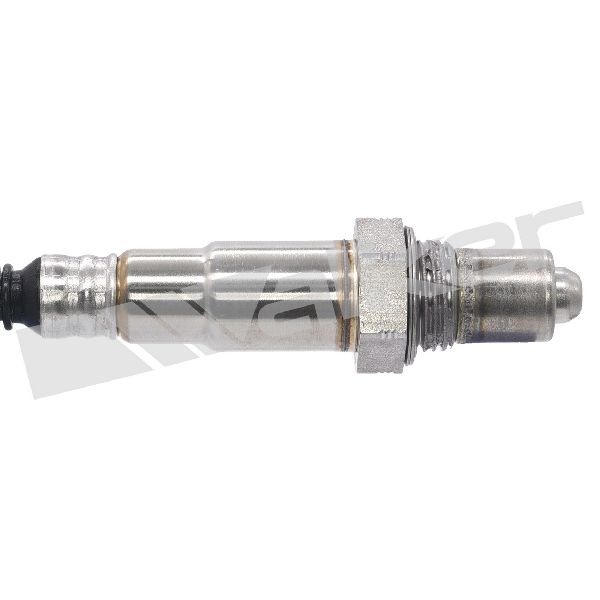
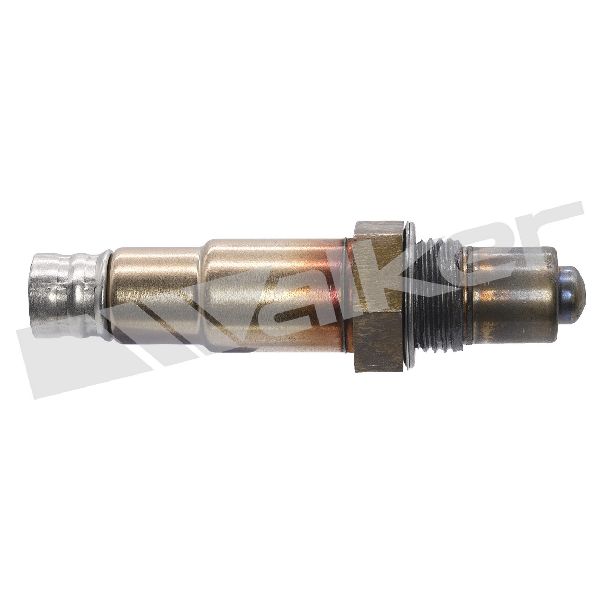
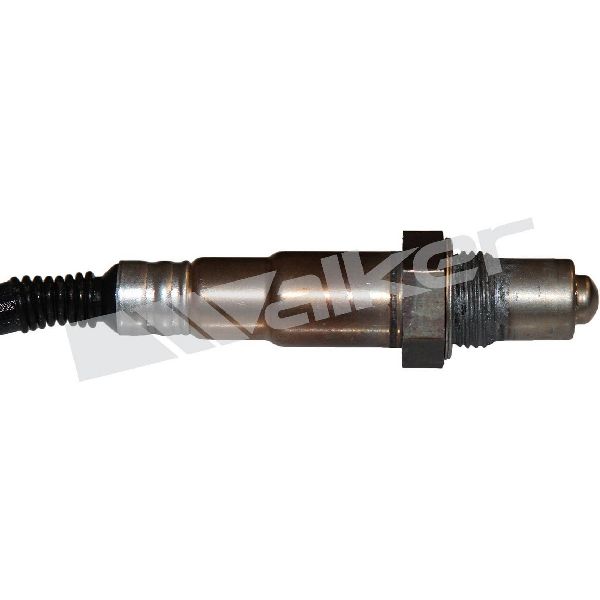
- Oxygen Sensor (Bank 1, Sensor 2)
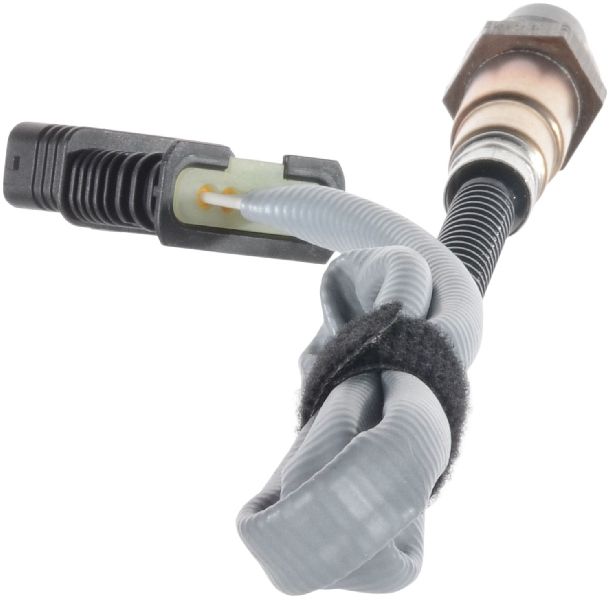
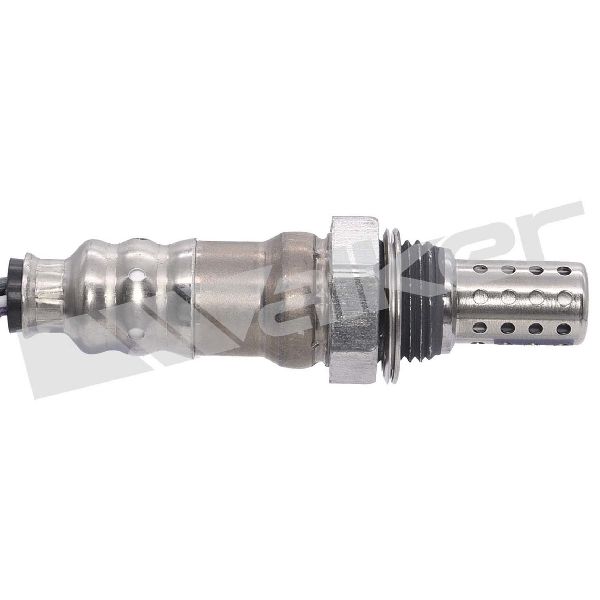
(OEM #11787545075)— This is the most common failure point for code P0141. The internal heater element fails with age, requiring the replacement of the entire sensor unit.
Trusted brands: Bosch (e.g., 17098), NTK (e.g., 24320)
OEM price range: $120-$180
Aftermarket price range: $70-$150
Related Codes That Often Appear With This One
- P0161 - O2 Sensor Heater Circuit (Bank 2 Sensor 2): If both P0141 and P0161 are present, it strongly suggests a blown fuse that powers both downstream sensor heaters, rather than two simultaneously failed sensors.
Platform-Specific Known Issues
- Fuse Location Confusion: Owners report that the fuse diagram sheet is often hard to find. It is typically folded and stored in a slot within the rear fuse block panel, located in the right-side luggage compartment. 🎬 Watch: How to find the O2 sensor fuse and relay location Accessing the front fuse block behind the glovebox is significantly more difficult than the rear one.
Mechanic-Grade Diagnostic Values
- O2 Sensor Heater Element Resistance — expected: 2-10 Ohms at room temperature (approx. 68°F/20°C). Some sources state a wider range of 5-20 Ohms is acceptable.. Failure: An open circuit (OL or infinite resistance) on the multimeter indicates a burned-out heater element.
- Voltage at Heater Power Pin (Harness Side) — expected: ~12V (Battery Voltage) with ignition on, engine off.. Failure: 0V or significantly low voltage indicates a problem with the fuse or the wiring from the power distribution box.
- Ground Signal at Heater Control Pin (Harness Side) — expected: The DME provides a ground to activate the heater. Using a test light connected to battery positive, the light should pulse or illuminate when the DME commands the heater on (typically right after a cold start).. Failure: No ground signal (test light does not light up) when one is expected points to a wiring issue to the DME or a fault in the DME driver circuit (rare).
Hidden / Shadow Codes Worth Checking
- 2C9D: Oxygen sensor heater 2, before catalytic converter: Activation. This is a BMW-specific hex code that often accompanies P0135 but can be related to general heater circuit issues. It points to an open circuit or activation problem. (see via BMW-specific diagnostic software like ISTA, INPA, or high-end scanners from brands like Autel or Foxwell.)
- 12B304 / 12B104: Lambda probe heating after catalyst, activation: line disconnection. This is a more direct BMW fault code for the P0141 condition, specifically calling out a line disconnection for the downstream sensor heater. (see via Modern BMW diagnostic tools like MHD, ISTA, or advanced handheld scanners.)
Scan Tool Commands That Help
- ISTA/D: Call up ECU functions -> DME -> Diagnosis Scan -> Select Fault Code -> Calculate test plan — After reading the P0141/associated BMW code, ISTA will generate a guided diagnostic procedure. It will prompt the technician to check specific values, inspect wiring, and can be used to activate or monitor the heater circuit status in real-time, confirming if the DME is attempting to control the heater.
Wiring & Ground Locations
- O2 Sensor Connector (Bank 1, Sensor 2) — Underneath the vehicle, on the exhaust pipe for cylinders 1-3, after the catalytic converter.. This is the primary connection point to test. For N52-era sensors, Pin 4 is typically the 12V+ power supply (often a Red/Green wire) and Pin 3 is the ground controlled by the DME (often a White/Blue wire). These are the two pins to test for power and heater control.
- Fuse F38 (on some models) — In the Junction Box Electronics (JBE) fuse panel located behind the glove box.. On some E-chassis vehicles with the N52, a 30A fuse in position F38 powers the O2 sensor heaters. However, fuse locations can vary significantly.
- Rear Fuse Box (F25 Specific) — In the luggage compartment on the right side.. For the F25 X3, many circuits are powered from this rear panel. A video guide suggests checking fuses 131, 132, and 143 in this location for O2 sensor heater power.
- Front E-Box (Engine Bay) — Under the hood, near the passenger-side cowl, in a sealed electronics box that houses the DME.. On many older BMWs, a dedicated 5-fuse carrier for engine electronics, including O2 heaters, was located here. While less common on the F25, if other locations don't yield a blown fuse, this is a place to check for power distribution issues.
Real Owner Repair Stories
- Carly Community Forum User (2018 BMW X1 (similar DME logic)) — Check engine light, terrible fuel economy, failed emissions, P0141 code.
❌ Tried (didn't work) Initial diagnosis pointed to the sensor itself.
✅ What actually fixed it The mechanic found that the oxygen sensor's wiring harness had corroded, causing a bad connection. The fix involved replacing some connectors and cleaning up the wiring, not replacing the sensor. - Bimmerpost Forum User (2011 335xi (N55, similar wiring principles)) — Persistent O2 heater circuit code (P0030) after replacing the sensor.
❌ Tried (didn't work) Replacing the upstream O2 sensor.
✅ What actually fixed it The user was trying to find the correct fuse. A knowledgeable forum member provided the exact wiring diagram from ISTA, identifying the correct fuse (F38 in the JBE) and the specific wire colors and pin numbers to test for continuity between the sensor connector and the DME, leading to a proper wiring diagnosis. - NHTSA ODI #11495474 — An owner of a similar BMW model reported using a computerized diagnostic tool that identified error HO2S 12 Heater Control Circuit, specifically engine code P0141 for the Bank 1, Sensor 2 downstream oxygen sensor heater circuit malfunction.
OEM Part Supersession History
11787545074→N/A— This is the correct part number for Bank 1, Sensor 2 (post-cat, cylinders 1-3) on many N52 applications, with a 560mm cable length.
Heads up: The part number listed in the Pass 2 data, 11787545075, is for Bank 2, Sensor 2 (post-cat, cylinders 4-6) and has a shorter 490mm cable. While electrically similar, the cable length may not be sufficient for the Bank 1 position. It is critical to order the correct part for the specific bank and position.
Diagnostic Flowchart
Other Known Issues on This Vehicle
Issues unrelated to this code that are worth knowing about as an owner of this generation:
- Electric Water Pump & Thermostat Failure 🔴 High — Commonly fails between 60,000-90,000 miles, often without warning. Failure can cause rapid overheating.
- Valve Cover and Gasket Oil Leaks 🟠 Medium — Extremely common on virtually all N52 engines. Gasket hardens with age, causing oil to leak onto the exhaust manifold (burning smell) or into spark plug wells (misfires).
- VANOS Solenoid Failure 🟡 Low — Common with age and mileage. Can cause rough idle, hesitation, and check engine lights (e.g., 2A82, 2A9A). Often fixed by cleaning or replacing the solenoids located at the front of the engine.
- Oil Filter Housing Gasket Leak 🟠 Medium — Another very common N52 oil leak. The gasket between the oil filter housing and the engine block degrades, leading to oil leaks that can drip onto the serpentine belt, causing it to slip or shred.
- Transfer Case Actuator Gear Failure 🟠 Medium — The plastic gear inside the transfer case actuator motor wears out, typically between 90,000-120,000 miles, causing the 4x4, ABS, and Brake warning lights to illuminate (the 'trifecta'). Some sources suggest this may not be a DIY gear replacement on F25 models as it was on the older E83.
Used vs. New Parts: Buying Guide for This Vehicle
When a used part is the smart pick: Never. Oxygen sensors are wear-and-tear items with a finite lifespan, typically 80,000-100,000 miles. The primary failure mode for P0141 is the internal heater burning out from age and heat cycles. A used sensor has an unknown amount of life remaining and carries a high risk of premature failure, forcing you to do the labor twice.
What to inspect on the donor part:
- Not applicable as used sensors are not recommended.
OEM-only on this vehicle (don't cheap out):
- While not strictly 'OEM-only', it is highly recommended to use the OEM supplier (Bosch or NTK) for this part. Cheaper, unbranded sensors are known to have a higher failure rate or cause subtle fuel trim issues even if they don't set a code.
Aftermarket brands forum-validated for this vehicle:
- Bosch
- NTK
- Genuine BMW (which is a rebranded Bosch or NTK sensor)
Brands owners have reported issues with on this vehicle:
- Generic, no-name brands found on marketplaces like Amazon or eBay without a clear manufacturer identity. While some may work, their quality control and longevity are inconsistent.
Real Owner Stories
Aggregated from forums and TSBs cited above. Mileages and costs reflect what owners reported in those sources.
2017 BMW X3
Symptoms: Check engine light is on; experiencing hesitation during acceleration, especially when the engine is cold; increased fuel consumption.
What fixed it: The owner identified the issue as a heater element or wiring fault, noting it as an emissions/nuisance issue.
Source hint: Carly Community / Bimmerpost M5 Forum
BMW Owner Diagnostic Report
Symptoms: Check engine light illuminated with code P0141.
What fixed it: According to NHTSA ODI #11495474, the owner used a computerized diagnostics tool which identified a "Heater Control Circuit Specifics: Engine code P0141 – 02 Sensor Heater Circuit Malfunction (Bank 1- Sensor 2) Downstream."
Source hint: NHTSA ODI #11495474
Related OBD-II Codes
Frequently Asked Questions
Where can I find the fuse for the O2 sensor heater on my F25 X3?
Which oxygen sensor is associated with code P0141 on the N52 engine?
Is it common for the O2 sensor heater to fail on a BMW X3 with over 100,000 miles?
Will a P0141 code significantly impact my X3's driving performance?
How can I confirm if the sensor itself is bad before buying a replacement?
What should I check if I have P0141 along with P0135, P0155, or P0161?
Helpful Videos
![Engine Fault Code P0141 - O2 Sensor Heater Circuit [Symptoms, Causes, and Fixes]](https://img.youtube.com/vi/vBY3c_DON3Y/mqdefault.jpg)
We Have This Part in Stock


The information in this article is provided for general reference and educational purposes only. Vehicle specifications, procedures, and part compatibility can vary by production date, trim level, and region. Always consult your vehicle's factory service manual and verify part numbers before purchasing or performing repairs. Safety-critical components such as airbags, seat belts, and braking systems should be installed by a qualified professional.
- BMW X3:
- 🧭 Diagnostic Flowchart
- 🎬 Helpful Videos
- 🛍️ Shop This Part
- What's Unique About the 2011-2017 BMW X3
- Symptoms You May Notice
- Most Likely Causes
- Rare But Worth Checking
- Diagnosis Steps
- Parts You'll Likely Need
- Related Codes That Often Appear With This One
- Platform-Specific Known Issues
- Mechanic-Grade Diagnostic Values
- Hidden / Shadow Codes Worth Checking
- Scan Tool Commands That Help
- Wiring & Ground Locations
- Real Owner Repair Stories
- OEM Part Supersession History
- Other Known Issues on This Vehicle
- Used vs. New Parts: Buying Guide for This Vehicle
- Real Owner Stories
- 2017 BMW X3
- BMW Owner Diagnostic Report
- Related OBD-II Codes
- Frequently Asked Questions
- 🎟️ Get 5% Off