

P0141 on 2007-2009 Hyundai Santa Fe 3.3L: O2 Sensor Heater Causes and Fixes
For a 2007-2009 Santa Fe 3.3L, code P0141 almost always means the rear downstream oxygen sensor (Bank 1, Sensor 2) has a failed internal heater. Before replacing the sensor, check the 'SENSOR 1' 15A fuse in the engine bay, as it powers both downstream heaters. A new sensor costs about $50-$100 for a quality aftermarket part (Denso, NTK) or up to $270 for OEM.
- P0141 on this Santa Fe points to the heater circuit in the rear, downstream oxygen sensor (Bank 1, Sensor 2).
- Before buying any parts, always check the 15A 'SENSOR 1' fuse in the engine bay fuse box, especially if you also have a P0161 code.
- The most likely fix is replacing the oxygen sensor itself, a DIY-friendly job for those with basic tools and an O2 sensor socket.
- Ensure you are working on the correct sensor: Bank 1 is the cylinder bank near the firewall.
- Do not mistake this code for a bad catalytic converter; this code is specific to the sensor's electrical heater.
What's Unique About the 2007-2009 Hyundai Santa Fe
On the 2007-2009 Santa Fe with the 3.3L V6, a common point of confusion for DIY mechanics is correctly identifying Bank 1. Unlike many V-type engines where Bank 1 is in the front, on this platform, Bank 1 is the rear cylinder bank, near the firewall. This means P0141 refers to the downstream sensor on the rear exhaust pipe, which can be more difficult to access. Replacing the wrong sensor (e.g., the Bank 2 sensor at the front) is a frequent misstep. The 'SENSOR 1' 15A fuse in the engine bay powers the heater circuits for *both* downstream O2 sensors, so if it blows, you will often get P0141 and P0161 codes simultaneously.
Symptoms You May Notice
- Check Engine Light is on
- Failing a vehicle emissions test.
- Slightly decreased fuel economy.
- Replacing the wrong oxygen sensor (e.g., replacing the Bank 2 sensor at the front of the vehicle, or the upstream Bank 1 sensor).
- Replacing the catalytic converter. A P0141 code is specific to the sensor's heater circuit and is not caused by a bad catalytic converter. A failing converter would typically set a P0420 code.
Most Likely Causes
- Failed Oxygen Sensor Heater Element 🔴 High Probability → Shop Oxygen Sensor The internal heater element is a common wear-and-tear item that fails over time due to constant, extreme heat cycles. It is the most frequent point of failure for this code.
How to confirm: After confirming the fuse is good, disconnect the sensor and test the resistance of the heater circuit pins (usually the two same-colored wires, often black) with a multimeter. A normal reading is typically between 8.1 and 11.1 ohms at room temperature. An open circuit (infinite resistance) or short circuit (near zero resistance) confirms a bad heater.
Typical fix: Replace the Bank 1, Sensor 2 oxygen sensor. An O2 sensor socket (22mm or 7/8") is highly recommended for removal, as the sensor can be seized in the exhaust pipe.
Est. part cost: $50-$275 - Damaged Wiring or Connector 🟡 Medium Probability The wiring for the downstream sensor runs underneath the vehicle, making it vulnerable to road debris, moisture, and melting on hot exhaust components. On related Hyundai engines, oil leaks from the rear valve cover gasket have been known to drip down and saturate the sensor connector, degrading the wiring insulation and causing shorts.
How to confirm: Visually inspect the entire length of the wiring harness from the sensor to the main connector for any signs of melting, chafing, corrosion, or physical damage. Check the connector pins for corrosion or moisture.
Typical fix: Repair the damaged section of the wiring harness or replace the connector pigtail.
Est. part cost: $15-$50 - Blown Fuse ⚪ Low Probability A short circuit in the sensor or wiring can cause the fuse to blow. While less common than sensor failure, it's a simple and crucial first check. This fuse is shared between both downstream sensors.
How to confirm: Locate the fuse box in the engine compartment. The fuse is labeled 'SENSOR 1' and is rated at 15A. Visually inspect the fuse or test it for continuity with a multimeter.
Typical fix: Replace the blown 15A fuse. If the fuse blows again immediately, it indicates a persistent short circuit in the wiring or in one of the two downstream O2 sensors that must be diagnosed.
Est. part cost: $1-$5
Rare But Worth Checking
- Faulty Engine Control Module (ECM): → Shop Engine Control Module (ECM) This is extremely rare. The ECM should only be considered a potential cause after all other possibilities (sensor, wiring, fuses) have been exhaustively tested and ruled out.
Diagnosis Steps
- Read the code with an OBD-II scanner to confirm P0141 is present. Check for other codes like P0161.
- Check the 'SENSOR 1' 15A fuse in the engine compartment fuse box. Replace if blown. If it blows again, a short circuit exists in the wiring or one of the two downstream sensors.
- Locate the Bank 1, Sensor 2 oxygen sensor. It is the downstream sensor on the rear cylinder bank (firewall side).
- Visually inspect the sensor's wiring harness and connector for any signs of damage, melting, or corrosion. Pay attention to any oil saturation from a potential valve cover gasket leak.
- If the wiring appears intact, disconnect the sensor and test the resistance of the heater circuit pins on the sensor itself (the two same-colored wires). A reading outside the 8.1-11.1 ohm range at room temperature indicates a failed sensor.
- If the sensor's resistance is within specification, the sensor heater is likely good. The next step is to test for power at the vehicle's harness connector. With the ignition on (engine off), check for 12V between the heater power wire and a known good ground. If 12V is not present, there is a wiring issue between the fuse box and the connector.
- If power and ground are present at the harness and the sensor's resistance is good, there may be an intermittent connection issue or a rare ECM fault.
- If the sensor's heater circuit is open or shorted, replace the Bank 1, Sensor 2 oxygen sensor.
Parts You'll Likely Need
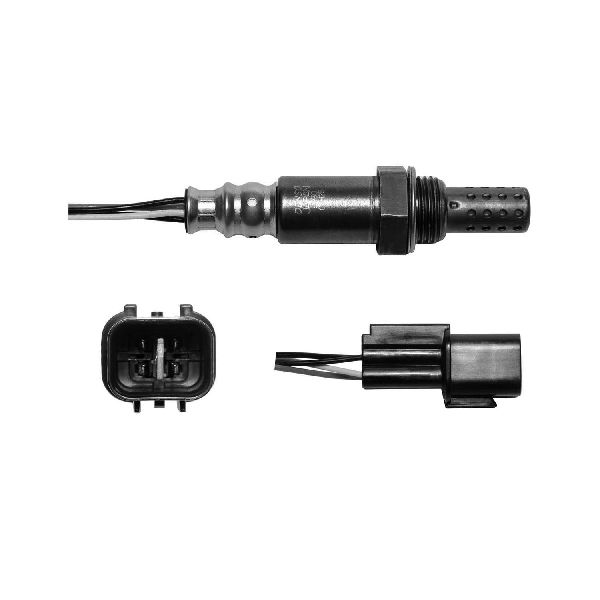
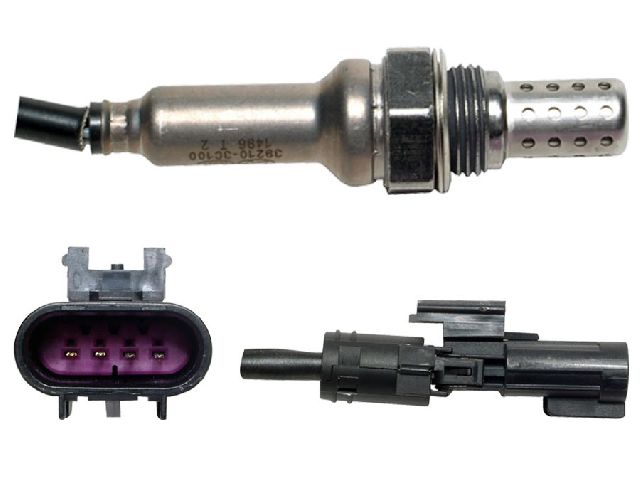
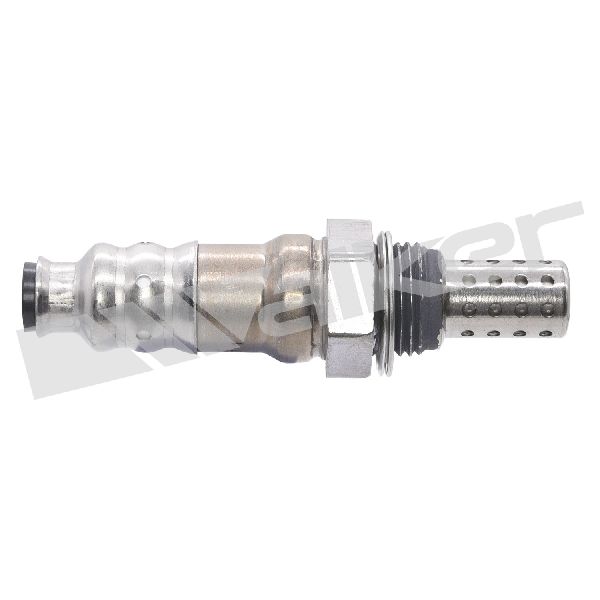
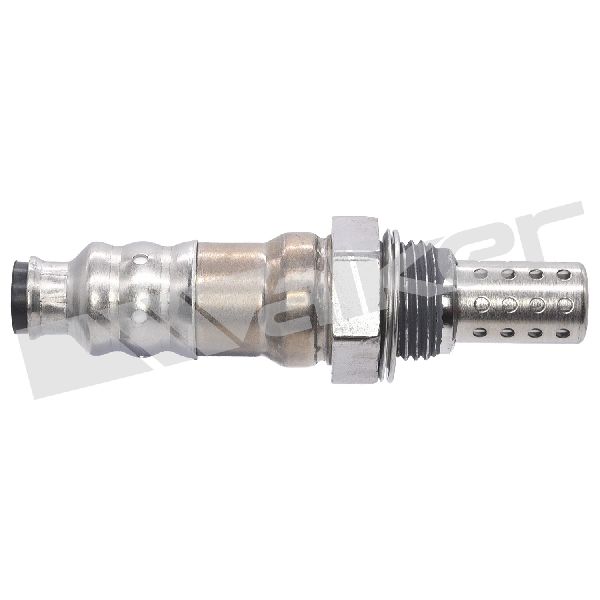
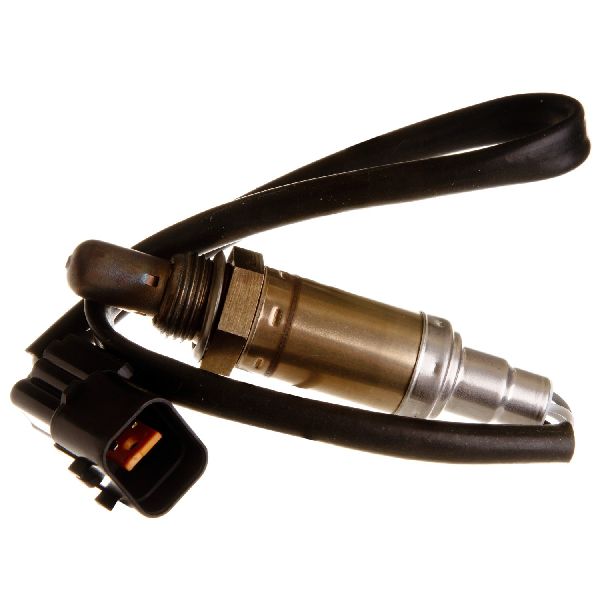
- Oxygen Sensor (Bank 1, Sensor 2)
(OEM #39210-3C200)— The internal heater element fails from age and heat cycles, which is the most common cause of P0141. This is the downstream sensor for the rear (firewall side) cylinder bank.
Trusted brands: Hyundai (Genuine), Denso (OEM supplier), NTK (OEM supplier), Bosch
OEM price range: $180-$275
Aftermarket price range: $50-$100
Related Codes That Often Appear With This One
- P0161 — P0161 is the heater circuit code for Bank 2, Sensor 2. If both P0141 and P0161 appear together, it strongly suggests a common power supply problem, such as the 'SENSOR 1' 15A fuse which powers both downstream heaters.
- P0136 — P0136 is a fault in the sensor's signal circuit (not the heater) for the same sensor (Bank 1, Sensor 2). If both codes appear, it points more strongly to a complete sensor failure or a wiring issue affecting the whole component.
Technical Service Bulletins (TSBs) & Recalls
- While not directly for P0141, Hyundai Service Campaign 936 (related to TSB 15-01-031) addresses a common oil leak from the *front* valve cover gasket that destroys the alternator. A similar oil leak from the *rear* valve cover could potentially damage the Bank 1 O2 sensor wiring, making it a relevant platform issue to be aware of.
Platform-Specific Known Issues
- Real-World Repair: P0141 and P0161 Together: A documented case on a 2007 Santa Fe 2.7L (which shares a similar wiring design) involved both P0141 and P0161 codes appearing at the same time. The owner found the 'SENSOR 1' 15A fuse in the engine bay fuse box was blown. Replacing this single fuse resolved both codes, as it provides power to both downstream sensor heaters. This highlights the importance of checking fuses first.
- Accessing the Bank 1 Sensor: The Bank 1, Sensor 2 location on the rear exhaust pipe (firewall side) can be difficult to reach from above. Access is typically done from underneath the vehicle. The sensor can be very tight due to rust and heat cycles, so using penetrating oil beforehand and a proper 22mm (7/8") O2 sensor socket is highly recommended to avoid rounding off the sensor body.
Mechanic-Grade Diagnostic Values
- O2 Sensor Heater Element Resistance — expected: 8.1 - 11.1 Ω at 21°C (70°F). Failure: A reading of 'OL' (Open Loop / infinite resistance) or near-zero ohms confirms a failed heater.
- Heater Circuit Power Supply at Harness Connector — expected: ~12 Volts (Battery Voltage) with Key On, Engine Off.. Failure: 0 Volts or significantly low voltage indicates a blown fuse ('SENSOR 1' 15A), faulty main relay, or an open in the power supply wire.
- O2 Sensor Heater Current Draw (Live Data) — expected: 0.52 ± 0.1 Amps (at 13.5V with exhaust at 450°C/842°F). Failure: Current significantly below this threshold indicates an open or high-resistance circuit in the sensor or wiring.
Scan Tool Commands That Help
- Hyundai GDS (or equivalent professional scan tool): Live Data PID: O2 Sensor Heater Control Duty Cycle — Use this to verify if the ECM is actively trying to command the heater circuit on. If the duty cycle is above 0% but resistance/current tests fail, it confirms a fault in the wiring or sensor, not the ECM's command signal.
- Hyundai GDS (or equivalent professional scan tool): Service Function: Reset Adaptive Values — This is a recommended practice after replacing an O2 sensor. It forces the ECM to immediately relearn fuel trim strategies with the new, functional sensor, rather than waiting for the old, incorrect learned values to adapt over time.
Wiring & Ground Locations
- G52 — Left rear of the engine compartment.. This is a primary engine and PCM ground point. A loose or corroded connection here can cause erratic voltage and resistance readings for multiple sensors, including the O2 sensor heater circuits.
- G38 — Left rear of the engine compartment.. Another key engine compartment ground point near G52. It should be inspected, cleaned, and tightened when diagnosing any electrical fault related to the engine management system.
- SENSOR 1 Fuse — Fuse box in the engine compartment.. This 15A fuse provides the 12V power supply for the heater circuits of *both* downstream oxygen sensors (Bank 1 Sensor 2 and Bank 2 Sensor 2).
Model Year Variations Within This Range
- 2007-2009: No significant variations in powertrain or emissions control systems that would affect the diagnosis or repair of a P0141 code were identified within this model year range. Minor trim and feature updates for 2008 and 2009 (e.g., standard iPod inputs) are not relevant to this fault.
Diagnostic Flowchart
Other Known Issues on This Vehicle
Issues unrelated to this code that are worth knowing about as an owner of this generation:
- Front Valve Cover Gasket Oil Leak 🔴 High — Very common, typically noticed around 100,000 miles. Oil leaks directly onto the alternator, causing premature alternator failure and potential vehicle stalling. (Ref: Hyundai Service Campaign 936 (TSB 15-01-031) was issued to inspect and replace the gasket and potentially the alternator.)
- Faulty Fuel Level Sending Unit 🟠 Medium — Widespread issue where the fuel gauge becomes erratic, reads empty after a fill-up, or is generally inaccurate.
- Stop Lamp Switch Failure 🔴 High — Common failure leading to brake lights not working, cruise control not deactivating, or inability to shift from Park. (Ref: Hyundai Recall Campaign 110 was issued to replace the faulty switch free of charge.)
- Peeling Paint 🟡 Low — Many owners report premature peeling of the paint, particularly on the roof and hood, especially for white and silver vehicles.
Used vs. New Parts: Buying Guide for This Vehicle
When a used part is the smart pick: It is strongly advised to NOT use a used oxygen sensor. O2 sensors are wear-and-tear components with a finite lifespan, similar to spark plugs or brake pads. A used sensor from a salvage yard has an unknown history and remaining life, and may fail shortly after installation, wasting time and money.
What to inspect on the donor part:
- Not applicable, as used O2 sensors are not recommended.
OEM-only on this vehicle (don't cheap out):
- While not strictly 'OEM-only', using an OEM or OEM-supplier sensor is highly recommended for this repair to ensure compatibility and longevity.
Aftermarket brands forum-validated for this vehicle:
- Denso (often the original equipment supplier for Hyundai)
- NTK / NGK
Brands owners have reported issues with on this vehicle:
- Generic 'white-box' or unbranded sensors from online marketplaces.
- Some forum users report mixed results or premature failures with aftermarket Bosch sensors on Asian vehicles, suggesting sticking with Denso or NTK is a safer choice.
Real Owner Stories
Aggregated from forums and TSBs cited above. Mileages and costs reflect what owners reported in those sources.
2007 Hyundai Santa Fe 2.7L
Symptoms: The vehicle triggered both P0141 and P0161 codes at the same time.
What fixed it: Replacing the 'SENSOR 1' 15A fuse in the engine bay fuse box, which provides power to both downstream sensor heaters.
Source hint: hyundai-forums.com and vehicle_specific_issues: Real-World Repair: P0141 and P0161 Together
Related OBD-II Codes
Frequently Asked Questions
Where is the Bank 1 Sensor 2 located on my 3.3L Santa Fe?
Could an oil leak from my valve cover cause the P0141 code?
What brand of oxygen sensor should I use for my 2007-2009 Santa Fe?
If I have both P0141 and P0161, do I need to replace both sensors?
What should the resistance reading be for a healthy heater circuit on this vehicle?
Is there a specific tool I need to remove the sensor?
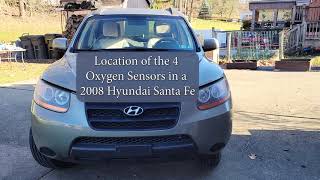
Helpful Videos



We Have This Part in Stock


The information in this article is provided for general reference and educational purposes only. Vehicle specifications, procedures, and part compatibility can vary by production date, trim level, and region. Always consult your vehicle's factory service manual and verify part numbers before purchasing or performing repairs. Safety-critical components such as airbags, seat belts, and braking systems should be installed by a qualified professional.
- Hyundai Santa Fe:
- 🧭 Diagnostic Flowchart
- 🎬 Helpful Videos
- 🛍️ Shop This Part
- What's Unique About the 2007-2009 Hyundai Santa Fe
- Symptoms You May Notice
- Most Likely Causes
- Rare But Worth Checking
- Diagnosis Steps
- Parts You'll Likely Need
- Related Codes That Often Appear With This One
- Technical Service Bulletins (TSBs) & Recalls
- Platform-Specific Known Issues
- Mechanic-Grade Diagnostic Values
- Scan Tool Commands That Help
- Wiring & Ground Locations
- Model Year Variations Within This Range
- Other Known Issues on This Vehicle
- Used vs. New Parts: Buying Guide for This Vehicle
- Real Owner Stories
- 2007 Hyundai Santa Fe 2.7L
- Related OBD-II Codes
- Frequently Asked Questions
- 🎟️ Get 5% Off