

P0141 on 2014-2016 Jaguar F-TYPE: O2 Heater Circuit Causes and Fixes
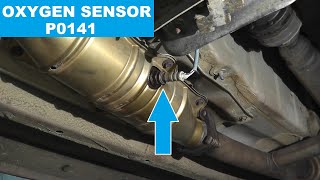
P0141 on a Jaguar F-TYPE indicates a fault in the Bank 1, Sensor 2 oxygen sensor's heater circuit. The most common fix is replacing the sensor itself, but a software update specified in a TSB should be checked for first. Expect to pay $75-$100 for an aftermarket Bosch sensor or $250+ for the Jaguar-branded OEM part. The sensor is located on the passenger side (US), in the middle of the catalytic converter.
- P0141 on your F-TYPE points to the heater in the O2 sensor on the passenger-side, in the middle of the catalytic converter.
- Before replacing any parts, check if your vehicle needs a software update as specified in TSB JTB-00392-NAS-3.
- The most common hardware fix is replacing the sensor itself. You can save hundreds of dollars by purchasing the Bosch-branded sensor (e.g., Bosch 16033) instead of the Genuine Jaguar part (C2D23702).
- Check with a Jaguar dealer about extended emissions warranty coverage for O2 sensors, which could make the repair free.
What's Unique About the 2014-2016 Jaguar F-TYPE
Unlike many vehicles where P0141 points to a simple sensor failure, on the 2014-2016 F-TYPE, Jaguar issued Technical Service Bulletin JTB-00392-NAS-3 indicating that a software error in the Powertrain Control Module (PCM) could be the root cause. Therefore, simply replacing the sensor might not fix the problem if a software update is required. Additionally, the F-TYPE uses a three-sensor-per-bank layout (upstream, mid-stream, and downstream). P0141 refers to the middle sensor inside the catalytic converter, not the final post-catalyst sensor as on many other cars.
Diagnostic Flowchart
Tap your situation to follow the diagnostic path that matches what you're seeing on this vehicle.
Symptoms You May Notice
- Check Engine Light (Malfunction Indicator Lamp) is illuminated.
- Guaranteed failure of an emissions test.
- Slightly decreased fuel economy.
- Engine may take longer to reach full operating efficiency, especially in cold weather.
- Noticeable smell of gasoline from the exhaust, as the car may run rich.
- Replacing the wrong oxygen sensor. It is critical to identify the correct Bank 1 (passenger side US) and Sensor 2 (mid-catalyst) location before replacement.
- Replacing the sensor when a PCM software update was the actual required fix per TSB JTB-00392-NAS-3.
- Replacing the sensor when the actual fault is a damaged wire or corroded connector pin.
Most Likely Causes
- Faulty Oxygen Sensor 🔴 High Probability → Shop Oxygen Sensor The internal heater element is a common failure point over time, similar to a light bulb filament burning out. It is a known common issue on F-Types.
How to confirm: After checking fuses and wiring, test the resistance of the heater circuit at the sensor's connector using a multimeter. 🎬 See how to test and replace a heated oxygen sensor. A typical good heater has low resistance, generally between 2-30 ohms (some sources specify 5-20 ohms). An open circuit (infinite resistance) confirms a failed heater. A new Bosch sensor may have a resistance of around 9 ohms when cold.
Typical fix: Replace the Bank 1, Sensor 2 oxygen sensor. The OEM part is made by Bosch, which can be purchased for a significant discount compared to the Jaguar-branded part. 🎬 Watch a mechanic replace an F-Type O2 sensor step-by-step.
Est. part cost: $75-$350 - Powertrain Control Module (PCM) Software Error 🟡 Medium Probability → Shop Engine Control Module (ECM) Jaguar released TSB JTB-00392-NAS-3 which explicitly states a software error can cause this and other related HO2S codes on 2014-2015 F-Types. Owners have reported dealers performing this update to resolve recurring O2 sensor codes.
How to confirm: A Jaguar dealer or a specialized shop with access to Jaguar's diagnostic software (SDD) can check the current software version against the TSB's recommendations for your vehicle's VIN.
Typical fix: Reprogram the Powertrain Control Module (PCM) with the updated software. The TSB notes that the sensor may still need replacement, but the software update prevents future issues.
Est. part cost: $0 (if covered), or 1-2 hours of dealer labor - Wiring or Connector Issue ⚪ Low Probability The wiring harness is located under the vehicle and is exposed to heat from the exhaust and road debris, which can cause damage, melting, or corrosion over time.
How to confirm: Visually inspect the wiring harness and connector leading to the Bank 1, Sensor 2 for any signs of melting, chafing, corrosion, or loose pins. Test for 12V power and a good ground at the harness-side connector with the ignition on.
Typical fix: Repair the damaged section of the wiring harness or clean/replace the connector.
Est. part cost: $5-$50 - Blown Fuse ⚪ Low Probability
How to confirm: Consult the owner's manual or a service manual to locate the fuse for the O2 sensor heater circuits (often labeled 'A/F Heater' or similar) and visually inspect it. Test with a multimeter for continuity.
Typical fix: Replace the blown fuse. If it blows again, a short circuit exists in the wiring or the sensor itself.
Est. part cost: $1-$5
Rare But Worth Checking
- Faulty Powertrain Control Module (PCM): → Shop Engine Control Module (ECM) This is very rare. All other possibilities, especially the sensor, wiring, and software update, should be exhaustively ruled out before considering PCM replacement.
Diagnosis Steps
- Scan the vehicle for any other stored trouble codes to see if other O2 sensor or emissions codes are present.
- Check with a dealer or use a professional resource to see if TSB JTB-00392-NAS-3 applies to your vehicle's VIN. If so, a PCM software update may be the required first step, even if you also replace the sensor.
- Locate the fuse for the O2 sensor heaters (may be labeled 'A/F Heater') and verify it is not blown.
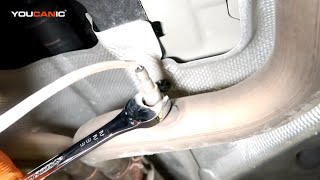
- Safely raise the vehicle and locate the Bank 1, Sensor 2 O2 sensor. It is on the passenger side (US) exhaust, mounted directly in the housing of the catalytic converter. 🎬 Watch: This DIY walkthrough shows you how to access the sensors.
- Inspect the sensor's electrical connector and wiring for any signs of damage, melting, or corrosion. The F-Type's exhaust gets very hot, and wiring can be susceptible to damage.
- Disconnect the sensor and test the heater circuit pins on the sensor side for resistance using a multimeter. A reading of infinite resistance (open) or zero resistance (short) indicates a failed heater element. A good heater should have low resistance, typically in the 2-30 ohm range. A new Bosch sensor should read around 9 ohms.
- With the key on and engine off, test the harness-side connector for battery voltage (approx. 12V) on the heater power wire and for a good ground on the ground wire.
- If wiring, fuse, and software are good, but the sensor's heater circuit resistance is out of spec, replace the oxygen sensor.
Parts You'll Likely Need
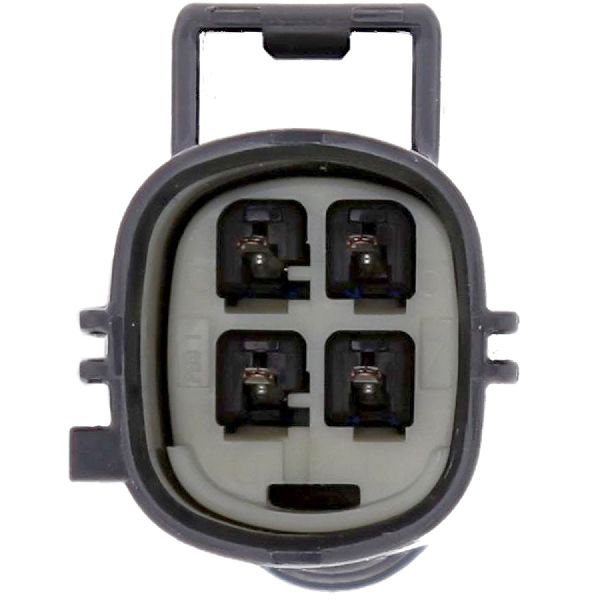
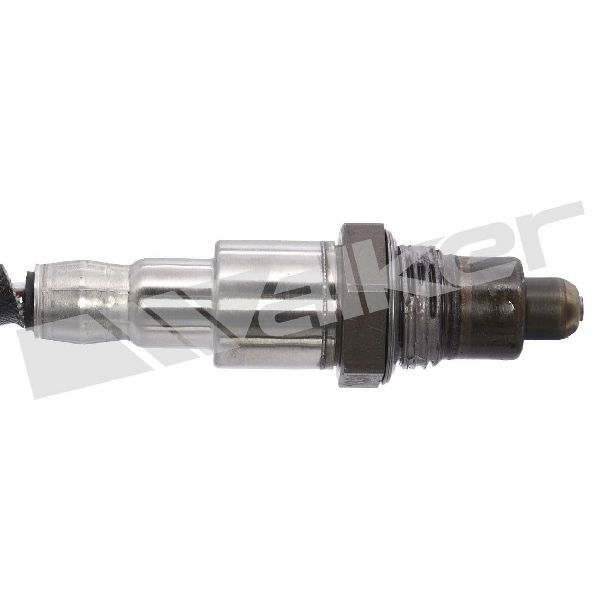
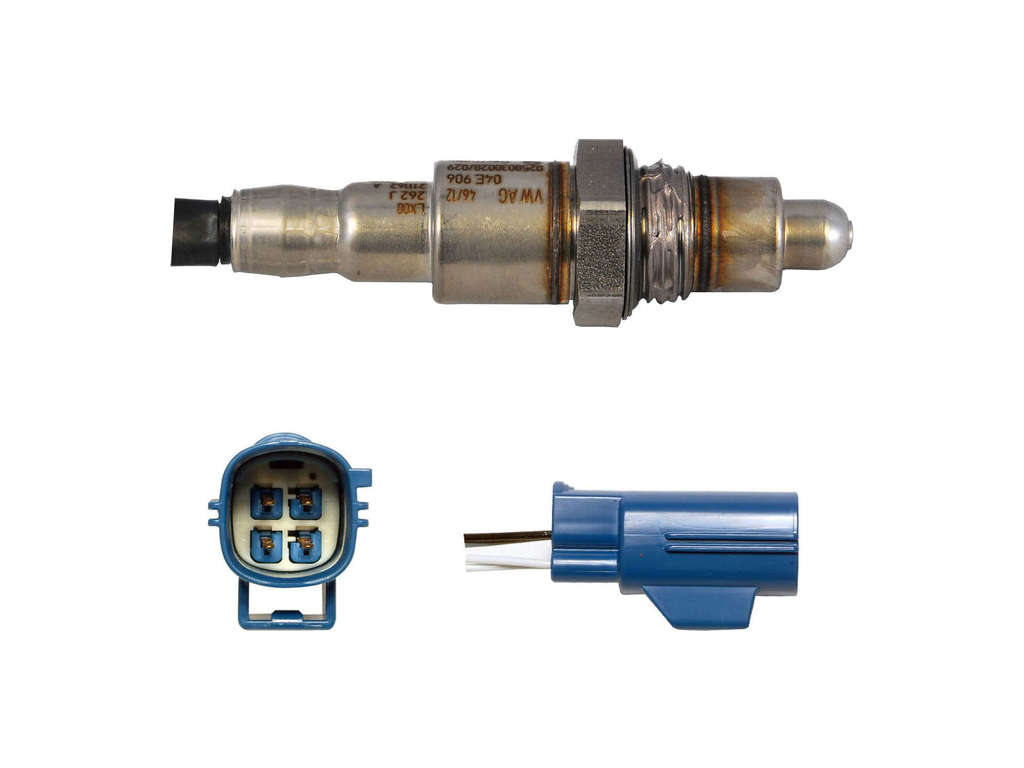
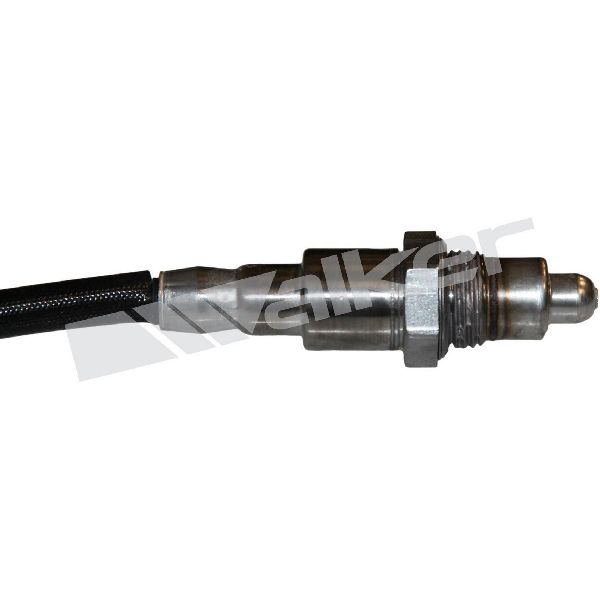
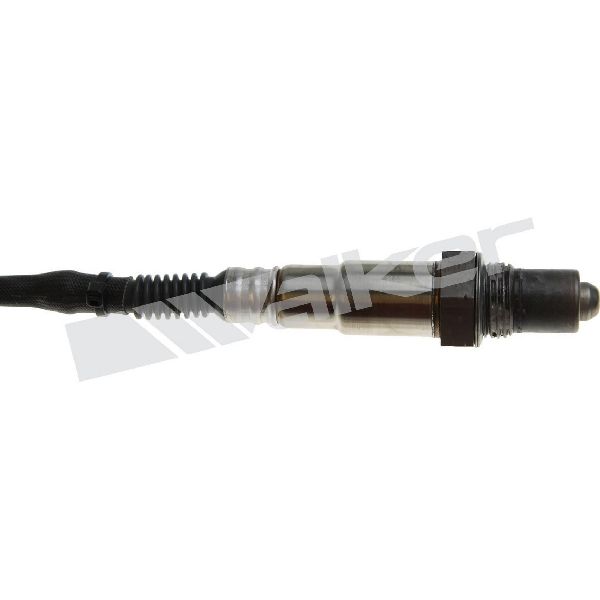
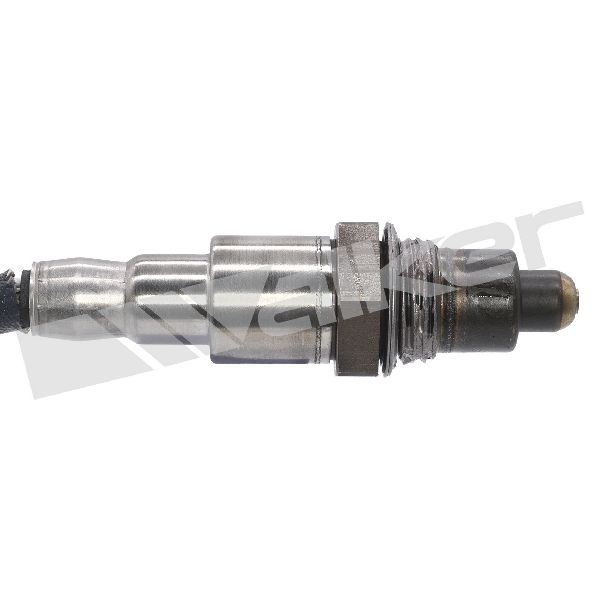
- Oxygen Sensor (Bank 1, Sensor 2)
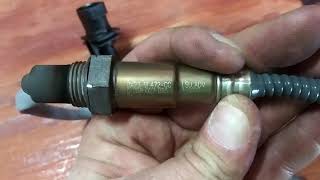
(OEM #C2D23702)— This is the most common cause of a P0141 code, as the internal heater element fails. It is crucial to get the correct sensor for the 'mid-cat' position.
Trusted brands: Genuine Jaguar, Bosch (OEM manufacturer)
OEM price range: $230-$350
Aftermarket price range: $75-$150
Technical Service Bulletins (TSBs) & Recalls
- JTB-00392-NAS-3: Explicitly lists P0141 as a code that may be caused by a PCM software error on 2013-2015 V6/V8 models (including F-TYPE) and provides instructions for a software update.
- SSM72477: Lists P0141 as one of many possible codes related to a Check Engine Light for a heated oxygen sensor fault, confirming it's a known issue. [NHTSA Record]
Platform-Specific Known Issues
- A software error in the PCM can trigger P0141 and a range of other O2 sensor codes. TSB JTB-00392-NAS-3 addresses this with a software update for 2014-2015 models.
- Some F-TYPE models may have extended warranty coverage on emissions components like oxygen sensors (e.g., 10 years/120k miles or 15 years/150k miles in the US/Canada). It is worth checking with a Jaguar dealer, as many owners have had sensors replaced under this warranty.
Mechanic-Grade Diagnostic Values
- O2 Sensor Heater Circuit Resistance — expected: 9 Ohms when cold for a new Bosch sensor. Generally between 2-30 Ohms is considered acceptable.. Failure: Infinite resistance (open circuit) or zero resistance (short circuit).
- Voltage Drop at Engine Ground Strap (during crank) — expected: Well under 0.5V (500mV).. Failure: A reading higher than 500mV indicates a poor ground connection that should be cleaned and re-secured.
- Heater Circuit Power Supply — expected: Approximately 12V (Battery Voltage) at the harness-side connector with key on, engine off.. Failure: No voltage indicates a problem with the fuse, relay, or wiring from the PCM.
Scan Tool Commands That Help
- Jaguar SDD (Symptom Driven Diagnostics): Recommendations / Unrelated Events — After an initial scan, SDD's 'Recommendations' tab may point directly to a relevant TSB (like JTB-00392-NAS-3) before you begin component testing. It can also show 'Unrelated Events' which may contain underlying codes not immediately tied to the primary symptom you entered.
- Jaguar SDD (Symptom Driven Diagnostics): Pinpoint Test — Once a DTC is identified as relevant (e.g., 100% relevance to the symptom), SDD will offer guided 'Pinpoint Tests' to check wiring integrity and component function step-by-step, which is more efficient than manual testing.
- Jaguar SDD (Symptom Driven Diagnostics): Configure existing module — This function is used to apply a software update to the Powertrain Control Module (PCM) as instructed by a TSB to resolve software-induced faults like P0141.
Wiring & Ground Locations
- Main Engine Grounding Strap — Located directly under the starter on the right side (passenger side US) lower frame of the car, connecting the engine/transmission to the frame.. While not the most likely cause for a single sensor code, a poor main ground can cause a variety of electrical issues, including erratic sensor behavior. Verifying a low voltage drop across this point is a good foundational check.
- Under-hood Jump Start Positive Terminal — On the passenger side of the engine bay, under a red plastic cover, providing a place to supply power to the vehicle's electrical system.. This provides an accessible point to check main system voltage and can be used to power the vehicle to test circuits if the battery, located in the trunk, is disconnected or dead.
- Under-hood Ground Point — A metal stud located near the passenger side headlight, used as the negative connection point for jump-starting.. This is a known, accessible, and solid chassis ground point that can be used as a reference for multimeter tests when checking for voltage or continuity in the O2 sensor harness.
Real Owner Repair Stories
- JaguarForums.com user (2016 Jaguar F-Type, 12k miles) — Check Engine Light with code P0141 (Bank 1 Sensor 2).
❌ Tried (didn't work) Replacing the Bank 1 Sensor 2 oxygen sensor.
✅ What actually fixed it The code returned after 100 miles. The final resolution was not posted by the user, but another user pointed to the 15-year/150,000-mile extended warranty on O2 sensors and the associated TSB for a software update, implying this was the necessary next step that was missed. - JaguarForums.com user (2014 F-Type S, 86,000 miles) — Slightly rough running, hesitation on acceleration, and multiple codes including P0054-00 (Heated O2 sensor heater resistance bank 1 sensor 2 - a related code to P0141).
❌ Tried (didn't work) Clearing the codes., Using a fuel injector cleaner.
✅ What actually fixed it The user swapped the Bank 1 and Bank 2 sensors. The fault did not move with the sensor, indicating the sensor itself was likely not the issue. The user later found and cleaned the charge air temperature sensor, which resolved the other codes and the rough running, suggesting a potential wiring or broader sensor issue rather than a simple O2 sensor failure. The final resolution for the O2 heater code itself was not explicitly stated, but the diagnostic step of swapping sensors was key.
OEM Part Supersession History
C2D23702→Not explicitly superseded, but is cross-referenced by multiple OE suppliers.— N/A
Heads up: The OEM part C2D23702 is listed for this application. Bosch is a known OE supplier, with part numbers like 16032 and 16033 being potential aftermarket equivalents. However, it is critical to verify loom length and connector keying, as left/right side sensors may have identical sensor bodies but different connectors.
Model Year Variations Within This Range
- 2014-2015: These model years are specifically called out in TSB JTB-00392-NAS-3 for a potential PCM software error causing P0141 and other HO2S codes. While the hardware may be the same as a 2016, the need for a software check is more critical for these earlier models.
Helpful Videos
We Have This Part in Stock

The information in this article is provided for general reference and educational purposes only. Vehicle specifications, procedures, and part compatibility can vary by production date, trim level, and region. Always consult your vehicle's factory service manual and verify part numbers before purchasing or performing repairs. Safety-critical components such as airbags, seat belts, and braking systems should be installed by a qualified professional.
- Jaguar F-TYPE:
- 🧭 Diagnostic Flowchart
- 🎬 Helpful Videos
- 🛍️ Shop This Part
- What's Unique About the 2014-2016 Jaguar F-TYPE
- Symptoms You May Notice
- Most Likely Causes
- Rare But Worth Checking
- Diagnosis Steps
- Parts You'll Likely Need
- Technical Service Bulletins (TSBs) & Recalls
- Platform-Specific Known Issues
- Mechanic-Grade Diagnostic Values
- Scan Tool Commands That Help
- Wiring & Ground Locations
- Real Owner Repair Stories
- OEM Part Supersession History
- Model Year Variations Within This Range
- 🎟️ Get 5% Off