

P0141 on 2013-2016 Jaguar XJ: O2 Sensor Heater Fault Causes and Fixes
P0141 on a 2013-2016 Jaguar XJ indicates a malfunction in the heater circuit of the downstream oxygen sensor on Bank 1. The most common fix is to replace the sensor, which costs around $80-$200 for an aftermarket part or $230+ for an OEM part (Jaguar P/N: C2P16397). In some cases, a PCM software update may also be required per Jaguar TSBs, a critical step for this platform.
- P0141 specifically refers to a failure in the heater circuit for the downstream (post-catalytic converter) oxygen sensor on the passenger side (Bank 1).
- The most likely solution is to replace the Bank 1, Sensor 2 oxygen sensor (Jaguar P/N: C2P16397).
- Before replacing the sensor, always check the related fuses and visually inspect the wiring for damage.
- Crucially, check with a Jaguar dealer if your vehicle is covered under the 10yr/150k mile extended emissions warranty for O2 sensors in the US.
- Be aware that Jaguar has issued TSBs indicating a PCM software update may be necessary after replacing the sensor to fully resolve the issue.
- This is a DIY-friendly repair for those comfortable working under their car; an O2 sensor socket is highly recommended.
What's Unique About the 2013-2016 Jaguar XJ
For the 2013-2016 Jaguar XJ (X351 generation), a P0141 code is a straightforward sensor heater failure. However, a notable platform-specific issue is documented in Jaguar's Technical Service Bulletins (TSBs). TSBs #JTB-00392-NAS-3 and #JTB00392NAS1 indicate that after replacing a faulty oxygen sensor for this and other related codes, the vehicle's Powertrain Control Module (PCM) may also need a software update to prevent the issue from recurring. This is a critical step that might be overlooked in a standard repair. Additionally, Jaguar Land Rover has an extended emissions warranty in the US that may cover the replacement of O2 sensors for 10 years/150,000 miles, which owners should investigate before paying for repairs.
Diagnostic Flowchart
Tap your situation to follow the diagnostic path that matches what you're seeing on this vehicle.
Symptoms You May Notice
- Check Engine Light is illuminated
- Failure to pass an emissions test.
- Potentially a slight decrease in fuel economy, though often not noticeable by the driver
- Replacing the wrong oxygen sensor (e.g., replacing the upstream Sensor 1, or replacing a sensor on Bank 2, the driver's side).
- Replacing the catalytic converter. A P0141 code specifically points to the sensor's heater circuit, not the performance of the converter itself.
- Not clearing the code after repair. The Check Engine Light may not turn off on its own immediately and may require a scanner or disconnecting the battery to reset the ECU.
Most Likely Causes
- Failed Oxygen Sensor (Bank 1, Sensor 2) 🔴 High Probability → Shop Oxygen Sensor Oxygen sensors are wear-and-tear items that operate in a high-temperature exhaust environment. The internal heating element, similar to a light bulb filament, is often the first part to fail and burn out.
How to confirm: Using a multimeter, disconnect the sensor and measure the resistance across the two heater circuit pins (usually the two same-colored wires, often black or white). A healthy heater circuit should have a low resistance, typically between 2 and 19 ohms. An open circuit (infinite resistance) confirms a failed heater element.
Typical fix: Replace the Bank 1, Sensor 2 oxygen sensor. New sensors often come with a small packet of anti-seize compound for the threads.
Est. part cost: $80-$200 - Damaged Wiring or Connector 🟡 Medium Probability The wiring harness runs underneath the vehicle and is exposed to road debris, heat from the exhaust, and moisture, which can cause corrosion, chafing, or physical damage over time.
How to confirm: Visually inspect the wiring harness and connector leading to the sensor for any signs of melting, chafing, corrosion, or broken wires. Use a multimeter to check for 12V power and a good ground at the harness-side connector with the key on, engine off. The PCM often provides the ground signal to control the heater.
Typical fix: Repair the damaged section of the wiring harness or clean/replace the connector. Secure the harness away from the hot exhaust pipe with zip ties if needed.
Est. part cost: $10-$50 - Blown Fuse ⚪ Low Probability A short in the sensor or wiring can cause the corresponding fuse to blow.
How to confirm: Check the vehicle's fuse box diagrams for a fuse related to the 'O2 Sensor Heater' or 'Engine Management'. On the XJ (X351), there are multiple fuse boxes, including one in the engine compartment and one in the luggage compartment. On similar Jaguar platforms, the HO2S heaters are powered by 30A fuses (F33, F34) in the front power distribution box, controlled by a relay (R12).
Typical fix: Replace the blown fuse. If it blows again, this indicates a short circuit in the wiring or the sensor itself that must be diagnosed and fixed first.
Est. part cost: $1-$5
Rare But Worth Checking
- Powertrain Control Module (PCM) Fault: → Shop Engine Control Module (ECM) This is extremely rare. The PCM should only be considered a potential cause after all other possibilities (sensor, wiring, fuses) have been exhaustively ruled out. The TSBs requiring a software update after sensor replacement highlight the PCM's sensitivity but don't typically indicate a hardware fault.
Diagnosis Steps
- Confirm the P0141 code is present using an OBD-II scanner.
- Check the fuse boxes in the engine and luggage compartments for any blown fuses related to 'O2 Sensor Heater' or similar labels.
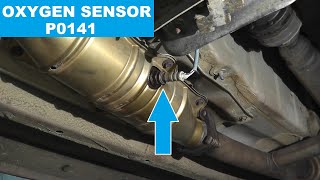
- Safely raise the vehicle and locate the Bank 1, Sensor 2 oxygen sensor. It is on the passenger side (right side) of the vehicle, downstream of the catalytic converter.
- Inspect the sensor's wiring harness and connector for any visible damage, such as melting, chafing, or corrosion. Ensure the connector is securely fastened.
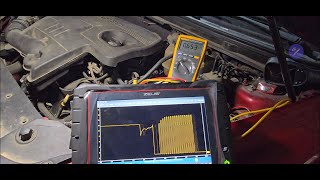
- Disconnect the sensor. With the ignition on (engine off), use a multimeter to verify that the harness-side connector is receiving battery voltage (approx. 12V) and has a good ground connection for the heater circuit. 🎬 See this guide on testing oxygen sensor heater circuits
- On the sensor itself, use the multimeter set to Ohms (Ω) to measure the resistance between the two heater pins (typically the two wires of the same color). A good sensor will read a low resistance, usually between 2-19 Ohms. A reading of infinite resistance (OL) or zero resistance (short) indicates the heater has failed and the sensor must be replaced.
- If wiring and the sensor test good, the fault may be intermittent or, in very rare cases, an issue with the PCM. Consider the possibility of a required PCM software update as per Jaguar TSBs.
Parts You'll Likely Need
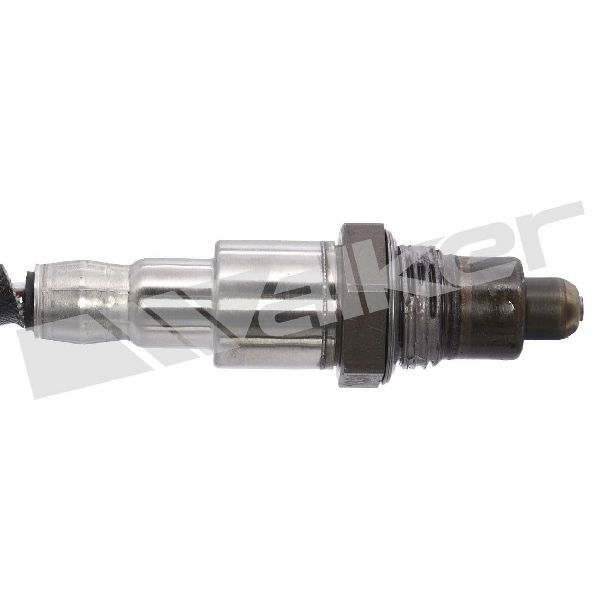
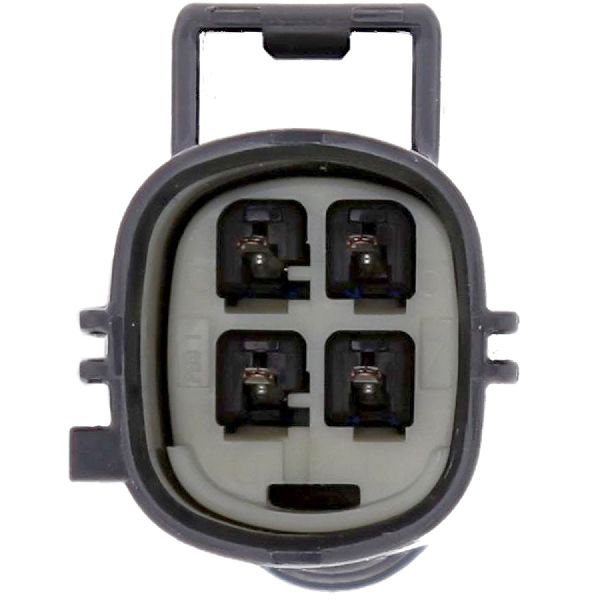
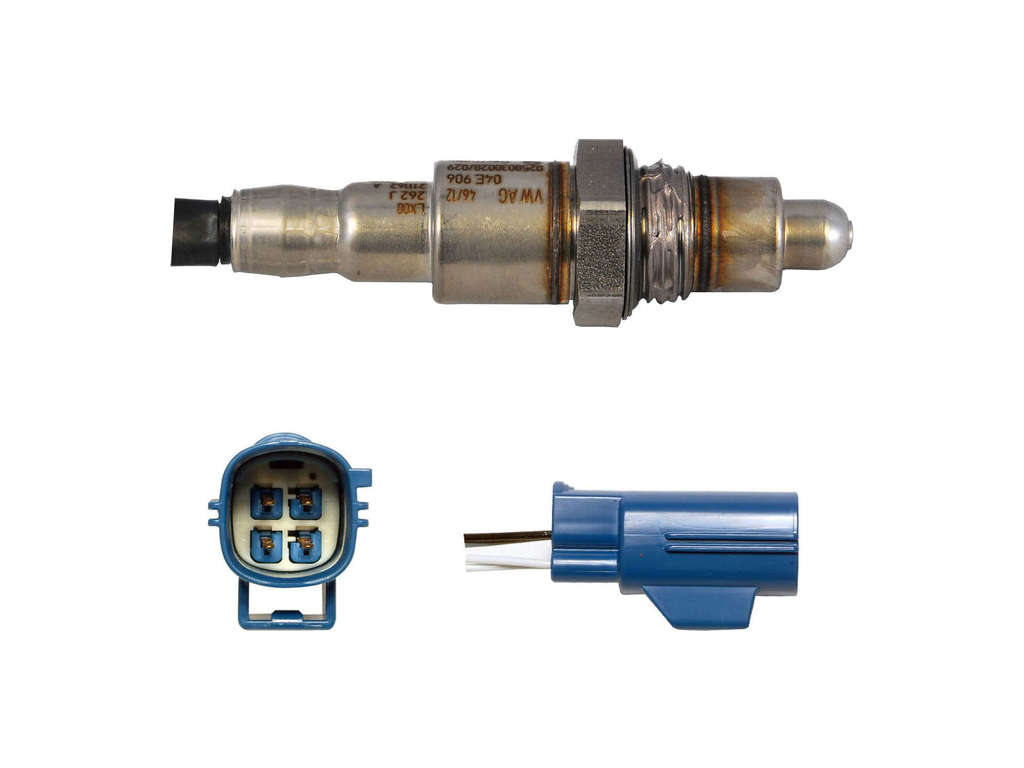
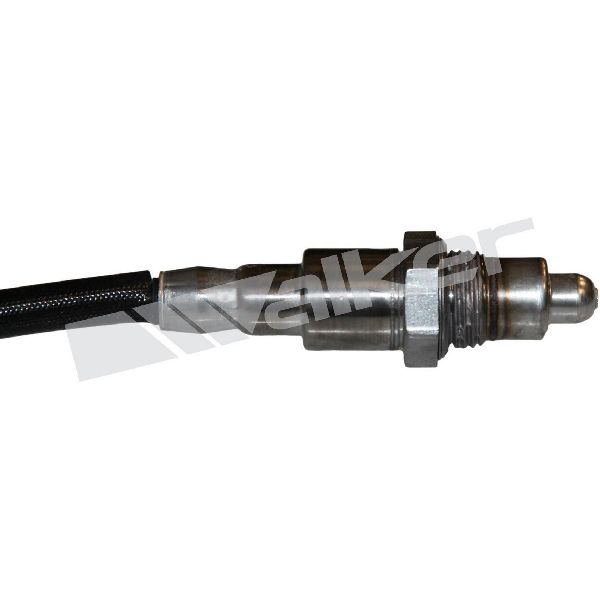
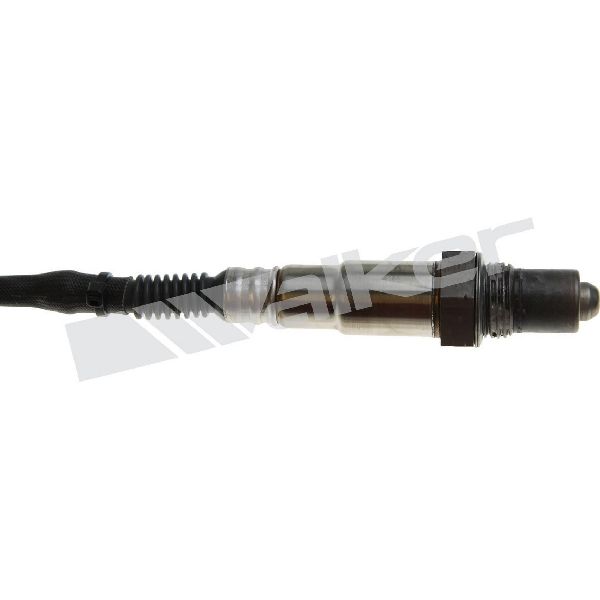
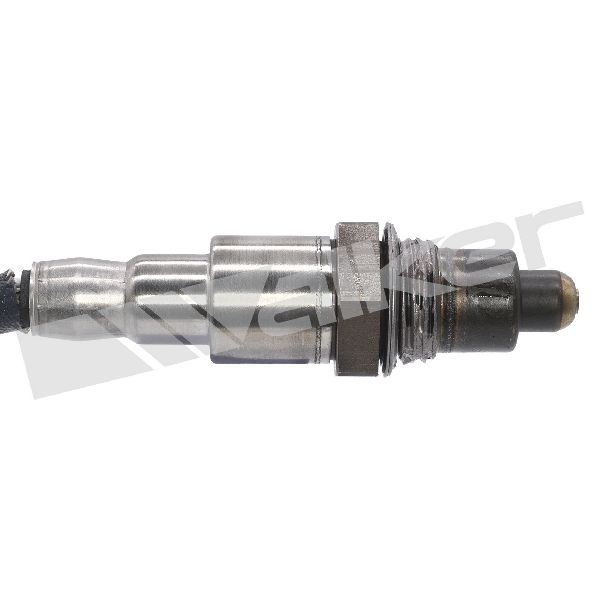
- Downstream Oxygen Sensor (Bank 1, Sensor 2)
(OEM #C2P16397)— This is the most common failure point for a P0141 code. The internal heater element burns out over time.
Trusted brands: Bosch (often the OE supplier, e.g., part #16043), Denso (e.g., part #DOX-0402), NGK/NTK, Delphi
OEM price range: $230-$330
Aftermarket price range: $70-$200
Related Codes That Often Appear With This One
- P0161 — This is the equivalent code for the Bank 2, Sensor 2 heater circuit. If both appear, it could suggest a common problem like a shared fuse, relay, or a systemic issue.
- P0135 — This is the code for the Bank 1, Sensor 1 (upstream) heater circuit. Seeing multiple heater circuit codes can point to a shared power or ground issue.
- P0037 — This code indicates low voltage in the same heater circuit (Bank 1, Sensor 2). It often appears alongside or as an alternative to P0141, pointing to the same set of potential wiring or sensor faults.
Technical Service Bulletins (TSBs) & Recalls
- SSM72477: Notes a fault with the pre, mid, or post catalyst heated oxygen sensor, listing P0141 among many others.
- JTB-00392-NAS-3: Lists P0141 as a potential Heated Oxygen Sensor (HO2S) code that may be stored in the PCM and require a software update upon sensor replacement.
- JTB00392NAS1: An earlier version of the above TSB, also listing P0141 and recommending a potential ECM software update with sensor replacement.
- H231: A service action for related vehicles/engines that involves updating the PCM software to address O2 sensor performance codes, highlighting the manufacturer's focus on software calibration for this system.
Platform-Specific Known Issues
- Jaguar Technical Service Bulletins #JTB-00392-NAS-3 and #JTB00392NAS1 note that for a range of HO2S codes, including P0141, the Powertrain Control Module (PCM) may need to be updated to the latest software level when the sensor is replaced. This may require a trip to a dealer or a qualified independent shop with Jaguar-specific tools (like SDD or Pathfinder).
- Service Action H231 was also issued for some Jaguar models, including F-Types with the same engines, to update PCM software for O2 sensor performance-related DTCs. This reinforces the importance of software in the diagnostic logic.
- There is a JLR Emissions Warranty in the United States that extends coverage for oxygen sensors to 10 years or 150,000 miles for certain vehicles. Owners experiencing this code should contact a Jaguar dealer with their VIN to check for eligibility before paying for the repair.
Mechanic-Grade Diagnostic Values
- O2 Sensor Heater Circuit Resistance — expected: 4 to 19 Ohms at ambient temperature.. Failure: A reading of infinite resistance (Open Loop / OL) or near-zero resistance (short circuit) indicates a failed heater element.
- Heater Circuit Power Supply Voltage — expected: Approximately 12V (Battery Voltage) with ignition ON, engine OFF.. Failure: Voltage significantly below 11V suggests a wiring, fuse, or power supply issue upstream of the sensor.
- Downstream O2 Sensor Live Data Voltage (Healthy) — expected: A relatively stable voltage between 0.6V and 0.8V when the engine is at operating temperature and the catalytic converter is efficient.. Failure: Voltage is stuck low (near 0.1V), stuck high (near 1.0V), or is completely flat and unresponsive.
Scan Tool Commands That Help
- Jaguar SDD (Symptom Driven Diagnostics): Configure existing module - Powertrain control module — This function is required after replacing the oxygen sensor, as per TSB JTB-00392-NAS-3, to update the PCM software and prevent the fault from recurring due to a software error.
- Jaguar SDD (Symptom Driven Diagnostics): Vehicle Reset — Recommended after performing any repair to reset control modules. This should be done after clearing DTCs to ensure all systems recognize the new component state.
Wiring & Ground Locations
- Heater Circuit Power/Ground Wires — At the O2 sensor connector for Bank 1, Sensor 2.. On similar Jaguar models, the heater power wire is often White/Green, and the heater ground is Blue. The two heater wires on the sensor itself are typically the same color (e.g., both white or both black). This is critical for performing accurate resistance and voltage tests.
- HO2S Heater Fuse/Relay — On some Jaguar platforms, the Engine Junction Box (in the engine compartment) contains a relay (R12) and fuses (F33, F34, 30A) that power all HO2S heaters.. If multiple O2 sensor heater codes are present (e.g., P0141 and P0161), a fault in this shared power supply is more likely than multiple sensors failing simultaneously.
- G1D131AS — A ground point located on the right side of the engine compartment.. Poor engine grounds can cause a variety of electrical issues. While not definitively linked to the O2 sensor circuit in the search results, ensuring main engine compartment grounds are clean and secure is a key step in diagnosing any electrical fault.
OEM Part Supersession History
C2P16397→Not explicitly superseded, but has a VIN-specific application.— N/A
Heads up: The OEM part C2P16397 is specified for 5.0L XJ models up 'To vin v39426'. Vehicles after this VIN may use a different part number. Using the wrong sensor, even if it physically fits, can cause compatibility issues.
Model Year Variations Within This Range
- 2013-2015: TSB JTB-00392-NAS-3, which calls for a mandatory PCM software update after sensor replacement, applies to XJ models within the VIN range V34128-V90865. Vehicles outside this range may not be affected by the software issue.
- 2013: For the 5.0L engine, the downstream oxygen sensor part number C2P16397 is listed for vehicles up to VIN V39426. This suggests a part change occurred during the 2013 model year, making VIN confirmation critical when ordering a replacement.
Helpful Videos
We Have This Part in Stock

The information in this article is provided for general reference and educational purposes only. Vehicle specifications, procedures, and part compatibility can vary by production date, trim level, and region. Always consult your vehicle's factory service manual and verify part numbers before purchasing or performing repairs. Safety-critical components such as airbags, seat belts, and braking systems should be installed by a qualified professional.
- Jaguar XJ:
- 🧭 Diagnostic Flowchart
- 🎬 Helpful Videos
- 🛍️ Shop This Part
- What's Unique About the 2013-2016 Jaguar XJ
- Symptoms You May Notice
- Most Likely Causes
- Rare But Worth Checking
- Diagnosis Steps
- Parts You'll Likely Need
- Related Codes That Often Appear With This One
- Technical Service Bulletins (TSBs) & Recalls
- Platform-Specific Known Issues
- Mechanic-Grade Diagnostic Values
- Scan Tool Commands That Help
- Wiring & Ground Locations
- OEM Part Supersession History
- Model Year Variations Within This Range
- 🎟️ Get 5% Off