

P0141 on 2014-2018 Subaru Forester 2.5L: Rear O2 Sensor Heater Causes and Fixes
On a 2014-2018 Forester 2.5L, P0141 almost always means the rear (downstream) oxygen sensor's internal heater has failed. A DIY replacement with a quality Denso (234-4513) or NTK (24358) part costs $85-$150. This fault will also disable cruise control, VDC, and EyeSight until it's fixed, which is a primary motivator for repair.
- P0141 on your 2014-2018 Forester almost certainly means the rear oxygen sensor's internal heater has failed.
- The primary symptoms, besides the Check Engine Light, are the disabling of cruise control, VDC, and EyeSight systems. Fixing the sensor will restore these functions.
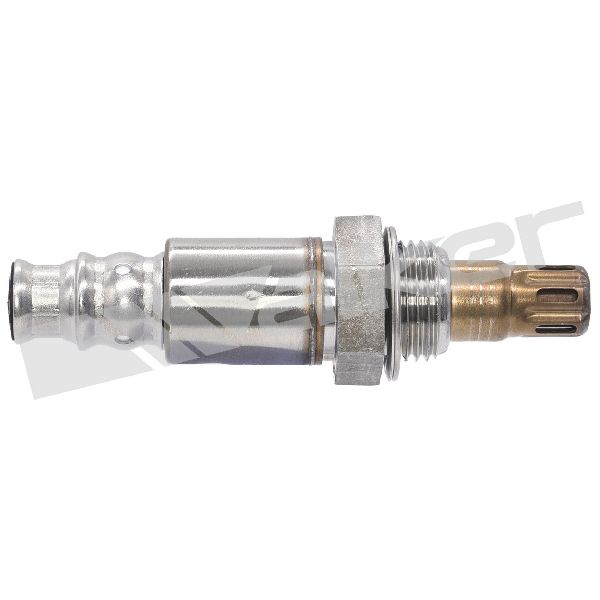
- The most reliable fix is to replace the rear (downstream) oxygen sensor. The OEM part number is 22690AB010, and a quality Denso aftermarket part is 234-4513.
- This is a very manageable DIY repair that can save significant money compared to a shop (which may quote over $600), provided you can get the old sensor loose from the exhaust.
- Before replacing the sensor, it's wise to quickly check the 'A/F Heater' fuse in the under-hood fuse box.
What's Unique About the 2014-2018 Subaru Forester
On many vehicles, a P0141 code is a simple emissions-related Check Engine Light. However, on the 2014-2018 (SJ generation) Subaru Forester, the vehicle's safety logic responds by disabling several key features. When this code is present, the cruise control, Vehicle Dynamics Control (VDC) traction system, and EyeSight driver assist system are all deactivated as a precaution. This is a deliberate fail-safe measure; because the ECM cannot get a complete and accurate picture of the engine's emissions and performance without the rear O2 sensor data, it disables systems that rely on precise engine torque management and predictable performance, such as cruise control and stability control. This often serves as the primary motivation for owners to seek a quick repair, as the loss of these features is more noticeable than the underlying emissions fault.
Symptoms You May Notice
- Check Engine Light is on
- Cruise control is disabled (light may flash)
- Vehicle Dynamics Control (VDC) / Traction Control is disabled
- EyeSight system is disabled
- Hill Start Assist disabled
- X-Mode may be disabled
- Vehicle will not pass an emissions inspection
- Replacing the front Air/Fuel Ratio sensor (Bank 1, Sensor 1) instead of the rear Oxygen sensor (Bank 1, Sensor 2).
- Replacing the catalytic converter. P0141 is an electrical code for the sensor's heater circuit, not a code for converter efficiency (like P0420).
- Using a cheap, low-quality aftermarket oxygen sensor. Many owners report that using off-brand sensors from Amazon or eBay results in the code returning quickly. Sticking to OEM, Denso, or NTK is critical for a lasting repair on this platform.
Most Likely Causes
- Failed Rear Oxygen Sensor 🔴 High Probability → Shop Oxygen Sensor The internal heater element of the oxygen sensor is a common failure point due to constant and rapid heat cycles. On this specific vehicle, it is the most frequent reason for a P0141 code, with numerous owner reports confirming it as the fix.
How to confirm: Disconnect the sensor and test the resistance of the heater circuit pins with a multimeter. The heater pins are typically the two same-colored wires. A good sensor will have a low resistance (typically 4-10 ohms when cold), while a failed sensor will show infinite resistance (open circuit).
Typical fix: Replace the rear (downstream) oxygen sensor. The sensor is located on the passenger side of the vehicle, in the exhaust pipe after the catalytic converter. Using an OEM (22690AB010) or high-quality OEM-supplier (Denso, NTK) sensor is highly recommended, as cheap aftermarket sensors are known to fail quickly or not work at all on Subarus.
Est. part cost: $85-$150 - Damaged Wiring or Connector 🟡 Medium Probability The sensor's wiring is routed underneath the vehicle and is exposed to road debris, moisture, and high exhaust temperatures, which can cause wires to melt, chafe, or break over time. The connector itself can also accumulate dirt and corrosion.
How to confirm: Visually inspect the entire length of the wiring harness from the O2 sensor to its main electrical connector for any signs of melting, chafing, or physical damage. Check the connector for corrosion, bent pins, or signs of water intrusion. A voltage drop test can also be performed; one user on a related platform found their P0141 was caused by only receiving ~7V at the harness instead of the required 12V, indicating a wiring fault.
Typical fix: Repair or replace the damaged section of the wiring harness. If the connector is damaged, a new pigtail may need to be spliced in. Ensure the repair is sealed against moisture.
Est. part cost: $20-$50 - Blown Fuse ⚪ Low Probability
How to confirm: Check the main fuse box in the engine compartment for a fuse labeled 'A/F Heater'. On this Forester, it is typically a 20A fuse. Visually inspect the fuse to see if it is blown.
Typical fix: Replace the blown fuse. If the fuse blows again immediately, it indicates a short circuit in the wiring or the sensor itself that needs to be diagnosed before replacing the fuse again.
Est. part cost: $1-$5
Rare But Worth Checking
- Engine Control Module (ECM) Fault: → Shop Engine Control Module (ECM) This is extremely rare. Before suspecting the ECM, all other possibilities, including the sensor, wiring, and fuses, must be thoroughly ruled out. An ECM fault is the cause in less than 1% of cases.
Diagnosis Steps
- Confirm the P0141 code is present using an OBD-II scanner.
- Check the fuse for the O2 sensor heater circuit (labeled 'A/F Heater', typically 20A) in the under-hood fuse box.
- Allow the exhaust to cool completely. Safely raise the vehicle and locate the rear oxygen sensor (Sensor 2) in the exhaust pipe, downstream of the catalytic converter.
- Visually inspect the sensor's wiring harness for any signs of melting, chafing, or physical damage from the sensor up to its connector on the chassis.
- Disconnect the sensor's electrical connector and inspect for corrosion, moisture, or damaged pins.
- Using a multimeter set to Ohms (Ω), measure the resistance across the two heater circuit pins (usually the two wires of the same color) on the sensor side of the connector. A reading between 4-10 Ohms is good. A reading of 'OL' or infinite resistance indicates a failed heater element and the sensor must be replaced.
- If sensor resistance is good, check for power at the vehicle-side harness connector. With the ignition on (engine off), use a multimeter to check for battery voltage (~12V) between one heater pin and a good chassis ground. Check for ground on the other heater pin.
- If voltage or ground is missing, trace the wiring back towards the ECM/fuse box to find the open or short circuit. If voltage is present but low (e.g., under 11V), it indicates high resistance in the circuit that needs to be found.
- If the sensor's heater circuit is open (infinite resistance), replace the rear oxygen sensor. Apply anti-seize compound to the threads of the new sensor, avoiding the tip.
Parts You'll Likely Need
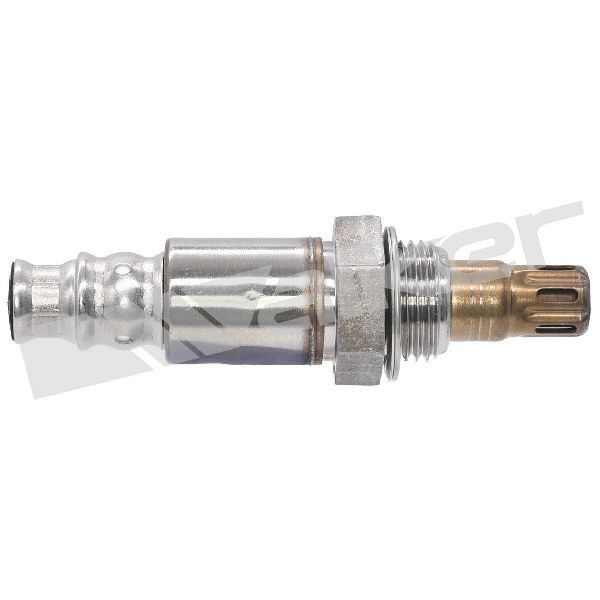
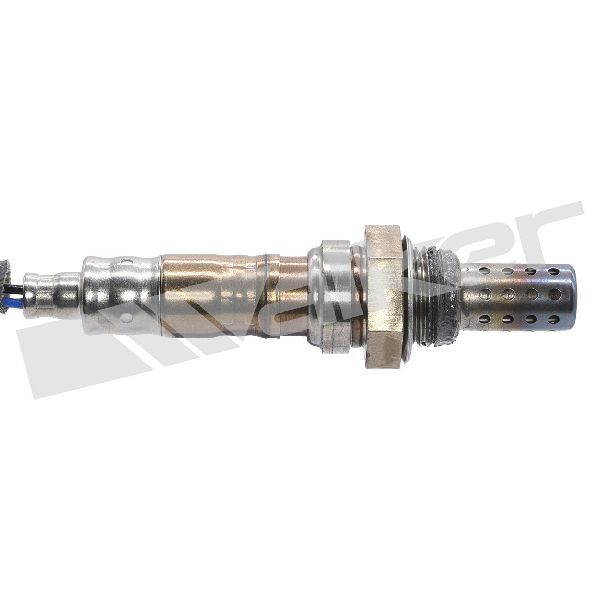
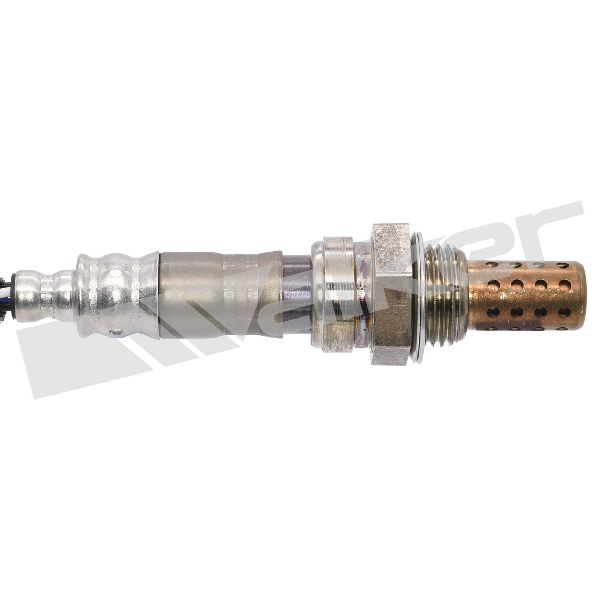
- Rear Oxygen Sensor (Downstream)
(OEM #22690AB010)— This is the component that contains the heater circuit identified by the P0141 code. The internal heater element fails with age and use, and is the most common cause of this code.
Trusted brands: Denso (P/N: 234-4513), NTK (P/N: 24358)
OEM price range: $115-$160
Aftermarket price range: $85-$100
Technical Service Bulletins (TSBs) & Recalls
- While TSB 09-115-24R exists for P0141 on newer (2019+) Foresters due to a design flaw, it does not apply to the 2014-2018 model years, which use a different part number. The failure on the 2014-2018 models is typically due to normal wear and tear rather than a specific documented defect.
- Manufacturer TSB Bulletin #09-115-24 also references P0141 as a specific "O2 Sensor Heater Circuit Bank 1 Sensor 2" fault, highlighting the diagnostic importance of this circuit across the platform.
Platform-Specific Known Issues
- A known challenge for this repair is the old sensor seizing in the exhaust pipe due to rust. It is highly recommended to apply penetrating oil (like PB Blaster) to the sensor's threads for several hours or even overnight before attempting removal. Some owners recommend warming up the engine slightly to help break it loose, but this increases the risk of burns.
- Using a dedicated 22mm (or 7/8") offset oxygen sensor socket is crucial for getting enough leverage and avoiding damage to the sensor's wire during removal and installation.
- When installing the new sensor, apply a small amount of anti-seize compound to the threads, being careful not to get any on the sensor tip itself. Most quality aftermarket sensors come with anti-seize in the box.
Mechanic-Grade Diagnostic Values
- Rear O2 Sensor Heater Resistance — expected: 5 - 15 Ohms when cold. Real-world tests on good Subaru sensors show values of 5.5 to 8 Ohms.. Failure: Infinite resistance ('OL' on a multimeter) indicates an open circuit. A reading over 50 Ohms is also considered a failure.
- Voltage at Harness Connector (Heater Power Pin to Ground) — expected: ~12V (battery voltage) with key on, engine off.. Failure: 0V indicates a break in the power supply (fuse, relay, or wire). Voltage significantly below battery voltage (e.g., 7V) indicates high resistance in the power wire.
- Heater Circuit Current Draw (Live Data) — expected: 0.4 to 1.0 Amps when the heater is commanded on by the ECM.. Failure: 0A indicates an open circuit (bad sensor or wiring). Excessively high current would indicate a short and likely blow the fuse.
Hidden / Shadow Codes Worth Checking
- Mode $06, Test ID $81: This is the onboard diagnostic monitor for the Oxygen Sensor Heater Bank 1, Sensor 2. A 'Fail' status for this test can confirm a heater circuit problem, sometimes before the P0141 code is set and the CEL is illuminated. (see via An advanced OBD-II scanner or professional tool like the Subaru Select Monitor (SSM) that can display Mode $06 data.)
Scan Tool Commands That Help
- Advanced OBD-II Scanner / Subaru Select Monitor (SSM): View Live Data PID for 'Rear O2 Heater Current' or similar. — After confirming the sensor has proper resistance and the harness has correct voltage, monitoring the current draw requested by the ECM can confirm if the ECM driver is functioning and if the circuit is complete and operating as expected.
Wiring & Ground Locations
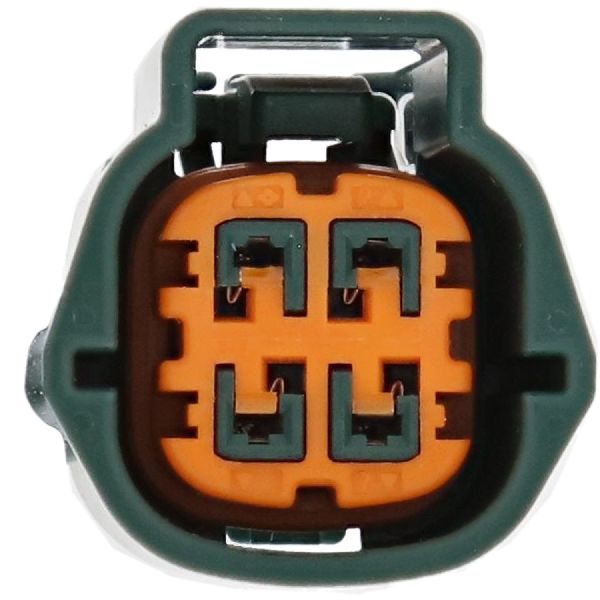
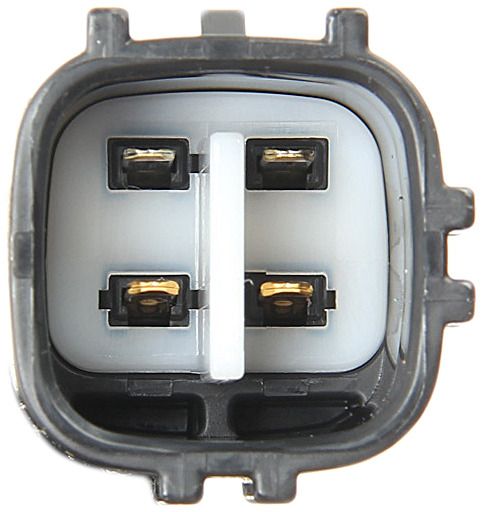
- E25 — This is the factory wiring diagram identifier for the 4-pin rear oxygen sensor connector plug, located on the vehicle's main harness side.. Knowing this identifier is essential for looking up the correct pinout in a factory service manual to accurately test for power, ground, and signal at the correct wires.
- Main Engine Ground — The Subaru ECU and its sensors are critically grounded via bolts on top of the intake manifold.. While a loose main ground causes many issues, it can introduce noise or voltage offsets that affect sensor readings. Verifying the main engine grounds are clean and tight is a best practice when diagnosing any electrical fault, including P0141.
Real Owner Repair Stories
- Go-Parts repair database citing a Reddit user (2021 Subaru Outback (related platform with shared electrical architecture)) — P0141 code returned immediately after clearing, even with a brand new sensor installed.
❌ Tried (didn't work) Replacing the rear O2 sensor (Bank 1, Sensor 2)
✅ What actually fixed it The root cause was a high-resistance fault in the power supply wire for the heater circuit. The voltage at the sensor's harness connector was only 6.7-7V instead of the required ~12V. The fix involved tracing and repairing the faulty section of wire between the fuse box and the sensor connector.
OEM Part Supersession History
22690AB010→22690AB010— No supersession.
Heads up: This part number remains the current and correct OEM replacement for the 2014-2018 Forester. No supersession has been issued.
Model Year Variations Within This Range
- 2014-2018: No significant variations for this specific fault (P0141) have been identified within the 2014-2018 (SJ generation) model years. The cause, sensor part number, and repair procedure are consistent across this range.
Diagnostic Flowchart
Other Known Issues on This Vehicle
Issues unrelated to this code that are worth knowing about as an owner of this generation:
- Excessive Oil Consumption 🔴 High — Widespread on early FB25 engines (approx. 2011-2014). Subaru faced a class-action lawsuit and issued TSB 02-157-14R, extending the warranty and changing the repair from piston ring replacement to short block replacement for verified cases. Consumption of over 1/3 quart per 1200 miles was the threshold for action. (Ref: TSB 02-157-14R)
- CVT (Continuously Variable Transmission) Issues 🔴 High — Common complaints include jerking, hesitation, stalling, and complete failure, particularly in the 2014-2016 model years. Subaru extended the CVT warranty for many vehicles to 10 years/100,000 miles due to widespread issues with the valve body and torque converter. Repair costs outside of warranty can be very high ($4,000-$7,000). (Ref: Warranty Extension Program (not a formal recall))
- A/C Compressor Clutch Failure 🟠 Medium — The clutch on the A/C compressor is a known failure point. The bearing can fail, causing noise, or the clutch itself can stop engaging. It's a common enough issue that many owners have documented the DIY repair.
- Wheel Bearing Failure 🟠 Medium — Premature failure of front and rear wheel bearings is frequently reported, often before 100,000 miles. The symptom is a loud droning or humming noise that gets louder with vehicle speed.
- Lower Control Arm Bushing Failure 🟡 Low — The rear bushings on the front lower control arms can wear out, causing clunking noises and affecting alignment. This was a common enough issue on the 2015 model year.
Used vs. New Parts: Buying Guide for This Vehicle
When a used part is the smart pick: For this repair, a used part is almost never a smart choice for the sensor itself. However, if the fault is traced to a damaged wiring harness connector, sourcing a used connector pigtail from a junkyard for splicing is a viable and cost-effective repair.
Donor-vehicle mileage cap: roughly under 50000 miles for the part to have meaningful remaining life.
What to inspect on the donor part:
- For a wiring pigtail, ensure the connector is not cracked or brittle.
- Check for clean, uncorroded pins inside the connector.
- Ensure there is at least 6-8 inches of wire attached to the pigtail to allow for easy splicing.
OEM-only on this vehicle (don't cheap out):
- Oxygen Sensor
Aftermarket brands forum-validated for this vehicle:
- Denso (P/N: 234-4513)
- NTK (P/N: 24358)
Brands owners have reported issues with on this vehicle:
- Unbranded, generic sensors from online marketplaces like eBay or Amazon are frequently reported on forums to fail quickly or not meet the specific resistance requirements of the Subaru ECU, causing the P0141 code to return.
Real Owner Stories
Aggregated from forums and TSBs cited above. Mileages and costs reflect what owners reported in those sources.
2014 Subaru Forester XT
Symptoms: Check engine light on with P0141 code. Dealer quoted $644 for the repair.
What fixed it: Replaced the downstream O2 sensor with an NTK sensor from Rock Auto. The sensor was accessed from behind the driver's side wheel.
Cost: $75-$644
Source hint: Reddit r/SubaruForester - Thread title: 'P0141 code ($644!?!?!?)'
2014-2018 Subaru Forester 2.5L
Symptoms: P0141 code present, cruise control and VDC systems were disabled.
What fixed it: Replacement of the rear O2 sensor using a Denso or OEM part and a dedicated 22mm offset oxygen sensor socket.
Source hint: subaruforester.org forum threads
Related OBD-II Codes
Frequently Asked Questions
Does TSB 09-115-24R apply to my 2014-2018 Subaru Forester?
Why is my EyeSight and Cruise Control disabled when the P0141 code is active?
What is the specific OEM part number for the rear oxygen sensor on my FB25B engine?
Where is the fuse for the O2 sensor heater located on a 2014-2018 Forester?
Can I use any universal oxygen sensor to fix this code?
How can I confirm if the sensor itself is bad before buying a new one?
Helpful Videos
We Have This Part in Stock

The information in this article is provided for general reference and educational purposes only. Vehicle specifications, procedures, and part compatibility can vary by production date, trim level, and region. Always consult your vehicle's factory service manual and verify part numbers before purchasing or performing repairs. Safety-critical components such as airbags, seat belts, and braking systems should be installed by a qualified professional.
- Subaru Forester:
- 🧭 Diagnostic Flowchart
- 🎬 Helpful Videos
- 🛍️ Shop This Part
- What's Unique About the 2014-2018 Subaru Forester
- Symptoms You May Notice
- Most Likely Causes
- Rare But Worth Checking
- Diagnosis Steps
- Parts You'll Likely Need
- Technical Service Bulletins (TSBs) & Recalls
- Platform-Specific Known Issues
- Mechanic-Grade Diagnostic Values
- Hidden / Shadow Codes Worth Checking
- Scan Tool Commands That Help
- Wiring & Ground Locations
- Real Owner Repair Stories
- OEM Part Supersession History
- Model Year Variations Within This Range
- Other Known Issues on This Vehicle
- Used vs. New Parts: Buying Guide for This Vehicle
- Real Owner Stories
- 2014 Subaru Forester XT
- 2014-2018 Subaru Forester 2.5L
- Related OBD-II Codes
- Frequently Asked Questions
- 🎟️ Get 5% Off