

P0141 on 2010-2017 Volvo XC60 3.2L: O2 Sensor Heater Circuit Causes and Fixes
This code almost always means the rear (downstream) oxygen sensor has failed. The internal heater element burns out, requiring replacement of the sensor. Expect to pay $70-$150 for an aftermarket sensor and around $200-$250 for an OEM part. It's a straightforward DIY fix for those with basic tools, located after the catalytic converter.
- P0141 on your XC60 3.2L points specifically to the heater inside the REAR (post-catalytic converter) oxygen sensor.
- The most likely fix is replacing the sensor itself, a DIY-friendly job.
- Always check fuse F39 in the engine bay fuse box before replacing parts.
- Use a quality aftermarket (Denso, Bosch) or OEM sensor for best results.
What's Unique About the 2010-2017 Volvo XC60
On the Volvo XC60 with the 3.2L I6 engine (also known as the SI6), this code is a very common and straightforward issue. The inline engine design means there's only one exhaust bank, simplifying diagnosis as there's no 'Bank 2' to confuse things. Owners report this is typically a simple failure of the original sensor due to age and heat cycles, rather than a more complex wiring or ECU problem. The fix is almost always a direct replacement of the rear O2 sensor. Access to the sensor is generally considered reasonable for a DIY repair.
Symptoms You May Notice
- Check Engine Light is on.
- Failing a vehicle emissions test.
- Slightly reduced fuel economy.
- Engine may take longer to enter closed-loop operation, especially in cold weather.
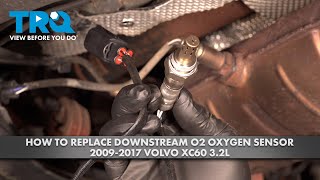
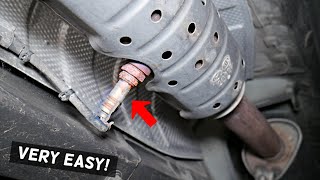
- Replacing the front (pre-catalytic converter) oxygen sensor. P0141 specifically refers to Sensor 2, which is the rear sensor. 🎬 Watch this to see exactly where the downstream sensor is located.
- Replacing the catalytic converter. A bad converter typically sets efficiency codes like P0420, not a heater circuit code like P0141.
Most Likely Causes
- Failed Rear Oxygen Sensor 🔴 High Probability → Shop Oxygen Sensor The internal ceramic heater element within the O2 sensor is a wear item that fails after many heat cycles. It's the most common point of failure for this code on most vehicles, including this Volvo.
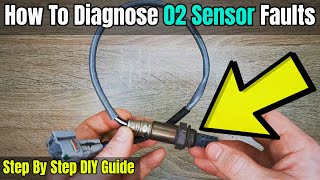
How to confirm: Disconnect the sensor and measure the resistance between the two heater circuit pins 🎬 See how to properly diagnose a heater circuit fault. (usually the two same-colored wires) with a multimeter. An open circuit (infinite resistance, or 'OL') or a reading far outside the manufacturer's specification (typically between 2 and 30 Ohms) confirms the heater has failed.
Typical fix: Replace the Bank 1, Sensor 2 (rear) oxygen sensor.
Est. part cost: $70-$250 - Damaged Wiring or Connector 🟡 Medium Probability The sensor and its wiring are located under the vehicle and are exposed to road debris, water, and extreme heat from the exhaust, which can cause damage over time. Wires can become brittle, chafe against chassis components, or the connector pins can corrode.
How to confirm: Visually inspect the wiring harness and connector leading to the rear O2 sensor for any signs of melting, chafing, corrosion, or broken wires. Check for stable battery voltage and a good ground at the connector's heater circuit pins with the key on, engine off.
Typical fix: Repair the damaged section of wiring or replace the connector pigtail.
Est. part cost: $15-$50 - Blown Fuse ⚪ Low Probability
How to confirm: Locate the fuse for the O2 sensor heater circuit. On a 2014 XC60, this is fuse F39 (15A) in the engine compartment fuse box, labeled for 'EVAP valve, heated oxygen sensor'. Visually inspect the fuse and test for continuity with a multimeter.
Typical fix: Replace the blown fuse. If the new fuse blows immediately, it indicates a short circuit in the wiring or the sensor itself that must be diagnosed.
Est. part cost: $1-$5
Rare But Worth Checking
- Faulty Engine Control Module (ECM): → Shop Engine Control Module (ECM) This is extremely rare. The ECM's internal driver for the heater circuit can fail, but this should only be considered after all other possibilities (sensor, wiring, fuses) have been definitively ruled out. This would likely be accompanied by other trouble codes and requires advanced diagnostics to confirm.
Diagnosis Steps
- Read the fault codes with an OBD-II scanner to confirm P0141 is the primary code. Note any other codes, like P0137.
- Perform a visual inspection of the rear oxygen sensor (post-catalyst), its connector, and the wiring harness. Look for any obvious damage, such as frayed wires, melting on the connector, or corrosion.
- Locate and check the fuse for the O2 sensor heater circuit. For a 2014 model, this is fuse F39 (15A) in the engine bay fuse box. If it's blown, replace it and see if the code returns.
- If the fuse is good, disconnect the O2 sensor connector. Use a multimeter set to Ohms (Ω) to measure the resistance across the heater circuit pins on the sensor itself (typically the two wires of the same color). A reading of 'OL' or infinite resistance means the heater is broken and the sensor must be replaced. A normal reading is typically low, between 2-30 ohms.
- If the sensor's resistance is within spec, test the vehicle-side connector. With the ignition on (engine off), use a multimeter to check for battery voltage on the power wire and a good ground on the ground wire for the heater circuit.
- If there is no voltage or ground, there is a fault in the wiring between the ECM and the sensor that needs to be traced and repaired. Refer to a vehicle-specific wiring diagram.
- If the sensor has failed the resistance test, replace it. It's recommended to use a quality OEM-style sensor (e.g., Bosch, Denso) for best performance. Apply anti-seize to the new sensor's threads before installation. 🎬 Watch this step-by-step guide to replacing the downstream sensor.
- After replacement, clear the code with a scanner and perform a drive cycle to allow the vehicle's readiness monitors to complete and ensure the repair was successful.
Parts You'll Likely Need
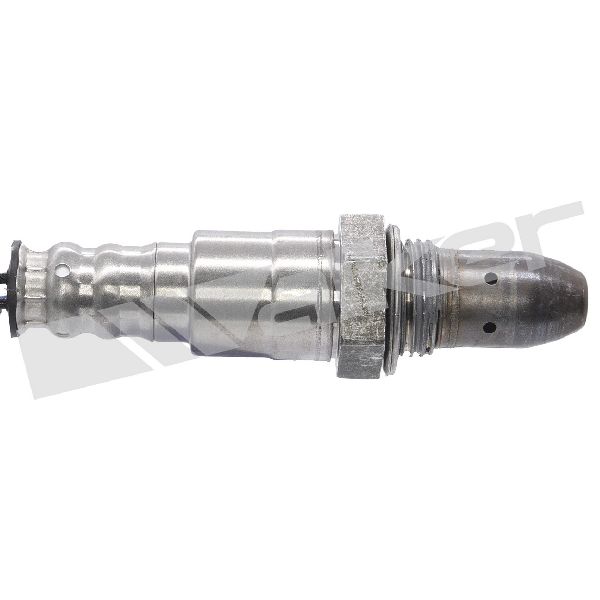
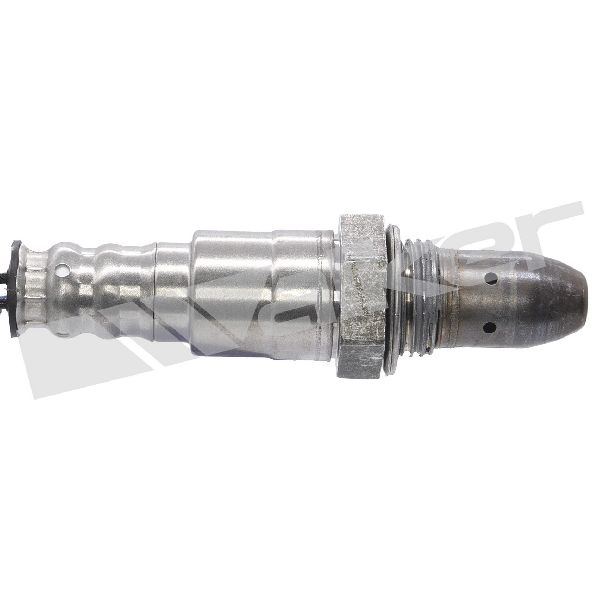
- Rear Oxygen Sensor (Bank 1, Sensor 2)
(OEM #32225109)— This is the most common cause of code P0141, as the internal heater element fails over time.
Trusted brands: Bosch (often the OEM supplier), Denso, NTK, Walker Products
OEM price range: $200-$250
Aftermarket price range: $70-$150
Related Codes That Often Appear With This One
- P0137 (O2 Sensor Circuit Low Voltage Bank 1 Sensor 2): This code can appear alongside P0141 because a non-functioning heater can prevent the sensor from producing the correct voltage signal.
Platform-Specific Known Issues
- Fuse Location: For 2013-2017 models, the fuse for the heated oxygen sensors is located in the engine compartment fuse box. It is typically fuse F39, a 15-amp fuse that also powers the EVAP valve.
Mechanic-Grade Diagnostic Values
- Rear O2 Sensor (B1S2) Heater Circuit Resistance — expected: Typically between 3 and 20 Ohms when measured across the two same-colored wires on the sensor connector. A reading of 3 Ohms cold and 13 Ohms hot has been reported for some Volvo models.. Failure: An 'OL' (Open Loop/infinite resistance) reading on a multimeter indicates a broken heater element. A reading of zero would indicate a short circuit within the sensor.
- Heater Circuit Voltage at Vehicle Harness — expected: With the sensor disconnected and ignition on (engine off), one pin in the vehicle-side connector should show battery voltage (~12V) and the corresponding pin should show a good ground (<1 Ohm to chassis ground).. Failure: Absence of ~12V power or a high-resistance ground points to a problem with the wiring, fuse, or ECM driver, not the sensor itself.
Scan Tool Commands That Help
- Volvo VIDA (or equivalent high-end scanner): Reset ECM Adaptations / Adaptive Data — After replacing the oxygen sensor and clearing the P0141 code, if fuel economy or idle quality issues persist. On some Volvo models, learned fuel trim values do not reset immediately and performing this function forces the ECM to relearn with the new, functioning sensor data.
Wiring & Ground Locations
- Fuse F39 — In the main fuse box located in the engine compartment.. This 15A fuse provides power to the rear heated oxygen sensor circuit on 2014 models, and likely others in this generation. It should be the first electrical component checked after a visual inspection.
- O2 Sensor Heater Wires — Within the 4-wire connector for the rear oxygen sensor.. The two wires of the same color are for the heater circuit. Testing resistance between these two wires on the sensor side is the definitive test for the sensor's internal heater. Testing for power and ground on the corresponding pins of the vehicle harness side tests the car's wiring.
OEM Part Supersession History
32225109 (Denso)→31422309, 31460846— Standard part number updates and revisions by the manufacturer.
Heads up: Part number 32225109 is specifically cited for earlier 2010-2011 models with the 3.2L engine. Using this part on a later model (2012-2017) may not be correct; always verify the part number with the vehicle's VIN.
Model Year Variations Within This Range
- 2010-2011: The rear oxygen sensor part number is often cited as 32225109 for these earlier models in the generation.
- 2014-2017: These models feature a facelifted exterior (grille, lights) and interior updates. While the fundamental engine and emissions system for the 3.2L are similar, part numbers for components like oxygen sensors may have been revised. Always confirm with VIN.
- 2010-2015: The 3.2L engine was available in different emissions configurations, including PZEV (Partial Zero Emission Vehicle). This can sometimes require a specific oxygen sensor part number, so it is important to verify which version the vehicle is when ordering parts.
Diagnostic Flowchart
Other Known Issues on This Vehicle
Issues unrelated to this code that are worth knowing about as an owner of this generation:
- Brake Vacuum Pump Oil Leak 🟠 Medium — Very common on the 3.2L engine. Oil leaks from the pump seals onto the transmission case and accessory belt. (Ref: No recall, but Volvo offers a specific reseal kit (Part No. 31401556) as a cheaper alternative to replacing the entire pump.)
- PCV / Oil Trap Failure 🟠 Medium — The PCV system's diaphragm can tear, causing a whistling or howling noise at idle. If left untreated, it can lead to excessive crankcase pressure and blown engine seals.
- READ (Rear End Accessory Drive) Seal Leak / Bearing Wear 🔴 High — The seals on the accessory drive unit at the rear of the engine can leak oil. More seriously, the internal bearings can wear out, causing a whining noise and potential failure of all belt-driven accessories. This is an engine-out repair.
- Excessive Oil Consumption (Early Models) 🔴 High — Some early engines (primarily pre-2012) had issues with piston rings causing high oil consumption. Most affected engines were repaired under warranty. (Ref: Internal service campaigns addressed this; not a formal recall.)
- Water Pump Failure 🟠 Medium — Water pumps, especially on earlier models, can fail prematurely, leading to coolant leaks or noisy bearings.
Used vs. New Parts: Buying Guide for This Vehicle
When a used part is the smart pick: For this specific repair, a used part is almost never a smart choice. Oxygen sensors are wear items with a finite lifespan, and their failure is chemical and thermal, not just mechanical. The risk of installing a used sensor that is already near the end of its life is very high.
Donor-vehicle mileage cap: roughly under 20000 miles for the part to have meaningful remaining life.
What to inspect on the donor part:
- Not recommended, but if absolutely necessary, source from a vehicle with verifiable low mileage.
- Avoid sensors with any visible corrosion on the connector pins or physical damage to the wiring or sensor body.
- A used sensor cannot be reliably tested without installing it, making it a gamble.
OEM-only on this vehicle (don't cheap out):
- For this repair, OEM-only is not strictly necessary. A quality aftermarket sensor from a known OEM supplier is a reliable and cost-effective alternative.
Aftermarket brands forum-validated for this vehicle:
- Denso (often the original OEM supplier for Volvo).
- Bosch (a primary OEM supplier for many European brands).
- NTK (highly regarded OEM supplier).
Brands owners have reported issues with on this vehicle:
- Unnamed 'white-box' or generic, deeply discounted online marketplace brands. Forum discussions frequently show these parts failing prematurely or being dead-on-arrival.
Real Owner Stories
Aggregated from forums and TSBs cited above. Mileages and costs reflect what owners reported in those sources.
2014 Volvo XC60 3.2L
Symptoms: Check Engine Light codes P0141 and P0137 appeared together.
What fixed it: The user identified that the P0141 heater circuit fault was preventing the sensor from getting hot enough, which also triggered the P0137 low voltage code.
Source hint: Volvo Forums - Thread 'Check Engine Light codes. P0141, P0137'
Volvo V70XC (Cross-Model Reference)
Symptoms: The service light and check engine light were illuminated.
What fixed it: NHTSA ODI #10389991 describes a case where troubleshooting codes P1171, P1132, and P0141 were present, indicating defects in the oxygen sensor and throttle position sensor.
Source hint: NHTSA ODI #10389991
Related OBD-II Codes
Frequently Asked Questions
Where is the fuse for the O2 sensor heater on my 2014 Volvo XC60 3.2L?
Can a P0141 code cause other fault codes like P0137 on my XC60?
What specific rear O2 sensor part number is recommended for a 2010-2011 XC60 3.2L?
Is it worth buying a used O2 sensor for my Volvo to save money?
Does the 3.2L engine in the XC60 share this O2 sensor issue with other Volvo models?
Helpful Videos
We Have This Part in Stock

The information in this article is provided for general reference and educational purposes only. Vehicle specifications, procedures, and part compatibility can vary by production date, trim level, and region. Always consult your vehicle's factory service manual and verify part numbers before purchasing or performing repairs. Safety-critical components such as airbags, seat belts, and braking systems should be installed by a qualified professional.
- Volvo XC60:
- 🧭 Diagnostic Flowchart
- 🎬 Helpful Videos
- 🛍️ Shop This Part
- What's Unique About the 2010-2017 Volvo XC60
- Symptoms You May Notice
- Most Likely Causes
- Rare But Worth Checking
- Diagnosis Steps
- Parts You'll Likely Need
- Related Codes That Often Appear With This One
- Platform-Specific Known Issues
- Mechanic-Grade Diagnostic Values
- Scan Tool Commands That Help
- Wiring & Ground Locations
- OEM Part Supersession History
- Model Year Variations Within This Range
- Other Known Issues on This Vehicle
- Used vs. New Parts: Buying Guide for This Vehicle
- Real Owner Stories
- 2014 Volvo XC60 3.2L
- Volvo V70XC (Cross-Model Reference)
- Related OBD-II Codes
- Frequently Asked Questions
- 🎟️ Get 5% Off