

P0143 on 2013-2016 Jaguar XF: O2 Sensor Circuit Low Voltage (Bank 1, Sensor 3) Causes and Fixes
P0143 indicates a fault with the rearmost oxygen sensor on the passenger-side exhaust. The most common fix is replacing the Bank 1, Sensor 3 O2 sensor. However, a crucial first step for 2013-2015 models is to check with a dealer for a required PCM software update as per TSB JTB00392NAS3, which was issued to correct this specific error. The part typically costs between $70 for an aftermarket replacement and $180 for an OEM sensor.
- For 2013-2015 models, check for TSB JTB00392NAS3 first; a PCM software update is the official fix.
- P0143 specifically refers to the third, most downstream oxygen sensor on the passenger side exhaust.
- The most common hardware cause is simply a failed oxygen sensor, which is a routine replacement.
- While you can drive the car, the Check Engine Light will stay on and you will fail an emissions test.
- Before buying a part, visually inspect the sensor's wiring and connector for obvious damage, as this can be a cheaper fix.
- Ensure you are replacing 'Sensor 3', not 'Sensor 2', to avoid wasting time and money.
What's Unique About the 2013-2016 Jaguar XF
Unlike many vehicles that only have two oxygen sensors per engine bank (one upstream and one downstream of the catalytic converter), many Jaguar models from this era, particularly those with the 3.0L and 5.0L engines, use a three-sensor system per bank for a total of six sensors. This means there is an upstream (Sensor 1), a mid-stream (Sensor 2), and a final downstream (Sensor 3). The existence of a "Sensor 3" is a key distinction, and this code specifically points to that final sensor in the exhaust line. TSB JTB-00392-NAS-3 explicitly identifies P0143 as an error related to the 'Post-catalyst - right bank (Heated Oxygen sensor [HO2S] - Right)' and notes the cause may be a software error requiring a PCM update.
Diagnostic Flowchart
Tap your situation to follow the diagnostic path that matches what you're seeing on this vehicle.
Generation note: This year range covers the end of the first generation Jaguar XF (X250, 2013-2015) and the beginning of the second generation (X260, 2016). The 3.0L Supercharged V6 (AJ126) and 5.0L V8 (AJ133) engines were available across this transition, and this fault is applicable to both generations equipped with these engines. A key TSB (JTB-00392-NAS-3) specifically applies to 2013-2015 models and recommends a software update as the primary fix.
Symptoms You May Notice
- Illuminated Check Engine Light.
- Guaranteed failure of a vehicle emissions test.
- Slightly reduced fuel economy (5-15%) in some cases.
- Mild rough idle or hesitation, though this is uncommon.
- Replacing the wrong oxygen sensor. Many technicians or DIYers may assume the code refers to Sensor 2. On these Jaguars, it is critical to identify and replace Sensor 3, the rearmost sensor on the passenger side.
- Replacing the sensor before checking for software updates. For 2013-2015 models, Jaguar explicitly states a software error can cause this code, and simply replacing the sensor may not be a permanent fix.
Most Likely Causes
- Required Powertrain Control Module (PCM) Software Update Very High Probability → Shop Engine Control Module (ECM) Jaguar issued Technical Service Bulletin JTB-00392-NAS-3 specifically for 2013-2015 XF, XJ, and F-Type models with the 3.0L and 5.0L engines. The bulletin states that a list of HO2S codes, including P0143, may be caused by a 'post-catalyst heated oxygen sensor (HO2S) software error'.
How to confirm: Contact a Jaguar dealership or a qualified independent shop with access to Jaguar's technical database (TOPIx) and provide your VIN. They can check if the JTB-00392-NAS-3 software update has been applied to your vehicle.
Typical fix: A technician will connect the Jaguar Land Rover-approved diagnostic tool and 'Configure existing module - Powertrain control module' to apply the updated software. The TSB states 'The new software will prevent any further concerns'.
Est. part cost: $0 - Failed Bank 1, Sensor 3 Oxygen Sensor 🔴 High Probability → Shop Oxygen Sensor Oxygen sensors are wear-and-tear components operating in a harsh exhaust environment. They can fail from thermal shock, contamination, or simple age. They are the most common hardware failure point for this code after software issues are ruled out.
How to confirm: Using a scan tool with live data, observe the voltage for 'B1S3'. If it is stuck low (typically below 0.1V-0.2V) and does not fluctuate, the sensor has likely failed. 🎬 Watch: Understanding the P0143 code and sensor voltage readings. The TSB instructs technicians to replace the sensor if the code is active, then perform the software update.
Typical fix: Replace the Bank 1, Sensor 3 oxygen sensor.
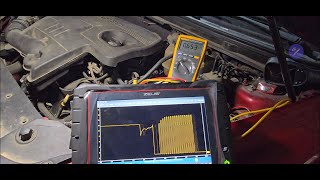
Est. part cost: $70-$180 - Damaged Wiring or Connector 🟡 Medium Probability The sensor and its wiring are located underneath the vehicle, exposed to road debris, moisture, and heat, which can lead to corrosion, chafing, or melting over time. 🎬 See how to test oxygen sensor circuits for electrical faults. A high-resistance connection or short to ground in the signal wire can cause the low voltage reading.
How to confirm: Visually inspect the entire wiring harness from the O2 sensor to its connection point. Look for frayed wires, melted plastic, corrosion in the connector pins, or a loose connection. Use a multimeter to check for continuity and for shorts to ground on the signal wire.
Typical fix: Repair the damaged section of the wiring harness or clean/replace the connector.
Est. part cost: $5-$50 - Exhaust Leak ⚪ Low Probability Corrosion can cause leaks at exhaust pipe flanges or welds. A leak before the sensor can allow unmetered air into the exhaust stream, skewing the sensor's reading to a false low voltage.
How to confirm: Listen for a ticking or hissing sound from the exhaust, especially when the engine is cold. A visual inspection may reveal soot trails near gaskets or welds. A shop can perform a smoke test to pinpoint the leak.
Typical fix: Replace the leaking exhaust gasket or repair the leaking section of the pipe.
Est. part cost: $20-$100
Rare But Worth Checking
- Faulty Powertrain Control Module (PCM): → Shop Engine Control Module (ECM) This is extremely rare. While a software update is a common fix, a true internal hardware failure of the PCM is unlikely. The PCM should only be considered after all other possibilities, including the sensor, its entire circuit, and available software updates, have been thoroughly ruled out.
Diagnosis Steps
- Connect an OBD-II scanner to confirm P0143 is the active code.
- For 2013-2015 models, contact a dealer to verify if TSB JTB-00392-NAS-3 is applicable and has been performed. If not, this software update is the first recommended step.
- Use the scanner's live data function to monitor the voltage of 'O2 Sensor Bank 1 Sensor 3'. A reading stuck below 0.1V points towards a problem.
- Safely raise and support the vehicle on jack stands.
- Locate Bank 1 (passenger side for LHD) and follow the exhaust pipe to the rearmost sensor (Sensor 3), which is located after the catalytic converter.
- Perform a thorough visual inspection of the sensor, its connector, and the wiring harness for any signs of damage, melting, or corrosion.
- Inspect the exhaust system for any signs of leaks (soot, cracks) between the engine and Sensor 3.
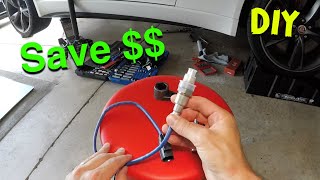
- If wiring and software are good, the oxygen sensor itself is the most likely culprit and should be replaced. An O2 sensor socket is highly recommended for removal. 🎬 Watch: This DIY walkthrough shows how to replace the sensor.
- After repair/replacement, clear the code with the scanner and perform a drive cycle to ensure the Check Engine Light does not return.
Parts You'll Likely Need
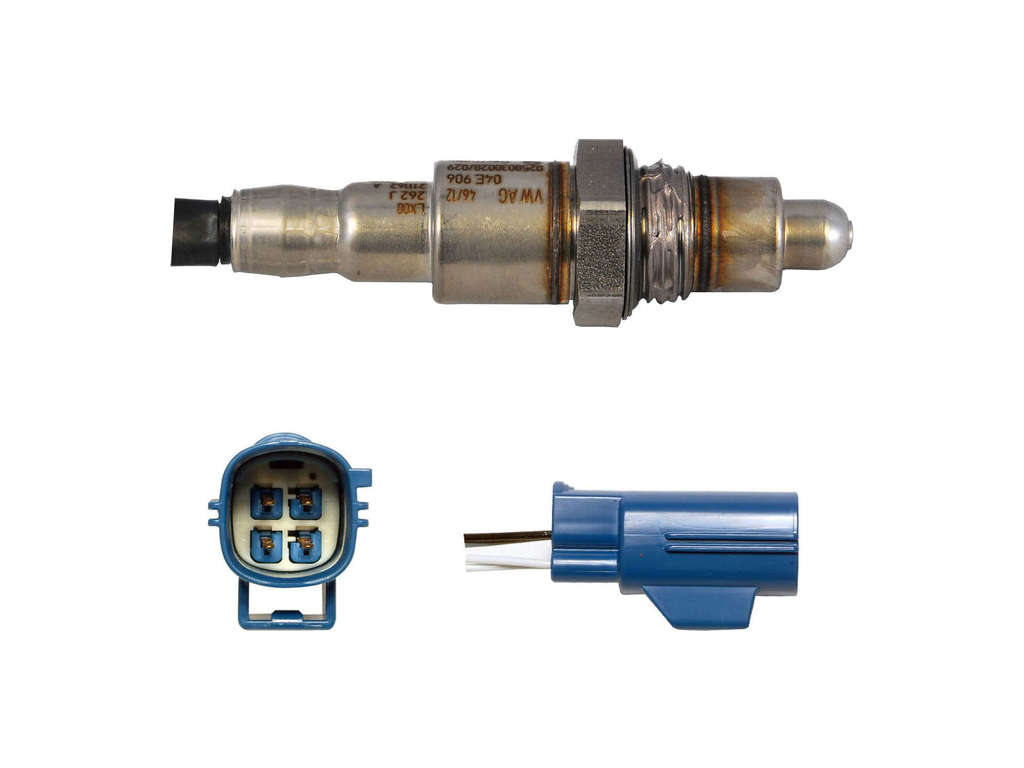
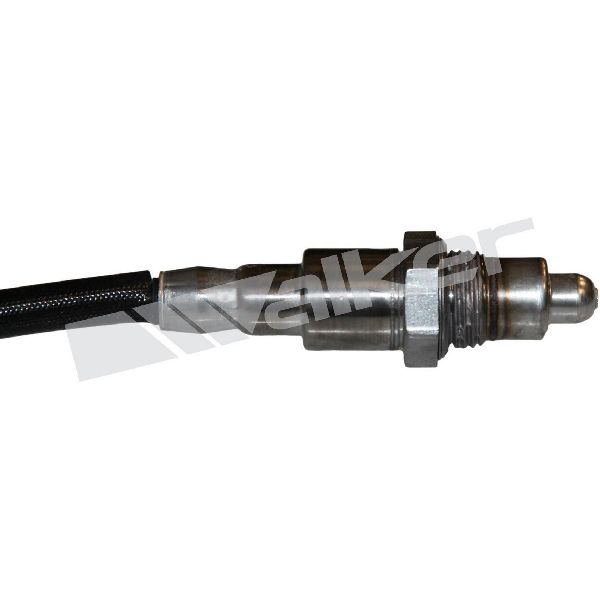
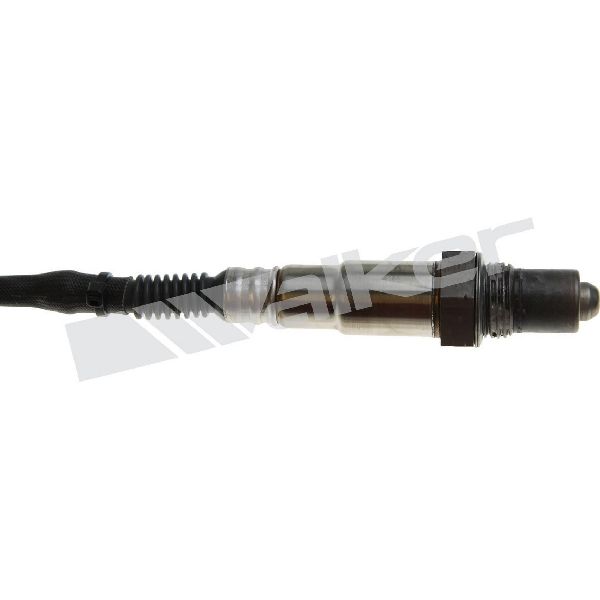
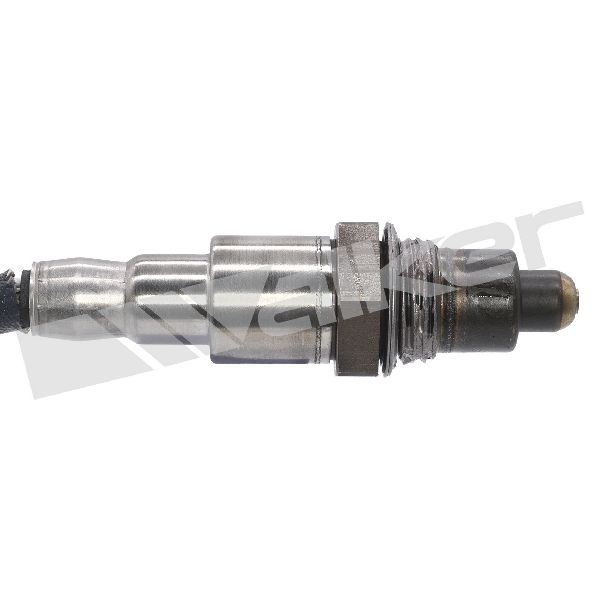
- Oxygen Sensor (Bank 1, Sensor 3)
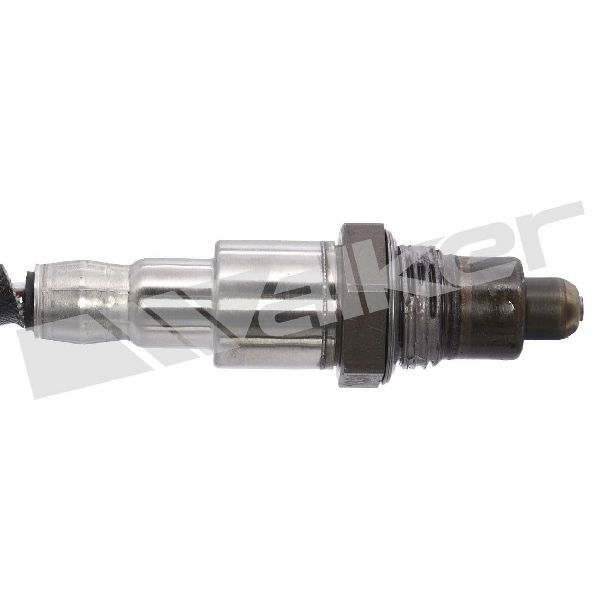
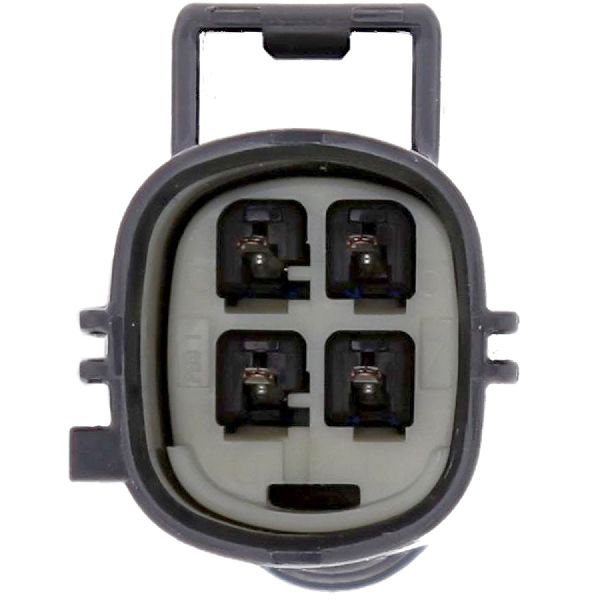
(OEM #C2D54165 (replaces C2D27350, C2D24757))— This is the component that directly generates the voltage signal the PCM is reading as faulty. It is a common wear item and the most probable hardware cause of the P0143 code, after software issues are ruled out.
Trusted brands: Denso (OEM supplier), Bosch, NTK
OEM price range: $120-$180
Aftermarket price range: $70-$110
Related Codes That Often Appear With This One
- P0162: The equivalent code for Bank 2, Sensor 3 (driver's side).
- P0142, P0144, P0147: Other circuit-related codes for the same sensor (Bank 1, Sensor 3), indicating a general malfunction, high voltage, or heater circuit fault.
Technical Service Bulletins (TSBs) & Recalls
- SSM72477: Mentions P0143 in a list of codes related to pre, mid, or post catalyst heated oxygen sensors.
- JTB-00392-NAS-3: Lists P0143 as a potential code stored in the Powertrain Control Module (PCM) on 2013-2015 models due to a software error. Recommends replacing the sensor if the code is active, followed by a mandatory PCM software update.
- JTB00392NAS1: An earlier version of the above TSB, also listing P0143 as a potential code stored in the Engine Control Module (ECM) due to a software error.
Platform-Specific Known Issues
- Jaguar has issued several Technical Service Bulletins (TSBs) that group P0143 with a large number of other oxygen sensor-related codes. [SSM72477, JTB-00392-NAS-3, JTB00392NAS1] This indicates a known pattern of diagnostic challenges with the HO2S system, which could be related to wiring, connectors, or PCM software. While the sensor itself is the most common fix, these TSBs suggest that a dealer may have more advanced diagnostic procedures if a simple sensor replacement does not resolve the issue.
- TSB JTB-00392-NAS-3 is particularly important for 2013-2015 models, as it explicitly identifies a 'software error' as the cause for P0143 and other related codes. The prescribed fix is a PCM software update, which should be performed even if the sensor is also replaced.
Mechanic-Grade Diagnostic Values
- O2 Sensor Signal Voltage (Live Data) — expected: A downstream sensor like Sensor 3 should show a relatively stable voltage, often between 0.4V and 0.6V when the catalytic converter is working efficiently.. Failure: A voltage signal that is stuck low, typically below 0.1V - 0.2V for an extended period.
- O2 Sensor Heater Circuit Resistance — expected: Typically between 3 and 15 ohms when measured at ambient temperature across the two heater wires (often the same color).. Failure: A reading of 0 ohms indicates a short circuit within the heater, while an infinite reading (OL) indicates an open circuit.
- Engine Ground Strap Voltage Drop — expected: Well under 0.5V (500mV) when measured between the ground point and the negative battery terminal while cranking the engine.. Failure: A reading higher than 0.5V indicates a poor ground connection, which can cause sensor signal issues.
Scan Tool Commands That Help
- Jaguar SDD (Symptom Driven Diagnostics): Configure existing module - Powertrain control module — This function is required to apply the software update specified in TSB JTB-00392-NAS-3 for 2013-2015 models to resolve false P0143 codes.
Wiring & Ground Locations
- Main Engine Grounding Strap — Located directly under the starter on the right (passenger) side lower frame of the car, connecting the engine/transmission to the chassis.. A poor main engine ground can introduce electrical noise and voltage offsets, potentially causing the PCM to misinterpret the O2 sensor's low-voltage signal, leading to a false P0143 code.
- G1D108 — A ground point located behind the right front wheel arch liner.. This is a key ground point for the engine compartment harness. Corrosion or looseness here can affect various engine sensors, including the oxygen sensors on Bank 1.
- G1D120 / G1D123 — Ground points located at the right rear of the engine compartment.. These grounds serve the engine control module (ECM) and related performance components. A fault at these points could disrupt the sensor's signal reference.
- Bank 1 Sensor 3 Connector — The connector for the rearmost O2 sensor on the passenger side is located near the back of the transmission, often clipped to the transmission mount area.. This is the direct connection point for the sensor. It is exposed to heat and debris, making it a common point for corrosion or damage that would directly cause a P0143 fault.
Real Owner Repair Stories
- JaguarForums.com user 'SunFlower' (2013 Jaguar XF 5.0 Supercharged Portfolio) — Not specified, but repair was for a Bank 1, Sensor 3 code.
✅ What actually fixed it The user confirmed that their repair for a code related to 'Bank 1 Sensor 3' involved replacing the sensor located 'past the Cat on the passenger side'.
OEM Part Supersession History
C2D24757→C2D27350, then C2D54165— Standard part evolution for improved performance, reliability, or manufacturing changes.
Heads up: The parts are listed as direct replacements and should be interchangeable.C2D27350→C2D54165— Standard part evolution.
Heads up: C2D54165 is the current direct replacement for C2D27350.
Model Year Variations Within This Range
- 2013-2015: These model years are specifically called out in TSB JTB-00392-NAS-3 as potentially having a software error that can cause a false P0143 code. The primary fix is a PCM software update.
- 2016 (X260 generation): While using similar engines, the 2016 X260 model is not included in the software update TSB. For this year, the diagnosis would more directly point to a hardware failure (sensor, wiring) rather than a known software glitch.
Helpful Videos

We Have This Part in Stock

The information in this article is provided for general reference and educational purposes only. Vehicle specifications, procedures, and part compatibility can vary by production date, trim level, and region. Always consult your vehicle's factory service manual and verify part numbers before purchasing or performing repairs. Safety-critical components such as airbags, seat belts, and braking systems should be installed by a qualified professional.
- Jaguar XF:
- 🧭 Diagnostic Flowchart
- 🎬 Helpful Videos
- 🛍️ Shop This Part
- What's Unique About the 2013-2016 Jaguar XF
- Symptoms You May Notice
- Most Likely Causes
- Rare But Worth Checking
- Diagnosis Steps
- Parts You'll Likely Need
- Related Codes That Often Appear With This One
- Technical Service Bulletins (TSBs) & Recalls
- Platform-Specific Known Issues
- Mechanic-Grade Diagnostic Values
- Scan Tool Commands That Help
- Wiring & Ground Locations
- Real Owner Repair Stories
- OEM Part Supersession History
- Model Year Variations Within This Range
- 🎟️ Get 5% Off