

P0143 on 2013-2016 Jaguar XJ: O2 Sensor Low Voltage Causes and Fixes
P0143 on a 2013-2016 Jaguar XJ indicates a low voltage signal from the downstream oxygen sensor on Bank 1. This is most often caused by a failing oxygen sensor itself. Expect to pay between $60 and $120 for a quality aftermarket sensor and around $180-$250 for an OEM part. Professional replacement can range from $368 to $647.
- P0143 on your Jaguar XJ points directly to the downstream oxygen sensor on the passenger-side exhaust.
- The most common fix is to replace the faulty oxygen sensor (Bank 1, Sensor 2).
- Before replacing parts, always inspect the sensor's wiring and connector for visible damage, as this is a frequent and cheaper-to-fix cause.
- Be aware that a Jaguar TSB exists for this code, and a PCM software update may be necessary if a new sensor doesn't solve the problem.
What's Unique About the 2013-2016 Jaguar XJ
On the 2013-2016 Jaguar XJ, and related models with the 3.0L and 5.0L supercharged engines, oxygen sensor codes are relatively common. The high heat generated by the engine and supercharger, often trapped by engine covers, can make plastic components and wiring insulation brittle over time, leading to failures. Jaguar has issued several Technical Service Bulletins (TSBs), including JTB-00392-NAS-3 and SSM72477, that list P0143 among a wide array of other O2 sensor codes. [Bulletin #SSM72477, Bulletin #JTB-00392-NAS-3] One TSB mentions that a software error in the PCM could be the cause, requiring an update in addition to potential sensor replacement. This indicates a known sensitivity in the emissions control system on these vehicles, where the PCM may misinterpret sensor data. In some cases, JLR extended the emissions warranty for these sensors to 10 years / 150,000 miles due to the high failure rate.
Diagnostic Flowchart
Tap your situation to follow the diagnostic path that matches what you're seeing on this vehicle.
Symptoms You May Notice
- Check Engine Light is illuminated.
- Failure to pass an emissions inspection.
- Potentially reduced fuel economy.
- In rare cases, a rough or hesitant idle.
- Excessive exhaust smoke in some instances.
- Replacing the upstream (Sensor 1) oxygen sensor instead of the downstream (Sensor 2) sensor.
- Replacing the catalytic converter when the actual fault is with the sensor that monitors it.
- Not checking for PCM software updates after replacing a sensor and the code returns.
Most Likely Causes
- Failed Downstream Oxygen Sensor (Bank 1, Sensor 2) 🔴 High Probability → Shop Oxygen Sensor O2 sensors are wear-and-tear items that degrade over time from heat and contaminants. Jaguar has also issued TSBs related to O2 sensor failures and software, suggesting a higher-than-average failure rate on these high-heat engine platforms.
How to confirm: Use a multimeter or an OBD-II scanner with live data to monitor the voltage of Bank 1 Sensor 2 with the engine warm. If the voltage is stuck below 0.2V (specifically <0.06V according to JLR docs), the sensor is likely bad. A healthy downstream sensor should show slow, lazy fluctuations, typically between 0.1V and 0.9V.
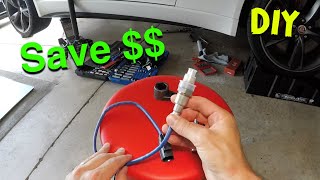
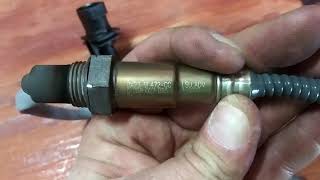
Typical fix: Replace the Bank 1, Sensor 2 oxygen sensor. This is located on the passenger side (right-hand side), after the catalytic converter. 🎬 Watch: This DIY walkthrough shows how to access and replace the sensor. An O2 sensor socket (22mm or 7/8") is recommended.
Est. part cost: $60-$250 - Damaged Wiring or Connector 🟡 Medium Probability The wiring harness is routed near hot exhaust components and is exposed to road debris. High engine bay temperatures on these models can make insulation brittle, leading to cracks, chafing, or melting wires over time.
How to confirm: Visually inspect the wiring harness and connector for the Bank 1 Sensor 2. Look for any signs of melting, corrosion, chafing, or disconnected pins. Check for continuity between the PCM and the sensor connector. A voltage reading at the connector under 0.1V with the ignition on can confirm a low-voltage condition before the PCM.
Typical fix: Repair the damaged section of the wiring harness or replace the connector pigtail.
Est. part cost: $15-$50 - Exhaust Leak ⚪ Low Probability Exhaust gaskets and pipe welds can fail over time due to corrosion and heat cycles. An air leak before the sensor can introduce extra oxygen, causing the sensor to read a false lean (low voltage) condition.
How to confirm: Listen for a ticking or hissing sound from the exhaust system, especially when the engine is cold. Visually inspect the exhaust manifold and pipes for black soot marks, which indicate a leak. A smoke test can definitively locate a leak.
Typical fix: Replace the leaking gasket or repair the cracked pipe.
Est. part cost: $20-$100
Rare But Worth Checking
- Powertrain Control Module (PCM) Software Error: → Shop Engine Control Module (ECM) Jaguar TSB #JTB-00392-NAS-3 specifically mentions that a software error can cause this code. If a new sensor doesn't fix the issue, a PCM software update by a dealer or qualified shop with JLR SDD/Pathfinder software may be required. Some owners have reported codes returning after sensor replacement, which can sometimes be traced to this software issue.
- Faulty Powertrain Control Module (PCM): → Shop Engine Control Module (ECM) While rare, the internal driver circuit for the O2 sensor within the PCM can fail. This should only be considered after all other possibilities, including a software update, have been exhausted.
Diagnosis Steps
- Read the code with an OBD-II scanner and check for any other related codes.
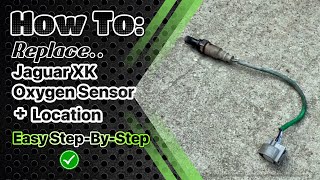
- Visually inspect the Bank 1, Sensor 2 oxygen sensor, its connector, and wiring. The sensor is on the passenger side of the vehicle, downstream of the catalytic converter. 🎬 Watch: This video helps you locate and swap out the oxygen sensor. Look for obvious damage like burnt wires, corrosion, or a loose connection.
- Use a scanner to view live data for the Bank 1, Sensor 2 voltage. With the engine fully warmed up, the voltage should fluctuate slowly. If it is stuck below 0.2V (or more specifically, <0.06V), it points to a faulty sensor or a wiring short to ground.
- Inspect the exhaust system for leaks between the engine and the downstream O2 sensor. Listen for unusual noises and look for soot trails.
- If wiring and the exhaust are confirmed to be good, the most likely cause is the oxygen sensor itself.
- After replacing the sensor, clear the codes. If the P0143 code returns, consult a dealer or specialist shop about a potential PCM software update as mentioned in TSB JTB-00392-NAS-3.
Parts You'll Likely Need
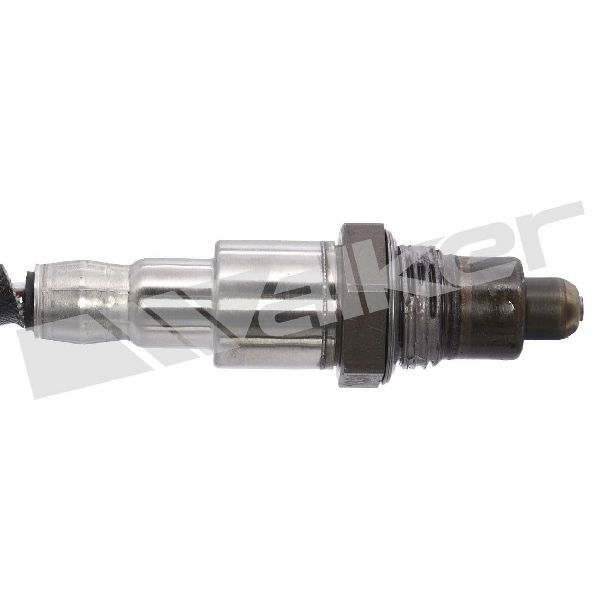
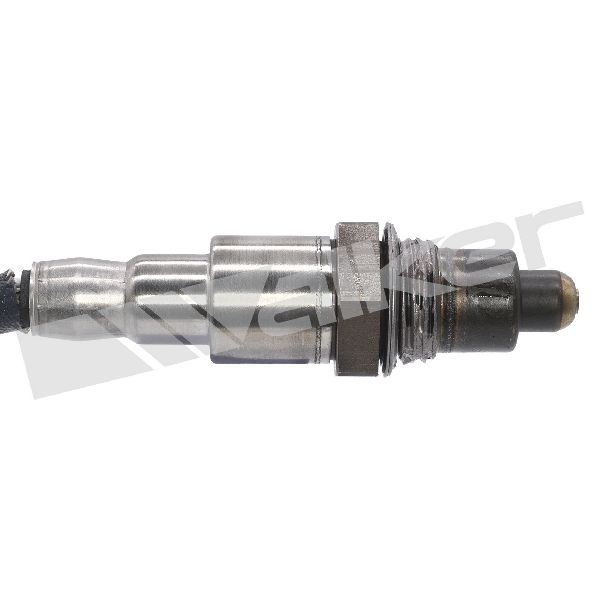
- Downstream Oxygen Sensor (Bank 1, Sensor 2)
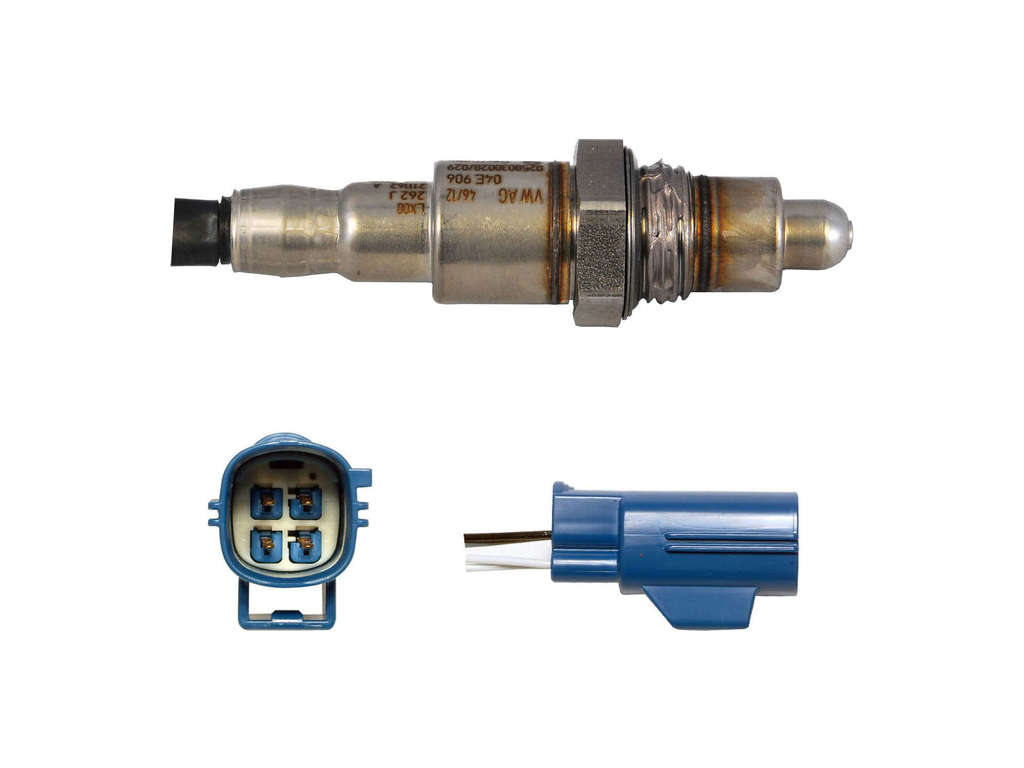
(OEM #C2P16397)— This is the component that generates the voltage signal the PCM is reading as faulty. It is a common wear item and the most frequent cause of P0143, especially on these platforms.
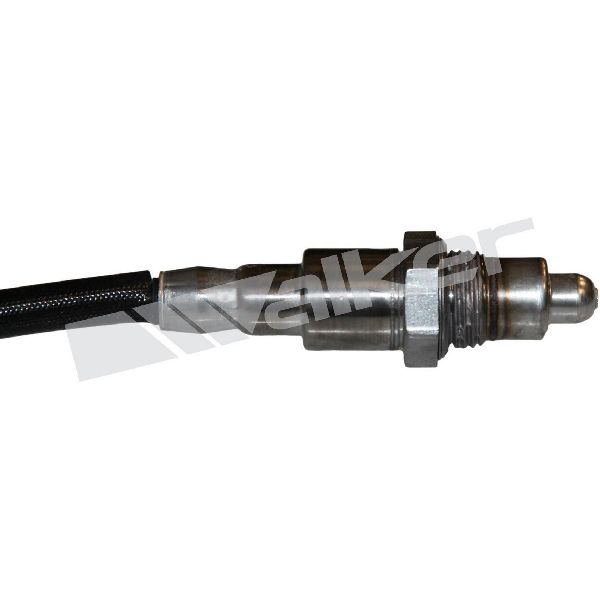
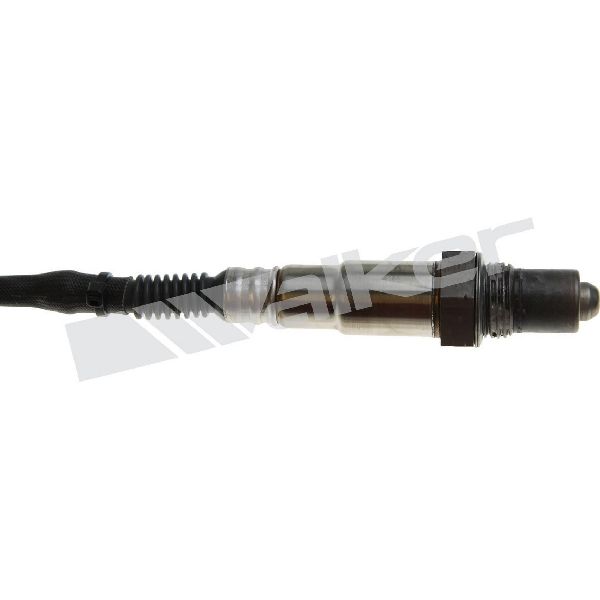
Trusted brands: Bosch, Denso (DOX-0402), NGK, Walker
OEM price range: $180-$260
Aftermarket price range: $60-$120
Related Codes That Often Appear With This One
- P0141 — This code indicates a fault in the heater circuit of the same sensor (Bank 1, Sensor 2). They often appear together when the sensor fails internally.
- P0036, P0056, P0136, P0156, P0163 — These are all codes related to other downstream or heater circuit O2 sensor faults. The provided TSBs group them together, suggesting a common failure pattern or software issue affecting multiple sensors. [Bulletin #SSM72477, 5, 30]
Technical Service Bulletins (TSBs) & Recalls
- JTB-00392-NAS-3: Mentions that P0143 and other O2 sensor codes may be stored in the PCM and could be caused by a software error.
- SSM72477: Lists P0143 in a large group of heated oxygen sensor codes that may be diagnosed. [Bulletin #SSM72477]
- JTB00392NAS1: An earlier version of the TSB also listing P0143 as a potential code stored in the ECM. [Bulletin #JTB00392NAS1]
Platform-Specific Known Issues
- Jaguar issued Technical Service Bulletin JTB-00392-NAS-3, which states that code P0143 (among others) may be caused by a software error in the Powertrain Control Module (PCM) and that an update may be required to fix the issue. [16, Bulletin #JTB-00392-NAS-3, 32]
- TSB SSM72477 also groups P0143 with a large number of other O2 sensor codes, indicating a known pattern of issues with these sensors on Jaguar vehicles of this era. [Bulletin #SSM72477]
- The high-heat environment of the 3.0L and 5.0L supercharged engine bays can accelerate the degradation of wiring insulation and plastic connectors, making wiring faults a more common cause than on naturally aspirated vehicles.
Mechanic-Grade Diagnostic Values
- Downstream O2 Sensor (Bank 1, Sensor 2) Signal Voltage — expected: Slowly fluctuating between 0.1V and 0.9V on a warm engine.. Failure: Voltage is stuck below 0.1V - 0.2V. JLR documentation specifies a fault is logged if voltage is < 0.06V for more than 3 seconds.
- O2 Sensor Heater Circuit Voltage — expected: Should be close to battery/system voltage (12V+) when the ignition is on.. Failure: A reading significantly below battery voltage at the sensor connector indicates a wiring or PCM issue.
Scan Tool Commands That Help
- Jaguar SDD (Symptom Driven Diagnostics): Read DTCs and view Recommendations Tab — After an initial code read, the 'Recommendations' tab in SDD is critical. It will link the active P0143 code to any relevant Technical Service Bulletins (TSBs), such as the one for a required PCM software update, which a generic scanner would miss.
- Jaguar SDD (Symptom Driven Diagnostics): 'Configure existing module - Powertrain control module' — This function is used to apply a software update to the PCM as instructed by TSB JTB-00392-NAS-3. This is performed after replacing the sensor if the TSB applies.
- Jaguar SDD / Pathfinder: Datalogger - Live Data Monitoring — To monitor the live voltage signal from the Bank 1 Sensor 2 O2 sensor. This allows a technician to see if the voltage is flat-lining at a low value, confirming the fault condition described by P0143.
Wiring & Ground Locations
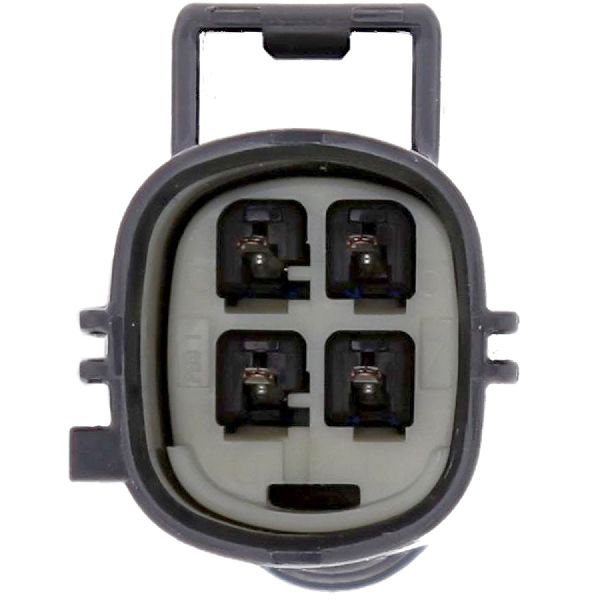
- Bank 1 Sensor 2 Connector — On the passenger side (US spec) of the vehicle, on the exhaust pipe after the catalytic converter.. This is the primary point of inspection for corrosion, damage, or loose pins affecting the sensor's signal. A forum post for a similar Jaguar model suggests a 4-pin connector with wires for heater power, heater ground, sensor signal, and sensor ground.
- Engine Management System Ground Points — Jaguar XJ (X351) electrical diagrams show multiple ground points. Key grounds for the engine management system are often located on the engine block, chassis legs in the engine bay, and near the firewall. For example, on a similar platform, a ground stud is located near the passenger side strut tower. A full electrical guide is needed for precise locations like G3D181AL.. A poor ground connection for the O2 sensor circuit or the PCM itself can cause floating voltages or low voltage readings, directly triggering a P0143 code.
- Engine Compartment Fuse Box — Located in the engine bay.. The O2 sensor heater circuit is powered by a fuse in this box. While P0143 is a low voltage *signal* code, it often appears with heater circuit codes (like P0141). On some Jaguars, both downstream sensors share a fuse for their heaters.
OEM Part Supersession History
C2P16397→C2D23702— Part number update by Jaguar. C2D23702 is listed as a replacement for the earlier number.C2D23702→T2H48050— Further part number update by Jaguar. T2H48050 is listed as replacing C2D23702 for some XJ models.
Heads up: It is critical to verify the correct part number by VIN, as different part numbers may apply based on AWD vs RWD or specific model year breaks.
Helpful Videos

We Have This Part in Stock

The information in this article is provided for general reference and educational purposes only. Vehicle specifications, procedures, and part compatibility can vary by production date, trim level, and region. Always consult your vehicle's factory service manual and verify part numbers before purchasing or performing repairs. Safety-critical components such as airbags, seat belts, and braking systems should be installed by a qualified professional.
- Jaguar XJ:
- 🧭 Diagnostic Flowchart
- 🎬 Helpful Videos
- 🛍️ Shop This Part
- What's Unique About the 2013-2016 Jaguar XJ
- Symptoms You May Notice
- Most Likely Causes
- Rare But Worth Checking
- Diagnosis Steps
- Parts You'll Likely Need
- Related Codes That Often Appear With This One
- Technical Service Bulletins (TSBs) & Recalls
- Platform-Specific Known Issues
- Mechanic-Grade Diagnostic Values
- Scan Tool Commands That Help
- Wiring & Ground Locations
- OEM Part Supersession History
- 🎟️ Get 5% Off