

P0143 on 2014-2016 Land Rover LR4 3.0L V6: O2 Sensor Causes and Fixes
For a 2014-2016 LR4, code P0143 almost always points to a faulty rear (post-catalyst) oxygen sensor on Bank 1 (passenger side), often coupled with a known software sensitivity. The fix typically requires replacing the sensor (Part No. LR052425) and may necessitate a dealer-performed software update as outlined in TSB LTB00671NAS3. Expect to pay $250-$500 for a DIY sensor swap or $360-$600 at a shop.
- P0143 on a 2014-2016 LR4 refers to the downstream (post-catalyst) oxygen sensor on the passenger side.
- The most likely cause is a failed oxygen sensor (Part No. LR052425), but a known software glitch is often a contributing factor.
- Do not be surprised if a simple sensor replacement doesn't permanently fix the issue; a dealer software update is required per TSB LTB00671NAS3.
- Chasing a wiring problem is likely a waste of time according to TSB SSM72448.
What's Unique About the 2014-2016 Land Rover LR4
On these specific LR4 models, P0143 is frequently not just a simple failed sensor. Land Rover issued technical service bulletin LTB00671NAS3 acknowledging that a 'post-catalyst heated oxygen sensor software error' can cause this and other related codes. Another bulletin notes that these codes can be triggered by thermal shock when water hits the hot sensor, leading to failure. This means the solution often involves both replacing the physical sensor and updating the engine control module software to be less sensitive, a task requiring a dealer or specialized independent shop with access to Land Rover's Symptom Driven Diagnostics (SDD) system.
Diagnostic Flowchart
Tap your situation to follow the diagnostic path that matches what you're seeing on this vehicle.
Symptoms You May Notice
- Check Engine Light is illuminated
- Failing a state emissions inspection
- Potentially a minor decrease in fuel economy
- In rare cases, slight hesitation during acceleration.
- Replacing the catalytic converter. This code indicates a problem with the sensor monitoring the converter, not necessarily the converter itself.
- Assuming a wiring fault without checking for TSBs. Technicians may spend significant time tracing wires when the root cause is often the sensor and/or software. [SSM72448]
- Replacing the sensor and assuming the fix is permanent without performing the software update. The code may return later if the underlying software sensitivity is not addressed.
Most Likely Causes
- Faulty Bank 1, Sensor 2 Oxygen Sensor 🔴 High Probability → Shop Oxygen Sensor Land Rover TSB LTB00671NAS3 specifically identifies a software error that can lead to this code, and the recommended fix includes replacing the sensor. Another TSB mentions sensor failure due to 'thermal shock' from water contact, a known vulnerability for these parts.
How to confirm: Test the sensor's voltage output with a multimeter or advanced scan tool. A healthy downstream O2 sensor should show a relatively stable voltage. A flatline low voltage (under 0.1V) points to a failed sensor. Given the high failure rate, many owners and shops replace the sensor based on the code alone, especially if it's original.
Typical fix: Replace the Bank 1, Sensor 2 (downstream, passenger side) oxygen sensor. The OEM part number is LR052425. Clear the codes and perform a drive cycle. If the code returns, a software update is almost certainly necessary.
Est. part cost: $60-$180 - Engine Control Module (ECM) Software Error 🟡 Medium Probability → Shop Engine Control Module (ECM) TSB #LTB00671NAS3 explicitly states the cause may be a 'post-catalyst heated oxygen sensor software error' and that the updated software will 'prevent any further concerns'.
How to confirm: This can only be confirmed by a Land Rover dealer or a qualified independent shop using the Symptom Driven Diagnostics (SDD) system to check the current software version against the latest available version. If the sensor has been replaced with a known good part and the code returns, the software is the next logical culprit.
Typical fix: Update the Powertrain Control Module (PCM/ECM) software. This is often performed after replacing the faulty sensor, as per the TSB. This requires specialized JLR equipment.
Est. part cost: $0 (if part of a larger repair) to $250 (for standalone programming) - Exhaust Leak ⚪ Low Probability While possible on any vehicle, this is not a commonly reported cause for P0143 on the LR4 platform compared to sensor and software issues. However, cracked intake manifolds are a known issue on the SCV6 engine, which could potentially affect exhaust gas composition.
How to confirm: Visually inspect the exhaust system from the manifold to the catalytic converter for cracks or gasket leaks. Listen for ticking or hissing sounds from the exhaust when the engine is cold. A smoke test can definitively identify leaks.
Typical fix: Repair the leak by replacing the cracked component or failed gasket.
Est. part cost: $20-$300
Rare But Worth Checking
- Wiring Harness or Connector Damage: While a circuit code often points to wiring, Land Rover TSB #SSM72448 specifically notes that for a wide range of O2 sensor codes including P0143, 'UPON DIAGNOSIS NO FAULT IS FOUND WITH THE WIRING HARNESS'. It's possible, but less likely than a sensor or software issue on this platform. The connector is located near the transfer case and is exposed to the elements, so checking for corrosion or damage is still a valid, though secondary, diagnostic step.
Diagnosis Steps
- Read the code with an OBD-II scanner and confirm P0143 is present. Note any other codes.
- Check for relevant Technical Service Bulletins (TSBs) for your vehicle's VIN. Specifically, LTB00671NAS3 and SSM72448 are highly relevant.
- Using a scan tool with live data, monitor the voltage of the 'Bank 1, Sensor 2' O2 sensor. It should be relatively stable. If it's stuck low (e.g., below 0.1V), the sensor has likely failed.
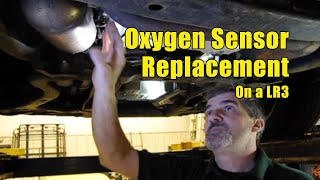
- If the sensor appears non-responsive, perform a visual inspection. The sensor is located on the passenger side exhaust pipe, after the catalytic converter. The connector is typically found on a bracket on top of the transfer case. 🎬 See this quick guide to locate Bank 1 Sensor 2. Check the wiring and connector for obvious damage, corrosion, or melting.
- Inspect the exhaust system for any leaks between the engine and the catalytic converter, though this is a less common cause.
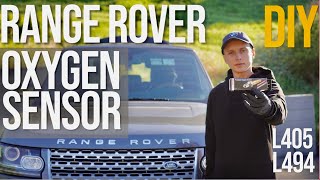
- Based on the TSBs and high probability, the most likely fix is to replace the sensor. Use a 22mm (or 7/8") oxygen sensor socket for rem 🎬 Watch this DIY walkthrough for replacing the sensor on your LR4.oval.
- Replace the Bank 1, Sensor 2 oxygen sensor (Part No. LR052425).
- Clear the codes and perform a complete drive cycle. If the code returns, the vehicle almost certainly needs the ECM software update as described in TSB LTB00671NAS3, which requires a dealer or specialist with JLR's SDD diagnostic tool.
Parts You'll Likely Need
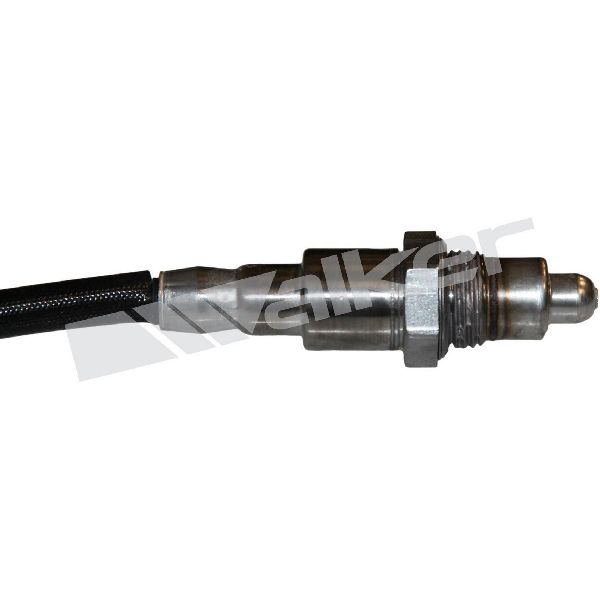
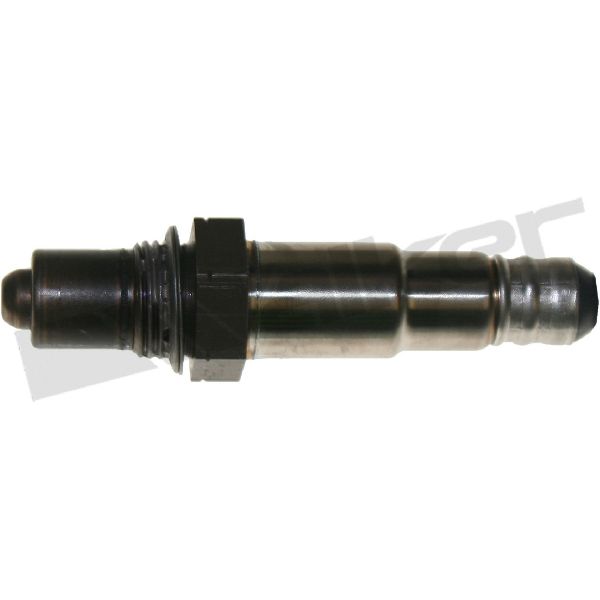
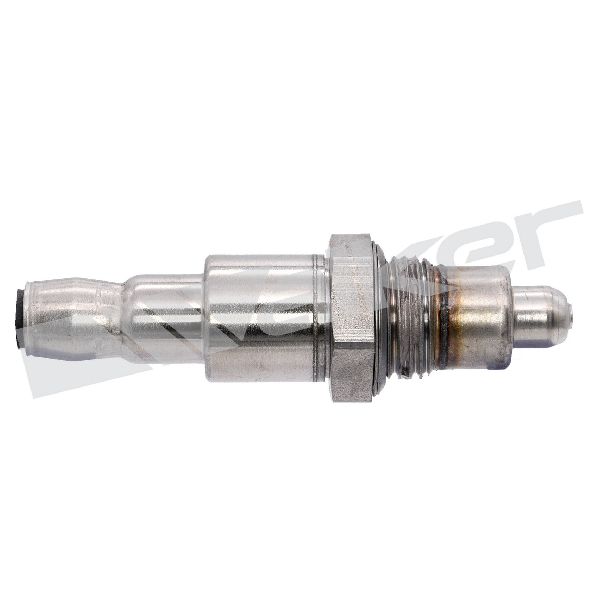
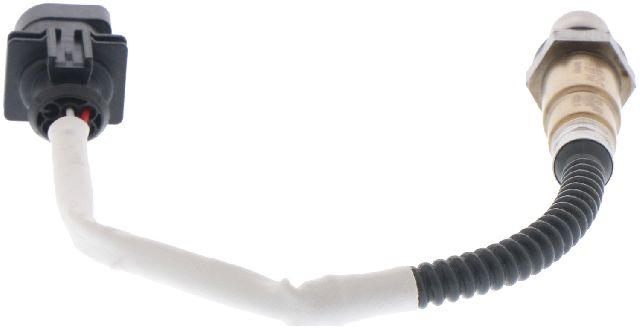
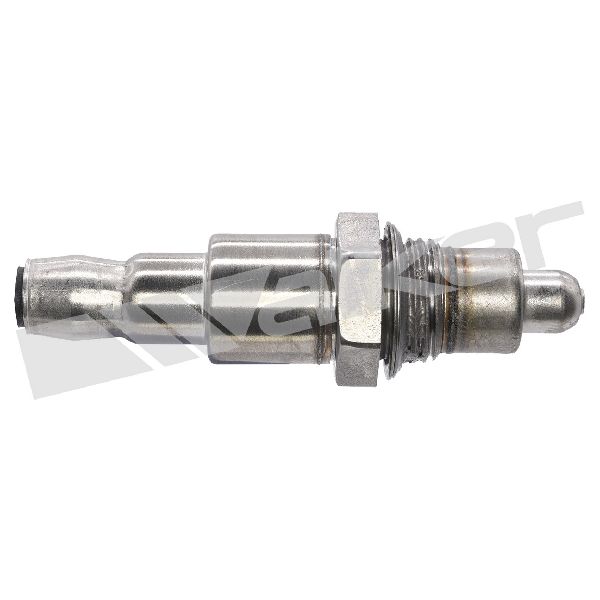
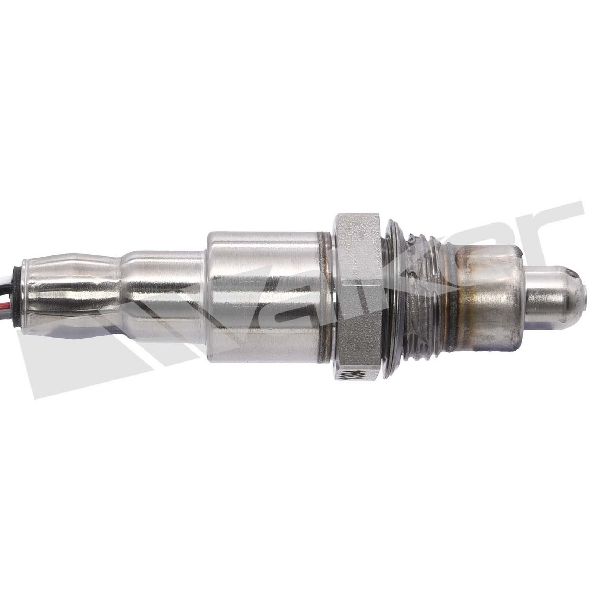
- Post-Catalyst Oxygen Sensor (Bank 1, Sensor 2)
(OEM #LR052425)— This is the component identified by the trouble code and is the primary failure point according to Land Rover's own service bulletins. It is also referred to as the 'Rear Left' sensor in some parts catalogs.
Trusted brands: Bosch (OEM supplier), Denso, Walker, Atlantic British (Kit)
OEM price range: $180-$270
Aftermarket price range: $60-$150
Related Codes That Often Appear With This One
- P0162, P0163, P0164 — These are other codes related to the Bank 2 (driver's side) post-catalyst oxygen sensor. They are listed in the same TSBs (LTB00671NAS3) and can occur for the same reasons (sensor failure, software error).
- P0142, P0144, P0147 — These are additional codes related to the Bank 1, Sensor 2 circuit (performance, high voltage, heater circuit, etc.). They are also covered by the same Land Rover TSBs and point to the same component and software issue.
Technical Service Bulletins (TSBs) & Recalls
- LTB00671NAS3: Engine MIL Illuminated With Heated Oxygen Sensor-Related DTCs Stored
- LTB00671NAS2: Engine MIL Illuminated
- SSM72448: O2 Sensor DTCs Stored In The PCM
Platform-Specific Known Issues
- TSB LTB00671NAS3: Notes that the Malfunction Indicator Lamp (MIL) may illuminate with P0143 (and other codes) due to a software error making the system overly sensitive. The official fix involves replacing the sensor AND updating the ECM software.
- TSB SSM72448: Cautions that diagnosis often reveals no fault with the wiring harness, pointing away from wiring as a primary cause for this family of codes and helping technicians avoid unnecessary diagnostic time.
- Thermal Shock Vulnerability: TSB LTB00671NAS3 also mentions that sensor failure can be caused by 'thermal shock when water contacts the heated sensing element,' which can happen when driving through puddles or in heavy rain.
Mechanic-Grade Diagnostic Values
- Downstream O2 Sensor Signal Voltage — expected: Relatively stable voltage between 0.4V and 0.6V at steady state.. Failure: Voltage is stuck low, at or near 0V.
- O2 Sensor Heater Supply Voltage — expected: Approximately 10V-14V (battery voltage) when the circuit is energized by the ECM.. Failure: No voltage present when commanded on, indicating a power supply or ECM driver issue.
- O2 Sensor Heater Element Resistance — expected: A few ohms to a few tens of ohms (varies by sensor manufacturer).. Failure: An open circuit (infinite resistance) or a short circuit (near zero resistance).
Scan Tool Commands That Help
- Land Rover SDD (Symptom Driven Diagnostics): Configure existing module – Powertrain control module — This function, found in the 'Recommendations' tab, is used to apply the necessary software update to the ECM after replacing the faulty oxygen sensor, as mandated by TSB LTB00671NAS3.
Wiring & Ground Locations
- ECM Connector C0635, Pin 14 — At the Engine Control Module (ECM).. This is the specific pin where the ECM measures the signal from the downstream Bank 1 (RH) oxygen sensor. A continuity test to this pin can verify the signal wire's integrity.
- ECM Connector C0635, Pin 8 — At the Engine Control Module (ECM).. This pin provides the signal ground path from the ECM to the downstream Bank 1 (RH) oxygen sensor. A fault in this path can cause incorrect voltage readings.
- ECM Connector C0635, Pin 1 — At the Engine Control Module (ECM).. The ECM uses this pin to provide a switched ground to control the heater element for the downstream Bank 1 (RH) oxygen sensor.
- Engine Fuse Box, Fuse 2 — In the engine compartment fuse box.. This fuse provides the direct battery supply to the heater element for all four oxygen sensors. A blown fuse here would likely trigger heater circuit codes for multiple sensors.
Real Owner Repair Stories
- DiscoWeb forum user 'bendts' (Land Rover Discovery (platform relative)) — Persistent P0143 code.
❌ Tried (didn't work) Contemplating replacing the downstream O2 sensor.
✅ What actually fixed it The user noted their catalytic converters were missing. Other users explained that without catalytic converters, the post-cat O2 sensor will read exhaust gas values similar to the pre-cat sensor, which the ECU interprets as a fault. The code cannot be cleared permanently until the catalytic converters are reinstalled.
Helpful Videos

We Have This Part in Stock

The information in this article is provided for general reference and educational purposes only. Vehicle specifications, procedures, and part compatibility can vary by production date, trim level, and region. Always consult your vehicle's factory service manual and verify part numbers before purchasing or performing repairs. Safety-critical components such as airbags, seat belts, and braking systems should be installed by a qualified professional.
- Land Rover LR4:
- 🧭 Diagnostic Flowchart
- 🎬 Helpful Videos
- 🛍️ Shop This Part
- What's Unique About the 2014-2016 Land Rover LR4
- Symptoms You May Notice
- Most Likely Causes
- Rare But Worth Checking
- Diagnosis Steps
- Parts You'll Likely Need
- Related Codes That Often Appear With This One
- Technical Service Bulletins (TSBs) & Recalls
- Platform-Specific Known Issues
- Mechanic-Grade Diagnostic Values
- Scan Tool Commands That Help
- Wiring & Ground Locations
- Real Owner Repair Stories
- 🎟️ Get 5% Off