

P0143 on 2013-2016 Land Rover Range Rover: O2 Sensor Low Voltage Causes & Fixes
P0143 on a 2013-2016 Range Rover typically points to a faulty rear oxygen sensor or, more uniquely, outdated engine software. Before replacing parts, check with a dealer for software updates mentioned in TSBs LTB00671NAS2/3. If the software is current, the O2 sensor is the next likely culprit. The sensor in question is Bank 1, Sensor 3 (post-catalyst), located on the passenger side (in the US) after the catalytic converter.
- P0143 on a 2013-2016 Range Rover indicates a low voltage signal from the rear oxygen sensor on Bank 1 (passenger side in the US).
- Before buying any parts, have a dealer check for TSBs LTB00671NAS2/3, as an ECM software update is a very common and specific fix for this issue.
- If the software is current, the most likely cause is a failed Bank 1, Sensor 2 oxygen sensor (Part # LR035750).
- Avoid replacing the wiring harness unless there is visible damage, as TSB SSM72448 suggests it is rarely the root cause.
What's Unique About the 2013-2016 Land Rover RANGE ROVER
On this generation of Range Rover (L405) and its platform mates, the P0143 code is frequently triggered not by a failed part, but by overly sensitive Engine Control Module (ECM) software. Land Rover issued Technical Service Bulletins (TSBs) LTB00671NAS2 and LTB00671NAS3 acknowledging that this code, along with a host of others related to post-catalyst oxygen sensors, could be stored without any actual hardware fault. The official fix in many cases is a software re-flash of the ECM, making a trip to the dealer for a TSB check a crucial first step before replacing any parts.
Diagnostic Flowchart
Tap your situation to follow the diagnostic path that matches what you're seeing on this vehicle.
Symptoms You May Notice
- Check Engine Light (Malfunction Indicator Lamp) is illuminated
- Failure to pass an emissions inspection
- Slightly decreased fuel economy in some cases
- Rough idle or poor engine performance in rare cases.
- Replacing the oxygen sensor before checking for required software updates, which is the most common fix specific to this platform.
- Replacing the catalytic converter, which is monitored by this sensor but is not the cause of a low voltage circuit code.
- Unnecessarily replacing the wiring harness when TSB SSM72448 indicates that often no fault is found with it.
Most Likely Causes
- Outdated Engine Control Module (ECM) Software 🔴 High Probability → Shop Engine Control Module (ECM) Manufacturer TSBs #LTB00671NAS2 and #LTB00671NAS3 directly state that this code can be stored due to a 'post-catalyst heated oxygen sensor software error'. This was a known issue requiring an update.
How to confirm: A Land Rover dealer or a qualified independent shop with access to Land Rover's diagnostic system (SDD or Pathfinder) must check the current software version against available updates for your VIN. 🎬 See how to set up JLR SDD for module programming.
Typical fix: Update the ECM software to the latest version. This must be done by a dealer or a properly equipped independent shop using approved diagnostic equipment and a battery support unit.
Est. part cost: $0-$500 - Faulty Downstream Oxygen Sensor (Bank 1, Sensor 3) 🟡 Medium Probability → Shop Oxygen Sensor Oxygen sensors are wear-and-tear items that degrade over time. TSB SSM72448 notes that for a wide range of O2 sensor codes, after ruling out wiring, the fault is often determined to be the sensor itself. TSB LTB00671NAS2 also instructs technicians to replace the affected sensor before performing the software update.
How to confirm: Use a scan tool to monitor live data from the B1S3 O2 sensor. If the voltage is stuck consistently low (e.g., <0.2V) and does not fluctuate after the engine is warm, the sensor is likely bad. A healthy downstream sensor should show a relatively stable voltage, typically around 0.4-0.6V.
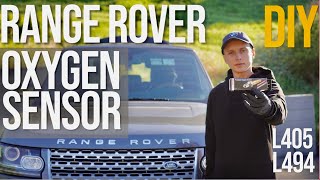
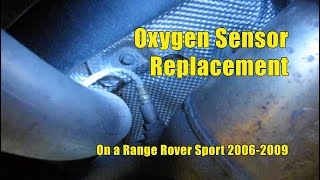
Typical fix: Replace the Bank 1, Sensor 3 oxygen sensor. This requires a 22mm oxygen sensor socket or wrench. 🎬 Watch: A complete guide to replacing all six O2 sensors. Access is from underneath the vehicle.
Est. part cost: $80-$250 - Wiring or Connector Issue ⚪ Low Probability Wiring for O2 sensors is routed under the vehicle and is exposed to heat and debris, which can cause damage. However, TSB SSM72448 specifically notes that for this family of codes, 'no fault is found with the wiring harness or connector' in many diagnostic situations, pointing to the sensor or software as the more likely culprits.
How to confirm: Visually inspect the wiring harness and connector for the Bank 1, Sensor 3 for any signs of melting, chafing, corrosion, or loose pins. A continuity test on the signal wire can be performed if a visual inspection is inconclusive. Check for damage near the exhaust and where the harness is secured to the chassis.
Typical fix: Repair the damaged section of wiring or replace the connector pigtail. In a DIY video, a technician accidentally broke the plastic locking clip on the connector, requiring a zip tie for a temporary fix, highlighting the need for care during disconnection.
Est. part cost: $10-$50 - Exhaust Leak ⚪ Low Probability
How to confirm: Visually inspect the exhaust system for cracks or loose connections between the engine and the rear O2 sensor. A smoke test is the most effective way to pinpoint small leaks that may not be visually apparent. A leak before the sensor can introduce oxygen, causing a false low-voltage (lean) reading.
Typical fix: Repair the leak by replacing the gasket, tightening flanges, or welding the cracked component.
Est. part cost: $20-$200
Rare But Worth Checking
- Faulty Powertrain Control Module (PCM/ECM): → Shop Engine Control Module (ECM) This is extremely rare. Before condemning the ECM, all other possibilities, especially software updates and sensor failure, must be exhaustively ruled out. TSB SSM72448 notes that often no fault is found with wiring, pointing away from common hardware issues and towards the sensor or module logic.
Diagnosis Steps
- Scan the ECM for trouble codes and check freeze frame data to see the conditions when the code was set.
- CRITICAL STEP: Contact a Land Rover dealer or specialist to check if TSBs LTB00671NAS2 or LTB00671NAS3 apply to your vehicle's VIN and if a software update is available. Perform this update if required. This is the most important platform-specific step.
- If software is up-to-date, use a scan tool to observe live data for the Bank 1, Sensor 3 oxygen sensor. The voltage should fluctuate. If it is stuck low (under 0.2V), it points towards a sensor or wiring issue.
- Visually inspect the Bank 1, Sensor 3 wiring harness and connector for any signs of damage, melting from exhaust contact, or corrosion.
- Check for exhaust leaks between the catalytic converter and the sensor. A smoke test is recommended for accuracy.
- If wiring and software are confirmed good and the voltage reading is stuck low, replace the Bank 1, Sensor 3 oxygen sensor (OEM part LR035746). 🎬 Watch this DIY walkthrough for replacing the oxygen sensor.
Parts You'll Likely Need
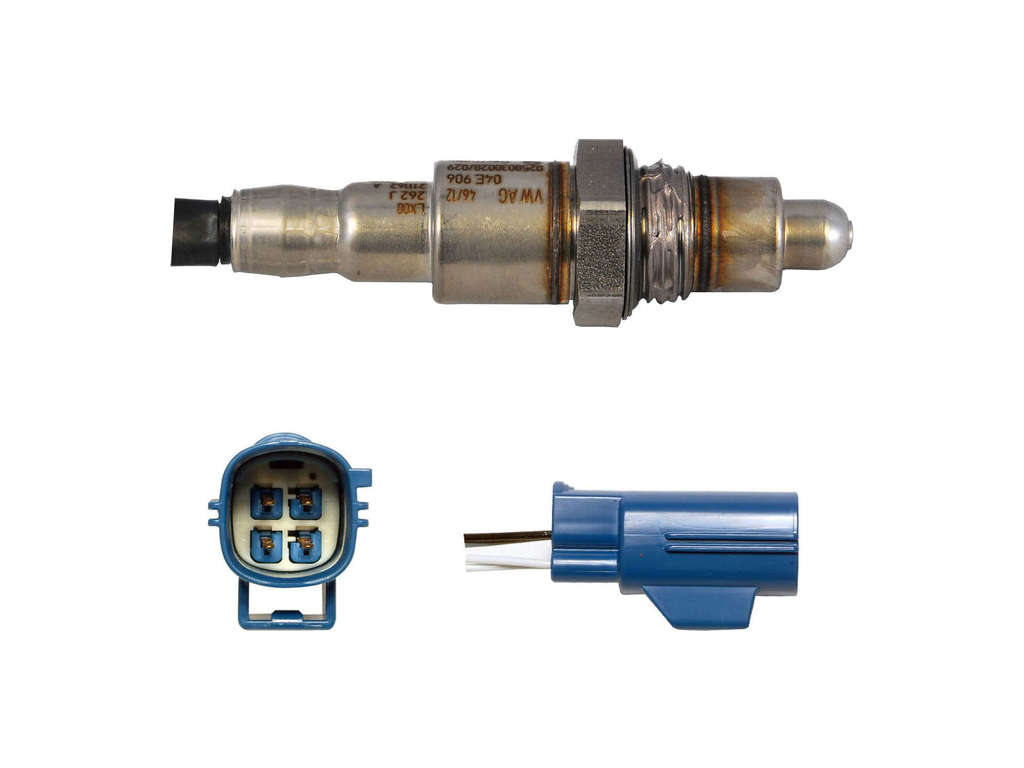
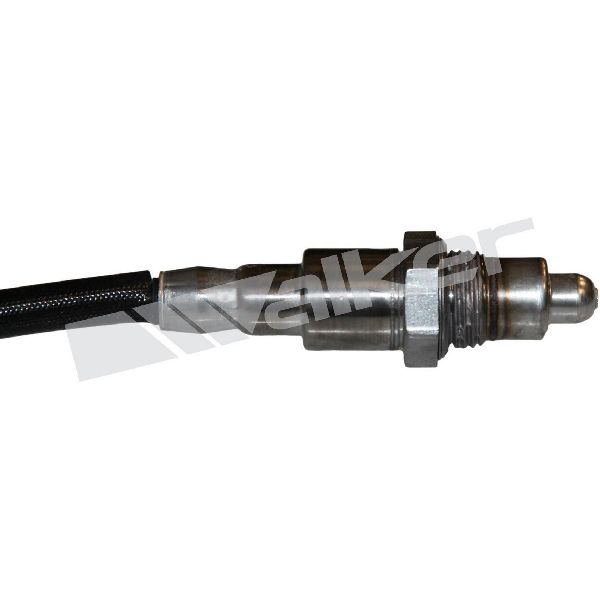
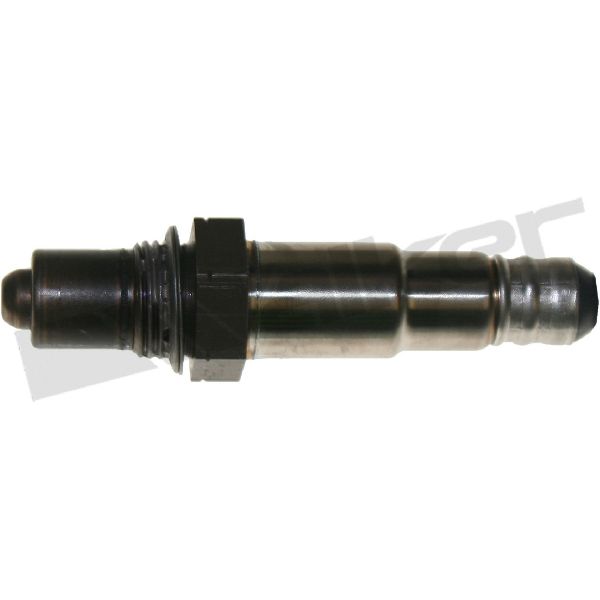
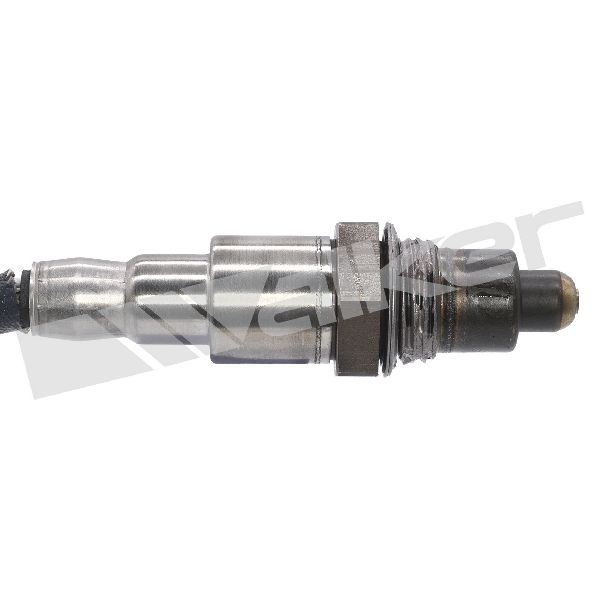
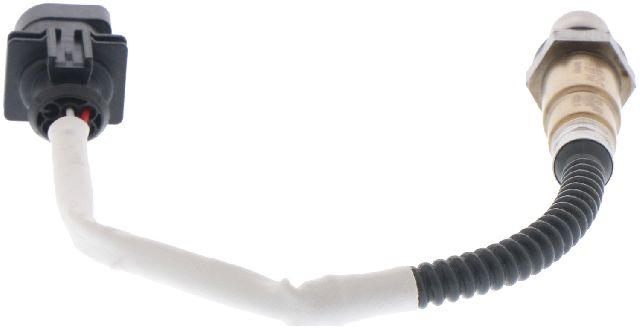
- Post-Catalyst Oxygen Sensor (Bank 1, Sensor 3)
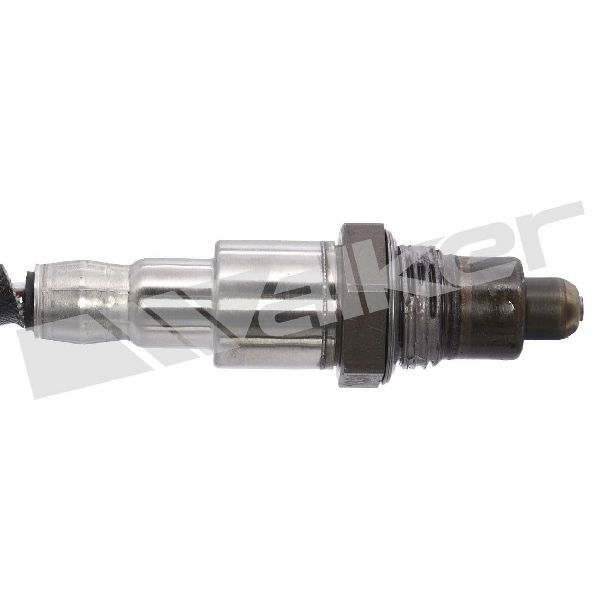
(OEM #LR035746)— This sensor is the primary component that fails, causing the low voltage reading, after software issues have been ruled out. TSB LTB00671NAS5 indicates this is the correct part for the post-catalyst sensor on the right bank.
Trusted brands: Bosch (OEM), Denso, Walker, NTK
OEM price range: $180-$250
Aftermarket price range: $80-$150
Related Codes That Often Appear With This One
- P0142 — Relates to the O2 Sensor Circuit (Bank 1, Sensor 3), indicating a broader issue with the sensor group. TSB LTB00671NAS3 lists this code as part of the same software issue.
- P0144 — Relates to O2 Sensor Circuit High Voltage (Bank 1, Sensor 3), suggesting erratic behavior from the same sensor. This code is also included in the TSBs for the software update.
- P0162 — This is the equivalent code (O2 Sensor Circuit Malfunction) for Bank 2, Sensor 3, and the TSBs indicate they can appear together.
- P0163 — This is the equivalent low voltage code for Bank 2, Sensor 3. Seeing both P0143 and P0163 strongly suggests a systemic issue like a software problem rather than two simultaneously failed sensors, as both are covered under the same TSBs.
Technical Service Bulletins (TSBs) & Recalls
- LTB00671NAS3 / LTB00671NAS2: Notes that the Malfunction Indicator Lamp (MIL) may be on with P0143 (and other codes) stored, and the fix is often an ECM software update, sometimes in conjunction with replacing the failed sensor.
- SSM72448: Mentions that for a wide range of O2 sensor codes, including P0143, upon diagnosis 'no fault is found with the wiring harness or connector', suggesting the problem lies with the sensor or software logic.
- JTB00357NAS: A Jaguar TSB for the same engines (AJ126/AJ133) also lists P0143 as being caused by a software error, corroborating the issue across the JLR family.
- LTB00671NAS5: Clarifies the sensor numbering scheme for these engines, identifying the post-catalyst sensor as 'Sensor 3' and provides the correct part number for replacement.
Platform-Specific Known Issues
- The Engine Control Module (ECM) software on these models is known to be overly sensitive and can falsely trigger P0143. Land Rover released TSBs LTB00671NAS2 and LTB00671NAS3 to address this with a software update.
- TSB LTB00671NAS2 explicitly states the cause may be a 'post-catalyst heated oxygen sensor software error' and instructs technicians to replace the sensor AND reflash the ECM.
Mechanic-Grade Diagnostic Values
- Downstream O2 Sensor Signal Voltage (Live Data) — expected: Relatively stable voltage between 0.4V and 0.6V when engine is warm and at steady RPM.. Failure: Voltage is stuck low, typically below 0.2V, and does not respond to changes in engine conditions.
- O2 Sensor Heater Circuit Resistance — expected: A few ohms, typically between 4 and 6 ohms, when measured across the two heater circuit pins on the sensor connector.. Failure: Resistance is very high (kilo-ohms or mega-ohms) or reads as an open circuit (OL).
- O2 Sensor Heater Circuit Power Supply — expected: Battery voltage (approximately 12V) at the heater power supply pin on the harness-side connector with the ignition on.. Failure: 0V or significantly less than battery voltage, indicating a problem with the fuse, relay, or wiring.
Scan Tool Commands That Help
- Land Rover SDD (Symptom Driven Diagnostics): Configure existing module - Engine Control Module — This is the specific software re-flash function used to update the ECM when TSBs LTB00671NAS2/3 apply. SDD may present this as a functional shortcut within an active diagnostic session.
- Land Rover SDD or compatible J2534 device: Read DTCs and View Live Data — Used to confirm the P0143 code is present and to monitor the live voltage signal from the Bank 1 Sensor 3 to determine if it is stuck in a low state.
Wiring & Ground Locations
- Forward Wheel Arch Grounds — Located behind the fender liners in both the driver and passenger side front wheel arches. A 13mm nut secures several ground wires to a stud on the chassis.. These are common corrosion points on the L405 platform that can cause a wide range of electrical and sensor-related faults due to poor grounding.
- Main Battery Ground — Under the spare tire in the trunk area. The main negative battery cable grounds to two studs on the vehicle body.. Corrosion or looseness at this primary ground point can cause intermittent and difficult-to-diagnose electrical issues throughout the vehicle, including with the ECM and its sensor inputs.
- G1D132 — Described in wiring diagrams as being in the right front of the engine compartment.. This is a designated engine compartment ground point. While not explicitly linked to the O2 sensor in snippets, its location makes it a relevant point to check for any engine sensor circuit issues.
OEM Part Supersession History
LR035750→N/A— N/A
Heads up: This part number is frequently misidentified as the fix for P0143. It is the PRE-CATALYST (Bank 1, Sensor 1) sensor. Installing this in the post-catalyst position will not resolve the code.LR035746→N/A— N/A
Heads up: This is the correct OEM part number for the POST-CATALYST (Bank 1, Sensor 3) oxygen sensor according to TSB LTB00671NAS5.
Model Year Variations Within This Range
- 2013-2016: The official Land Rover diagnostic software for these model years is Symptom Driven Diagnostics (SDD).
- 2017+: For 2017 and newer models, Land Rover transitioned to the Pathfinder diagnostic software, which requires a different vehicle communication interface (DoIP VCI).
- 2013-2016: There is significant confusion regarding sensor numbering. Generic OBD-II readers may identify the downstream sensor as 'Sensor 2'. However, Land Rover's technical documentation for these V6/V8 engines (which have 3 sensors per bank) designates the rearmost, post-catalyst sensor as 'Sensor 3'. P0143 corresponds to this 'Sensor 3' position.
Helpful Videos


We Have This Part in Stock

The information in this article is provided for general reference and educational purposes only. Vehicle specifications, procedures, and part compatibility can vary by production date, trim level, and region. Always consult your vehicle's factory service manual and verify part numbers before purchasing or performing repairs. Safety-critical components such as airbags, seat belts, and braking systems should be installed by a qualified professional.
- Land Rover RANGE ROVER:
- 🧭 Diagnostic Flowchart
- 🎬 Helpful Videos
- 🛍️ Shop This Part
- What's Unique About the 2013-2016 Land Rover RANGE ROVER
- Symptoms You May Notice
- Most Likely Causes
- Rare But Worth Checking
- Diagnosis Steps
- Parts You'll Likely Need
- Related Codes That Often Appear With This One
- Technical Service Bulletins (TSBs) & Recalls
- Platform-Specific Known Issues
- Mechanic-Grade Diagnostic Values
- Scan Tool Commands That Help
- Wiring & Ground Locations
- OEM Part Supersession History
- Model Year Variations Within This Range
- 🎟️ Get 5% Off