

P0144 on 2013-2016 Land Rover Range Rover: Causes and Fixes for O2 Sensor High Voltage
This code indicates high voltage from the Bank 1, Sensor 3 oxygen sensor. On these Range Rovers, the most common cause is a faulty sensor, often due to a known manufacturing defect detailed in TSB SSM63157. Replacing the sensor is the typical fix, and sometimes a software update is also required.
- P0144 on a 2013-2016 Range Rover means the Bank 1, Sensor 3 O2 sensor is sending a constant high voltage signal.
- The most likely cause is a failed oxygen sensor, a problem acknowledged by Land Rover in TSB SSM63157 due to a supplier manufacturing defect.
- Diagnosis involves checking the sensor's live data with a scan tool; if the voltage is stuck high (above 0.8V), replace the sensor.
- After replacing the sensor, an ECM software update may be required to fully resolve the issue, as noted in TSB LTB00671NAS3.
- While wiring issues are possible, TSBs and forum experiences suggest the sensor itself is the primary culprit on this platform.
What's Unique About the 2013-2016 Land Rover RANGE ROVER
For the 2013-2016 (L405) Range Rover, this code is frequently linked to premature oxygen sensor failure. Land Rover issued Technical Service Bulletin SSM63157 which explicitly identifies a "MANUFACTURING FAULT AT THE SUPPLIER – MISALIGNMENT WITHIN THE SENSOR LEADING TO SIDE LOAD ON THE CERAMIC INTERNAL TO THE SENSOR" as a direct cause for failure. This defect makes a faulty sensor a highly probable culprit. Another TSB (LTB00671NAS3) notes that a software update may be required in conjunction with sensor replacement to fully resolve the issue, as a software error can also trigger the code.
Diagnostic Flowchart
Tap your situation to follow the diagnostic path that matches what you're seeing on this vehicle.
Symptoms You May Notice
- Check Engine Light (Malfunction Indicator Lamp) is on
- Vehicle will fail an emissions test
- Decreased fuel efficiency
- Possible rough or unstable idle
- Strong fuel smell or black smoke from the exhaust in some cases
- Replacing the catalytic converter. The P0144 code relates to the sensor monitoring the converter, not necessarily the converter itself. The sensor and its circuit should always be diagnosed first.
Most Likely Causes
- Faulty Bank 1, Sensor 3 Oxygen Sensor 🔴 High Probability → Shop Oxygen Sensor TSB SSM63157 identifies a specific manufacturing defect in the sensors from the supplier, causing internal misalignment and premature failure. Another TSB mentions sensor failure due to 'thermal shock' from water contact. Diagnosis often reveals no wiring faults, pointing directly to the sensor.
How to confirm: Use a scan tool to monitor live data for the B1S3 O2 sensor. If the voltage is stuck high (typically above 0.8V) and does not fluctuate, the sensor is likely bad. A healthy downstream sensor should have a relatively stable voltage, but a stuck high reading is abnormal.
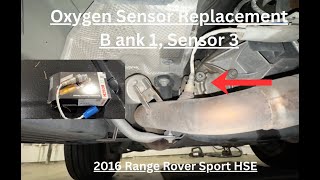
Typical fix: Replace the Bank 1, Sensor 3 oxygen sensor. Bank 1 is the passenger side on V-engine models in North America. The sensor is located after the final catalytic converter. 🎬 Watch this complete guide to replacing all six O2 sensors. Ensure the replacement sensor has a date code of June 1st, 2013 or later, as specified in TSBs.
Est. part cost: $80-$200 - Wiring or Connector Issue 🟡 Medium Probability Wiring is routed near hot exhaust components and can become damaged, frayed, or melted, causing a short to voltage. Connectors can also suffer from corrosion or damage.
How to confirm: Visually inspect the wiring harness and connector for the B1S3 O2 sensor. Check for any signs of damage, corrosion, or melting. Use a multimeter to test for a short in the signal wire and verify proper ground and reference voltage at the connector.
Typical fix: Repair or replace the damaged section of the wiring harness or the connector. Secure the harness away from heat sources with zip ties.
Est. part cost: $20-$100 - Engine Control Module (ECM) Software Error 🟡 Medium Probability → Shop Engine Control Module (ECM) TSB LTB00671NAS3 and others specifically mention that a software error can cause this and other HO2S-related codes. The fix often requires a software update after sensor replacement.
How to confirm: This is difficult to confirm without a dealer-level diagnostic tool (like SDD). If a new sensor and verified good wiring do not fix the code, a software issue is likely. Check for open campaigns or TSBs related to ECM software for your VIN.
Typical fix: A Land Rover dealer or specialist with the appropriate equipment must reflash the ECM with updated software.
Est. part cost: $0-$250 (Labor for programming) - Engine Running Rich ⚪ Low Probability
How to confirm: Check for other trouble codes related to fuel trim (e.g., P0172, P0175), fuel injectors, or fuel pressure. A rich condition would cause the O2 sensor to read high voltage, but it would be accurately reporting the problem, not the source of it.
Typical fix: Diagnose and repair the root cause of the rich condition (e.g., leaking fuel injector, faulty fuel pressure regulator, or MAF sensor issue).
Est. part cost: $100-$500+
Rare But Worth Checking
- Exhaust Leak: An exhaust leak *before* the sensor can sometimes draw in outside air and paradoxically cause incorrect readings, though it more commonly leads to low voltage codes.
- Faulty Engine Control Module (ECM): → Shop Engine Control Module (ECM) This is very rare. The ECM hardware itself should only be considered after all other possibilities, including sensors, wiring, and software, have been exhaustively ruled out.
Diagnosis Steps
- Connect an OBD-II scanner to verify the P0144 code and check for any other related codes. 🎬 See how to quickly diagnose and fix the P0144 code.
- Use the scanner's live data function to observe the voltage from the Bank 1, Sensor 3 O2 sensor. A reading that is consistently high (e.g., >0.8V) and not fluctuating points to a problem.
- Perform a thorough visual inspection of the sensor's wiring harness and connector. Look for any signs of melting, corrosion, or physical damage, as it is routed near the hot exhaust.
- If wiring appears intact, disconnect the sensor and check the connector for reference voltage and ground from the ECM. A short to power on the signal wire can also cause this code.
- If the wiring and circuit are good, but the live data voltage is stuck high, the oxygen sensor itself is the most likely culprit and should be replaced. Per TSB SSM63157, ensure the replacement part has a date code of June 2013 or later.
- After replacement, clear the codes. If the code returns, a software update via a JLR-specific diagnostic tool may be necessary as per TSB LTB00671NAS3.
- Perform a drive cycle to ensure the fault does not return. 🎬 Follow this DIY walkthrough for replacing sensors on the L405.
Parts You'll Likely Need
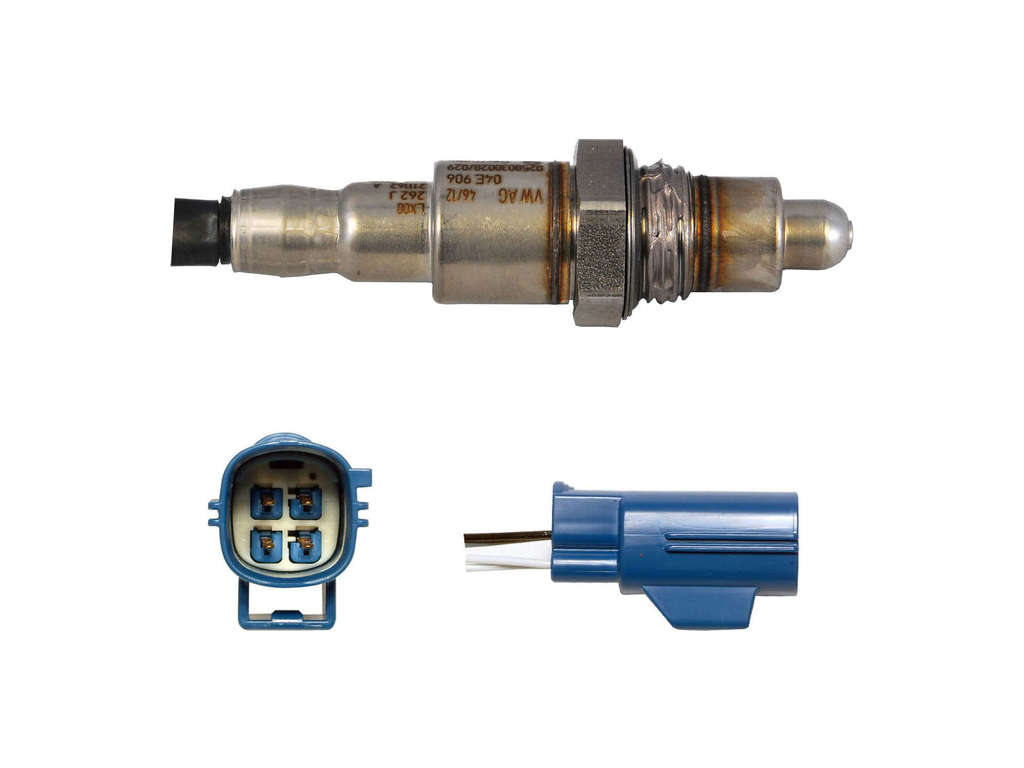
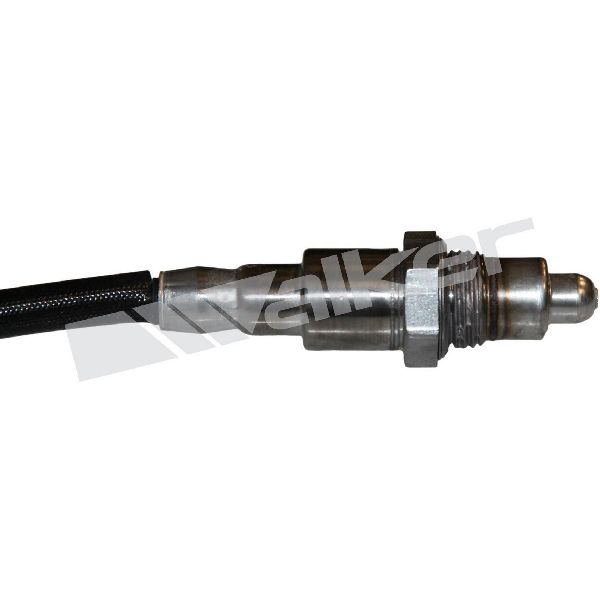
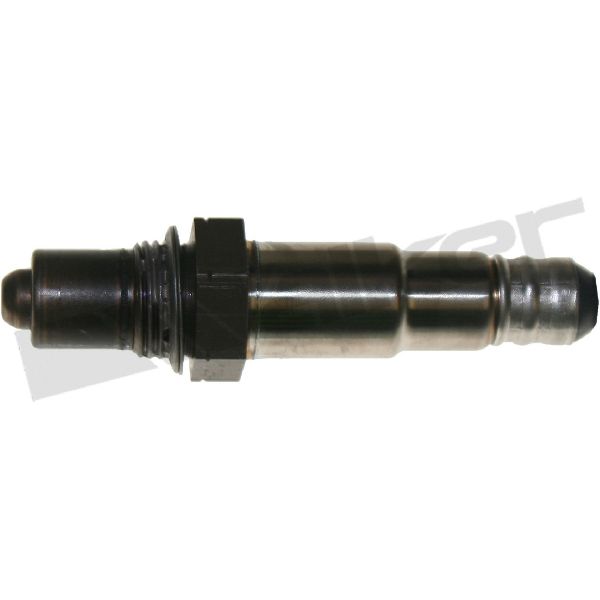
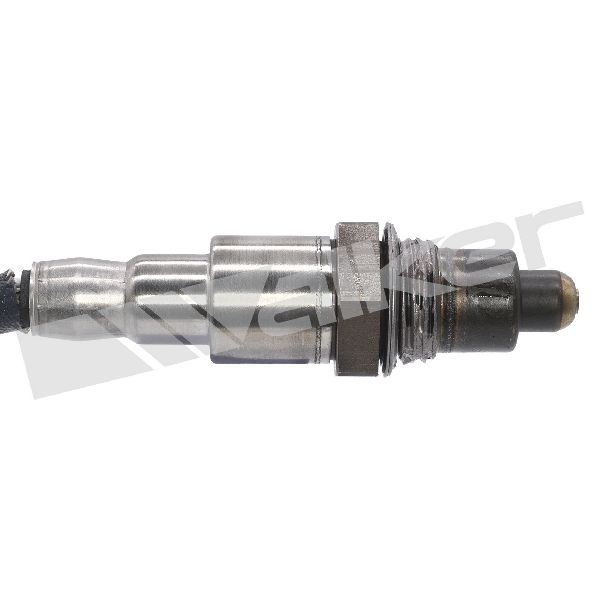
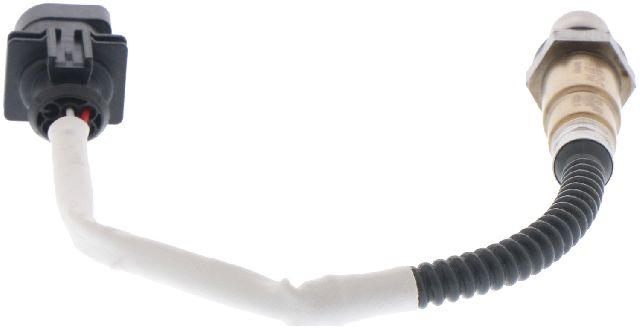
- Oxygen Sensor (Bank 1, Sensor 3)
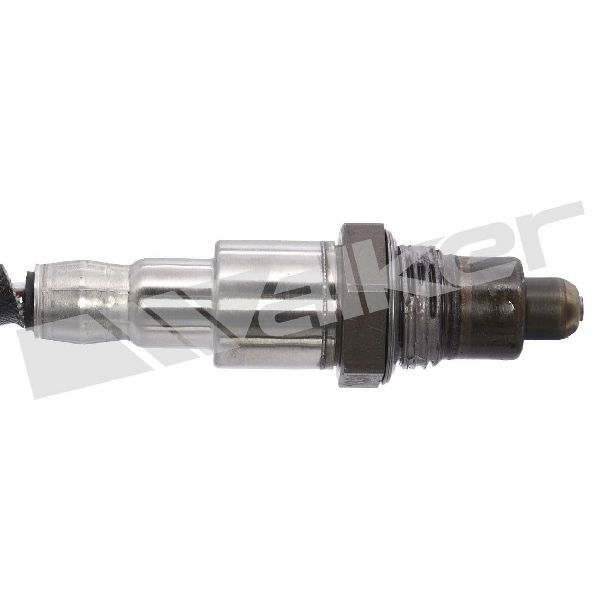
(OEM #LR035750, C2D23703)— This is the component that generates the signal read by the ECM. Due to a documented manufacturing fault (TSB SSM63157), it is the most common point of failure for this code on this vehicle.
Trusted brands: Bosch (OEM supplier), Denso, Walker
OEM price range: $150-$250
Aftermarket price range: $80-$160
Related Codes That Often Appear With This One
- P0142 — Relates to O2 Sensor Circuit (Bank 1, Sensor 3), often appears with other sensor 3 codes as seen in forum discussions and TSBs.
- P0143 — Relates to O2 Sensor Circuit Low Voltage (Bank 1, Sensor 3), indicating an erratic sensor or wiring issue. TSB LTB00671NAS3 lists it alongside P0144.
- P2272 — O2 Sensor Signal Stuck Lean (Bank 1 Sensor 3). This code is listed in the same TSB (SSM72448) and points to the same family of sensor faults.
- P0164 — This is the equivalent code (O2 Sensor Circuit High Voltage) for Bank 2, Sensor 3. A user on LandyZone reported getting P0144 and P0164 simultaneously, suggesting a common issue affecting both rear sensors.
Technical Service Bulletins (TSBs) & Recalls
- SSM72448: Notes that diagnosis often finds no fault with wiring for a list of O2 codes including P0144.
- LTB00671NAS3: Mentions P0144 may be stored and related to post-catalyst heated oxygen sensors, potentially caused by a software error requiring an ECM update.
- LTB00671NAS2: An earlier version of the above TSB with similar information.
- SSM63157: Explicitly states a manufacturing fault within the sensor as a cause for P0144 and other related codes, advising to use parts made after June 2013.
Platform-Specific Known Issues
- TSB SSM63157: Land Rover identified a manufacturing fault at the supplier causing a "misalignment within the sensor leading to side load on the ceramic internal to the sensor." This directly causes premature failure. The bulletin advises using sensors with a date code of 1st June 2013 or later.
- TSB LTB00671NAS3 / LTB00671NAS2: These bulletins note that the Malfunction Indicator Lamp (MIL) may illuminate with P0144 and other related O2 sensor codes. The cause may be a software error, requiring an ECM software update, sometimes in addition to sensor replacement.
- TSB SSM72448: This bulletin suggests that after finding O2 sensor codes like P0144, diagnosis often reveals no fault with the wiring harness or connectors, further pointing towards the sensor itself as the primary failure point.
- Sensor Location: On V-engines (V6 and V8), Bank 1 is the passenger side (in North America). Sensor 3 is the rearmost sensor, located after the final catalytic converter.
Mechanic-Grade Diagnostic Values
- Downstream O2 Sensor (B1S3) Signal Voltage — expected: A healthy downstream sensor should show a relatively stable voltage that cycles slowly between approximately 0.1V and 0.9V.. Failure: A voltage that is stuck high (consistently above 0.9V or 1.0V) indicates a fault.
- O2 Sensor Reference Voltage (at connector, KOEO) — expected: Some Land Rover systems supply a 5V reference signal to the sensing circuit.. Failure: Absence of this reference voltage would indicate a wiring or ECM issue, not a sensor failure.
Scan Tool Commands That Help
- JLR SDD (Symptom Driven Diagnostics): Read Diagnostic Trouble Codes (DTCs) & View Live Data — Used for models up to ~2016. This is the primary tool to confirm the P0144 code, check for related faults, and monitor the live voltage from Bank 1 Sensor 3 to see if it's stuck high.
- JLR SDD / Pathfinder: Configure existing module / Update ECU — If TSBs indicate a software update is needed to resolve the fault (as in LTB00671NAS3), this function is used to reflash the Powertrain Control Module (PCM) with the latest software after the sensor has been replaced.
Wiring & Ground Locations
- Engine to Chassis Ground Strap — Commonly located from a starter motor mounting bolt to the frame rail. Another key ground is from the battery negative terminal to the chassis/inner fender.. A poor or corroded main engine ground can cause a variety of electrical issues and erratic sensor readings. While not a direct cause of a high voltage short, ensuring the main grounds are clean and secure is a foundational step in any electrical diagnosis.
- O2 Sensor Connector — The connector for the rearmost O2 sensor (Sensor 3) is typically located above a transmission crossmember or heat shield, requiring removal of underbody panels for access. A YouTube guide for the L405 shows the connector for the rear sensor is often blue.. This is the primary point for testing the circuit. A visual inspection for melted plastic or corrosion is critical. Pinout testing for power, ground, and signal integrity is performed here.
OEM Part Supersession History
LR035748→LR098290, which was then superseded by LR136928.— Standard part evolution for improved reliability or supplier change.
Heads up: Using the latest part number (LR136928) is recommended to ensure the most recent revisions, including fixes for the manufacturing defects mentioned in TSBs, are incorporated.
Helpful Videos

![How to Fix P0144 Engine Code in 3 Minutes [2 DIY Methods / Only $8.55]](https://img.youtube.com/vi/viAFr3gWhLE/mqdefault.jpg)
We Have This Part in Stock

The information in this article is provided for general reference and educational purposes only. Vehicle specifications, procedures, and part compatibility can vary by production date, trim level, and region. Always consult your vehicle's factory service manual and verify part numbers before purchasing or performing repairs. Safety-critical components such as airbags, seat belts, and braking systems should be installed by a qualified professional.
- Land Rover RANGE ROVER:
- 🧭 Diagnostic Flowchart
- 🎬 Helpful Videos
- 🛍️ Shop This Part
- What's Unique About the 2013-2016 Land Rover RANGE ROVER
- Symptoms You May Notice
- Most Likely Causes
- Rare But Worth Checking
- Diagnosis Steps
- Parts You'll Likely Need
- Related Codes That Often Appear With This One
- Technical Service Bulletins (TSBs) & Recalls
- Platform-Specific Known Issues
- Mechanic-Grade Diagnostic Values
- Scan Tool Commands That Help
- Wiring & Ground Locations
- OEM Part Supersession History
- 🎟️ Get 5% Off