

P0147 on 2013-2016 Jaguar XJ: O2 Sensor Heater Circuit Causes and Fixes
P0147 indicates a fault in the heater circuit of the O2 sensor located after the catalytic converter on Bank 1. The most common fix is replacing the Bank 1, Sensor 3 oxygen sensor. Expect to pay between $70-$150 for an aftermarket sensor and $250-$280 for an OEM part.
- P0147 points directly to a problem with the heater circuit for the rearmost oxygen sensor on the passenger side.
- The most likely cause is a failed oxygen sensor, which is a common wear item.
- Before replacing the sensor, perform a quick visual inspection of the wiring for damage and check the associated fuses and relay.
- A known software glitch can trigger this code, so checking for PCM updates with a dealer is a valid diagnostic step if the sensor and wiring are good.
What's Unique About the 2013-2016 Jaguar XJ
On these specific Jaguar models, a P0147 code doesn't always mean the sensor has failed. Jaguar issued Technical Service Bulletin (TSB) #SSM72477 which notes that this code, along with many other O2 sensor codes, can be triggered with "NO FAULT IS FOUND" upon diagnosis. Furthermore, TSB #JTB00392NAS1 explicitly states the cause for a range of O2 sensor codes, including P0147, "may be caused by a post-catalyst heated oxygen sensors (HO2S) software error." This indicates that intermittent electrical issues or software sensitivities in the Engine Control Module (ECM) are significant factors, making a thorough diagnosis and checking for available software updates crucial before replacing parts.
Diagnostic Flowchart
Tap your situation to follow the diagnostic path that matches what you're seeing on this vehicle.
Symptoms You May Notice
- Check Engine Light is illuminated.
- Vehicle may fail an emissions test.
- Slight decrease in fuel economy (often not noticeable by the driver).
- Replacing the wrong oxygen sensor (e.g., an upstream sensor or the correct sensor on the wrong bank). A forum member with a 5.0L Supercharged engine confirmed Bank 1, Sensor 3 was the post-catalyst sensor on the passenger side.
- Replacing the PCM/ECM before thoroughly testing the sensor, wiring, and fuses, and checking for software updates as per TSB JTB00392NAS1.
Most Likely Causes
- Failed Oxygen Sensor 🔴 High Probability → Shop Oxygen Sensor The internal heater element within the O2 sensor is a common failure point over time due to constant heat cycles. The original Bosch sensors on some Jaguar models were noted for premature failure rates.
How to confirm: Disconnect the sensor and measure the resistance across the two heater circuit pins (usually the two wires of the same color). An open circuit (infinite resistance) or a reading far outside the typical 2-10 ohm range indicates a failed heater. A forum user with a similar model noted a good sensor should have around 12 ohms, while their faulty one read 0 ohms.
Typical fix: Replace the Bank 1, Sensor 3 oxygen sensor.
Est. part cost: $70 - $280 - Damaged Wiring or Connector 🟡 Medium Probability The wiring harness runs underneath the vehicle and is exposed to heat, moisture, and road debris, which can cause corrosion in the connector or breaks in the wires. Forum discussions mention checking for corrosion on main harness connectors, like the Papa Indy 61 connector located behind the right headlight, as a potential source of O2 sensor issues.
How to confirm: Visually inspect the wiring harness leading to the sensor for any signs of melting, chafing, or corrosion. Check for stable voltage (typically 12V) and ground at the connector with the ignition on. A user on a forum fixed a similar issue by finding a broken wire near the computer plug.
Typical fix: Repair the damaged section of the wiring harness or clean/replace the connector. Applying dielectric grease to connectors can help prevent future corrosion.
Est. part cost: $10 - $50 - Blown Fuse or Faulty Relay ⚪ Low Probability
How to confirm: Locate the fuse for the O2 sensor heater circuit in the vehicle's fuse box and check for continuity. On similar Jaguar models, owners have identified specific fuses in the engine compartment power distribution box (e.g., Fuses 33 & 34, 30A) and an associated HO2 relay (Relay 12) that supply power to the heaters. If the fuse is blown, it indicates a short circuit that must be found.
Typical fix: Replace the blown fuse after diagnosing the underlying short circuit. If the fuse is good, consider swapping the HO2 relay with a known good one.
Est. part cost: $1 - $5
Rare But Worth Checking
- Powertrain Control Module (PCM/ECM) Issue: → Shop Engine Control Module (ECM) As mentioned in Jaguar TSBs (SSM72477, JTB-00392), a software glitch or internal fault in the PCM can trigger this code. TSB JTB00392NAS1 specifically identifies a "software error" as a potential cause. This should only be considered after all other possibilities have been ruled out.
- Exhaust Leak: A significant exhaust leak near the sensor can alter its readings or damage the wiring, potentially triggering a heater circuit code.
Diagnosis Steps
- Read the code with an OBD-II scanner and confirm P0147 is present. 🎬 Watch: A quick guide to fixing the P0147 heater circuit code.
- Visually inspect the Bank 1, Sensor 3 (passenger side, rearmost) oxygen sensor wiring and connector for any signs of damage, melting, or corrosion.
- Check the fuse associated with the O2 sensor heater circuit (e.g., 30A fuses in the front power distribution box on similar models). Replace if blown, and investigate the cause of the overcurrent.
- If the wiring and fuse are okay, disconnect the sensor. Use a multimeter to test the resistance of the heater circuit within the sensor itself. A reading of infinite resistance (open) or close to zero (short) confirms a bad sensor. A healthy sensor should read between 2-15 ohms.
- With the sensor still disconnected and the ignition on (engine off), check for battery voltage and a good ground signal at the vehicle's harness connector pins leading to the heater circuit. Lack of voltage could point to a faulty relay or wiring issue upstream.
- If voltage/ground is missing, trace the wiring back to the PCM to find the break or short. Pay attention to common chafe points and connectors.
- If the sensor and wiring test good, the issue may be intermittent or related to the PCM. Check with a Jaguar dealership for any applicable software updates as suggested by TSB JTB00392NAS1. Clearing the code and monitoring if it returns is a valid final step before considering PCM replacement.
Parts You'll Likely Need
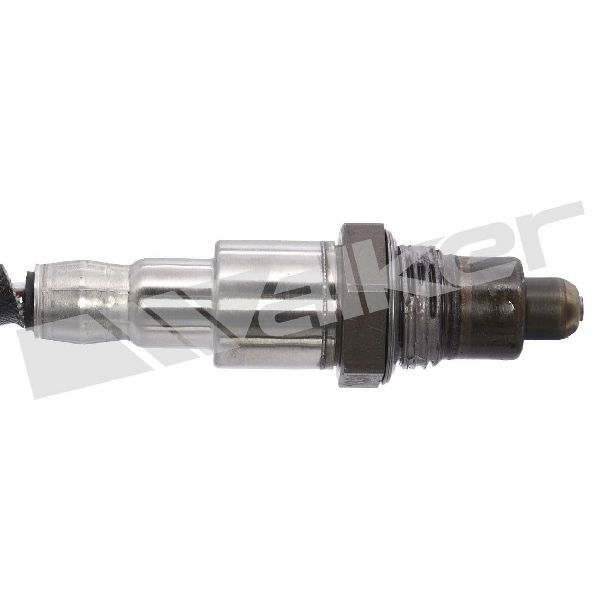
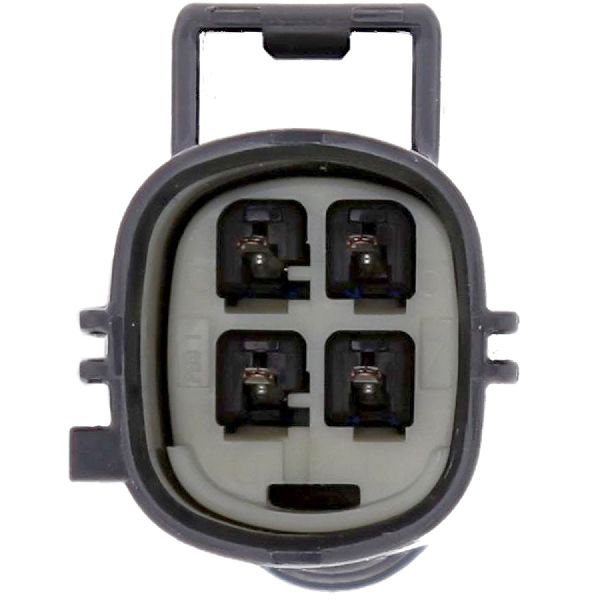
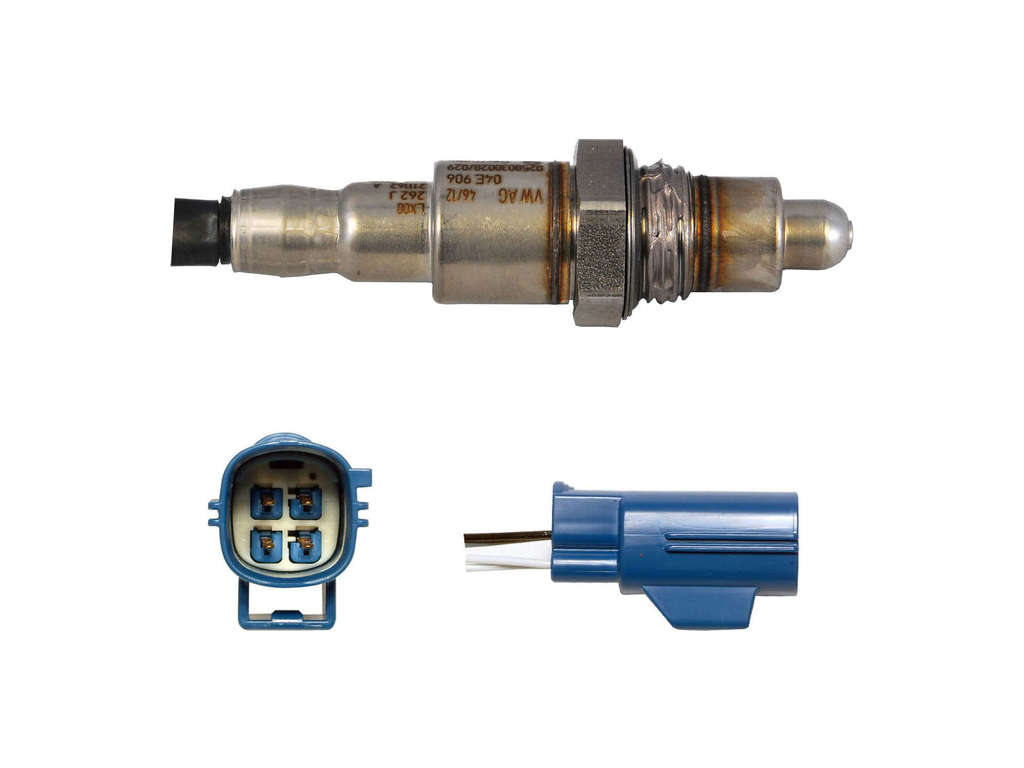
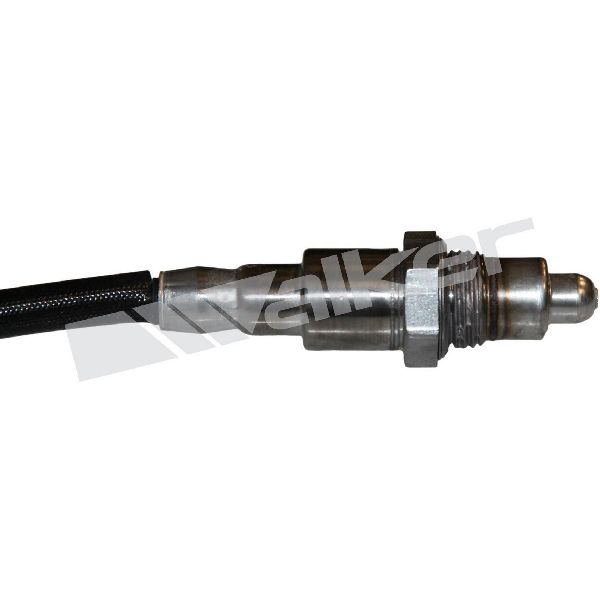
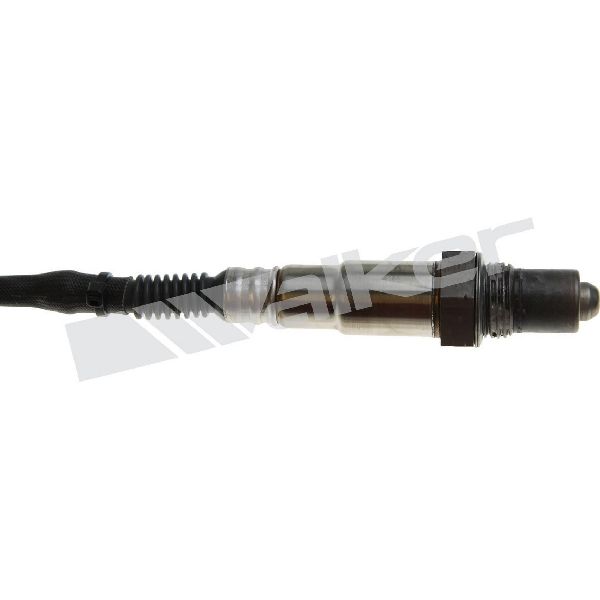
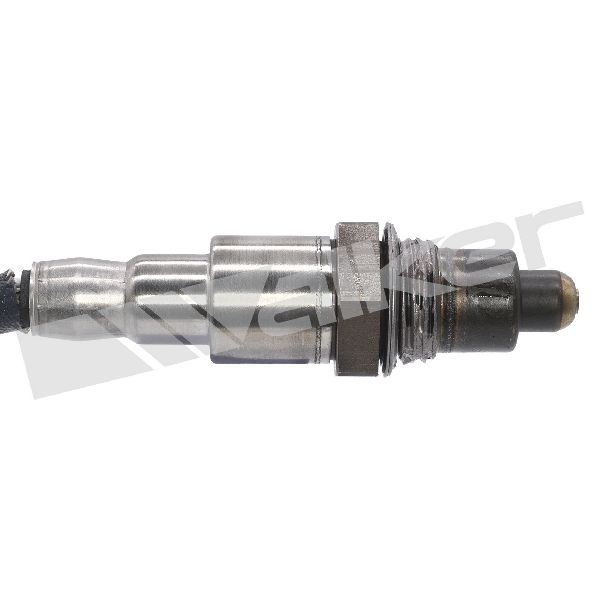
- Downstream Oxygen Sensor (Bank 1, Sensor 3)
(OEM #C2D23702)— The internal heater element is the most common failure point that triggers code P0147.
Trusted brands: Jaguar (OEM), Bosch (OEM supplier, P/N 16032), Denso, Walker Products
OEM price range: $250 - $280
Aftermarket price range: $70 - $150
Related Codes That Often Appear With This One
- P0161 — This is the equivalent heater circuit code (O2 Sensor Heater Circuit Malfunction Bank 2, Sensor 2/3) for the opposite engine bank. The sensors can fail around the same time.
- P0141 — This code relates to the heater circuit of Bank 1, Sensor 2 (the middle sensor). It's often listed in the same TSBs and can indicate a related issue or similar component failure.
- P0138 — This code (O2 Sensor Circuit High Voltage Bank 1, Sensor 2) can appear alongside heater circuit codes if there is a wiring short or sensor failure affecting multiple circuits.
Technical Service Bulletins (TSBs) & Recalls
- SSM72477: Mentions P0147 among a list of O2 sensor codes that may appear with no fault found during diagnosis.
- JTB-00392-NAS-3: Lists P0147 as a code that can be stored in the Powertrain Control Module (PCM).
- JTB00392NAS1: Lists P0147 as a code stored in the Engine Control Module (ECM) and identifies a potential "software error" as the cause.
Platform-Specific Known Issues
- Technical Service Bulletin #SSM72477 indicates that a wide range of oxygen sensor DTCs, including P0147, may be stored in the ECM, but upon diagnosis, 'NO FAULT IS FOUND'. This highlights the possibility of intermittent faults or software issues that can lead to a false code.
- Technical Service Bulletin #JTB00392NAS1 explicitly states that a "software error" can cause code P0147 (and others), recommending a software update as a potential fix before hardware replacement.
- A JaguarForums member replacing a Bank 1, Sensor 3 on a similar 5.0L supercharged model noted it was a 'tight work area' and that having the vehicle raised significantly off the ground was essential for access.
Mechanic-Grade Diagnostic Values
- O2 Sensor Heater Element Resistance — expected: 5 to 15 Ohms. A forum user on a similar model reported a target of around 12 Ohms.. Failure: A reading of infinite resistance (open circuit) or less than 1 Ohm (short circuit) indicates a failed heater element.
- Voltage at O2 Sensor Heater Circuit Connector (Key On) — expected: 10V to 14V (Battery Voltage).. Failure: A reading below 9V or 0V indicates a problem with the power supply, such as a blown fuse, faulty relay, or wiring issue.
- Voltage Drop at Engine Ground Points (while cranking) — expected: Well under 0.5V (500mV).. Failure: A higher voltage reading indicates a poor ground connection, which can cause various electrical issues, including sensor faults.
Scan Tool Commands That Help
- Jaguar SDD (Symptom Driven Diagnostics): Datalogger / Unrelated Events — To monitor live data from the O2 sensors, such as heater current. A user on JaguarForums noted that their faulty sensors were drawing amps instead of milliamps. SDD can also reveal codes stored in 'Unrelated Events' that may not trigger the Check Engine Light but are relevant to the diagnosis.
- Jaguar SDD (Symptom Driven Diagnostics): ECU Re-flash / Software Update — As per TSB JTB00392NAS1, a software error can cause P0147. If the sensor and wiring are confirmed to be good, use SDD to check for and apply any available PCM/ECM software updates before considering module replacement.
Wiring & Ground Locations
- Engine Ground Strap — On similar Jaguar models, a primary engine grounding strap is located directly under the starter on the right (passenger) side lower frame of the car, connecting the frame to the transmission/engine block.. A poor engine ground can cause a multitude of electrical issues and incorrect sensor readings. The ECU/PCM and its sensors rely on a solid ground connection for accurate operation. Cleaning this connection point is a key step in resolving electrical gremlins.
- Papa Indy 61 (PI61) Connector — On similar S-Type models, this major harness connector is located behind the right headlight, below the washer fluid fill cap.. This connector is a known point of corrosion on some Jaguar models. Pin 12 (White/Green wire) was specifically cited in a forum post as being related to O2 sensor circuits, and corrosion here can interrupt signals.
- Engine Junction Box — Located in the right rear of the engine compartment on the 2014 XJ.. This box contains fuses and relays that supply power to engine components, including the O2 sensor heater circuits. The fuse for the heaters (e.g., Fuse 14, 10A on a similar S-Type) is located here.
Real Owner Repair Stories
- Jaguar Forums user 'Simon99' (2006 Jaguar S-Type 3.0L V6) — Check Engine Light with a code for O2 Sensor 2 Bank 2 Heater Control.
❌ Tried (didn't work) Initial diagnosis of the sensor.
✅ What actually fixed it The user tested the resistance of the faulty downstream sensor and found it read 0 ohms. A known good sensor should be around 12 ohms. The fix was to replace the faulty oxygen sensor. The user also noted being advised to check the Papa Indy 61 connector for corrosion as a potential related issue.
OEM Part Supersession History
C2D23702→C2D54166, T2H48050— Standard part evolution and updates by the manufacturer.
Heads up: An eBay listing shows C2D23702 is superseded by C2D54166. Another listing shows T2H48050 superseding C2D23702. It is critical to verify the correct, latest part number with a dealer using the vehicle's VIN, as aftermarket parts may not always be up-to-date with the latest revisions.
Helpful Videos

We Have This Part in Stock

The information in this article is provided for general reference and educational purposes only. Vehicle specifications, procedures, and part compatibility can vary by production date, trim level, and region. Always consult your vehicle's factory service manual and verify part numbers before purchasing or performing repairs. Safety-critical components such as airbags, seat belts, and braking systems should be installed by a qualified professional.
- Jaguar XJ:
- 🧭 Diagnostic Flowchart
- 🎬 Helpful Videos
- 🛍️ Shop This Part
- What's Unique About the 2013-2016 Jaguar XJ
- Symptoms You May Notice
- Most Likely Causes
- Rare But Worth Checking
- Diagnosis Steps
- Parts You'll Likely Need
- Related Codes That Often Appear With This One
- Technical Service Bulletins (TSBs) & Recalls
- Platform-Specific Known Issues
- Mechanic-Grade Diagnostic Values
- Scan Tool Commands That Help
- Wiring & Ground Locations
- Real Owner Repair Stories
- OEM Part Supersession History
- 🎟️ Get 5% Off