

P0149 on 2011-2019 Ford Explorer 3.5L EcoBoost: Fuel Timing Error Causes and Fixes
On a 3.5L EcoBoost Explorer, code P0149 almost always points to a failing High-Pressure Fuel Pump (HPFP). This is a common issue for this engine. The PCM infers a timing error when the fuel pressure doesn't build as quickly as commanded. Expect to pay $400-$800 for an OEM part, with professional installation highly recommended due to the complexity and location under the intake manifold.
- P0149 on a 2011-2019 Explorer with the 3.5L EcoBoost engine is a specific code for a 'Fuel Timing Error'.
- The overwhelming cause for this code is a mechanical failure of the High-Pressure Fuel Pump (HPFP).
- This is a serious issue that can cause stalling and is not recommended for DIY repair due to its complexity and the risk of high-pressure fuel leaks.
What's Unique About the 2011-2019 Ford Explorer
The 3.5L EcoBoost V6 engine uses a gasoline direct injection (GDI) system, which requires a special, mechanically driven High-Pressure Fuel Pump (HPFP). This pump is driven by a dedicated lobe on one of the engine's camshafts. This specific component is a well-documented weak point on this platform and is the most common reason for a P0149 code. The failure is almost always mechanical, relating to the pump itself rather than an electronic sensor. A known failure mode involves the internal seals of the pump failing, which can sometimes lead to fuel contaminating the engine oil.
Symptoms You May Notice
- Engine stalling, sometimes without warning
- Rough or unstable idle
- Significant loss of engine power
- Hesitation or stumbling during acceleration
- Difficulty starting the engine, or extended cranking time
- Illuminated Check Engine Light
- Increased fuel consumption
- Replacing the in-tank low-pressure fuel pump. The P0149 code specifically relates to the timing and pressure generation of the high-pressure system, which is a separate component located on the engine. While a failing low-pressure pump can cause issues, it's not the primary cause for P0149 alone.
Most Likely Causes
- Failing High-Pressure Fuel Pump (HPFP) 🔴 High Probability → Shop Fuel Pump The HPFP on the 3.5L EcoBoost engine is a widely documented weak point across multiple Ford platforms that use this engine, including the F-150, Taurus SHO, and Flex. Failures are common and can sometimes be repetitive.
How to confirm: Use a diagnostic scan tool to monitor 'Commanded Fuel Rail Pressure' (FRP_COMMAND) vs. 'Actual Fuel Rail Pressure' (FRP). At idle, the values should be nearly identical. During a brief, moderate acceleration, if the actual pressure significantly lags, drops, or is erratic compared to the commanded pressure, the HPFP is failing. A physical sign of failure can be a compressed internal spring visible on the pump.
Typical fix: Replacement of the High-Pressure Fuel Pump. It is also critical to replace the one-time-use high-pressure fuel line that connects the pump to the fuel rail. Replacing the intake manifold gaskets is required as part of the job.
Est. part cost: $200-$800 - Worn Camshaft Lobe ⚪ Low Probability The HPFP is driven by a dedicated lobe on the camshaft. While less common than pump failure, this lobe can wear down, preventing the pump from stroking correctly. This is more likely if the engine has suffered from poor lubrication or high mileage.
How to confirm: Visual inspection of the camshaft lobe is required after removing the HPFP. Look for scoring, discoloration, or a worn-down profile. This would likely be accompanied by other timing-related codes.
Typical fix: This is a major repair requiring camshaft replacement, along with timing components.
Est. part cost: $500-$1500
Rare But Worth Checking
- Faulty Fuel Rail Pressure Sensor: → Shop Fuel Pressure Sensor The sensor that reads the fuel pressure can fail and send incorrect data to the PCM, tricking it into setting a P0149 code. This is less common than outright pump failure but is worth considering if pressure readings are nonsensical or do not change with engine RPM.
- Wiring or Connector Issue: Damaged wiring or a corroded connector at the HPFP or fuel rail pressure sensor can cause intermittent signals and lead to a fuel timing error code.
- Failing in-tank low-pressure fuel pump: → Shop Fuel Pump The HPFP can be starved of fuel if the low-pressure pump in the fuel tank is weak. This can cause the high-pressure side to perform erratically and trigger a P0149, though it would more commonly be accompanied by a P0087 code.
Diagnosis Steps
- Connect a professional-grade OBD-II scanner to the vehicle.
- Verify P0149 is present and check for any other accompanying codes like P0087 or P00C6. Their presence strongly suggests an HPFP issue.
- Access live data and graph the 'Commanded Fuel Rail Pressure' and 'Actual Fuel Rail Pressure' PIDs.
- At idle, observe if the actual pressure follows the commanded pressure. They should be very close.
- If safe, perform a brief test drive with moderate acceleration. Watch the graph to see if the actual pressure can keep up with the commanded pressure. A significant lag, erratic readings, or a complete inability for the actual pressure to meet the commanded pressure points to a faulty HPFP.
- If the scan tool data is inconclusive, inspect the wiring and connector at the High-Pressure Fuel Pump for any signs of damage, corrosion, or loose connections.
- If the pump is suspected, it must be removed for inspection. This involves removing the intake manifold.
- Once the HPFP is removed, carefully inspect the camshaft lobe that drives it for any signs of wear, scoring, or damage.
- Also inspect the HPFP's camshaft follower (tappet) for wear or damage.
- If the camshaft lobe and follower are in good condition, the High-Pressure Fuel Pump is the defective component and should be replaced.
Parts You'll Likely Need
- High-Pressure Fuel Pump (HPFP)
(OEM #BL3Z-9350-D (supersedes BL3Z-9350-C))— This is the most common failure point on the 3.5L EcoBoost engine that causes the P0149 trouble code.
Trusted brands: Motorcraft, Bosch
OEM price range: $450-$800
Aftermarket price range: $200-$400 - High Pressure Fuel Pipe
(OEM #HL3Z-9J323-C (verify with VIN))— This is a one-time-use, torque-to-yield part that connects the HPFP to the fuel rail. It must be replaced whenever it is removed to prevent dangerous high-pressure fuel leaks.
Trusted brands: Motorcraft
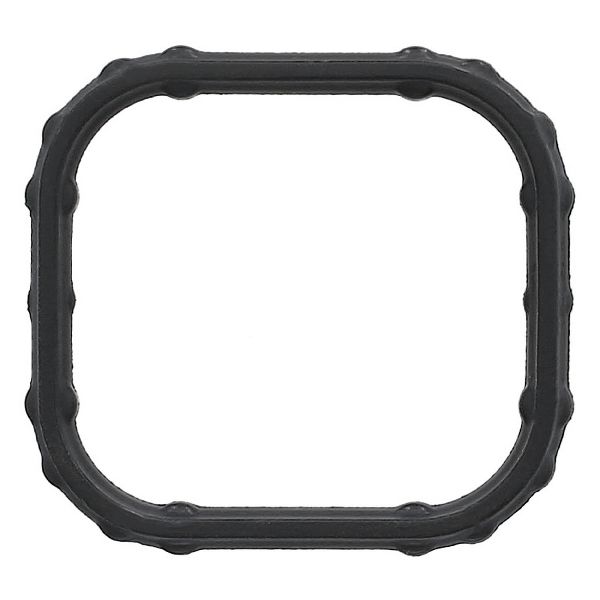
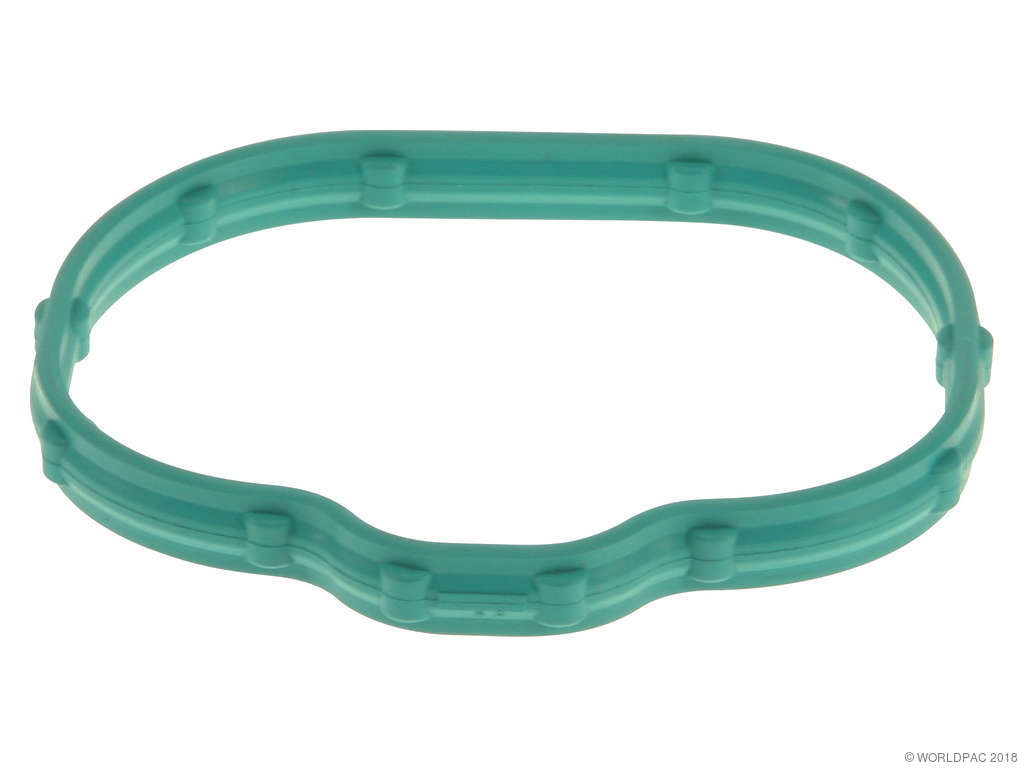
OEM price range: $30-$50 - Intake Manifold Gasket Set — These gaskets must be replaced anytime the intake manifold is removed to access the HPFP.
Trusted brands: Motorcraft, Fel-Pro, Mahle
OEM price range: $40-$70
Aftermarket price range: $20-$40
Related Codes That Often Appear With This One
- P0087 — Stands for 'Fuel Rail/System Pressure - Too Low.' This is a very common companion code because a failing HPFP that has a timing error is often unable to build or maintain the required pressure.
- P00C6 — Stands for 'Fuel Rail Pressure Too Low - Engine Cranking.' This code points specifically to a lack of fuel pressure during startup, which is a primary symptom of a failing HPFP that can also trigger P0149.
- P0300 — Stands for 'Random/Multiple Cylinder Misfire Detected.' A severe fuel delivery timing error can cause poor combustion across all cylinders, leading to a P0300 code.
Technical Service Bulletins (TSBs) & Recalls
- Customer Satisfaction Program 21N08: While not for P0149 specifically, Ford issued this program for some 3.5L EcoBoost vehicles for engine shudder, acknowledging issues with the high-pressure fuel system.
- TSB 19-2315: Issued for some Ford EcoBoost engines experiencing rough idle or stalling, instructing dealers to replace the HPFP. This supports the HPFP being a known weak point that can cause symptoms related to P0149.
Mechanic-Grade Diagnostic Values
- Low-Pressure Fuel System Pressure (In-tank pump) — expected: 60-80 PSI (typically ~65 PSI) with Key On, Engine Off (KOEO) or at idle.. Failure: Pressure consistently below 50-60 PSI indicates a weak in-tank pump or a problem with the Fuel Pump Driver Module (FPDM), which will starve the HPFP.
- High-Pressure Fuel System Pressure (HPFP) at Idle (Warm Engine) — expected: Approximately 200-250 PSI.. Failure: Pressure that does not rise significantly from the low-pressure baseline (~65 PSI) or struggles to meet the commanded pressure points directly to a failed HPFP.
- High-Pressure Fuel System Pressure (HPFP) Under Load — expected: Up to 2,150 PSI or higher, closely matching the 'Commanded Fuel Rail Pressure' PID on a scan tool.. Failure: Actual pressure that significantly lags, drops, or becomes erratic compared to the commanded pressure during acceleration confirms an HPFP failure.
Hidden / Shadow Codes Worth Checking
- P1564: Stands for 'Injection Pump Control Module Requesting Reduced Fuelling.' This Ford-specific code indicates the pump's internal electronics have detected a fault and commanded a limp mode. Its presence alongside P0149 strongly points to an internal HPFP failure. (see via Professional-grade scan tool (like FORScan or Ford IDS). Often appears with P0149 on diesel models, but relevant logic applies to GDI systems.)
Scan Tool Commands That Help
- Ford IDS / FORScan: Reset Fuel System Adaptations / Clear Fuel Trims — This is a critical step after replacing the High-Pressure Fuel Pump. It clears the old learned fuel trim values from the PCM, allowing it to adapt to the new pump's flow characteristics more quickly and prevent rough running or performance issues after the repair.
- Professional Scan Tool: Cylinder Contribution / Power Balance Test — If a misfire code (P030x) is also present, this test can help determine if the fuel delivery issue is isolated to a single cylinder (suggesting a bad injector) or affects all cylinders (pointing back to the HPFP).
Wiring & Ground Locations
- G101 — Left side of the engine compartment.. This is a primary engine ground. A poor connection here can cause erratic behavior from engine sensors and the PCM, potentially leading to incorrect fuel system calculations.
- G104 / G106 — Right side of the engine compartment, sometimes on the bulkhead.. These grounds serve the Powertrain Control Module (PCM) and other critical engine bay components. High resistance at these points can cause a variety of phantom issues, including fuel system codes.
- G105 — Top right side of the engine.. Another key engine ground point. Ensuring all engine-to-chassis grounds are clean and tight is a crucial first step in diagnosing any electronic control issue.
- Fuel Pump Driver Module (FPDM) — On many Ford platforms, this is located on a frame crossmember, often above the spare tire. On the Explorer, it may be located inside the vehicle near a rear pillar or under the seat.. The FPDM controls the in-tank low-pressure pump. While not the direct cause of P0149, a faulty FPDM or corroded wiring/ground can starve the HPFP, leading to high-side pressure and timing faults.
Real Owner Repair Stories
- YouTube channel 'ZB Auto Repair' (2013 Ford F-150 3.5L EcoBoost (same engine and fuel system)) — P0087 (Low Fuel Pressure), hard to start, rough running.
❌ Tried (didn't work) The owner had replaced the in-tank low-pressure fuel pump multiple times.
✅ What actually fixed it Replacement of the High-Pressure Fuel Pump (HPFP). The technician confirmed the HPFP was receiving a signal from the PCM by unplugging it and noting the pump's clicking sound stopped and resumed when reconnected, proving the pump itself was the mechanical failure.
OEM Part Supersession History
BL3Z-9350-A, BL3Z-9350-B, BL3Z-9350-C→BL3Z-9350-D— Incremental design improvements by Ford/Motorcraft to address the high failure rate of the original pumps.
Heads up: BL3Z-9350-D is the latest, most reliable version and is backward-compatible with earlier models. When replacing, ensure you are getting this revision or a reputable aftermarket equivalent from a brand like Bosch.
Model Year Variations Within This Range
- 2017-2019: Starting in 2017, the second-generation 3.5L EcoBoost was introduced. A major change was the addition of a dual-injection fuel system, which combines both direct injection (DI) and port fuel injection (PFI). While the HPFP and P0149 code are still relevant to the direct injection side, the fuel system is more complex than the 2011-2016 models which were direct-injection only.
Diagnostic Flowchart
Other Known Issues on This Vehicle
Issues unrelated to this code that are worth knowing about as an owner of this generation:
- Internal Water Pump Failure 🔴 High — Commonly occurs between 100,000 - 150,000 miles. Failure can cause coolant to mix with engine oil, leading to catastrophic engine damage. (Ref: No recall, but it is the subject of class-action lawsuits.)
- Power Transfer Unit (PTU) Failure 🔴 High — Can fail under 100,000 miles. The unit is not designed to be easily serviced, leading to fluid breakdown and overheating.
- Timing Chain Stretch / Cam Phaser Rattle 🟠 Medium → Shop Engine Timing Chain — Often presents as a 2-5 second rattle on cold starts, typically after 80,000 miles. If ignored, it can lead to timing correlation codes and engine damage. (Ref: Multiple TSBs exist, including 18-2305 and Customer Satisfaction Program 21N03 for related models.)
- Cracked Exhaust Manifold 🟠 Medium — Can occur due to thermal stress, leading to an exhaust leak, ticking noise, and potentially exhaust fumes in the cabin.
- Electronic Throttle Body Malfunction 🟠 Medium — Common issue on this generation, causing sudden power loss, limp mode, and codes like P2111 or P2112.
- Turbocharger Oil Supply Tube Leak 🔴 High — Less common, but subject to a recall. Improperly brazed tubes can leak oil onto the hot turbocharger, creating a fire risk. (Ref: Recall 16S46 / NHTSA 16V925)
Used vs. New Parts: Buying Guide for This Vehicle
When a used part is the smart pick: For this specific repair, using used parts is strongly discouraged. The primary failure component, the HPFP, has a very high failure rate, and a used part has an unknown history and high probability of premature failure.
What to inspect on the donor part:
- Not applicable due to the high risk associated with used fuel system components for this repair.
OEM-only on this vehicle (don't cheap out):
- High Pressure Fuel Pipe: This is a one-time-use, torque-to-yield part. Re-using an old one or sourcing one from a junkyard is a major safety risk for high-pressure fuel leaks.
- Intake Manifold Gaskets: These are crush gaskets and must be replaced with new ones to prevent vacuum leaks.
Aftermarket brands forum-validated for this vehicle:
- Bosch: Bosch is the original equipment manufacturer (OEM) for many Ford fuel system components, including the HPFP. A Bosch-branded pump is often identical to the Motorcraft part but may be available at a lower cost.
Brands owners have reported issues with on this vehicle:
- Unknown or 'white-box' brands from online marketplaces. Given the critical nature of the HPFP and the labor involved in replacing it, using a low-quality, unverified part is a significant gamble that can lead to repeat failures.
Real Owner Stories
Aggregated from forums and TSBs cited above. Mileages and costs reflect what owners reported in those sources.
2018 Ford F-150 3.5L EcoBoost
Symptoms: The owner reported a high rate of repeat failures, specifically needing a fourth high-pressure fuel pump replacement.
What fixed it: Replacement of the High-Pressure Fuel Pump (HPFP).
Source hint: Ford Truck Enthusiasts Forums (ford-trucks.com) thread titled '3.5 L V6 ECOBOOST high-pressure fuel pump issues'
Ford F-150 3.5L EcoBoost
Symptoms: Sudden loss of power while towing.
What fixed it: Full replacement of the HPFP after the mounting flange physically snapped off.
Source hint: F150Forum.com
Ford F-150 3.5L EcoBoost
Symptoms: Fuel smell in the engine oil.
What fixed it: Addressing a failing seal/o-ring on the high-pressure fuel pump that allowed fuel to leak into the valve cover and crankcase.
Source hint: BobIsTheOilGuy.com thread discussing fuel smell in oil on the 3.5L EcoBoost
Related OBD-II Codes
Frequently Asked Questions
Does TSB 19-2315 apply to my Ford Explorer if it's stalling or idling roughly?
Can I reuse the fuel line when replacing the HPFP on my 3.5L EcoBoost?
Is there a recall for the internal water pump failure on the 2011-2019 Explorer?
My Explorer has a 2-5 second rattle on cold starts; is this related to P0149?
Is there a program for engine shudder on the 3.5L EcoBoost?
Why is my Explorer losing power suddenly and showing a code for the throttle body?
Helpful Videos
Used OEM Parts in Stock
New Aftermarket Parts Available


The information in this article is provided for general reference and educational purposes only. Vehicle specifications, procedures, and part compatibility can vary by production date, trim level, and region. Always consult your vehicle's factory service manual and verify part numbers before purchasing or performing repairs. Safety-critical components such as airbags, seat belts, and braking systems should be installed by a qualified professional.
- Ford Explorer:
- 🧭 Diagnostic Flowchart
- 🎬 Helpful Videos
- 🛍️ Shop This Part
- What's Unique About the 2011-2019 Ford Explorer
- Symptoms You May Notice
- Most Likely Causes
- Rare But Worth Checking
- Diagnosis Steps
- Parts You'll Likely Need
- Related Codes That Often Appear With This One
- Technical Service Bulletins (TSBs) & Recalls
- Mechanic-Grade Diagnostic Values
- Hidden / Shadow Codes Worth Checking
- Scan Tool Commands That Help
- Wiring & Ground Locations
- Real Owner Repair Stories
- OEM Part Supersession History
- Model Year Variations Within This Range
- Other Known Issues on This Vehicle
- Used vs. New Parts: Buying Guide for This Vehicle
- Real Owner Stories
- 2018 Ford F-150 3.5L EcoBoost
- Ford F-150 3.5L EcoBoost
- Ford F-150 3.5L EcoBoost
- Related OBD-II Codes
- Frequently Asked Questions
- 🎟️ Get 5% Off