

P0149 on 2017-2019 Mazda CX-5 2.2L Diesel: Fuel Timing Error Causes and Fixes
On the Mazda CX-5 2.2L Skyactiv-D, code P0149 typically points to a problem with the high-pressure fuel system. The most likely culprits are a failing high-pressure fuel pump or its suction control valve (SCV). This is a serious issue that requires professional diagnosis and is not DIY-friendly due to the extreme pressures and specialized tools required.
- P0149 on your CX-5 diesel is a serious code that points to a fuel delivery problem, not a simple sensor fault.
- The most likely cause is a failure of the high-pressure fuel pump or its suction control valve (SCV).
- Do not ignore this code. Driving can cause further, more expensive damage to the fuel system.
- Check your engine oil. If the level is high and smells like fuel, you have an oil dilution problem that needs to be addressed, as it can damage the timing chain and engine.
- This is not a DIY repair. Take your vehicle to a qualified mechanic with experience in modern diesel engines.
What's Unique About the 2017-2019 Mazda CX-5
The Mazda Skyactiv-D 2.2L engine has several well-documented issues that can lead to code P0149. Unlike a simple sensor failure, this code often points to deeper mechanical problems. The engine is known for issues with oil dilution from incomplete DPF regeneration cycles, which can cause premature timing chain stretch. While this is a mechanical timing issue, it can affect the high-pressure fuel pump which is driven by the engine. More directly, the Denso high-pressure fuel pump (HPFP) and its suction control valve (SCV) are known failure points on these engines, leading to the exact pressure control problems that trigger a P0149 code. Leaking injector seals are another known issue that can cause carbon buildup, contaminating the oil and potentially leading to oil starvation of critical components like the timing chain and fuel pump.
Symptoms You May Notice
- Check Engine Light is on
- Reduced engine power and poor acceleration, possibly entering 'limp mode'
- Engine running rough, especially at idle
- Engine stalling or being difficult to start
- Increased engine noise or 'diesel knock'
- Noticeable decrease in fuel economy
- Excessive black or white smoke from the exhaust
- Replacing fuel injectors first. A failing high-pressure pump can send metal debris into the fuel system, destroying the new injectors. The pump and fuel quality should be checked first.
- Replacing the fuel rail pressure sensor without testing. While it's a possible cause, the sensor is far more reliable than the mechanical pump and SCV. It should be properly diagnosed before replacement.
- Ignoring underlying causes. Replacing a stretched timing chain or failed HPFP without addressing the root cause (e.g., DPF issues, oil dilution, leaking injector seals) will likely lead to a repeat failure.
Most Likely Causes
- Failing High-Pressure Fuel Pump (HPFP) or Suction Control Valve (SCV) 🔴 High Probability → Shop Fuel Pump The Denso HP3 high-pressure fuel system used on the Skyactiv-D engine has a known history of SCV and pump failures. The SCV, which regulates fuel entering the pump, can stick or fail electronically, leading to erratic pressure control that the PCM interprets as a timing error. These SCVs are a frequent point of failure across many vehicles that use this Denso pump series.
How to confirm: A technician will use a diagnostic scan tool to monitor commanded vs. actual fuel rail pressure. A significant deviation points to a pressure generation issue. Inspecting the old fuel filter and the SCV inlet screen for fine metal shavings (glitter) can confirm a failing pump that is disintegrating internally.
Typical fix: Replacement of the Suction Control Valve (SCV) is a common first step if no metal debris is found. If metal debris is present, the entire high-pressure fuel pump must be replaced. In severe cases, the fuel rail, lines, and injectors must also be replaced or professionally cleaned to prevent the metal fragments from destroying the new pump and injectors.
Est. part cost: $150-$300 for an SCV, $800-$2000+ for a high-pressure fuel pump. - Stretched Timing Chain 🟡 Medium Probability → Shop Engine Timing Chain The Skyactiv-D 2.2L engine is known for premature timing chain stretch, often exacerbated by engine oil dilution from incomplete DPF regeneration cycles or carbon buildup from leaking injector seals. Since the high-pressure fuel pump is mechanically driven by the engine's timing assembly, a stretched chain can alter its timing relative to the crank and cams, directly causing a fuel timing error.
How to confirm: Diagnosis requires checking for related timing codes (like P0016). A physical inspection to measure chain slack by removing the valve cover is the definitive test. A rattling noise on startup that quiets down after a few seconds is also a strong indicator.
Typical fix: This is a major repair involving the replacement of the timing chain, tensioners, and guides. It is critical to also address the root cause of the chain stretch, such as servicing the DPF system, cleaning carbon buildup, and replacing injector seals. 🎬 Watch: How to replace injector seals and O-rings
Est. part cost: $300-$700 for a timing chain kit. 🎬 See this step-by-step timing chain replacement walkthrough
- Clogged or Dirty Fuel Filter 🟡 Medium Probability → Shop Fuel Filter Diesel fuel systems are highly sensitive to contamination. A clogged filter can restrict fuel flow to the high-pressure pump, causing it to starve for fuel and struggle to meet the pressure demanded by the PCM. This can be misinterpreted as a timing or pump fault.
How to confirm: Check the vehicle's service history. If the filter hasn't been replaced per the maintenance schedule (typically every 20,000-40,000 miles), replace it as a first step. Cut open the old filter to inspect for water contamination, algae (from bad fuel), or metallic particles, which would indicate HPFP failure.
Typical fix: Replace the diesel fuel filter.
Est. part cost: $40-$80 - Faulty Fuel Rail Pressure Sensor ⚪ Low Probability → Shop Fuel Pressure Sensor
How to confirm: A technician can test the sensor's voltage output against a known pressure to see if it is reading accurately. This is much less common than a pump or SCV failure, as noted by owners on forums who replaced the sensor without fixing the issue.
Typical fix: Replace the fuel rail pressure sensor.
Est. part cost: $100-$250
Rare But Worth Checking
- Leaking Fuel Injectors or Seals: → Shop Fuel Injector Injector failure is a known issue on this engine. More commonly, the injector seals fail, allowing combustion gases to leak out. This creates hard carbon deposits in the valve cover area and can contaminate the engine oil, leading to a blocked oil pickup strainer and oil starvation. An injector that is internally stuck open or leaking can also cause a drop in rail pressure, potentially triggering this code.
- Powertrain Control Module (PCM) Fault: → Shop Engine Control Module (ECM) In very rare cases, a software glitch or internal failure in the PCM can cause it to misinterpret sensor data and set a false P0149 code. This should only be considered after all mechanical and sensor possibilities have been exhaustively ruled out.
Diagnosis Steps
- Connect a professional OBD-II scanner to confirm the P0149 code and check for any other related codes (e.g., P0087, P0088, P0016, P0401).
- Analyze the live data stream, focusing on 'Commanded Fuel Rail Pressure' vs. 'Actual Fuel Rail Pressure' during idle, snap throttle, and under load. A large, persistent discrepancy is a key indicator of a pump or SCV issue.
- Inspect the engine oil level and condition. A level that is too high and smells strongly of diesel is a classic sign of oil dilution from DPF regeneration issues, pointing towards conditions that cause timing chain wear.
- Check the vehicle's service records for the last diesel fuel filter change. If overdue or unknown, replace it.
- Carefully cut open the old fuel filter and inspect the paper element for shiny metallic particles ('glitter'). The presence of metal confirms the high-pressure fuel pump is failing internally and must be replaced along with a full system flush.
- If no metal is found, further diagnosis of the Suction Control Valve (SCV) is the next logical step. This may involve testing its resistance or performing an automated pump learning procedure with a capable scan tool.
- If mechanical timing codes (P0016) are present or a startup rattle is heard, remove the valve cover to inspect the timing chain for slack.
- Remove the plastic engine cover and inspect around the fuel injectors for hard, black carbon buildup ('coking'), which indicates leaking injector seals.
Parts You'll Likely Need
- High-Pressure Fuel Pump Suction Control Valve (SCV)
(OEM #Denso DCRS301700 (kit), Valve: 294200-2760)— This is the most common failure point for pressure-related issues on the Denso HP3 pump. - High-Pressure Fuel Pump (HPFP)
(OEM #SH01-13-800)— The entire pump must be replaced if it has failed mechanically, often indicated by metal debris in the fuel filter. - Timing Chain Kit
(OEM #SH02-12-201 (Chain), SH01-14-151 (Tensioner))— Required if a P0016 code is present or if significant chain stretch is measured, a known issue on this engine. - Diesel Fuel Filter — Should be replaced as a first step in diagnosis if its age is unknown, as a clogged filter can mimic pump failure.
- Injector Seal Kit — Leaking seals are a root cause of oil contamination that can lead to timing chain stretch. They should be replaced if any 'coking' is found around the injectors.
Related Codes That Often Appear With This One
- P0087 — Stands for 'Fuel Rail/System Pressure - Too Low'. Its presence strongly suggests a problem with fuel delivery, such as a failing high-pressure pump, a clogged filter, or a leaking injector, which are primary causes of P0149.
- P0088 — Stands for 'Fuel Rail/System Pressure - Too High'. This often points directly to a faulty Suction Control Valve (SCV) that is stuck closed, causing the pump to generate excessive pressure.
- P0016 — Stands for 'Crankshaft Position - Camshaft Position Correlation'. If this code is present, it indicates a mechanical timing issue, very likely a stretched timing chain on this engine, which should be investigated as a potential root cause for the fuel timing error.
- P0401 — Stands for 'EGR Flow Insufficient'. This is often caused by heavy carbon buildup in the intake manifold and EGR valve, a common problem on the Skyactiv-D that can contribute to other engine issues.
Technical Service Bulletins (TSBs) & Recalls
- Mazda has issued numerous TSBs and recalls for the Skyactiv-D engine family. While no specific TSB for P0149 was found, several relate to its root causes, such as carbon buildup, injector seal failure, and DPF issues. For example, a recall in some markets addressed improperly tightened fuel injectors which lead to carbon buildup.
Platform-Specific Known Issues
- Oil Dilution and Timing Chain Stretch: The SH-VPTS engine has a well-documented tendency for diesel fuel to contaminate the engine oil during DPF regeneration, particularly with frequent short-trip driving. This degrades the oil's viscosity, leading to accelerated wear and stretching of the timing chain.
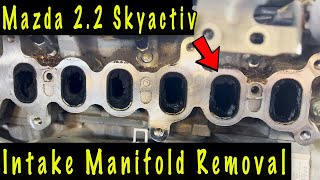
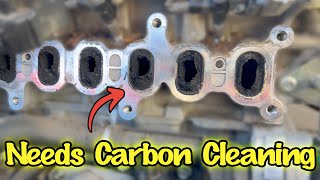
- Carbon Buildup: Like many direct-injection diesels, these engines can suffer from heavy carbon deposits in the intake manifold and on fuel injectors, which can impair performance and contribute to combustion problems.
Mechanic-Grade Diagnostic Values
- Suction Control Valve (SCV) coil resistance — expected: 1.9 - 2.3 Ohms at 20°C (68°F). Failure: A reading significantly outside this range, or an open/short circuit, indicates a faulty SCV coil.
- Fuel Rail Pressure (FRP) sensor connector voltage — expected: Approximately 5V reference voltage with the sensor unplugged and key on, engine off.. Failure: No voltage suggests a wiring or PCM issue. A constant 5V on the signal wire with the sensor connected suggests a short or bad ground.
Scan Tool Commands That Help
- Mazda M-MDS or equivalent (e.g., FORScan): Fuel Supply Pump Learned Value Reset / Pump Learning Procedure — This function must be performed after replacing the high-pressure fuel pump or the suction control valve to calibrate the new component to the PCM. Failure to do so can result in continued poor performance or pressure regulation issues.
- Mazda M-MDS or equivalent (e.g., FORScan): Live Data Monitoring: Commanded vs. Actual Fuel Rail Pressure — This is the primary diagnostic step. Monitor these values during idle, snap throttle, and under load. A large, lagging discrepancy between the commanded and actual pressure points directly to a fault in the high-pressure system's ability to generate or regulate pressure.
Wiring & Ground Locations
- G02 — Under the left (driver's side in LHD) headlight assembly.. A poor ground in the engine bay can cause erratic sensor readings and affect voltage supplied to actuators like the SCV.
- G03 — Located on the left front of the engine compartment.. This is a primary chassis ground point in the engine bay. Corrosion or looseness here can cause a wide range of electrical issues.
- G11 — Lower left center of the dash, behind interior panels.. A poor interior ground can affect the PCM and other control modules, potentially leading to misinterpretation of sensor data.
- HPFP Ground — A ground wire or strap directly connected to the high-pressure fuel pump housing or its mounting bracket.. A specific ground for the pump assembly is critical for the proper function of the integrated electronic components like the Suction Control Valve.
- Transmission Grounds — Multiple ground points are typically located on the transmission housing, connecting the engine/trans assembly to the chassis.. These are major ground paths for the entire powertrain. A loose or corroded ground here can cause intermittent and hard-to-diagnose electrical faults.
OEM Part Supersession History
Denso 294200-2760→Denso 294200-4760— Likely an internal revision for improved reliability or material changes.
Heads up: The two parts are generally listed as interchangeable, but it is always best to use the latest revision (294200-4760) when available. Note that Denso produces both a 'long' and 'short' version of this SCV style for different pumps; ensure the correct physical size is ordered.Mazda SH01-13-800→SH01-13-800D— Internal revision or change in manufacturer.
Heads up: These are generally interchangeable for the specified engine. The suffix indicates a revision.
Model Year Variations Within This Range
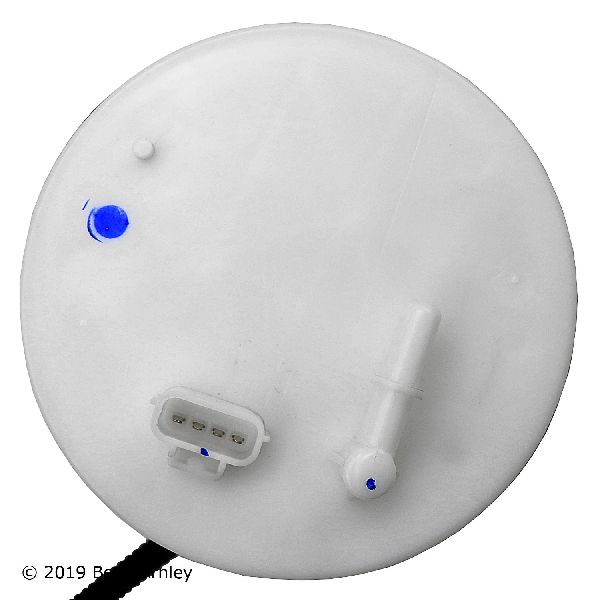
- 2018-2019: A recall (NHTSA 21V-904) was issued for the low-pressure fuel pump located in the fuel tank. This pump can fail and cause low fuel pressure (P0087), engine stalling, and hesitation. While it does not directly cause P0149, it can be misdiagnosed as a high-pressure system fault if the low-pressure side is not tested first.
- 2019: In the US market, the 2.2L Skyactiv-D engine was offered exclusively on the top-tier 'Signature' trim level. This has no mechanical bearing on the repair but is relevant for vehicle identification.
Diagnostic Flowchart
Other Known Issues on This Vehicle
Issues unrelated to this code that are worth knowing about as an owner of this generation:
- Intake System Carbon Buildup 🔴 High — Very common, especially on vehicles used for short trips. Can become severe by 60,000-80,000 miles, causing reduced airflow, EGR faults (P0401), and poor performance. (Ref: No official recall, but widely acknowledged. Some TSBs may address related symptoms.)
- Fuel Injector Seal Failure 🔴 High → Shop Fuel Injector — A well-documented failure point. The seals between the injectors and the cylinder head fail, allowing combustion gases to leak, creating hard carbon deposits that contaminate the oil. (Ref: A recall was issued in some regions to re-torque or replace injector bolts and seals to address this.)
- Premature Timing Chain Stretch 🔴 High → Shop Engine Timing Chain — Occurs more frequently than expected, often linked to oil contamination/dilution from carbon buildup and DPF regeneration cycles. Can lead to catastrophic engine failure if not addressed.
- Engine Oil Dilution 🟠 Medium — Common on vehicles that do not complete Diesel Particulate Filter (DPF) regeneration cycles (i.e., frequent short trips). Excess diesel fuel enters the crankcase, thinning the oil and reducing its lubricating properties.
- Turbocharger Failure 🟠 Medium — Can occur due to oil starvation from a clogged oil pickup (caused by carbon/sludge) or issues with the turbo actuator. (Ref: A TSB was rumored to exist regarding turbo failures post-decarbonization, but this is unconfirmed.)
Used vs. New Parts: Buying Guide for This Vehicle
When a used part is the smart pick: For this repair, using used parts is generally not recommended due to the high-stress nature of the components. A used Suction Control Valve (SCV) could be a low-cost gamble if from a low-mileage, known-good donor, but its remaining lifespan is uncertain. Ancillary components like sensors or wiring harnesses are safer used purchases.
Donor-vehicle mileage cap: roughly under 60000 miles for the part to have meaningful remaining life.
What to inspect on the donor part:
- For a High-Pressure Fuel Pump (HPFP), insist on seeing the fuel filter from the donor car. Any metallic glitter is an absolute no-go.
- Check the donor vehicle's VIN for any open recalls, especially the low-pressure fuel pump recall on 2018-19 models.
- Look for evidence of regular maintenance. Clean oil and a recent service history are positive signs.
OEM-only on this vehicle (don't cheap out):
- High-Pressure Fuel Pump (HPFP): Due to the extreme pressures and precision required, a new OEM (Mazda) or OEM-supplier (Denso) pump is the safest investment to prevent catastrophic failure and metal contamination.
- Timing Chain Kit: Given that chain stretch is a known weakness, using a new, high-quality kit is critical to prevent a repeat failure. OEM is strongly recommended.
- Injector Seals: These are inexpensive, single-use crush washers. Always use new OEM seals when injectors are serviced to prevent combustion leaks.
Aftermarket brands forum-validated for this vehicle:
- Denso: As the original equipment manufacturer for the fuel system, their aftermarket-branded parts (SCV, HPFP, sensors) are a reliable choice.
- FAI Automotive: Mentioned as a supplier of aftermarket timing chain kits for this engine.
Brands owners have reported issues with on this vehicle:
- Unbranded or 'white-box' high-pressure fuel pumps and SCVs from online marketplaces. The risk of premature failure, incorrect calibration, or internal contamination is extremely high and can destroy the entire fuel system.
Real Owner Stories
Aggregated from forums and TSBs cited above. Mileages and costs reflect what owners reported in those sources.
2015 Mazda CX-5 2.2L Skyactiv-D — ~70000 miles
Symptoms: Extreme carbon buildup (80% blockage) in the intake manifold and EGR valve causing various warnings.
What fixed it: Decarbonisation of the intake system and turbo as per TSB guidelines.
Source hint: Mazdas247 forum thread titled '2015 CX-5 decarbonisation turbo TSB'
2014 Mazda CX-5 2.5L (Timing Reference)
Symptoms: A rattling noise on startup and a slack timing chain.
What fixed it: Diagnosis of a slack timing chain, confirming it as a potential failure point for the platform.
Source hint: Mazdas247 forum thread titled '2014 CX5 GT 2.5L timing knock'
2019 Mazda CX-5 2.2L Skyactiv-D
Symptoms: Low fuel pressure code; replaced the high-pressure fuel pump and sensor but the issue persisted.
What fixed it: The source highlights the extreme diagnostic difficulty and suggests the issue may lie deeper in the fuel or timing system control.
Source hint: Reddit r/CX5 thread 'At my wits end with my cx5'
Related OBD-II Codes
Frequently Asked Questions
Is there a recall for the fuel injectors on my 2017-2019 Mazda CX-5 Skyactiv-D?
Why does my CX-5 diesel have a 'diesel knock' and a P0149 code?
How does oil dilution affect the fuel timing on my 2.2L Skyactiv-D?
Should I replace the fuel rail pressure sensor first to fix P0149?
What should I look for in my fuel filter to confirm a pump failure?
Can carbon buildup cause this fuel timing code?
Helpful Videos

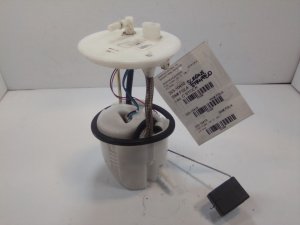
Used OEM Parts in Stock
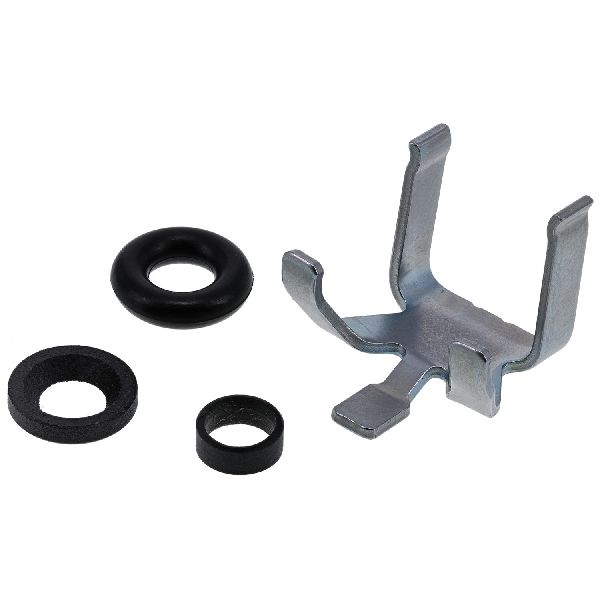
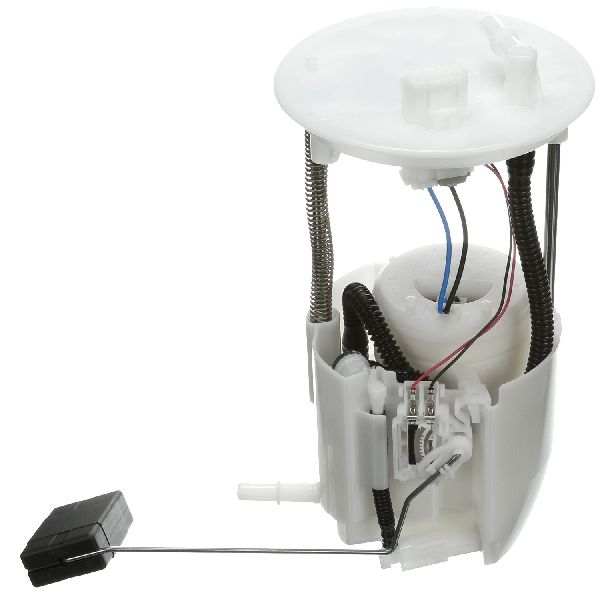
New Aftermarket Parts Available


The information in this article is provided for general reference and educational purposes only. Vehicle specifications, procedures, and part compatibility can vary by production date, trim level, and region. Always consult your vehicle's factory service manual and verify part numbers before purchasing or performing repairs. Safety-critical components such as airbags, seat belts, and braking systems should be installed by a qualified professional.
- Mazda CX-5:
- 🧭 Diagnostic Flowchart
- 🎬 Helpful Videos
- 🛍️ Shop This Part
- What's Unique About the 2017-2019 Mazda CX-5
- Symptoms You May Notice
- Most Likely Causes
- Rare But Worth Checking
- Diagnosis Steps
- Parts You'll Likely Need
- Related Codes That Often Appear With This One
- Technical Service Bulletins (TSBs) & Recalls
- Platform-Specific Known Issues
- Mechanic-Grade Diagnostic Values
- Scan Tool Commands That Help
- Wiring & Ground Locations
- OEM Part Supersession History
- Model Year Variations Within This Range
- Other Known Issues on This Vehicle
- Used vs. New Parts: Buying Guide for This Vehicle
- Real Owner Stories
- 2015 Mazda CX-5 2.2L Skyactiv-D — ~70000 miles
- 2014 Mazda CX-5 2.5L (Timing Reference)
- 2019 Mazda CX-5 2.2L Skyactiv-D
- Related OBD-II Codes
- Frequently Asked Questions
- 🎟️ Get 5% Off