

P0152 on 2021-2024 Jeep Gladiator: O2 Sensor High Voltage Causes & Fixes
P0152 on a Jeep Gladiator with the 3.6L V6 engine indicates a high voltage signal from the upstream oxygen sensor on the driver's side (Bank 2, Sensor 1). This is often caused by a faulty O2 sensor, but wiring issues and, notably for this platform, PCM software glitches are very common. A replacement sensor costs between $50 and $120, but always check for applicable TSBs first.
- P0152 specifically refers to the upstream oxygen sensor on the driver's side (Bank 2, Sensor 1).
- The most common fix is to replace the faulty O2 sensor, but always inspect the wiring for damage first.
- A scan tool that can read live data is essential for confirming if the sensor voltage is truly stuck high.
- On this specific vehicle, if P0152 appears with other electrical codes, the root cause may be a software glitch that a Jeep dealer needs to fix via a TSB.
What's Unique About the 2021-2024 Jeep GLADIATOR
For the 2021-2024 Jeep Gladiator and its platform-mate, the Wrangler JL, the P0152 code is frequently not a simple sensor failure. Jeep has issued multiple Technical Service Bulletins (TSBs) where P0152 appears in a cluster with other electrical and sensor-related codes, indicating the root cause is often a PCM software issue requiring a dealer update. Some experts on owner forums suggest a systemic vehicle-side issue is causing an overvoltage condition that damages the sensor's heater circuit, meaning that simply replacing the sensor without addressing the underlying software or electrical problem may lead to repeat failures. Jeep has also acknowledged O2 sensor issues on 2021 models and issued customer satisfaction notifications for free repairs, which may include a PCM reprogram and sensor replacement.
Diagnostic Flowchart
Tap your situation to follow the diagnostic path that matches what you're seeing on this vehicle.
Symptoms You May Notice
- Check Engine Light is on
- Reduced fuel economy
- Rough idling or engine hesitation, sometimes more noticeable on a cold start
- Engine misfires (may be accompanied by code P0300)
- Strong smell of fuel from the exhaust
- Replacing the O2 sensor without checking for TSBs first. The new sensor may fail again if a software or system-level overvoltage issue exists.
- Replacing the O2 sensor without checking the wiring first. A shorted wire will cause the new sensor to report the same fault.
- Replacing the catalytic converter. P0152 is an upstream sensor code and does not indicate a problem with the converter itself.
Most Likely Causes
- Faulty Bank 2, Sensor 1 Oxygen Sensor 🔴 High Probability → Shop Oxygen Sensor O2 sensors are wear-and-tear items that degrade over time. However, on the Gladiator and Wrangler (JL/JT) platforms, there is evidence that a vehicle-side overvoltage condition can prematurely destroy the sensor's internal heater, causing the failure. Contamination from oil or coolant leaks can also ruin a sensor.
How to confirm: Use an OBD-II scanner to monitor the live data for the B2S1 O2 sensor. A healthy sensor's voltage should fluctuate rapidly between approximately 0.1 and 0.9 volts. If the voltage is stuck high (above 0.9 volts), the sensor is likely 🎬 See a breakdown of common causes and fixes for high voltage. faulty or receiving a bad signal.
Typical fix: Replace the Bank 2, Sensor 1 (driver's side, upstream) oxygen sensor. Accessing it often requires removing the inner fender liner. 🎬 Watch this walkthrough on how to access and replace the sensors.
Est. part cost: $50-$120 - PCM Software Update Needed 🔴 High Probability As documented in multiple TSBs (e.g., #18-071-22 REV. C, #18-049-25 REV. A), Jeep has identified software logic issues that can incorrectly trigger P0152, often along with a host of other O2 sensor and electrical codes. This is a very common root cause for this platform.
How to confirm: This can only be confirmed by a Jeep dealership, which can check your vehicle's VIN against their list of applicable TSBs and Rapid Service Updates (RSUs). If you have other seemingly unrelated electrical codes present with P0152, a software issue is highly likely.
Typical fix: The dealership will re-flash the Powertrain Control Module (PCM) with updated software. This may be covered free of charge under warranty or a customer satisfaction campaign.
Est. part cost: $0-$200 - Wiring or Connector Issue 🟡 Medium Probability The O2 sensor wiring is located near hot exhaust components and the wheel well, making it susceptible to melting, corrosion, or physical damage from road debris or rubbing against the fender liner.
How to confirm: Visually inspect the wiring harness and connector for the B2S1 O2 sensor. Look for any signs of melting, chafing, corrosion, or loose pins. A user on JeepGladiatorForum.com found a wire had rubbed through on the fender liner, causing a similar O2 sensor code. Use a multimeter to check for a short to power on the signal wire.
Typical fix: Repair the damaged section of the wiring harness or clean/replace the connector. Using heat-shrink solder connectors can be an effective repair method.
Est. part cost: $5-$50 - Engine Running Rich ⚪ Low Probability While less common, issues like a leaking fuel injector can force too much fuel into the engine, causing the O2 sensor to correctly report a high voltage (rich condition). The P0152 code is simply the symptom of this other problem.
How to confirm: Check fuel trim data with a scan tool. Consistently high negative fuel trim values indicate the PCM is trying to compensate for a rich condition. You may also have other codes stored, such as for a specific cylinder misfire or a fuel system fault.
Typical fix: Diagnose and repair the underlying cause of the rich condition, such as replacing a leaking fuel injector.
Est. part cost: $100-$400
Rare But Worth Checking
- Exhaust Leak: An exhaust leak before the O2 sensor can allow outside air into the exhaust stream. While this more commonly causes a lean code (low voltage), it can disrupt sensor readings and trigger faults.
- Faulty Powertrain Control Module (PCM): This is very rare, but if all other possibilities, including software updates, have been exhausted, the PCM itself could have an internal hardware fault.
Diagnosis Steps
- Connect an OBD-II scanner and confirm that P0152 is the active code. 🎬 Watch: Understanding the P0152 code and how to diagnose it. Note any other codes present, as they are critical clues on this platform.
- Check for applicable TSBs with a dealer or online service before proceeding. Given the high likelihood of a software issue, this is a crucial first step.
- Observe the live data stream for the 'O2S B2S1' voltage. It should fluctuate rapidly between ~0.1V and ~0.9V. If it is stuck high (e.g., >0.9V), proceed with diagnosis.
- To access the sensor and wiring, you will likely need to remove the driver's side front wheel and inner fender liner.
- Visually inspect the O2 sensor's wiring harness and connector. The sensor is on the driver's side exhaust manifold. Look for any signs of melting, corrosion, or chafing against the frame or liner.
- If wiring looks good, disconnect the sensor and check the signal wire in the harness for voltage with the key on. It should have a low bias voltage (around 0.45V). If it has full battery voltage, you have a short to power that must be repaired.
- If the wiring is confirmed to be good and no TSBs apply, the O2 sensor itself is the most likely culprit.
- Replace the Bank 2, Sensor 1 oxygen sensor. Use a proper 7/8" (22mm) O2 sensor socket. Apply a small amount of anti-seize to the new sensor's threads, avoiding the tip.
- Clear the codes and perform a drive cycle to ensure the check engine light does not return.
- If the code returns, a dealership visit for a PCM re-flash is strongly recommended.
Parts You'll Likely Need
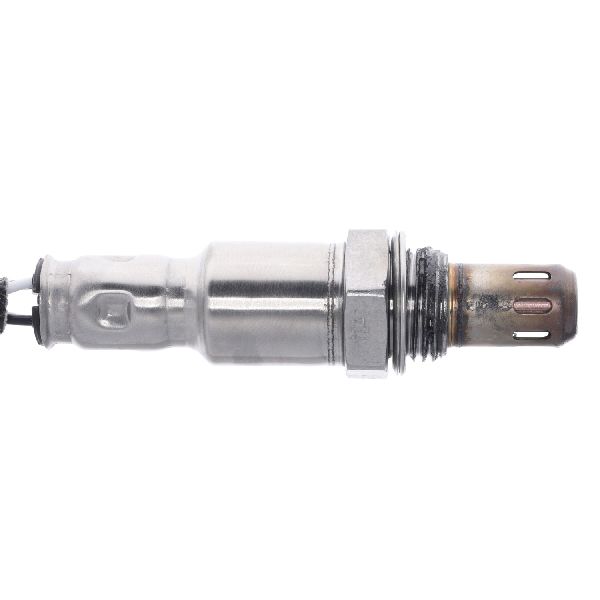
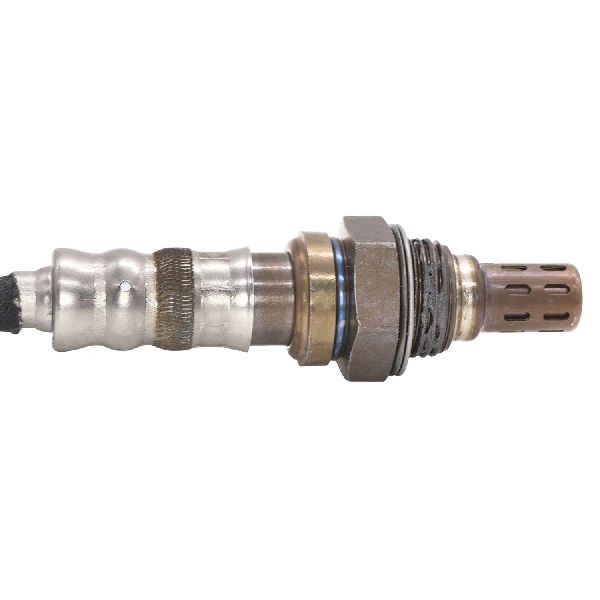
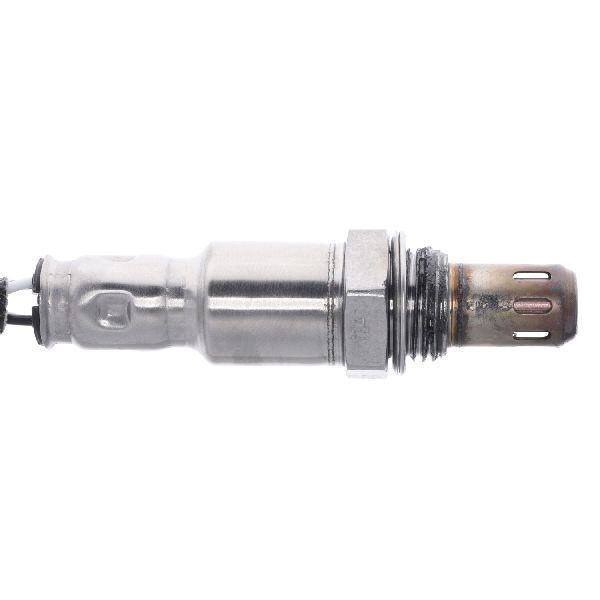
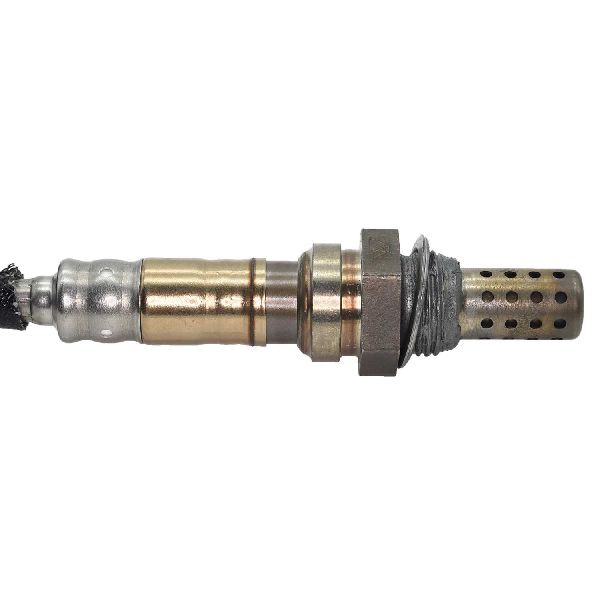
- Upstream Oxygen Sensor (Bank 2, Sensor 1)
(OEM #68224424AA)— This is the sensor that generates the signal causing the P0152 code. It is the most common failure point for this specific fault, though the root cause may be external to the sensor itself.
Trusted brands: Mopar (OEM), NTK / NGK, Denso, Bosch (Note: Some forum users have reported issues with aftermarket Bosch sensors on Jeeps and recommend sticking to Mopar or NTK)
OEM price range: $75-$120
Aftermarket price range: $50-$90
Related Codes That Often Appear With This One
- P0132 — This is the equivalent code for Bank 1, Sensor 1 (passenger side). Seeing both P0132 and P0152 together strongly points towards a systemic issue like a fuel pressure problem or a PCM software glitch, as noted in TSB #18-071-22 REV. C. A user on JeepGladiatorForum.com reported both codes appearing simultaneously.
- P0158 — This code is for 'O2 Sensor Circuit High Voltage (Bank 2, Sensor 2)', which is the downstream sensor on the same bank. TSB #18-049-25 REV. A lists these codes together, suggesting a potential shared electrical issue or software problem affecting the entire bank.
- P1129 — This code, 'Closed Loop Fueling Not Achieved - Bank 2 Upstream', is directly related to the function of the sensor indicated by P0152. TSB #18-044-24 lists them together, indicating the PCM cannot rely on the faulty sensor's signal to properly manage fuel.
- P0300 — A random misfire code. A faulty O2 sensor can cause an improper air/fuel mixture, leading to misfires. TSBs also link O2 sensor faults with misfire codes.
Technical Service Bulletins (TSBs) & Recalls
- 18-049-25 REV. A: Lists P0152 with other sensor high circuit codes (P0158) and fueling codes (P1129), pointing to a software update for a correlation issue.
- 18-071-22 REV. C: Groups P0152 with a large number of other O2 sensor high circuit codes for both banks (P0132, P0138, P0158), strongly suggesting a comprehensive software fix.
- 18-006-26 REV.A: Similar to other TSBs, includes P0152 in a list of codes that may be addressed by a PCM re-flash.
- 18-044-24: Connects P0152 with fueling achievement codes (P1129), indicating a software update may be needed to resolve the fault logic.
Platform-Specific Known Issues
- Multiple Technical Service Bulletins (TSBs) from Jeep, including #18-049-25 REV. A, #18-071-22 REV. C, and #18-006-26 REV.A, list P0152 among a group of DTCs that may be resolved with a PCM software update. This is particularly relevant if you experience this code alongside other seemingly unrelated electrical fault codes.
- A user on the JL Wrangler forums, who appears to be an industry insider, claims that Stellantis has been aware of a systemic overvoltage condition on JL/JT platforms that destroys the O2 sensor heaters, stating it is a vehicle-side issue (PCM or wiring) and not a sensor quality issue.
- Jeep issued a customer satisfaction notification for 2021 Wrangler and Gladiator models for O2 sensor problems, offering a free repair that includes a PCM reprogram and sensor inspection/replacement.
Mechanic-Grade Diagnostic Values
- O2 Sensor Heater Element Resistance — expected: Between 4 and 7 ohms at room temperature is common for a healthy sensor.. Failure: Infinite resistance (open circuit) or a reading significantly outside the expected range indicates a failed heater element.
- O2 Sensor Signal Wire Voltage (KOEO, sensor disconnected) — expected: ~0.45 volts DC (bias voltage from PCM).. Failure: A reading of 0V suggests a short to ground in the harness. A reading near battery voltage (12V) suggests a short to power.
- Upstream O2 Sensor Live Data Voltage (Engine Running) — expected: Rapidly fluctuating between approximately 0.1V (lean) and 0.9V (rich).. Failure: Voltage is stuck high (consistently above 0.9V) or does not fluctuate.
- O2 Sensor Heater Power Supply (KOEO, sensor disconnected) — expected: Approximately 12V (battery voltage).. Failure: No voltage indicates a problem with the power supply, which could be a blown fuse or a wiring issue.
Scan Tool Commands That Help
- wiTECH (or equivalent professional scan tool): O2 Heater Test — This bidirectional command allows a technician to manually activate the O2 sensor's internal heater. While monitoring the sensor's live data, if the voltage does not begin to respond or change as expected after activating the heater, it helps confirm a fault in the heater circuit or the sensor itself without requiring immediate physical access.
Wiring & Ground Locations
- B2S1 Sensor Connector — On the driver's side exhaust manifold, before the catalytic converter. The connector is typically mounted to a bracket nearby.. This is the primary connection point to inspect for corrosion, melting from exhaust heat, or physical damage.
- G905A — A ground point located on the right side of the engine block.. This is a shared ground point for multiple powertrain components, including the O2 sensor heaters. A loose or corroded connection at G905A can cause erratic behavior and fault codes for both upstream O2 sensors.
- PCM Connector C1, Pin 29 — The main Powertrain Control Module, located in the engine bay.. This is the specific pin for the Bank 2 Sensor 1 signal wire (often a Dark Green/Light Blue wire). It can be back-probed here to verify the signal the PCM is receiving, ruling out wiring issues between the sensor and the module.
Real Owner Repair Stories
- JeepGladiatorForum.com user (2020 Jeep Gladiator) — Check Engine Light came on after idling in a drive-thru. Codes P0152 and P0132 were present and stored as 'permanent'.
❌ Tried (didn't work) Clearing the codes with a scan tool (they remained as 'permanent').
✅ What actually fixed it The user had an aftermarket tuner and performance exhaust. The codes were triggered after a long, high-RPM drive followed by a long idle. The implication is that the combination of modifications and specific driving conditions led to the fault, which often points back to the PCM's software calibration struggling to adapt. - JLWRANGLERFORUMS.com user (Wrangler JL Platform) (2021 Jeep Wrangler 3.6L) — Check engine light with multiple O2 sensor codes, including high voltage faults.
❌ Tried (didn't work) Initial replacement of O2 sensors did not resolve the issue.
✅ What actually fixed it The dealership performed a PCM software update according to a Technical Service Bulletin (TSB). The reflash permanently resolved the codes, confirming the root cause was a software glitch, not the sensors themselves.
OEM Part Supersession History
68224424AA→Current as of early 2026— This part number appears to be the stable, current revision for this application.
Heads up: This part number (68224424AA) is used for three of the four O2 sensors on the 3.6L Gladiator/Wrangler. However, it is critical to note that the Bank 2, Sensor 1 position (the one for code P0152) may use a different part number on some configurations due to a longer integrated wire harness. Always verify the correct part number by VIN.
Model Year Variations Within This Range
- 2024+: The 2024 model year introduced a significant interior refresh, including a standard 12.3-inch Uconnect 5 touchscreen. While this changed the infotainment and cabin electronics, the 3.6L Pentastar V6 engine and its associated emissions control system (including the O2 sensors and PCM logic related to P0152) remained fundamentally unchanged from the 2021-2023 models.
Helpful Videos
We Have This Part in Stock

The information in this article is provided for general reference and educational purposes only. Vehicle specifications, procedures, and part compatibility can vary by production date, trim level, and region. Always consult your vehicle's factory service manual and verify part numbers before purchasing or performing repairs. Safety-critical components such as airbags, seat belts, and braking systems should be installed by a qualified professional.
- Jeep GLADIATOR:
- 🧭 Diagnostic Flowchart
- 🎬 Helpful Videos
- 🛍️ Shop This Part
- What's Unique About the 2021-2024 Jeep GLADIATOR
- Symptoms You May Notice
- Most Likely Causes
- Rare But Worth Checking
- Diagnosis Steps
- Parts You'll Likely Need
- Related Codes That Often Appear With This One
- Technical Service Bulletins (TSBs) & Recalls
- Platform-Specific Known Issues
- Mechanic-Grade Diagnostic Values
- Scan Tool Commands That Help
- Wiring & Ground Locations
- Real Owner Repair Stories
- OEM Part Supersession History
- Model Year Variations Within This Range
- 🎟️ Get 5% Off