

P0153 on 2015-2016 Ram ProMaster: O2 Sensor Slow Response Causes and Fixes
This code indicates a slow-responding upstream oxygen sensor on Bank 2 (front cylinder bank). A critical first step is to check for a powertrain software update, as a Technical Service Bulletin (TSB) from Ram addresses this exact code with a software reflash. If the software is current, the most common fix is replacing the Bank 2, Sensor 1 O2 sensor. Always check for exhaust leaks before replacing parts.
- P0153 means the upstream O2 sensor on the front cylinder bank is responding too slowly.
- Before replacing any parts, check with a Ram dealer if your ProMaster needs the software update mentioned in TSB #1813522, as this can be the entire fix.
- If a software update is not needed or doesn't solve the problem, the most likely cause is a failed O2 sensor (Bank 2, Sensor 1).
- Always inspect for exhaust leaks between the engine and the sensor before replacing the sensor itself.
- This is a DIY-friendly repair, with the sensor being relatively accessible on the front of the engine.
What's Unique About the 2015-2016 Ram PROMASTER
For the 2015-2016 Ram ProMaster with the 3.6L Pentastar engine, the P0153 code is specifically mentioned in manufacturer Technical Service Bulletins (TSB #1813522 and the related #18-033-16). These bulletins indicate that the code can be triggered by overly sensitive software logic in the PCM, which may falsely flag a perfectly good sensor as slow. A PCM software update is the official remedy. This makes checking the vehicle's software calibration ID a critical diagnostic step that should be performed before assuming the sensor itself has failed, a common scenario across many vehicles using this engine.
Diagnostic Flowchart
Tap your situation to follow the diagnostic path that matches what you're seeing on this vehicle.
Symptoms You May Notice
- Check Engine Light is on
- Slightly reduced fuel economy
- Possible rough or uneven idle
- Failure to pass an emissions test
- Replacing the O2 sensor without first checking for the available PCM software update. The TSB for this vehicle makes the software check a crucial first step.
- Replacing the wrong sensor (e.g., the downstream Sensor 2, or the Bank 1 sensor on the firewall side).
- Using a cheap, 'universal' aftermarket sensor, which can cause repeat codes or performance issues on Chrysler products. Using an OEM or high-quality NTK/Denso sensor is recommended.
Most Likely Causes
- Powertrain Control Module (PCM) Software Update Needed 🔴 High Probability → Shop Engine Control Module (ECM) Ram issued TSBs (including #1813522 and #18-033-16) that explicitly list P0153 as a code that can be resolved with a software improvement. The PCM's monitoring sensitivity for the sensor response might be too high in the original software, causing it to set the code erroneously.
How to confirm: A Ram dealership or a qualified shop with a factory-level scan tool (like wiTECH) can check your vehicle's VIN and current software calibration ID to see if the update has been applied. If not, they can perform the reflash.
Typical fix: Update the PCM software at a dealership or properly equipped independent shop. This is often a labor charge of 0.5-1.0 hours, with costs reported between $100 and $200.
Est. part cost: $0-$200 - Faulty Bank 2, Sensor 1 Oxygen Sensor 🔴 High Probability → Shop Oxygen Sensor Oxygen sensors are wear-and-tear items that degrade over time from intense heat and exhaust contaminants. They eventually become 'lazy' or slow to respond, which is the direct definition of this code. This is the most common hardware failure after the software issue is ruled out.
How to confirm: Use a scan tool with live data graphing capabilities. Observe the Bank 2, Sensor 1 voltage waveform at a steady 1500 RPM. A healthy sensor will switch rapidly and frequently between approximately 0.1V and 0.9V. A slow sensor will show lazy, rounded-off transitions or a delayed response.
Typical fix: Replace the Bank 2, Sensor 1 (Upstream, Front) oxygen sensor. On the ProMaster, this sensor is located on the exhaust manifold near the radiator and is relatively accessible from the top of the engine bay.
Est. part cost: $45-$130 - Exhaust Leak 🟡 Medium Probability Leaks from a cracked exhaust manifold or a failed gasket before the O2 sensor can allow unmetered outside air into the exhaust stream. This extra oxygen confuses the sensor and can slow its apparent response time as it tries to interpret the skewed readings.
How to confirm: Perform a visual inspection of the front exhaust manifold and flanges for cracks or black soot trails indicating a leak. A common method is to listen for a 'ticking' or 'puffing' sound when the engine is cold. A professional smoke test is the most definitive way to find small leaks.
Typical fix: Repair the leak by replacing the cracked manifold or the faulty gasket. This can sometimes involve extracting broken manifold bolts.
Est. part cost: $20-$400 - Wiring or Connector Issue ⚪ Low Probability The O2 sensor wiring harness is located near hot exhaust components and can be susceptible to melting, chafing, or corrosion over time. The connector pins can also corrode, leading to a poor or intermittent signal.
How to confirm: Visually inspect the wiring and connector for the Bank 2, Sensor 1 O2 sensor. Look for any signs of melting, frayed wires, or green corrosion on the connector pins. Check for continuity and resistance in the signal, heater, and ground wires using a multimeter.
Typical fix: Repair the damaged section of the wiring harness or clean/replace the corroded connector. Applying dielectric grease can help prevent future corrosion.
Est. part cost: $10-$50
Rare But Worth Checking
- Intake Air Leaks: A significant vacuum leak after the Mass Airflow (MAF) sensor can cause the engine to run lean, which can sometimes affect O2 sensor readings, although it would typically set lean codes (like P0171/P0174) as well.
- Fuel System Issues: A problem with fuel pressure or a faulty fuel injector could alter the air-fuel ratio in a way that affects the O2 sensor's readings, but this is uncommon without other accompanying fuel or misfire codes.
Diagnosis Steps
- Scan for Codes: Use an OBD-II scanner to confirm P0153 is the primary code. Note any other codes present, especially P0133 or P0335, as this strengthens the case for a software issue.
- Check for TSBs: This is the most critical step. Contact a Ram dealer or use an online service to check if TSB #1813522 or #18-033-16 applies to your vehicle's VIN and is still open. If so, performing the software update is the most logical first action.
- Inspect for Exhaust Leaks: With the engine cold, start it and listen for any ticking or puffing sounds near the front (radiator side) exhaust manifold. Visually inspect the manifold and flange gaskets for soot trails.
- Inspect Wiring: Visually inspect the O2 sensor's wiring harness and connector for any signs of melting, chafing, or corrosion. The sensor is on the front of the engine, making it easier to see than the Bank 1 sensor.
- Analyze Live Data: Using a scan tool, graph the voltage for 'O2S21' (Bank 2, Sensor 1). At a steady RPM (around 1500), the voltage should switch rapidly between ~0.1V and ~0.9V. If the waveform is slow, lazy, or flat, the sensor is likely faulty.
- Replace the Sensor: If all other checks pass and the software is up to date, the O2 sensor itself is the most likely culprit. Replace the Bank 2, Sensor 1 O2 sensor.
Parts You'll Likely Need
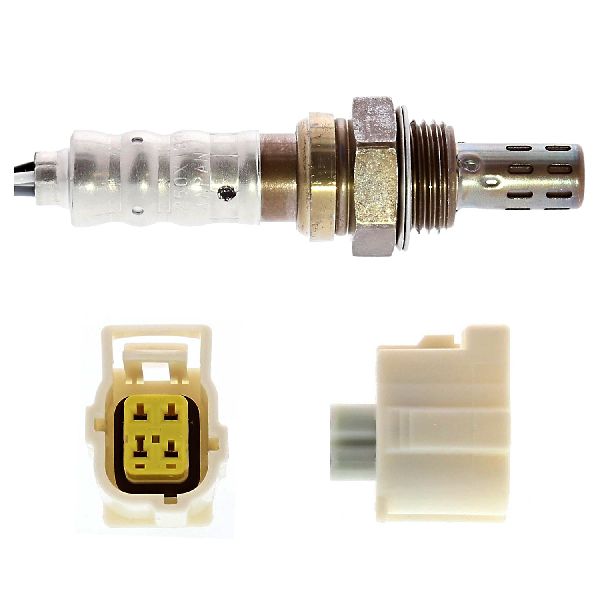
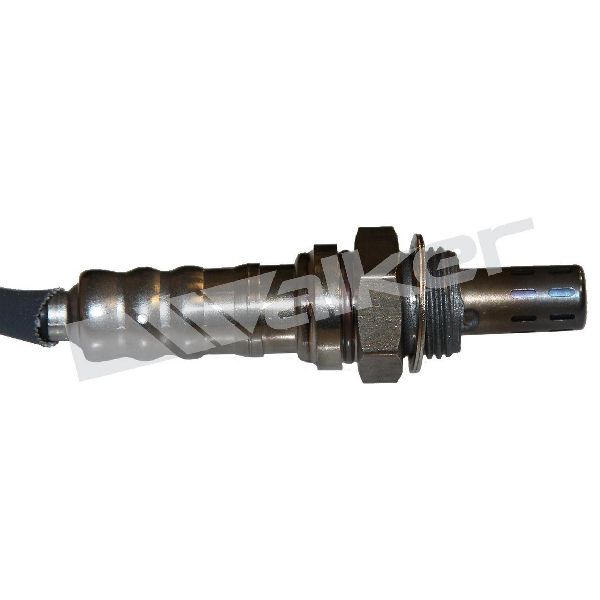
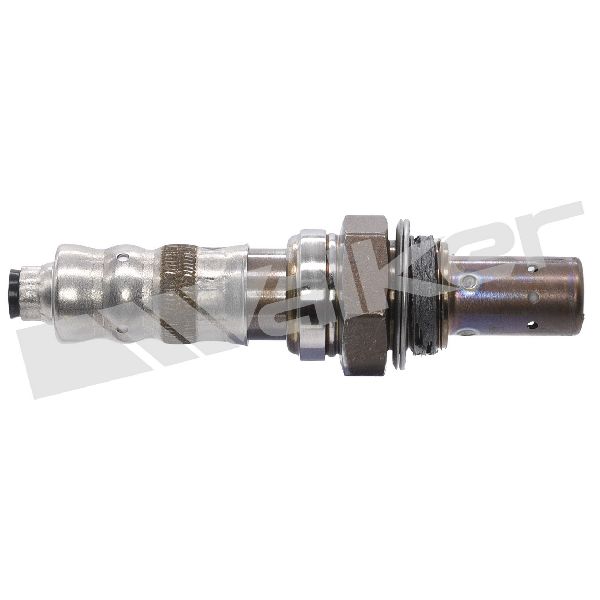
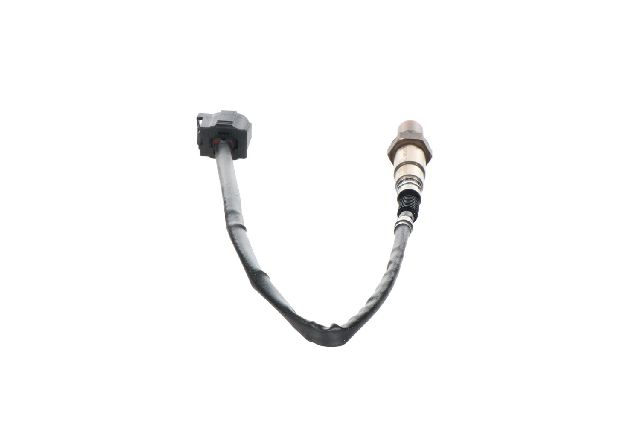
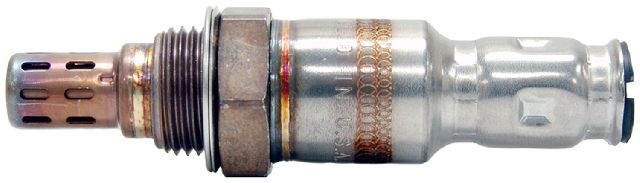
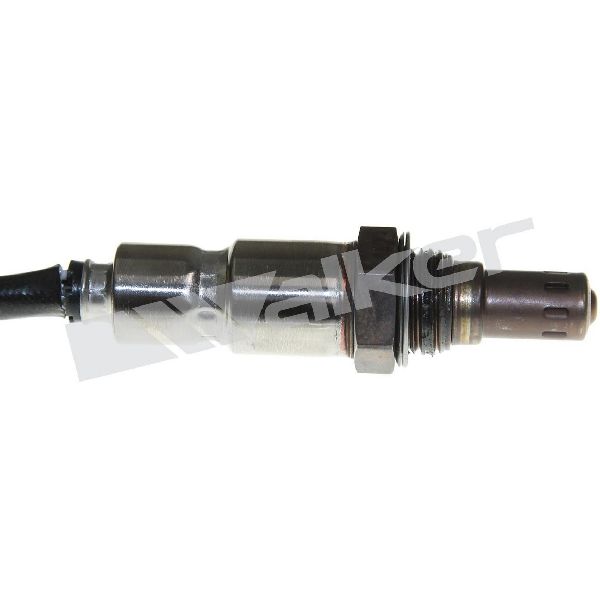
- Upstream Oxygen Sensor (Bank 2, Sensor 1)
(OEM #5149180AB (supersedes 5149180AA))— This is the sensor identified by the code. It is a common wear item and the most frequent hardware failure for P0153 after software and leaks have been ruled out. The original part has been superseded.
Trusted brands: Mopar, NTK (e.g., 23162), Denso (e.g., 234-4545), Bosch
OEM price range: $80-$130
Aftermarket price range: $45-$90
Related Codes That Often Appear With This One
- P0133 — This is the identical 'slow response' code but for Bank 1. Seeing both together strongly points towards a systemic issue like the PCM software problem addressed by the TSB, which covers both codes.
- P0335 — TSB #1813522 specifically mentions P0153 and P0335 (Crankshaft Position Sensor Circuit) together, indicating a PCM software update is available that addresses all of these DTCs simultaneously.
Technical Service Bulletins (TSBs) & Recalls
- 1813522: Addresses DTCs P0133, P0153, and P0335 with a software improvement for the PCM.
- 18-033-16: Also referenced for the 2015-2016 ProMaster, this TSB addresses a PCM software update for erroneous P0133 and P0153 codes.
Platform-Specific Known Issues
- A key issue for this vehicle is the existence of Ram TSBs (#1813522, #18-033-16) which state that a PCM software update can resolve false P0153 codes. This should always be investigated before replacing parts.
- A real-world example from promasterforum.com involved an owner who first replaced the O2 sensor, but the P0153 code returned. The final, successful repair was having a dealership perform the PCM software flash as per the TSB.
Mechanic-Grade Diagnostic Values
- O2 Sensor Heater Circuit Resistance — expected: 4 to 7 Ohms when measured across the two heater pins on the disconnected sensor.. Failure: Infinite resistance (open) or zero resistance (short) indicates a failed heater element.
- Upstream O2 Sensor Live Data Voltage (at 1500-2000 RPM) — expected: Rapidly fluctuating sine wave between ~0.1V (lean) and ~0.9V (rich).. Failure: A lazy, rounded waveform, or a signal that is stuck high or low and does not switch frequently.
- Mode $06, Test ID $01, Component ID $02 — expected: The measured value for O2 sensor switch time should be below the maximum threshold specified by the manufacturer.. Failure: A value that exceeds the maximum limit indicates the PCM's onboard diagnostic has detected the slow response, confirming the fault.
Scan Tool Commands That Help
- wiTECH (or equivalent factory-level scanner): O2 Sensor Response Test — This is a specific system test that directly measures the sensor's switch rate and compares it to the PCM's programmed threshold (typically <100ms). A 'Fail' result on this test is a definitive confirmation of the P0153 fault condition.
- wiTECH (or equivalent factory-level scanner): Forced Rich / Forced Lean — This bidirectional control allows a technician to manually command the engine's fuel mixture rich or lean. While observing live data for the B2S1 sensor, the voltage should snap high (>0.8V) or low (<0.2V) almost instantly. A delayed reaction confirms a slow sensor.
Wiring & Ground Locations
- B2S1 O2 Sensor Connector — On the front of the engine, follow the wire from the upstream O2 sensor in the exhaust manifold to its connector, typically clipped to a bracket near the front valve cover.. This connector is a primary point for inspection. Corrosion on the pins or damage to the connector body can cause high resistance or an intermittent signal, mimicking a failed sensor.
- G105 — A primary engine ground located on the left front of the engine.. A poor connection at this ground point can affect the reference voltage for multiple engine sensors, including the oxygen sensors, leading to erratic readings.
- G304 — Located on the right side of the engine compartment on the frame rail.. This is another critical ground point for the engine harness. Corrosion or a loose connection here can introduce electrical noise and cause sensor data to be misinterpreted by the PCM.
Real Owner Repair Stories
- promasterforum.com user (2016 Ram ProMaster 3.6L) — Check Engine Light with code P0153.
❌ Tried (didn't work) Replacing the Bank 2, Sensor 1 oxygen sensor.
✅ What actually fixed it The owner took the vehicle to a dealership, which performed a PCM software flash according to TSB #18-033-16. The code did not return after the software update.
"I Checked Everything" — The Actual Cause
- A technician reported a case where a smoke test on the exhaust system came back clean, but the P0153 code persisted. The root cause was a hairline crack in the exhaust manifold that only opened up and leaked when the manifold was hot and the metal expanded. The leak was found by spraying soapy water on the manifold during warm-up and watching for bubbles.
OEM Part Supersession History
5149180AA→5149180AB— Standard part revision, likely for improved durability or performance.
Heads up: None noted. The new part number is a direct, backward-compatible replacement.
Model Year Variations Within This Range
- 2015-2016: No significant mechanical differences are noted between the 2015 and 2016 ProMaster models with the 3.6L engine that would affect the diagnosis of P0153. The primary known issue, the PCM software sensitivity addressed by TSB #1813522, applies to both model years.
Helpful Videos
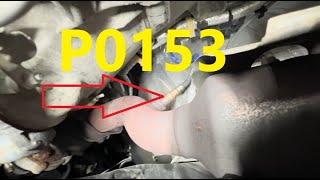

We Have This Part in Stock

The information in this article is provided for general reference and educational purposes only. Vehicle specifications, procedures, and part compatibility can vary by production date, trim level, and region. Always consult your vehicle's factory service manual and verify part numbers before purchasing or performing repairs. Safety-critical components such as airbags, seat belts, and braking systems should be installed by a qualified professional.
- Ram PROMASTER:
- 🧭 Diagnostic Flowchart
- 🎬 Helpful Videos
- 🛍️ Shop This Part
- What's Unique About the 2015-2016 Ram PROMASTER
- Symptoms You May Notice
- Most Likely Causes
- Rare But Worth Checking
- Diagnosis Steps
- Parts You'll Likely Need
- Related Codes That Often Appear With This One
- Technical Service Bulletins (TSBs) & Recalls
- Platform-Specific Known Issues
- Mechanic-Grade Diagnostic Values
- Scan Tool Commands That Help
- Wiring & Ground Locations
- Real Owner Repair Stories
- "I Checked Everything" — The Actual Cause
- OEM Part Supersession History
- Model Year Variations Within This Range
- 🎟️ Get 5% Off