

P0157 on 2013-2016 Jaguar XJ: O2 Sensor Low Voltage Causes and Fixes
P0157 on a 2013-2016 Jaguar XJ most often indicates a faulty downstream oxygen sensor (Bank 2, Sensor 2). However, Jaguar issued technical service bulletins suggesting a PCM software update may be the actual required fix, even if the sensor appears faulty. Always check for available updates before replacing parts, as this is a very common issue for this platform.
- P0157 specifically points to the downstream oxygen sensor on the driver's side exhaust (Bank 2).
- Before replacing any parts, investigate whether your vehicle needs a PCM software update, as specified in Jaguar's Technical Service Bulletins.
- If a hardware replacement is needed, the most likely part is the Bank 2, Sensor 2 oxygen sensor itself.
- While you can drive with this code, it's best to address it promptly to avoid failing an emissions test and prevent potential long-term damage to the catalytic converter.
What's Unique About the 2013-2016 Jaguar XJ
For the 2013-2016 Jaguar XJ (X351 generation), this code is frequently addressed by manufacturer Technical Service Bulletins (TSBs). Bulletins JTB00392NAS1, JTB-00392-NAS-3, and SSM72477 specifically mention that code P0157 (among many other O2 sensor codes) can be stored in the PCM without any actual fault in the sensor or its wiring. The underlying cause in these cases is often a software error that requires a PCM update from a Jaguar dealer. This is a critical platform-specific detail to consider before spending money on new sensors, as many owners have replaced sensors only to have the code return until the software was updated.
Diagnostic Flowchart
Tap your situation to follow the diagnostic path that matches what you're seeing on this vehicle.
Symptoms You May Notice
- Check Engine Light is illuminated.
- Failure to pass an emissions inspection.
- Potentially reduced fuel economy.
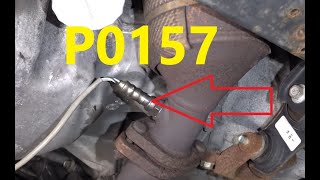
- In some cases, no noticeable symptoms other than the Check Engine Light. 🎬 Watch: A quick overview of P0157 causes and common fixes.
- Vehicle may enter 'Restricted Performance' mode.
- Replacing the oxygen sensor when a PCM software update is what's actually required. This is a common mistake on this platform due to the known TSBs. An owner might spend money on a new sensor, clear the code, and have it return a week later because the underlying software glitch was not addressed.
Most Likely Causes
- Powertrain Control Module (PCM) Software Update Needed 🔴 High Probability → Shop Engine Control Module (ECM) Jaguar has issued multiple TSBs (JTB00392NAS1, JTB-00392-NAS-3, SSM72477) for this year range indicating that O2 sensor codes, including P0157, can be falsely triggered by a software error.
How to confirm: A Jaguar dealership or a specialized independent shop with access to Jaguar's diagnostic software (like SDD or Pathfinder) can check the current software version of your PCM against the latest available version. This is the only definitive way to confirm an update is needed.
Typical fix: Update the PCM software to the latest version. TSB JTB-00392-NAS-3 outlines this exact procedure. The dealer connects the vehicle to their diagnostic system and 'flashes' the new software onto the module.
Est. part cost: $0 (software only) - Faulty Bank 2, Sensor 2 Oxygen Sensor 🔴 High Probability → Shop Oxygen Sensor O2 sensors are wear-and-tear items exposed to extreme heat and exhaust gases, and they have a finite lifespan. They can fail even if the software issue is also present. TSB JTB-00392-NAS-3 notes that if certain codes are present, the sensor should be replaced *before* performing the software update.
How to confirm: Use a diagnostic scanner to monitor the live voltage from the B2S2 sensor. A healthy downstream sensor should show a relatively stable voltage, typically fluctuating gently around 0.45V-0.7V. If the voltage is stuck low (typically <0.1V) and does not respond to changes in engine RPM, the sensor is likely faulty.
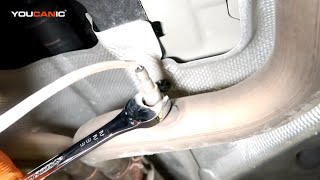
Typical fix: Replace the Bank 2, Sensor 2 oxygen sensor. This is located on the driver's side (LHD) exhaust pipe, after the catalytic converter.
Est. part cost: $60-$150 - Damaged Wiring or Connectors 🟡 Medium Probability The oxygen sensor wiring is located under the vehicle and is exposed to road debris, moisture, and extreme heat from the exhaust, which can cause corrosion or physical damage over time.
How to confirm: Visually inspect the wiring harness and connector for the Bank 2, Sensor 2 O2 sensor. Look for any signs of melting, chafing, corrosion, or broken wires. Use a multimeter to check for continuity and proper voltage at the connector.
Typical fix: Repair the damaged section of the wiring harness or replace the connector.
Est. part cost: $10-$50 - Exhaust Leak ⚪ Low Probability Leaks in the exhaust system upstream of or near the sensor can allow outside oxygen to enter the exhaust stream. This extra oxygen will cause the sensor to read a false lean condition (low voltage).
How to confirm: Listen for unusual hissing or ticking sounds from the exhaust, especially when the engine is cold. A mechanic can perform a smoke test on the exhaust system to pinpoint the location of any leaks.
Typical fix: Repair the exhaust leak by replacing the faulty gasket or section of pipe.
Est. part cost: $50-$300
Rare But Worth Checking
- Faulty Powertrain Control Module (PCM): → Shop Engine Control Module (ECM) This is very rare. Before condemning the PCM, all other possibilities, especially the sensor, wiring, and required software updates, must be thoroughly ruled out.
- Engine Running Lean: An underlying issue causing a lean condition on Bank 2 (like a vacuum leak or a failing fuel injector) could cause a legitimately low voltage reading. However, this would typically be accompanied by other codes, such as P0174 (System Too Lean Bank 2).
Diagnosis Steps
- Scan for Codes: Use an OBD-II scanner to confirm P0157 is present and check for any other related codes.
- Check for TSBs: This is the most critical first step for this vehicle. Contact a Jaguar dealer with your VIN or use an online service to check for TSBs JTB00392NAS1, JTB-00392-NAS-3, or SSM72477. A software update is a highly probable fix.
- Analyze Live Data: Use a scanner with live data capability to monitor the voltage from Bank 2, Sensor 2. A healthy downstream sensor should have a fairly steady voltage between 0.45V and 0.8V. If it's stuck below 0.2V, it indicates a problem. If the TSB is applicable, this reading may be erroneous due to the software glitch.
- Inspect Wiring: Visually inspect the wiring harness and connector for the Bank 2, Sensor 2 oxygen sensor. This sensor is located on the driver's side (LHD) exhaust pipe, after the catalytic converter. Look for any signs of damage, melting, or corrosion.
- Check for Exhaust Leaks: With the engine running, carefully listen and feel for any leaks in the exhaust system, particularly between the engine and the catalytic converter. A smoke test is the most effective way to find small leaks.
- Test the Sensor: If wiring and exhaust integrity are confirmed, and the voltage is still stuck low, the sensor itself is a likely culprit. You can test the sensor's heater circuit resistance with a multimeter to confirm failure.
- Perform Repairs: Based on the findings, either take the vehicle for a PCM software update, replace the oxygen sensor, or repair the wiring/exhaust leak.
- Clear Codes and Test Drive: After any repair, clear the diagnostic trouble codes and perform a test drive, including varied driving conditions, to ensure the problem is resolved and the code does not return.
Parts You'll Likely Need
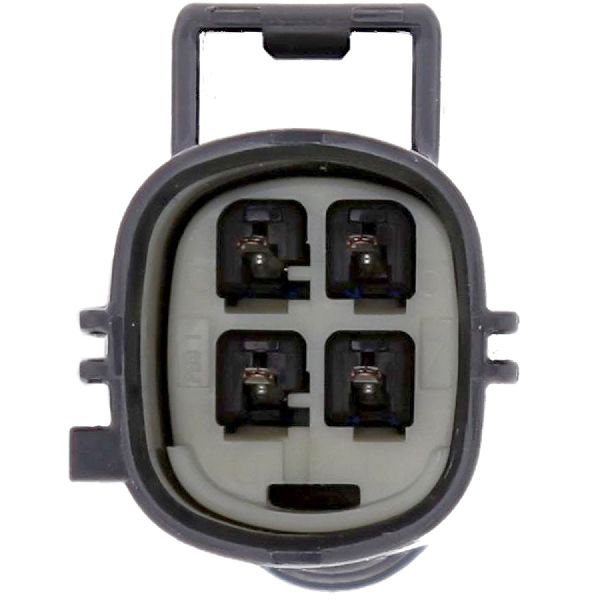
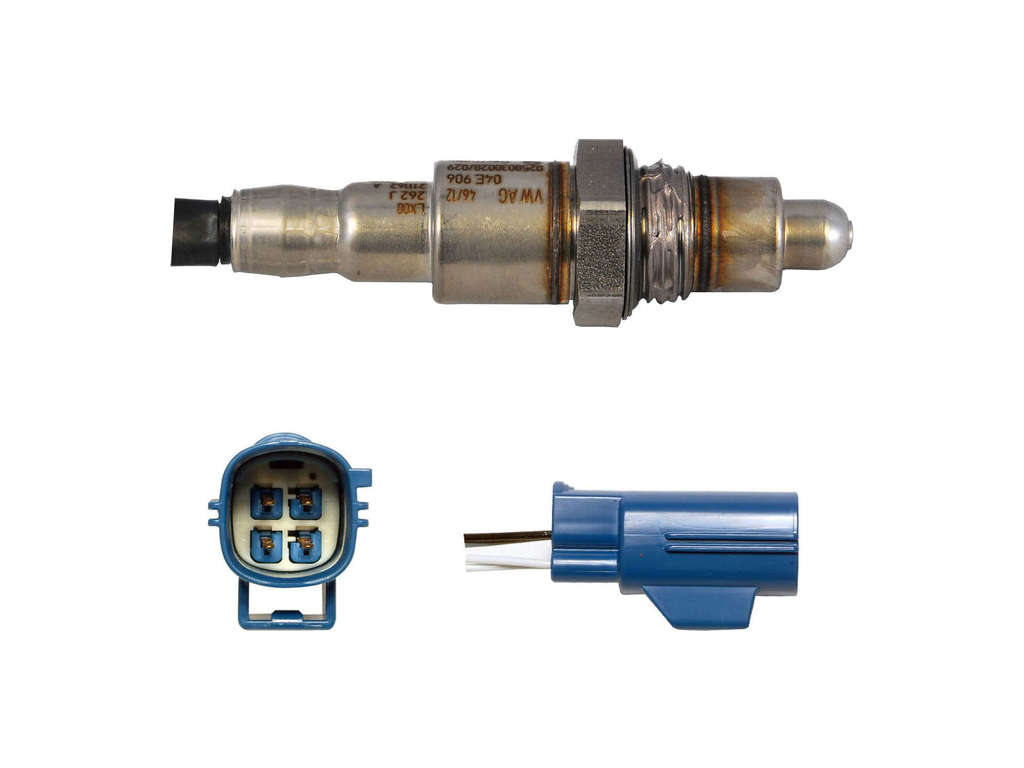
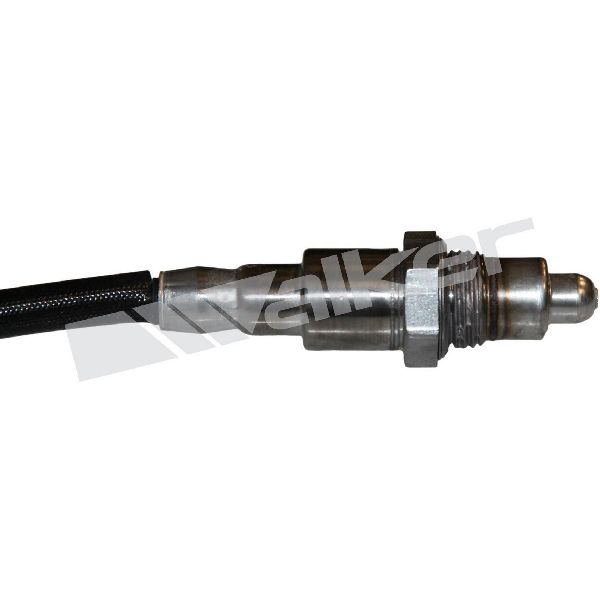
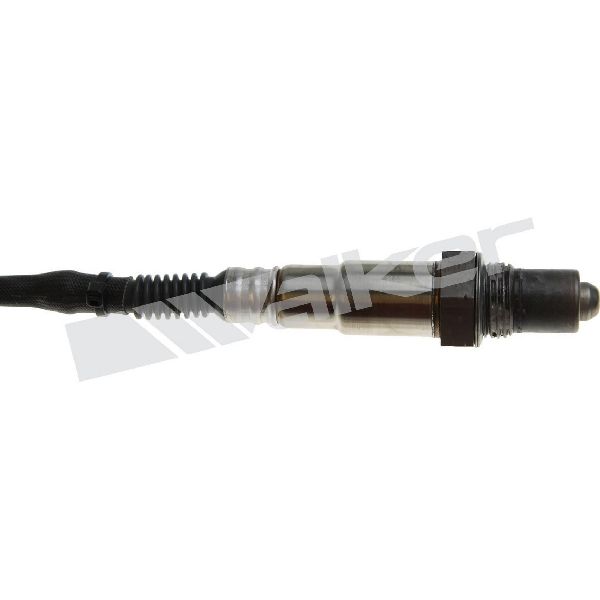
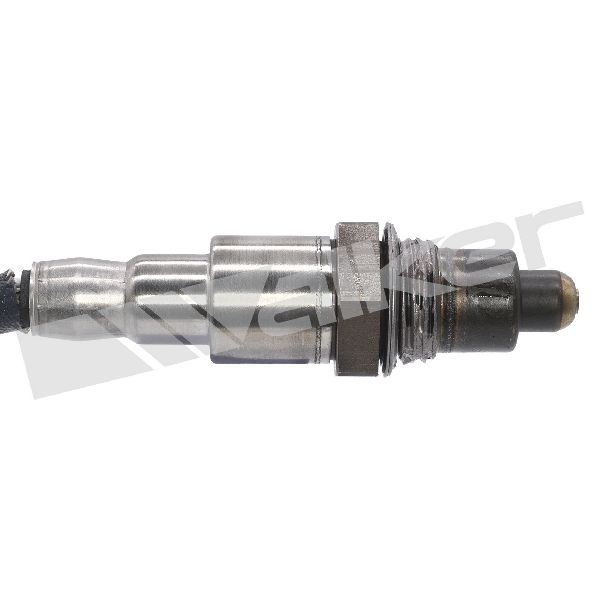
- Oxygen Sensor (Bank 2, Sensor 2)
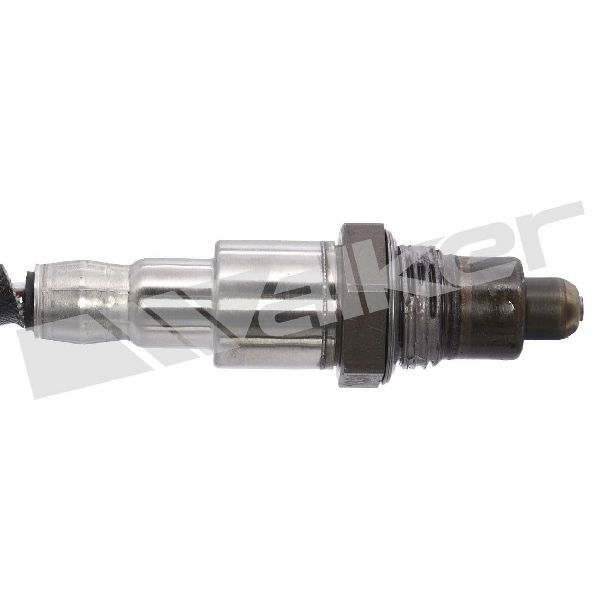
(OEM #C2D23703 (superseded by T2R54607))— This is the component directly reporting the low voltage condition. It is a common wear item and the most frequent hardware failure for this code. Part number C2D23703 is listed in TSB JTB-00392-NAS-3. Parts catalogs show it is superseded by T2R54607.
Trusted brands: Jaguar (OEM), Denso, Bosch
OEM price range: $120-$200
Aftermarket price range: $60-$150
Related Codes That Often Appear With This One
- P0156 — This code indicates a general malfunction in the same sensor circuit (Bank 2, Sensor 2) and can appear for similar reasons.
- P0158 — This code is for 'Circuit High Voltage' on the same sensor. Seeing both high and low voltage codes could point to an erratic sensor or a significant wiring issue.
- P0062 — This code relates to the heater circuit for the same sensor (Bank 2, Sensor 2). TSB JTB-00392-NAS-3 lists this code alongside P0157 as being resolved by the PCM update.
Technical Service Bulletins (TSBs) & Recalls
- JTB00392NAS1: Mentions P0157 stored in the ECM may be caused by a post-catalyst heated oxygen sensor issue, implying a software or sensor problem.
- JTB-00392-NAS-3: The most detailed TSB. It lists a wide range of O2 sensor DTCs, including P0157, for 2013-2015 XJ, XF, and F-Type models. It states the cause may be a
Platform-Specific Known Issues
- PCM Software Glitch: As documented in TSBs #SSM72477, #JTB-00392-NAS-3, and #JTB00392NAS1, the PCM may incorrectly set P0157 and other O2 sensor codes. The official fix is a software update performed by a Jaguar dealer, which may or may not be preceded by sensor replacement depending on the exact codes stored.
- Repair Story: An owner of a 2014 XJ 3.0 reported getting P0157. They replaced the Bank 2 Sensor 2 O2 sensor themselves. The code was cleared but returned after about 50 miles. Frustrated, they took it to the dealer, who confirmed the sensor was fine and that TSB JTB-00392-NAS-3 applied to their VIN. The dealer performed the PCM re-flash, and the code did not return. This highlights the importance of checking for software updates before replacing parts.
Mechanic-Grade Diagnostic Values
- Downstream O2 Sensor (Sensor 2) Voltage at Idle/Steady Cruise — expected: Relatively stable voltage, fluctuating gently between 0.45V and 0.8V.. Failure: Voltage is stuck consistently low (below 0.2V), which triggers code P0157.
- O2 Sensor Heater Circuit Resistance — expected: Generally between 3 and 25 Ohms, measured across the two same-colored wires on the sensor's connector.. Failure: An open circuit (infinite resistance/OL) or a dead short (near 0 Ohms) indicates a failed heater element.
Hidden / Shadow Codes Worth Checking
- N/A (Relevance Percentage): Jaguar's SDD software does not use hidden codes in the typical sense, but it does provide a 'percentage relevance' for each DTC after symptoms are entered. This helps technicians prioritize which codes are most likely related to the reported issue, effectively serving the same purpose as a shadow code by highlighting the most critical faults. (see via Jaguar SDD (Symptom Driven Diagnostics) dealer software, under the DTC or Recommendations screen after a symptom-based scan.)
Scan Tool Commands That Help
- Jaguar SDD (Symptom Driven Diagnostics): Recommendations / Guided Diagnostics — After reading DTCs, selecting this function for P0157 will guide the technician through the diagnostic steps, which critically includes checking for and recommending the applicable TSB for a software update.
- Jaguar SDD (Symptom Driven Diagnostics): Configure Existing Module - PCM — This is the specific service function used to perform the software 're-flash' on the Powertrain Control Module as instructed by TSB JTB-00392-NAS-3.
- Jaguar SDD (Symptom Driven Diagnostics): Datalogger — To record and graph the live voltage from the O2 sensor during a test drive. This helps confirm if the sensor voltage is truly stuck low or if it's behaving erratically, which can aid in distinguishing a sensor fault from a wiring issue.
Wiring & Ground Locations
- Bank 2 Sensor 2 Connector — The sensor is on the driver's side (LHD) exhaust pipe after the catalytic converter. The wiring harness typically runs up to a connector mounted on a bracket near the rear of the transmission.. This connector is a common point for corrosion or damage due to its under-vehicle location. Checking for a secure connection and clean pins is a key diagnostic step.
- Engine Ground Points — While there are over 20 ground points on the vehicle, critical ones to check for engine-related codes include the main engine-to-chassis ground strap (often under the starter on the right side) and any ground studs on the cylinder heads or inner fenders.. A poor engine ground can introduce electrical noise and voltage drops, potentially causing the PCM to receive an erroneously low voltage reading from the O2 sensor.
- O2 Sensor Vehicle-Side Wiring (General) — In the harness connecting to the O2 sensor.. Knowing the wire functions allows for testing at the connector. Based on other Jaguar models, for Bank 2, expect a Blue/Yellow wire for heater ground, White/Red for heater power, and a Brown wire for the signal. This should be verified with a model-specific diagram.
When the Usual Fixes Don't Work
- The most significant counter-evidence to this code indicating a failed sensor is the existence of multiple Technical Service Bulletins (JTB00392NAS1, JTB-00392-NAS-3, SSM72477) from Jaguar. These bulletins state that a software error in the Powertrain Control Module (PCM) can cause P0157 to be set without any actual fault in the sensor or its circuit. Many owners have confirmed that replacing the sensor does not resolve the issue, while a subsequent PCM software update by a dealer permanently fixes the problem. This makes checking for an available software update the most critical first step, even before testing or replacing the sensor.
OEM Part Supersession History
C2D23703→T2R54607— Standard part evolution and consolidation. TSB JTB-00392-NAS-3 specifically references the original part number.C2D54167→T2R54607— Standard part evolution and consolidation.
Model Year Variations Within This Range
- 2013-2016: The official dealer diagnostic software for this entire range is JLR SDD (Symptom Driven Diagnostics). For model years 2017 and newer, Jaguar transitioned to the Pathfinder software, which uses a different vehicle interface (DoIP VCI).
Helpful Videos
We Have This Part in Stock

The information in this article is provided for general reference and educational purposes only. Vehicle specifications, procedures, and part compatibility can vary by production date, trim level, and region. Always consult your vehicle's factory service manual and verify part numbers before purchasing or performing repairs. Safety-critical components such as airbags, seat belts, and braking systems should be installed by a qualified professional.
- Jaguar XJ:
- 🧭 Diagnostic Flowchart
- 🎬 Helpful Videos
- 🛍️ Shop This Part
- What's Unique About the 2013-2016 Jaguar XJ
- Symptoms You May Notice
- Most Likely Causes
- Rare But Worth Checking
- Diagnosis Steps
- Parts You'll Likely Need
- Related Codes That Often Appear With This One
- Technical Service Bulletins (TSBs) & Recalls
- Platform-Specific Known Issues
- Mechanic-Grade Diagnostic Values
- Hidden / Shadow Codes Worth Checking
- Scan Tool Commands That Help
- Wiring & Ground Locations
- When the Usual Fixes Don't Work
- OEM Part Supersession History
- Model Year Variations Within This Range
- 🎟️ Get 5% Off