

P0162 on 2014-2016 Land Rover LR4: O2 Sensor Circuit Malfunction Causes and Fixes
P0162 on a 2014-2016 Land Rover LR4 indicates a circuit malfunction for the rearmost oxygen sensor on the driver's side (Bank 2, Sensor 3). The most common cause is a failed sensor, a known issue addressed by Land Rover TSBs and a potential extended warranty. Replacing the sensor is the typical fix, but checking for PCM software updates is also recommended.
- P0162 on a 2014-2016 LR4 points to an electrical circuit problem with the driver's side, post-catalytic converter oxygen sensor (Bank 2, Sensor 3).
- The most probable cause is a faulty oxygen sensor itself, a known issue acknowledged by Land Rover in several service bulletins.
- Diagnosis should involve checking the sensor's live data with a scan tool and inspecting the wiring for damage before replacing parts.
- Replacing the correct sensor is a DIY-friendly job with an estimated difficulty of 2 out of 5.
What's Unique About the 2014-2016 Land Rover LR4
The 2014-2016 LR4, with its 3.0L Supercharged V6, is known to be susceptible to this and other related oxygen sensor codes. Land Rover has issued multiple Technical Service Bulletins (TSBs), acknowledging that the sensors themselves can fail prematurely due to internal manufacturing defects or thermal shock when water contacts the hot sensor. In response to the high failure rate, Jaguar Land Rover North America also issued an extended warranty for some models, covering the O2 sensors for up to 15 years / 150,000 miles. Additionally, Service Action N180 was released, which involves a software update for the Engine Control Module (ECM) to address concerns with the correct operation of the O2 sensors. This means that even if the wiring looks fine, the sensor itself is frequently the root cause, but software updates should also be considered as part of the repair.
Diagnostic Flowchart
Tap your situation to follow the diagnostic path that matches what you're seeing on this vehicle.
Symptoms You May Notice
- Check Engine Light (MIL) is illuminated.
- Failure to pass an emissions inspection.
- Potentially reduced fuel economy.
- In some cases, a rough or unstable idle may be noticed.
- Black smoke from the exhaust if the sensor fails in a way that causes a rich condition.
- Replacing the catalytic converter. P0162 is a sensor circuit code, not a catalyst efficiency code (like P0420 or P0430). The sensor circuit must be diagnosed first.
- Replacing the wrong O2 sensor. It is critical to identify the correct sensor (Bank 2, Sensor 3), which is the downstream sensor on the driver's side (for LHD vehicles).
Most Likely Causes
- Faulty Oxygen Sensor (Bank 2, Sensor 3) 🔴 High Probability → Shop Oxygen Sensor Land Rover has issued multiple TSBs (e.g., LTB00671NAS3, SSM72556) and an extended warranty indicating a high failure rate for these sensors due to internal defects or thermal shock. [1, 2, 8, SSM72556, LTB00671NAS3]
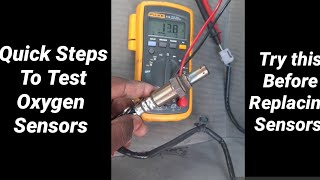
How to confirm: Use a scan tool to monitor live data for 'O2 Sensor Bank 2 Sensor 3'. A voltage reading that is stuck, flatlined (often near 0V), or shows no activity 🎬 Watch: Quick steps to test your O2 sensor with a scanner. indicates a failed sensor. A healthy downstream sensor's internal heater circuit should have a resistance of approximately 11.7-14.5 Ω.
Typical fix: Replace the Bank 2, Sensor 3 oxygen sensor. The sensor is located on the driver's side exhaust pipe, after the rearmost catalytic converter. Also, check with a dealer if Service Action N180 (ECM software update) applies to your vehicle to prevent repeat failures.
Est. part cost: $50-$120 - Wiring or Connector Issue 🟡 Medium Probability The sensor wiring is routed underneath the vehicle and is exposed to road debris, moisture, and significant heat from the exhaust, which can lead to corrosion, breaks, or melted insulation.
How to confirm: Visually inspect the entire wiring harness from the O2 sensor to its connection point. Check for burnt, chafed, or corroded wires and ensure the connector is clean and securely fastened. A user on a Land Rover forum noted the importance of checking the wiring connections for both sensors on the bank.
Typical fix: Repair the damaged section of wiring or replace the connector pigtail.
Est. part cost: $10-$50 - Blown Fuse for O2 Heater Circuit ⚪ Low Probability A short in the sensor's internal heater or its wiring can cause the corresponding fuse to blow.
How to confirm: Locate and check the fuse for the O2 sensor heater circuits. In the engine compartment fuse box, fuse F14 (15A, Blue) protects the Bank 2 oxygen sensors for gasoline engines.
Typical fix: Replace the blown fuse after diagnosing and fixing the underlying short circuit (which is often the sensor itself).
Est. part cost: $1-$5
Rare But Worth Checking
- Exhaust Leak: An exhaust leak upstream of the sensor can allow outside air into the exhaust stream, causing the sensor to send inaccurate readings to the PCM. This is less likely to cause a circuit code like P0162 but is worth checking if other causes are ruled out.
- Powertrain Control Module (PCM) Fault: → Shop Engine Control Module (ECM) In very rare instances, the internal driver circuit for the O2 sensor within the PCM can fail. This should only be considered after all other possibilities (sensor, wiring, fuses) have been exhaustively ruled out. Land Rover also issued a software update (Service Action N180) to fix software errors that could falsely trigger O2 sensor codes.
Diagnosis Steps
- Read the fault codes with an OBD-II scanner to confirm P0162 is present and note any other codes.
- Visually inspect the Bank 2, Sensor 3 oxygen sensor (driver's side, post-catalyst), its connector, and wiring harness. Look for physical damage, melting, corrosion, or loose connections.
- Check fuse F14 (15A) in the engine compartment fuse box for the Bank 2 O2 sensors.
- Use a scan tool to observe the live voltage data from the Bank 2, Sensor 3 O2 sensor. A healthy downstream sensor should show a relatively stable voltage that fluctuates slowly. A sensor showing no voltage (0V), a fixed voltage (e.g., stuck at 0.1V or 0.9V), or a flat line is likely faulty.
- If possible, test the resistance of the sensor's internal heater circuit with a multimeter. A healthy sensor may have a resistance between 11.7-14.5 Ω. An open circuit (infinite resistance) or short (zero resistance) confirms a bad sensor. 🎬 See this guide for testing oxygen sensor operation and resistance.
- If the sensor and fuse are good, perform a continuity test on the wiring harness between the sensor connector and the PCM to rule out an open or shorted wire.
- Check with a Land Rover dealer if your vehicle's VIN is eligible for the O2 sensor extended warranty or requires the ECM software update from Service Action N180.
- If all wiring and the sensor check out, and software is up to date, the final, though rare, possibility is a fault within the PCM itself.
Parts You'll Likely Need
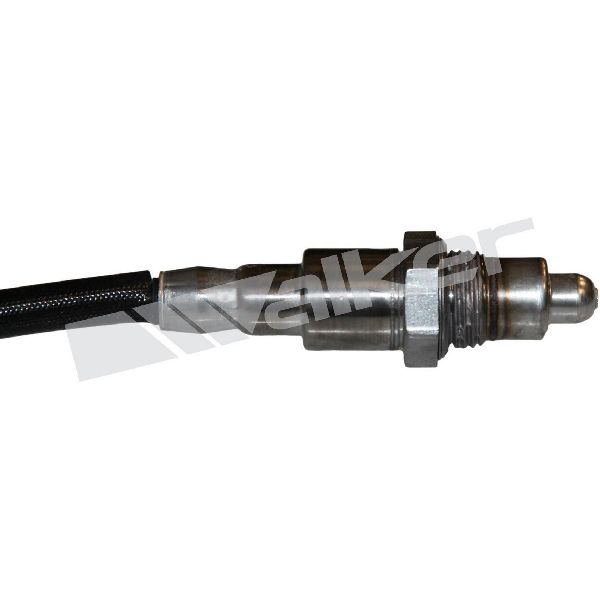
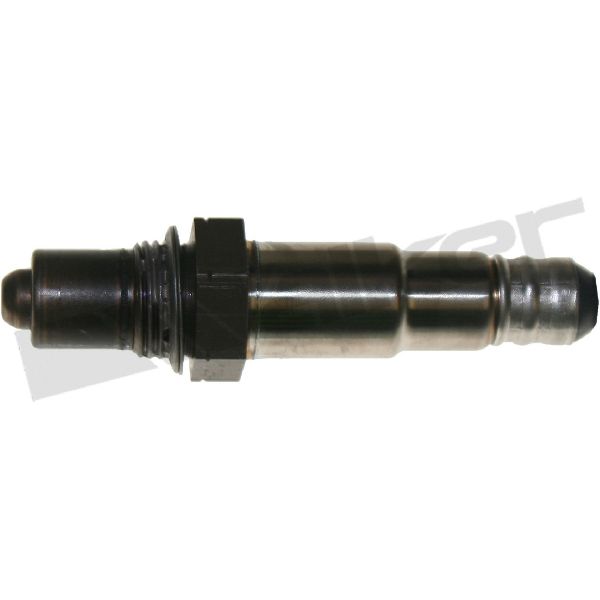
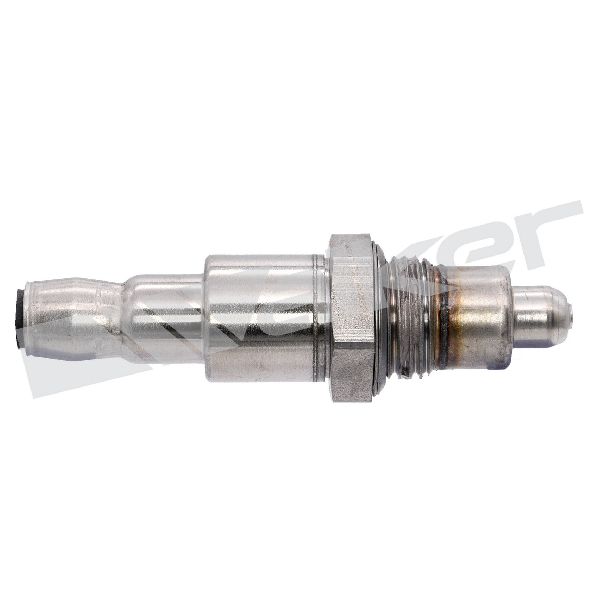
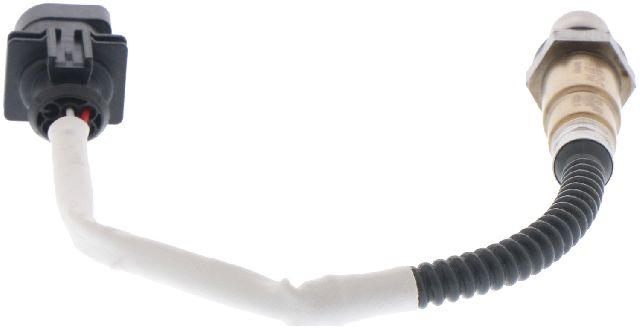
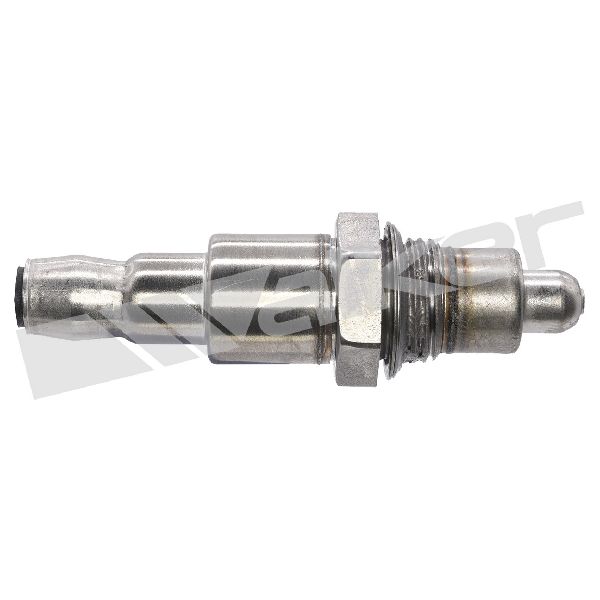
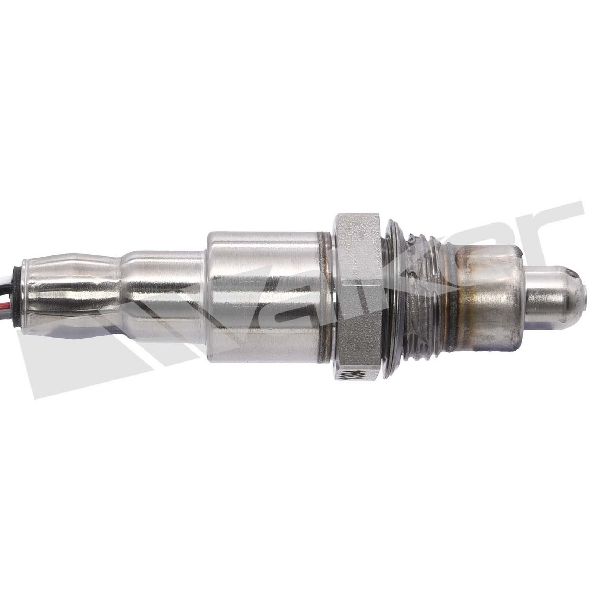
- Downstream Oxygen Sensor (Bank 2, Sensor 3)
(OEM #C2D23702)— This is the most common failure part for code P0162 on this vehicle, as confirmed by Land Rover's own service bulletins and extended warranty program.
Trusted brands: Bosch (OEM supplier), Denso, NTK
OEM price range: $150-$220
Aftermarket price range: $50-$120
Related Codes That Often Appear With This One
- P0142 — This is the equivalent circuit fault code for Bank 1, Sensor 3. Seeing them together could suggest a common issue like a shared fuse or a systemic problem with the sensors. [SSM72556]
- P0062 — This code relates to the heater control circuit for Bank 2, Sensor 3. It often appears with P0162 because a failure in the sensor's internal heater can cause the overall circuit fault. [LTB00671NAS3] A forum user confirmed this code pointed to the same driver's side rear sensor.
- P0163, P0164 — These codes indicate low or high voltage for the same sensor circuit (Bank 2, Sensor 3), pointing specifically to the type of electrical fault occurring.
Technical Service Bulletins (TSBs) & Recalls
- SSM72556: Addresses P0162 O2 Sensor Circuit (Bank 2 Sensor 3) among other codes.
- LTB00671NAS3: Pertains to multiple post-catalyst heated oxygen sensor codes, including P0162.
- SSM72448: Notes that for a list of O2 codes including P0162, the sensor is often the fault, not the wiring.
- LTB00671NAS2: An earlier version of the TSB for post-catalyst heated oxygen sensor codes, including P0162.
- Service Action N180: Recommends an ECM software update to address concerns with the correct operation of the Oxygen (O2) Sensors.
Platform-Specific Known Issues
- TSB #SSM72556 and #LTB00671NAS3 specifically call out code P0162. They relate to faults in the post-catalyst heated oxygen sensors, often suggesting the sensor itself is the point of failure rather than wiring. [SSM72556, LTB00671NAS3]
- TSB #SSM72448 notes that for a range of O2 sensor codes including P0162, diagnosis often reveals no fault with the wiring, and the problem is determined to be the sensor component. [SSM72448]
- Service Action N180: Land Rover issued a software update for the Engine Control Module (ECM) to address incorrect operation of the oxygen sensors for 2014-2016 models. This should be checked before or after hardware replacement.
- Extended Warranty: Due to high failure rates, JLR North America extended the warranty on these sensors for some vehicles to 15 years / 150,000 miles, potentially covering the cost of repair at a dealership.
Helpful Videos
We Have This Part in Stock

The information in this article is provided for general reference and educational purposes only. Vehicle specifications, procedures, and part compatibility can vary by production date, trim level, and region. Always consult your vehicle's factory service manual and verify part numbers before purchasing or performing repairs. Safety-critical components such as airbags, seat belts, and braking systems should be installed by a qualified professional.
- Land Rover LR4:
- 🧭 Diagnostic Flowchart
- 🎬 Helpful Videos
- 🛍️ Shop This Part
- What's Unique About the 2014-2016 Land Rover LR4
- Symptoms You May Notice
- Most Likely Causes
- Rare But Worth Checking
- Diagnosis Steps
- Parts You'll Likely Need
- Related Codes That Often Appear With This One
- Technical Service Bulletins (TSBs) & Recalls
- Platform-Specific Known Issues
- 🎟️ Get 5% Off