

P0162 on 2013-2016 Land Rover Range Rover: O2 Sensor Circuit Fixes
This code indicates a fault in the Bank 2, Sensor 3 oxygen sensor circuit. On this Range Rover, the most common cause is a failed sensor, often due to a known manufacturing defect detailed in TSB SSM63157. Bank 2 is the driver's side in the US. Replacing the sensor is the typical fix, with an OEM part (LR035751) costing around $200-$470.
- P0162 on a 2013-2016 Range Rover points to a circuit fault with the driver's side, post-catalytic converter oxygen sensor (Bank 2, Sensor 3).
- Due to a documented manufacturing defect (TSB SSM63157), the sensor itself is the most likely component to have failed.
- Before replacing the sensor, always perform a quick visual inspection of the wiring and connector for obvious damage.
- Replacing this sensor is a manageable DIY job for those with basic tools, including a 22mm O2 sensor socket, and can often be done by raising the vehicle to its off-road suspension height.
- The OEM part number is LR035751, but always confirm with your VIN before purchasing.
What's Unique About the 2013-2016 Land Rover RANGE ROVER
For the 2013-2016 (L405) Range Rover, the P0162 code is frequently caused by the oxygen sensor itself failing prematurely. Land Rover issued several Technical Service Bulletins (TSBs), most notably SSM63157, acknowledging a supplier manufacturing fault. This fault caused a "misalignment within the sensor leading to side load on the ceramic internal to the sensor," which leads to premature failure. This makes outright sensor failure a much higher probability on this vehicle compared to others where wiring or connector issues might be more common. Another TSB, LTB00671NAS3, also notes that thermal shock from water contacting the hot sensor can cause failure.
Diagnostic Flowchart
Tap your situation to follow the diagnostic path that matches what you're seeing on this vehicle.
Symptoms You May Notice
- Check Engine Light (MIL) is illuminated
- Vehicle will fail an emissions test
- Potential for slightly reduced fuel economy, typically 5-10% lower than normal
- In some cases, a rough or unstable idle may be noticed
- Hesitation or stumble on acceleration
- Replacing the catalytic converter. The P0162 code relates to the sensor that *monitors* the converter, not the converter itself. A failure of this sensor circuit does not automatically mean the converter is bad.
Most Likely Causes
- Faulty Bank 2, Sensor 3 Oxygen Sensor 🔴 High Probability → Shop Oxygen Sensor As documented in Land Rover TSB #SSM63157, a manufacturing fault at the supplier led to a "misalignment within the sensor leading to side load on the ceramic internal to the sensor," causing premature failure. TSB #SSM72448 also notes that diagnosis often leads to the sensor itself being the fault, not the wiring. TSBs instructed technicians to check the date code on replacement sensors to ensure they were manufactured after the defect was corrected (e.g., after June 1, 2013).
How to confirm: Use a multimeter to check the sensor's internal resistance and heater circuit. A more definitive test is to use a scan tool to monitor the sensor's voltage output; a dead sensor will show a fixed or no voltage reading. A healthy downstream sensor should show a relatively stable voltage.
Typical fix: Replace the Bank 2, Sensor 3 oxygen sensor. This is a 15-minute fix for an experienced DIYer.
Est. part cost: $150-$470 - Damaged Wiring or Corroded Connector 🟡 Medium Probability The sensor and its wiring are located under the vehicle, exposed to heat, moisture, and road debris, which can cause damage over time. The wiring harness can be damaged by chafing against the chassis or heat shields.
How to confirm: Visually inspect the wiring harness and connector leading to the sensor for any signs of burning, chafing, or corrosion. Perform a continuity test on the wiring from the sensor connector to the PCM.
Typical fix: Repair the damaged section of the wiring harness or clean/replace the connector.
Est. part cost: $10-$100 - Exhaust Leak ⚪ Low Probability
How to confirm: Listen for hissing or ticking sounds from the exhaust system, especially when the engine is cold. Visually inspect the exhaust pipes and manifolds for black soot trails, which indicate a leak.
Typical fix: Repair the leak, which may involve replacing a gasket or welding a crack.
Est. part cost: $20-$200 - PCM Software Error ⚪ Low Probability Jaguar Land Rover released TSB JTB00392 for platform mates, indicating that a software error could falsely trigger a range of post-catalyst O2 sensor codes, including P0162. A PCM software update was the prescribed fix.
How to confirm: Check with a Land Rover dealer if the vehicle's VIN has any outstanding service actions or software updates related to the PCM and emissions system.
Typical fix: Update the Powertrain Control Module (PCM) software at a dealership or authorized specialist.
Est. part cost: $0-$250
Rare But Worth Checking
- Faulty Powertrain Control Module (PCM): → Shop Engine Control Module (ECM) This is extremely rare. The PCM should only be considered after all other possibilities, including the sensor and its entire circuit, have been thoroughly tested and ruled out. Water intrusion or voltage spikes can damage the sensor channel within the ECU.
Diagnosis Steps
- Read all stored fault codes with an OBD-II scanner to see if other related codes are present.
- Perform a visual inspection of the Bank 2, Sensor 3 oxygen sensor, its connector, and wiring harness. Bank 2 is the driver's side on US models. The sensor is located after the catalytic converter. Look for any signs of damage, melting, or corrosion.
- Use a scan tool to observe the live data stream for the Bank 2, Sensor 3 voltage. A healthy downstream sensor should show a relatively stable voltage. If the voltage is stuck high, low, or shows no activity, the sensor is likely faulty.
- If the sensor shows no activity, use a multimeter to check for power and ground at the sensor's connector to rule out a wiring issue.
- Check the sensor's heater circuit resistance with a multimeter. An open circuit or resistance outside of the manufacturer's specification (often found in a workshop manual) indicates a failed heater element within the sensor.
- If the sensor and wiring test correctly, check for exhaust leaks upstream of the sensor.
- Check for any available PCM software updates by contacting a dealer, as per bulletins like JTB00392 issued for similar platforms.
- If all other tests pass, the issue may be a rare fault with the PCM, but this should be the last consideration.
Parts You'll Likely Need
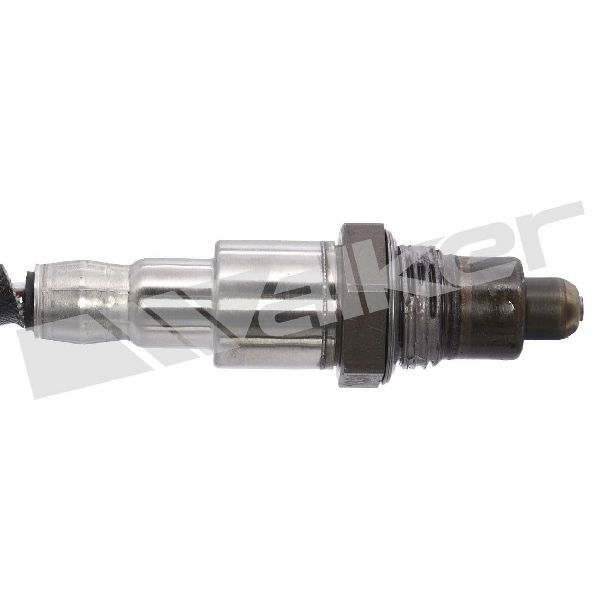
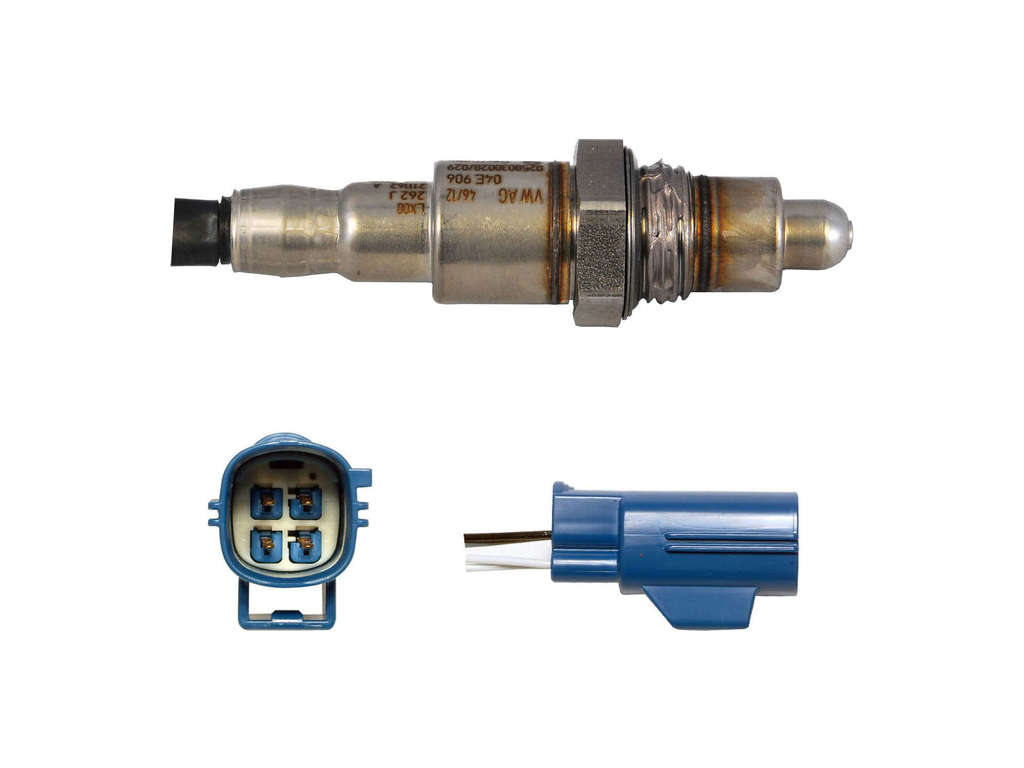
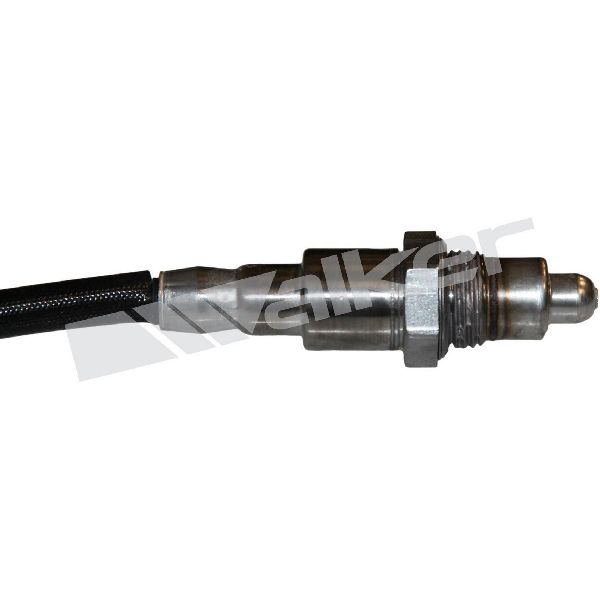
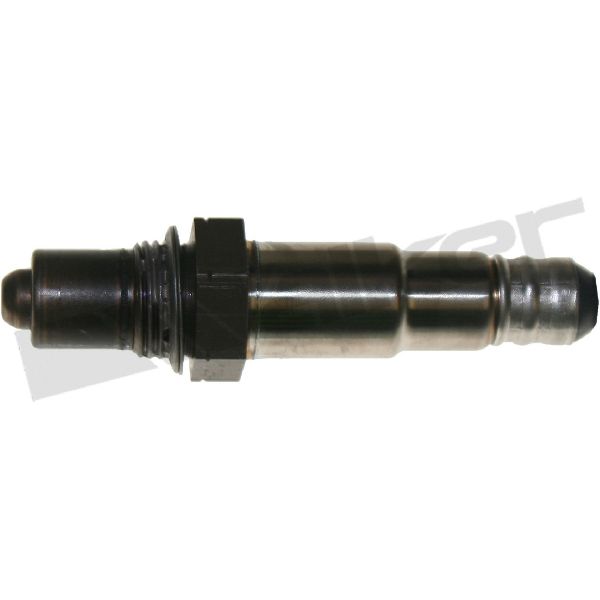
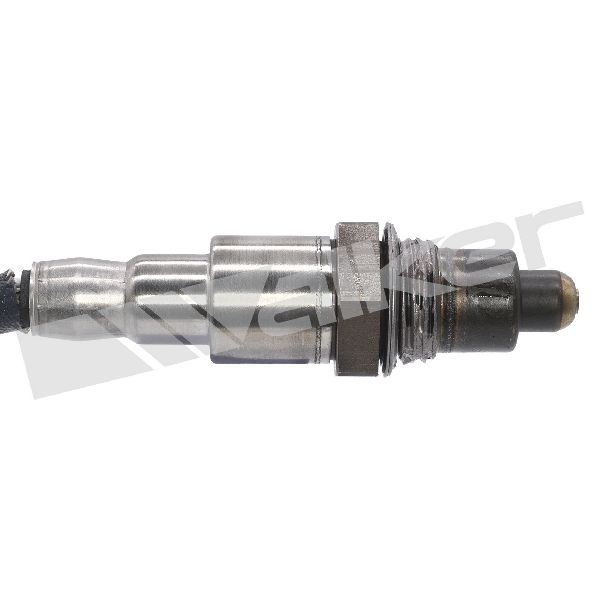
- Oxygen Sensor (Bank 2, Sensor 3)
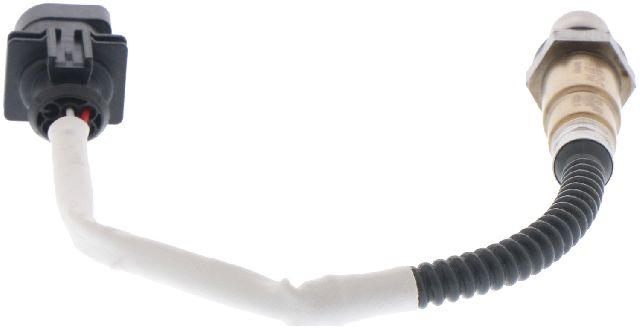
(OEM #LR035751)— This is the most common failure point for code P0162 on this vehicle, as confirmed by multiple manufacturer TSBs. Note that some parts sites incorrectly list this for diesel models. Always verify fitment with VIN.
Trusted brands: Genuine Land Rover, Bosch, Denso, NTK
OEM price range: $200-$470
Aftermarket price range: $80-$180 - Oxygen Sensor Socket — A special 22mm socket with a slot for the wire is required to easily remove and install O2 sensors without damaging them.
Trusted brands: Lisle, OEM Tools, GearWrench
OEM price range: $10-$30
Aftermarket price range: $10-$30
Related Codes That Often Appear With This One
- P0062 — This code indicates a fault in the heater control circuit for the same sensor (Bank 2, Sensor 3). They often appear together as they relate to the same component, as noted in TSB #LTB00671NAS3 and other related bulletins.
- P0142 — This is the equivalent code for the O2 sensor circuit on Bank 1, Sensor 3. Land Rover TSBs group these codes together, suggesting a common supplier issue could cause failures on both banks. (See TSB #SSM72556)
- P0163, P0164, P0167 — These codes all relate to different types of faults (low voltage, high voltage, slow response/heater circuit malfunction) for the same Bank 2, Sensor 3. Their presence alongside P0162 reinforces that the issue lies with this specific sensor or its circuit. (See TSB #LTB00671NAS2)
Technical Service Bulletins (TSBs) & Recalls
- SSM72556: Groups P0162 with other O2 sensor circuit codes.
- LTB00671NAS3: Relates P0162 to post-catalyst heated oxygen sensors and potential thermal shock.
- LTB00671NAS2: Also relates P0162 to post-catalyst heated oxygen sensors.
- SSM72448: Notes that diagnosis often finds no fault with wiring, pointing to the sensor itself.
- SSM63157: Details a specific manufacturing fault ('misalignment within the sensor') causing the issue.
- JTB00392: (For Jaguar platform mates) Suggests a software error could be the cause, fixed by a PCM update.
Platform-Specific Known Issues
- A known manufacturing defect in the O2 sensors supplied to Land Rover for these models can cause internal damage and premature failure, as stated in TSB #SSM63157. The defect was a misalignment of internal ceramic components.
- Multiple TSBs (LTB00671NAS3, SSM72448) were released that group P0162 with a wide range of other O2 sensor codes, indicating a systemic issue with the post-catalyst sensors during this production period.
- TSB LTB00671NAS3 also suggests that 'thermal shock' from water splashing onto the hot sensor element could be a cause of failure, leading to a software update to mitigate the issue.
Mechanic-Grade Diagnostic Values
- O2 Sensor Heater Circuit Resistance — expected: 4 to 19 Ohms when tested at the sensor connector (cold).. Failure: A reading of infinity (open circuit) or zero ohms (short circuit) indicates a failed heater element within the sensor.
- Downstream O2 Sensor Voltage (Live Data) — expected: A relatively stable voltage between 0.4V and 0.7V at idle or steady RPM, once the engine is at operating temperature.. Failure: Voltage stuck at a constant high (e.g., 1.2V) or low value (e.g., 0.1V), or not showing any activity, points to a faulty sensor or circuit issue.
Scan Tool Commands That Help
- JLR SDD (Symptom Driven Diagnostics): Configure existing module - Powertrain control module — After replacing an oxygen sensor, this function should be run to clear adaptations and ensure the ECM correctly recognizes the new component. This was specified in a TSB related to O2 sensor replacement due to thermal shock.
Wiring & Ground Locations
- ECM Connector C0635, Pin 7 — At the Engine Control Module (ECM).. This specific pin provides the ground path for the Bank 2, Sensor 3 O2 sensor heater circuit. A continuity check from this pin to the sensor connector is critical for diagnosing a ground-side fault in the wiring harness.
- Fuse 2 (Engine Compartment Fuse Box) — In the main fuse box located in the engine bay.. According to wiring information, this fuse provides the direct battery supply to the heater circuit for all post-catalyst HO2S sensors. If this fuse is blown, you will likely see heater circuit codes for multiple O2 sensors, not just P0162.
- Chassis Ground Points — Key grounds are located under the air filter box on the driver's side and in the same location on the passenger side. Another is on the gearbox.. Corrosion on these main ground straps is a known issue that can cause a wide range of seemingly unrelated electrical faults and warning lights, including sensor circuit errors. Cleaning these points is a crucial step if multiple electrical issues are present.
Real Owner Repair Stories
- LandyZone forum user (2014 Range Rover Supercharged 5.0L) — Fault codes for both Bank 1 Sensor 3 and Bank 2 Sensor 3 with high voltage readings.
❌ Tried (didn't work) Confirmed the heater circuits were good with a test light. Checked wiring to the ECU and found it to be intact. Manually applying a ground to the sensor wire did not change the stuck high voltage reading.
✅ What actually fixed it The user suspected a faulty ECU since both downstream sensors failed simultaneously with identical symptoms, and direct wiring checks passed. Another user suggested checking for poor pin grip at the connectors or corroded ground connections before condemning the ECU. - YouTube video by 'RANGE ROVER L405 5.0 Supercharged Earth Leads Fixed!' (Range Rover L405 5.0L Supercharged) — Multiple warning lights flickering on the dashboard, including 'restricted performance'.
❌ Tried (didn't work) The owner was chasing various electrical faults before identifying the root cause.
✅ What actually fixed it The problem was traced to corroded main earth/ground leads. Specifically, the ground point under the driver-side air filter box was green and corroded. Cleaning this ground strap and a similar one on the passenger side resolved the flickering lights and electrical issues.
OEM Part Supersession History
LR035748→LR035751— Part update or supplier change. TSB JTB00438v2 lists LR035748 as the post-catalyst sensor for the Range Rover L405. However, current parts catalogs list LR035751 for this application.
Heads up: While LR035751 is the correct part for the gas V6/V8, many online sellers incorrectly list it for the 3.0L TDV6 diesel models. Always confirm the part number against the vehicle's VIN with a Land Rover dealer or trusted parts supplier.
Helpful Videos
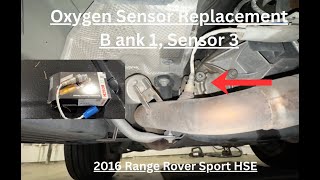
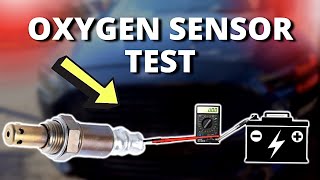
![How to Fix P0162 Engine Code in 4 Minutes [3 DIY Methods / Only $9.23]](https://img.youtube.com/vi/j69P7UwIxMw/mqdefault.jpg)


We Have This Part in Stock

The information in this article is provided for general reference and educational purposes only. Vehicle specifications, procedures, and part compatibility can vary by production date, trim level, and region. Always consult your vehicle's factory service manual and verify part numbers before purchasing or performing repairs. Safety-critical components such as airbags, seat belts, and braking systems should be installed by a qualified professional.
- Land Rover RANGE ROVER:
- 🧭 Diagnostic Flowchart
- 🎬 Helpful Videos
- 🛍️ Shop This Part
- What's Unique About the 2013-2016 Land Rover RANGE ROVER
- Symptoms You May Notice
- Most Likely Causes
- Rare But Worth Checking
- Diagnosis Steps
- Parts You'll Likely Need
- Related Codes That Often Appear With This One
- Technical Service Bulletins (TSBs) & Recalls
- Platform-Specific Known Issues
- Mechanic-Grade Diagnostic Values
- Scan Tool Commands That Help
- Wiring & Ground Locations
- Real Owner Repair Stories
- OEM Part Supersession History
- 🎟️ Get 5% Off