

P0163 on 2013-2016 Land Rover Range Rover: O2 Sensor Slow Response Causes & Fixes
This code indicates a slow response from the Bank 2, Sensor 3 oxygen sensor. On this Range Rover, the issue is very commonly the sensor itself, as confirmed by multiple Land Rover Technical Service Bulletins (TSBs). Replacing the rearmost oxygen sensor on the driver's side is the most likely fix. A software update may also be required per the latest TSBs.
- P0163 on a 2013-2016 Range Rover points to a slow-responding oxygen sensor on the driver's side, after the catalytic converter.
- Due to known issues confirmed by Land Rover, the sensor itself is the most probable cause of the fault.
- Before replacing any parts, perform a visual inspection of the sensor's wiring and connector for obvious damage.
- Replacing an oxygen sensor is a manageable DIY task for those with an O2 sensor socket, but the sensor can sometimes be seized in the exhaust pipe.
- The correct part is Bank 2, Sensor 3. Bank 2 is the driver's side on a left-hand-drive vehicle, and Sensor 3 is the rearmost sensor in the exhaust stream.
- After replacing the sensor, an ECM software update may be required to fully resolve the issue, per Land Rover service actions.
What's Unique About the 2013-2016 Land Rover RANGE ROVER
For the 2013-2016 (L405) Range Rover, this code is frequently not a random failure but a known issue. Land Rover issued several Technical Service Bulletins (TSBs) acknowledging that the post-catalyst oxygen sensors were prone to premature failure. The TSBs suggest that even after checking for wiring or exhaust leak issues, the fault is often internal to the sensor itself, sometimes caused by thermal shock when water contacts the hot sensor element. Later TSBs also call for an ECM software update to address the sensor's operation.
Diagnostic Flowchart
Tap your situation to follow the diagnostic path that matches what you're seeing on this vehicle.
Symptoms You May Notice
- Check Engine Light (MIL) is illuminated
- Failure to pass an emissions inspection
- Slight decrease in fuel economy
- Rough transition or slightly rough idle after a cold start
- Replacing the catalytic converter. A slow response code (P0163) points to the sensor's reaction time, not the converter's efficiency (which would typically trigger a P0430 code for Bank 2).
- Replacing the wrong sensor. There are up to three sensors per bank on these vehicles. P0163 is for Bank 2 (driver's side LHD), Sensor 3 (the rearmost sensor, downstream of the final catalytic converter).
Most Likely Causes
- Faulty Heated Oxygen Sensor (Bank 2, Sensor 3) 🔴 High Probability → Shop Oxygen Sensor Land Rover TSBs #SSM72448, #LTB00671NAS3, and its successor #LTB00671NAS4 all point to a high failure rate for these specific post-catalyst sensors. TSB #SSM72448 explicitly states that after diagnosis, the fault is often determined to be with the sensor itself, not the wiring. TSB LTB00671NAS3 notes the cause may be thermal shock when water contacts the heated sensing element.
How to confirm: Use a scan tool to monitor the live voltage data for the B2S3 O2 sensor. A healthy downstream sensor shows a relatively stable voltage. A failing one will be slow to change, stuck, or have lazy fluctuations compared to the sensor on the opposite bank (B1S3). Disconnect the sensor and test the heater circuit resistance with a multimeter; a healthy sensor should read between 4 and 15 Ohms when cold.
Typical fix: Replace the Bank 2, Sensor 3 oxygen sensor. This is the rearmost sensor on the driver's side (LHD) exhaust pipe. After replacement, the ECM may need a software update as per the latest TSBs.
Est. part cost: $65-$420 - Wiring or Connector Damage 🟡 Medium Probability The sensor wiring is routed underneath the vehicle, where it is exposed to exhaust heat, moisture, and road debris. The electrical connector is often attached to a bracket on the crossmember, an exposed position where it can suffer from corrosion or physical damage.
How to confirm: Visually inspect the entire wiring harness from the sensor to the main connector. Look for melted plastic, chafed wires, corrosion in the connector pins, or a loose connection. Pay close attention to the connector on the crossmember.
Typical fix: Repair the damaged section of the harness or clean/replace the connector. Be careful when disconnecting the plastic clip, as it can become brittle and break easily; a zip tie may be needed for re-securing if it breaks.
Est. part cost: $10-$50 - Exhaust Leak ⚪ Low Probability
How to confirm: Listen for hissing or ticking sounds from the exhaust system, especially when the engine is cold. A visual inspection may reveal black soot trails around cracks or failing gaskets near the sensor. A leak upstream of the sensor can allow unmetered air into the exhaust, skewing the sensor's readings.
Typical fix: Repair the leak by replacing the faulty gasket or welding the cracked pipe.
Est. part cost: $20-$200
Rare But Worth Checking
- Powertrain Control Module (PCM) Fault or Software Issue: → Shop Engine Control Module (ECM) This is rare, but not impossible. TSB LTB00671NAS4 (NHTSA ID 10090433) and Service Action N022v5 both involve reprogramming the ECM with updated software to address O2 sensor concerns. This should be considered, especially if a new sensor does not resolve the code.
Diagnosis Steps
- Read the fault code using an OBD-II scanner to confirm P0163 is present.
- Visually inspect the Bank 2, Sensor 3 (driver's side, rearmost) oxygen sensor and its wiring harness. The connector is typically mounted on the transmission crossmember. Look for any signs of melting, corrosion, or physical damage.
- Using a scan tool with live data capabilities, graph the voltage of the Bank 2, Sensor 3 O2 sensor. 🎬 Watch: How to diagnose O2 sensors using live data graphs. Compare its response to the Bank 1, Sensor 3 sensor. A faulty sensor will appear lazy, stuck, or have very slow voltage fluctuations.
- If possible, perform a heater circuit resistance test. Disconnect the sensor and use a multimeter to measure resistance across the heater pins. A reading between 4-15 Ohms is typical for a good sensor.
- Check for exhaust leaks between the catalytic converter and the sensor. Listen for unusual noises and look for soot marks.
- If the wiring and connections are intact and there are no exhaust leaks, the oxygen sensor itself is the most likely culprit and should be replaced, as per Land Rover's TSBs.
- After replacement, check if any ECM software updates are available from the dealer, as recommended by Service Action N022v5 and TSB LTB00671NAS4.
Parts You'll Likely Need
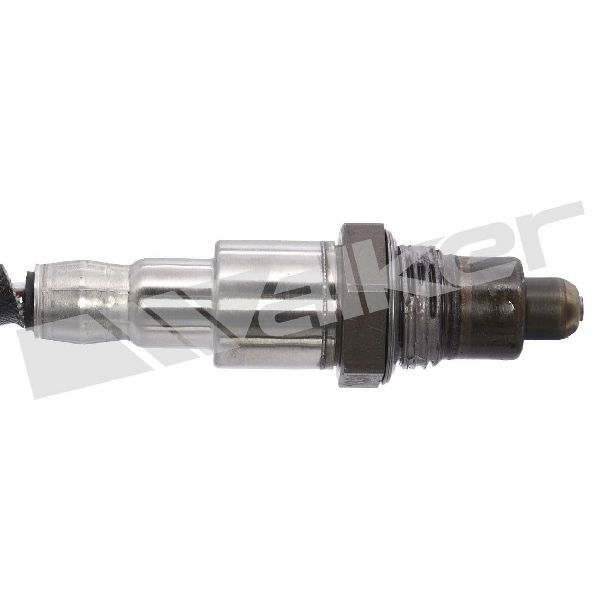
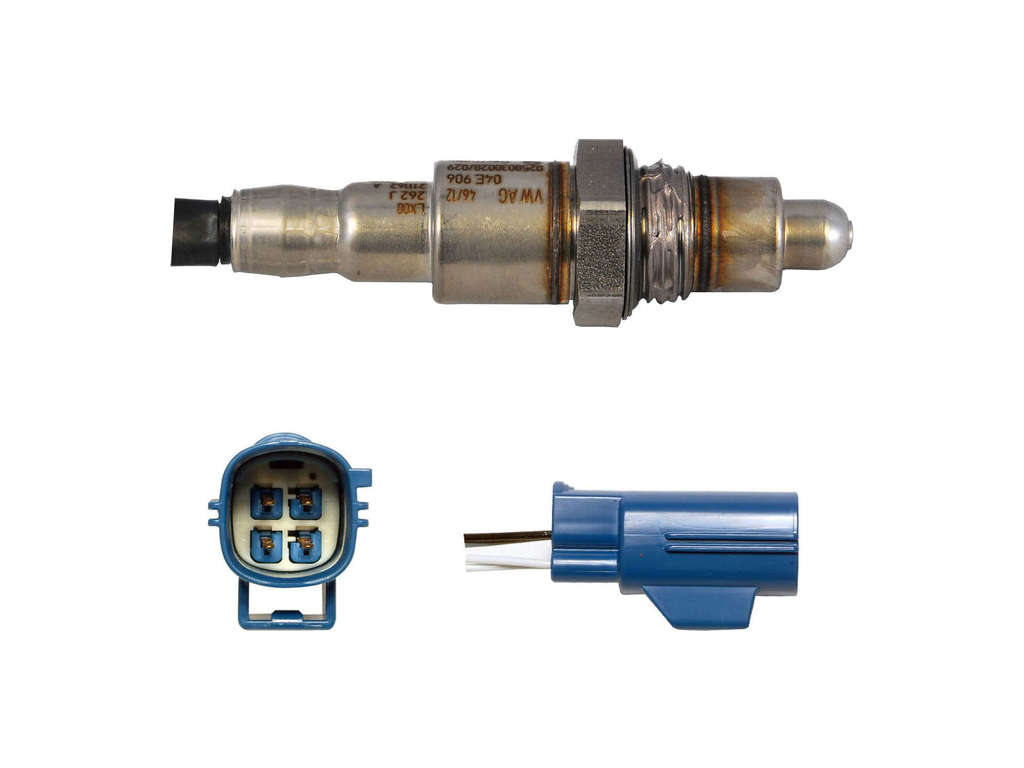
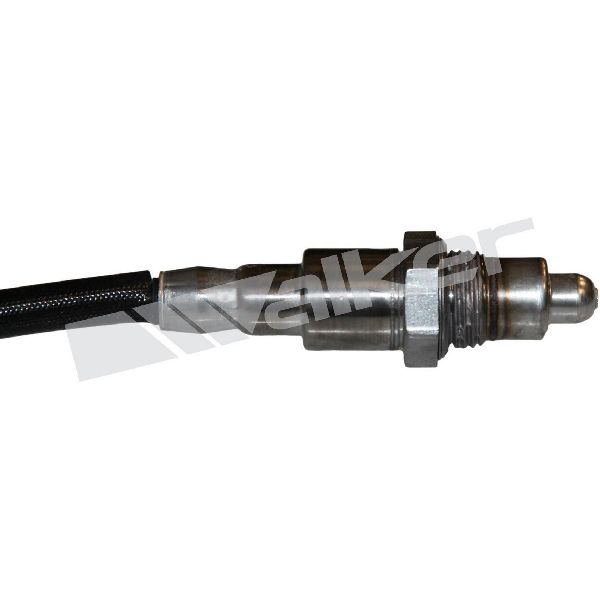
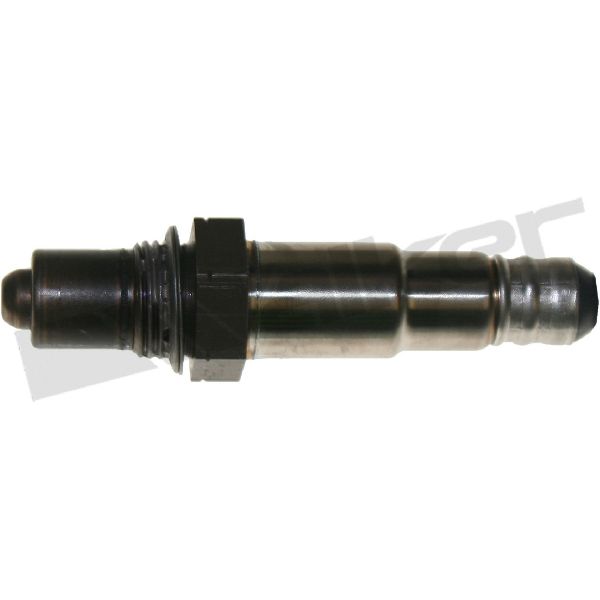
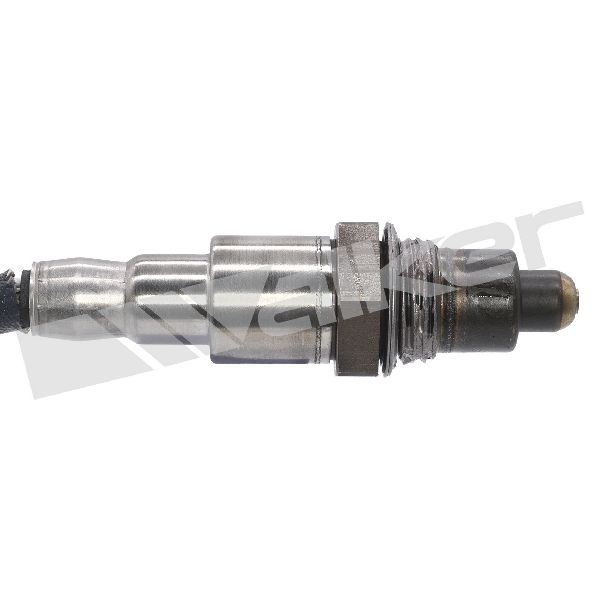
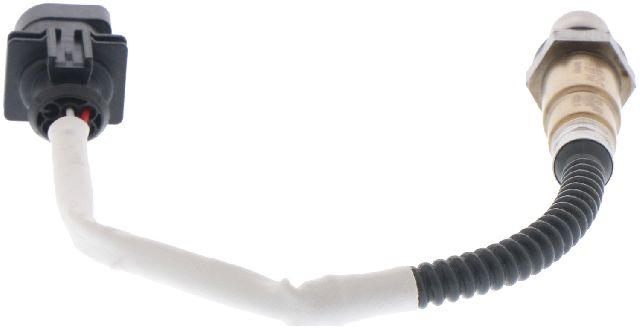
- Downstream Oxygen Sensor (Bank 2, Sensor 3)
(OEM #LR035747)— This is the component identified as the primary failure point in manufacturer service bulletins for this specific code on V6/V8 gasoline models. The previously cited LR035751 is often listed for diesel engines.
Trusted brands: Bosch (OEM supplier, e.g., 16025), Denso, NGK/NTK
OEM price range: $250-$350
Aftermarket price range: $65-$185
Related Codes That Often Appear With This One
- P0162 — This code indicates a circuit malfunction for the same sensor (Bank 2, Sensor 3) and is often triggered by the same root causes, such as a failed sensor or wiring issue.
- P0164 — This code indicates high voltage for the same sensor circuit, pointing to a related electrical fault.
- P0063 — This code indicates a fault in the heater circuit of the same sensor (HO2S Heater Control Circuit Low Bank 2 Sensor 3), which is integral to the sensor's operation and can fail simultaneously.
Technical Service Bulletins (TSBs) & Recalls
- SSM72448: Notes that upon diagnosis, the fault is often found to be with the sensor itself, not the wiring or connector.
- LTB00671NAS3: Mentions the Check Engine Light may be on with P0163 (and other related codes) stored, relevant to post-catalyst heated oxygen sensors. Cites thermal shock as a possible cause.
- LTB00671NAS2: An earlier version of the above bulletin with the same information regarding post-catalyst O2 sensor codes.
- N022v5 (NHTSA ID 10090433 / LTB00671NAS4): Supersedes previous bulletins. Recommends an ECM software update to address concerns with O2 sensor operation and may still require sensor replacement if codes persist.
Platform-Specific Known Issues
- Known Sensor Failures: TSBs #SSM72448, #LTB00671NAS3, and the updated #LTB00671NAS4 were issued due to a high rate of failure for post-catalyst oxygen sensors on these models. The cause is cited as being internal to the sensor or due to thermal shock from water contact.
- Software Updates: Land Rover has also issued service actions (like N022v5) that require an ECM software update to improve the logic for monitoring these sensors. A simple sensor replacement may not permanently fix the issue without the corresponding software flash.
- Connector Clip Brittleness: During DIY replacement, many owners report that the plastic retaining clip on the sensor's electrical connector is fragile and can easily break. A zip tie is a common workaround to secure the connection if the clip fails.
Mechanic-Grade Diagnostic Values
- O2 Sensor Heater Circuit Resistance — expected: 4 to 15 Ohms when measured across the two heater pins with the sensor disconnected and at ambient temperature.. Failure: A reading of infinite resistance (open circuit) or near-zero resistance (short circuit) indicates a failed heater element within the sensor.
- Downstream O2 Sensor Voltage (Live Data) — expected: A relatively stable voltage, ideally holding steady between 0.6V and 0.8V on a warm engine with a healthy catalytic converter.. Failure: A 'slow response' code is set when the voltage is lazy, fails to switch, or is stuck at a fixed value. It should not fluctuate rapidly like an upstream sensor.
Hidden / Shadow Codes Worth Checking
- Mode 6 Data: Mode 6 provides access to the results of non-continuous diagnostic monitor tests. For O2 sensors, this can include test results for heater circuit response time and sensor switching frequency. While it won't show a 'shadow code' in the traditional sense, it provides raw data and pass/fail thresholds that can reveal a sensor that is borderline failing before it consistently sets a DTC like P0163. (see via A professional-grade scan tool (like Autel, Snap-on, or BlueDriver) that has Mode 6 functionality is required. The specific Test ID (TID) and Component ID (CID) for the Bank 2 Sensor 3 would be needed to isolate its test results.)
Scan Tool Commands That Help
- Land Rover SDD (Symptom Driven Diagnostics): Configure existing module – Powertrain control module — This function should be run after replacing one or more oxygen sensors, as instructed by Land Rover Technical Service Bulletin LTB00671NAS3/NAS4. This procedure clears adaptations and ensures the ECM correctly recognizes the new sensor's operational characteristics.
Wiring & Ground Locations
- Sensor Connector Pinout (Typical) — At the O2 sensor electrical connector.. Knowing the pin functions is crucial for testing. Land Rover 4-wire sensors typically use two wires for the 12V heater circuit (power and ECM-controlled ground), one wire for the sensor signal (0.1-0.9V), and one wire for the sensor's signal ground (provided by the ECM). The two heater wires often have the same color.
- G1D129BL — Located in the left front wheel well area.. This is a major chassis ground point for various engine and body control modules. Corrosion at this exposed location is a known issue on the L405 platform and can cause intermittent and difficult-to-diagnose electrical faults, including erroneous sensor readings.
- G1D121AR — Located at the left rear of the engine compartment.. This is another critical ground point for engine electronics. Ensuring it is clean and tight is a key step when troubleshooting any persistent electronic-related DTCs after more common causes have been ruled out.
OEM Part Supersession History
LR035747→LR140079— Part number consolidation and potential minor revisions by the OEM supplier (Bosch).
Heads up: These parts are generally cross-compatible for the specified rear (Sensor 3) position. However, it's notable that the sensor for the opposite bank (LR035748) was superseded multiple times (to LR098290, then LR136928) due to a specific manufacturing defect, indicating JLR was actively revising these failure-prone components.
Model Year Variations Within This Range
- 2014-2015 (3.0L V6 S/C Only): TSB LTB00671NAS3 specifically targets the 3.0L Supercharged V6 engine for sensor replacement and a mandatory ECM software update. The affected VIN range for the Range Rover (L405) is from 110440 to 243370. This suggests the software logic for interpreting sensor data was different or more sensitive on these models.
- 2013-2017 (5.0L V8 S/C): The 5.0L Supercharged V8 models feature a more complex 6-sensor exhaust system (three per bank), whereas other engines may use a 4-sensor system. P0163 always refers to the rearmost sensor (Sensor 3) on Bank 2, but it's critical to be aware of the total number of sensors when diagnosing or ordering parts for the V8 SC.
Helpful Videos

We Have This Part in Stock

The information in this article is provided for general reference and educational purposes only. Vehicle specifications, procedures, and part compatibility can vary by production date, trim level, and region. Always consult your vehicle's factory service manual and verify part numbers before purchasing or performing repairs. Safety-critical components such as airbags, seat belts, and braking systems should be installed by a qualified professional.
- Land Rover RANGE ROVER:
- 🧭 Diagnostic Flowchart
- 🎬 Helpful Videos
- 🛍️ Shop This Part
- What's Unique About the 2013-2016 Land Rover RANGE ROVER
- Symptoms You May Notice
- Most Likely Causes
- Rare But Worth Checking
- Diagnosis Steps
- Parts You'll Likely Need
- Related Codes That Often Appear With This One
- Technical Service Bulletins (TSBs) & Recalls
- Platform-Specific Known Issues
- Mechanic-Grade Diagnostic Values
- Hidden / Shadow Codes Worth Checking
- Scan Tool Commands That Help
- Wiring & Ground Locations
- OEM Part Supersession History
- Model Year Variations Within This Range
- 🎟️ Get 5% Off