

P0164 on 2013-2016 Land Rover Range Rover: O2 Sensor High Voltage Fixes
P0164 on a 2013-2016 Range Rover indicates a high voltage reading from the Bank 2, Sensor 3 oxygen sensor. The most common cause is a faulty sensor itself, a known issue highlighted in Land Rover TSBs. Replacing the sensor costs about $80-$200 for the part and is a moderately easy DIY job, often requiring a 22mm O2 sensor socket.
- P0164 points to a high voltage fault in the Bank 2, Sensor 3 (driver's side, post-catalyst) oxygen sensor.
- The most likely cause on a 2013-2016 Range Rover is a failed O2 sensor, a known issue documented in Land Rover TSBs, sometimes caused by thermal shock from water.
- Diagnosis is straightforward with an OBD-II scanner that can read live data; look for a voltage stuck high (above 0.9V).
- This is a DIY-friendly repair for those comfortable working under a vehicle. Always use a 22mm O2 sensor socket for removal and installation.
- Before purchasing a new sensor, verify the part number with your vehicle's VIN and check with a dealer about potential extended warranty coverage.
What's Unique About the 2013-2016 Land Rover RANGE ROVER
For this generation of Range Rover (L405), Land Rover has issued multiple Technical Service Bulletins (TSBs) acknowledging issues with post-catalyst oxygen sensors. The TSBs state that after diagnosis, the fault is often found to be with the sensor itself, not the wiring. One TSB specifically mentions that thermal shock from water splashing onto the hot sensor can cause failure, which may also require an ECM software update to prevent recurrence. This suggests a higher-than-average failure rate for the sensor on these specific vehicles, making it the primary suspect when a P0164 code appears. Jaguar Land Rover also extended the warranty for these sensors on many vehicles in this year range due to the high failure rate.
Diagnostic Flowchart
Tap your situation to follow the diagnostic path that matches what you're seeing on this vehicle.
Symptoms You May Notice
- Check Engine Light is illuminated
- Failing an emissions test
- Slightly reduced fuel economy (in some cases)
- Rough idle (rare)
- Strong fuel smell from exhaust (rare)
- Replacing the catalytic converter. This code specifically points to a sensor circuit issue, not a failure of the converter itself. The sensor's job is to monitor the converter, but a bad reading doesn't mean the converter is bad.
- Replacing the wrong oxygen sensor. Ensure you are diagnosing Bank 2 🎬 Watch: This complete guide shows the location of all six sensors. (driver's side in LHD) and Sensor 3 (post-catalyst). Some models have up to three sensors per bank, so correct identification is crucial.
- Ignoring a necessary software update. On some JLR vehicles, replacing the sensor without performing a related ECM software update can lead to a repeat failure of the new sensor.
Most Likely Causes
- Faulty Bank 2, Sensor 3 Oxygen Sensor 🔴 High Probability → Shop Oxygen Sensor Land Rover issued TSBs #SSM72448, #LTB00671NAS3, and #LTB00671NAS2 which indicate that the sensor itself is the most common failure point for this and related codes. TSBs also cite thermal shock from water contact as a potential cause of an internal short, leading to the high voltage reading. JLR later extended the warranty to 15 years/150,000 miles for many vehicles due to design and manufacturing variations.
How to confirm: Use an OBD-II scanner with live data to monitor the voltage of the B2S3 O2 sensor. If the voltage is stuck high (e.g., above 0.9V or at a constant 1.2V) and does not fluctuate, the sensor has likely failed. A healthy post-catalyst sensor should show a relatively stable voltage, typically between 0.5V and 0.8V.
Typical fix: Replace the Bank 2, Sensor 3 oxygen sensor. In some cases, a corresponding ECM software update may be required to prevent future failures.
Est. part cost: $80-$200 - Wiring or Connector Issue 🟡 Medium Probability The oxygen sensor wiring runs underneath the vehicle and is exposed to heat, moisture, and potential road debris, which can cause corrosion, chafing, or a short to power on the signal wire. The connector is often located on a crossmember, but the wiring is routed over the hot exhaust.
How to confirm: Visually inspect the wiring harness and connector for the Bank 2, Sensor 3 O2 sensor. Look for any signs of damage, melting, or corrosion. Use a multimeter to check for a short to power on the signal wire, which would cause a constant high voltage reading.
Typical fix: Repair the damaged wiring or clean/replace the connector. Ensure the wiring is secured in its original retainer brackets to prevent contact with the exhaust.
Est. part cost: $10-$50 - Exhaust Leak ⚪ Low Probability
How to confirm: Listen for hissing or ticking sounds from the exhaust system, especially when the engine is cold. Visually inspect the exhaust pipes and gaskets near the O2 sensor for black soot marks, which indicate a leak. An exhaust leak before the sensor can introduce oxygen and alter readings, though it's less likely to cause a stuck *high* voltage condition.
Typical fix: Replace the leaking exhaust gasket or repair the damaged section of pipe.
Est. part cost: $20-$100
Rare But Worth Checking
- Faulty Engine Control Module (ECM): → Shop Engine Control Module (ECM) This is extremely rare. All other possibilities, especially the sensor and wiring, should be exhaustively ruled out before considering the ECM as the cause. A faulty ECM driver circuit can misinterpret the sensor's voltage signal or fail to provide a proper ground.
Diagnosis Steps
- Connect an OBD-II scanner to confirm the P0164 code is present and check for any other related codes.
- Use the scanner's live data feature to observe the voltage for 'O2S23' or 'B2S3'.
- A normal post-catalyst sensor should show a relatively stable voltage, typically between 0.5V and 0.8V. If the voltage is stuck high (e.g., >0.9V or a constant 1.2V), it confirms the issue.
- Turn the vehicle off and let the exhaust cool completely. Raise the vehicle securely using jack stands or a lift.
- Locate the Bank 2, Sensor 3 oxygen sensor. It will be on the driver's side (LHD) exhaust pipe, after the rearmost catalytic converter. 🎬 Watch: How to replace a downstream oxygen sensor on this platform.
- Inspect the sensor's wiring harness and connector for any visible damage, melting, corrosion, or loose connections. The connector is often attached to a bracket on a frame crossmember.
- If the wiring looks good, the most probable cause is a failed sensor, as indicated by Land Rover's TSBs.
- Before removal, spray the sensor's threads with penetrating oil and let it soak to make removal easier.
- Disconnect the electrical connector first, then use a 22mm (or 7/8") offset oxygen sensor s 🎬 See this DIY walkthrough for replacing the sensor yourself.ocket to remove the sensor.
- Apply anti-seize compound to the threads of the new sensor (if not pre-applied) before installation, being careful not to get any on the sensor tip.
- Install the new sensor, reconnect the electrical plug, and secure the wiring away from the hot exhaust.
- Clear the trouble code with the scanner and perform a drive cycle to ensure the code does not return.
Parts You'll Likely Need
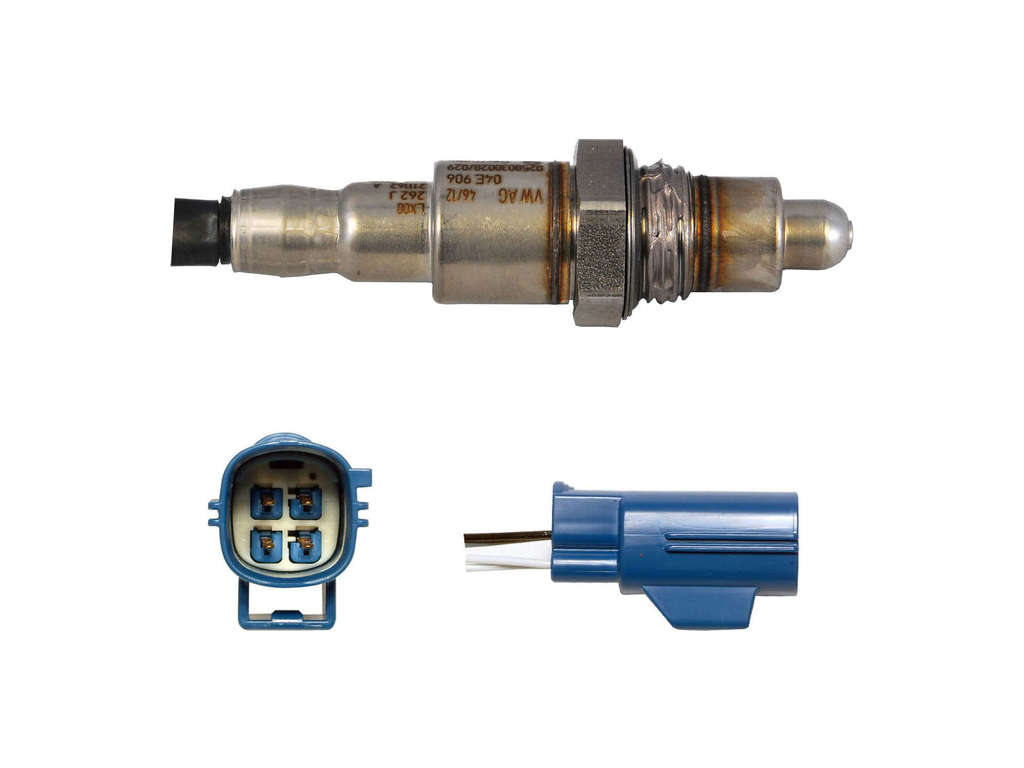
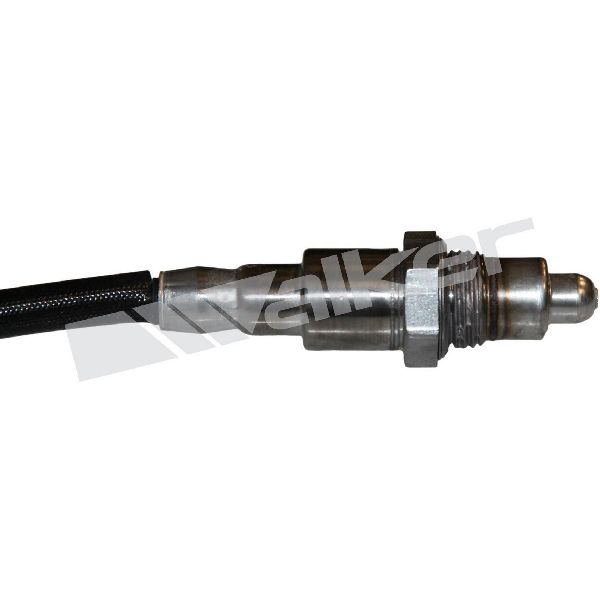
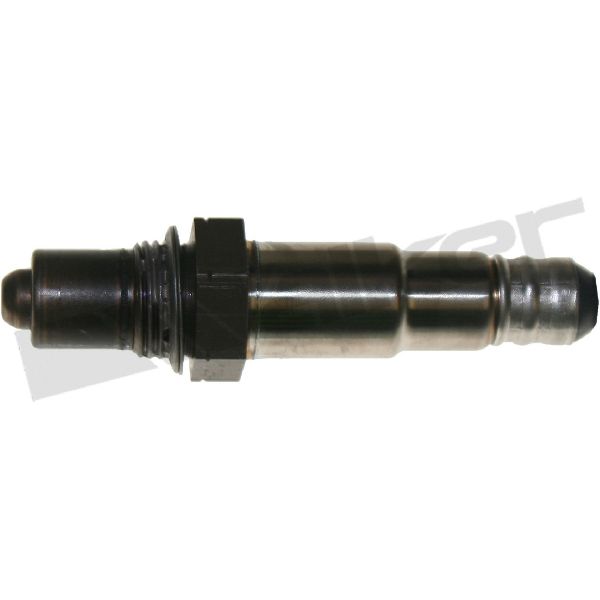
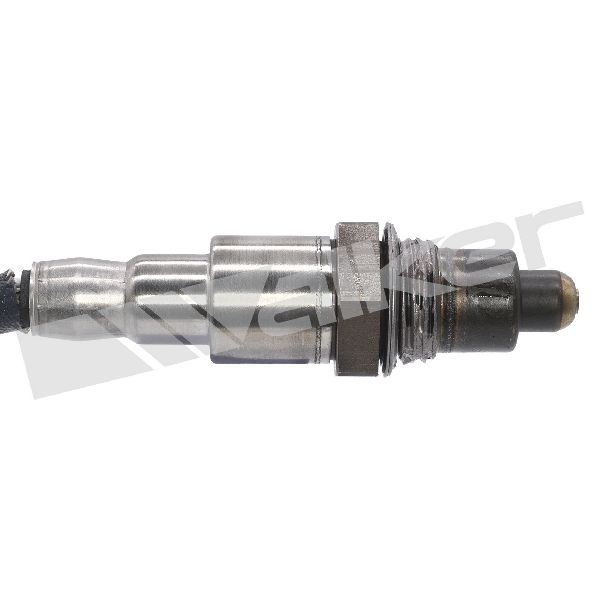
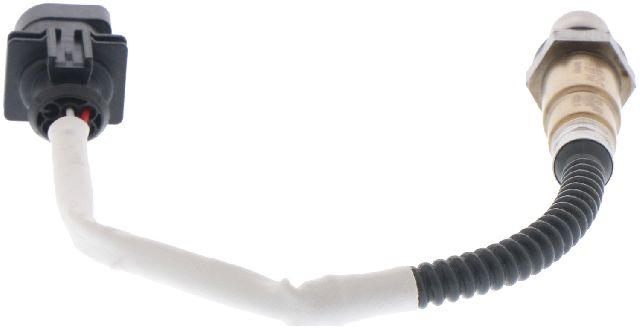
- Oxygen Sensor (Bank 2, Sensor 3)
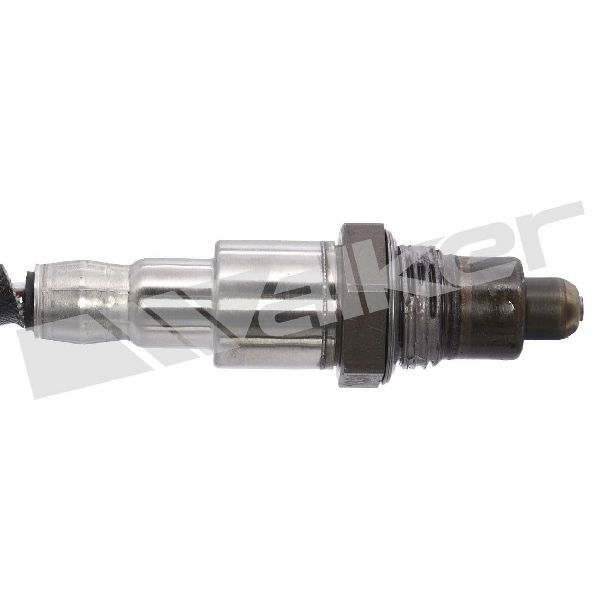
(OEM #LR140077)— This is the most common failure part for code P0164 on this vehicle, confirmed by manufacturer TSBs. LR140077 is listed for the 'Center Left' position, corresponding to Bank 2, Sensor 2/3 on some configurations. It supersedes part numbers LR062827 and LR098293. LR035748 is also a post-cat sensor used on these engines but may be for a different position or bank. Always confirm fitment with your VIN.
Trusted brands: Bosch, Denso, Walker, NTK
OEM price range: $150-$220
Aftermarket price range: $80-$150
Related Codes That Often Appear With This One
- P0162 — P0162 is for 'O2 Sensor Circuit Malfunction (Bank 2 Sensor 3)'. They often appear together as they relate to the same sensor's performance and circuitry.
- P0163 — P0163 is for 'O2 Sensor Circuit Low Voltage (Bank 2 Sensor 3)'. While opposite of P0164, seeing them together could indicate an intermittent wiring problem causing voltage to swing wildly.
- P0144 — P0144 is the equivalent high voltage code for the other side of the vehicle (Bank 1, Sensor 3). It is common for these sensors to fail around the same time due to shared manufacturing flaws or exposure to similar conditions.
Technical Service Bulletins (TSBs) & Recalls
- SSM72448: Addresses multiple O2 sensor codes, including P0164, pointing to the sensor as the root cause over wiring issues.
- LTB00671NAS3: Mentions P0164 in a list of DTCs related to post-catalyst O2 sensors that can cause the MIL to illuminate.
- LTB00671NAS2: An earlier version of LTB00671NAS3 with the same information regarding P0164.
- LTB00671NAS5: A later revision that also includes the Range Rover Sport and LR4, confirming the issue across platforms using the same engines.
Platform-Specific Known Issues
- TSB SSM72448: Notes that for a list of O2 sensor codes including P0164, diagnosis often reveals no fault with wiring and that the issue is with the sensor itself, advising replacement of the sensor.
- TSB LTB00671NAS3/5: States the Malfunction Indicator Lamp (MIL) may illuminate with P0164 and other codes relevant to post-catalyst heated oxygen sensors. It suggests replacing the affected sensor and, in some cases, performing a software update on the ECM to prevent recurrence due to thermal shock.
- Extended Warranty: Jaguar Land Rover issued an extended warranty for some models/years covering these oxygen sensors due to the high failure rate. Owners should check with a dealer to see if their VIN is covered.
Mechanic-Grade Diagnostic Values
- O2 Sensor Heater Circuit Resistance — expected: 3-20 Ohms when cold.. Failure: An infinite reading (open circuit) or 0 Ohms (short circuit) indicates a failed heater element within the sensor.
- O2 Sensor Heater Circuit Voltage Supply — expected: ~12V (Battery Voltage) with ignition on, engine off.. Failure: 0V indicates a blown fuse or a break in the power supply wire.
Wiring & Ground Locations
- B2S3 Connector — The electrical connector for the Bank 2, Sensor 3 O2 sensor is typically mounted on a bracket on a chassis crossmember, near the transmission.. This location is exposed to road spray and debris, making it a common point for corrosion or damage that can cause the high voltage reading of P0164.
- Chassis Ground Points — General ground points are located in the left and right footwells behind the trim panels, and on the inner fenders in the engine bay.. A corroded or loose chassis ground can cause a variety of electrical faults, including incorrect voltage readings from sensors like the O2 sensor. Cleaning these ground points is a key step in resolving persistent electrical issues.
Real Owner Repair Stories
- Land Rover Forums user (2016 LR4 3.0 SC (platform mate with shared engine)) — Check Engine Light with code P0164.
❌ Tried (didn't work) The owner initially ordered a replacement sensor that had a 5-pin connector, while their vehicle required a 4-pin sensor.
✅ What actually fixed it The user was seeking help to identify the correct sensor and location. The key takeaway is the potential for part number confusion, as a replacement sensor they ordered had the wrong pin count (5-pin vs. the required 4-pin), highlighting the need to verify fitment by VIN.
OEM Part Supersession History
LR062827, LR098293→LR140077— Part has been updated by the manufacturer. This is common for parts with known high failure rates.
Heads up: LR140077 is specified for the 'Center Left' position on 3.0L V6 and 5.0L V8 models. Always verify the correct part number for the specific sensor position (Sensor 1, 2, or 3) and bank, as different positions may use different parts. For example, the 5.0L SC engine uses six O2 sensors in total.N/A→N/A— N/A
Heads up: Part number LR035748 is also a rear/post-catalyst oxygen sensor for these vehicles but may be for a different bank or specific application. Cross-referencing by VIN is critical to avoid ordering the incorrect part, as connector types and wire lengths can vary.
Model Year Variations Within This Range
- 2013-2017: Jaguar Land Rover North America issued an extended warranty (Program N525) for oxygen sensors on vehicles with the 3.0L SC V6 and 5.0L SC V8 engines, extending coverage to 15 years or 150,000 miles. This applies to the Range Rover and other models sharing these engines. The program addresses failures caused by 'design or manufacturing variations or by system operating software'.
- 2013-2017 (5.0L V8 Supercharged): The 5.0L Supercharged models are equipped with a more complex six-sensor oxygen sensor system (three per bank), whereas other engines may use a four-sensor system. This makes identifying the correct 'Sensor 3' even more critical, as there is also a 'Sensor 2' (mid-stream) on the same bank.
Helpful Videos

We Have This Part in Stock

The information in this article is provided for general reference and educational purposes only. Vehicle specifications, procedures, and part compatibility can vary by production date, trim level, and region. Always consult your vehicle's factory service manual and verify part numbers before purchasing or performing repairs. Safety-critical components such as airbags, seat belts, and braking systems should be installed by a qualified professional.
- Land Rover RANGE ROVER:
- 🧭 Diagnostic Flowchart
- 🎬 Helpful Videos
- 🛍️ Shop This Part
- What's Unique About the 2013-2016 Land Rover RANGE ROVER
- Symptoms You May Notice
- Most Likely Causes
- Rare But Worth Checking
- Diagnosis Steps
- Parts You'll Likely Need
- Related Codes That Often Appear With This One
- Technical Service Bulletins (TSBs) & Recalls
- Platform-Specific Known Issues
- Mechanic-Grade Diagnostic Values
- Wiring & Ground Locations
- Real Owner Repair Stories
- OEM Part Supersession History
- Model Year Variations Within This Range
- 🎟️ Get 5% Off