

P0170 on 2005-2011 Ford Focus 2.0L: Fuel Trim Malfunction Causes and Fixes
On a 2005-2011 Ford Focus with the 2.0L engine, a P0170 code is most often caused by a dirty or failing Mass Airflow (MAF) sensor. Cleaning the sensor with a dedicated cleaner is a common first step and may resolve the issue for under $15. If the sensor needs replacement, expect to pay between $120 for an OEM Motorcraft part and $30-$70 for an aftermarket one. Vacuum leaks, particularly from cracked PCV hoses, are the second most likely cause.
- Start your diagnosis by cleaning the Mass Airflow (MAF) sensor with a dedicated cleaner; this is a cheap and very common fix for P0170 on the 2.0L Duratec engine.
- Thoroughly inspect for vacuum leaks, paying special attention to the PCV hoses and intake manifold gaskets, as they are known to crack and cause unmetered air to enter the system.
- Do not replace the oxygen sensor unless you have confirmed it is faulty through live data analysis; it is often just reporting a problem that originates elsewhere.
What's Unique About the 2005-2011 Ford Focus
For the second-generation North American Focus (2008-2011), the 2.0L Duratec engine's fuel and emissions system is sensitive to inputs from the Mass Airflow (MAF) sensor. Owners frequently report that a contaminated MAF sensor is the primary culprit for fuel trim issues like P0170. While vacuum leaks are a common cause on many vehicles, the MAF sensor should be the first component closely inspected on this particular Focus. A dirty or failing MAF sensor is a widely reported issue that can cause hesitation, rough idle, and poor fuel economy.
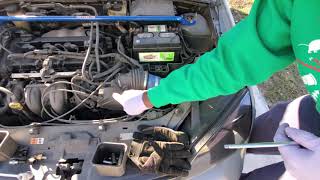
Generation note: The 2005-2011 year range covers two generations of the Ford Focus in North America. The 2005-2007 models are part of the first generation (after a 2005 facelift), while the 2008-2011 models are the second generation. Both generations use a 2.0L Duratec engine, and the common causes for P0170 are largely the same. However, part numbers for components like the MAF sensor may differ between these two generations. For example, a 2006 Focus owner noted the MAF sensor was located behind the radiator on the driver's side, accessible from the bottom of the car.
Symptoms You May Notice
- Check Engine Light is on
- Rough or unstable idle
- Hesitation or stumbling during acceleration
- Reduced fuel economy
- Engine may stall occasionally
- Loss of power
- Black smoke from the tailpipe (if running rich)
- Replacing the oxygen sensor without first checking for vacuum leaks or cleaning the MAF sensor. The O2 sensor often correctly reports a problem caused by another component.
Most Likely Causes
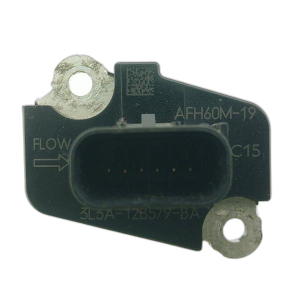
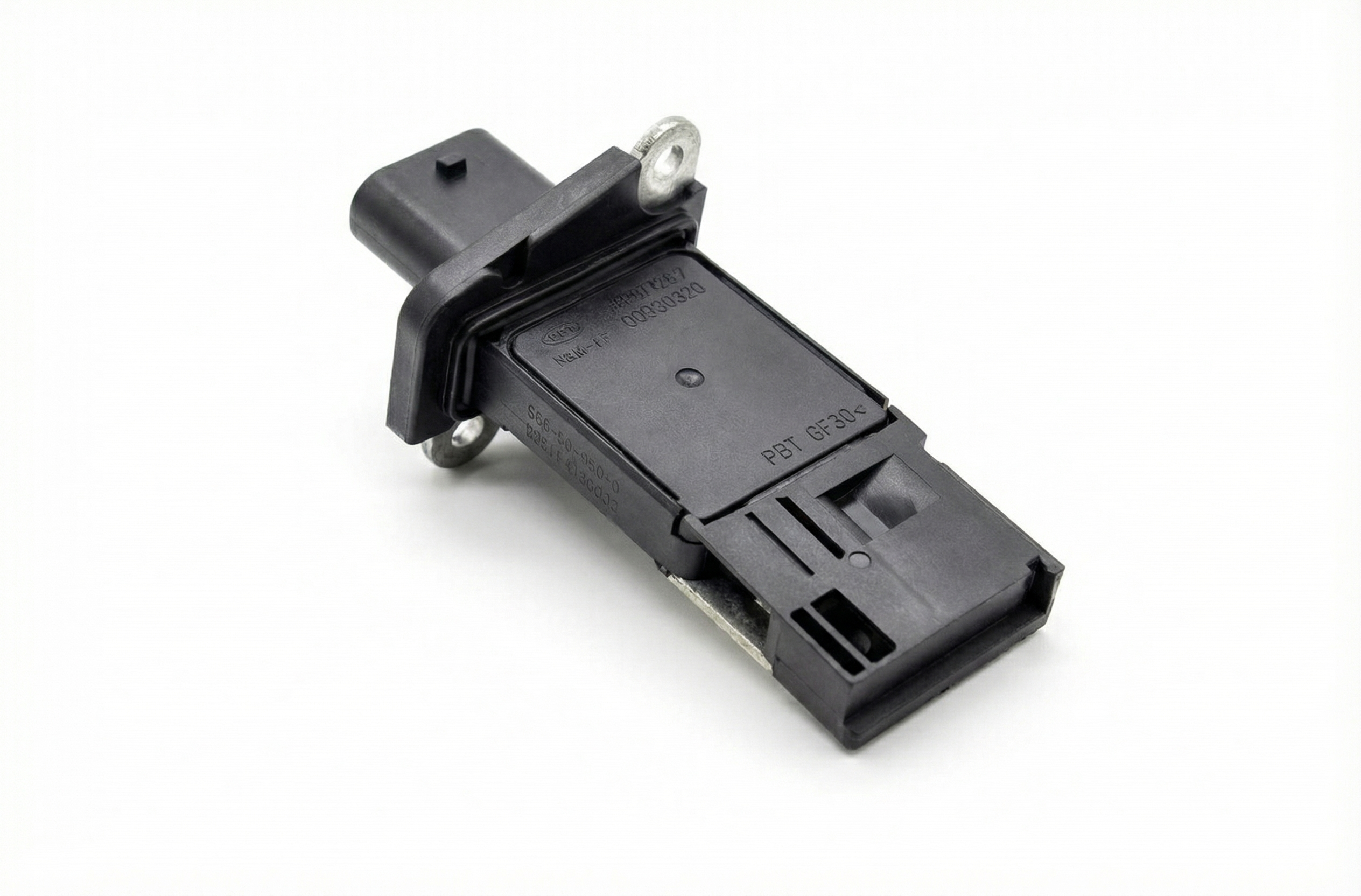
- Dirty or Faulty Mass Airflow (MAF) Sensor 🔴 High Probability → Shop Fuel Injection Air Flow Meter The MAF sensor wire can become contaminated with dirt and oil vapors from the PCV system over time, leading to inaccurate airflow readings. This is a widely reported issue on this platform, and cleaning the sensor is often sufficient to resolve the code.
How to confirm: Unplug the MAF sensor and see if the engine's running condition improves. A more definitive test is to use an OBD-II scanner to monitor the MAF sensor readings at idle and under load to see if they are within the expected range. Visually inspect the sensor wires for contamination. A dirty sensor may not show significantly different values on a scan tool but may have reduced responsiveness.
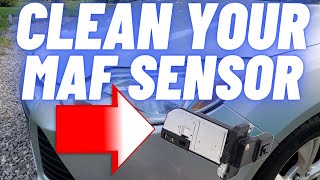
Typical fix: First, attempt to clean the sensor using a dedicated MAF sensor cleaner spray. Do not touch the delicate sensor wires. 🎬 Watch: How to clean the MAF sensor safely Let it dry completely before reinstalling. If cleaning doesn't resolve the issue, the sensor must be replaced.
Est. part cost: $30-$150 - Vacuum Leak 🟡 Medium Probability Hoses, especially the PCV (Positive Crankcase Ventilation) hoses, and intake manifold gaskets can become brittle and crack over time, allowing unmetered air to enter the engine and disrupt the air-fuel ratio. A leak after the MAF sensor will cause the PCM to receive incorrect data, leading to fuel trim malfunction.
How to confirm: Perform a visual inspection of all vacuum lines and intake ducting for cracks or loose connections. Pay close attention to the PCV hose and the intake manifold gaskets. A smoke test is the most effective method to pinpoint the source of a vacuum leak.
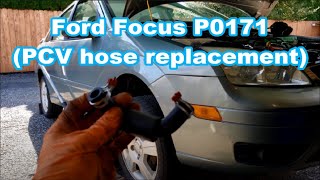
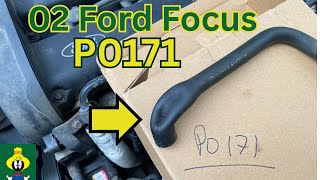
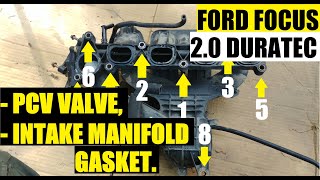
Typical fix: Replace the cracked or leaking hose or gasket. PCV hoses are a common failure point 🎬 See this PCV hose and intake manifold replacement walkthrough and are relatively inexpensive to replace.
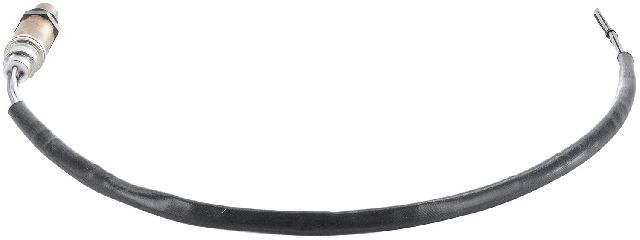
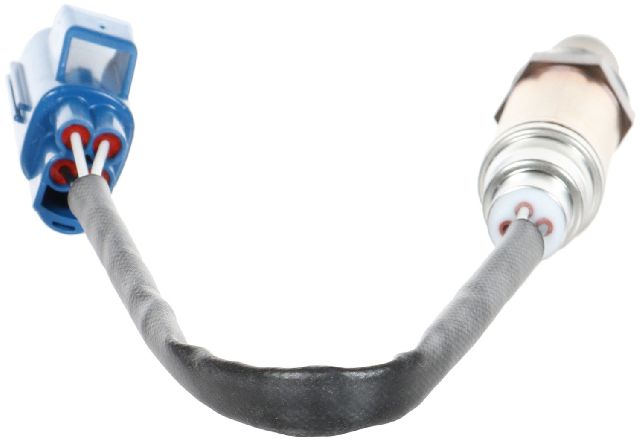
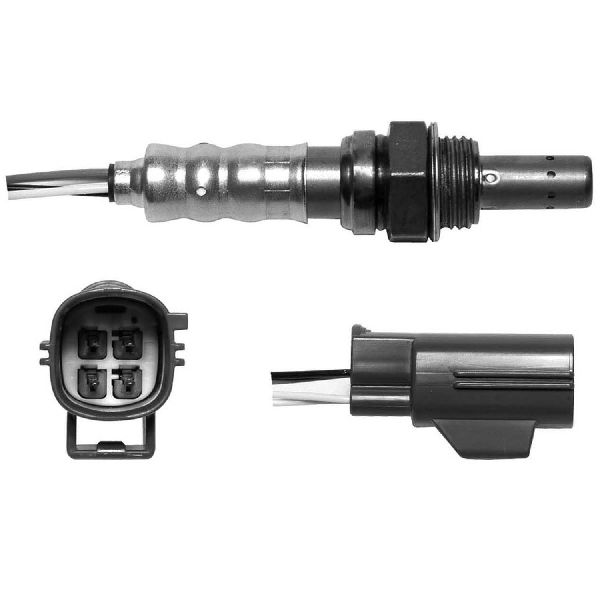
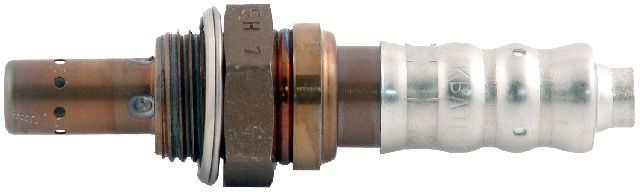
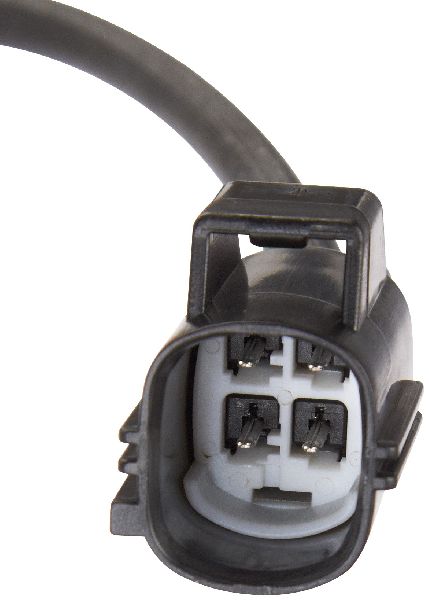
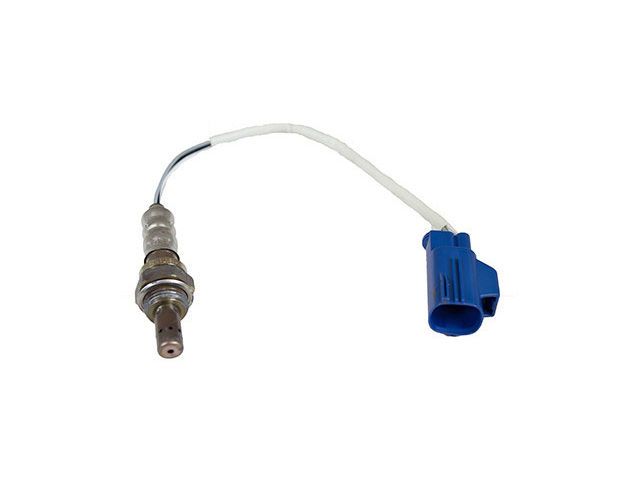
Est. part cost: $10-$50 - Faulty Upstream Oxygen (O2) Sensor ⚪ Low Probability → Shop Oxygen Sensor The upstream O2 sensor (also called Bank 1, Sensor 1) provides the primary feedback to the PCM for fuel trim adjustments. Over time, the sensor can become slow to respond or fail, sending incorrect information. However, it's more common for the O2 sensor to correctly report a problem caused by another component.
How to confirm: Use an OBD-II scanner with live data capabilities to monitor the voltage of the upstream O2 sensor. It should fluctuate rapidly between approximately 0.1 and 0.9 volts. A sensor that is stuck or slow to respond is likely faulty.
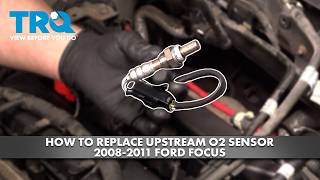
Typical fix: Replace the upstream oxygen sensor. Ensure other causes like vacuum leaks 🎬 Watch: How to replace the upstream O2 sensor and MAF issues are ruled out first to avoid unnecessary replacement.
Est. part cost: $50-$150
Rare But Worth Checking
- Clogged Fuel Injectors: If one or more fuel injectors are partially clogged, they won't deliver the correct amount of fuel, which can force the fuel trims to their limit. This is less common than sensor or vacuum issues.
- Low Fuel Pressure: A weak fuel pump or a clogged fuel filter can lead to insufficient fuel pressure, causing a lean condition that the PCM tries to correct, potentially triggering P0170. An owner report in NHTSA ODI #10860362 noted that a plugged fuel filter was associated with a P0170 code and low fuel pressure symptoms.
- Leaking Valve Cover Gasket: A common issue on the 2.0L Duratec is the valve cover gasket leaking oil into the spark plug wells. This can cause misfires and stumbling, which could potentially affect the O2 sensor readings and contribute to a fuel trim code.
- PCM Software Strategies: In some Ford vehicles, the P0170 code may be triggered by specific software strategies within the Powertrain Control Module (PCM). Manufacturer bulletins TSB 19-2344 and TSB 19-2343 indicate that an illuminated MIL with P0170 stored can sometimes be corrected by following specific PCM service procedures.
Diagnosis Steps
- Read the code: Use an OBD-II scanner to confirm the P0170 code and check for any other stored codes.
- Check for vacuum leaks: Visually inspect all vacuum hoses, the air intake boot, and the intake manifold gasket area for any obvious cracks, breaks, or loose connections. Pay close attention to the PCV hoses.
- Perform a smoke test: If no visual leaks are found, use a smoke machine to introduce smoke into the intake system. Smoke will escape from any leaks, making them easy to identify.
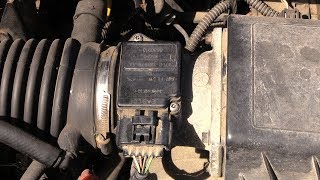
- Inspect and clean the MAF sensor: Locate the MAF sensor in the intake tube after the air filter. Disconnect it, carefully remove it, and inspect the small wires. Spray them generously with a dedicated MAF sensor cleaner. Let it dry completely before reinstalling.
- Analyze live data: Use a scan tool to monitor live data. Check the Short-Term Fuel Trim (STFT) and Long-Term Fuel Trim (LTFT) values. High positive numbers (e.g., >15%) suggest a lean condition (vacuum leak, bad MAF, low fuel pressure).
- Test the upstream O2 sensor: While monitoring live data, observe the Bank 1, Sensor 1 (upstream) O2 sensor voltage. It should switch rapidly. If it's lazy or stuck, it's likely faulty.
- Check fuel pressure: If a lean condition is suspected and no vacuum leaks or sensor faults are found, test the fuel pressure to ensure the fuel pump and filter are functioning correctly.
Parts You'll Likely Need
- Mass Airflow (MAF) Sensor
(OEM #AFLS-131 (for 2008-2011 models))— This is the most frequent cause of P0170 on this vehicle due to contamination of the sensor element.
Trusted brands: Motorcraft, Bosch, Hitachi
OEM price range: $120-$150
Aftermarket price range: $30-$80 - Upstream Oxygen Sensor (Bank 1, Sensor 1)
(OEM #DY-1028 (for 2008-2011 models))— A failed or slow O2 sensor can provide incorrect data to the PCM, causing fuel trim issues.
Trusted brands: Motorcraft, NTK, Denso, Bosch
OEM price range: $110-$140
Aftermarket price range: $50-$90 - PCV Hose — These rubber/plastic hoses are prone to cracking with age and heat, creating vacuum leaks.
Trusted brands: Motorcraft, Dorman
OEM price range: $20-$40
Aftermarket price range: $10-$25
Related Codes That Often Appear With This One
- P0171 — P0171 indicates a specific 'System Too Lean' condition. P0170 is a more general fuel trim malfunction, but it is often triggered by the same underlying lean conditions that set P0171.
- P0102 — This code indicates a low input from the MAF sensor circuit, directly pointing to a potential issue with the MAF sensor itself or its wiring, which is a primary cause of P0170.
- P0173 — This code indicates a Fuel Trim Malfunction on Bank 2. On a 4-cylinder engine like the Focus, there is only one bank, so this code would not appear. However, on V-engines, seeing P0170 and P0173 together would point towards a problem common to both banks, like the MAF sensor or fuel pressure.
Platform-Specific Known Issues
- Real Owner Experience with MAF Cleaning: An owner of a 2006 Ford Focus with 127,000 miles reported that while the car was running okay, cleaning the MAF sensor resulted in a noticeably smoother idle and eliminated a slight surging tendency under constant load. This highlights that even a sensor that isn't completely faulty can benefit from cleaning.
Mechanic-Grade Diagnostic Values
- MAF Sensor Live Data at Idle (warm engine) — expected: 2 to 7 g/s (grams per second). Failure: A reading that is stuck, unresponsive, or significantly outside this range.
- MAF Sensor Live Data at 2500 RPM — expected: 15 to 25 g/s (grams per second). Failure: A reading that does not rise with RPM or rises erratically.
- MAF Sensor Signal Voltage at Idle (warm engine) — expected: 0.6V to 1.2V. Failure: Voltage is stuck low or does not respond to throttle changes.
- MAF Sensor Power Supply Voltage (Key-On-Engine-Off) — expected: ~12V (Battery Voltage). Failure: Significantly less than battery voltage indicates a wiring or fuse issue.
- MAF Sensor Ground Circuit Voltage Drop — expected: Less than 100 millivolts (0.1V). Failure: A higher voltage reading indicates a poor ground connection.
- Combined Short-Term (STFT) and Long-Term (LTFT) Fuel Trim — expected: Between -10% and +10%. Failure: A combined value consistently above +20% (lean) or below -20% (rich) will trigger the code.
Wiring & Ground Locations
- G104 — At the left front strut tower in the engine compartment.. This is a primary grounding point for several engine components and sensors. A corroded or loose connection here can cause erratic sensor readings, including from the MAF sensor, leading to fuel trim codes.
- G100 / G101 / G102 — Left front of the engine compartment.. These grounds serve various components in the engine bay, including the Powertrain Control Module (PCM). Poor grounding at these locations can lead to incorrect calculations and fault codes.
- MAF Sensor Harness — Runs from the MAF sensor near the airbox towards the main engine harness.. On some Focus models, this harness can chafe against the starter motor or transmission bell housing, causing intermittent shorts or open circuits in the MAF sensor wiring, directly leading to P0170 or related codes.
Real Owner Repair Stories
- FocusFanatics.com forum member (2005 Ford Focus 2.0L Duratec) — Check Engine Light with P0171 (lean code, often seen with P0170), rough idle, and hesitation.
❌ Tried (didn't work) Cleaned the MAF sensor, Replaced the MAF sensor, Replaced the upstream O2 sensor, Replaced the PCV valve and hose, Performed a smoke test which showed no leaks
✅ What actually fixed it The plastic intake manifold had developed a hairline crack that did not show up during a smoke test. Replacing the entire intake manifold assembly finally resolved the lean condition and cleared the codes. - NHTSA ODI #10860362 — An owner reported a check engine light with codes P008A (low fuel pressure) and P0170. After a fuel filter was found to be plugged and replaced, the issue persisted, leading technicians to suggest further investigation into the fuel system delivery.
"I Checked Everything" — The Actual Cause
- In some cases, a hairline crack in the plastic intake manifold may not open up enough to show a leak during a low-pressure smoke test. However, under the vibration and vacuum of a running engine, the crack can open and allow unmetered air to enter, causing a lean condition. If all other causes are ruled out, carefully inspecting the intake manifold for cracks, especially around the seams and mounting points, is necessary.
OEM Part Supersession History
3L3A-12B579-BA→3L3Z-12B579-BA, which is also sold under the Motorcraft part number AFLS-131.— Standard part revision and consolidation by the manufacturer.
Heads up: While these part numbers are generally interchangeable for the specified vehicles, always verify fitment with the vehicle's VIN, as minor calibration differences can exist.
Model Year Variations Within This Range
- 2005-2007 vs 2008-2011: The PCV system design and hose routing saw minor changes between the first generation facelift (2005-2007) and the second generation (2008-2011). While both are prone to vacuum leaks, the exact shape and part number of the PCV hoses may differ, requiring careful selection when ordering replacements.
- 2005-2007: The air filter box design on earlier models is known for having its Torx screw threads strip out easily in the plastic housing. This can prevent a proper seal, allowing dirty, unmetered air to bypass the filter and contaminate the MAF sensor, making these years particularly prone to MAF-related fuel trim codes.
Diagnostic Flowchart
Other Known Issues on This Vehicle
Issues unrelated to this code that are worth knowing about as an owner of this generation:
- Passenger-Side Engine Mount Failure 🔴 High — Very common. The fluid-filled mount collapses, often noticeable by 50,000-80,000 miles, causing excessive vibration at idle and clunking noises. (Ref: Ford issued a TSB for models from 2000-2011 regarding engine vibration problems, recommending specific mount replacements.)
- Cracked Plastic Thermostat Housing 🟠 Medium — Common failure item. The plastic housing becomes brittle with heat cycles and can crack, leading to coolant leaks and potential overheating. Often triggers codes like P0128.
- Intake Manifold Runner Control (IMRC) Solenoid Failure 🟠 Medium → Shop Engine Intake Manifold — A very common cause for code P2008. The solenoid pack on top of the engine fails, causing a loss of low-end power and poor fuel economy.
- Leaking Valve Cover Gasket 🟡 Low — The gasket seals for the spark plug tubes frequently fail, allowing oil to fill the wells, which can cause engine hesitation and misfires.
- Alternator Failure 🟠 Medium — Alternators on this platform can fail prematurely. Symptoms include a battery warning light and electrical issues.
Technical Service Bulletins (TSBs) & Recalls
- TSB 19-2344: A manufacturer service bulletin notes that vehicles may exhibit an illuminated MIL with only DTC P0170 stored in the PCM, which may be due to various strategies within the PCM software.
- TSB 19-2343: This bulletin describes conditions where vehicles may exhibit an illuminated MIL with diagnostic trouble codes including P0170, potentially caused by PCM software strategies.
Used vs. New Parts: Buying Guide for This Vehicle
When a used part is the smart pick: For this repair, a used intake manifold from a low-mileage donor vehicle can be a cost-effective solution if the original is found to be cracked. Other electronic components like sensors are generally not recommended to be purchased used.
Donor-vehicle mileage cap: roughly under 75000 miles for the part to have meaningful remaining life.
What to inspect on the donor part:
- For an intake manifold, inspect thoroughly for any hairline cracks, especially near the mounting flanges and seams.
- Ensure all threaded inserts are intact and not stripped.
- Check that the IMRC flaps (if visible) move freely without binding.
OEM-only on this vehicle (don't cheap out):
- Mass Airflow (MAF) Sensor: While some aftermarket brands are acceptable, many owners report issues with cheap, unbranded sensors. Sticking with OEM Motorcraft is the safest bet to avoid immediate or premature failure.
Aftermarket brands forum-validated for this vehicle:
- NTK or Denso for Oxygen Sensors
- Dorman for PCV hoses and some intake manifolds (check reviews for the specific part number)
Brands owners have reported issues with on this vehicle:
- Unbranded, 'white-box' electronic sensors (MAF, O2) from online marketplaces are frequently reported to be dead-on-arrival or fail within a short period.
Real Owner Stories
Aggregated from forums and TSBs cited above. Mileages and costs reflect what owners reported in those sources.
2006 Ford Focus 2.0L Duratec — 127000 miles
Symptoms: The car was running okay but had a slight surging tendency under constant load and a less-than-smooth idle.
What fixed it: Cleaning the MAF sensor with a dedicated cleaner spray.
Source hint: Real Owner Experience with MAF Cleaning
2005-2011 Ford Focus Duratec 2.0L
Symptoms: Fuel trim malfunction codes P0170 and P0171.
What fixed it: Checking for vacuum leaks, specifically inspecting the crankcase vent hose (PCV) located under the intake manifold.
Source hint: FordTruckEnthusiasts.com thread on P0170
Ford Owner Report — NHTSA ODI #10860362
Symptoms: An owner reported a check engine light with codes P008A (low fuel pressure) and P0170, which the owner described as "something to do with the fuel."
What fixed it: The fuel filter was found to be plugged and was replaced, though the owner noted further diagnostic uncertainty from the dealership regarding the persistent codes.
Related OBD-II Codes
Frequently Asked Questions
Is there a TSB for the engine vibrations I'm feeling along with the P0170 code on my 2007 Focus?
Should I buy a used Mass Airflow (MAF) sensor to save money on this repair?
My Focus has a P0170 and a P2008 code; are they related?
Can a dirty PCV hose cause the P0170 code on a Duratec 2.0L?
I'm seeing oil in my spark plug wells while diagnosing P0170; is this the cause?
Is cleaning the MAF sensor actually effective for the Ford Focus?
Helpful Videos
Used OEM Parts in Stock
New Aftermarket Parts Available

The information in this article is provided for general reference and educational purposes only. Vehicle specifications, procedures, and part compatibility can vary by production date, trim level, and region. Always consult your vehicle's factory service manual and verify part numbers before purchasing or performing repairs. Safety-critical components such as airbags, seat belts, and braking systems should be installed by a qualified professional.
- Ford Focus:
- 🧭 Diagnostic Flowchart
- 🎬 Helpful Videos
- 🛍️ Shop This Part
- What's Unique About the 2005-2011 Ford Focus
- Symptoms You May Notice
- Most Likely Causes
- Rare But Worth Checking
- Diagnosis Steps
- Parts You'll Likely Need
- Related Codes That Often Appear With This One
- Platform-Specific Known Issues
- Mechanic-Grade Diagnostic Values
- Wiring & Ground Locations
- Real Owner Repair Stories
- "I Checked Everything" — The Actual Cause
- OEM Part Supersession History
- Model Year Variations Within This Range
- Other Known Issues on This Vehicle
- Technical Service Bulletins (TSBs) & Recalls
- Used vs. New Parts: Buying Guide for This Vehicle
- Real Owner Stories
- 2006 Ford Focus 2.0L Duratec — 127000 miles
- 2005-2011 Ford Focus Duratec 2.0L
- Ford Owner Report — NHTSA ODI #10860362
- Related OBD-II Codes
- Frequently Asked Questions
- 🎟️ Get 5% Off