

P0171 on 2007-2013 Cadillac Escalade EXT: Causes and Fixes for Lean Fuel System
On a 2007-2013 Escalade EXT, code P0171 is most often caused by a vacuum leak from a cracked Positive Crankcase Ventilation (PCV) tube on the driver's side of the engine, as noted in GM TSB #PIP5341. The engine cover can rub through this tube. Replacing this small hose (GM Part #12597774) is an inexpensive fix, often costing under $30 for the part.
- For a P0171 on a 2007-2013 Escalade EXT, the first thing to inspect is the PCV hose on the driver's side valve cover for cracks.
- A vacuum leak is the most probable cause, far more likely than a bad O2 sensor or fuel system problem.
- If the PCV hose is intact, the next most likely cause is leaking intake manifold gaskets, which can be confirmed with a smoke test.
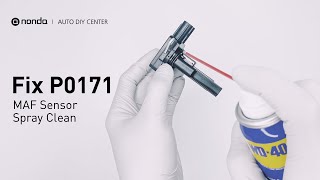
- Cleaning the MAF sensor is a simple and inexpensive diagnostic step that should be performed if no vacuum leaks are found.
- If codes P0171 and P0174 appear together, it strongly suggests a problem affecting the whole engine, like the MAF sensor or intake gaskets, rather than a component specific to one bank.
What's Unique About the 2007-2013 Cadillac ESCALADE EXT
The 6.2L V8 engine (L92, L9H, L94) used in this generation of Escalade EXT is known for specific vacuum leak points that commonly cause a P0171 code. A primary culprit, identified in GM Technical Service Bulletin #PIP5341, is a small PCV tube that cracks or gets rubbed through by the engine cover. Unlike many other vehicles where a dirty MAF sensor or weak fuel pump might be the first suspect, this specific, inexpensive rubber hose is a very high-probability failure point on these trucks.
Diagnostic Flowchart
Tap your situation to follow the diagnostic path that matches what you're seeing on this vehicle.
Symptoms You May Notice
- Check Engine Light is on
- Engine runs and idles rough.
- Hesitation or lack of power during acceleration.
- Hissing sound from the engine bay due to a vacuum leak.
- Possible stalling at idle.
- Random misfire codes (like P0300) may also be present.
- Stabilitrak service message may appear on the dash in conjunction with the lean codes.
- Replacing the upstream oxygen (O2) sensor. The O2 sensor is usually just reporting the lean condition accurately; it is rarely the cause of a P0171 code unless it has failed and is sending false signals, which typically sets other sensor-specific codes. Some forum members note that these trucks can be sensitive to non-OEM sensors, so if you do replace one, using an ACDelco part is recommended.
Most Likely Causes
- Cracked or Damaged PCV Vacuum Tube 🔴 High Probability As cited in TSB #PIP5341, the PCV tube on the left side (Bank 1) of the engine is a known failure point. The TSB states the engine cover can rub a hole in the tube, causing a significant vacuum leak. The rubber elbows also become brittle from heat and age, leading to cracks.
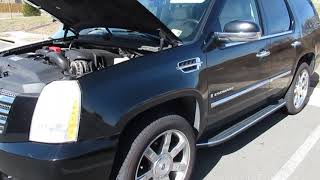
How to confirm: Visually inspect the PCV hoses that run from the driver's side valve cover to the intake manifold. Pay close attention to the area where the engine cover makes contact. A YouTube video by user 'All About carz' shows the exact location of this failure. A smoke test will definitively show a leak from this area.
Typical fix: Replace the cracked or damaged PCV tube assembly. The TSB recommends covering the new tube with conduit to protect it from repeat damage. This is often a simple and inexpensive repair.
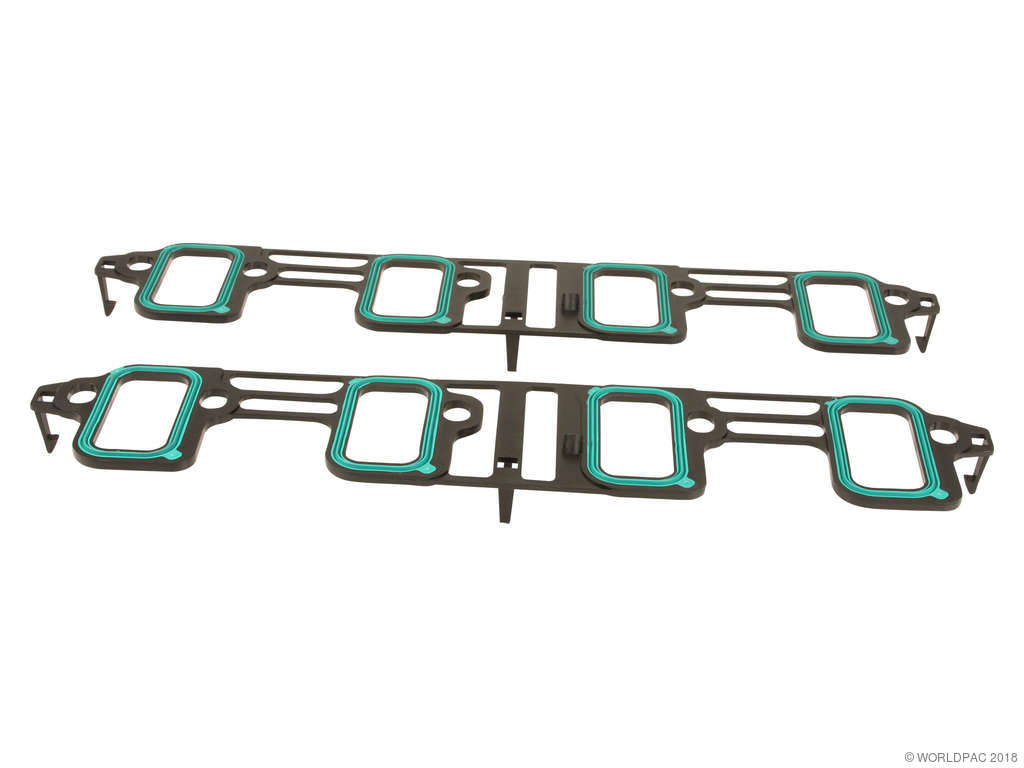
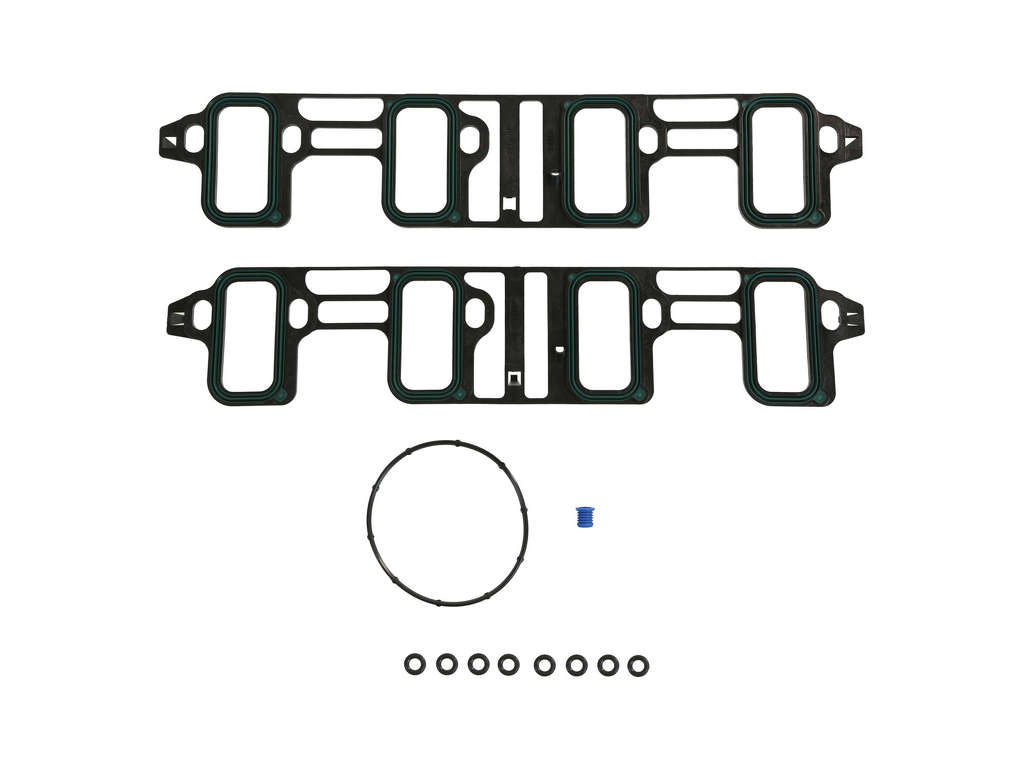
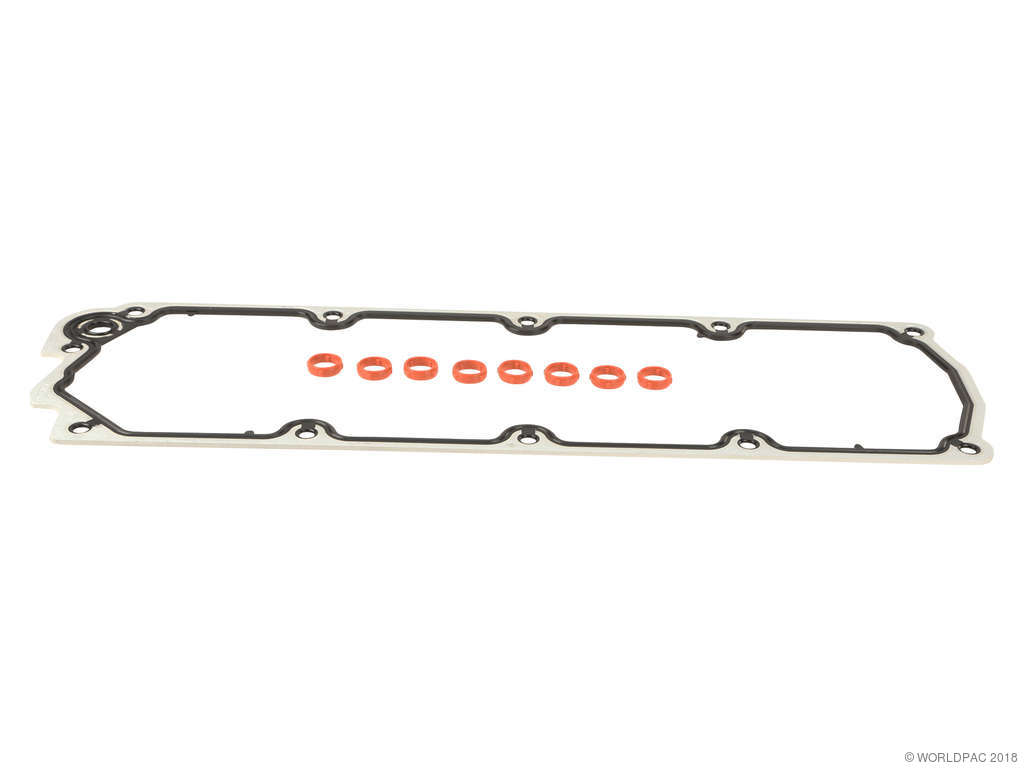
Est. part cost: $15-$40 - Leaking Intake Manifold Gaskets 🟡 Medium Probability → Shop Engine Intake Manifold The intake manifold gaskets on GM V8s of this era are known to degrade over time, causing vacuum leaks. The original orange gaskets were more prone to failure than the updated designs. The leak is often on the underside of the port, making it difficult to see.
How to confirm: Perform a smoke test on the intake system. Another method is to carefully spray brake cleaner or starting fluid around the intake manifold mating surface with the engine running; a change in engine idle indicates a leak. A user on Tahoe Yukon Forum confirmed this was their issue after trying other fixes.
Typical fix: Replace the intake manifold gaskets. It's recommended to use an updated, high-quality gasket set like Fel-Pro MS 96587, which is a well-regarded replacement.
Est. part cost: $40-$100 - Dirty or Faulty Mass Airflow (MAF) Sensor 🟡 Medium Probability → Shop Fuel Injection Air Flow Meter The MAF sensor measures the amount of air entering the engine. If it's dirty, it can under-report the airflow, causing the PCM to command less fuel than needed, resulting in a lean condition. This is a common issue on many vehicles, not just the Escalade.
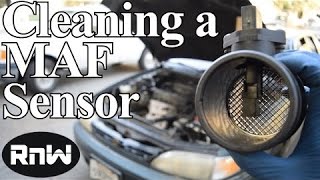
How to confirm: Remove the MAF sensor and clean it with a dedicated MAF sensor cleaner. Do not use brake or carburetor cleaner. Check for improvements in fuel trim data with a scan tool after cleaning. 🎬 See how to diagnose and clean a dirty MAF sensor.
Typical fix: Clean the MAF sensor. If the problem persists, replace the sensor with a quality OEM or brand-name part like ACDelco or Delphi. A forum user noted cleaning their MAF resolved their codes which only appeared under heavy acceleration.
Est. part cost: $10 (cleaner) - $150 (new sensor) - Weak Fuel Pump or Clogged Fuel Filter ⚪ Low Probability → Shop Fuel Filter While less common than vacuum leaks, a failing fuel pump or clogged in-tank filter sock can reduce fuel delivery, causing lean conditions. Some owners on forums have resolved P0171/P0174 codes by replacing the fuel pump after other methods failed.
How to confirm: Connect a fuel pressure gauge to the fuel rail's service port. Check if the fuel pressure is within the manufacturer's specifications at idle and under load. Long crank times can also be a symptom of a weak pump losing its prime.
Typical fix: If pressure is low, the entire fuel pump module (which includes the pump, filter sock, and sending unit) typically needs to be replaced. There is no separate, easily serviceable fuel filter.
Est. part cost: $200-$500 (pump module)
Rare But Worth Checking
- Leaking Fuel Injector O-rings: → Shop Fuel Injector The O-rings that seal the fuel injectors can dry out and crack, creating a small vacuum leak at the base of the injector.
- Cracked Exhaust Manifold or Broken Bolts: → Shop Exhaust Manifold A crack in the exhaust manifold or a failed gasket, often from broken manifold bolts (especially the rearmost ones), can allow outside air into the exhaust stream pre-O2 sensor. This tricks the O2 sensor into thinking the engine is running lean, causing the PCM to incorrectly add fuel and potentially setting a lean code.
- Incorrect Fuel (E85 in a non-FlexFuel vehicle): Accidentally using E85 fuel in a non-FlexFuel Escalade will cause the engine to run extremely lean and set P0171 and P0174 codes.
Diagnosis Steps
- Read the trouble codes with an OBD-II scanner and check freeze frame data to see the engine conditions when the code was set.
- Inspect the engine bay for any obvious signs of a vacuum leak. Pay extremely close attention to the PCV tube on the driver's side valve cover, looking for rub marks from the engine cover, as mentioned in TSB #PIP5341.
- With the engine running, listen for hissing sounds that indicate a vacuum leak.
- If a leak isn't obvious, perform a smoke test. This involves feeding low-pressure smoke into the intake system to easily visualize any leaks from gaskets, hoses, or seals.
- If no vacuum leaks are found, remove and clean the Mass Airflow (MAF) sensor using a dedicated MAF sensor cleaner.
- Check long-term and short-term fuel trims with a scan tool. High positive numbers (e.g., >10%) confirm the engine is compensating for a lean condition.
- If the issue persists, test the fuel pressure to rule out a weak fuel pump or clogged filter.
- As a final step, inspect for exhaust leaks between the cylinder head and the upstream O2 sensor, looking for broken exhaust manifold bolts.
Parts You'll Likely Need
- PCV Tube / Hose Assembly
(OEM #12597774)— This is the most common failure point for a P0171 code on this vehicle, as documented by GM's own service bulletin (PIP5341). The rubber becomes brittle or is rubbed through by the engine cover.
Trusted brands: ACDelco (GM Genuine), Dorman
OEM price range: $25-$50
Aftermarket price range: $15-$30 - Intake Manifold Gasket Set — These gaskets are a common source of vacuum leaks on GM V8 engines of this era. Replacing them is often necessary to resolve persistent lean codes. The Fel-Pro MS 96587 is a widely available and trusted aftermarket option.
Trusted brands: ACDelco, Fel-Pro (MS 96587)
OEM price range: $60-$100
Aftermarket price range: $30-$70 - Mass Airflow (MAF) Sensor — If cleaning the original sensor doesn't resolve the issue, a faulty MAF sensor may be under-reporting airflow, causing the lean condition.
Trusted brands: ACDelco, Delphi, Denso
OEM price range: $120-$200
Aftermarket price range: $50-$120
Related Codes That Often Appear With This One
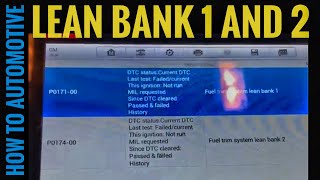
- P0174 — This code means "System Too Lean (Bank 2)". It often appears with P0171 when the cause is a vacuum leak 🎬 Watch: Troubleshooting lean codes on GM and Chevy trucks. or fuel delivery issue that affects the entire engine, such as a faulty MAF sensor, leaking intake manifold gaskets, or a weak fuel pump.
- P0300 — This code for a "Random/Multiple Cylinder Misfire" can be caused by a lean condition. When the air-fuel mixture is too lean, it may not ignite properly, leading to misfires.
Technical Service Bulletins (TSBs) & Recalls
- source — This bulletin details a common issue where the engine cover rubs through the PCV dirty air tube on the left rear of the intake manifold, causing a vacuum leak and lean codes. The fix is to replace the tube and add a protective conduit.
Platform-Specific Known Issues
- TSB #PIP5341 specifically calls out a vacuum leak from the PCV tube on the left side of the engine. It notes that the engine cover can rub a hole in the tube and recommends covering the replacement part with conduit for protection.
- The original orange/red intake manifold gaskets are known to be less durable than the updated green or blue gaskets from Fel-Pro and other brands.
- Broken exhaust manifold bolts, especially the rearmost ones near the firewall, are a very common issue on the GMT900 platform and can cause exhaust leaks tha
Mechanic-Grade Diagnostic Values
- Long-Term Fuel Trim (LTFT) — expected: Between -10% and +10% at operating temperature.. Failure: Sustained positive values greater than 10-15% indicate the PCM is adding significant fuel to compensate for a lean condition. The code often sets when LTFT exceeds +20-25%.
- Mass Air Flow (MAF) Sensor Reading — expected: Approximately 6.2 g/s at idle for a 6.2L engine, though service manuals state a broader range of 2-6 g/s is acceptable. Readings should increase smoothly with RPM, reaching 15-25 g/s at 2500 RPM.. Failure: A reading significantly lower than engine displacement (e.g., 3-4 g/s at idle) suggests the sensor is dirty or failing, under-reporting airflow. A dirty sensor may read correctly at idle but fail to report higher airflow under acceleration.
- Manifold Absolute Pressure (MAP) Sensor — expected: 19-42 kPa at idle with the engine warm.. Failure: Readings outside this range can indicate a vacuum leak (higher reading) or other engine mechanical issues.
- Fuel Pressure (at fuel rail) — expected: Approximately 60 PSI at idle. Some aftermarket fuel pump specifications show a range of 85.5 to 88.5 PSI.. Failure: A significant drop in pressure under load indicates a weak fuel pump or clogged filter, which can cause lean conditions.
Wiring & Ground Locations
- G103 — On the front of the right cylinder head (passenger side).. This is a primary ground point for the Engine Control Module (ECM). A poor connection here can cause erratic sensor readings and incorrect fuel calculations, potentially leading to lean codes.
- G104 — On the front of the left cylinder head (driver's side).. This is another critical ground for the ECM. Ensuring this ground is clean and tight is a key step in diagnosing electronic faults.
- G102 — Lower left front of the engine. Another source places it at the left rear of the engine, grounding the ignition coils.. This ground serves the ignition coils. A bad ground could lead to a weak spark, incomplete combustion, and misfires that can sometimes be misinterpreted or accompany lean codes.
Real Owner Repair Stories
- Tahoe Yukon Forum user (2007 Yukon Denali (same platform/engine) with 113k miles) — P0171 and P0174 codes that were repeatable under moderate-to-heavy acceleration. Long term fuel trims would max out over 24%.
❌ Tried (didn't work) Initial diagnosis showed fuel pressure was good at 60 PSI at idle. The user logged data but was unsure of the cause.
✅ What actually fixed it Cleaning the Mass Airflow (MAF) sensor. After cleaning, the long term fuel trims were cut in half (down to 12-13% under acceleration) and the codes did not return. The MAF was under-reporting airflow, especially at higher RPMs. - YouTube user 'All About carz' (2007 Cadillac Escalade) — P0171 code on Bank 1.
❌ Tried (didn't work) The owner had changed a lot of other parts without success.
✅ What actually fixed it The small rubber elbow on the PCV hose for Bank 1 (driver's side) had a large crack, causing a vacuum leak. The owner also found a smaller crack in the same hose on Bank 2 and replaced both as a preventative measure. The fix was confirmed to last over four months without the code returning.
"I Checked Everything" — The Actual Cause
- A leaking brake booster or its check valve can cause a significant vacuum leak that triggers P0171/P0174. This leak may not always be found with a smoke test if the test is not performed correctly to include the booster circuit, or if the leak only occurs when the brake pedal is applied. A technician can test for this by clamping the vacuum hose to the booster; if fuel trims improve, the booster is the source of the leak.
OEM Part Supersession History
Unknown→12597774— This is the current GM Genuine / ACDelco part number for the PCV hose assembly that fits 2009+ trucks and is commonly used as the replacement for the earlier 2007-2008 models as well.
Heads up: While this part fits the entire 2007-2013 range, some parts listings specify it for 2009+ or 2011-2013 models, but it is the correct service replacement for the known TSB issue.
Model Year Variations Within This Range
- 2007-2008: These models were equipped with the L92 engine, which does not have Flex Fuel capability or Active Fuel Management (AFM).
- 2009: The engine was updated to the L9H, which added Flex Fuel (E85) capability but still did not have AFM.
- 2010-2013: These models used the L94 engine, which included both Flex Fuel capability and Active Fuel Management (AFM) for cylinder deactivation. While AFM is not a direct cause of P0171, related issues in the valvetrain or oil pressure could potentially impact engine vacuum and performance.
Helpful Videos

Used OEM Parts in Stock
New Aftermarket Parts Available



The information in this article is provided for general reference and educational purposes only. Vehicle specifications, procedures, and part compatibility can vary by production date, trim level, and region. Always consult your vehicle's factory service manual and verify part numbers before purchasing or performing repairs. Safety-critical components such as airbags, seat belts, and braking systems should be installed by a qualified professional.
- Cadillac ESCALADE EXT:
- 🧭 Diagnostic Flowchart
- 🎬 Helpful Videos
- 🛍️ Shop This Part
- What's Unique About the 2007-2013 Cadillac ESCALADE EXT
- Symptoms You May Notice
- Most Likely Causes
- Rare But Worth Checking
- Diagnosis Steps
- Parts You'll Likely Need
- Related Codes That Often Appear With This One
- Technical Service Bulletins (TSBs) & Recalls
- Platform-Specific Known Issues
- Mechanic-Grade Diagnostic Values
- Wiring & Ground Locations
- Real Owner Repair Stories
- "I Checked Everything" — The Actual Cause
- OEM Part Supersession History
- Model Year Variations Within This Range
- 🎟️ Get 5% Off