

P0171 on 2016-2024 Chevrolet Camaro 3.6L V6: Lean Code Causes and Fixes
For the 2016-2024 Camaro with the 3.6L V6, a P0171 code is most often caused by a vacuum leak from a cracked PCV hose or a specific issue where excess plastic 'casting flash' in the air filter housing disrupts the MAF sensor. Cleaning the MAF sensor and inspecting the air intake system, particularly the PCV lines, are the best first steps.
- For a P0171 code on a 2016-2024 Camaro V6, start by inspecting the air intake system for unmetered air leaks.
- Specifically check for plastic 'casting flash' inside the airbox near the MAF sensor, as noted in TSB #PIP5446A.
- Cracked PCV hoses and a failed integrated PCV valve in the passenger-side valve cover are very common sources of vacuum leaks.
- Cleaning the MAF sensor is a cheap and easy diagnostic step that can often solve the problem.
- Do not replace the oxygen sensor first; it is almost always just reporting the lean condition correctly.
What's Unique About the 2016-2024 Chevrolet Camaro
The 6th generation Camaro with the LGX V6 has a few specific, documented issues that cause P0171. A GM Technical Service Bulletin (TSB #PIP5446A) points to excess plastic 'casting flash' from the manufacturing process inside the air filter housing, near the Mass Airflow (MAF) sensor, on 2016-2018 models. This flash creates air turbulence, leading to incorrect MAF readings and lean codes. Additionally, the PCV system hoses on this engine are known to become brittle and crack from engine heat, creating vacuum leaks that are a primary cause of this code. The passenger side valve cover has an integrated, non-serviceable PCV system; if its internal diaphragm fails, the entire valve cover must be replaced to fix the vacuum leak.
Symptoms You May Notice
- Check Engine Light is on
- Rough or unstable idle
- Hesitation or sputtering during acceleration
- Reduced engine power
- Poor fuel economy
- Hissing or whistling sound from the engine bay, indicating a vacuum leak
- High idle RPM when coasting to a stop
- Replacing the upstream oxygen (O2) sensor. The P0171 code usually means the O2 sensor is working correctly and accurately reporting a lean condition. Replacing it will not fix the root cause, which is almost always an unmetered air leak or a fuel delivery issue.
Most Likely Causes
- Vacuum Leak (PCV Hoses, Intake Gasket) 🔴 High Probability The plastic and rubber hoses in the PCV system become brittle from engine heat and age, leading to cracks and breaks, especially at connection nipples. This is a very common failure on modern GM engines, including the LGX V6. The passenger side valve cover has an integrated PCV system that can fail internally, creating a significant vacuum leak.
How to confirm: Perform a smoke test to fill the intake system with vaporized smoke, which will visibly escape from any leak points. Alternatively, you can carefully spray short bursts of brake cleaner or an unlit propane torch around suspected leak areas (gaskets, hoses) while the engine is idling; a change in idle RPM indicates a leak is present.
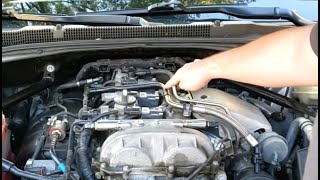
Typical fix: Replace the cracked hose or faulty gasket. The clean-side PCV hose (ACDelco P/N 12673352) is a frequent culprit. 🎬 Watch: How to replace a brittle PCV hose on this engine. If the integrated PCV system in the valve cover has failed, the entire valve cover assembly must be replaced.
Est. part cost: $30-$180 - Casting Flash in Air Filter Housing 🟡 Medium Probability → Shop Air Cleaner Assembly GM issued TSB #PIP5446A for 2016-2018 models, noting that excess plastic 'casting flash' near the MAF sensor from the factory molding process can disrupt airflow and cause lean codes. This creates turbulence that the MAF sensor misinterprets.
How to confirm: Visually inspect the inside of the air filter housing and the outlet duct, specifically in the area surrounding where the MAF sensor mounts, for any rough or excess plastic ridges.
Typical fix: Carefully remove the excess plastic flash with a file or small deburring tool. Alternatively, replace the air filter housing lid/outlet duct (GM P/N 23262028).
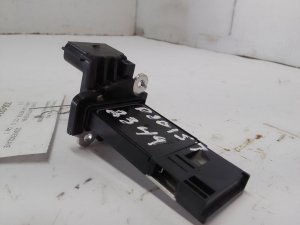
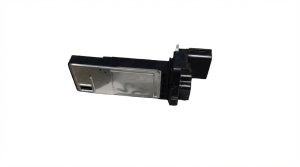
Est. part cost: $0-$100 - Dirty or Faulty Mass Airflow (MAF) Sensor 🟡 Medium Probability → Shop Fuel Injection Air Flow Meter The MAF sensor measures the air entering the engine. If its sensing wire is contaminated with dirt, oil, or debris, it can under-report airflow, causing the ECM to command too little fuel and create a lean condition. Aftermarket oiled air filters are a common source of contamination.
How to confirm: Remove the sensor and inspect the small wires inside. If they appear dirty, clean them ONLY with a dedicated MAF sensor cleaner spray. Do not touch the wires. A scan tool can also monitor MAF readings in grams/second to see if they are stable and within the expected range at idle and under load.
Typical fix: Clean the sensor with a dedicated cleaner. If cleaning doesn't resolve the issue or readings are erratic, replace the MAF sensor (ACDelco P/N 23262344). 🎬 See this walkthrough for replacing the Mass Airflow sensor.
Est. part cost: $15 (cleaner) - $150 (sensor) - Loose or Damaged Air Intake Tube ⚪ Low Probability → Shop Engine Air Intake Resonator This is especially common on vehicles with aftermarket cold air intakes. If the tube connecting the air filter housing to the throttle body is cracked or not clamped down tightly, it creates a large unmetered air leak downstream of the MAF sensor.
How to confirm: Visually inspect the entire intake duct for cracks and ensure all clamps are secure, particularly at the throttle body and airbox connections.
Typical fix: Tighten the clamps or replace the damaged intake tube.
Est. part cost: $5-$250
Rare But Worth Checking
- Weak Fuel Pump or Clogged Fuel Filter: → Shop Fuel Filter While less common than vacuum leaks, a failing in-tank fuel pump or clogged filter can restrict fuel flow, preventing the engine from getting enough fuel to match the air, causing a lean condition. This should be investigated after all potential air intake issues are ruled out.
- Exhaust Leak Before Upstream O2 Sensor: → Shop Oxygen Sensor A crack in the exhaust manifold or a bad gasket can allow outside oxygen to be drawn into the exhaust stream. This makes the O2 sensor 'see' a false lean condition, causing the ECM to incorrectly add fuel and max out its fuel trims.
- Stuck-Open EVAP Purge Solenoid: → Shop Vapor Canister The EVAP purge solenoid controls the flow of fuel vapors from the charcoal canister to the intake manifold. If it sticks open, it creates a constant vacuum leak, which can be significant enough to cause a P0171 code.
Diagnosis Steps
- Check for other codes. If P0174 is also present, focus on causes that affect both engine banks, like the MAF sensor or a large vacuum leak between the MAF and throttle body.
- Visually inspect the engine bay. Look for obvious issues like disconnected or broken plastic vacuum hoses (especially PCV lines), a loose oil filler cap, or a cracked air intake tube.
- Inspect the air filter housing. Following TSB #PIP5446A, check for and remove any plastic 'casting flash' near the MAF sensor, particularly on 2016-2018 models.
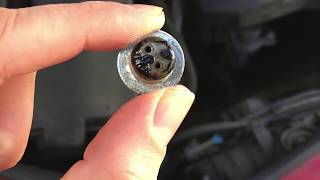
- Clean the MAF sensor. Remove the sensor and spray it generously with a dedicated MAF sensor cleaner. Let it air dry completely before reinstalling. 🎬 Watch: A quick guide on cleaning your MAF sensor safely. Do not touch the internal wires.
- Perform a smoke test. This is the most reliable way to find hard-to-see vacuum leaks. Feed smoke into the intake system and look for leaks from gaskets (intake manifold, throttle body) and all PCV hose connections.
- Check fuel pressure. The LGX engine has two fuel systems. First, check the low-pressure pump by connecting a gauge to the low-side line; pressure should be 40-75 PSI. Diagnosing the high-pressure side often requires a scan tool to monitor desired vs. actual rail pressure.
- Inspect the exhaust system. Check for leaks between the cylinder head and the upstream O2 sensor. A cracked manifold or bad gasket can introduce oxygen and cause a false lean reading.
Parts You'll Likely Need
- PCV Hose / Tube Assembly
(OEM #12673352 (Clean Side Hose))— This specific plastic hose becomes brittle from engine heat and is a primary failure point for vacuum leaks on the LGX engine.
Trusted brands: ACDelco, GM Genuine
OEM price range: $40-$90
Aftermarket price range: $20-$60 - Mass Airflow (MAF) Sensor
(OEM #23262344)— If cleaning the sensor doesn't resolve the issue, the sensor itself may have failed. It is a critical component for measuring airflow.
Trusted brands: ACDelco, Delphi, Hitachi
OEM price range: $100-$150
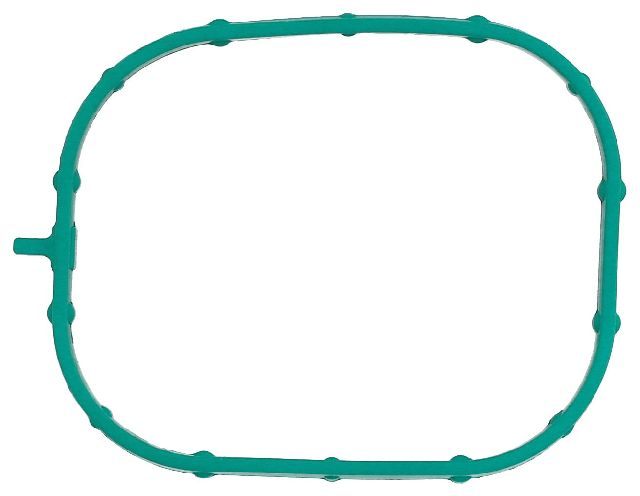
Aftermarket price range: $60-$110 - Intake Manifold Gasket Set
(OEM #12691199)— If a smoke test reveals a leak at the intake manifold mating surface, the gaskets will need to be replaced to seal the unmetered air leak.
Trusted brands: ACDelco, Fel-Pro
OEM price range: $40-$70
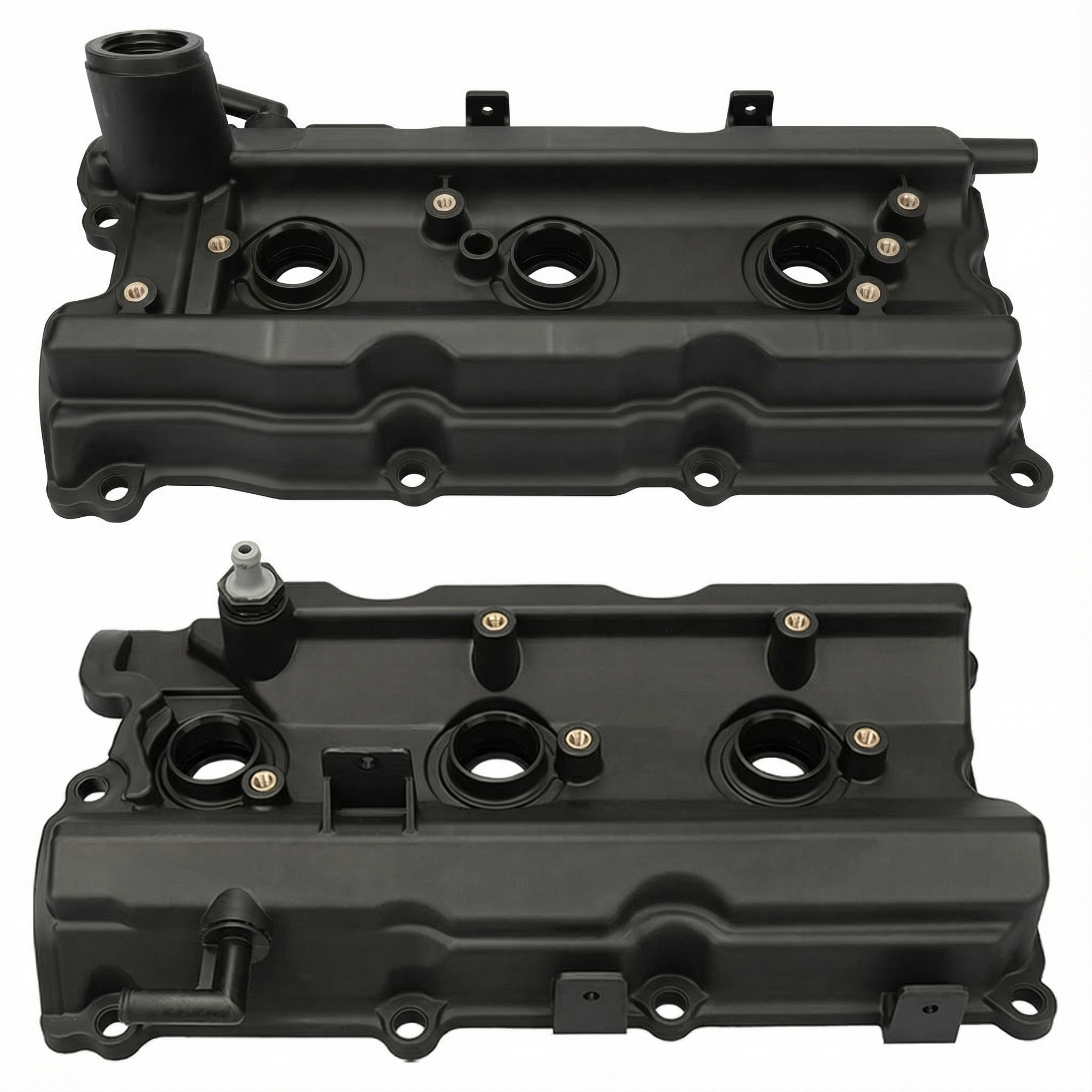
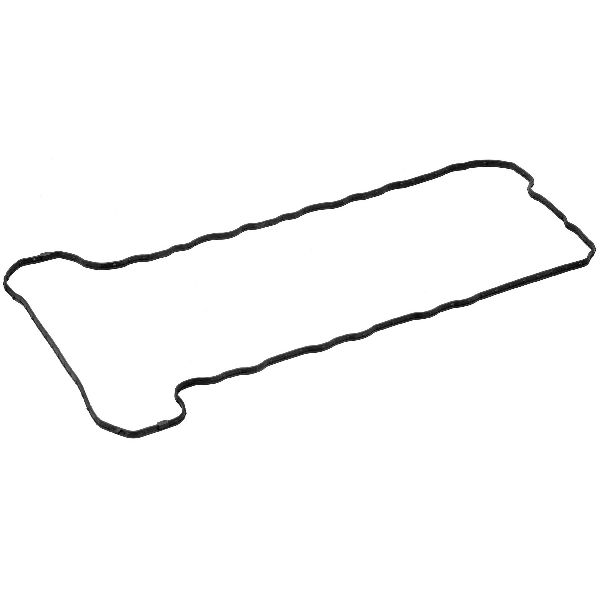
Aftermarket price range: $20-$50 - Valve Cover (Passenger Side) — The PCV valve/diaphragm is integrated into the passenger side valve cover. If the internal diaphragm ruptures, it creates a large vacuum leak that can only be fixed by replacing the entire valve cover assembly.
Related Codes That Often Appear With This One
- P0174 — This is the 'System Too Lean' code for Bank 2 (driver's side). When P0171 and P0174 appear together, it strongly suggests a problem affecting the entire engine, such as a faulty MAF sensor, a major vacuum leak at the intake manifold boot, or a fuel delivery issue.
- P0101 — This code means 'Mass Air Flow (MAF) Circuit Range/Performance'. It often appears with P0171 because the root cause, like casting flash or a dirty sensor, directly affects the MAF sensor's ability to measure airflow correctly.
- P0300 — This code for 'Random/Multiple Cylinder Misfire' can be triggered when a severe lean condition prevents proper combustion, causing misfires across several cylinders.
Technical Service Bulletins (TSBs) & Recalls
- TSB #PIP5446A: Harsh Shift, Sputter, and Lean/Rich Codes: This bulletin addresses conditions like rough idle, hesitation, and the setting of codes P0101, P0171, P0172, P0174, or P0175. It instructs technicians to inspect the air filter housing near the Mass Airflow (MAF) sensor for 'casting flash'—excess plastic from the molding process. This flash creates air turbulence, leading to incorrect MAF readings. The fix is to carefully file down the plastic flash or replace the air filter housing lid.
- Bulletin #PIE0413 / #PIE0413A: These informational bulletins were issued to request and collect field data regarding vehicles exhibiting an illuminated Malfunction Indicator Lamp with DTC P0171 and/or P0174.
- Bulletin #PIP5529A / #PIP5529B: These bulletins provide diagnostics and repair assistance for resolving a malfunction indicator lamp illumination due to various combinations of codes, including P0171, P0101, and P0106.
Platform-Specific Known Issues
- TSB #PIP5446A: For 2016-2018 models, excess plastic 'casting flash' in the air filter housing near the MAF sensor can create air turbulence and trigger lean codes P0171 and P0174.
- TSB #21-NA-105: For some very low mileage vehicles, a software anomaly in the ECM can cause P0171/P0174 to set. The fix is to reprogram the ECM with the latest software after confirming no physical leaks exist.
Mechanic-Grade Diagnostic Values
- Long Term Fuel Trim (LTFT) — expected: Between -10% and +10%.. Failure: Sustained reading above +20% to +25% will trigger the P0171 code.
- Mass Airflow (MAF) Sensor at Idle — expected: Approximately 3.6 g/s (grams/second), as it should roughly match engine displacement in liters.. Failure: A reading significantly lower than 3.0 g/s suggests the sensor is dirty or failing to measure all incoming air.
- Low-Pressure Fuel System — expected: 40 - 75 PSI, supplied by the in-tank pump to the engine.. Failure: Pressure below this range indicates a weak in-tank pump or clogged filter, which can starve the high-pressure pump.
- High-Pressure Fuel System (Scan Tool) — expected: Can exceed 2,000 PSI under load, monitored via a scan tool showing 'Desired' vs 'Actual' fuel rail pressure.. Failure: Actual pressure failing to meet desired pressure, especially under acceleration, points to a failing High-Pressure Fuel Pump (HPFP). May be accompanied by code P0087.
Scan Tool Commands That Help
- GDS2 / Professional Scan Tool: Fuel Trim Reset — After a repair (like fixing a vacuum leak or replacing a MAF sensor), this function resets the learned long-term fuel trim values to zero. This allows the ECM to relearn fuel delivery strategy immediately, confirming the fix faster than waiting for the values to adjust over several drive cycles.
- GDS2 / Professional Scan Tool: Fuel Pressure Control — This bidirectional command allows a technician to command the fuel pump to specific pressures to test its response and check for leaks in the system without the engine running.
Wiring & Ground Locations
- G101 / G106 — G101 is on the left side of the engine cradle, jumpered to G106 at the center of the frame cross rail under the crank pulley.. This is a primary ground for the ECM and the MAF sensor. A poor connection here can cause erratic sensor readings, leading directly to fuel trim issues and codes P0171/P0101.
- Passenger-side head ground — A large ground wire connects the front of the passenger-side cylinder head to the chassis, near the ABS block.. This is a major engine-to-chassis ground. Corrosion or a loose connection can create electrical noise and unstable sensor readings for various engine components.
- G103 — Located on the firewall in the engine compartment, above the brake booster.. This grounds the Body Control Module (BCM) and the Data Link Connector (DLC). A fault here can impede proper communication with scan tools, making diagnosis difficult.
"I Checked Everything" — The Actual Cause
- An exhaust leak before the upstream O2 sensor was the cause. A crack in the exhaust manifold or a failed header gasket allows outside air to be sucked into the exhaust stream. This fools the O2 sensor into reporting a lean condition, causing the ECM to add fuel unnecessarily. A standard intake smoke test will show no leaks because the fault is on the exhaust side.
OEM Part Supersession History
Multiple (e.g., 12622475, 12641740)→Multiple (e.g., 12677329, 13539911)— The High-Pressure Fuel Pump (HPFP) for the LGX engine has undergone numerous revisions since 2016 to improve reliability.
Heads up: When replacing, it is critical to use a part number specified for the vehicle's exact model year and VIN, as internal mechanics and electrical connectors may have changed between revisions.
Model Year Variations Within This Range
- 2016-2018: These model years are specifically called out in TSB #PIP5446A for having potential plastic 'casting flash' in the air filter housing that can cause P0171.
- 2016-2017: Per GM Service Update 16029, some vehicles were built with improperly torqued fasteners on the high-pressure fuel pump or fuel rail, which could lead to fuel leaks and lean conditions.
- 2020-2024: Starting in the 2020 model year, the 3.6L V6 was paired with an optional 10-speed automatic transmission, replacing the previous 8-speed automatic. This does not directly affect the cause of P0171 but is a significant powertrain change within the generation.
Diagnostic Flowchart
Other Known Issues on This Vehicle
Issues unrelated to this code that are worth knowing about as an owner of this generation:
- 8-Speed (8L45/8L90) Automatic Transmission Shudder 🔴 High — Very common on 2016-2019 models. Feels like driving over rumble strips at light throttle. Caused by original-fill transmission fluid lacking correct friction modifiers. (Ref: TSB #18-NA-355 advises a triple fluid flush with updated Mobil 1 Synthetic LV ATF HP fluid.)
- Rear Differential Chatter/Groan on Turns 🟠 Medium — Commonly occurs at low speeds during tight turns, especially when the vehicle is cold. Caused by clutch packs in the limited-slip differential sticking. (Ref: TSB #09-04-20-001G (and earlier versions) recommends replacing the differential fluid with a specific GM DEXRON LS gear oil.)
- Electric Power Steering (EPS) Assist Failure 🔴 High — A recall was issued for this problem, which can cause a sudden loss of power steering assist, making the vehicle difficult to steer. (Ref: Recall #N182182760.)
- Shift to Park Message 🟡 Low — A common annoyance where the car displays a 'Shift to Park' message even when it is already in Park, preventing the driver from shutting it off. Caused by a faulty microswitch in the shifter assembly. (Ref: No TSB, but a well-documented issue requiring shifter assembly replacement.)
- Steering Wheel Airbag Emblem Separation 🟠 Medium — The 'Camaro' emblem on the steering wheel airbag cover can detach during airbag deployment, becoming a projectile. (Ref: Recall #N212327220.)
Used vs. New Parts: Buying Guide for This Vehicle
When a used part is the smart pick: For purely mechanical, non-wear parts, used can be a good option. This includes the air filter housing lid (to fix the 'casting flash' issue) or an entire stock air intake assembly if the original is cracked or modified.
Donor-vehicle mileage cap: roughly under 60000 miles for the part to have meaningful remaining life.
What to inspect on the donor part:
- For an airbox, check for stripped screw holes, broken tabs, and cracks.
- For hoses, ensure they are still pliable and not brittle or swollen.
- Verify the donor vehicle was not in a front-end collision that could have stressed plastic components.
OEM-only on this vehicle (don't cheap out):
- Mass Airflow (MAF) Sensor
- High-Pressure Fuel Pump (HPFP)
- Oxygen (O2) Sensors
Aftermarket brands forum-validated for this vehicle:
- Fel-Pro for intake manifold and other gaskets.
- ACDelco and GM Genuine are the OEM suppliers and are the most reliable choices for sensors and pumps.
- Delphi and Hitachi are often original equipment manufacturers for GM and are considered reliable alternatives for sensors if ACDelco is unavailable.
Brands owners have reported issues with on this vehicle:
- Unnamed, white-box electronic sensors (MAF, O2) from online marketplaces. These are frequently cited on forums as being poorly calibrated, causing persistent codes or new, different codes immediately after installation.
Real Owner Stories
Aggregated from forums and TSBs cited above. Mileages and costs reflect what owners reported in those sources.
2016-2024 Chevrolet Camaro LGX 3.6L V6
Symptoms: A broken PCV nipple on the intake manifold, causing a major vacuum leak.
What fixed it: Replacing the intake manifold (or attempting a hose repair if possible).
Source hint: Camaro6 Forum: PCV hose broke off, how should I go about fixing this issue?
2010-2015 Chevrolet Camaro (Previous Generation)
Symptoms: High idle that returns to normal at a complete stop; lean codes on both Bank 1 and Bank 2.
What fixed it: Checking for loose exhaust manifold bolts or bad gaskets that cause false lean readings at the O2 sensor.
Source hint: Camaro5 Forum: P0171/P0174 - System too lean (bank 1 & bank 2)
2016-2018 Chevrolet Camaro LGX 3.6L V6
Symptoms: Rough idle, hesitation, and lean codes P0171 or P0174.
What fixed it: Carefully filing down excess plastic 'casting flash' inside the air filter housing near the MAF sensor.
Source hint: TSB #PIP5446A: Harsh Shift, Sputter, and Lean/Rich Codes
Related OBD-II Codes
Frequently Asked Questions
Does TSB #PIP5446A apply to my 2017 Chevrolet Camaro LGX?
I have a very low mileage 2022 Camaro with P0171; could this be a software issue?
Which specific PCV hose is known to fail on the LGX V6 engine?
Can I clean the MAF sensor on my Camaro to fix this code?
What part should I replace if the plastic nipple on my intake manifold breaks?
Is there a specific part number for the air filter housing if I can't file down the casting flash?
Helpful Videos
Used OEM Parts in Stock
New Aftermarket Parts Available

The information in this article is provided for general reference and educational purposes only. Vehicle specifications, procedures, and part compatibility can vary by production date, trim level, and region. Always consult your vehicle's factory service manual and verify part numbers before purchasing or performing repairs. Safety-critical components such as airbags, seat belts, and braking systems should be installed by a qualified professional.
- Chevrolet Camaro:
- 🧭 Diagnostic Flowchart
- 🎬 Helpful Videos
- 🛍️ Shop This Part
- What's Unique About the 2016-2024 Chevrolet Camaro
- Symptoms You May Notice
- Most Likely Causes
- Rare But Worth Checking
- Diagnosis Steps
- Parts You'll Likely Need
- Related Codes That Often Appear With This One
- Technical Service Bulletins (TSBs) & Recalls
- Platform-Specific Known Issues
- Mechanic-Grade Diagnostic Values
- Scan Tool Commands That Help
- Wiring & Ground Locations
- "I Checked Everything" — The Actual Cause
- OEM Part Supersession History
- Model Year Variations Within This Range
- Other Known Issues on This Vehicle
- Used vs. New Parts: Buying Guide for This Vehicle
- Real Owner Stories
- 2016-2024 Chevrolet Camaro LGX 3.6L V6
- 2010-2015 Chevrolet Camaro (Previous Generation)
- 2016-2018 Chevrolet Camaro LGX 3.6L V6
- Related OBD-II Codes
- Frequently Asked Questions
- 🎟️ Get 5% Off