

P0171 on 2012-2015 Chevrolet Volt: Lean Code Causes and Fixes
Code P0171 on a 2012-2015 Volt is almost always caused by a failed PCV valve diaphragm inside the camshaft cover, creating a large vacuum leak. This failure is often caused by a missing check valve in the intake manifold. Replacing the entire camshaft cover (and potentially the intake manifold) is the standard fix. A DIY repair is moderately difficult.
- P0171 on a 2012-2015 Volt is almost certainly caused by a failed PCV diaphragm inside the camshaft cover.
- A loud hissing or whistling sound from the engine at idle is the most telling symptom.
- The fix is to replace the entire camshaft cover. Aftermarket diaphragm-only kits exist but are a more difficult repair.
- Before replacing the cover, check for a small orange check valve in the intake manifold port; if it's missing, the manifold must also be replaced to prevent the new cover from failing quickly.
- Do not replace the oxygen sensors, as they are very rarely the cause of this specific code on this vehicle.
What's Unique About the 2012-2015 Chevrolet VOLT

The 2012-2015 Volt uses a 1.4L Ecotec engine (RPO LUU) as a range extender. A very common failure point on this engine and its turbocharged siblings (LUJ/LUV) is the Positive Crankcase Ventilation (PCV) valve diaphragm, which is integrated into the plastic camshaft cover and is not sold as a separate part by GM. When this diaphragm tears, it creates a significant vacuum leak, which is the primary cause of the P0171 code. This issue is so well-known that it's documented in GM Technical Service Bulletins like #19NA114 and PIP5197H, which link the failure to a missing check valve in the intake manifold that allows pressure to rupture the diaphragm.
Diagnostic Flowchart

Tap your situation to follow the diagnostic path that matches what you're seeing on this vehicle.
Symptoms You May Notice
- Check Engine Light is on
- Loud hissing, sucking, or high-pitched whistling noise from the engine bay, especially at idle
- Rough, unstable, or surging idle when the gasoline engine is running
- Hesitation or lack of power during acceleration on the gas engine
- Difficulty removing the oil fill cap with the engine running due to strong vacuum
- Poor fuel economy when using the gas engine
- Replacing the oxygen (O2) sensors. A P0171 code usually means the O2 sensor is working correctly and accurately reporting a lean condition. The root cause is almost always an unmetered air leak or a fuel delivery issue, not the sensor itself.
Most Likely Causes

- Failed PCV Valve Diaphragm (in Camshaft Cover) 🔴 High Probability → Shop PCV Valve The PCV diaphragm is made of rubber and is integrated into the valve cover; it is known to tear from heat and age, but especially after the intake manifold check valve fails, allowing pressurized air to rupture it. This is a documented, widespread issue on this engine family.
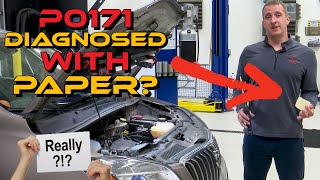
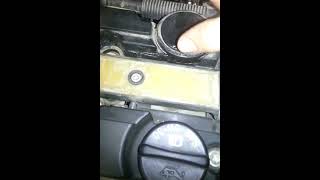
How to confirm: With the engine running, listen for a distinct hissing or whistling sound from the top of the engine. The definitive test is to place your finger over the small vent hole on the PCV valve cap on the cover; 🎬 Watch: A simple walkthrough for diagnosing this P0171 vacuum leak. if you feel strong, continuous vacuum, the diaphragm is torn. Removing the oil fill cap will be difficult and may alter the engine idle if a large leak is present.
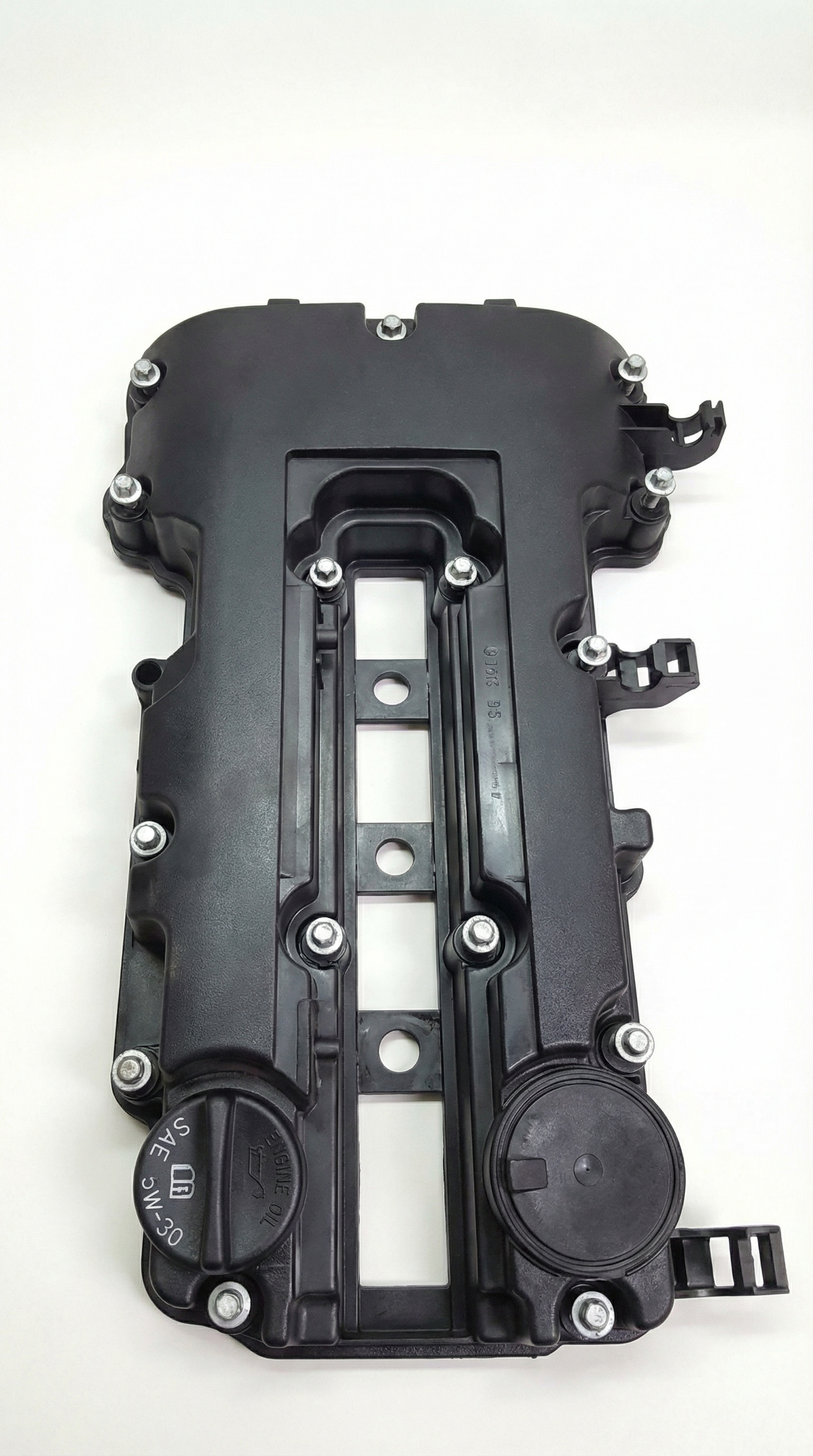
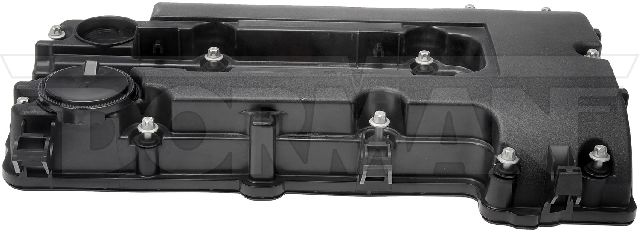
Typical fix: Replace the entire camshaft (valve) cover assembly. The PCV diaphragm is not serviced separately by GM, so the whole cover must be replaced. Torque bolts to 71 inch-pounds in the correct sequence.
Est. part cost: $90-$250 - Missing Check Valve in Intake Manifold 🔴 High Probability → Shop Engine Intake Manifold The intake manifold contains a small, non-return check valve designed to protect the crankcase from boost pressure on turbocharged models. Even on the non-turbo Volt, pressure pulses can dislodge this valve. Once it's gone, it allows pressure fluctuations that destroy the PCV diaphragm in the valve cover, leading to a repeat failure.
How to confirm: Remove the PCV bypass hose from the intake manifold. Using a flashlight, look down into the port. You should see a small, orange-colored check valve. If the port is empty, the valve is missing and has likely been ingested by the engine. This is detailed in GM TSB PIP5197H.
Typical fix: Replacement of the entire intake manifold assembly, as the check valve is not sold separately. This should be done whenever the camshaft cover is replaced to prevent a repeat failure. An aftermarket check valve kit from sources like CruzeKits.com is also an option for some owners.
Est. part cost: $150-$300 - Dirty or Faulty Mass Air Flow (MAF) Sensor ⚪ Low Probability → Shop Fuel Injection Air Flow Meter While not a platform-specific issue, a contaminated MAF sensor can under-report airflow, causing the ECM to command less fuel and create a lean condition.
How to confirm: Remove the sensor and inspect the sensing elements for dirt or debris. Clean it carefully using only dedicated MAF sensor cleaner spray. Do not touch the delicate wires.
Typical fix: Cleaning the MAF sensor is often sufficient. If the problem persists, the sensor may need to be replaced.
Est. part cost: $60-$150
Rare But Worth Checking
- Weak Fuel Pump or Clogged Fuel Filter: → Shop Fuel Filter While far less common than the PCV issue, insufficient fuel pressure can cause a lean condition. The Volt's fuel filter is integrated with the fuel pump module and is not a separate serviceable part.
- Exhaust Leak Before Oxygen Sensor: → Shop Oxygen Sensor A leak in the exhaust manifold or downpipe can allow extra oxygen to be pulled into the exhaust stream, making the O2 sensor report a false lean condition.
Diagnosis Steps
- Read the code with an OBD-II scanner and confirm P0171 is present. Check the long-term fuel trim (LTFT) value at idle; it will likely be maxed out (e.g., +25% or higher).
- Start the gasoline engine and listen for a distinct high-pitched squeal or whistle from the top of the engine, pointing to the camshaft cover.
- Confirm a failed PCV diaphragm by placing a finger over the vent hole on the round cap on the valve cover. If strong, continuous suction is felt, the diaphragm is torn and the cover needs replacement.
- Crucial Step: Before ordering parts, remove the PCV tube from the intake manifold and visually inspect the port for the presence of the small orange check valve. A flashlight is required. If it is missing, the intake manifold MUST also be replaced to prevent a repeat failure of the new cover.
- If the PCV system seems intact (no vacuum at the vent hole), inspect all vacuum hoses and the air intake tube between the MAF sensor and the throttle body for cracks or loose connections.
- If a vacuum leak is suspected but not found, a smoke test is the most effective way to locate the source of unmetered air.
- If no vacuum leaks are found, consider cleaning the MAF sensor with a dedicated cleaner as a next step.
- As a final, less likely step, fuel pressure can be tested to rule out a weak fuel pump.
Parts You'll Likely Need
- Camshaft Cover (Valve Cover)
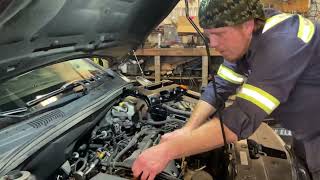
(OEM #25203036 (supersedes 25198874, 55573746))— This is the most common failure point. 🎬 Watch: How to swap out the Chevy Volt valve cover. The part contains the integrated, non-serviceable PCV valve diaphragm that tears, causing the P0171 code.
Trusted brands: ACDelco, GM Genuine, Dorman
OEM price range: $150-$250
Aftermarket price range: $90-$160 - Intake Manifold
(OEM #25200449)— Required if the internal orange check valve is found to be missing, which is the root cause of the camshaft cover failure. Not replacing it will lead to a repeat failure of the new cover.
Trusted brands: ACDelco, GM Genuine
OEM price range: $150-$300
Aftermarket price range: $100-$200 - PCV Diaphragm Repair Kit — For a cheaper but more involved repair, some aftermarket companies offer a kit with just the cap and rubber diaphragm (e.g., Dorman 917-064). This avoids replacing the entire cover but requires carefully breaking off the old cap. This does not solve the root cause if the intake check valve is missing.
Trusted brands: Dorman (917-064), Various unbranded kits
OEM price range: N/A
Aftermarket price range: $20-$40
Related Codes That Often Appear With This One
- P1101 - Intake Air Flow System Performance
- P0106 - Manifold Absolute Pressure (MAP) Sensor Performance
Technical Service Bulletins (TSBs) & Recalls
- 19-NA-114: Provides the direct procedure to test for a torn PCV diaphragm by checking for vacuum at the PCV vent hole on the camshaft cover to confirm the cause of a P0171 code.
- PIP5197H (and earlier versions): Explains the chain reaction of failure. It instructs technicians to check for a missing non-return valve in the intake manifold, which, if absent, necessitates replacing the manifold to prevent rupturing the diaphragm in the new camshaft cover. It links this issue to codes P0171, P1101, and others.
- 19-NA-101: Specifically addresses the missing intake manifold non-return valve, providing the part number for the replacement manifold (25200449) and showing clear images for diagnosis.
Platform-Specific Known Issues
- The primary issue for code P0171 on the 1.4L engine family is the systemic failure of the PCV system. GM TSB PIP5197H explicitly details the diagnostic flow: check for a missing intake manifold check valve first, as its absence allows pressure to damage the PCV diaphragm in the camshaft cover.
- GM also issued Special Coverage Adjustment N202299080 for some platform mates (Cruze, Sonic), extending the warranty for the camshaft cover replacement to 10 years/120,000 miles due to this known defect. Volt owners may have less luck with this coverage but it demonstrates the widespread nature of the problem.
Mechanic-Grade Diagnostic Values
- Long-Term Fuel Trim (LTFT) at idle — expected: Within +/- 10%, ideally close to 0%.. Failure: Consistently high positive values, often +25% or higher, indicate the ECM is adding fuel to compensate for a lean condition.
- Mass Air Flow (MAF) Sensor Reading at idle (engine warm) — expected: Approximately 1.4 g/s. A general rule is for the g/s value to approximate the engine's displacement in liters.. Failure: A significantly lower reading suggests the sensor is dirty or failing and not measuring all the air entering the engine. A reading that doesn't increase smoothly with RPM is also a sign of failure.
- Fuel Pressure (Key On, Engine Off) — expected: 55-60 PSI.. Failure: Pressure below this range indicates a weak fuel pump or clogged filter. Pressure that drops quickly after the pump primes may indicate a bad check valve in the pump assembly.
Scan Tool Commands That Help
- GDS2 / Professional Scan Tool: Fuel Trim Reset — After replacing a component that caused a lean condition (like the camshaft cover or MAF sensor), this function should be used to reset the learned long-term fuel trim values to zero. This forces the ECM to relearn the fuel strategy immediately with the new parts, preventing it from running rich based on old, invalid data.
Wiring & Ground Locations
- K20 Engine Control Module (ECM) Connector X1 — The main engine computer, typically located in the engine bay.. Allows for testing the MAF sensor circuit directly at the computer to rule out wiring faults between the sensor and the ECM. Pin 3 is the MAF signal, Pin 13 is a low reference (ground), and Pin 16 provides the 5-volt reference.
Real Owner Repair Stories
- Compilation of owner reports on gm-volt.com and cruzetalk.com (2013 Chevrolet Volt) — Check Engine Light with code P0171. A noticeable high-pitched whistle from the engine at idle. Rough idle when the gas engine was running.
❌ Tried (didn't work) Cleaning the MAF sensor., Replacing the upstream O2 sensor.
✅ What actually fixed it The owner confirmed a torn PCV diaphragm by feeling strong suction at the valve cover vent hole. Upon inspection, the orange check valve in the intake manifold was also found to be missing. The final fix was replacing both the entire camshaft cover assembly and the intake manifold. After the repair and clearing the codes, the long-term fuel trims returned to normal single-digit values and the whistling noise was gone.
"I Checked Everything" — The Actual Cause
- The primary P0171 failure on this engine is an internal vacuum leak caused by a torn PCV diaphragm inside the camshaft cover. A standard smoke test of the intake manifold and vacuum hoses will often come back clean because the leak path is from the crankcase into the intake tract via the faulty PCV system, not from the outside atmosphere. The definitive test is not a smoke test, but checking for strong, continuous vacuum at the PCV vent hole on the cover with the engine running.
When the Usual Fixes Don't Work
- While the PCV system is the cause in over 90% of cases for this specific vehicle, if the two primary checks (vacuum at the camshaft cover vent hole and visual inspection of the intake manifold check valve) both pass, the common failure is not the root cause. In these instances, diagnosis must revert to standard procedures for any P0171 code. This includes performing a smoke test for other vacuum leaks, testing fuel pressure to rule out a weak pump, and verifying MAF sensor readings against specifications.
OEM Part Supersession History
55573746, 25198874, 25198498, 25198877→25203036, which was later superseded by 25209141— GM updated the part over time, likely to improve durability or address the known failure modes.N/A (Full Camshaft Cover)→Dorman 917-064 (Diaphragm Kit)— Aftermarket solution to avoid replacing the entire expensive cover.
Heads up: This is not a direct replacement but a repair kit. It requires carefully prying or breaking off the original plastic PCV cap without damaging the camshaft cover housing, which can be difficult. If the underlying cause (missing intake check valve) is not addressed, this new diaphragm will fail again.
Model Year Variations Within This Range
- 2012-2015: No significant variations related to the P0171 PCV system failure have been identified within this generation. The 1.4L LUU engine and associated PCV system design are consistent, and the failure pattern applies to all years in this range.
Helpful Videos

Used OEM Parts in Stock
New Aftermarket Parts Available


The information in this article is provided for general reference and educational purposes only. Vehicle specifications, procedures, and part compatibility can vary by production date, trim level, and region. Always consult your vehicle's factory service manual and verify part numbers before purchasing or performing repairs. Safety-critical components such as airbags, seat belts, and braking systems should be installed by a qualified professional.
- Chevrolet VOLT:
- 🧭 Diagnostic Flowchart
- 🎬 Helpful Videos
- 🛍️ Shop This Part
- What's Unique About the 2012-2015 Chevrolet VOLT
- Symptoms You May Notice
- Most Likely Causes
- Rare But Worth Checking
- Diagnosis Steps
- Parts You'll Likely Need
- Related Codes That Often Appear With This One
- Technical Service Bulletins (TSBs) & Recalls
- Platform-Specific Known Issues
- Mechanic-Grade Diagnostic Values
- Scan Tool Commands That Help
- Wiring & Ground Locations
- Real Owner Repair Stories
- "I Checked Everything" — The Actual Cause
- When the Usual Fixes Don't Work
- OEM Part Supersession History
- Model Year Variations Within This Range
- 🎟️ Get 5% Off