

P0171 on 2017-2024 Chrysler Pacifica 3.6L: Lean Code Causes and Fixes
On a 2017-2024 Pacifica, code P0171 is often caused by a needed software update for the engine computer (PCM) or a vacuum leak from the intake manifold gaskets. Always check with a dealer for software updates before replacing any parts. A smoke test is the most reliable way to confirm a vacuum leak.
- Before starting any repairs, contact a Chrysler dealer to see if your Pacifica needs a software update per TSB #18-002-19 REV A.
- The most common mechanical fault is a vacuum leak, usually from the intake manifold gaskets. A smoke test is the best way to confirm this.
- Do not automatically replace the O2 sensor; it is often just doing its job by reporting the lean condition.
- If P0171 and P0174 appear together, the problem is almost certainly a software issue or a large vacuum leak affecting the entire engine.
What's Unique About the 2017-2024 Chrysler Pacifica
Unlike many vehicles where a P0171 code immediately points to a mechanical fault, the 2017-2024 Pacifica has a known software issue. Chrysler released Technical Service Bulletin (TSB) 18-002-19 REV A because the original engine software was too sensitive and could trigger a P0171 code for minor, temporary lean conditions. This TSB specifically lists P0171 and P0174 as codes that can be resolved with a PCM re-flash. Therefore, the first diagnostic step for this specific vehicle is to check if a PCM software update has been performed, as this can resolve the issue without any parts being replaced.
Symptoms You May Notice
- Check Engine Light is on
- Rough or unstable idle, especially when stopped in gear
- Engine hesitation or stumbling during acceleration
- Reduced engine power
- Engine stalling when coming to a stop or at low speeds
- Decreased fuel efficiency
- A hissing or whistling sound from the engine bay, indicating a vacuum leak
- Replacing the oxygen sensor without first checking for vacuum leaks or software updates. The O2 sensor is often correctly reporting the lean condition, not causing it.
- Replacing the fuel pump without first verifying low fuel pressure with a gauge. A user on a Dodge forum replaced multiple sensors before a pressure test confirmed a bad pump was the cause of his P0171.
Most Likely Causes
- Powertrain Control Module (PCM) Software Update Needed 🔴 High Probability Chrysler issued TSB #18-002-19 REV A for early model year Pacificas, indicating the original software was overly sensitive and could falsely trigger P0171/P0174 codes. The fix is a software re-flash to change the fault sensitivity.
How to confirm: Contact a Chrysler dealership with your vehicle's VIN to see if TSB #18-002-19 REV A or any other relevant software update is open for your vehicle. This TSB applies specifically to 2017 models.
Typical fix: A dealership technician reprograms the PCM with the latest software version using the wiTECH scan tool.
Est. part cost: $0 (if under warranty) - $150 - Vacuum Leak (Intake Manifold Gaskets, PCV System) 🔴 High Probability The lower intake manifold gaskets on the 3.6L Pentastar engine are a notorious failure point. They become hard and brittle over time, allowing unmetered air to enter the engine and causing a lean condition.
How to confirm: Perform a smoke test. This involves injecting pressurized smoke into the intake system and watching for smoke to escape from the area where the lower intake manifold meets the cylinder heads.
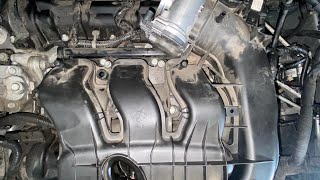
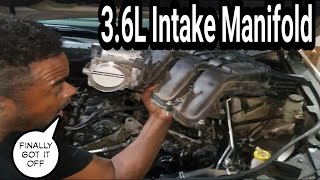
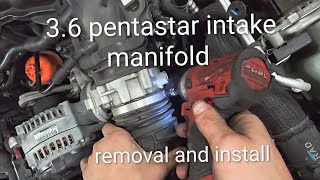
Typical fix: Replace the faulty lower and upper intake manifold gaskets. While the intake is off, it is highly recommended to inspect the oil filter housing assembly underneath for cracks/leaks, as it is another common failure point.
Est. part cost: $40-$100 - Failing or Clogged Fuel Injectors 🟡 Medium Probability → Shop Fuel Injector Fuel injectors on the 3.6L Pentastar have been noted to fail or become restricted, preventing them from delivering the correct amount of fuel to the cylinders on Bank 1. A leaking injector can also cause a gasoline smell.
How to confirm: A technician can perform a fuel injector balance test using a professional scan tool to see if the injectors on Bank 1 are flowing less fuel than those on Bank 2. Another method is to observe fuel trims after swapping injectors between banks to see if the problem follows the injector.
Typical fix: Replace the failing fuel injectors on Bank 1. It is often recommended to replace all three on that bank at the same time.
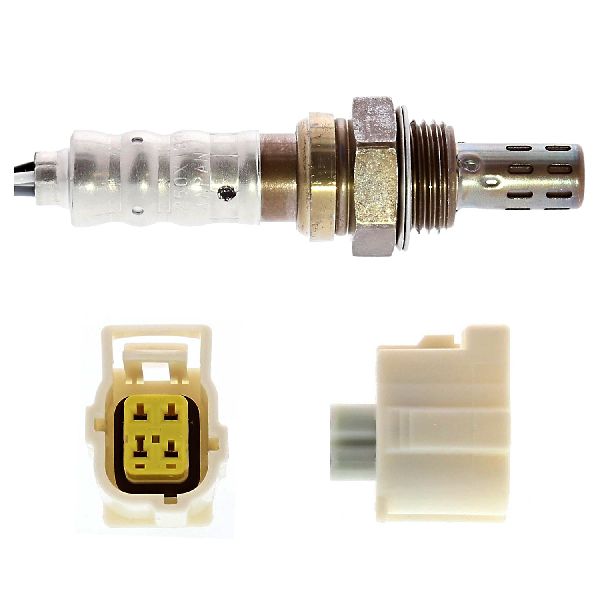
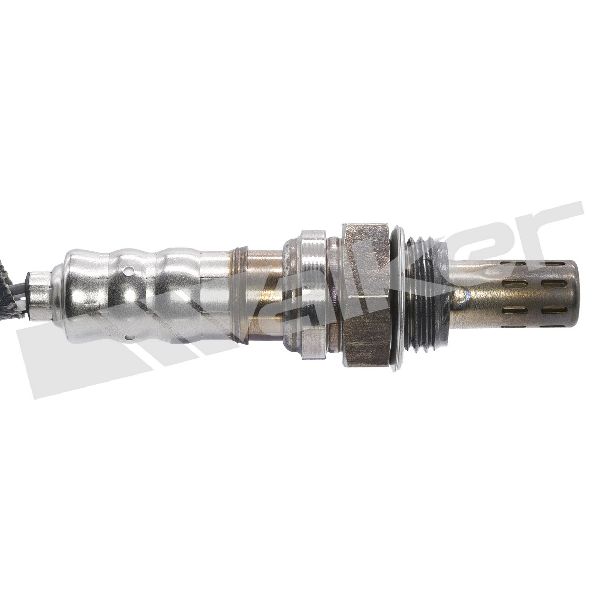
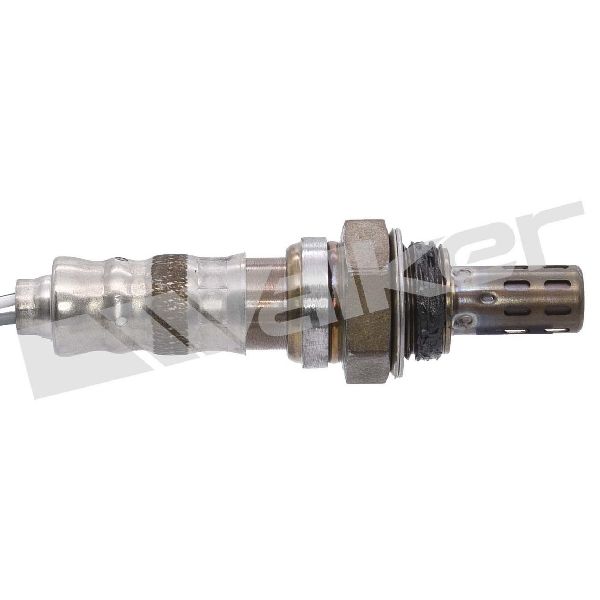
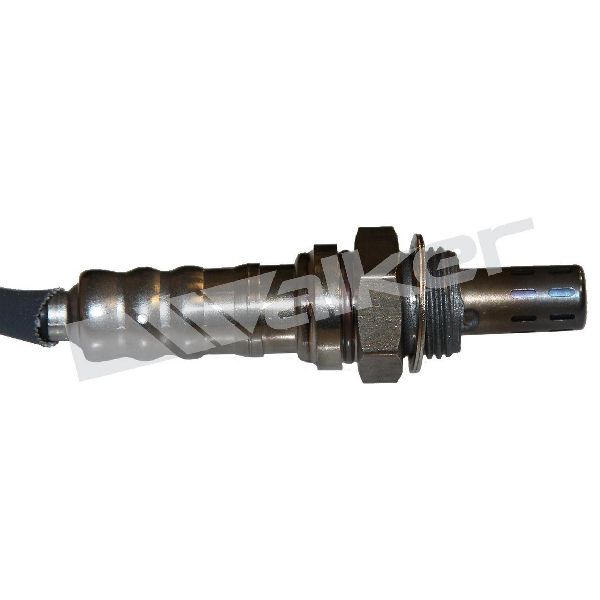
Est. part cost: $50-$150 per injector - Faulty Upstream Oxygen (O2) Sensor 🟡 Medium Probability → Shop Oxygen Sensor
How to confirm: Use a scan tool to monitor the live data from the Bank 1, Sensor 1 O2 sensor. A lazy or non-responsive sensor will not fluctuate its voltage reading rapidly between approximately 0.1V and 0.9V. If it's stuck low, it may be sending a false lean signal to the PCM.
Typical fix: Replace the Bank 1, Sensor 1 (upstream) oxygen sensor.
Est. part cost: $50-$120 - Low Fuel Pressure ⚪ Low Probability
How to confirm: Connect a fuel pressure gauge to the fuel rail or monitor the fuel pressure sensor data on a scan tool. The pressure should be within the manufacturer's specified range (typically around 58 PSI for this platform). Low pressure points to a weak fuel pump or a clogged fuel filter.
Typical fix: Replace the fuel pump module, which typically includes the pump and filter.
Est. part cost: $200-$400
Rare But Worth Checking
- Exhaust Leak: A crack in the exhaust manifold or a leaking manifold gasket on Bank 1 can pull in fresh air, which then passes over the O2 sensor, tricking it into reporting a lean condition. This is a known issue on the 3.6L Pentastar engine.
- Dirty or Faulty Mass Airflow (MAF) Sensor: → Shop Fuel Injection Air Flow Meter While the Pentastar is a speed-density system that primarily uses a MAP sensor, some configurations or owner confusion can lead to checking a MAF. If equipped and dirty, it can under-report airflow, causing the PCM to command less fuel than needed, leading to a lean condition.
Diagnosis Steps
- Check for TSBs: Contact a Chrysler dealer with your VIN to check for open recalls or Technical Service Bulletins, specifically TSB #18-002-19 REV A for 2017 models, which involves a PCM software update.
- Analyze Scan Tool Data: Use an OBD-II scanner to look at the short-term (STFT) and long-term (LTFT) fuel trims for Bank 1. High positive numbers (e.g., LTFT > +20%) confirm the PCM is adding significant fuel to compensate for a lean condition.
- Visual Inspection: Carefully inspect the air intake tube for cracks, check that all clamps are tight, and look for any obvious cracked or disconnected vacuum hoses, especially around the PCV valve.
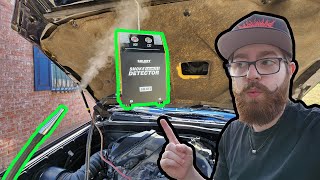
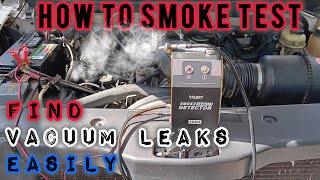
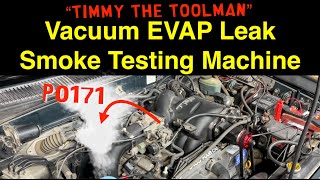
- Perform a Smoke Test: This is the most effective way to find vacuum leaks. Inject smoke into the intake system (e.g., via the brake booster hose) and look 🎬 See how to find vacuum leaks using a smoke machine for leaks around the upper and lower intake manifold gaskets, PCV hoses, and throttle body gasket.
- Test the O2 Sensor: Graph the Bank 1 Sensor 1 voltage on a scan tool. It should fluctuate rapidly between ~0.1V and ~0.9V. If it's stuck low or slow to respond, it may be faulty.
- Check Fuel Pressure: Monitor the fuel pressure using the scan tool's live data or a mechanical gauge. If pressure is below specification (approx. 58 PSI), investigate the fuel pump and filter.
- Inspect for Exhaust Leaks: Visually inspect the exhaust manifold on Bank 1 (the bank closer to the firewall) for cracks or black soot trails that indicate a leaking gasket.
Parts You'll Likely Need
- Intake Manifold Gasket Set (Lower)
(OEM #5184331AC)— These gaskets are the most common failure point on the 3.6L Pentastar engine, causing vacuum leaks that trigger P0171 and P0174 codes. They are sold individually, and six are required.
Trusted brands: Mopar, Fel-Pro, Mahle
OEM price range: $80-$120 (for a set of 6)
Aftermarket price range: $30-$60 (for a set) - Upstream Oxygen Sensor (Bank 1, Sensor 1) — A failing O2 sensor can send incorrect data to the PCM, causing a false lean code. It's a common wear item, but should be tested before replacement.
Trusted brands: Mopar, Denso, NTK
OEM price range: $80-$150
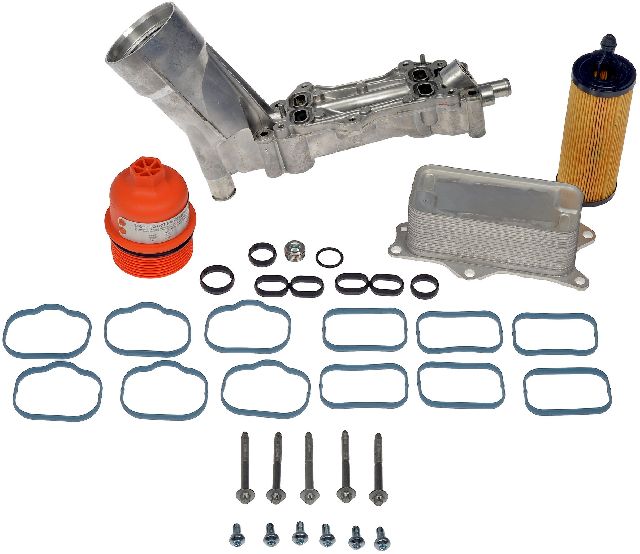
Aftermarket price range: $50-$120 - Oil Filter Housing / Cooler Assembly
(OEM #68105583AF)— This part is located under the intake manifold and is made of plastic that frequently cracks, causing oil leaks. While not a direct cause of P0171, it is a critical 'while you're in there' replacement during an intake gasket job to save on future labor.
Trusted brands: Mopar, Dorman, Crown
OEM price range: $150-$250
Aftermarket price range: $70-$140
Related Codes That Often Appear With This One
- P0174 — This is the code for 'System Too Lean (Bank 2)'. If both codes appear together, it strongly suggests a problem affecting the whole engine, like a major vacuum leak from the intake manifold, a PCM software issue, or low fuel pressure.
- P0300, P0301, P0303, P0305 — These are misfire codes for random or specific cylinders on Bank 1. A severe lean condition prevents proper combustion, causing the engine to misfire.
Technical Service Bulletins (TSBs) & Recalls
- TSB #18-002-19 REV A: Addresses P0171 and P0174 codes on 2017 models by updating the PCM software to make fault detection less sensitive. It also addresses a list of other unrelated DTCs, changing some from a one trip fault to a two trip fault.
- TSB #1806917: Notes that P0171 and P0174 may be set alongside U1400-00 (Implausible TPS Signal) and P1D73 (Active Grill Shutter Performance).
- TSB #18-057-16 REV. A: Indicates that a technician may find P0171 and P0174 set in conjunction with P1D73 (AGS Performance) and potential codes stored in the Anti-Lock Brake System (ABS).
Platform-Specific Known Issues
- A Powertrain Control Module (PCM) software update is often required to fix this code on 2017 models, as outlined in TSB #18-002-19 REV A. The original software was too sensitive.
- When removing the intake manifold to replace the gaskets, it is standard practice to also inspect, and likely replace, the oil filter housing assembly located in the engine valley due to its high failure rate from cracking.
Mechanic-Grade Diagnostic Values
- Long Term Fuel Trim (LTFT) — expected: Close to 0%, ideally within +/- 10%. Failure: A sustained positive value greater than +15% to +25% indicates the PCM is compensating for a lean condition, triggering P0171.
- Upstream Oxygen Sensor (Bank 1, Sensor 1) Voltage — expected: Rapidly fluctuating between 0.1V and 0.9V on a warm, closed-loop engine.. Failure: Voltage is stuck low (e.g., < 0.2V), indicating a persistent lean reading (or a faulty sensor).
- Fuel Pressure (at fuel rail) — expected: Approximately 58 psi at idle.. Failure: Pressure significantly below 50 psi suggests a weak fuel pump, clogged filter, or faulty regulator.
- Short Term Fuel Trim (STFT) vs. RPM — expected: If STFT is high at idle (e.g., > +15%) but drops to near 0% at 2500 RPM, a vacuum leak is highly likely. If STFT is normal at idle but rises with RPM, the issue is more likely related to fuel delivery (pump/filter) or a faulty MAF/MAP sensor.. Failure: Fuel trim behavior isolates the likely cause between unmetered air and fuel delivery problems.
Scan Tool Commands That Help
- wiTECH (Chrysler Dealer Tool): Fuel Injector Balance Test — To individually test the flow rate of each injector. This can identify a single clogged or failing injector on Bank 1 that is causing the lean condition, without having to physically remove them for testing.
- wiTECH (Chrysler Dealer Tool): Reset Fuel Adaptives — After replacing a component that caused the lean code (like intake gaskets or a fuel pump), this function should be used to clear the learned long-term fuel trim values. This forces the PCM to relearn the fuel strategy immediately, preventing it from running rich based on old, incorrect data.
Wiring & Ground Locations
- Engine Ground Strap — On the 3.6L Pentastar, there are multiple ground straps. A key one connects the engine block/case to the chassis. The specific location can vary slightly by year but is generally found on the lower part of the engine assembly.. A poor engine ground can cause erratic sensor readings, including from the oxygen sensors and MAP sensor. The PCM may receive incorrect data, leading it to miscalculate the air-fuel ratio and potentially set a false P0171 code. While not a primary cause, it's a foundational check for any electronic issue.
- Bank 1, Sensor 1 O2 Sensor Connector — Bank 1 is against the firewall. The upstream O2 sensor (Sensor 1) is located in the exhaust manifold before the catalytic converter. The connector is typically accessible from the top of the engine bay, near the back of the valve cover.. Damaged wiring or a corroded connector at this location can cause the O2 sensor to send a false low-voltage (lean) signal to the PCM. Wiggling the harness while watching live data can sometimes reveal an intermittent connection.
Real Owner Repair Stories
- pacificaforums.com user (2018 Chrysler Pacifica Touring L) — Check engine light with codes P0171 and P0174.
❌ Tried (didn't work) Initial diagnosis suspected a vacuum leak, but the owner wanted to confirm before replacing parts.
✅ What actually fixed it The issue was resolved by replacing the upper and lower intake manifold gaskets. The user noted this is a very common problem on the 3.6L Pentastar engine. - NHTSA ODI #11481965 — An owner reported that when the engine dies, it does not always cause the check engine light to illuminate, but scans reveal stored codes P0171 and P0174. The owner was informed the vehicle was current on all powertrain software updates despite the recurring stalling.
"I Checked Everything" — The Actual Cause
- In some cases for the 3.6L Pentastar, a smoke test may not reveal a small crack in the plastic oil filter housing assembly, which sits in the engine valley. While this typically causes an oil or coolant leak, a hairline crack could potentially introduce a small amount of unmetered air into the crankcase system, affecting PCV flow and contributing to a lean condition that is difficult to trace.
OEM Part Supersession History
68105583AA, AB, AC, AD, AE, AF→68105583AG (for OEM plastic), or aftermarket aluminum versions like Dorman 926-959.— The original plastic oil filter housing is prone to cracking and warping from heat cycles, causing oil and coolant leaks. Later revisions attempted to improve the material, but the design remains a failure point.
Heads up: The Dorman aluminum upgrade (926-959) uses a later-style oil filter and includes a bright orange cap to remind technicians to use the correct filter. Using an early-style filter with the upgraded housing can cause fitment and sealing issues.Previous versions of PCV Valve→68083202AC— Design improvements to prevent sticking and ensure proper crankcase ventilation.
Heads up: Part number 68083202AC is the widely accepted replacement for a broad range of 3.6L Pentastar engines.
Model Year Variations Within This Range
- 2017-2020: These are pre-facelift models. The TSB for overly sensitive P0171/P0174 codes specifically applies to 2017 models, but software updates may be available for later years as well.
- 2021-2024: These models received a facelift with revised styling and the Uconnect 5 infotainment system. All-Wheel Drive (AWD) became an option on non-hybrid models, but the core 3.6L Pentastar engine and its common failure points (intake gaskets, oil filter housing) remain the same.
- 2016+ (Engine Update): The 3.6L Pentastar engine received an upgrade (PUG) starting in some 2016 models, which became standard in the Pacifica. This included a two-stage variable valve lift (VVL), higher compression ratio (11.3:1), and cooled EGR. While more efficient, the fundamental design and common leak points are shared with the first generation.
Diagnostic Flowchart
Other Known Issues on This Vehicle
Issues unrelated to this code that are worth knowing about as an owner of this generation:
- Harsh Shifting / Shuddering (9-Speed Auto) 🔴 High — Very common, especially in 2017-2019 models. Can occur at low mileage. (Ref: Multiple TSBs exist for software updates (e.g., TSB 21-006-21) to improve shift logic.)
- Engine Stalling While Driving 🔴 High — Affects both gas and hybrid models, leading to major safety recalls. (Ref: Recalls NHTSA 18V-048 (gas models) and 23V-010 (hybrid models) address stalling due to software faults or wiring shorts.)
- Cracked Oil Filter/Cooler Housing 🟠 Medium — A widespread problem on the 3.6L Pentastar engine across many platforms. The plastic housing can crack, causing significant oil leaks into the engine valley. (Ref: No specific recall, but it is a well-known repair. The updated Mopar part is 68105583AF.)
- Engine Start-Stop (ESS) System Failure 🟡 Low — Extremely common. Owners report frequent 'Service ESS' messages, often due to a failing auxiliary battery or software glitches.
- Parasitic Battery Drain 🟠 Medium — Common across 2017-2022 models, where the battery drains overnight or in a few days. Often linked to the Uconnect system or other modules not entering sleep mode.
- Uconnect Infotainment System Glitches 🟡 Low — Frequent complaints of the screen freezing, rebooting, or becoming unresponsive.
Used vs. New Parts: Buying Guide for This Vehicle
When a used part is the smart pick: For this specific repair, sourcing used parts is generally not recommended. The primary causes are wear items (gaskets, sensors) or parts with known design flaws (plastic oil filter housing). A used part is likely to have the same issue or fail soon after installation.
Donor-vehicle mileage cap: roughly under 50000 miles for the part to have meaningful remaining life.
What to inspect on the donor part:
- If sourcing a major component like an engine, check the condition of the oil filter housing for any signs of leaks or recent replacement.
- Avoid parts from vehicles with high mileage or those that show signs of poor maintenance (sludge in oil cap, etc.).
OEM-only on this vehicle (don't cheap out):
- PCM/ECU: Must be OEM and may require dealer programming to the vehicle's VIN.
Aftermarket brands forum-validated for this vehicle:
- Intake Gaskets: Fel-Pro and Mahle are well-regarded alternatives to Mopar.
- Oxygen Sensors: NTK and Denso are often the original equipment manufacturers and are trusted replacements.
- Oil Filter Housing: Dorman's aluminum replacement (PN 926-959) is widely considered a permanent upgrade over the failure-prone OEM plastic housing.
Brands owners have reported issues with on this vehicle:
- Unbranded/white-box sensors and electronic components from online marketplaces can have high failure rates and may not perform to OEM specifications.
- Some users have reported that the seals included with Dorman oil filter housing kits can be of lower quality than OEM; some mechanics recommend buying the Dorman aluminum housing but using Mopar or Fel-Pro gaskets for installation.
Real Owner Stories
Aggregated from forums and TSBs cited above. Mileages and costs reflect what owners reported in those sources.
2011 Jeep Grand Cherokee 3.6L V6
Symptoms: Rough idle and stalling; live scan tool data showed extremely high fuel trims on Bank 1.
What fixed it: Resolved as a vacuum leak, which is a classic sign for this engine family (Pentastar 3.6L).
Source hint: Reddit - r/JeepGrandCherokee - A thread titled '2011 3.6 V6 P0171'
2017 Chrysler Pacifica 3.6L V6
Symptoms: Check engine light on for P0171 and P0174 due to high fault sensitivity in the original software.
What fixed it: PCM software update/re-flash performed by a dealership technician using a wiTECH scan tool.
Cost: $0-$150
Source hint: TSB #18-002-19 REV A
2017 Chrysler Pacifica
Symptoms: The engine dies without always triggering a check engine light; scans show P0171 and P0174 as stored, inactive codes.
What fixed it: While the owner was told the vehicle was current on powertrain software, these codes are frequently linked to the sensitivity issues addressed in manufacturer bulletins.
Source hint: NHTSA ODI #11481965
Related OBD-II Codes
Frequently Asked Questions
Does TSB #18-002-19 REV A apply to my 2017 Chrysler Pacifica?
I hear a whistling sound from my Pentastar 3.6L engine bay along with the P0171 code; what is it?
Should I replace the oil filter housing while fixing the intake gaskets for a P0171 code?
Can a faulty Engine Start-Stop (ESS) system cause lean codes on the Pacifica?
How much does it cost to fix the PCM software issue on a 2017 Pacifica?
What is the correct fuel pressure for a 2017-2024 Chrysler Pacifica 3.6L?
Helpful Videos

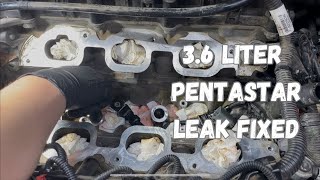
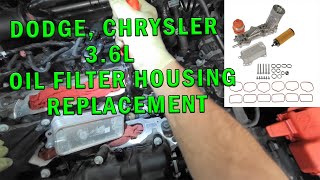
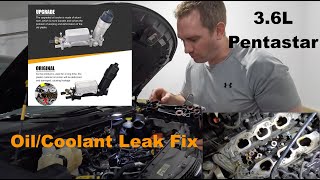
We Have This Part in Stock


The information in this article is provided for general reference and educational purposes only. Vehicle specifications, procedures, and part compatibility can vary by production date, trim level, and region. Always consult your vehicle's factory service manual and verify part numbers before purchasing or performing repairs. Safety-critical components such as airbags, seat belts, and braking systems should be installed by a qualified professional.
- Chrysler Pacifica:
- 🧭 Diagnostic Flowchart
- 🎬 Helpful Videos
- 🛍️ Shop This Part
- What's Unique About the 2017-2024 Chrysler Pacifica
- Symptoms You May Notice
- Most Likely Causes
- Rare But Worth Checking
- Diagnosis Steps
- Parts You'll Likely Need
- Related Codes That Often Appear With This One
- Technical Service Bulletins (TSBs) & Recalls
- Platform-Specific Known Issues
- Mechanic-Grade Diagnostic Values
- Scan Tool Commands That Help
- Wiring & Ground Locations
- Real Owner Repair Stories
- "I Checked Everything" — The Actual Cause
- OEM Part Supersession History
- Model Year Variations Within This Range
- Other Known Issues on This Vehicle
- Used vs. New Parts: Buying Guide for This Vehicle
- Real Owner Stories
- 2011 Jeep Grand Cherokee 3.6L V6
- 2017 Chrysler Pacifica 3.6L V6
- 2017 Chrysler Pacifica
- Related OBD-II Codes
- Frequently Asked Questions
- 🎟️ Get 5% Off