

P0171 on 2016 Fiat 500: Causes and Fixes for a Lean Engine Code
On a 2016 Fiat 500, code P0171 is most often caused by a vacuum leak from a failed PCV valve or intake gasket, or a software issue. Before replacing parts, check with a dealer for a potential PCM software update (TSB 18-030-15 REV-B), which is a known fix. A torn diaphragm in the PCV oil separator is a very common hardware failure.
- First, check for software updates. Before buying any parts, contact a Fiat dealer with your VIN to see if your car needs a PCM reflash per TSB #18-030-15 REV-B.
- Suspect a vacuum leak. The most common physical causes are cracked hoses, a bad intake gasket, or a failed PCV oil separator.
- A smoke test is your best diagnostic tool. It is the fastest and most accurate way to locate hard-to-find vacuum leaks.
- Don't immediately blame the O2 sensor. While it can be the cause, it's often replaced unnecessarily when the real problem is a vacuum leak or software issue.
What's Unique About the 2016-2016 Fiat 500
For the 2016 Fiat 500 with the 1.4L MultiAir engine, the P0171 code has a unique history tied to software glitches. Fiat issued several Technical Service Bulletins (TSBs) indicating that a simple PCM software update can resolve this code, which may also appear with others like P0133 (O2 Sensor Slow Response) and P050D (Cold Start Rough Idle). This is critical because many owners and shops might needlessly replace parts like oxygen sensors or fuel pumps when the actual solution is a dealer-performed reflash. Furthermore, the integrated PCV oil separator diaphragm is a common mechanical failure point that causes a significant, hard-to-diagnose vacuum leak.
Diagnostic Flowchart
Tap your situation to follow the diagnostic path that matches what you're seeing on this vehicle.
Symptoms You May Notice
- Check Engine Light is on
- Rough idle, especially after a cold start.
- Engine hesitation or bucking, particularly between 2,700-3,000 RPM.
- RPM flare at idle.
- Engine clatter or unusual noises.
- Loss of power and poor acceleration.
- Reduced fuel economy
- Whistling or hissing noise from the engine bay, especially at idle, indicating a vacuum leak.
- White or black smoke from the exhaust during hesitation events.
- Replacing the oxygen sensor without checking for vacuum leaks or software updates first.
- Replacing the fuel pump when the issue is a simple vacuum leak from the PCV oil separator.
- Cleaning the MAF sensor, which is less likely to be the root cause on this platform compared to vacuum leaks.
Most Likely Causes
- PCM Software Update Needed 🔴 High Probability Fiat released multiple TSBs (18-030-15 and its revisions) specifically to address P0171 and other codes via a software update for this model year.
How to confirm: Contact a Fiat dealership with your vehicle's VIN and ask if TSB #18-030-15 REV-B or a newer calibration is open for your car. This is the first step before any hardware replacement.
Typical fix: The dealership will reflash the Powertrain Control Module (PCM) with the updated software using their wiTECH tool.
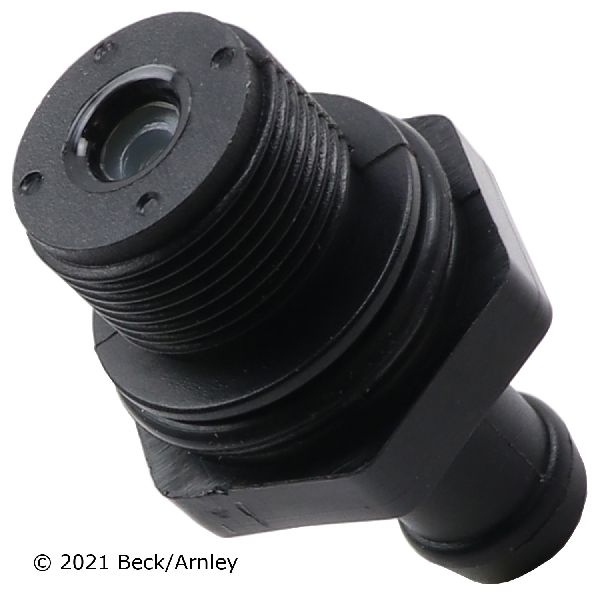
Est. part cost: $0-$0 - Faulty PCV Valve / Oil Separator 🔴 High Probability → Shop PCV Valve The PCV (Positive Crankcase Ventilation) system, also known as the oil separator, contains a rubber diaphragm that is known to tear or degrade. This creates a significant, unmetered vacuum leak directly into the intake system.
How to confirm: A distinct hissing or whistling noise may be heard near the valve cover/oil separator assembly at idle. A smoke test is the most reliable method; smoke will be seen escaping from the separator housing. Some owners confirm the leak by temporarily blocking the PCV inlet on the intake manifold; if the idle smooths out and fuel trims normalize, the separator is bad.
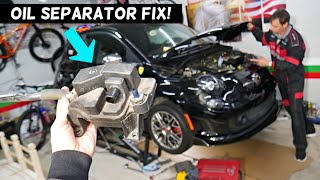
Typical fix: Replace the PCV valve/oil separator assembly. It is mounted on the valve cover. 🎬 Watch: How to remove and replace the oil separator assembly.
Est. part cost: $40-$60 - Vacuum Leak 🟡 Medium Probability Beyond the PCV system, aging rubber and plastic components in the engine bay are prone to cracking from heat and vibration, leading to unmetered air entering the engine.
How to confirm: Perform a smoke test to introduce smoke into the intake system. Look for smoke escaping from intake manifold gaskets, vacuum hoses, the air intake tube/resonator, or the throttle body gasket.
Typical fix: Replace the leaking gasket, hose, or component.
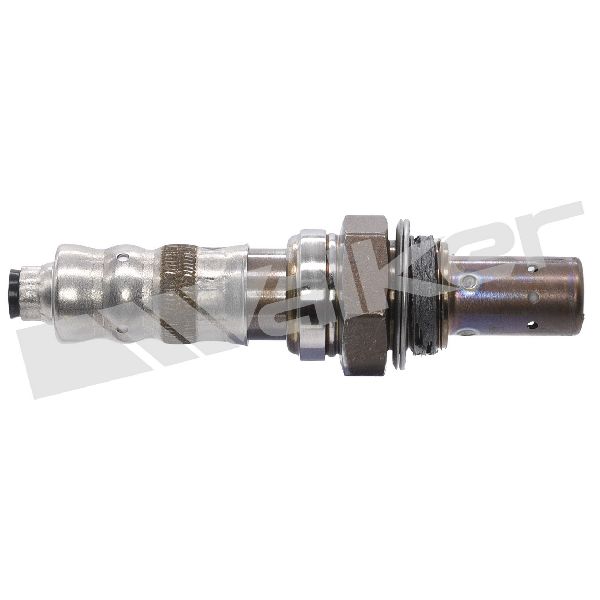
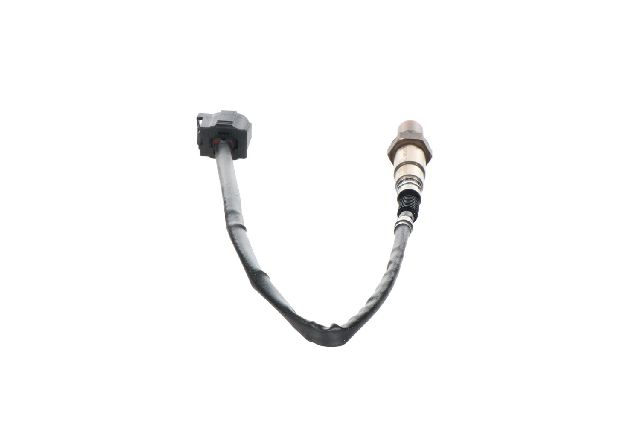
Est. part cost: $10-$100 - Faulty Upstream Oxygen Sensor 🟡 Medium Probability → Shop Oxygen Sensor The TSBs often pair P0171 with P0133 (O2 Sensor Slow Response), suggesting the sensor itself can be a contributing factor. A slow or failing sensor can incorrectly report a lean condition, causing the PCM to add unnecessary fuel.
How to confirm: Use a scan tool to monitor the live data from the upstream O2 sensor (Bank 1, Sensor 1). The voltage should fluctuate rapidly between approximately 0.1V and 0.9V. If it is stuck, biased low, or slow to respond, it is likely faulty.
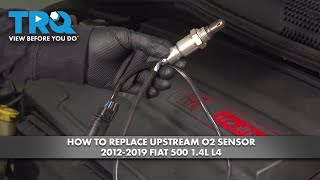
Typical fix: Replace the upstream oxygen sensor.
Est. part cost: $50-$150
Rare But Worth Checking
- Weak Fuel Pump or Clogged Fuel Filter: → Shop Fuel Filter This is less common but can cause a lean condition by failing to supply adequate fuel pressure. A fuel pressure test should be performed if vacuum leaks and sensor issues are ruled out. The 1.4L MultiAir engine requires high fuel pressure, so any weakness in the delivery system can be a factor.
- Clogged Fuel Injectors: → Shop Fuel Injector Dirty or clogged injectors may not deliver enough fuel, leading to a lean mixture in one or more cylinders. This can sometimes be resolved with a quality fuel system cleaner before resorting to injector replacement.
- Exhaust Leak Before the O2 Sensor: → Shop Oxygen Sensor A crack in the exhaust manifold or a leaking gasket can allow outside air to be drawn into the exhaust stream, causing the O2 sensor to falsely detect a lean condition.
- Failing Brake Booster: A leak in the brake booster's internal diaphragm creates a significant vacuum leak, which can lead to a P0171 code. This may be accompanied by a hissing sound when the brake pedal is pressed and a hard brake pedal feel.
Diagnosis Steps
- Scan for Codes: Use an OBD-II scanner to confirm P0171 and check for any other related codes like P0133, P050D, or P0300.
- Check for TSBs: This is a critical first step. Contact a Fiat dealer with your VIN to see if TSB #18-030-15 REV-B is applicable. A software update may be the entire fix.
- Inspect for Obvious Vacuum Leaks: Listen for hissing noises around the engine bay at idle. Pay close attention to the PCV oil separator on the valve cover. Visually inspect all vacuum hoses and the air intake tube for obvious cracks or disconnections.
- Perform a Smoke Test: This is the most effective way to find hidden vacuum leaks. Introduce smoke into the intake system and watch for leaks from the PCV assembly, intake manifold gaskets, and vacuum lines.
- Analyze O2 Sensor Data: Use a scanner to watch the live data for the upstream O2 sensor. A healthy sensor will show rapidly fluctuating voltage between ~0.1V and ~0.9V. A lazy or stuck sensor needs replacement.
- Test Fuel Pressure: If no vacuum leaks are found and the O2 sensor appears to be working, test the fuel pressure to rule out a weak fuel pump or clogged filter.
Parts You'll Likely Need
- PCV Valve / Oil Separator
(OEM #4892699AD)— The diaphragm inside this assembly is a very common failure point, causing a significant vacuum leak that directly leads to a P0171 code. This part number supersedes 4892699AC and 4892699AB.
Trusted brands: Mopar
OEM price range: $40-$60
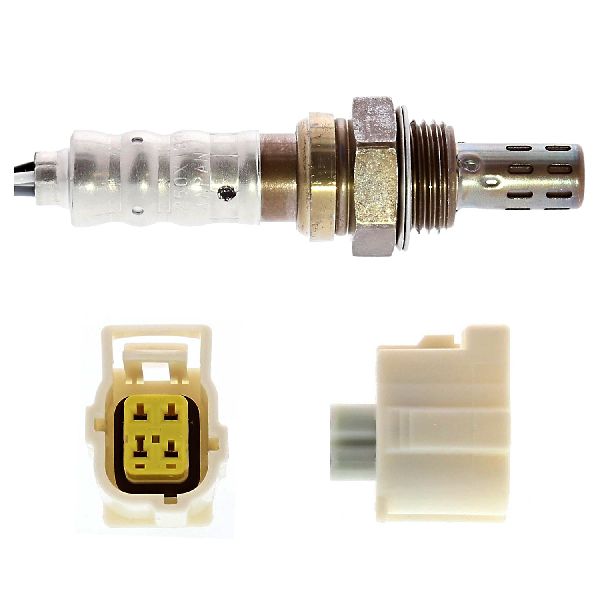
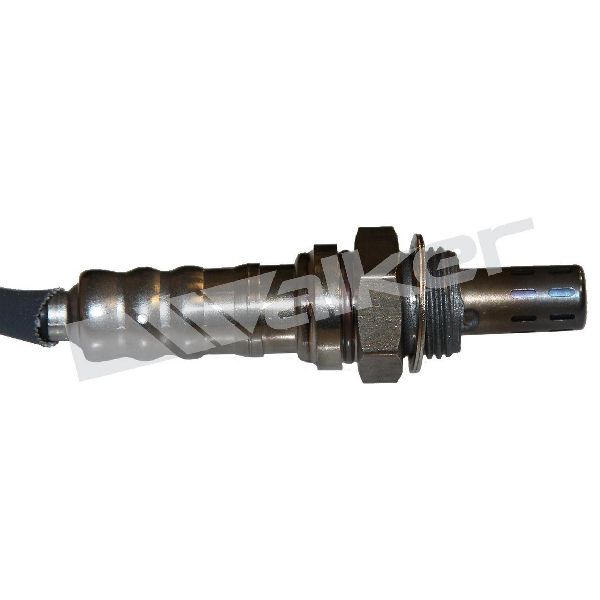
Aftermarket price range: $25-$45 - Upstream Oxygen Sensor
(OEM #68240985AA)— A failing or slow-responding O2 sensor can incorrectly report a lean condition. It is often seen with code P0133.
Trusted brands: Mopar, Bosch, Denso, NGK
OEM price range: $75-$120
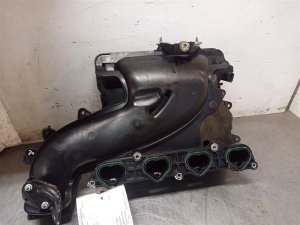
Aftermarket price range: $50-$100 - Intake Manifold Gasket — A leaking intake manifold gasket is a classic cause of a vacuum leak and P0171, though less common than the PCV failure on this engine.
Trusted brands: Mopar, Fel-Pro
OEM price range: $20-$40
Aftermarket price range: $10-$25
Related Codes That Often Appear With This One
- P0133 — O2 Sensor 1/1 Slow Response. This code is explicitly mentioned in Fiat TSBs alongside P0171, indicating they are often related to the same software or sensor issue.
- P050D — Cold Start Rough Idle. Also mentioned in the TSBs, this symptom is a direct result of the lean condition or software problem causing P0171.
- U0402 — Implausible Data Received From TCM. This network code is listed in the TSBs, suggesting the root cause may be a module communication or software issue affecting multiple systems.
- P0300 — Random/Multiple Cylinder Misfire. A severe lean condition from a vacuum leak can starve the cylinders of fuel, leading to misfires.
Technical Service Bulletins (TSBs) & Recalls
- Bulletin #18-030-15 REV-B: Addresses P0171, P0133, P050D, and U0402 with a software update, mentioning symptoms like engine clatter.
- Bulletin #18-030-15 REVA: An earlier revision of the same TSB, also addressing P0171 with a software update and noting RPM flare as a symptom.
- Bulletin #18-030-15: The original TSB identifying P0171 and P050D as being potentially caused by a software issue.
Platform-Specific Known Issues
- A primary issue for this vehicle is the documented need for a PCM software update to correct false P0171 codes, as outlined in TSB #18-030-15 and its revisions.
- The PCV oil separator diaphragm is a known weak point that can tear and cause a hard-to-find vacuum leak, often identifiable by a hissing sound from the top of the engine.
Mechanic-Grade Diagnostic Values
- Long-Term Fuel Trim (LTFT) — expected: -5% to +5% at idle on a warm engine.. Failure: Sustained high positive values (e.g., +18% to +25%) indicate the PCM is adding significant fuel to compensate for a lean condition.
- Upstream Oxygen Sensor (Bank 1, Sensor 1) Voltage — expected: Rapidly fluctuating between approximately 0.1V and 0.9V on a warm, closed-loop engine.. Failure: Voltage is stuck low (e.g., below 0.2V), responds very slowly, or does not cross-count.
- Manifold Absolute Pressure (MAP) at idle — expected: Approximately 35 kPa at idle.. Failure: Significant deviation from this value could indicate a vacuum leak or sensor issue.
Wiring & Ground Locations
- Main Engine Ground Strap — Connects from the chassis leg beneath the battery tray to a mounting point on the gearbox.. A corroded or loose main ground strap can cause numerous intermittent electrical issues, including incorrect sensor readings that could lead to a false P0171 code. A crunchy feel or visible corrosion on the strap warrants replacement.
- Upstream O2 Sensor Connector — Located in front of the battery tray, below the upper radiator hose. It is often a yellow clip connector.. This connector and its wiring are in a high-heat area and are susceptible to damage, which can cause incorrect signals from the O2 sensor, leading to P0133 or P0171 codes.
Real Owner Repair Stories
- Reddit user on r/fiat500 (2012 Fiat 500 Pop, 141k miles, manual transmission) — Persistent P0171, hesitation/bucking between 2750-3000 RPM, blows white/black smoke, rough idle after hesitation events.
❌ Tried (didn't work) Replaced spark plugs (twice), Replaced PCV valve, Serviced fuel injectors, Flashed PCM at the dealer, Used fresh, high-quality gasoline, Cleaned oily MAF sensor repeatedly
✅ What actually fixed it The user did not post a final resolution, but the dealer technician suspected the engine was failing after multiple standard fixes did not work. This highlights a case where common causes are addressed without success, pointing towards a more severe underlying mechanical issue.
OEM Part Supersession History
4892699AB, 4892699AC→4892699AD— Standard part revision and improvement by the manufacturer for the PCV Valve / Oil Separator assembly.
Helpful Videos
Used OEM Parts in Stock
New Aftermarket Parts Available


The information in this article is provided for general reference and educational purposes only. Vehicle specifications, procedures, and part compatibility can vary by production date, trim level, and region. Always consult your vehicle's factory service manual and verify part numbers before purchasing or performing repairs. Safety-critical components such as airbags, seat belts, and braking systems should be installed by a qualified professional.
- Fiat 500:
- 🧭 Diagnostic Flowchart
- 🎬 Helpful Videos
- 🛍️ Shop This Part
- What's Unique About the 2016-2016 Fiat 500
- Symptoms You May Notice
- Most Likely Causes
- Rare But Worth Checking
- Diagnosis Steps
- Parts You'll Likely Need
- Related Codes That Often Appear With This One
- Technical Service Bulletins (TSBs) & Recalls
- Platform-Specific Known Issues
- Mechanic-Grade Diagnostic Values
- Wiring & Ground Locations
- Real Owner Repair Stories
- OEM Part Supersession History
- 🎟️ Get 5% Off