

P0171 on 1997-2001 Ford Explorer 4.0L SOHC: Lean Code Causes and Fixes
On a 1997-2001 Explorer with the 4.0L SOHC engine, code P0171 is almost always caused by a vacuum leak. The most common culprits are deteriorated intake manifold gaskets (O-rings) or a cracked PCV hose elbow near the throttle body. Expect to spend $20-$60 on gaskets or a new PCV hose for a DIY fix. The intake gasket job is labor-intensive but a very common repair for this specific engine.
- Assume you have a vacuum leak. On the 4.0L SOHC Explorer, P0171 is most likely caused by unmetered air entering the engine.
- Check the PCV hose elbow first. It's located near the throttle body, is easy to inspect, and cheap to fix. Look for cracks or a collapsed shape.
- The intake manifold gaskets are the next likely culprit. If you hear a hissing noise or a smoke test reveals a leak around the intake, the O-ring gaskets need to be replaced.
- Do not replace the O2 sensors or fuel pump unless you have specifically diagnosed them as faulty. They are rarely the cause of this code on this vehicle.
- If you have both P0171 and P0174 codes, it's almost certainly a major vacuum leak affecting the whole engine.
What's Unique About the 1997-2001 Ford Explorer
The 4.0L SOHC V6 engine used in the second-generation Explorer is notoriously prone to vacuum leaks that cause the P0171 code. Unlike many other engines where a dirty MAF sensor is the top cause, on this specific platform, the plastic intake manifold and its rubber O-ring gaskets are the primary suspects. A classic symptom is a rough idle when the engine is cold, which improves as it warms up; this happens because the plastic intake contracts when cold, opening a gap around the hardened gaskets, which then partially reseals as the engine heat causes it to expand. A rotted PCV hose elbow is another extremely common failure point specific to this engine bay's layout.
Symptoms You May Notice
- Check Engine Light is on
- Rough or rolling idle, especially when cold or at a stop.
- Hesitation or stumbling during acceleration.
- Reduced fuel economy.
- Engine misfires (may be accompanied by P030x codes).
- A hissing or whistling sound from the engine bay, indicating a vacuum leak.
- Engine stalling when coming to a stop.
- Replacing the oxygen (O2) sensors. The O2 sensors are usually doing their job correctly by reporting the lean condition. The P0171 code is rarely caused by a faulty O2 sensor itself; the sensor is the messenger, not the cause.
- Replacing the fuel pump without proper diagnosis. While low fuel pressure can cause a lean code, it's far less common than vacuum leaks on this specific engine. Always verify fuel pressure with a gauge before replacing the pump.
Most Likely Causes
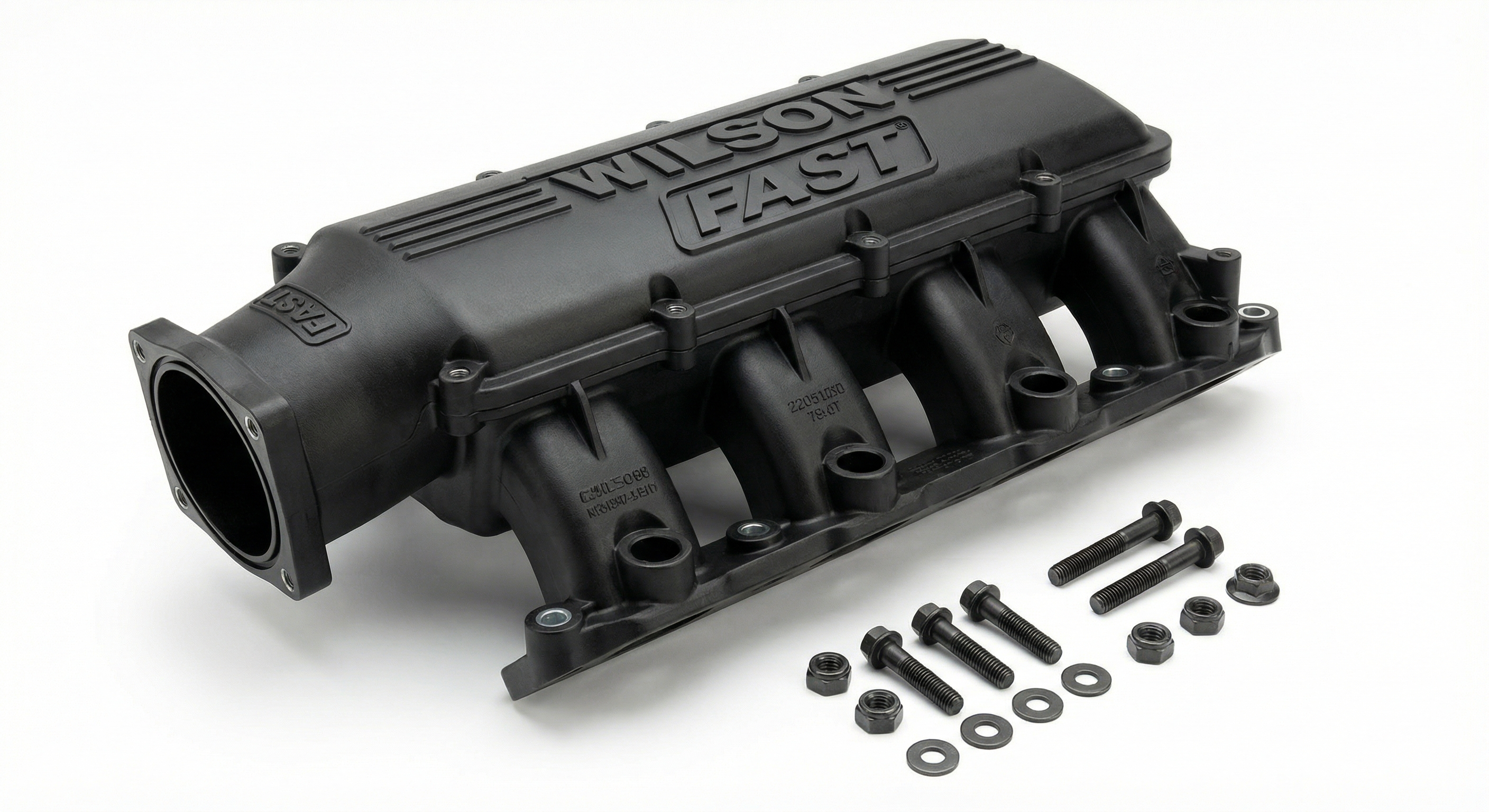
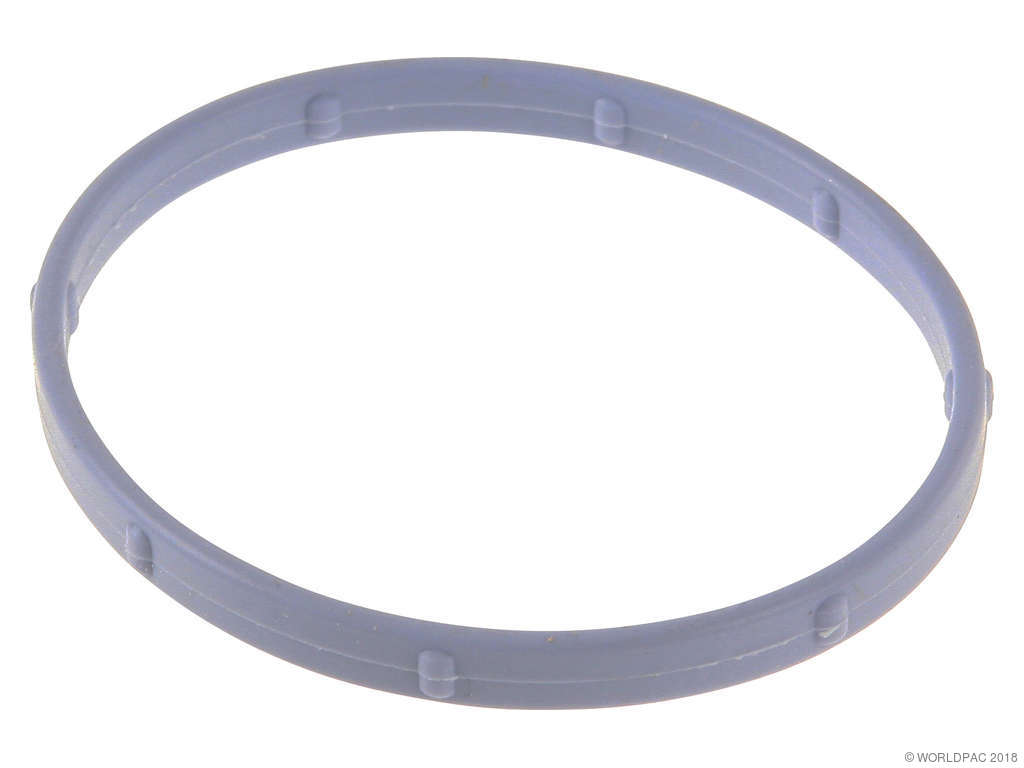
- Leaking Intake Manifold Gaskets (O-Rings) 🔴 High Probability → Shop Engine Intake Manifold The 4.0L SOHC engine uses a plastic intake manifold with rubber O-ring style gaskets. These are known to shrink, harden, and crack over time from heat cycles, creating significant vacuum leaks. The original gaskets were often a different color (green or orange) than the updated, more durable replacements (blue). This issue is so common that Ford issued TSB 03-16-1 to address it.
How to confirm: Perform a smoke test on the intake system. 🎬 Watch: Step-by-step diagnosis of lean codes on the 4.0L engine. Alternatively, with the engine running, carefully spray short bursts of brake cleaner or carb cleaner around the intake manifold mating surfaces, especially where the upper and lower manifolds meet. A change in engine idle speed or a spike in the short-term fuel trim (STFT) on a scan tool indicates a leak.
Typical fix: Replace the upper and lower intake manifold gaskets. This is a labor-intensive but common DIY job for this engine. It is critical to replace both upper and lower sets at the same time. 🎬 See this walkthrough for replacing upper and lower intake gaskets.
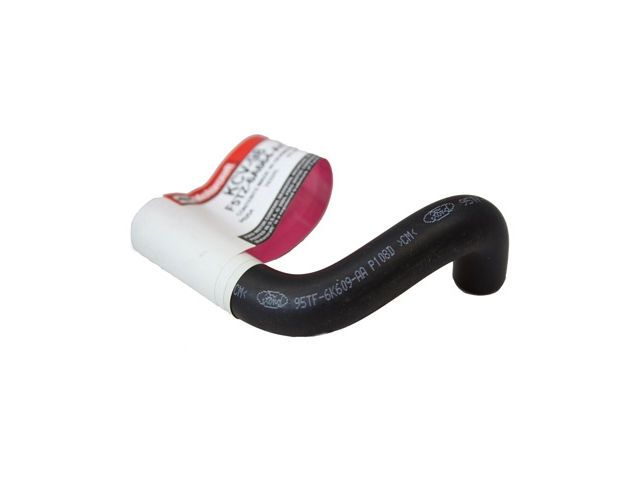
Est. part cost: $20-$60 - Cracked or Collapsed PCV Hose/Elbow 🔴 High Probability → Shop PCV Valve Hose The rubber elbow of the PCV (Positive Crankcase Ventilation) hose, located near the throttle body, is exposed to oil vapors and heat, causing it to degrade, become mushy, and eventually crack or collapse under vacuum. This creates a large, unmetered air leak and is one of the most frequent fixes for P0171/P0174.
How to confirm: Visually inspect the PCV hose elbow for cracks, holes, or a collapsed shape, especially when the engine is running. A hissing sound may be audible from this area. The crack is often on the underside and hard to see without removing the part.
Typical fix: Replace the faulty PCV hose or elbow. This is a quick and inexpensive repair. Dorman part 46011 is a common replacement.
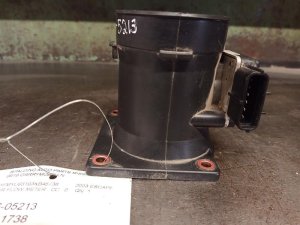
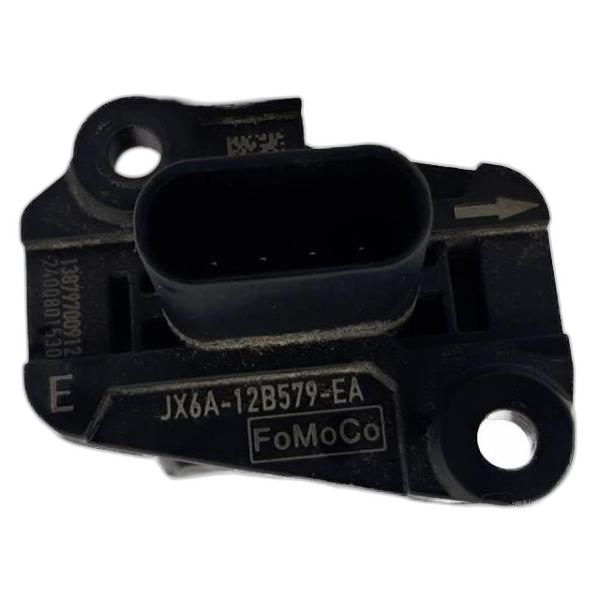
Est. part cost: $15-$40 - Dirty or Faulty Mass Airflow (MAF) Sensor 🟡 Medium Probability → Shop Fuel Injection Air Flow Meter While vacuum leaks are more common on this engine, a MAF sensor contaminated with dirt or oil can under-report the amount of air entering the engine, causing the PCM to deliver too little fuel.
How to confirm: Unplug the MAF sensor with the engine running. If the idle smooths out, the sensor is likely faulty. The best method is to remove the sensor and clean it with a dedicated MAF sensor cleaner spray. 🎬 Watch: How to properly clean your Mass Air Flow sensor. Do not touch the sensor wires or use other chemicals like brake cleaner.
Typical fix: Clean the MAF sensor. If cleaning doesn't resolve the issue, replace the sensor.
Est. part cost: $10 (cleaner) or $50-$150 (new sensor) - Low Fuel Pressure ⚪ Low Probability
How to confirm: Connect a fuel pressure gauge to the Schrader valve on the fuel rail. For the 4.0L SOHC with its returnless system, pressure should be 64-75 psi with the key on, engine off (KOEO). A weak fuel pump or a clogged fuel filter can cause low pressure.
Typical fix: Replace the fuel filter first, as it is a routine maintenance item. If pressure is still low, the fuel pump may need to be replaced.
Est. part cost: $15-$30 (filter) or $150-$300 (pump)
Rare But Worth Checking
- Leaking Fuel Injector O-rings: → Shop Fuel Injector While less common, a deteriorated O-ring on a fuel injector can create a small vacuum leak directly at the cylinder head or fuel rail.
- Exhaust Leak Before the Oxygen Sensor: → Shop Oxygen Sensor A crack in the exhaust manifold or a leaking gasket before the upstream O2 sensor can allow outside air into the exhaust stream, making the sensor report a false lean condition.
- EVAP System Issues: In some Ford vehicles, an inability to bleed up the fuel tank can lead to P0171. NHTSA ODI #11465263 describes a situation where a vehicle would putter and hesitate after refueling, with the lean code caused by the EVAP system.
Diagnosis Steps
- Check for additional trouble codes. P0174 appearing with P0171 strongly points to a vacuum leak affecting both banks.
- Visually inspect the engine bay for obvious vacuum leaks. Pay close attention to the PCV hose elbow near the throttle body and all other vacuum lines for cracks or disconnections. NHTSA ODI #10199477 notes a case where a vacuum hose from the intake manifold to the brake booster was found broken, triggering P0171 and P0174.
- With the engine running, listen for a distinct hissing sound, which is a tell-tale sign of a vacuum leak.
- If a leak isn't obvious, perform a smoke test. This is the most effective way to find hairline cracks in the intake manifold gaskets or hidden vacuum hoses.
- If a smoke machine is unavailable, carefully spray carb cleaner around the intake gaskets with the engine idling. If the idle speed changes, you've found the leak.
- If no vacuum leaks are found, remove and clean the Mass Airflow (MAF) sensor using a dedicated MAF sensor cleaner. Let it dry completely before reinstalling.
- If the problem persists, test the fuel pressure at the fuel rail. It should be 64-75 psi for this engine.
- As a final, less common check, inspect the exhaust manifolds for cracks or leaks before the upstream O2 sensors.
Parts You'll Likely Need
- Intake Manifold Gasket Set (O-Rings)
(OEM #YL2Z-9E473-AA)— This is the most frequent cause of P0171 on the 4.0L SOHC engine due to the original gaskets hardening and cracking over time. Ford TSB 03-16-1 recommends replacement with updated parts. - PCV Hose Elbow
(OEM #4L5Z-6758-HA (part of a larger assembly, KCV-190))— The rubber elbow is a very common failure point, leading to a large vacuum leak. It's an easy and inexpensive part to replace. NHTSA ODI #10322944 confirms that air leaks in the air hose assembly often require replacing the air tube assembly to resolve P0171 and P0174. - Mass Airflow (MAF) Sensor — Replaced if cleaning does not resolve the issue and vacuum leaks have been ruled out.
Related Codes That Often Appear With This One
- P0174 — P0174 is the same 'System Too Lean' code but for Bank 2 (driver's side). When both codes appear together, it strongly suggests a large vacuum leak that affects the entire engine, such as the intake manifold gaskets or PCV hose.
- P0300, P0301-P0306 — These are misfire codes. A severe lean condition starves the cylinders of fuel, leading to incomplete combustion and misfires. Fixing the root cause of the P0171 code (usually a vacuum leak) will often resolve the misfire codes as well.
- P0172 / P0175 — While these are rich codes, manufacturer bulletin #SSM 49050 notes that some Ford vehicles may exhibit a mix of P0171, P0172, P0174, and P0175 due to incorrect flex fuel learning, often caused by refueling habits.
Technical Service Bulletins (TSBs) & Recalls
- TSB 03-16-1 (later superseded by TSB 04-24-18): Specifically addresses codes P0171 and P0174 on the 4.0L SOHC engine. It identifies the cause as leaking intake manifold port gaskets and isolator bolt assemblies and provides the procedure for replacing them with updated parts.
- TSB 98-23-10: An older bulletin that addresses issues caused by Mass Airflow (MAF) sensor contamination, which can also be a cause for these lean codes.
- Bulletin #SSM 49050: Notes that illuminated MILs with P0171 and P0174 can sometimes be attributed to incorrect flex fuel learning based on how a customer refuels.
Platform-Specific Known Issues
- A Ford Technical Service Bulletin (TSB 00M12) was issued regarding leaking intake manifold gaskets on the 4.0L SOHC engine, which could cause rough running when cold.
- Another TSB (03-16-1) also points to leaking intake manifold gaskets as a cause for P0171/P0174, instructing technicians to replace the gaskets and isolator bolts.
Mechanic-Grade Diagnostic Values
- Long Term Fuel Trim (LTFT) at idle vs. 2500 RPM — expected: Normal values are between -10% and +10%. When chasing a P0171, high positive values (e.g., +17% to +29%) are expected.. Failure: If fuel trims are highly positive at idle but improve (move closer to 0) at 2500 RPM, a vacuum leak is the most likely cause. If the trims remain highly positive or worsen at higher RPM, it points towards a fuel delivery issue like a weak pump or clogged filter.
- Mass Airflow (MAF) Sensor Reading at Idle — expected: A healthy 4.0L SOHC engine should read approximately 4.0 to 5.0 grams/second (g/s) at a stable warm idle. This value should correspond roughly to the engine's displacement in liters.. Failure: A significantly lower reading (e.g., 2.5-3.5 g/s) at idle suggests the MAF is dirty or failing, causing it to under-report airflow and leading to a lean condition.
- Upper Intake Manifold Bolt Torque — expected: 89 in-lbs (Inch Pounds).. Failure: Over-torquing is extremely common and can break the bolts or crush the new gaskets, causing a repeat failure. Many online sources incorrectly state much higher values (180-215 in-lbs), which are wrong for this application.
- Fuel Pressure (1998-2001 Returnless System) — expected: 64-75 psi with Key On, Engine Off (KOEO).. Failure: Pressure below 64 psi indicates a failing fuel pump or clogged fuel filter.
- Fuel Pressure (1997 Return-Style System) — expected: 35-45 psi with Key On, Engine Off (KOEO).. Failure: Pressure below this range indicates a weak fuel pump, clogged filter, or faulty fuel pressure regulator.
Scan Tool Commands That Help
- Ford IDS / FORScan / High-End Scan Tools: Reset Keep Alive Memory (KAM) — After replacing a component like an intake gasket or MAF sensor, resetting the KAM is crucial. This clears the old, learned fuel trim adjustments and forces the PCM to start fresh, allowing for a quicker and more accurate assessment of whether the repair was successful. Disconnecting the battery for 15 minutes can achieve a similar result.
Wiring & Ground Locations
- Engine Ground Strap — A primary ground strap runs from the rear of the driver's side cylinder head to a stud on the firewall, often inboard of the brake booster.. A poor engine ground can cause erratic sensor readings and incorrect data being sent to the PCM. While not a primary cause of P0171, ensuring this ground is clean and tight is a fundamental step in any electrical diagnosis.
- MAF Sensor Connector Pins (Typical 6-pin) — Connector at the Mass Airflow sensor, located on the intake tube after the air filter box.. Allows for testing power, ground, and signal wires directly at the sensor. Pin functions are typically: Pin 1 (IAT Signal), Pin 2 (MAF Signal), Pin 3 (Ground), Pin 4 (Ground), Pin 5 (Power - 12V), Pin 6 (IAT Ground/Return). Wire colors can vary by year.
- PCM Ground — The PCM itself is grounded through its wiring harness to specific points on the chassis or engine block. A common location for harness grounds is near the PCM on the firewall or inner fender.. The PCM relies on a solid ground reference to control injectors and interpret sensor data. A faulty PCM ground can lead to a wide range of issues, including incorrect fuel delivery calculations that could contribute to lean or rich conditions.
Real Owner Repair Stories
- NHTSA ODI #10219019 Reporter — An owner reported that their Check Engine Light revealed P0171, P0174, and P0131 codes. The repair required replacing the isolator bolts, port seals, clamshell seal, and O-rings to resolve the lean condition.
- ScannerDanner Forum User (2014 Ford Explorer 3.5L EcoBoost (Note: Different engine, but illustrates an edge case)) — Persistent P0171/P0174 codes with LTFT at +29%. Rough idle, stalling.
❌ Tried (didn't work) Smoke test (no leaks found), Replaced spark plugs and coils, Replaced all O2/AF sensors, Replaced MAP sensors, Verified fuel pressure was correct (60 psi)
✅ What actually fixed it After two years of diagnosis, the problem was finally solved by replacing all six fuel injectors, which were found to be clogged and dirty. - Ford Truck Enthusiasts Forum User (2013 E350 Motorhome 6.8L V10 (Note: Different vehicle, but illustrates a hidden vacuum leak)) — P0171/P0174, rough idle, stalling, audible hissing noise.
❌ Tried (didn't work) Checked PCV valve and hose, Inspected intake boot, Sprayed carb cleaner around the front of the throttle body
✅ What actually fixed it The user removed the engine dog house for better access and found a small, deteriorated rubber plug over an unused vacuum port on the *rear* of the throttle body assembly. Covering the hole with a finger immediately smoothed the idle.
"I Checked Everything" — The Actual Cause
- A cracked exhaust manifold or leaking exhaust gasket *before* the upstream O2 sensor can cause a P0171. During the exhaust stroke's negative pressure pulses, outside air is drawn into the exhaust stream. The O2 sensor detects this extra oxygen and incorrectly reports a lean mixture to the PCM, which then tries to add fuel. This is often missed because a smoke test of the intake system will come back clean, and the leak is not in the intake path.
OEM Part Supersession History
Unknown (Original green or orange gaskets)→YL2Z-9E473-AA (Blue gaskets)— The original intake manifold O-ring gaskets were made of a material that would harden, shrink, and crack from engine heat cycles. The updated blue gaskets use a more durable material to prevent this common failure.
Model Year Variations Within This Range
- 1997 (early) vs. 1997 (late) and newer: Ford switched from a 'return-style' fuel system to a 'returnless' system during the 1997 model year. Early '97 models have a fuel pressure regulator on the fuel rail and operate at a lower pressure (approx. 35-45 psi). Late '97 through 2001 models have no regulator on the rail (it's in the tank) and operate at a much higher pressure (64-75 psi). This is critical for diagnosis, as the expected fuel pressure reading is completely different.
- 1997-2001: The upper intake manifold is secured by 8 bolts. These bolts are a specific 'isolator' design with a metal sleeve and rubber grommet. A common mistake is over-torquing them during reassembly, which leads to breakage. The correct torque is a very light 89 in-lbs.
Diagnostic Flowchart
Other Known Issues on This Vehicle
Issues unrelated to this code that are worth knowing about as an owner of this generation:
- Timing Chain Cassette Failure (aka 'Death Rattle') 🔴 High — Very common, especially on pre-2004 models. Often starts as a brief rattle on startup between 80k-150k miles. Failure can be catastrophic to the engine. (Ref: Ford issued TSBs to update tensioner designs, but no recall. The core issue is the plastic guides becoming brittle.)
- 5R55E Automatic Transmission Failures 🔴 High — Common issues include worn valve body bores (causing pressure loss), solenoid pack failure, and burned bands. Symptoms often appear after 50k miles, like harsh shifts or flashing O/D light.
- Cracked Thermostat Housing 🟠 Medium — The plastic thermostat housing is prone to cracking and developing coolant leaks over time due to heat cycles. It's a frequent replacement item.
- Faulty DPFE Sensor 🟠 Medium — The Differential Pressure Feedback EGR (DPFE) sensor fails frequently, causing EGR-related codes like P0401 or P0402, which can lead to rough idle and stalling.
Used vs. New Parts: Buying Guide for This Vehicle
When a used part is the smart pick: For this repair, using used parts is generally not recommended for the common failure items. The primary culprits (intake gaskets, PCV hose) are rubber components that degrade with heat and time. A used part from a junkyard will likely have the same age-related deterioration as the part being replaced. A used MAF sensor is also risky as its condition is unknown. The only part where a used component might be considered is the entire plastic intake manifold assembly *if* it has been cracked and a new one is prohibitively expensive, but it should still be fitted with new gaskets.
Donor-vehicle mileage cap: roughly under 80000 miles for the part to have meaningful remaining life.
What to inspect on the donor part:
- For an intake manifold, inspect closely for any hairline cracks, especially around bolt holes and seams.
- Check that all threaded inserts are intact and not stripped.
- Avoid parts from vehicles that show signs of overheating or engine fire.
OEM-only on this vehicle (don't cheap out):
- While not strictly 'OEM-only', using high-quality aftermarket or OEM intake gaskets is critical. Cheap, no-name gasket sets are a common cause of repeat failures.
Aftermarket brands forum-validated for this vehicle:
- Fel-Pro (for intake gaskets, part # MS98005T is a well-regarded complete set)
- Motorcraft (for all OEM replacement parts)
- Dorman (for the PCV hose elbow, part # 46011)
Brands owners have reported issues with on this vehicle:
- Unbranded, low-cost intake gasket kits from online marketplaces are frequently cited in forums as failing prematurely.
Real Owner Stories
Aggregated from forums and TSBs cited above. Mileages and costs reflect what owners reported in those sources.
Ford Explorer 4.0L SOHC V6
Symptoms: P0171, P0174, and a rough idle.
What fixed it: Replacing the intake manifold O-rings.
Source hint: https://www.explorerforum.com/forums/threads/p0171-p0174-and-rough-idle-solved.185968/
Ford Ranger 4.0L SOHC V6
Symptoms: Vacuum elbow issue causing P0171/P0174.
What fixed it: Replacing the collapsed PCV elbow.
Source hint: https://www.ranger-forums.com/4-0l-sohc-v6-tech-33/had-vacuum-elbow-issue-today-112253/
Ford Explorer 4.0L SOHC V6
Symptoms: Rough idle on start and sputtering start; P0171 and P0174 codes persisted after replacing only the upper gaskets.
What fixed it: Replacing the lower intake manifold gaskets after the upper gaskets alone did not solve the leak.
Source hint: https://www.ford-trucks.com/forums/513527-4-0-sohc-p0171-p0174-not-plenum-gaskets-or-maf-rough-idle-on-start-sputtering-start.html
Related OBD-II Codes
Frequently Asked Questions
Which Ford TSB specifically addresses the P0171 and P0174 codes on my 4.0L SOHC engine?
I heard there is a color difference in the intake manifold gaskets; which ones should I look for?
My Explorer has a rough idle when cold, but it gets better as it warms up. Is this related to P0171?
Is there a specific part number for the PCV elbow that often causes this lean code?
What should the fuel pressure be on my 1997-2001 Explorer 4.0L SOHC?
Can I use brake cleaner to clean my MAF sensor to save money?
Helpful Videos
Used OEM Parts in Stock
New Aftermarket Parts Available


The information in this article is provided for general reference and educational purposes only. Vehicle specifications, procedures, and part compatibility can vary by production date, trim level, and region. Always consult your vehicle's factory service manual and verify part numbers before purchasing or performing repairs. Safety-critical components such as airbags, seat belts, and braking systems should be installed by a qualified professional.
- Ford Explorer:
- 🧭 Diagnostic Flowchart
- 🎬 Helpful Videos
- 🛍️ Shop This Part
- What's Unique About the 1997-2001 Ford Explorer
- Symptoms You May Notice
- Most Likely Causes
- Rare But Worth Checking
- Diagnosis Steps
- Parts You'll Likely Need
- Related Codes That Often Appear With This One
- Technical Service Bulletins (TSBs) & Recalls
- Platform-Specific Known Issues
- Mechanic-Grade Diagnostic Values
- Scan Tool Commands That Help
- Wiring & Ground Locations
- Real Owner Repair Stories
- "I Checked Everything" — The Actual Cause
- OEM Part Supersession History
- Model Year Variations Within This Range
- Other Known Issues on This Vehicle
- Used vs. New Parts: Buying Guide for This Vehicle
- Real Owner Stories
- Ford Explorer 4.0L SOHC V6
- Ford Ranger 4.0L SOHC V6
- Ford Explorer 4.0L SOHC V6
- Related OBD-II Codes
- Frequently Asked Questions
- 🎟️ Get 5% Off