

P0171 on 2005-2007 Ford Five Hundred: Lean Code Causes and Fixes
On a 2005-2007 Ford Five Hundred, code P0171 is almost always caused by a vacuum leak from old, brittle intake manifold gaskets. Expect to pay $40-$80 for a complete gasket set and consider replacing the rear spark plugs and coils at the same time.
- Code P0171 on a 2005-2007 Ford Five Hundred strongly points to a vacuum leak.
- The most likely culprit is a failed intake manifold gasket; always replace both upper and lower gasket sets.
- Before replacing any parts, perform a smoke test to confirm the exact location of the leak.
- While the intake manifold is off for the gasket replacement, save future labor by also replacing the three spark plugs and ignition coils on the rear cylinder bank (Bank 1).
What's Unique About the 2005-2007 Ford Five Hundred
The Duratec 3.0L V6 in the Five Hundred, Freestyle, and Montego is well-known for developing vacuum leaks at the intake manifold gaskets as the vehicle ages. The gaskets are made of rubber that becomes hard, shrinks, and cracks over time, creating a leak that the engine's sensors can't account for. This is such a common failure that it should be the primary suspect for a P0171 code, especially if it appears with P0174. Importantly, the intake on this engine is a 'dry' design, so a bad gasket will cause a vacuum leak but not a coolant leak.
Symptoms You May Notice
- Check Engine Light is on
- Rough or unstable idle, sometimes with RPM fluctuations
- Hesitation or lack of power during acceleration
- Reduced fuel economy
- Hissing or whistling noise from the engine bay
- Engine may stall, especially on a cold start
- Replacing the oxygen (O2) sensors. The O2 sensors are usually doing their job correctly by detecting the lean condition. P0171 is a fuel mixture code, not typically an O2 sensor failure code. Always diagnose for vacuum leaks or fuel delivery issues first.
Most Likely Causes
- Leaking Intake Manifold Gaskets 🔴 High Probability → Shop Engine Intake Manifold The 3.0L Duratec V6 uses a two-piece plastic intake manifold with rubber gaskets that degrade, harden, and shrink over time, causing unmetered air to leak into the engine. This is a widely documented failure for this platform.
How to confirm: Perform a smoke test on the intake system; smoke will be seen escaping from the area where the intake manifold meets the cylinder heads. Alternatively, with the engine running, spraying starter fluid or brake cleaner near the gasket area will cause a noticeable change in engine RPM if a leak is present. A high long-term fuel trim value (e.g., +25%) at idle that decreases as RPMs increase is a strong indicator of a vacuum leak.
Typical fix: Replace both the upper (plenum) and lower intake manifold gaskets. It is highly recommended to replace the rear spark plugs and ignition coils at the same time, as they are difficult to access otherwise.
Est. part cost: $40-$80 - Leaking PCV Hoses or Other Vacuum Lines 🟡 Medium Probability → Shop PCV Valve Hose The rubber hoses in the PCV system become brittle and crack or collapse with age and exposure to oil and heat. A split PCV hose is a very common source of a lean-code-inducing vacuum leak on Duratec engines. In related Ford platforms, NHTSA ODI #10322944 notes that air leaks in the air hose assembly required replacing the air tube assembly to resolve P0171 and P0174.
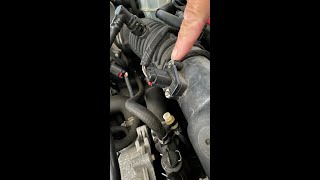
How to confirm: Visually inspect all vacuum hoses connected to the intake manifold for cracks, brittleness, or loose connections. A smoke test is the most effective way to find small leaks. Pay close attention to the elbow connectors.
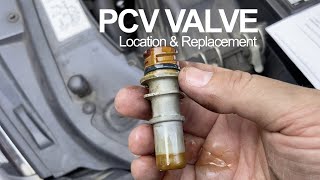
Typical fix: Replace any cracked or leaking hoses. The main PCV hose assembly may need to be sourced from the dealer or fabricated with bulk vacuum tubing if specific parts are discontinued. 🎬 Watch: How to locate and replace the PCV valve.
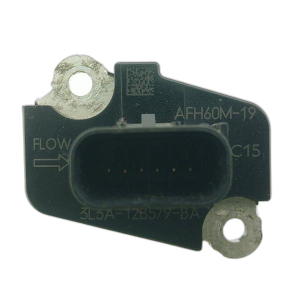
Est. part cost: $10-$50 - Dirty or Faulty Mass Air Flow (MAF) Sensor 🟡 Medium Probability → Shop Fuel Injection Air Flow Meter This is a common issue on many Ford vehicles. Dirt and oil vapors can coat the sensor's delicate wire, causing it to inaccurately measure the amount of air entering the engine, leading the PCM to calculate an incorrect fuel mixture.
How to confirm: Remove the sensor from the air intake tube and inspect it for contamination. A scan tool can also show long-term fuel trims that increase with RPM, indicating the MAF is under-reporting airflow.
Typical fix: Clean the MAF sensor using a dedicated MAF sensor cleaner spray. 🎬 See this walkthrough on cleaning the MAF sensor and air filter. Do not touch the sensor wire. If cleaning does not resolve the issue, the sensor may need to be replaced.
Est. part cost: $10-$15 for cleaner, $60-$120 for a new sensor - Leaking or Improperly Seated EGR Valve ⚪ Low Probability The EGR valve or its connecting tube can develop leaks, allowing unmetered air into the intake system. In one documented case, missing bolts on the EGR valve were the source of a major vacuum leak causing lean codes.
How to confirm: A smoke test is the most effective method. Smoke was seen leaking directly from the EGR valve body in a diagnostic video on a Ford Freestyle with the same codes. Also, visually inspect for missing or loose mounting bolts.
Typical fix: Replace the EGR valve and gasket if it is found to be leaking internally or externally. Ensure mounting bolts are present and torqued correctly.
Est. part cost: $50-$150
Rare But Worth Checking
- Weak Fuel Pump or Clogged Fuel Filter: → Shop Fuel Filter While less common than vacuum leaks, insufficient fuel delivery can cause a lean condition. Check fuel pressure if vacuum leaks have been ruled out. A lean condition that worsens under load (high RPM) can point towards a fuel delivery problem.
- Exhaust Leak Before Upstream O2 Sensor: → Shop Oxygen Sensor A crack in the exhaust manifold or a leaking flange gasket before the primary O2 sensor can allow outside oxygen to be drawn into the exhaust stream. This fools the O2 sensor into reporting a lean condition, even if the engine's air/fuel mixture is correct.
Diagnosis Steps
- Check for any other stored trouble codes. Codes like P0174 or misfire codes can help confirm the diagnosis. NHTSA ODI #11163346 describes a case where a motor was missing and P0171 appeared alongside camshaft sensor codes P0345 and P0349.
- Using a scan tool, observe the Short-Term Fuel Trim (STFT) and Long-Term Fuel Trim (LTFT) at idle and at 2,500 RPM. High positive numbers at idle (e.g., LTFT at +25%) that decrease when RPMs are raised strongly suggest a vacuum leak.
- Visually inspect the air intake tube for cracks and ensure all clamps are tight. Inspect all accessible vacuum hoses for damage or disconnection, especially the PCV hose and its elbows. As noted in NHTSA ODI #10199477, a broken vacuum hose from the intake manifold to the brake booster can trigger both P0171 and P0174.
- Perform a smoke test. Introduce smoke into the intake system via a vacuum port and look for leaks, paying close attention to the upper and lower intake manifold gaskets, PCV hoses, and the EGR valve area.
- If no vacuum leaks are found, remove and clean the Mass Air Flow (MAF) sensor with a dedicated cleaner.
- Another diagnostic trick: with the engine idling, carefully remove the oil filler cap. If there is a significant change in idle speed or if fuel trims change drastically, it can indicate a vacuum leak at the lower intake gaskets inside the engine's valley.
- If the problem persists, test the fuel pressure to ensure the fuel pump and regulator are functioning correctly, especially under load.
- As a final step, check for exhaust leaks before the upstream oxygen sensor, as this can also introduce extra oxygen and trigger a lean code.
Parts You'll Likely Need
- Intake Manifold Gasket Set (Upper and Lower)
(OEM #3F1Z-9439-AA (Lower Gasket))— This is the most common failure point causing P0171 on this vehicle. The original rubber gaskets become brittle and fail over time.
Trusted brands: Motorcraft, Fel-Pro (MS 92586-1 Lower, MS 96252 Upper), Victor Reinz
OEM price range: $60-$100
Aftermarket price range: $40-$80 - Mass Air Flow (MAF) Sensor Cleaner — Cleaning a dirty MAF sensor is a simple and inexpensive diagnostic step before considering replacement.
Trusted brands: CRC, WD-40 Specialist
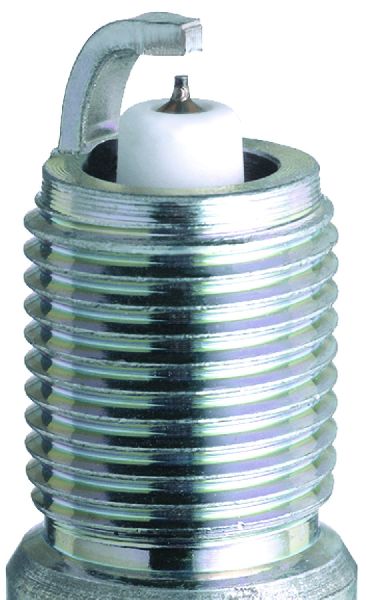
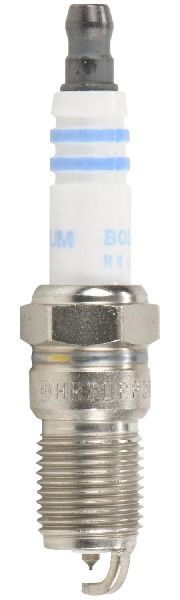
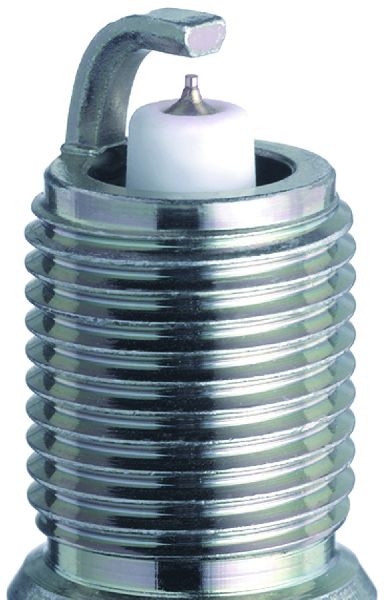
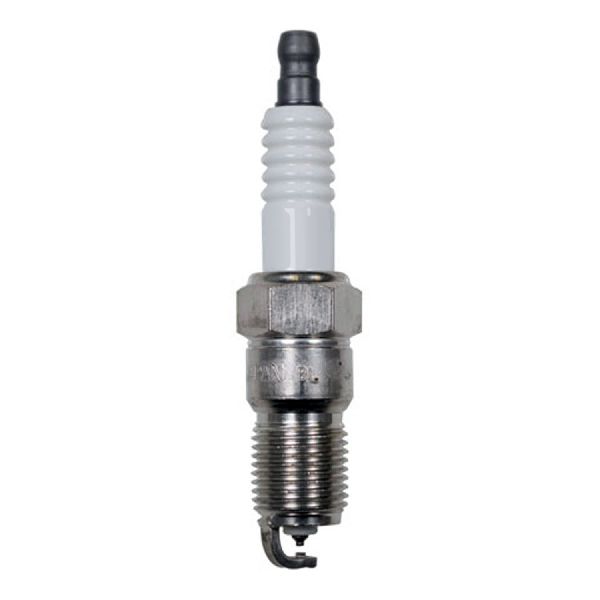
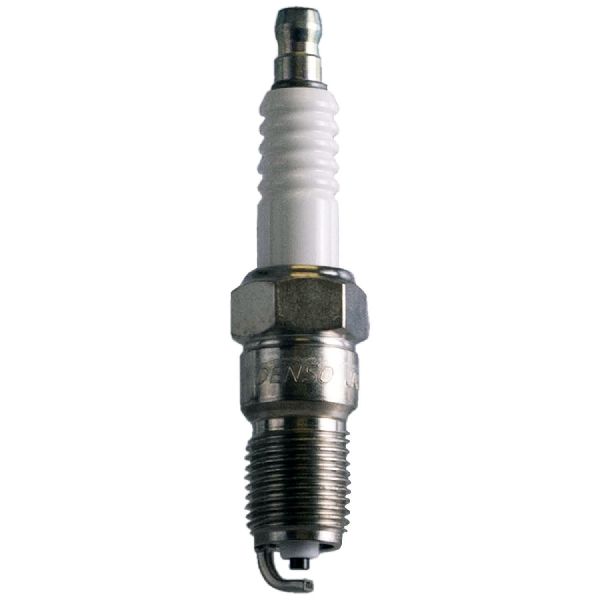
Aftermarket price range: $10-$15 - Spark Plugs (Bank 1) — Recommended as a 'while you're in there' replacement. The intake manifold must be removed to access the rear spark plugs (Bank 1), so it's cost-effective to replace them during a gasket job.
Trusted brands: Motorcraft, NGK, Bosch
OEM price range: $40-$60 for three
Aftermarket price range: $20-$40 for three
Related Codes That Often Appear With This One
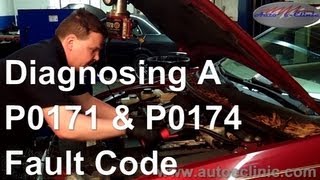
- P0174 — This is the lean code for Bank 2 (the front cylinder bank). Since a vacuum leak from the intake manifold or a faulty MAF sensor affects the entire engine, it is very common for both P0171 and P0174 to appear together.
- P0300, P0301, P0302, P0303, P0304, P0305, P0306 — These are misfire codes. A severe lean condition can prevent proper combustion, leading to misfires on one or more cylinders.
- P2104, P2112 — These are throttle actuator control (TAC) codes. A large vacuum leak can sometimes cause erratic throttle behavior that may trigger TAC-related codes as the PCM struggles to control idle speed.
Technical Service Bulletins (TSBs) & Recalls
- TSB 05-14-4: Addresses P0171/P0174 codes on various Ford vehicles including the Five Hundred. It points to potential vacuum leaks from the intake manifold gaskets or unseated/leaking fuel injectors as causes.
- TSB 03-16-1: While for earlier model year 3.0L engines, this TSB addresses lean codes caused by leaking intake gaskets, a known issue that carried over to this platform.
Platform-Specific Known Issues
- The 3.0L Duratec engine has a two-piece intake manifold design, which requires replacing both the upper (plenum) and lower gaskets to fix a vacuum leak properly.
- Access to Bank 1 (rear bank) components like spark plugs and ignition coils is blocked by the upper intake manifold, making preventative replacement during a gasket job a smart choice.
- Some vacuum line assemblies may become extremely brittle and can crack during service. These parts may be difficult to find and might require custom fabrication using bulk hose.
Mechanic-Grade Diagnostic Values
- Long Term Fuel Trim (LTFT) at Idle — expected: 0% +/- 5%. Failure: Sustained positive values, especially +20% or higher, strongly indicate a vacuum leak.
- Long Term Fuel Trim (LTFT) at 2,500-3,000 RPM — expected: Should be closer to 0% than at idle.. Failure: If LTFT decreases significantly from a high idle value (e.g., from +25% at idle to +8% at 3,000 RPM), it confirms a vacuum leak is the cause.
- Intake Manifold Bolt Torque — expected: 89 inch-pounds (approx. 7.4 ft-lbs). Failure: Over-torquing can crack the plastic manifold; under-torquing will cause a vacuum leak. Bolts are torque-to-yield and should be replaced.
- Fuel Pump Pressure Test (Deadhead) — expected: Must maintain at least 70 PSI.. Failure: Inability to maintain 70 PSI indicates a weak fuel pump, which could cause a lean condition under load.
Scan Tool Commands That Help
- Ford IDS / FORScan / High-End Scan Tool: Power Balance Test — Used to identify which specific cylinders are misfiring when P030x codes are present alongside P0171. This can help isolate if the lean condition is affecting one cylinder more than others, possibly pointing to a single bad injector instead of a global vacuum leak.
- Ford IDS / FORScan / High-End Scan Tool: Clear Fuel Trims / Reset KAM (Keep Alive Memory) — After a repair (like replacing intake gaskets), the PCM's learned fuel trim values must be reset. If not, the computer will continue to add extra fuel based on the old leak, causing the engine to run rich until it relearns, which can mask whether the fix was successful.
Wiring & Ground Locations
- G101 — Right front of the engine compartment.. This is a primary ground point for many engine components, including the PCM power relay and MAF sensor. A corroded or loose G101 can cause erratic sensor readings, potentially leading to incorrect fuel calculations and lean codes.
- G102 / G104 — Right rear of the engine compartment, near the PCM.. These are critical grounds for the Powertrain Control Module (PCM) itself. A poor ground connection here can cause a wide range of driveability issues, including phantom lean codes.
- PCM Connector C175E — The main engine connector at the Powertrain Control Module (PCM), located at the right rear of the engine compartment.. This connector houses the pins for the MAF sensor signal, fuel injectors, and oxygen sensors. When diagnosing, checking for voltage and continuity at specific pins (e.g., MAF signal, injector driver circuits) can pinpoint a wiring fault versus a failed component.
Real Owner Repair Stories
- Ford Forums user 'Hessmj80' (2007 Ford Five Hundred) — P0171 and P0174, LTFT at +25% at idle, decreasing at 3000 RPM.
❌ Tried (didn't work) Replaced EGR valve, Replaced MAF sensor, Replaced fuel filter, Performed smoke test (no leaks found), Performed vacuum test (no leaks found), Sprayed starter fluid (no leaks found), Confirmed good fuel pressure
✅ What actually fixed it The final diagnosis pointed to an internal vacuum leak from the lower intake manifold gaskets that was not detectable by an external smoke test. A technician suggested the 'oil cap test': removing the oil filler cap at idle. A significant change in RPM indicates an internal leak, which is common on this engine. The fix was replacing the lower intake gaskets. - YouTube video from 'Diagnose It All' (2006 Ford Five Hundred 3.0L) — P0171, P0174, P0302, P0316, P2104, P2112. Rough running, no throttle response.
❌ Tried (didn't work) Initial smoke test showed a leak, but replacing an O-ring did not fix it.
✅ What actually fixed it A more thorough inspection revealed two missing bolts on the EGR valve where it mounted to the intake manifold, causing a massive, unmetered vacuum leak. The smoke was initially misleading, appearing to come from the intake gasket area, but was actually leaking from the EGR flange and blowing onto the intake. Installing the missing bolts resolved the lean codes and throttle issues. - NHTSA ODI #10395302 — An owner reported that their vehicle stalled in the middle of an intersection and was found to have lean codes P0171 and P0174. The service department replaced the inertia switch and addressed a P0306 cylinder misfire.
- NHTSA ODI #10219019 — A report describes a Check Engine Light with codes P0171, P0174, and P0131. The repair involved replacing isolator bolts, port seals, a clamshell seal, and O-rings to resolve the lean condition.
"I Checked Everything" — The Actual Cause
- A common scenario on the Duratec 3.0L is a smoke test showing no leaks, yet the lean condition persists. The root cause is often a vacuum leak on the *inside* of the lower intake manifold gaskets, within the engine's 'V'. This allows unmetered air from the crankcase to be pulled directly into the intake runners. This type of leak will not be found with a traditional smoke test. A tell-tale sign is a dramatic change in engine idle or fuel trims when the oil filler cap is removed while the engine is running.
Model Year Variations Within This Range
- 2005-2006 vs. 2007: For the 2007 model year, Ford made side-impact airbags and the 'Safety Canopy' side curtain airbag system standard equipment on all trims. This has no impact on the P0171 diagnosis but is a key difference in the model years. The core engine, intake design, and causes of P0171 remained consistent across the 2005-2007 range.
Diagnostic Flowchart
Other Known Issues on This Vehicle
Issues unrelated to this code that are worth knowing about as an owner of this generation:
- CVT Transmission Failure (AWD Models) 🔴 High — Very common, especially at higher mileage (over 100k miles). Symptoms include shuddering, slipping, loss of engagement, and eventual failure. Repair often involves a costly transmission replacement.
- Electronic Throttle Body Malfunction 🔴 High — A widespread problem causing the vehicle to enter 'limp mode' (wrench light on) with sudden loss of acceleration, rough idle, and stalling. Often requires replacement of the entire throttle body assembly. (Ref: A customer satisfaction program (11B23) was issued, but not a full recall, to address some of these issues.)
- Harsh Shifting (6-Speed Automatic FWD Models) 🟠 Medium — Owners report harsh or delayed shifting. For lower mileage vehicles, a PCM/TCM software update from the dealer can sometimes resolve it. On higher mileage cars, it may indicate internal wear requiring valve body or transmission replacement. (Ref: Software updates were made available via TSBs.)
- Cam-Driven Water Pump Failure 🔴 High — The unique camshaft-driven water pump on this specific 3.0L Duratec can fail. Aftermarket replacements are notoriously unreliable and known to shear internally, causing rapid overheating. It is strongly recommended to use only the OEM Ford part for replacement to avoid catastrophic engine damage.
- Instrument Cluster Intermittent Failure 🟡 Low — The instrument cluster can experience intermittent power loss, gauge failure (speedometer, tach), or backlighting failure due to internal circuit board issues.
Used vs. New Parts: Buying Guide for This Vehicle
When a used part is the smart pick: For this repair, using used parts is generally not recommended for the primary failure items. However, a complete used intake manifold assembly from a low-mileage donor could be considered if your manifold is physically cracked and a new one is cost-prohibitive. Always install new gaskets on a used manifold.
Donor-vehicle mileage cap: roughly under 80000 miles for the part to have meaningful remaining life.
What to inspect on the donor part:
- Check for hairline cracks, especially around bolt holes and seams.
- Ensure all threaded inserts are intact and not stripped.
- Verify the gasket surfaces are flat and not warped.
- Avoid parts from vehicles with signs of a major engine fire or overheating.
OEM-only on this vehicle (don't cheap out):
- While not strictly 'OEM-only', it is highly advisable to use new intake manifold bolts, as the originals are torque-to-yield and designed for one-time use.
Aftermarket brands forum-validated for this vehicle:
- Fel-Pro: Widely regarded in forums as a high-quality, reliable alternative to Motorcraft for intake manifold gaskets. Many users report they are equal to or better than the original parts.
Brands owners have reported issues with on this vehicle:
- Unbranded, no-name intake gasket sets from online marketplaces. The cost savings are minimal compared to the risk of a failed seal and having to repeat the labor-intensive repair.
Real Owner Stories
Aggregated from forums and TSBs cited above. Mileages and costs reflect what owners reported in those sources.
2005 Mercury Montego 3.0L V6
Symptoms: A steep loss in fuel economy and lack of acceleration, even after cleaning the MAF and replacing the fuel filter.
What fixed it: The context points toward persistent issues like intake gaskets, as the platform-mate shares the same two-piece intake manifold design prone to drying and shrinking.
Source hint: Edmunds Forums - 2005 Mercury Montego Drop in Fuel Economy, Lack of Accerleration
2007 Ford Five Hundred 3.0L V6
Symptoms: High long-term fuel trims (+25) at idle that correct at higher RPM.
What fixed it: The owner was advised to perform the 'oil cap test' for an internal leak and check for a poorly seated PCV valve.
Source hint: Ford Forums - P0171 and P0174
2006 Ford Five Hundred 3.0L V6
Symptoms: Lean codes and misfire codes (P0171, P0174, P0302, P0316).
What fixed it: Replacing missing EGR valve bolts and a bad O-ring on an intake component found during a smoke test.
Source hint: YouTube - 2006 Ford Five Hundred 3.0l Part 1 - P0171 - P0174 - P0302 - P0316
Related OBD-II Codes
Frequently Asked Questions
Does TSB 05-14-4 apply to my Ford Five Hundred if I have a P0171 code?
Why does my Ford Five Hundred idle roughly but seem to run better at higher speeds?
I'm replacing my intake gaskets to fix the P0171 code; is there anything else I should do while the engine is apart?
Can I just clean the sensor on my Five Hundred instead of buying a new one?
Is there a simple way to check for an internal vacuum leak on the 3.0L Duratec engine?
Are there specific vacuum lines on the Five Hundred known for failing?
Helpful Videos
Used OEM Parts in Stock
New Aftermarket Parts Available


The information in this article is provided for general reference and educational purposes only. Vehicle specifications, procedures, and part compatibility can vary by production date, trim level, and region. Always consult your vehicle's factory service manual and verify part numbers before purchasing or performing repairs. Safety-critical components such as airbags, seat belts, and braking systems should be installed by a qualified professional.
- Ford Five Hundred:
- 🧭 Diagnostic Flowchart
- 🎬 Helpful Videos
- 🛍️ Shop This Part
- What's Unique About the 2005-2007 Ford Five Hundred
- Symptoms You May Notice
- Most Likely Causes
- Rare But Worth Checking
- Diagnosis Steps
- Parts You'll Likely Need
- Related Codes That Often Appear With This One
- Technical Service Bulletins (TSBs) & Recalls
- Platform-Specific Known Issues
- Mechanic-Grade Diagnostic Values
- Scan Tool Commands That Help
- Wiring & Ground Locations
- Real Owner Repair Stories
- "I Checked Everything" — The Actual Cause
- Model Year Variations Within This Range
- Other Known Issues on This Vehicle
- Used vs. New Parts: Buying Guide for This Vehicle
- Real Owner Stories
- 2005 Mercury Montego 3.0L V6
- 2007 Ford Five Hundred 3.0L V6
- 2006 Ford Five Hundred 3.0L V6
- Related OBD-II Codes
- Frequently Asked Questions
- 🎟️ Get 5% Off