

P0171 on 2011-2017 Ford Mustang 3.7L V6: Causes and Fixes for Lean Code Bank 1
On a 2011-2017 Mustang with the 3.7L V6, code P0171 is most often caused by a vacuum leak from failed intake manifold gaskets or a faulty PCV system component. Cleaning the Mass Airflow (MAF) sensor is another common, low-cost first step. A less common but notable cause is a stuck-open canister purge valve. Expect to spend $20-$100 on parts for these common fixes.
- P0171 means the passenger side of your engine is running lean (too much air or not enough fuel).
- Before buying any parts, thoroughly inspect for vacuum leaks. The most likely culprits are the intake manifold gaskets and the PCV hoses.
- A smoke test is the most effective method to find hard-to-see vacuum leaks.
- Always try cleaning the Mass Airflow (MAF) sensor with a dedicated cleaner before spending money on a new one.
- Do not replace the oxygen sensor first. It is usually just the messenger reporting the lean condition, not the cause.
What's Unique About the 2011-2017 Ford Mustang
While the Duratec 3.7L V6 is a generally reliable engine, it is prone to developing vacuum leaks as it ages. The plastic and rubber components in the intake system, particularly the upper and lower intake manifold gaskets, are common failure points that lead directly to P0171. Owners frequently trace this code to these specific gaskets or to brittle hoses in the PCV (Positive Crankcase Ventilation) system rather than more complex electronic failures. A broken plastic fitting on the air intake tube for a PCV hose is a very common failure point on the broader 3.7L engine family.
Generation note: This year range covers the end of the S197 generation (2011-2014) and the start of the S550 generation (2015-2017). Both generations used the same Duratec 3.7L V6 engine, and the common causes and fixes for P0171 are consistent across them.
Symptoms You May Notice
- Check Engine Light is on
- Rough or unstable idle
- Hesitation or stumbling during acceleration
- Reduced engine power
- Poor fuel economy
- Audible hissing or whistling sound from the engine bay
- Replacing the Bank 1 upstream oxygen (O2) sensor. The O2 sensor is almost always doing its job correctly by reporting the lean condition. The P0171 code means the sensor is working, but the mixture it's reading is out of range. Only replace it after ruling out all sources of unmetered air and fuel delivery problems.
Most Likely Causes
- Vacuum Leak from Intake Manifold Gaskets 🔴 High Probability → Shop Engine Intake Manifold The gaskets, made of molded rubber and plastic, can become hard, brittle, and crack over time due to constant heat cycles, allowing unmetered air to enter the engine. This is a well-documented failure point on the 3.7L Cyclone engine family.
How to confirm: With the engine running, carefully spray short bursts of brake cleaner or unlit propane around the area where the intake manifold meets the cylinder heads. If the engine's idle speed changes, a leak is present. A smoke test is a more definitive and safer way to locate the exact source of the leak.
Typical fix: Replace the upper and lower intake manifold gaskets. This is a labor-intensive but common DIY job for experienced mechanics.
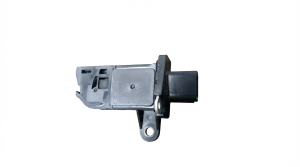
Est. part cost: $40-$80 - Dirty or Faulty Mass Airflow (MAF) Sensor 🔴 High Probability → Shop Fuel Injection Air Flow Meter This is a very common cause for lean codes on many Ford vehicles. Oil from aftermarket air filters or fine dust can coat the sensor's delicate wire, causing it to under-report the amount of air entering the engine. The PCM then injects too little fuel, creating a lean condition.
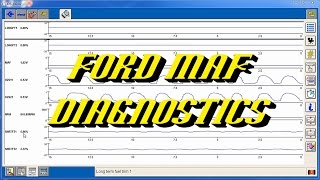
How to confirm: Remove the sensor from the intake tube after the air filter box. Visually inspect the small wires inside. If they appear dirty, cleaning is warranted. A faulty sensor may not show visible signs. You can also monitor MAF sensor readings with a scan tool to see if they are stable and correspond to engine RPM. 🎬 See how to diagnose a faulty MAF sensor using a scan tool
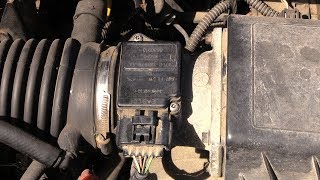
Typical fix: First, try cleaning the sensor with a dedicated MAF sensor cleaner spray. 🎬 Watch: How to safely clean your Ford's MAF sensor Do not touch the wires. If cleaning doesn't resolve the issue, the sensor may need to be replaced.
Est. part cost: $10-$15 for cleaner, $60-$120 for a new sensor - Faulty PCV System Component 🟡 Medium Probability Rubber and plastic hoses in the PCV system can crack, become disconnected, or collapse. A common failure point on the 3.5L/3.7L engine family is a small plastic fitting on the air intake tube that connects to a PCV hose; it can easily break when servicing the air filter. A stuck-open PCV valve can also create a constant vacuum leak.
How to confirm: Visually inspect all PCV hoses for cracks, swelling, or loose connections. Check the fitting on the main intake snorkel. The PCV valve itself can be removed and shaken; if it doesn't rattle, it's likely stuck and needs replacement. With the engine running, removing the oil cap should introduce a significant change in idle; if there's no change, the system may be clogged or already leaking.
Typical fix: Replace the cracked hose, broken fitting, or the PCV valve itself. These are typically low-cost and easy to access parts.
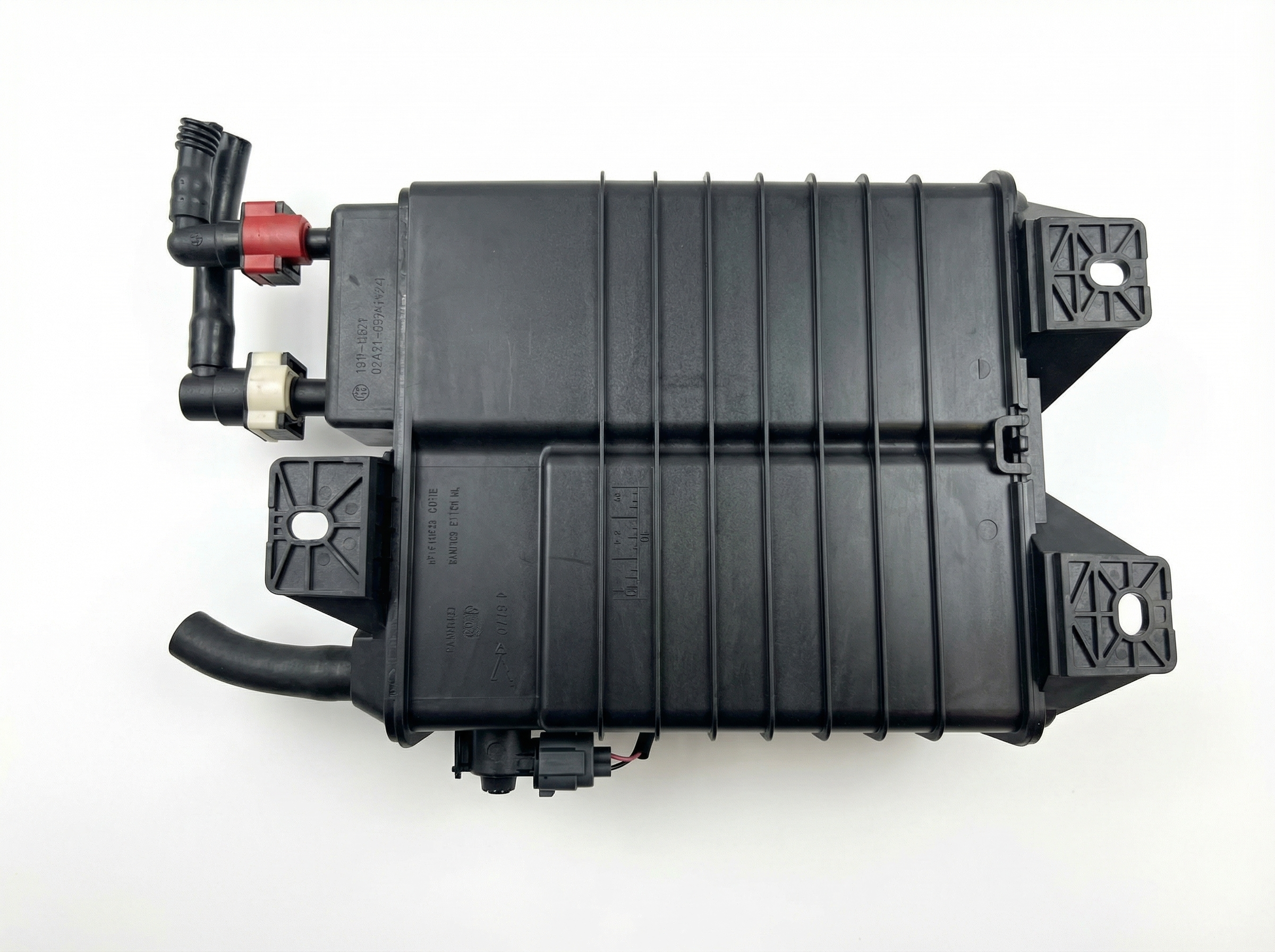
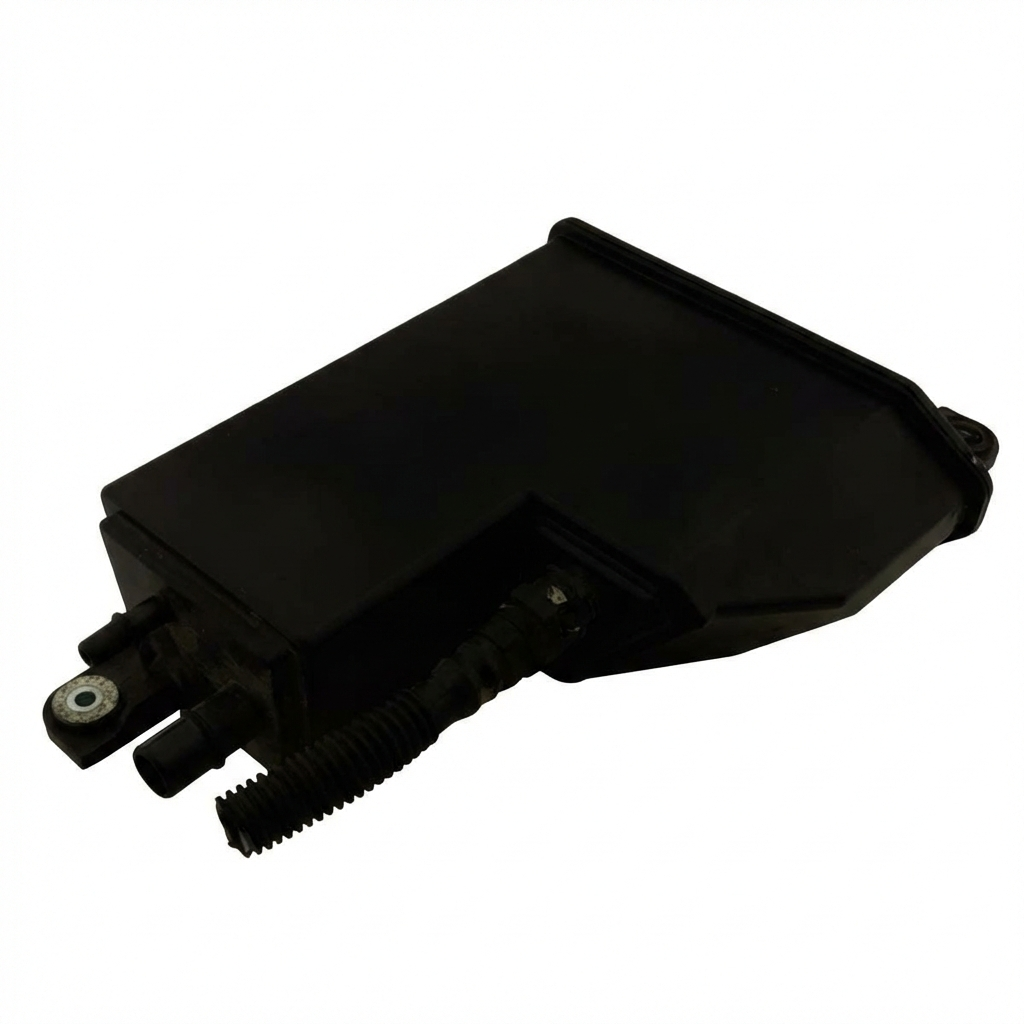
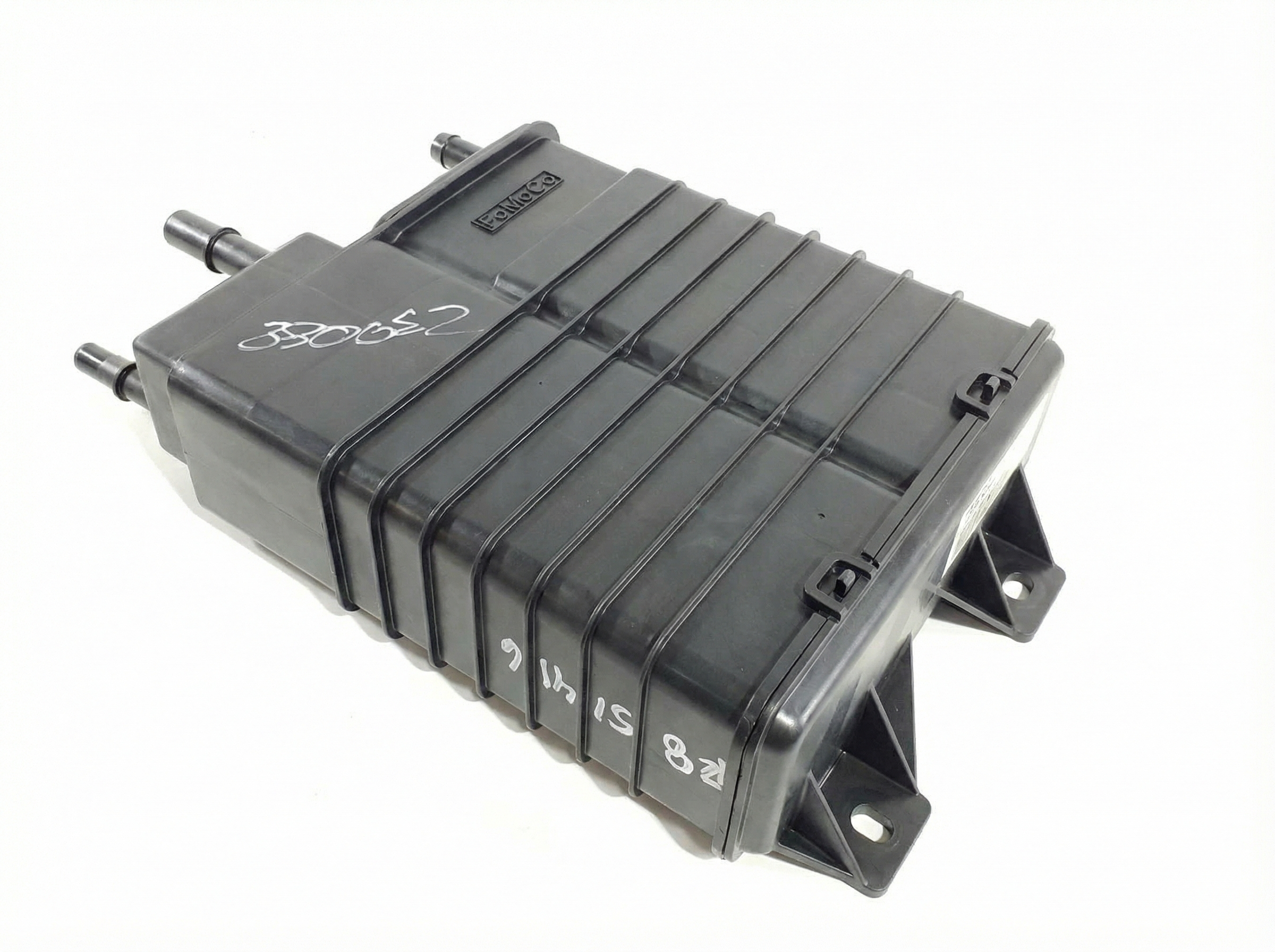
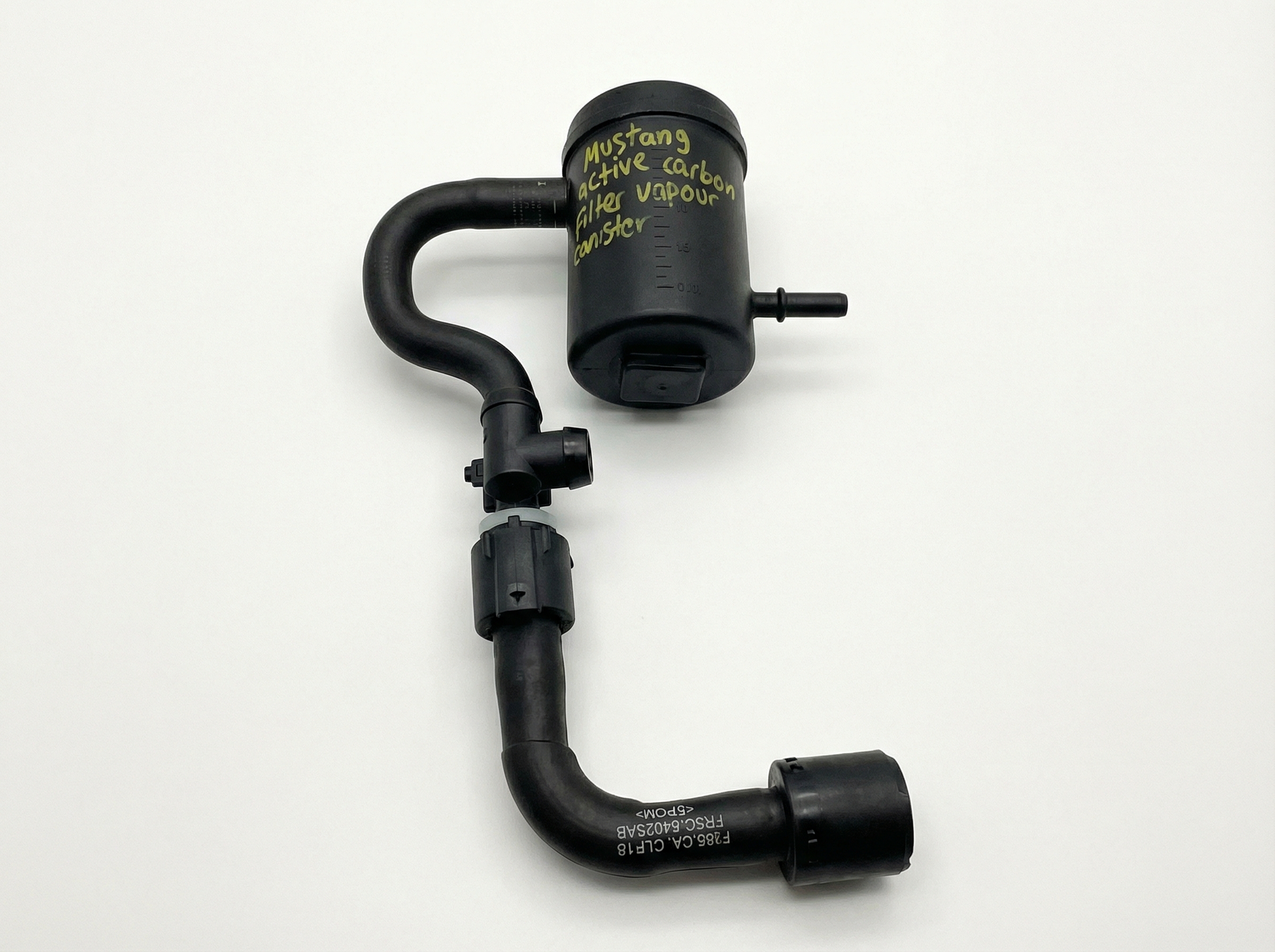
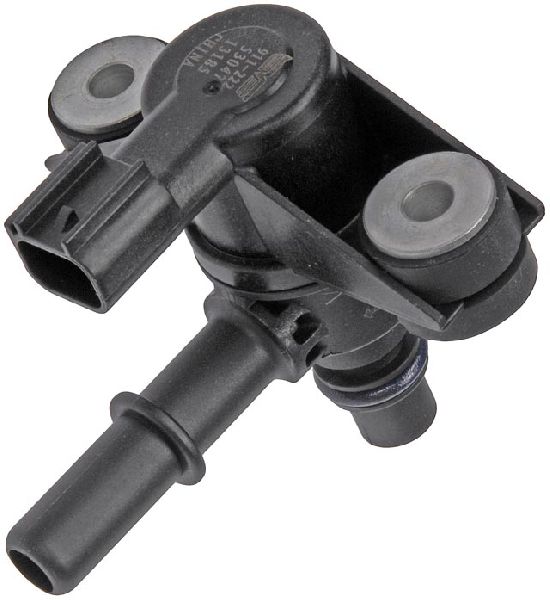
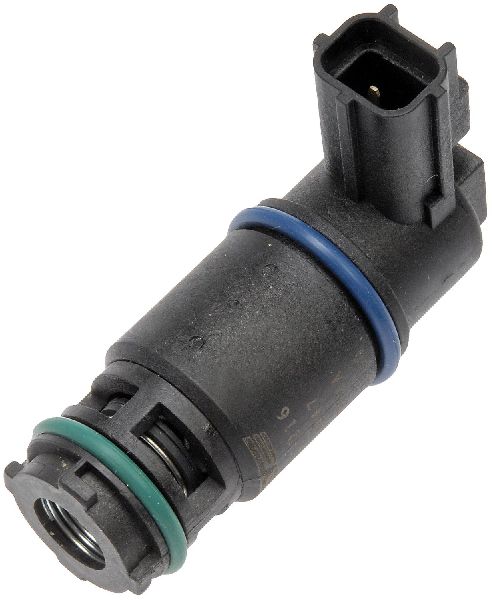
Est. part cost: $15-$50 - Stuck-Open Canister Purge Valve ⚪ Low Probability → Shop Vapor Canister The canister purge valve (or EVAP purge solenoid) can fail and stick open, creating a vacuum leak as it pulls fuel vapors from the charcoal canister into the intake at the wrong time. This is a known issue on many Ford platforms.
How to confirm: With the engine running, disconnect the electrical connector and the vacuum line from the intake side of the valve. Place your finger over the valve's port; if you feel any vacuum suction at idle, the valve is stuck open and faulty.
Typical fix: Replace the canister purge valve. It is typically an easy-to-access, bolt-on part.
Est. part cost: $30-$60
Rare But Worth Checking
- Exhaust Leak Before the Upstream O2 Sensor: → Shop Oxygen Sensor A crack in the exhaust manifold or a leaking flange gasket can pull outside air into the exhaust stream. The O2 sensor detects this extra oxygen and incorrectly reports a lean condition to the PCM.
- Low Fuel Pressure or Clogged Fuel Injector: → Shop Fuel Injector A weak fuel pump or a clogged injector on Bank 1 can cause a true lack of fuel. This is less likely if only P0171 is present (and not P0174), as fuel pressure issues usually affect both banks.
Diagnosis Steps
- Check for other stored trouble codes that could point to a specific system (e.g., MAF sensor codes, EVAP codes).
- With the engine running, listen for audible hissing sounds that indicate a vacuum leak. Pay close attention to the intake manifold and all connected hoses.
- Inspect the entire air intake system from the air filter box to the throttle body for cracks, loose clamps, or disconnected hoses. Pay special attention to the PCV hose connections, especially the plastic fitting on the intake tube.
- Use a scan tool to observe Long Term Fuel Trim (LTFT) for Bank 1. A value significantly higher than 0% (e.g., +15% to +25%) confirms the lean condition.
- Perform a smoke test. This involves feeding pressurized smoke into the intake system to quickly and accurately reveal the location of any vacuum leaks. 🎬 Watch: A guide to troubleshooting P0171 and P0174 lean codes
- If no vacuum leaks are found, remove and clean the MAF sensor using a dedicated cleaner. Allow it to dry completely before reinstalling.
- Test the canister purge valve for leakage at idle by disconnecting the intake-side hose and checking for suction.
- If the problem persists, test the fuel pressure to ensure the fuel pump and filter are functioning correctly.
Parts You'll Likely Need
- Intake Manifold Gasket Set (Upper and Lower)
(OEM #AT4Z-9H486-A (Upper Plenum Gasket), 7T4Z-9439-E (Lower Intake Gaskets, Set of 6))— These gaskets are a primary cause of vacuum leaks on the 3.7L engine as they age and become brittle.
Trusted brands: Motorcraft, Fel-Pro, Victor Reinz
OEM price range: $20-$30 (Upper), $35-$50 (Lower Set)
Aftermarket price range: $40-$80 (Full Set) - Mass Airflow (MAF) Sensor
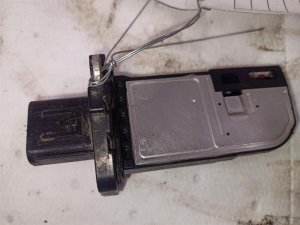
(OEM #BR3Z-12B579-A (2011-2014), 8V2Z-12B579-A / AFLS-195 (2015-2017))— A dirty MAF sensor is a very common cause of lean codes on Fords. Cleaning is the first step, but replacement is necessary if it's faulty.
Trusted brands: Motorcraft, Bosch, Hitachi
OEM price range: $100-$150
Aftermarket price range: $60-$120 - PCV Valve — Can get stuck open, creating a persistent vacuum leak. It's an inexpensive and easy part to replace as part of diagnosis.
Trusted brands: Motorcraft, Standard Motor Products
OEM price range: $10-$25
Aftermarket price range: $5-$15 - Canister Purge Valve
(OEM #BR3Z-9E495-A)— A stuck-open purge valve is a common cause of lean codes and EVAP system issues on this platform.
Trusted brands: Motorcraft, Dorman
OEM price range: $30-$50
Aftermarket price range: $20-$40
Related Codes That Often Appear With This One
- P0174 — This is the lean code for Bank 2 (driver's side). If both P0171 and P0174 are present, it strongly points to a problem affecting the entire engine, such as a dirty MAF sensor, a major vacuum leak at the intake plenum, or a fuel delivery issue.
- P0300, P0301, P0303, P0305 — These are misfire codes (random or for cylinders on Bank 1). A severe lean condition can prevent proper combustion, leading to misfires on the affected cylinders.
Technical Service Bulletins (TSBs) & Recalls
- TSB 12-7-13 - While not directly related to P0171, this TSB for the F-150 addresses a driveshaft slip/bump. It is sometimes mentioned in forums but is irrelevant to this engine code diagnosis.
- TSB 12-1-17 - Addresses a cold startup ticking noise from the left-hand valve cover area on 2011-2012 3.7L Mustangs, which could be misconstrued as a symptom related to engine performance but is a separate issue.
- Bulletin #TSB 19-2091 - While issued for the Transit, this bulletin notes that P0171 and P0174 can be triggered by undesired water entry into the engine compartment, leading to illuminated MILs and misfires.
Platform-Specific Known Issues
- The upper and lower intake manifold gaskets are known to fail with age and heat cycles, making them a top suspect for P0171.
- A plastic vacuum nipple on the main air intake duct, part of the PCV system, is known to become brittle and break off, creating a significant vacuum leak.
Mechanic-Grade Diagnostic Values
- Long-Term Fuel Trim (LTFT) — expected: -5% to +5% at idle on a warm engine.. Failure: Sustained positive values above +20% will trigger the P0171 code. This indicates the PCM is adding significant fuel to compensate for a lean condition.
- Mass Airflow (MAF) Sensor Reading at Idle — expected: Approximately 3.5-3.7 grams/second (g/s) on a warm, stable idle.. Failure: Significantly lower readings (e.g., <3.0 g/s) suggest a dirty or failing sensor. Readings should increase smoothly with RPM, not be erratic.
- Mass Airflow (MAF) Sensor Reading at 2500 RPM — expected: Approximately 15 to 25 g/s.. Failure: A reading that doesn't rise proportionally with engine speed indicates a faulty sensor.
- Low-Side Fuel Pressure (Key On, Engine Running) — expected: Approximately 39-41 PSI. Some sources suggest a wider range up to 55 PSI for modern returnless systems.. Failure: Pressure significantly below 39 PSI indicates a weak fuel pump, clogged filter, or faulty fuel pressure regulator.
- Upstream O2 Sensor (HO2S B1S1) Voltage — expected: Rapidly fluctuating between approximately 0.1V (lean) and 0.9V (rich) on a warm, closed-loop engine.. Failure: A sensor that is stuck low (e.g., <0.2V) is correctly reporting a lean condition. A sensor that is slow to respond or stuck high is faulty, but this would typically set a different code.
Scan Tool Commands That Help
- Ford IDS / FORScan / High-End Scan Tool: Keep Alive Memory (KAM) Reset — After performing repairs for a P0171, such as replacing a MAF sensor or fixing a vacuum leak, a KAM reset should be performed. This clears the old, learned fuel trim adaptations, forcing the PCM to re-learn the fuel strategy immediately with the new components. Failing to do so can cause the code to return temporarily as the PCM slowly un-learns the old, incorrect values.
Wiring & Ground Locations
- Engine to Frame Ground Strap — Typically located on the driver's side of the engine bay, connecting the engine block to the vehicle's frame/chassis.. A corroded or loose main engine ground can create electrical noise and unstable reference voltages for critical sensors like the MAF and O2 sensors, leading to inaccurate readings and phantom lean codes.
- G104 — On the right fender behind the battery (F-150, similar location expected on Mustang).. This ground point is often shared by engine sensors and the PCM. A poor connection here can directly impact sensor readings.
- MAF Sensor Connector — On the MAF sensor, located in the air intake tube after the air filter box.. For the 6-wire sensor, checking for 12V power, ground, and a variable signal voltage is critical. A corroded pin or damaged wire at this connector can cause the MAF to send incorrect data, leading to P0171.
Real Owner Repair Stories
- S197Forum.com user '07RubyGTCS' (2007 Mustang GT (Note: 4.6L V8, but diagnostic path is highly relevant)) — Persistent P0171 and P0174 codes.
❌ Tried (didn't work) Replaced all 4 O2 sensors, Replaced spark plugs, Replaced MAF sensor, Replaced intake manifold gaskets and all fuel injectors (after smoke test confirmed a leak), Replaced both fuel pumps, Replaced leaking EVAP purge valve and solenoid
✅ What actually fixed it The final diagnosis by a dyno tuner was faulty cam phasers. The tuner made adjustments to the tune to compensate temporarily, and the final fix was replacing both cam phasers and retuning the vehicle. - NHTSA ODI #11465263 — An owner reported that after filling the tank with fresh gas, the vehicle would putter and hesitate to stay on; diagnostic codes included P0171 and P1450, indicating the EVAP system was unable to bleed up the fuel tank.
- NHTSA ODI #10199477 — In a similar Ford platform, a technician found P0171 and P0174 codes were caused by a broken vacuum hose leading from the intake manifold to the brake booster.
- NHTSA ODI #11467635 — A report describes a vehicle stalling with P0171 and P0456 codes, which was attributed to a bad vacuum line to the tank and a restricted or blocked emission system purge vapor line.
- NHTSA ODI #10322944 — An owner chasing P0171 and P0174 codes found air leaks in the air hose assembly, which required replacing the air tube assembly.
"I Checked Everything" — The Actual Cause
- In some cases, a smoke test may not reveal a leak if it only occurs under specific vacuum conditions or is very small. One owner reported chasing P0171/P0174 for months with a clean smoke test. The eventual cause was found to be faulty cam phasers, which affected valve timing and tricked the PCM into thinking there was a lean condition, even though the air/fuel mixture was mechanically sound.
Model Year Variations Within This Range
- 2011-2014 (S197) vs 2015-2017 (S550): While the core 3.7L V6 engine is virtually unchanged, the 2015+ S550 models feature a completely different chassis, including an Independent Rear Suspension (IRS) and a revised interior. For the purpose of P0171, the engine bay layout, intake manifold, PCV system, and common failure points remain consistent. However, the MAF sensor part number changed between the S197 (BR3Z-12B579-A) and S550 (8V2Z-12B579-A) generations, so it's critical to use the correct one for the vehicle's year.
Diagnostic Flowchart
Other Known Issues on This Vehicle
Issues unrelated to this code that are worth knowing about as an owner of this generation:
- External Water Pump Failure 🔴 High — Commonly fails between 60,000 and 120,000 miles. Unlike the transverse versions of this engine, the Mustang's pump is external and belt-driven. Failure leads to coolant leaks and overheating.
- MT-82 Manual Transmission Problems 🟠 Medium — Affects 2011+ models with the 6-speed manual. Complaints include high-RPM lockout (especially on the 2-3 shift), grinding, and premature synchronizer wear. A class-action lawsuit was filed regarding these issues. (Ref: TSB 11-11-1 (Increased shift effort in cold), TSB 12-6-11 (Clutch pedal squeak))
- Throttle Body Failures 🟠 Medium — The electronic throttle body can fail, causing the vehicle to enter 'limp mode' with sudden loss of power, accompanied by a wrench light and codes like P2111 or P2112. This was more common on earlier models but can still occur.
- Cold Start Ticking Noise 🟡 Low — Some 2011-2012 models may exhibit a ticking noise from the left valve cover area on cold starts that can last for several minutes. Ford addressed this with TSB 12-1-17. (Ref: TSB 12-1-17)
Used vs. New Parts: Buying Guide for This Vehicle
When a used part is the smart pick: For this repair, used parts are generally not recommended for the common failure items. Gaskets, hoses, and sensors are wear items. However, a complete used intake manifold assembly from a low-mileage donor could be a cost-effective option if the plastic itself is cracked, as it would include the manifold, and potentially the throttle body and fuel rail.
Donor-vehicle mileage cap: roughly under 60000 miles for the part to have meaningful remaining life.
What to inspect on the donor part:
- For an intake manifold, check for any visible cracks, especially around mounting points and seams.
- Ensure all vacuum nipples and hose connection points are intact and not brittle or broken.
- If buying a used MAF sensor, ensure the internal wires are perfectly clean and undamaged, though its remaining lifespan is unknown.
OEM-only on this vehicle (don't cheap out):
- Mass Airflow (MAF) Sensor: Ford vehicles are notoriously sensitive to MAF sensor calibration. Using non-OEM or cheap aftermarket sensors often leads to persistent or new driveability issues. Sticking with a Motorcraft-branded sensor is highly recommended.
- Intake Manifold Gaskets: While reputable aftermarket brands like Fel-Pro are generally fine, the cost of OEM Motorcraft gaskets is low enough that they are a safe and reliable choice.
Aftermarket brands forum-validated for this vehicle:
- Fel-Pro (Gaskets)
- Bosch (Sensors, though Motorcraft is preferred for MAF)
Brands owners have reported issues with on this vehicle:
- Unbranded or 'white-box' electronic sensors (e.g., MAF, O2 sensors) from online marketplaces are a significant gamble and often fail quickly or are out of spec from the start.
Real Owner Stories
Aggregated from forums and TSBs cited above. Mileages and costs reflect what owners reported in those sources.
2011 Ford Mustang 3.7L V6
Symptoms: P0171 and P0174 codes present.
What fixed it: Traced the leak to a cracked PCV hose fitting located near the throttle body.
Source hint: AllFordMustangs.com thread '2011-v6-p0171-and-p0174-codes'
2011-2017 Ford Mustang 3.7L V6
Symptoms: P0171 code, rough idle, and audible hissing from the engine bay.
What fixed it: Replacement of the intake gaskets and a faulty PCV hose.
Source hint: YouTube video by 'Jimmy Making It Work' showing replacement of intake gaskets and PCV hose on a 3.7L Mustang
2011-2014 Ford Mustang 3.7L V6
Symptoms: Lean condition codes P0171/P0174; owner replaced purge valves and solenoids but the issue persisted.
What fixed it: The owner ultimately found the cause to be faulty cam phasers after a long diagnostic process.
Source hint: S197Forum.com thread 'p0171-p0174-diagnosis-symptoms-troubleshoot-lean-condition'
2011-2017 Ford Mustang 3.7L V6
Symptoms: P0171/P0174 codes; identified a common failure point on the 3.5L/3.7L engine family.
What fixed it: Repaired a broken plastic vacuum nipple (PCV hose nipple) on the main air intake tube.
Source hint: YouTube video from 'Big Ben's Cars & Cycles' regarding Ford 3.5L/3.7L engine family
Related OBD-II Codes
Frequently Asked Questions
Does TSB 12-7-13 for the F-150 apply to my 2011-2017 Mustang P0171 diagnosis?
I hear a ticking noise on my 2011 Mustang 3.7L; is this causing my lean code?
Can an aftermarket air filter cause a P0171 on my Mustang?
Where is the most common place for a vacuum leak on the 3.7L Cyclone engine?
How can I tell if my Mustang's canister purge valve is stuck open?
Is the water pump failure on the Mustang 3.7L the same as on the Ford Explorer or Taurus?
Helpful Videos
Used OEM Parts in Stock
New Aftermarket Parts Available


The information in this article is provided for general reference and educational purposes only. Vehicle specifications, procedures, and part compatibility can vary by production date, trim level, and region. Always consult your vehicle's factory service manual and verify part numbers before purchasing or performing repairs. Safety-critical components such as airbags, seat belts, and braking systems should be installed by a qualified professional.
- Ford Mustang:
- 🧭 Diagnostic Flowchart
- 🎬 Helpful Videos
- 🛍️ Shop This Part
- What's Unique About the 2011-2017 Ford Mustang
- Symptoms You May Notice
- Most Likely Causes
- Rare But Worth Checking
- Diagnosis Steps
- Parts You'll Likely Need
- Related Codes That Often Appear With This One
- Technical Service Bulletins (TSBs) & Recalls
- Platform-Specific Known Issues
- Mechanic-Grade Diagnostic Values
- Scan Tool Commands That Help
- Wiring & Ground Locations
- Real Owner Repair Stories
- "I Checked Everything" — The Actual Cause
- Model Year Variations Within This Range
- Other Known Issues on This Vehicle
- Used vs. New Parts: Buying Guide for This Vehicle
- Real Owner Stories
- 2011 Ford Mustang 3.7L V6
- 2011-2017 Ford Mustang 3.7L V6
- 2011-2014 Ford Mustang 3.7L V6
- 2011-2017 Ford Mustang 3.7L V6
- Related OBD-II Codes
- Frequently Asked Questions
- 🎟️ Get 5% Off