

P0171 on 2000-2006 Hyundai Accent: Causes and Fixes for System Too Lean
For a 2000-2006 Hyundai Accent, P0171 almost always indicates a vacuum leak from a cracked hose or a dirty/faulty Mass Airflow (MAF) sensor. Start by cleaning the MAF sensor and thoroughly inspecting the intake air hose and PCV system for cracks and leaks.
- Start with the simplest fixes: inspect the intake hose for cracks and clean the MAF sensor with dedicated cleaner.
- Do not replace the oxygen sensor unless you have definitively ruled out vacuum leaks and fuel delivery problems.
- A smoke test is the most efficient and accurate way to find hard-to-see vacuum leaks.
- This code indicates a problem that is causing the engine to run inefficiently; fixing it will restore lost power and fuel economy.
What's Unique About the 2000-2006 Hyundai Accent
On the first and second-generation Hyundai Accent, the Alpha series engines are generally durable but are known for age-related failures of rubber and plastic components. The most common P0171 culprits are simple, inexpensive parts like the flexible intake air hose cracking or small vacuum lines, including the PCV system, becoming brittle and leaking. Because these cars are now older, these age-related material failures are the most probable cause, often more so than a sophisticated sensor failure.
Generation note: This range covers two generations: the LC (2000-2003) and the facelifted LC2 (2003-2006). The 1.5L SOHC engine was used in 2000-2002 models, while the 1.6L DOHC became standard in 2003. The causes and diagnostic principles for P0171 are virtually identical for both generations as they share similar intake and fuel system designs.
Symptoms You May Notice
- Check Engine Light is on
- Rough or unstable idle
- Hesitation or lack of power during acceleration
- Reduced fuel economy
- Engine may stall at stops
- A hissing sound from the engine bay at idle (indicating a vacuum leak)
- Engine may run rough or misfire
- Replacing the oxygen sensor first. The O2 sensor is often correctly reporting 🎬 Watch: How to diagnose and fix a lean running engine the lean condition, but is not the cause of it. Vacuum leaks and MAF sensor issues should always be checked first, as this is a common misdiagnosis.
Most Likely Causes
- Vacuum Leak 🔴 High Probability Rubber and plastic hoses become brittle and crack with age. The large, flexible air intake hose between the air filter box and throttle body is particularly known for developing cracks. The PCV valve or its hoses can also crack or stick open, creating a significant vacuum leak.
How to confirm: With the engine running, listen for a hissing sound. You can also carefully spray a short burst of brake cleaner or unlit propane around vacuum lines (including PCV hoses) and intake gaskets; a change in engine RPM indicates you've found the leak. A smoke test is the most definitive method. 🎬 See how to find and fix vacuum leaks for free
Typical fix: Replace the cracked hose(s) or leaking gasket. Common culprits are the main intake boot, PCV hose, and other small vacuum lines connected to the intake manifold.
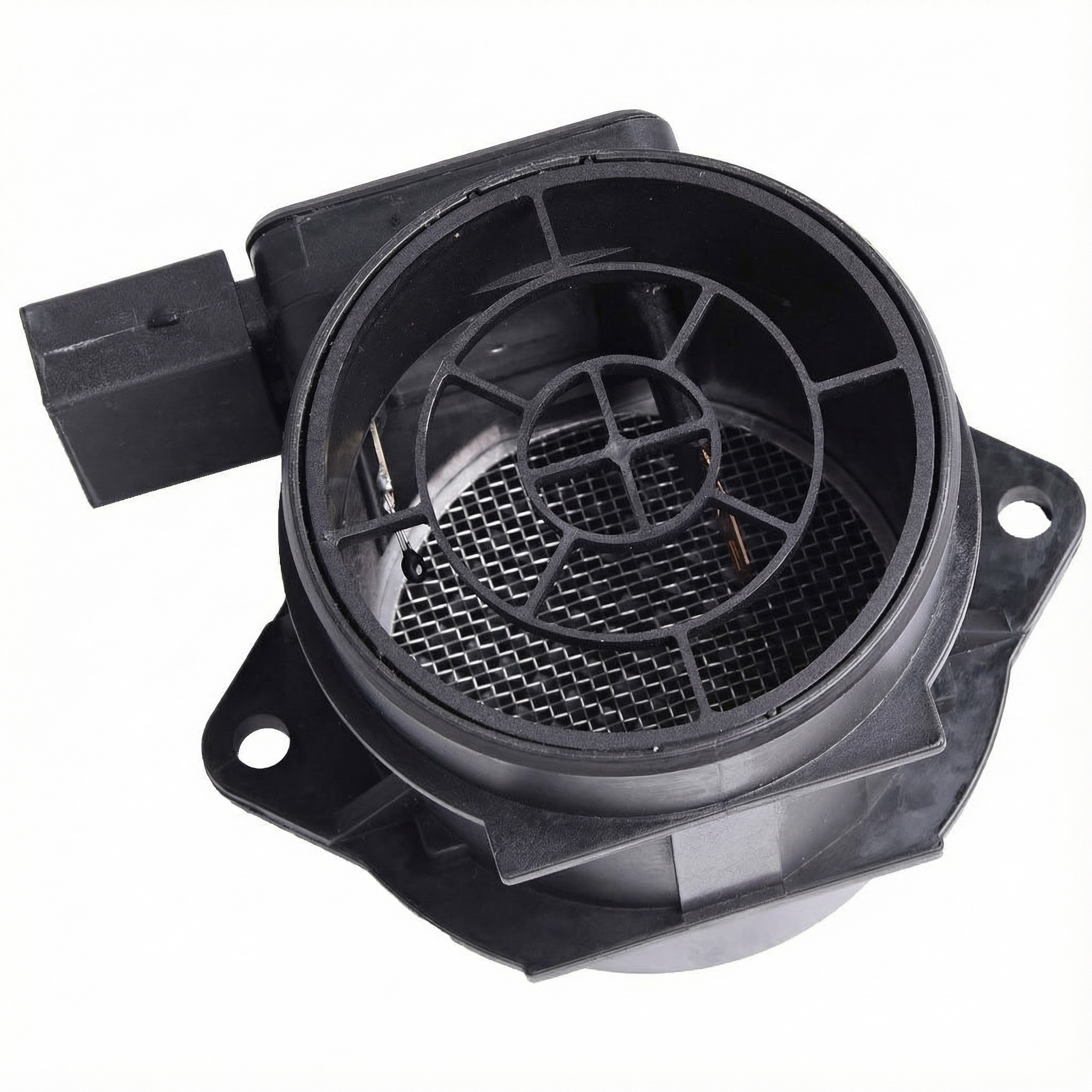
Est. part cost: $10-$60 - Dirty or Faulty Mass Airflow (MAF) Sensor 🔴 High Probability → Shop Fuel Injection Air Flow Meter
How to confirm: Remove the sensor (located on the intake tube after the air filter box) and inspect the sensing wires for dirt or debris. Cleaning it with a dedicated MAF sensor cleaner is a common first step. If cleaning doesn't work, the sensor may need to be tested or replaced.
Typical fix: Clean the MAF sensor with a specialized, electronics-safe cleaner. Do not touch the delicate wires or use aggressive chemicals like brake or carb cleaner. If the problem persists, replace the MAF sensor.
Est. part cost: $5-$15 (cleaner), $50-$150 (new sensor) - Clogged Fuel Filter or Weak Fuel Pump 🟡 Medium Probability → Shop Fuel Filter The fuel filter is a frequently neglected maintenance item. On these models, it is located under the rear seat as part of the fuel pump assembly and can be difficult to access.
How to confirm: Test the fuel pressure at the fuel rail using a fuel pressure gauge. The pressure should meet the manufacturer's specifications (typically around 3.5 bar or 51 psi for this platform, but verify for your specific model). A pressure test that is low or drops under load points to a weak pump or clogged filter.
Typical fix: Replace the fuel filter. If pressure is still low, the fuel pump assembly likely needs replacement. 🎬 Watch: How to inspect and replace your PCV valve
Est. part cost: $25-$130 - Faulty Front Oxygen (O2) Sensor ⚪ Low Probability → Shop Oxygen Sensor
How to confirm: Use a scan tool to observe the O2 sensor's voltage. A healthy sensor should fluctuate rapidly between approximately 0.1 and 0.9 volts. A sensor that is slow to respond or stuck at a low voltage may be faulty. Rule out all other causes first, as the O2 sensor is often just accurately reporting the lean condition caused by something else.
Typical fix: Replace the front (pre-catalytic converter) oxygen sensor.
Est. part cost: $40-$100
Rare But Worth Checking
- Leaking Intake Manifold Gasket: → Shop Engine Intake Manifold Less common than a cracked hose, but can create a significant vacuum leak. Symptoms can include hissing noises, rough idle, and coolant loss if the leak is internal. A smoke test is the best way to confirm this.
- Leaking Fuel Injector or Clogged Injector: → Shop Fuel Injector A fuel injector that is stuck closed or clogged will cause a lean condition. This may also be accompanied by a misfire code for a specific cylinder (P0301-P0304).
- Exhaust Leak Before the O2 Sensor: → Shop Oxygen Sensor A crack in the exhaust manifold or a bad gasket can allow outside air to be pulled into the exhaust stream, causing the O2 sensor to incorrectly report a lean condition.
Diagnosis Steps
- Read the code with an OBD-II scanner and confirm it is P0171. Check for any other codes.
- Perform a visual inspection of the engine bay. Look for obviously disconnected, cracked, or broken vacuum hoses. Pay extremely close attention to the large, ribbed intake air boot between the air filter and the throttle body, checking in the folds for hidden cracks.
- Inspect the PCV system. Check the hoses for cracks and remove the PCV valve itself. Shake it; a healthy valve should make a rattling sound. If it's silent or gummy, it's stuck and needs replacement.
- If a visual inspection is inconclusive, clean the Mass Airflow (MAF) sensor. Disconnect it, remove it from the intake, spray it thoroughly with dedicated MAF sensor cleaner, let it dry completely, and reinstall.
- Clear the code and drive the vehicle to see if the code returns. If it does, proceed with further diagnosis.
- Check for vacuum leaks. The most reliable method is a smoke test. Alternatively, you can carefully spray carb cleaner or an unlit propane torch around potential leak points (gaskets, hose connections) and listen for a change in engine idle.
- If no vacuum leaks are found, test the fuel system. Connect a fuel pressure gauge and verify the pressure is within spec at idle and under load. A significant drop suggests a failing pump or clogged filter.
- If fuel pressure is good, inspect the front oxygen sensor's performance with a scan tool. A lazy or dead sensor will not fluctuate correctly.
- If all else fails, investigate rarer causes like exhaust leaks before the O2 sensor or clogged fuel injectors.
Parts You'll Likely Need
- Mass Airflow (MAF) Sensor Cleaner — This is the cheapest and easiest first step. A dirty MAF sensor is a very common cause of P0171 on many vehicles.
Trusted brands: CRC, Gumout
Aftermarket price range: $5-$15 - Intake Air Hose/Boot
(OEM #28138-26652 (for 1.5L, verify for 1.6L))— This large flexible hose is prone to cracking from age and engine movement, creating a large unmetered air leak. This is one of the most common fixes for P0171 on this car.
Trusted brands: Dorman, URO Parts
OEM price range: $40-$80
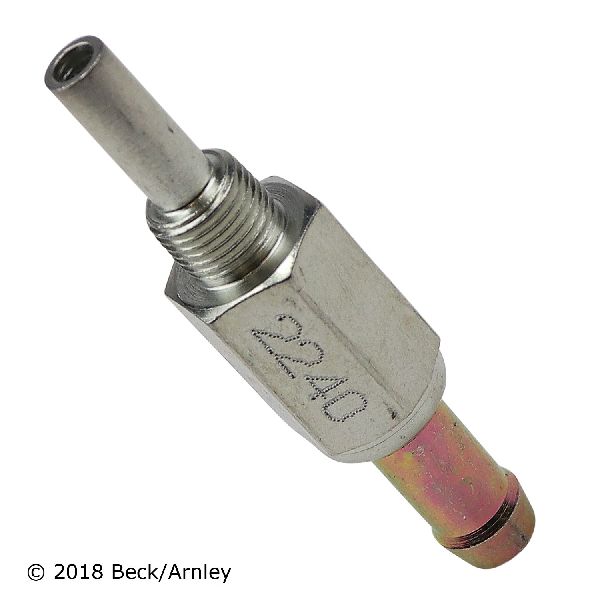
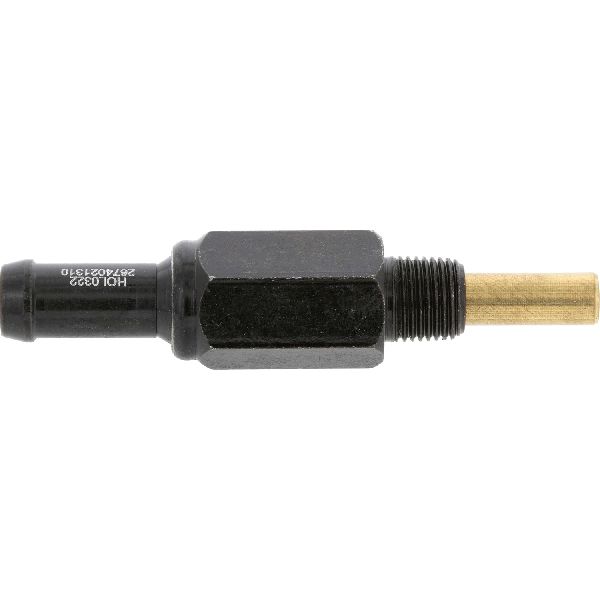
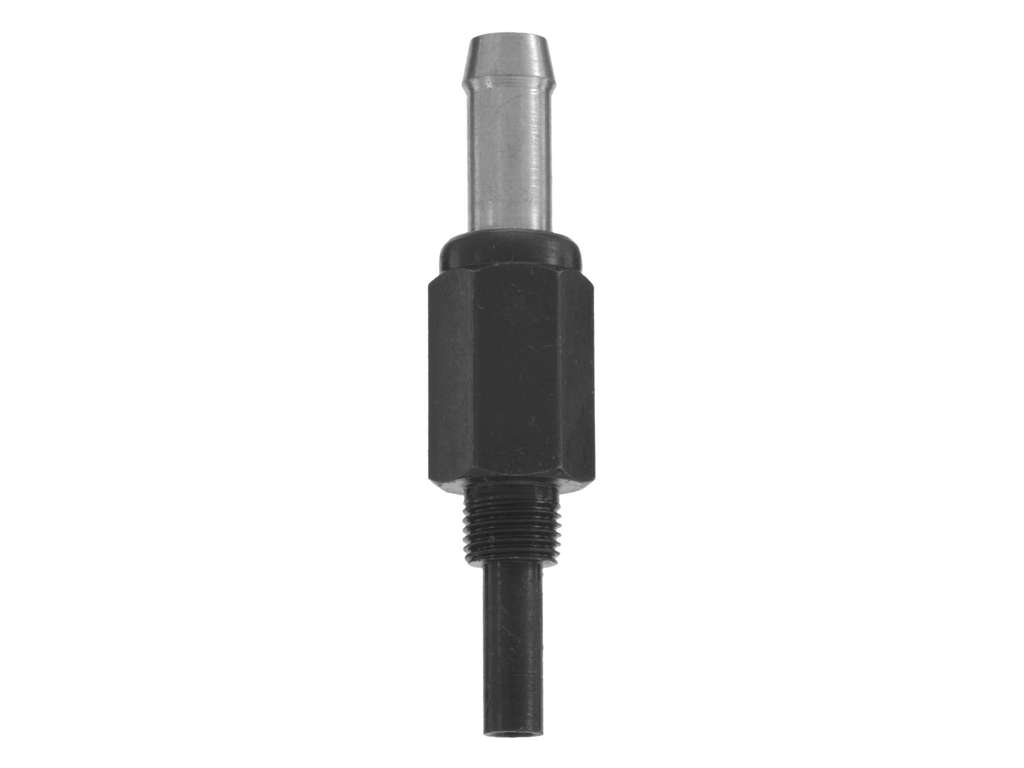
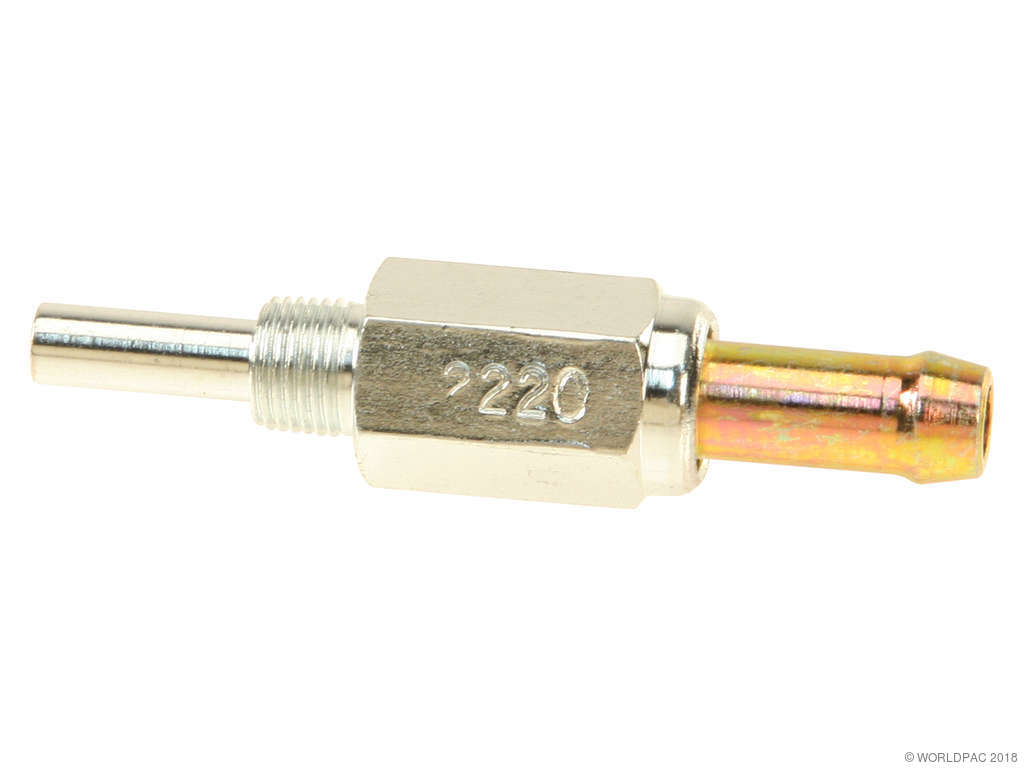
Aftermarket price range: $20-$50 - PCV Valve
(OEM #26740-26700 (for 1.6L DOHC))— A cheap and common failure point that can stick open, causing a persistent vacuum leak. It's often replaced as preventative maintenance during a P0171 diagnosis.
Trusted brands: Standard Motor Products, Carquest
OEM price range: $15-$25
Aftermarket price range: $5-$15 - Mass Airflow (MAF) Sensor
(OEM #28164-23700)— If cleaning the sensor does not resolve the issue, the sensor itself may have failed. This part is shared with other Hyundai models of the era.
Trusted brands: Bosch, Delphi
OEM price range: $150-$200
Aftermarket price range: $50-$150 - Fuel Filter
(OEM #31911-25000)— A clogged fuel filter restricts fuel flow, causing low fuel pressure and a lean condition. It is a maintenance item that is often overlooked.
Trusted brands: WIX, Beck/Arnley, Bosch
OEM price range: $25-$40
Aftermarket price range: $15-$30
Related Codes That Often Appear With This One
- P0170 — A more generic Fuel Trim Malfunction code that can appear alongside P0171.
- P0300-P0304 — A lean condition can lead to misfires. P0300 is a random misfire, while P0301-P0304 would point to specific cylinders that are running too lean.
Technical Service Bulletins (TSBs) & Recalls
- No specific Technical Service Bulletins (TSBs) for P0171 on the 2000-2006 Accent were found in public databases during research. Diagnosis should rely on standard troubleshooting procedures.
- Manufacturer TSB Bulletin #5NP-V6G6F-10 for other Hyundai models notes that P0171 can lead to increased catalyst temperatures, potentially resulting in the illumination of the Malfunction Indicator Light and related efficiency codes like P0420.
Platform-Specific Known Issues
- Cracked Intake Air Hose: The corrugated rubber intake hose that connects the air filter box to the throttle body is a very common failure point. Cracks often form in the folds of the hose and can be difficult to see without removing and flexing it. This unmetered air is a primary cause of P0171.
- Stuck Open PCV Valve: → Shop PCV Valve The Positive Crankcase Ventilation (PCV) valve can get stuck open with age and oil deposits. This creates a constant vacuum leak that the ECU cannot compensate for, leading to a lean code.
Mechanic-Grade Diagnostic Values
- Front Oxygen (O2) Sensor Voltage — expected: Rapidly fluctuating between 0.1V (lean) and 0.9V (rich) once the engine is warm.. Failure: Voltage is stuck low (below 0.2V), is slow to switch, or has an average voltage significantly below 0.5V.
- Mass Airflow (MAF) Sensor Signal Voltage at Idle — expected: Approximately 0.7V to 1.1V with the engine fully warmed up at idle.. Failure: Voltage is significantly lower or higher than the expected range at idle, or does not increase smoothly with RPM.
- Mass Airflow (MAF) Sensor Signal Voltage at 3000 RPM — expected: Should rise to between 1.3V and 2.0V.. Failure: Voltage does not increase proportionally with engine speed, indicating a lazy or failing sensor.
- Fuel Pressure (at fuel rail) — expected: Approximately 3.5 bar (51 PSI).. Failure: Pressure is significantly below specification, or it drops under engine load (acceleration), indicating a weak pump or clogged filter.
- Long-Term Fuel Trim (LTFT) — expected: Ideally close to 0%, but within +/- 10% is generally acceptable.. Failure: Sustained positive value greater than +20% to +25%, which triggers the P0171 code.
Wiring & Ground Locations
- ECM (Engine Control Module) — Located under the driver's side dash, near the firewall.. The ECM is the central computer that receives all sensor inputs (MAF, O2) and controls outputs (fuel injectors). A bad ground or connection here can cause erratic behavior and false codes.
- Engine Compartment Grounds — A key ground point is located on the left side of the engine compartment, in front of the strut tower.. Poor engine grounds can cause incorrect sensor readings, including from the MAF and O2 sensors, leading to fuel trim issues.
- MAF Sensor Connector — On the air intake tube between the air filter housing and the throttle body.. The MAF sensor has four pins: Pin 1 is the signal, Pin 2 is 12V power, and Pins 3 and 4 are grounds. Verifying power, ground, and signal at this connector is a key diagnostic step.
Real Owner Repair Stories
- Hyundai-Forums.com user (2005 Hyundai Accent 1.6L) — P0171 code, engine runs fine otherwise.
❌ Tried (didn't work) Cleaned MAF sensor, Replaced spark plugs, Replaced front O2 sensor, Checked for vacuum leaks with carb cleaner (none found)
✅ What actually fixed it Replaced the Purge Control Solenoid Valve (PCSV). The valve was reportedly leaking internally, causing a vacuum leak that was not detectable with an external spray test. - NHTSA ODI #10548755 — An owner of a similar Hyundai platform reported that "System Too Lean" codes are a common problem where mechanics and dealers often check a long list of possible issues, including the intake air system, without finding an immediate solution.
"I Checked Everything" — The Actual Cause
- A faulty Purge Control Solenoid Valve (PCSV) can stick open internally, creating a vacuum leak by drawing fuel vapor from the charcoal canister into the intake manifold at the wrong time. This type of leak will not be found by an external smoke test of the intake manifold and vacuum hoses, as the leak is internal to the EVAP system component itself. The diagnosis is often made after all common vacuum leaks and MAF issues have been ruled out.
Model Year Variations Within This Range
- 2000-2002: These years primarily used the 1.5L SOHC Alpha engine. While the causes for P0171 are similar, part numbers for components like the intake hose and PCV valve may differ from the later 1.6L models.
- 2003-2006: These years used the 1.6L DOHC Alpha engine. This became the standard engine and has slightly different component layouts and part numbers (e.g., PCV valve 26740-26700) compared to the earlier 1.5L.
Diagnostic Flowchart
Other Known Issues on This Vehicle
Issues unrelated to this code that are worth knowing about as an owner of this generation:
- Automatic Transmission Problems 🔴 High — Common as the vehicle ages, often appearing as harsh shifting, gear slippage, or failure to shift. Can be caused by old/worn fluid or internal component/electronic failure.
- Body and Subframe Rust 🟠 Medium — Prevalent in regions using road salt. Key areas include rear wheel arches, rocker panels, and the front subframe/suspension components, which can lead to structural integrity issues. (Ref: Recalls existed for earlier models (pre-2000) for subframe rust, but the issue persists in this generation.)
- Crankshaft Position Sensor (CKP) Failure 🔴 High → Shop Engine Crankshaft — A very common failure item causing intermittent stalling or a crank-no-start condition. The engine will turn over but will not fire because the ECU receives no RPM signal.
Used vs. New Parts: Buying Guide for This Vehicle
When a used part is the smart pick: For this vehicle, sourcing hard plastic or metal components from a junkyard is a viable option. This includes the intake manifold itself (if cracked), the air filter box assembly, or engine brackets. These parts have no significant wear components.
Donor-vehicle mileage cap: roughly under 80000 miles for the part to have meaningful remaining life.
What to inspect on the donor part:
- For plastic/rubber parts, check for brittleness, chalky appearance, or visible cracks. Flex the part to ensure it's still pliable.
- Avoid parts from vehicles that show signs of a major engine fire or have been sitting with the hood open in the elements.
- When pulling a part like an intake hose, inspect the hidden accordion folds carefully, as this is where they fail.
OEM-only on this vehicle (don't cheap out):
- Mass Airflow (MAF) Sensor: While aftermarket sensors are available, forums and mechanics often report issues with calibration and longevity. A new OEM or a reputable OEM supplier (like Bosch) is highly recommended to avoid repeat diagnostics.
Aftermarket brands forum-validated for this vehicle:
- Denso or NTK for Oxygen Sensors
- WIX or Beck/Arnley for fuel and air filters
- Dorman for intake air hoses (often a cost-effective alternative to OEM)
Brands owners have reported issues with on this vehicle:
- Unbranded, no-name electronic sensors (MAF, O2) from online marketplaces are a significant gamble and a common source of continued problems.
Real Owner Stories
Aggregated from forums and TSBs cited above. Mileages and costs reflect what owners reported in those sources.
2000-2006 Hyundai Accent
Symptoms: Broken hose connection coming from intake boot downstream of MAF, causing unmetered air to enter the system.
What fixed it: Identified a small, broken port on the intake boot that was causing the lean condition.
Source hint: Reddit (r/MechanicAdvice) - A thread titled 'Broken hose connection coming from intake boot downstream of MAF, potential cause of unmetered air and P0171?'
2000-2006 Hyundai Accent
Symptoms: Check Engine Light with code P0171; confirmed cracked air intake tube.
What fixed it: The owner used a temporary tape fix on the cracked intake tube until a replacement part arrived.
Source hint: Reddit (r/MechanicAdvice) - A user with a P0171 code confirmed the cause was a cracked air intake tube
Related OBD-II Codes
Frequently Asked Questions
Is there a specific TSB for the P0171 code on my 2000-2006 Hyundai Accent?
Where is the fuel filter located on this model, and could it cause a lean condition?
I hear a hissing sound from the engine bay of my Accent at idle; is this related to P0171?
Should I replace my front O2 sensor first to fix the P0171 code?
What specific part of the intake should I check for cracks on my 2000-2006 Accent?
Can a faulty PCV valve cause this code on a Hyundai Accent?
Helpful Videos
Used OEM Parts in Stock
New Aftermarket Parts Available


The information in this article is provided for general reference and educational purposes only. Vehicle specifications, procedures, and part compatibility can vary by production date, trim level, and region. Always consult your vehicle's factory service manual and verify part numbers before purchasing or performing repairs. Safety-critical components such as airbags, seat belts, and braking systems should be installed by a qualified professional.
- Hyundai Accent:
- 🧭 Diagnostic Flowchart
- 🎬 Helpful Videos
- 🛍️ Shop This Part
- What's Unique About the 2000-2006 Hyundai Accent
- Symptoms You May Notice
- Most Likely Causes
- Rare But Worth Checking
- Diagnosis Steps
- Parts You'll Likely Need
- Related Codes That Often Appear With This One
- Technical Service Bulletins (TSBs) & Recalls
- Platform-Specific Known Issues
- Mechanic-Grade Diagnostic Values
- Wiring & Ground Locations
- Real Owner Repair Stories
- "I Checked Everything" — The Actual Cause
- Model Year Variations Within This Range
- Other Known Issues on This Vehicle
- Used vs. New Parts: Buying Guide for This Vehicle
- Real Owner Stories
- 2000-2006 Hyundai Accent
- 2000-2006 Hyundai Accent
- Related OBD-II Codes
- Frequently Asked Questions
- 🎟️ Get 5% Off