

P0171 on 2007-2012 Hyundai Santa Fe: System Too Lean Causes & Fixes
P0171 on a 2007-2012 Santa Fe most often means a vacuum leak from a cracked hose or a bad intake manifold gasket. A dirty Mass Airflow (MAF) sensor is also a very common cause. Start by cleaning the MAF sensor (~$15) and checking for obvious hose leaks, especially the large intake air hose between the air filter box and throttle body.
- The most likely cause of a P0171 code on a 2007-2012 Santa Fe is a vacuum leak or a dirty MAF sensor.
- Before replacing any parts, spend $15 on a can of dedicated MAF sensor cleaner and clean the sensor. This is a cheap, easy, and very common fix.
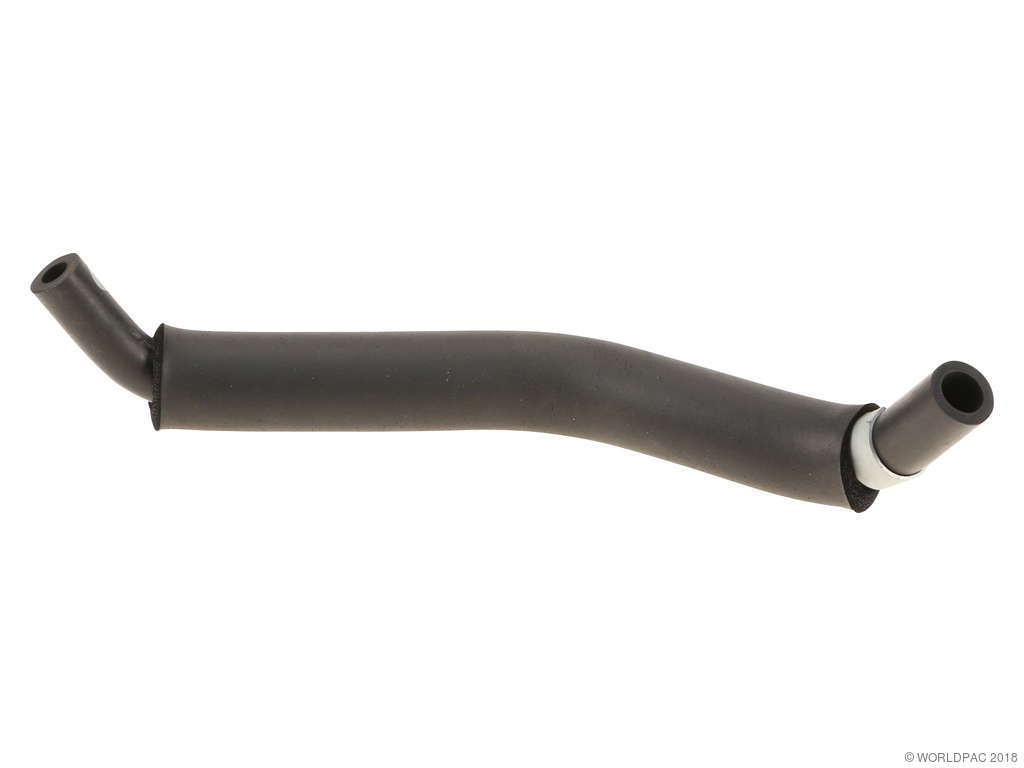
- If cleaning the MAF doesn't work, suspect a vacuum leak. A smoke test is the best way to find it. Pay close attention to the intake manifold gaskets on V6 models and the PCV hose on all models.
- Do not immediately replace the oxygen sensor; it is usually just doing its job by reporting the lean condition.
- If you have a V6 and see P0171 with P0174, the problem is almost certainly a vacuum leak affecting both banks, like the intake manifold gasket or MAF sensor.
What's Unique About the 2007-2012 Hyundai Santa Fe
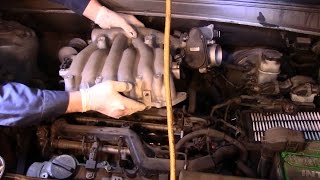
The 2007-2012 Santa Fe (CM generation) was available with multiple engines (2.7L V6, 3.3L V6, 2.4L I4, 3.5L V6). Across all engines, a dirty Mass Airflow (MAF) sensor is a frequent and easy-to-check cause of P0171. A torn air intake snorkel hose is also a very common culprit. On the V6 models specifically, the upper intake manifold plenum gaskets are a known weak point that can degrade and cause vacuum leaks, leading to this code. Because of the engine design, replacing the rear valve cover gasket on V6 models requires removing the intake manifold, 🎬 See this walkthrough on removing the upper intake manifold so it's wise to address both at the same time if leaks are present.
Symptoms You May Notice
- Check Engine Light is illuminated
- Rough or surging idle, sometimes erratic.
- Hesitation or lack of power during acceleration.
- Reduced fuel economy.
- Engine misfires, especially at idle.
- A hissing or sucking noise from the engine bay, indicating a vacuum leak.
- Stalling at low speeds or when coming to a stop.
- Replacing the front oxygen (O2) sensor. The O2 sensor is often correctly reporting a lean condition caused by another issue, like a vacuum leak. Replacing the sensor will not fix the underlying problem. A mechanic on a forum advised against this as a first step.
Most Likely Causes
- Vacuum Leak 🔴 High Probability The rubber and plastic components in the intake system, such as the intake manifold gaskets and various vacuum hoses (especially the PCV hose and the main air intake hose), can become brittle and crack over time due to heat and age. The large ribbed air intake hose between the MAF sensor and throttle body is notorious for tearing on the underside, creating a large unmetered air leak.
How to confirm: The most effective method is to perform a smoke test, which involves feeding smoke into the intake system and watching where it escapes. A visual inspection of all vacuum hoses for cracks or disconnections is a crucial first step. You can also carefully spray short bursts of brake cleaner around suspected leak points (like gasket edges) with the engine idling; a change in idle RPM indicates a leak.
Typical fix: Replace the cracked hose or leaking gasket. On V6 models, the upper intake manifold (plenum) gaskets are a common failure point.
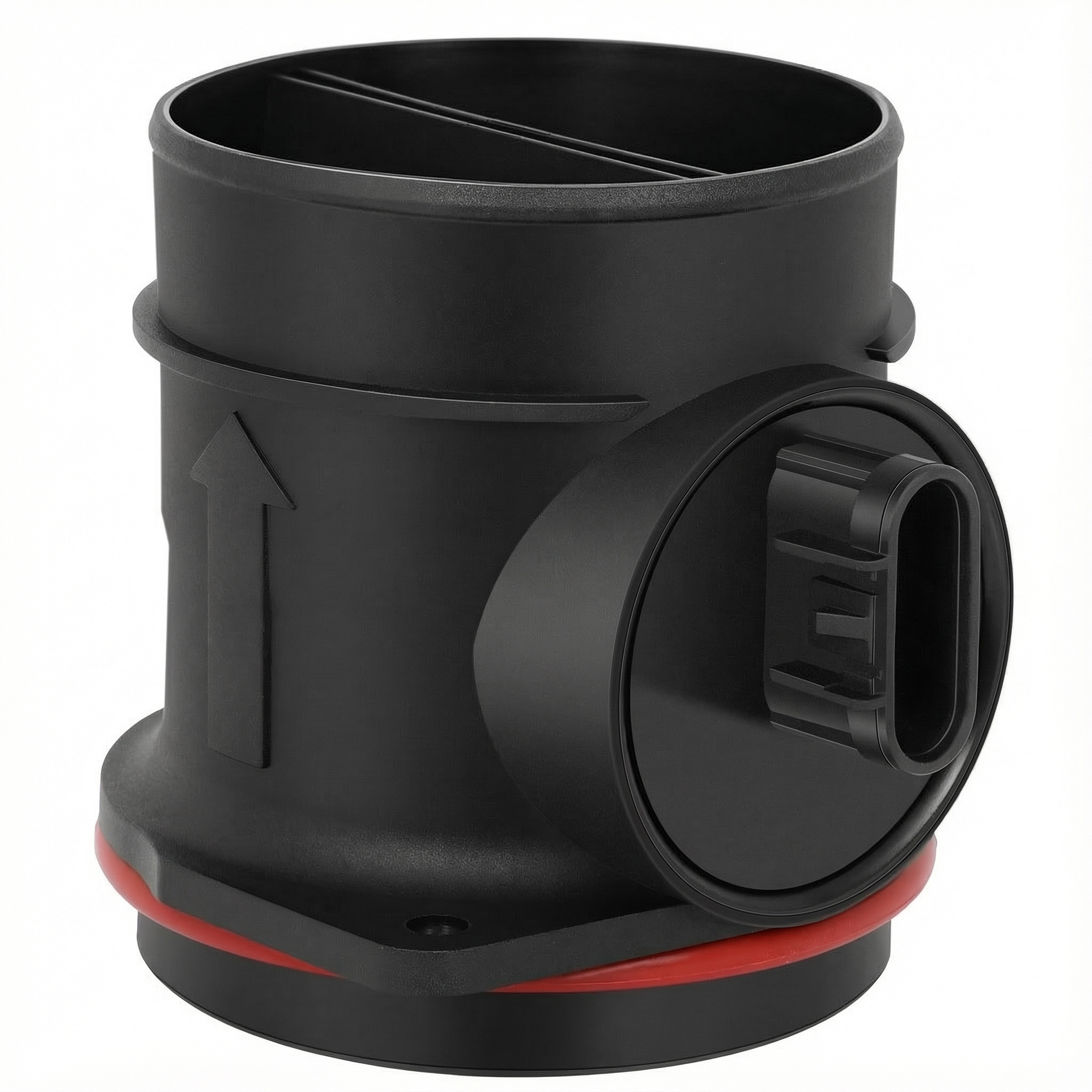
Est. part cost: $10-$150 - Dirty or Faulty Mass Airflow (MAF) Sensor 🔴 High Probability → Shop Fuel Injection Air Flow Meter The MAF sensor's delicate wires can become contaminated with dirt, debris, or oil (especially if an over-oiled aftermarket air filter like a K&N is used), causing it to under-report the amount of air entering the engine. This leads the computer to inject too little fuel, creating a lean condition.
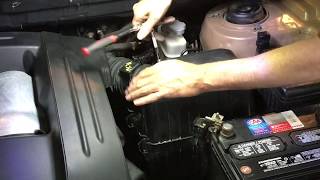
How to confirm: Remove the sensor from the intake tube and inspect it. If it appears dirty, clean it ONLY with a dedicated MAF sensor cleaner spray. 🎬 Watch: How to safely clean your MAF sensor After cleaning and reinstalling, clear the codes and see if fuel trims return to normal using a scan tool. A healthy MAF should read approximately 1 gram/second per liter of engine displacement at idle (e.g., ~3.3 g/s for a 3.3L V6).
Typical fix: First, attempt to clean the sensor. If cleaning doesn't resolve the issue and the sensor is confirmed to be faulty via scan tool data, it must be replaced.
Est. part cost: $10-$20 (cleaner), $70-$250 (replacement sensor) - Low Fuel Pressure / Weak Fuel Delivery 🟡 Medium Probability A failing fuel pump, clogged fuel filter, or dirty fuel injectors can restrict the amount of fuel delivered to the engine. While less common than vacuum leaks for this specific code, it's a possibility, especially on higher mileage vehicles.
How to confirm: Check fuel pressure using a gauge connected to the fuel rail to see if it's within manufacturer specifications. An aftermarket pump for the 2.7L/3.3L lists an operating pressure of 105-115 PSI. Fuel injectors can be professionally cleaned or tested for spray pattern and flow.
Typical fix: Replace the weak fuel pump, clogged fuel filter, or clean/replace the faulty fuel injectors.
Est. part cost: $20-$500+ - Faulty Canister Purge Valve (CPV) ⚪ Low Probability → Shop Vapor Canister The purge valve (part of the EVAP system) can sometimes get stuck open, creating a vacuum leak that allows unmetered fuel vapors into the intake manifold at the wrong time.
How to confirm: With the engine running at idle, disconnect the vacuum line from the purge valve to the intake manifold and feel for suction. There should be no vacuum when the valve is commanded closed. A scan tool can also command the valve open and closed to test its function.
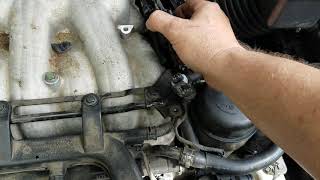
Typical fix: Replace the canister purge valve. One owner on a forum reported this was the fix for their 2009 Santa Fe 🎬 Watch: How to replace the EVAP purge valve after other checks failed.
Est. part cost: $25-$75
Rare But Worth Checking
- Exhaust Leak Before the O2 Sensor: → Shop Oxygen Sensor A crack in the exhaust manifold or a leaking exhaust gasket before the upstream O2 sensor can suck in outside air. This causes the O2 sensor to read a false lean condition, tricking the computer into adding fuel unnecessarily.
Diagnosis Steps
- Check for other stored trouble codes with an OBD-II scanner.
- Analyze live data, specifically Short-Term (STFT) and Long-Term (LTFT) fuel trims for Bank 1. High positive numbers (e.g., >15-20%) confirm the lean condition.
- Visually inspect the entire air intake system from the air filter to the throttle body for cracks, loose connections, or torn boots. Pay special attention to the ribbed section of the main intake hose.
- Inspect all accessible vacuum hoses and PCV lines for cracks, disconnection, or signs of dry rot.
- Carefully remove and clean the Mass Airflow (MAF) sensor using a dedicated MAF sensor cleaner. Do not touch the internal wires. Let it dry completely before reinstalling.
- If a leak is suspected but not visible, perform a smoke test on the intake system to pinpoint the source of unmetered air. Pay close attention to the intake manifold gaskets.
- Test fuel pressure to ensure the fuel pump and filter are providing adequate fuel volume and pressure.
- If all other causes are ruled out, test the upstream oxygen sensor's response using a scan tool to ensure it is not faulty or slow to react.
Parts You'll Likely Need
- Intake Manifold Gasket Set (Plenum Gasket)
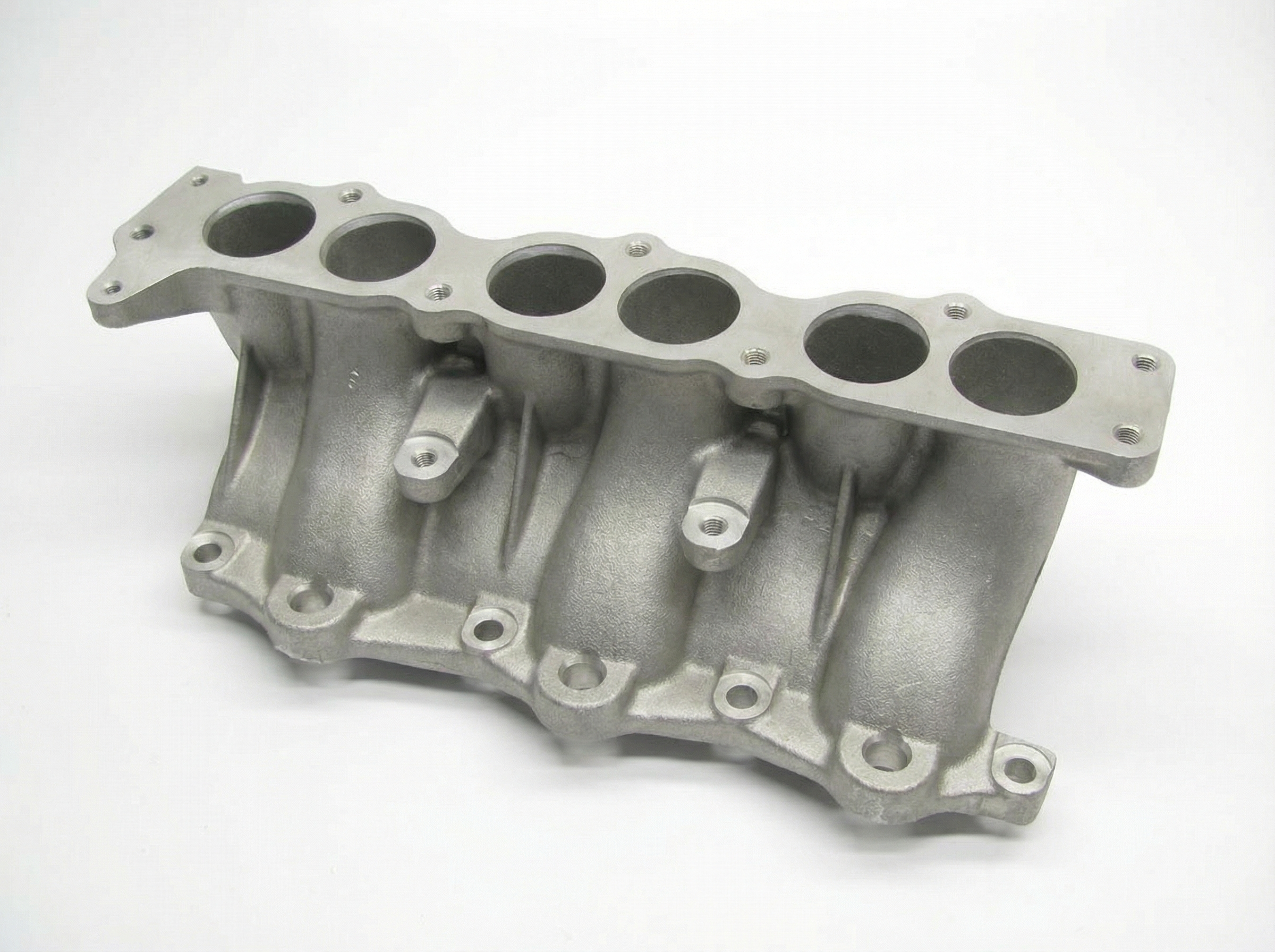
(OEM #29215-3C100 (For 3.3L V6))— A very common failure point on the V6 engines, causing a vacuum leak that triggers P0171 and often P0174.
Trusted brands: Fel-Pro, Mahle, Beck/Arnley
OEM price range: $40-$80
Aftermarket price range: $20-$50 - Mass Airflow (MAF) Sensor
(OEM #28164-3C100 (V6 models, check VIN))— Often becomes dirty and misreads the volume of incoming air. Cleaning is the first step, but replacement is necessary if it has failed.
Trusted brands: Bosch, Delphi, Denso
OEM price range: $150-$250
Aftermarket price range: $70-$150 - PCV Valve
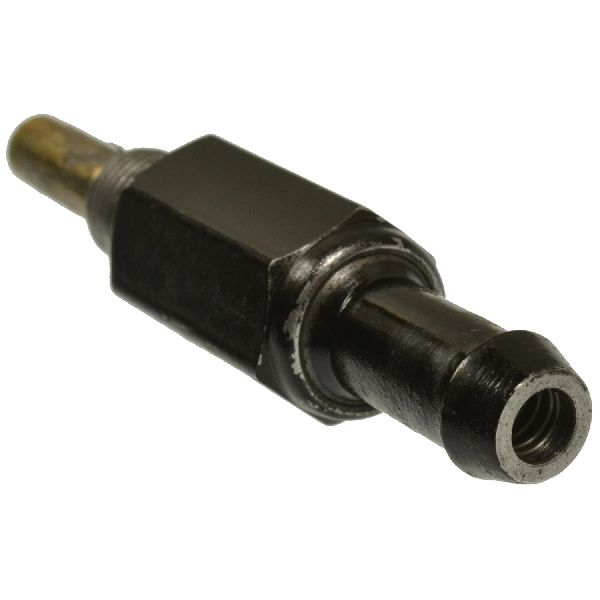
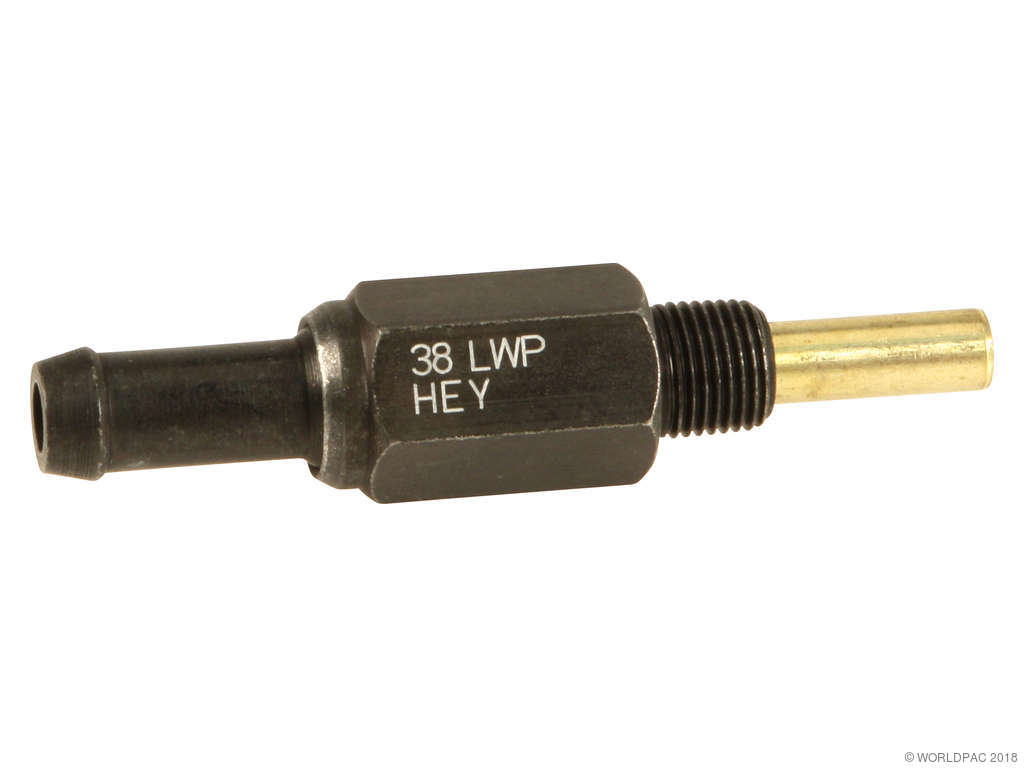
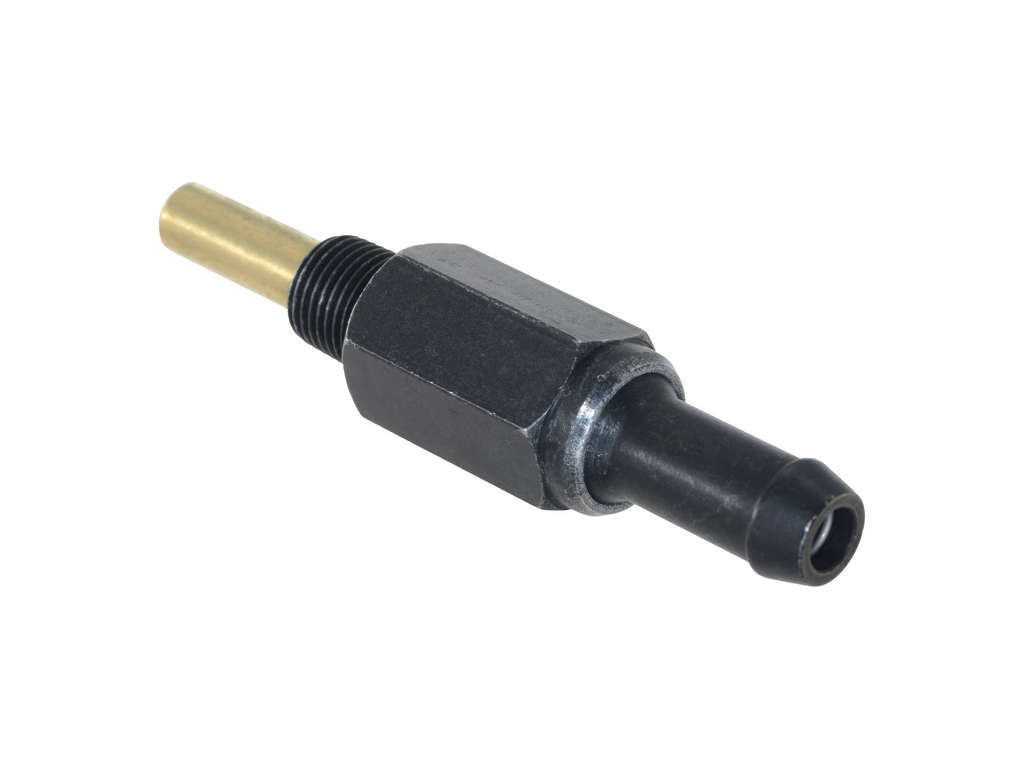
(OEM #26740-35004 (Example, varies by engine))— A stuck-open PCV valve or a cracked PCV hose creates a significant vacuum leak. It's an inexpensive and easy part to replace during diagnosis.
Trusted brands: Standard Motor Products, WVE, Beck/Arnley
OEM price range: $15-$30
Aftermarket price range: $5-$15 - Air Intake Hose
(OEM #28138-2G100 (For 2.4L, check VIN))— This large hose between the air filter box and throttle body is known to crack or tear, especially in the flexible ribbed sections, causing a major vacuum leak.
Trusted brands: Genuine Hyundai, Dorman
OEM price range: $50-$90
Aftermarket price range: $30-$60
Related Codes That Often Appear With This One
- P0174 — System Too Lean (Bank 2). On V6 engines, seeing P0171 and P0174 together strongly suggests a problem that affects the entire engine, such as a faulty MAF sensor or a large vacuum leak at the intake manifold plenum or the main air intake hose.
- P2187 — System Too Lean at Idle (Bank 1). This code often appears with P0171 and points more specifically to a vacuum leak, which has a more pronounced effect at idle when engine vacuum is highest.
- P0300 — Random/Multiple Cylinder Misfire Detected. A lean air/fuel mixture can fail to ignite properly, leading to engine misfires.
- P0420 — Catalytic Converter System Efficiency Below Threshold. According to TSB Bulletin #5NP-F8N6C-10, a P0171 condition can lead to an increase in catalyst temperature, which may result in the illumination of the MIL for P0420.
Technical Service Bulletins (TSBs) & Recalls
- Service Campaign 936 (TSB 15-01-031): For 2007-2009 Santa Fe with the 3.3L V6, Hyundai initiated a service campaign to address engine oil leaking from the front valve cover gasket onto the alternator. While not directly a P0171 cause, a failing alternator can cause various electrical issues, and the oil leak itself indicates a potential breach in the engine's sealed system.
- TSB 12-FL-004: A general TSB for the 2011 Santa Fe. While the full text isn't available in the search, it's related to fuel system logic and could potentially be relevant to fuel trim issues.
- TSB Bulletin #5NP-F8N6C-10: This manufacturer bulletin notes that P0171 (System Too Lean - Bank 1) may occur alongside P0420. It states that the lean condition can cause an increase in catalyst temperature, potentially leading to catalytic converter efficiency codes.
Platform-Specific Known Issues
- Torn Air Intake Hose: → Shop Engine Air Intake Resonator Multiple owners report that the large, flexible air intake hose develops cracks and tears, particularly on the underside near the accordion-like ribs. This is a very common cause for P0171 and P0174 codes as it allows a large amount of unmetered air into the engine after the MAF sensor.
- Canister Purge Valve Failure Story: → Shop Vapor Canister In a thread on hyundai-forums.com, an owner of a 2009 Santa Fe chased a P0171 code. After checking for vacuum leaks and cleaning the MAF sensor, the dealer ultimately diagnosed and replaced a faulty canister purge valve, which resolved the check engine light.
Mechanic-Grade Diagnostic Values
- Long/Short Term Fuel Trims (LTFT/STFT) — expected: Close to 0% at idle and 2500 RPM.. Failure: If trims are high (> +15%) at idle but normalize at 2500 RPM, it indicates a vacuum leak. If trims are normal at idle but high (> +15%) at 2500 RPM, it suggests a weak fuel pump or faulty MAF sensor.
- Mass Airflow (MAF) Sensor Reading at Idle — expected: Approximately 1 g/s per liter of engine displacement. (e.g., 2.4L engine ≈ 2.4 g/s; 3.3L engine ≈ 3.3 g/s).. Failure: A significantly lower reading indicates the sensor is under-reporting air, causing a lean condition. A wildly fluctuating reading at steady idle also indicates a fault.
- Mass Airflow (MAF) Sensor Voltage at Idle — expected: Approximately 0.8V - 1.2V with the engine at operating temperature and A/C off.. Failure: Voltage that is inconsistent or jumps around without corresponding changes in engine RPM suggests a failing sensor circuit.
- In-Tank Fuel Pump Pressure (for 2.7L/3.3L MPI) — expected: An aftermarket equivalent pump specifies 105-115 PSI.. Failure: Pressure significantly below the manufacturer's specification will lead to insufficient fuel delivery under load.
Scan Tool Commands That Help
- Hyundai GDS / Professional Scan Tool: Purge Control Solenoid Valve (PCSV) Actuation Test — Use this command to manually open and close the purge valve. This helps determine if the valve is mechanically stuck open, which would cause a vacuum leak that might be missed during a smoke test if the valve isn't commanded closed.
- Hyundai GDS / Professional Scan Tool: Fuel Trim Reset — After performing a repair, such as replacing a leaking gasket or faulty sensor, reset the learned fuel trim values. This forces the PCM to relearn the air/fuel mixture from a neutral baseline, providing a quick confirmation if the repair was successful.
Wiring & Ground Locations
- G52 / G39 — Located at the left rear of the engine compartment; serves as a ground point for the PCM (Engine Control Module).. A poor PCM ground can cause erratic behavior and incorrect readings from all engine sensors, including the MAF and O2 sensors, leading to a false lean code.
- G56 — Located on the top left of the engine.. This is a primary engine block ground. A loose or corroded connection here can create noise in sensor signals that are grounded to the engine, potentially affecting sensor accuracy.
- MAF Sensor Signal Wire — At the MAF sensor connector, which is on the air intake tube after the air filter box.. Knowing the wire color is critical for testing sensor output voltage directly at the source. For 2010-2012 models, the signal wire is BLACK for the 3.5L V6 and BLUE/ORANGE for the 2.4L I4. For 2008-2009 3.3L V6 models, it is YELLOW.
- SENSOR 1 Fuse — In the under-hood fuse box. On a 2011 model, it is a 10A fuse.. This fuse provides power to the MAF sensor circuit. A blown fuse or poor connection at the fuse box will cause the MAF sensor to stop working, forcing the engine to run on default tables and likely triggering a lean code.
Real Owner Repair Stories
- Hyundai Forums user (Hyundai Entourage (same V6 platform as Santa Fe)) — Check Engine Light with codes P0171 and P0174.
❌ Tried (didn't work) Initial diagnosis.
✅ What actually fixed it The problem was identified as a leak in the large intake hose located between the Mass Air Flow sensor and the throttle body. The user was advised this is a very common problem on this platform. - Hyundai Forums user (2009 Santa Fe) — P0171 code with rough idling, which appeared immediately after over-filling the fuel tank.
❌ Tried (didn't work) The user reset the code.
✅ What actually fixed it The code did not immediately return after being reset. The user suspected that over-filling the tank may have temporarily flooded the charcoal canister or affected the EVAP purge system, causing the lean condition. This points to the EVAP system as a potential, intermittent cause.
"I Checked Everything" — The Actual Cause
- No specific stories were found for this vehicle, but a common scenario is a smoke test showing no leaks, leading to further diagnosis of a contaminated MAF sensor or a weak fuel pump. Another possibility is a faulty canister purge valve (CPV) that is stuck open; this acts as a vacuum leak but may not be identified by a smoke test unless the valve itself is specifically tested.
OEM Part Supersession History
26740-32800→26740-32804— Standard part revision/update by the manufacturer.
Heads up: The new part number is a direct replacement for the old one.29215-3C100→N/A— This is the specified intake plenum gasket for the 3.3L V6 in this generation.
Heads up: Do not confuse with part number 29215-3E100 for the 2.7L V6 or 29215-3CFA1 for later model year 3.3L engines (2014+).
Model Year Variations Within This Range
- 2007-2009: Primarily equipped with the 2.7L and 3.3L V6 engines. The P0171/P0174 codes on the 3.3L are very frequently caused by the intake plenum gasket. The 2.7L uses a different intake gasket (PN 29215-3E100).
- 2010-2012: This facelift generation introduced the 2.4L I4 and 3.5L V6 engines. On the 2.4L, a cracked PCV hose is a more commonly cited cause for P0171. The 3.5L V6 can also suffer from intake gasket leaks similar to the earlier 3.3L. MAF sensor wiring colors also changed with these new engines.
Diagnostic Flowchart
Other Known Issues on This Vehicle
Issues unrelated to this code that are worth knowing about as an owner of this generation:
- Faulty Fuel Level Sending Unit 🟠 Medium — Very common issue on 2007-2009 models. The fuel gauge becomes erratic or reads empty, often triggering a P0463 code. (Ref: TSB 13-FL-012 addresses fuel level sensor circuit performance, though not a direct recall for this specific issue.)
- Leaking Valve Cover Gaskets 🟠 Medium → Shop Engine Valve Cover — Common on V6 engines (especially the 3.3L), where the front gasket leaks oil directly onto the alternator, causing it to fail prematurely. (Ref: Service Campaign 936 (TSB 15-01-031) was issued for 2007-2009 3.3L models to inspect and replace the front valve cover gasket and alternator if needed.)
- Engine Failure (2.4L Theta II & some V6) 🔴 High — The 2012 model year with the 2.4L engine is particularly noted for engine failures related to connecting rod bearings, often occurring around 90,000 miles. Other engine issues have been reported across the generation. (Ref: While part of the broader Hyundai Theta II engine issue, specific VINs may not be covered under all recalls. A knock sensor software update was released to detect early signs of failure.)
- Clogged EGR Valve 🟡 Low — On the 2.7L V6 and 2.4L I4 engines, the EGR valve can get clogged with carbon, leading to a rough, erratic idle.
- Suspension Component Wear 🟡 Low — Ball joints, tie rods, and control arm bushings are known to wear prematurely, causing suspension noises and alignment problems.
Used vs. New Parts: Buying Guide for This Vehicle
When a used part is the smart pick: For this repair, used parts are a good option for non-wear, non-electronic items like the plastic engine cover, the air filter box assembly, or a bare intake manifold if it was cracked. A used air intake hose can be a good value if it is inspected carefully for cracks.
Donor-vehicle mileage cap: roughly under 80000 miles for the part to have meaningful remaining life.
What to inspect on the donor part:
- For hoses: Squeeze the rubber to ensure it's still pliable and not brittle. Check the ribbed sections and connection points for any hairline cracks.
- For sensors (if buying used): Ensure the connector pins are straight and free of corrosion. Avoid parts with physical damage to the housing.
- Check the vehicle history of the donor car if possible to avoid parts from a flood or fire-damaged vehicle.
OEM-only on this vehicle (don't cheap out):
- Mass Airflow (MAF) Sensor: While not strictly 'OEM-only', using a genuine Hyundai part or a trusted OEM supplier like Bosch or Denso is highly recommended. Cheap, unbranded aftermarket MAF sensors are notoriously unreliable and can cause persistent issues.
- Oxygen (O2) Sensor: Same as the MAF, stick to OEM or top-tier brands like NTK or Denso to ensure accurate readings and longevity.
Aftermarket brands forum-validated for this vehicle:
- Intake Gaskets: Fel-Pro, Mahle, Beck/Arnley
- PCV Valve: Standard Motor Products, Beck/Arnley
- Air Intake Hose: Dorman offers a direct replacement, though quality can sometimes be inconsistent compared to OEM.
Brands owners have reported issues with on this vehicle:
- Unbranded electronic sensors (MAF, O2) from online marketplaces. These often have high failure rates or are not calibrated correctly for the vehicle.
Real Owner Stories
Aggregated from forums and TSBs cited above. Mileages and costs reflect what owners reported in those sources.
2009 Hyundai Santa Fe
Symptoms: Intermittent P0171 code; owner chased the code by checking for vacuum leaks and cleaning the MAF sensor without success.
What fixed it: The dealer diagnosed and replaced a faulty canister purge valve.
Source hint: hyundai-forums.com: 'CEL code P0171'
2007-2012 Hyundai Santa Fe (V6 models)
Symptoms: P0171 and P0174 codes appearing together, suggesting a lean condition affecting both engine banks.
What fixed it: Repairing a torn intake hose between the MAF and throttle body, which is a known issue on this platform.
Source hint: hyundai-forums.com: 'P0171 and P0174'
Related OBD-II Codes
Frequently Asked Questions
I have a 2009 Santa Fe with a P0171 code; could the canister purge valve be the problem?
Is there a specific TSB for oil leaks on the 2007-2009 Santa Fe 3.3L V6 that might relate to engine issues?
My 2011 Santa Fe has fuel trim issues; is there a relevant technical service bulletin?
Where is the most common place for a vacuum leak to occur on the 2007-2012 Santa Fe?
How much air should my 3.3L V6 Santa Fe MAF sensor be reading at idle?
Can using an aftermarket air filter cause a P0171 code on my Santa Fe?
Can a P0171 code cause damage to my catalytic converter?
Helpful Videos
Used OEM Parts in Stock
New Aftermarket Parts Available


The information in this article is provided for general reference and educational purposes only. Vehicle specifications, procedures, and part compatibility can vary by production date, trim level, and region. Always consult your vehicle's factory service manual and verify part numbers before purchasing or performing repairs. Safety-critical components such as airbags, seat belts, and braking systems should be installed by a qualified professional.
- Hyundai Santa Fe:
- 🧭 Diagnostic Flowchart
- 🎬 Helpful Videos
- 🛍️ Shop This Part
- What's Unique About the 2007-2012 Hyundai Santa Fe
- Symptoms You May Notice
- Most Likely Causes
- Rare But Worth Checking
- Diagnosis Steps
- Parts You'll Likely Need
- Related Codes That Often Appear With This One
- Technical Service Bulletins (TSBs) & Recalls
- Platform-Specific Known Issues
- Mechanic-Grade Diagnostic Values
- Scan Tool Commands That Help
- Wiring & Ground Locations
- Real Owner Repair Stories
- "I Checked Everything" — The Actual Cause
- OEM Part Supersession History
- Model Year Variations Within This Range
- Other Known Issues on This Vehicle
- Used vs. New Parts: Buying Guide for This Vehicle
- Real Owner Stories
- 2009 Hyundai Santa Fe
- 2007-2012 Hyundai Santa Fe (V6 models)
- Related OBD-II Codes
- Frequently Asked Questions
- 🎟️ Get 5% Off