

P0171 on 2011-2014 Hyundai Sonata: System Too Lean Causes and Fixes
On a 2011-2014 Sonata, code P0171 is most often caused by a vacuum leak from a cracked or disconnected hose, like the PCV hose. Before buying parts, check all vacuum lines, the PCV valve itself, and consider cleaning the Mass Airflow (MAF) sensor.
- P0171 on your Sonata means the engine is getting too much air or not enough fuel.
- The most common and cheapest fix is finding and repairing a vacuum leak, often a cracked PCV hose.
- Before replacing any sensors, always inspect for vacuum leaks and clean the Mass Airflow (MAF) sensor.
- Ignoring this code can lead to poor performance, bad fuel economy, and eventually a very expensive catalytic converter replacement.
What's Unique About the 2011-2014 Hyundai SONATA
The 2011-2014 Sonata (YF generation) primarily uses Gasoline Direct Injection (GDI) engines. While reliable, the plastic and rubber components in the engine bay, such as vacuum hoses and the PCV system, can become brittle over time and are common sources of vacuum leaks that trigger a P0171 code. A stuck-open PCV valve is another very common, low-cost failure point on these engines that introduces unmetered air. Unlike some other vehicles where a faulty sensor is the immediate suspect, on this platform, a simple and inexpensive vacuum leak from a hose or PCV valve is a very high-probability cause.
Diagnostic Flowchart
Tap your situation to follow the diagnostic path that matches what you're seeing on this vehicle.
Symptoms You May Notice
- Check Engine Light is on
- Rough or unstable idle
- Engine hesitation or stumbling during acceleration
- Reduced fuel economy
- Possible whistling or hissing noise from the engine bay, indicating a vacuum leak
- Engine may stall when coming to a stop
- Replacing the oxygen sensor first. While it can be the cause, it's far more common for the issue to be a simple vacuum leak, a stuck PCV valve, or a dirty MAF sensor. Always check for leaks first to avoid unnecessary expense.
Most Likely Causes
- Vacuum Leak 🔴 High Probability Plastic and rubber hoses in the engine bay, particularly the PCV (Positive Crankcase Ventilation) hose, become brittle with age and heat cycles, leading to cracks. The intake air boot between the MAF sensor and throttle body can also crack and cause a significant leak.
How to confirm: Visually inspect all vacuum lines connected to the intake manifold for cracks or disconnection. A smoke test is the most effective method to pinpoint the exact location of a leak. You can also carefully spray brake cleaner or a combustible fluid around suspected leak points while the engine is idling; a change in engine RPM indicates a leak.
Typical fix: Replace the cracked or broken hose(s). 🎬 Watch: How to fix the most common Sonata vacuum leak.
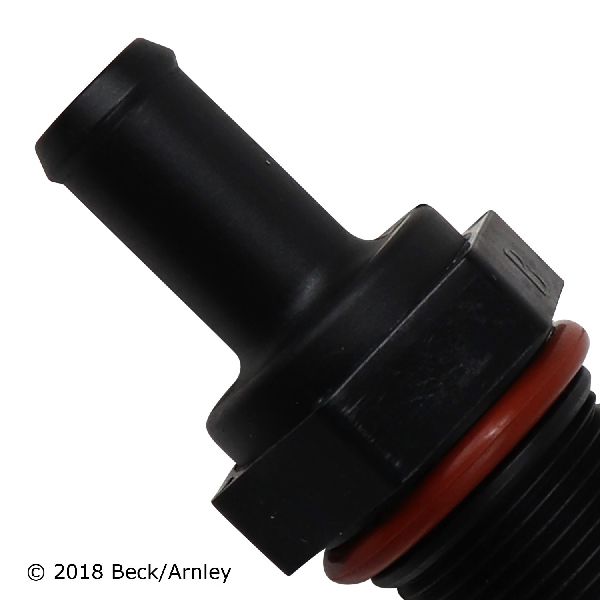
Est. part cost: $10-$40 - Faulty PCV Valve 🔴 High Probability → Shop PCV Valve The PCV valve is a maintenance item that is often overlooked. If it sticks open, it can create a significant, unmetered vacuum leak, which is a very common cause for P0171 on this platform.
How to confirm: The valve can be removed and shaken; if it doesn't rattle, it's likely stuck. With the engine running, you can remove the valve and place your finger over the end to check for suction changes. Given its low cost, replacement is often recommended as preventative maintenance every 60,000 miles. 🎬 See this walkthrough on how to replace the PCV valve.
Typical fix: Replace the PCV valve.
Est. part cost: $15-$35 - Dirty or Faulty Mass Airflow (MAF) Sensor 🟡 Medium Probability → Shop Fuel Injection Air Flow Meter The MAF sensor can become contaminated with dirt and oil particles over time, causing it to under-report the amount of air entering the engine. The ECM then injects too little fuel, creating a lean condition.
How to confirm: Remove the sensor and inspect the sensing wire. If it appears dirty, clean it ONLY with a dedicated MAF sensor cleaner spray. Do not touch the delicate wire. If cleaning doesn't resolve the issue, the sensor may be faulty and require replacement.
Typical fix: Clean the MAF sensor. If cleaning fails, replace the sensor.
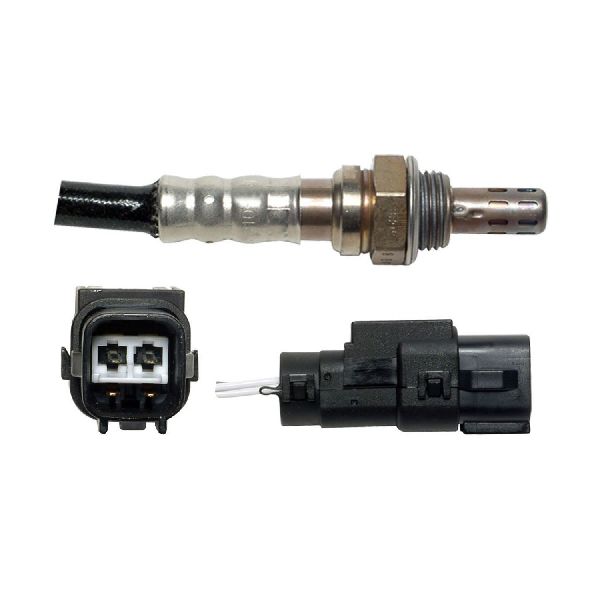
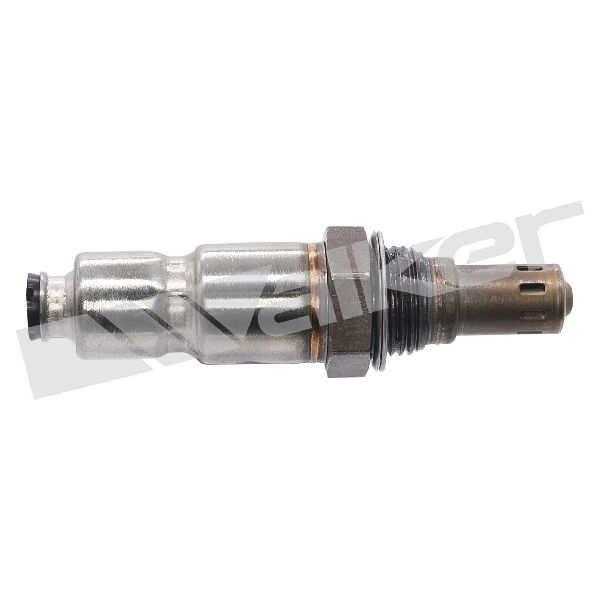
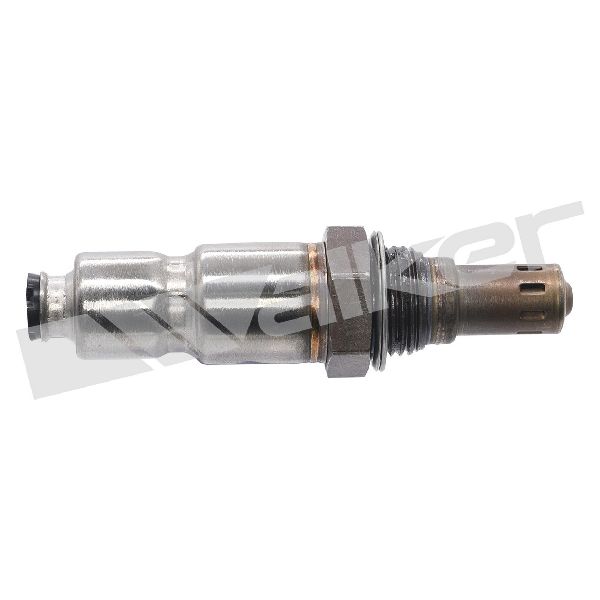
Est. part cost: $15 for cleaner, $70-$200 for a new sensor - Faulty Front Oxygen (O2) Sensor ⚪ Low Probability → Shop Oxygen Sensor An aging O2 sensor can become 'lazy' or biased, sending an incorrect lean signal to the ECM even when the air-fuel mixture is correct. While it reports the problem, it's less often the root cause compared to vacuum leaks.
How to confirm: Use a scan tool to graph the O2 sensor's voltage output. A healthy upstream sensor (Sensor 1) should fluctuate rapidly between approximately 0.1 and 0.9 volts. A slow or flat-lined signal indicates a problem.
Typical fix: Replace the front (upstream) oxygen sensor.
Est. part cost: $60-$180
Rare But Worth Checking
- Low Fuel Pressure: This could be caused by a weak fuel pump, a clogged fuel filter, or a failing fuel pressure regulator. This is less common but should be checked if other diagnostics fail. A fuel pressure test is required for confirmation.
- Exhaust Leak: A leak in the exhaust system before the front oxygen sensor (e.g., a cracked exhaust manifold) can allow outside air to be drawn in, which makes the sensor incorrectly report a lean condition.
- Clogged Fuel Injectors: → Shop Fuel Injector As these are GDI engines, carbon buildup on fuel injectors can restrict fuel flow, leading to a lean condition. This is less common than vacuum leaks but a known issue with GDI technology.
Diagnosis Steps
- Read the code with an OBD-II scanner and check for any other pending or active codes.
- Use the scanner to monitor live data for short-term (STFT) and long-term (LTFT) fuel trims. High positive values (e.g., LTFT consistently above +15%) confirm the lean condition.
- If fuel trims are high at idle but improve (move closer to zero) with increased RPM, a vacuum leak is the most likely cause.
- Inspect the engine bay thoroughly for any obvious signs of cracked, disconnected, or collapsed vacuum hoses, paying close attention to the PCV system and the air intake boot between the MAF sensor and the throttle body.
- If a leak isn't obvious, perform a smoke test to find the source of unmetered air.
- Test the PCV valve. Remove it and shake it (it should rattle). With the engine running, check for strong, continuous suction, which may indicate it's stuck open.
- If no vacuum leaks are found, remove and clean the MAF sensor using only dedicated MAF sensor cleaner. Allow it to dry completely before reinstalling. 🎬 Watch: A detailed guide on cleaning your MAF sensor properly.
- Test the front oxygen sensor's performance by graphing its voltage. A slow or non-responsive sensor needs replacement.
- If all else fails and fuel trims are high across all RPM ranges, perform a fuel pressure test to rule out a weak fuel pump or clogged filter.
Parts You'll Likely Need
- PCV Hose
(OEM #Example: 28931-2G700 (Pipe & Hose Assembly-PCV))— This hose is a very frequent failure point, becoming brittle and cracking, which causes a significant vacuum leak.
Trusted brands: Hyundai OE, Gates
OEM price range: $20-$40
Aftermarket price range: $10-$25 - PCV Valve
(OEM #26740-2G000)— A common failure item that sticks open, creating a large vacuum leak. It's an inexpensive and easy part to replace.
Trusted brands: Hyundai OE, Standard Motor Products
OEM price range: $15-$30
Aftermarket price range: $10-$20 - Mass Airflow (MAF) Sensor
(OEM #28164-2M400 (supersedes other numbers))— Often becomes dirty, leading to incorrect airflow readings. Cleaning is the first step, but replacement is necessary if it's faulty.
Trusted brands: Hyundai OE, Bosch, Delphi, Denso
OEM price range: $150-$220
Aftermarket price range: $70-$150 - Front Oxygen Sensor (Air/Fuel Ratio Sensor) — If the sensor fails, it can send false 'lean' signals to the computer. It is less common than leaks but is a primary sensor for fuel control.
Trusted brands: Denso, NGK, Bosch
OEM price range: $120-$180
Aftermarket price range: $60-$110
Related Codes That Often Appear With This One
- P0420 — A chronic lean condition (P0171) can cause excessively high temperatures in the catalytic converter, damaging it and reducing its efficiency, which in turn triggers the P0420 code. A manufacturer TSB for the 2011 model year specifically mentions this link and may require an ECM update.
- P0300-P0304 — A lean air/fuel mixture can fail to ignite properly, leading to random or cylinder-specific misfires.
Technical Service Bulletins (TSBs) & Recalls
- Bulletin #5NP-V6G6F-10: Notes that a P0171 lean condition can increase catalyst temperature, potentially causing a P0420 code, and may require an ECM update in some cases.
- Kia TSB CHA 063 (related to NHTSA ID MC-10109774-9999): While for the Kia Optima, this TSB addresses logic improvement for P0171 and P0420 codes, involving an ECU upgrade, which is highly relevant to the Sonata.
Platform-Specific Known Issues
- A Technical Service Bulletin for the 2011 model year (TSB #5NP-V6G6F-10) notes that a lean condition from P0171 can increase catalyst temperature and lead to a P0420 (Catalyst Efficiency) code. This highlights the importance of fixing the lean condition promptly to avoid damaging the catalytic converter.
- A related TSB for the Kia Optima (a platform mate) also mentions an ECU software upgrade to improve the logic for DTCs P0171 and P0420, suggesting some cases may require a dealer reflash.
Helpful Videos

We Have This Part in Stock



The information in this article is provided for general reference and educational purposes only. Vehicle specifications, procedures, and part compatibility can vary by production date, trim level, and region. Always consult your vehicle's factory service manual and verify part numbers before purchasing or performing repairs. Safety-critical components such as airbags, seat belts, and braking systems should be installed by a qualified professional.
- Hyundai SONATA:
- 🧭 Diagnostic Flowchart
- 🎬 Helpful Videos
- 🛍️ Shop This Part
- What's Unique About the 2011-2014 Hyundai SONATA
- Symptoms You May Notice
- Most Likely Causes
- Rare But Worth Checking
- Diagnosis Steps
- Parts You'll Likely Need
- Related Codes That Often Appear With This One
- Technical Service Bulletins (TSBs) & Recalls
- Platform-Specific Known Issues
- 🎟️ Get 5% Off