

P0171 on 2006-2008 Lexus RX400h: System Too Lean Causes and Fixes
On a 2006-2008 Lexus RX400h, code P0171 is most often caused by a dirty Mass Airflow (MAF) sensor or a vacuum leak from a cracked air intake hose or failed intake manifold gaskets. Cleaning the MAF sensor and thoroughly inspecting the two-piece air intake hose for cracks are simple, common first steps that often resolve the issue.
- P0171 means your engine is running with too much air or not enough fuel on Bank 1 (the cylinder bank closer to the firewall on this vehicle).
- Before buying any parts, the first and most important step is to clean the Mass Airflow (MAF) sensor with dedicated cleaner.
- The second step is to thoroughly inspect the rubber air intake hose for cracks, as this is another very common failure point.
- If you have both P0171 and P0174 codes, the problem is almost certainly a component that affects the whole engine, like the MAF sensor or a vacuum leak before the intake manifold.
- Do not replace the Air/Fuel (oxygen) sensors unless you have definitively ruled out all other causes, especially vacuum leaks and MAF sensor issues.
What's Unique About the 2006-2008 Lexus RX400h
The 3MZ-FE engine in the RX400h is known for its reliability, but like many Toyota and Lexus vehicles of this era, it is particularly susceptible to a dirty Mass Airflow (MAF) sensor causing lean codes. Additionally, vacuum leaks from aged rubber components like the two-part air intake hose and PCV hoses are very common culprits. A ClubLexus forum member fixed their P0171/P0174 codes by discovering a small, often-overlooked hose behind the air filter box had come loose. While less frequent, a vacuum leak at the Intake Air Control Valve was common enough on the related 2004 RX330 to warrant a Technical Service Bulletin (TSB), a point worth considering for this similar engine.
Symptoms You May Notice
- Check Engine Light is on
- VSC and TRAC OFF lights may also illuminate
- Rough or unstable idle
- Hesitation or surging during acceleration
- Reduced engine power
- Engine misfires (which may trigger other codes like P0300, P0301, etc.)
- Poor fuel economy
- Replacing the Air/Fuel Ratio (Oxygen) Sensor first. The A/F sensor is usually just accurately reporting the lean condition caused by something else, like a vacuum leak or a bad MAF sensor. Replacing it without proper diagnosis is a common waste of money, as confirmed by many forum users.
Most Likely Causes
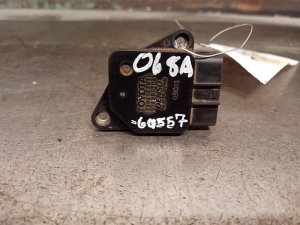
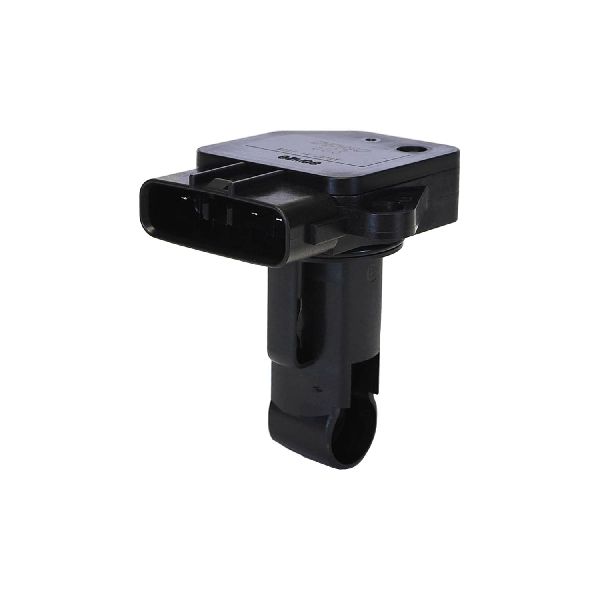
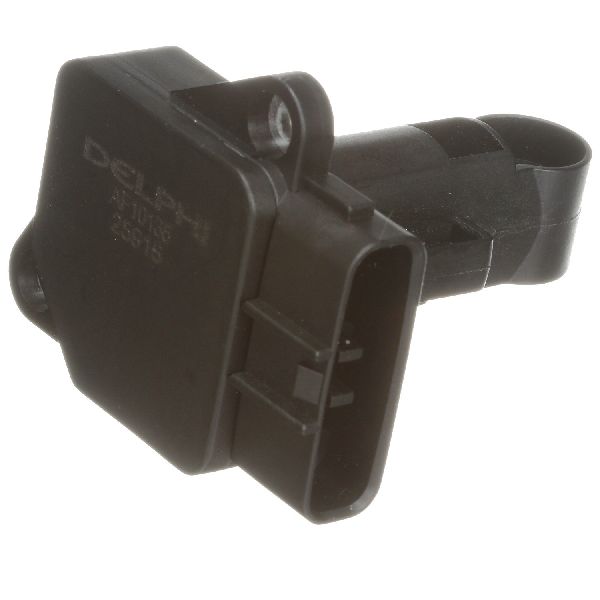
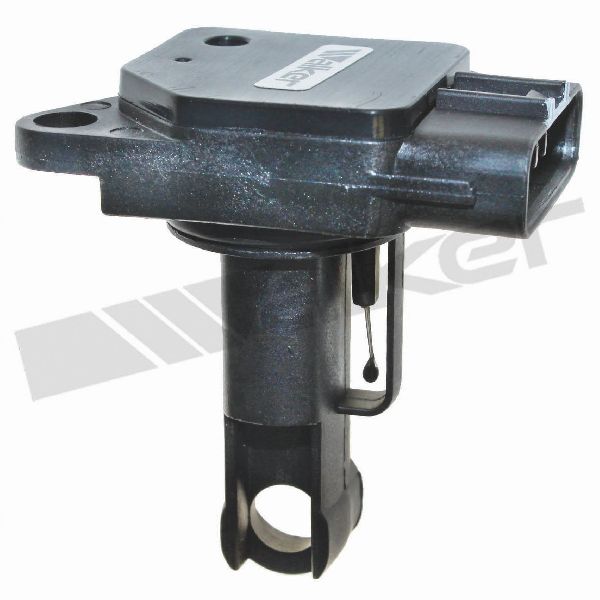
- Dirty or Faulty Mass Airflow (MAF) Sensor 🔴 High Probability → Shop Fuel Injection Air Flow Meter The MAF sensor wire can become contaminated over time, leading to inaccurate readings of the air entering the engine. This is a very common issue on Toyota/Lexus vehicles of this period, often triggering P0171 without P0174 initially.
How to confirm: Remove the sensor from the air intake tube and inspect the small wires. If they appear dirty, cleaning them is the first step. If cleaning doesn't resolve the issue, the sensor's output can be monitored with an advanced scan tool. A faulty MAF will often cause high positive fuel trims that get worse as engine RPM increases.
Typical fix: Clean the sensor with a dedicated MAF sensor cleaner spray. 🎬 Watch: Step-by-step guide to cleaning your RX400h MAF sensor. Do not use brake or carb cleaner. If cleaning fails, replace the sensor with a quality Denso unit.
Est. part cost: $10-$15 for cleaner, $80-$160 for a new Denso sensor. - Vacuum Leak (Cracked Air Intake Hose) 🔴 High Probability The large rubber air intake hose assembly, which comes in two main pieces, is located between the MAF sensor and the throttle body. It can develop cracks due to age and heat, especially in the ribbed, flexible sections, allowing unmetered air to enter the engine.
How to confirm: Visually inspect the entire length of both intake hoses for any cracks or tears. Pay close attention to the accordion-like sections and connection points. A smoke test is the most definitive way to find this type of leak.
Typical fix: Replace the cracked air intake hose(s). The two parts are often referred to as Air Cleaner Hose #1 and #2.
Est. part cost: $70-$120 for OEM hoses. - Vacuum Leak (Intake Manifold Gaskets) 🟡 Medium Probability The gaskets sealing the intake manifold to the cylinder heads can become brittle and fail over time, creating a vacuum leak. This is a known issue on the 3MZ-FE.
How to confirm: With the engine running, carefully spray carburetor cleaner or a propane torch (unlit) around the intake manifold sealing area. If the engine RPM changes, a leak is present. A smoke test is a safer and more effective method. A vacuum leak is often indicated by high positive fuel trims at idle that decrease as RPMs rise.
Typical fix: Replace the intake manifold gaskets. This is a more involved repair.
Est. part cost: $30-$60 - Faulty or Stuck-Open PCV Valve & Hoses 🟡 Medium Probability → Shop PCV Valve The Positive Crankcase Ventilation (PCV) valve can get stuck open, creating a constant vacuum leak. The rubber grommet and hoses connected to it can also become brittle and crack, which is a very common source of unmetered air.
How to confirm: Remove the PCV valve and shake it. If it doesn't rattle, it's likely stuck. Thoroughly inspect the connected hose and the fresh air inlet hose (running from the valve cover to the air intake tube) for cracks and brittleness.
Typical fix: Replace the PCV valve and its grommet/hose if necessary. This is an inexpensive and easy part to replace. 🎬 Watch: How to replace a faulty PCV valve to fix P0171.
Est. part cost: $10-$40
Rare But Worth Checking
- Failing Upstream Air/Fuel Ratio Sensor (Bank 1): → Shop Oxygen Sensor While often replaced mistakenly, a lazy or failing A/F sensor (a type of oxygen sensor) can send incorrect lean signals. This should only be considered after vacuum leaks and the MAF sensor have been ruled out. A failing sensor will often have a slow or flat voltage reading on a scan tool.
- Low Fuel Pressure: A weak fuel pump or clogged fuel filter can cause a lean condition. The fuel filter on the RX400h is integrated with the fuel pump assembly in the tank and is not a simple maintenance item. This is less common than air-side issues and would typically affect both banks (P0171 and P0174). Manufacturer Bulletin #LSB000523 notes that a P0171/P0174 condition may be accompanied by DTC P0087, indicating fuel rail pressure is too low.
- Exhaust Leak Before A/F Sensor: A crack in the exhaust manifold or a leaking gasket before the upstream A/F sensor can allow oxygen to be pulled into the exhaust stream, fooling the sensor into thinking the engine is running lean.
Diagnosis Steps
- Check for other stored trouble codes that could point to a specific component.
- Using a scan tool, observe Long-Term Fuel Trim (LTFT) and Short-Term Fuel Trim (STFT) for Bank 1 (and Bank 2 if P0174 is present). A combined trim (LTFT + STFT) consistently above +20% confirms the lean condition.
- Check fuel trims at idle and then hold the engine at 2,500 RPM. If trims are high at idle but improve (move closer to 0) at 2,500 RPM, 🎬 See how to diagnose lean codes using fuel trim data. a vacuum leak is the most likely cause. If trims stay high or get worse at 2,500 RPM, a faulty MAF sensor or fuel delivery issue is more likely.
- Visually inspect the two-piece air intake hose (OEM P/Ns 17881-20140 and 17882-20140) between the air filter box and the throttle body for any cracks, tears, or loose connections.
- Inspect all accessible vacuum hoses and the PCV hose system for cracks, brittleness, or disconnection. Pay special attention to the small hose that connects the valve cover to the side of the main air intake tube.
- Remove and clean the Mass Airflow (MAF) sensor using a dedicated MAF sensor cleaner. Allow it to dry completely before reinstalling.
- If the code persists, perform a smoke test to definitively check for vacuum leaks from the intake manifold gaskets, PCV system, or other hidden areas.
- If no vacuum leaks are found, test fuel pressure to ensure the fuel pump is delivering adequate fuel according to manufacturer specifications.
- As a final step, if all other possibilities are exhausted, test the Bank 1 Air/Fuel Ratio sensor's operation with a scan tool to ensure it is responding correctly and its voltage is fluctuating as expected.
Parts You'll Likely Need
- Mass Airflow (MAF) Sensor
(OEM #22204-22010)— This sensor is a primary cause of lean codes on this engine, either from being dirty or failing outright. The OEM part is made by Denso.
Trusted brands: Denso (OEM)
OEM price range: $140-$200
Aftermarket price range: $40-$140 - Air Intake Hose (#1, larger hose to throttle body)
(OEM #17881-20140)— The main rubber hose is prone to cracking with age, creating a significant vacuum leak after the MAF sensor.
Trusted brands: Genuine Lexus
OEM price range: $60-$90
Aftermarket price range: $30-$60 - Air Intake Hose (#2, smaller hose from airbox)
(OEM #17882-20140)— The second, smaller rubber hose connecting to the air filter housing is also prone to cracking.
Trusted brands: Genuine Lexus
OEM price range: $50-$75
Aftermarket price range: $20-$40 - Intake Manifold Gasket Set
(OEM #17171-20020 (Manifold to Head Gaskets, Qty 2))— These gaskets can fail and cause a vacuum leak, which is a common cause for lean codes on V6 engines.
Trusted brands: Fel-Pro, Mahle, Genuine Lexus
OEM price range: $40-$60
Aftermarket price range: $20-$40 - MAF Sensor Cleaner — Often, the MAF sensor is just dirty and does not need replacement. This is the cheapest and easiest first step in diagnosis.
Trusted brands: CRC, Liqui Moly
Aftermarket price range: $10-$15
Related Codes That Often Appear With This One
- P0174 — This code means "System Too Lean (Bank 2)". When P0171 and P0174 appear together, it strongly indicates a problem affecting both engine banks, such as the MAF sensor, a major vacuum leak in the intake system before the manifold splits (like the main intake hose), or a fuel delivery issue.
Technical Service Bulletins (TSBs) & Recalls
- EG009-04 (for 2004 RX330 3MZ-FE): M.I.L. 'ON' DTC P0171 AND/OR P0174: ENGINE RUNNING LEAN, points to a possible vacuum leak at the Intake Air Control Valve.
- Bulletin #LSB000523: Notes that certain Lexus models may exhibit a MIL ON condition with DTC P0171 and/or P0174, potentially linked to low fuel rail pressure (DTC P0087).
Platform-Specific Known Issues
- A Technical Service Bulletin (EG009-04) was issued for the 2004 RX330 with the same 3MZ-FE engine for a lean condition (P0171/P0174) caused by a vacuum leak at the Intake Air Control Valve. While not specifically for the RX400h, it points to a potential failure point on this engine family.
- Forum users frequently report that when P0171 and P0174 appear together, the cause is almost always a vacuum leak between the MAF sensor and the throttle body, or the MAF sensor itself.
Mechanic-Grade Diagnostic Values
- Mass Airflow (MAF) Sensor Reading at Idle — expected: 3.0 - 6.0 g/s (grams per second) at stable, warm idle.. Failure: Readings significantly lower than 3.0 g/s may indicate a dirty sensor or a vacuum leak post-sensor. Readings that are erratic or don't rise smoothly with RPM also indicate a fault.
- Mass Airflow (MAF) Sensor Reading at 2500 RPM — expected: 15 - 25 g/s (grams per second) when holding RPM steady.. Failure: A slow response or a reading that doesn't reach this range can indicate a failing sensor that is not measuring airflow correctly under load.
- Combined Fuel Trim (Short Term + Long Term) — expected: Between -10% and +10% under normal operation.. Failure: A sustained value of over +25% will trigger the P0171 code. Some documentation indicates the threshold may be as high as +33%.
- Intake Manifold Bolt/Nut Torque — expected: 15 Nm (11 ft-lbs).. Failure: Improper or uneven torque can cause a vacuum leak at the gasket. Bolts must be tightened in several steps following the specified sequence.
- Fuel Pressure — expected: While specific regulated pressure values were not found in searches, it should be tested and compared to the manufacturer's specification in the service manual. A replacement pump may have a capability of 80-130 PSI, but this is not the regulated system pressure.. Failure: Pressure below the manufacturer's specified range indicates a weak fuel pump or clogged filter.
Scan Tool Commands That Help
- Toyota Techstream / Professional Scan Tool: Reset Memory / Clear Learned Values — This function should always be used after replacing a component that affects the air-fuel ratio, such as a MAF sensor or A/F sensor. It clears the long-term fuel trim adaptations, forcing the ECU to create new, accurate values based on the new part.
- N/A (Manual Procedure): ISC (Idle Speed Control) Learning Procedure — Specifically for the RX400h, disconnecting the 12V battery to reset the ECU can cause incorrect idle speed and may prevent the engine from shutting down to enter EV mode. If this occurs after a battery disconnect, an ISC relearn procedure is required. This procedure is detailed in the factory service manual.
Wiring & Ground Locations
- EA1 — On the right side of the cylinder head.. This is a primary ground point for the engine wire harness. A corroded or loose ground here can cause erratic readings from sensors connected to this harness, including the MAF and A/F sensors.
- EB1 / EB2 — Connectors located at the front side of the engine room relay block (R/B).. These are the main junction connectors between the engine wire harness and the main vehicle harness. Corrosion or pin damage here can interrupt signals from critical engine sensors to the ECU.
Real Owner Repair Stories
- Reddit user 'ubdumass' (Lexus RX400h (year not specified, but model is correct)) — P0171 and P0174 codes kept appearing.
❌ Tried (didn't work) Using premium (98 octane) fuel., Using various fuel additives to boost octane.
✅ What actually fixed it Based on a previous experience with P0171, the user recommended replacing the Mass Airflow (MAF) sensor with an OEM Denso unit, noting it is a quick 5-minute job. This reinforces that using OEM electronic parts is critical. - NHTSA ODI #10368851: An owner reported the check engine light remained on with code P0171 for over six months without a clear cause, despite following manufacturer recommendations.
- NHTSA ODI #10316101: A report for a related Lexus model noted a MIL ON condition specifically involving trouble codes P0171/P0174, referencing Service Bulletin 01905.
"I Checked Everything" — The Actual Cause
- A leaking brake booster diaphragm can cause a P0171 code. This may be missed by a smoke test because the leak is internal to the booster or only occurs when the brake pedal is depressed. Symptoms include a hissing sound when braking, a hard brake pedal, or the engine idle stumbling when the brakes are applied. A simple test is to pump the brakes with the engine off until the pedal is firm, then start the engine while holding the pedal; it should drop slightly if the booster is working correctly.
OEM Part Supersession History
22204-0D030→22204-22010— Standard part revision and consolidation across multiple Toyota/Lexus models.23020-20010→23020-0A010— Standard part revision for the fuel pressure regulator.
Model Year Variations Within This Range
- 2006-2008: While the core engine remained the same, NHTSA records such as ODI #10316101 and #10368851 demonstrate that P0171/P0174 lean conditions were a persistent concern for Lexus owners across various models of this era.
- 2007-2008: 2007 and 2008 models include a Tire Pressure Monitoring System (TPMS), which was not present on the 2006 model.
- 2007-2008: The navigation system was upgraded from Gen 4 to a higher-resolution Gen 5 system starting in the 2007 model year.
- 2007-2008: Cosmetic updates for 2007/2008 include the availability of wood grain interior trim, 'HYBRID' badging on the rear doors, and blue-accented Lexus emblems. The core engine and hybrid powertrain related to P0171 diagnosis remained the same across all years.
Diagnostic Flowchart
Other Known Issues on This Vehicle
Issues unrelated to this code that are worth knowing about as an owner of this generation:
- Hybrid Inverter (IPM) Failure 🔴 High — Common enough to trigger a safety recall for 2006-2008 models. Can cause the vehicle to stall while driving. (Ref: NHTSA Safety Recall (announced June 2011, expanded Sept 2013) for inadequately soldered transistors in the Intelligent Power Module (IPM).)
- Brake Actuator Assembly Failure 🔴 High — A well-documented, common failure causing ABS, VSC, and brake warning lights, sometimes with a soft pedal or unusual pump noises. Extremely expensive to repair out of pocket. (Ref: Lexus Warranty Enhancement Program ZLG extended the warranty to 10 years / 150,000 miles for this specific failure.)
- Inverter Coolant Leak 🟠 Medium — The inverter is known to develop coolant leaks, identifiable by crusty pink residue around the inverter assembly or a decreasing coolant level in the dedicated inverter reservoir.
- Sticky/Melting Dashboard 🟡 Low — Common in Lexus/Toyota vehicles of this era produced for hot climates. The dashboard material can become sticky or melt in the sun. (Ref: A previous Warranty Enhancement Program (ZE6) existed but has since expired for most vehicles.)
Used vs. New Parts: Buying Guide for This Vehicle
When a used part is the smart pick: Used parts are generally not recommended for the common causes of this code. However, structural components like mounting brackets or the plastic air filter housing are safe to source from a salvage yard if undamaged.
Donor-vehicle mileage cap: roughly under 60000 miles for the part to have meaningful remaining life.
What to inspect on the donor part:
- For any rubber parts like intake hoses, ensure they are pliable, not stiff, and show no signs of cracking or oil saturation.
- Inspect plastic parts for hairline cracks, especially around mounting points.
OEM-only on this vehicle (don't cheap out):
- Mass Airflow (MAF) Sensor: Aftermarket MAF sensors are notoriously unreliable for this platform. Always use a genuine Denso sensor (OEM P/N 22204-22010).
- Air/Fuel Ratio (Oxygen) Sensor: Similar to the MAF, it is strongly recommended to use only Denso A/F sensors to avoid compatibility and performance issues.
Aftermarket brands forum-validated for this vehicle:
- Denso (OEM supplier for electronics)
- Fel-Pro (Gaskets)
- Mahle (Gaskets)
Brands owners have reported issues with on this vehicle:
- Unbranded, low-cost MAF sensors and O2 sensors from online marketplaces like eBay or Amazon are frequently reported as dead-on-arrival or failing within a short period.
Real Owner Stories
Aggregated from forums and TSBs cited above. Mileages and costs reflect what owners reported in those sources.
2006 Lexus RX400h 3.3L V6
Symptoms: Check engine light with codes P0171, P0174, and P0300 misfires.
What fixed it: The owner investigated common causes affecting both banks, noting that the fuel filter is integrated with the pump and checking for major vacuum leaks or MAF issues.
Source hint: ClubLexus: P0171 & P0174 codes with P0300 on 2006 RX400h
2004-2009 Lexus RX (2nd Gen)
Symptoms: Lean codes P0171 and P0174.
What fixed it: Cleaning the MAF sensor, replacing the air filter, and securing a small, loose vacuum hose found behind the air filter box.
Source hint: ClubLexus: Need help on error code p0171 and p0174
1999-2003 Lexus RX (1st Gen)
Symptoms: Persistent P0171 and P0174 codes despite replacing various components.
What fixed it: A systematic diagnostic process involving checking fuel trims and replacing gaskets, hoses, and sensors.
Source hint: ClubLexus: FINALLY SOLVED! P0171 and P0174 Codes!!!!
Related OBD-II Codes
Frequently Asked Questions
Does TSB EG009-04 apply to my 2006-2008 Lexus RX400h?
Can I use standard carburetor cleaner to fix the MAF sensor on my RX400h?
Why are my VSC and TRAC OFF lights on when the code is for a lean engine condition?
What are the specific part numbers for the air intake hoses on the 3.3L V6?
If I have P0171 but not P0174, does that rule out the MAF sensor?
How can I tell if my RX400h has a vacuum leak or a bad MAF sensor using fuel trims?
Helpful Videos
Used OEM Parts in Stock
New Aftermarket Parts Available


The information in this article is provided for general reference and educational purposes only. Vehicle specifications, procedures, and part compatibility can vary by production date, trim level, and region. Always consult your vehicle's factory service manual and verify part numbers before purchasing or performing repairs. Safety-critical components such as airbags, seat belts, and braking systems should be installed by a qualified professional.
- Lexus RX400h:
- 🧭 Diagnostic Flowchart
- 🎬 Helpful Videos
- 🛍️ Shop This Part
- What's Unique About the 2006-2008 Lexus RX400h
- Symptoms You May Notice
- Most Likely Causes
- Rare But Worth Checking
- Diagnosis Steps
- Parts You'll Likely Need
- Related Codes That Often Appear With This One
- Technical Service Bulletins (TSBs) & Recalls
- Platform-Specific Known Issues
- Mechanic-Grade Diagnostic Values
- Scan Tool Commands That Help
- Wiring & Ground Locations
- Real Owner Repair Stories
- "I Checked Everything" — The Actual Cause
- OEM Part Supersession History
- Model Year Variations Within This Range
- Other Known Issues on This Vehicle
- Used vs. New Parts: Buying Guide for This Vehicle
- Real Owner Stories
- 2006 Lexus RX400h 3.3L V6
- 2004-2009 Lexus RX (2nd Gen)
- 1999-2003 Lexus RX (1st Gen)
- Related OBD-II Codes
- Frequently Asked Questions
- 🎟️ Get 5% Off