

P0171 on 2016-2022 Lexus RX450h: System Too Lean Causes and Fixes
On a 2016-2022 RX450h, P0171 is most often caused by a dirty Mass Airflow (MAF) sensor or a failing low-pressure fuel pump. Start by cleaning the MAF sensor (~$15 for cleaner). If the code returns, suspect the fuel pump, which is a known issue documented in Lexus TSB L-SB-0005-23, especially if code P0087 is also present.
- Always start by cleaning the Mass Airflow (MAF) sensor; it's a cheap, easy, and very common fix.
- Due to a specific Lexus TSB (L-SB-0005-23), the low-pressure fuel pump is a very strong suspect, especially if code P0087 is also present.
- Thoroughly inspect for vacuum leaks, especially the intake air boot and PCV hoses, before replacing any sensors.
- Do not replace the A/F (oxygen) sensor unless all other possibilities have been definitively ruled out.
What's Unique About the 2016-2022 Lexus RX450h
For this specific generation of RX450h, the P0171 code is strongly linked to a failing low-pressure fuel pump. Lexus issued Technical Service Bulletin (TSB) L-SB-0005-23 for this issue across a wide range of its 2013-2020 models, including the RX450h. This TSB specifically notes that P0171, especially when paired with P0087 (Fuel Rail / System Pressure – Too Low), points directly to this fuel pump issue. While a dirty MAF sensor is a common and easy first check on any Lexus, the existence of this TSB makes a fuel delivery problem a higher-than-usual probability on this particular model.
Symptoms You May Notice
- Check Engine Light is on
- Hesitation or lack of power during acceleration
- Rough idle
- Reduced fuel economy
- Engine stalling in some cases
- Hard starting
- Pinging or knocking sound during acceleration
- Replacing the Air/Fuel Ratio (Oxygen) Sensor. The A/F sensor is almost always just doing its job by correctly reporting the lean condition. Unless tests show the sensor is faulty (e.g., slow response time or stuck voltage), it should not be replaced until all other potential causes like vacuum leaks and fuel delivery issues are ruled out.
Most Likely Causes
- Dirty Mass Airflow (MAF) Sensor 🔴 High Probability → Shop Fuel Injection Air Flow Meter The MAF sensor wire can become contaminated with dirt and oil over time, causing it to under-report the amount of air entering the engine. This is a very common issue across many Toyota and Lexus models and is the easiest and cheapest first step in diagnosis.
How to confirm: Remove the sensor from the intake tube after the air filter box. Visually inspect the two small sensor wires inside. If they appear dirty, cleaning is warranted. A scan tool may show lower-than-expected airflow (g/s) at idle and under load.
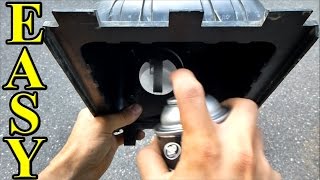
Typical fix: Clean the sensor with a dedicated MAF sensor cleaner spray. 🎬 Watch: This detailed guide shows you how to clean it properly. Do not touch the wires. Allow it to dry completely before reinstalling.
Est. part cost: $10-$15 - Failing Low-Pressure Fuel Pump 🔴 High Probability → Shop Fuel Pump Lexus TSB L-SB-0005-23 specifically identifies a potential for low fuel system pressure on these models, which directly causes lean codes. This makes it a documented weak point, separate from the broader fuel pump recall.
How to confirm: Use a scan tool to monitor fuel rail pressure, especially under load (e.g., during a test drive with hard acceleration). A significant drop in pressure points to a weak pump. The presence of code P0087 alongside P0171 is a strong confirmation, as highlighted in the TSB.
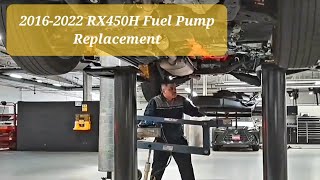
Typical fix: Replacement of the low-pressure fuel pump sub-assembly, located in the fuel tank. 🎬 Watch: A professional walkthrough of the RX450h fuel pump replacement.
Est. part cost: $300-$500 - Vacuum Leak 🟡 Medium Probability Rubber and plastic components in the engine bay degrade over time with heat cycles. The most common culprits are the main air intake boot (the large tube between the air filter box and throttle body) and PCV hoses, which can crack and allow unmetered air into the engine.
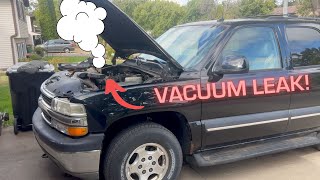
How to confirm: Perform a smoke test. This involves feeding pressurized smoke into the intake system and watching where it leaks out. 🎬 See how to find hidden leaks using a smoke machine. Alternatively, you can carefully spray short bursts of carb cleaner near suspected leak points (like gaskets and hose connections) and listen for a change in engine idle, but this is a fire hazard and less precise. A visual inspection may reveal obvious cracks in the intake boot or PCV hoses.
Typical fix: Replace the cracked or leaking hose, gasket, or intake boot.
Est. part cost: $20-$150
Rare But Worth Checking
- Clogged Fuel Injectors: → Shop Fuel Injector While less common than a pump failure, one or more dirty injectors on Bank 1 can restrict fuel flow, causing a lean condition on that bank only.
- Exhaust Leak Before A/F Sensor: A crack in the exhaust manifold or a leaking gasket before the primary Air/Fuel ratio sensor (Bank 1, Sensor 1) can allow outside oxygen to be pulled into the exhaust stream, tricking the sensor into thinking the engine is running lean.
Diagnosis Steps
- Check for other stored trouble codes. The presence of P0174 or P0087 provides critical diagnostic clues.
- Using a scan tool, check the Freeze Frame data to see the engine conditions when the code was set.
- Observe Long-Term Fuel Trim (LTFT) and Short-Term Fuel Trim (STFT) for Bank 1. A combined value consistently above +25% confirms the lean condition.
- Remove and clean the Mass Airflow (MAF) sensor located in the intake tube. Use only dedicated MAF sensor cleaner. Let it dry completely and reinstall. Clear codes and test drive.
- If the code returns, perform a thorough visual inspection of the air intake system, including the large intake boot and all vacuum and PCV hoses, for cracks or loose connections.
- Perform a smoke test to find any vacuum leaks that are not visually apparent. Pay close attention to the intake manifold gaskets and PCV system hoses.
- If no vacuum leaks are found, use a scan tool to monitor fuel pressure. If it drops significantly under acceleration, the low-pressure fuel pump is the likely cause, per TSB L-SB-0005-23.
- Only after all other possibilities are exhausted should you test the Bank 1 Air/Fuel ratio sensor for proper response.
Parts You'll Likely Need
- Mass Airflow (MAF) Sensor Cleaner — This is the cheapest and easiest first step, and it resolves a high percentage of lean codes on Lexus vehicles.
Trusted brands: CRC, Liqui Moly
OEM price range: N/A
Aftermarket price range: $10-$15 - Low-Pressure Fuel Pump Sub-Assembly
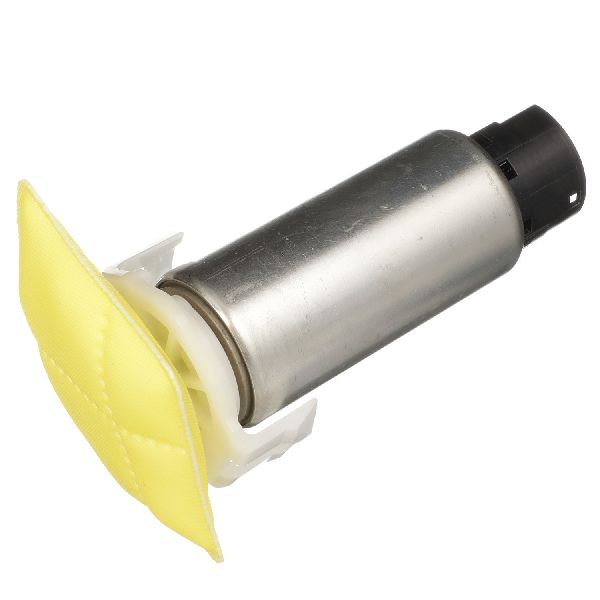
(OEM #23101-0P010 (Supersedes 23101-31080))— A known failure item on this specific model, as documented by Lexus TSB L-SB-0005-23, directly causing P0171.
Trusted brands: Denso (OEM), Aisin
OEM price range: $400-$500
Aftermarket price range: $200-$350 - Mass Airflow (MAF) Sensor
(OEM #22204-31020 (Supersedes 22204-0H010, 22204-31010))— If cleaning the sensor doesn't resolve the issue, and it fails diagnostic tests, the sensor itself may have failed.
Trusted brands: Denso (OEM)
OEM price range: $150-$210
Aftermarket price range: $70-$120
Related Codes That Often Appear With This One
- P0174 — This is the 'System Too Lean' code for Bank 2. If both P0171 and P0174 are present, it confirms the problem affects the entire engine, pointing strongly toward a common source like the MAF sensor, fuel pump, or a major vacuum leak post-MAF.
- P0087 — This code means 'Fuel Rail / System Pressure – Too Low'. Its presence with P0171 is a direct indicator of a fuel delivery problem and makes the low-pressure fuel pump the primary suspect, as explicitly noted in TSB L-SB-0005-23.
Technical Service Bulletins (TSBs) & Recalls
- L-SB-0005-23: Addresses a 'System Too Lean' condition (P0171/P0174) and/or 'Fuel Pressure Too Low' (P0087) potentially caused by a failing low-pressure fuel pump.
- Bulletin #LSB000523: Notes that vehicles may exhibit a hard start and/or MIL ON condition with P0171, P0174, or P0087, and Techstream data may reveal positive fuel trims.
Platform-Specific Known Issues
- TSB L-SB-0005-23: Some vehicles may exhibit a Check Engine light with codes P0171, P0174, and/or P0087 due to a failing low-pressure fuel pump causing insufficient fuel delivery. This TSB applies to a very wide range of Lexus models from 2013-2020.
Mechanic-Grade Diagnostic Values
- Long-Term and Short-Term Fuel Trims (LTFT + STFT) — expected: The sum of LTFT and STFT should be close to 0%, ideally within +/- 10%.. Failure: A sustained combined fuel trim value of +25% or higher will trigger P0171. Freeze frame data showing high positive trims at highway speed (e.g., 2700 RPM) often points to a fuel delivery issue rather than a vacuum leak.
- Low-Pressure Fuel System Pressure — expected: Approximately 28-121 PSI, though this can vary. A more practical test is to check for pressure stability.. Failure: A significant drop in pressure under heavy load or acceleration is a strong indicator of a failing pump. After shutting off the engine, the pressure should remain above 21 PSI for at least 5 minutes; a rapid drop indicates a leak or faulty check valve in the pump assembly.
- High-Pressure Fuel System Pressure (D-4S system) — expected: 348-2828 PSI at 3000 RPM. This system is less commonly the cause for a simple P0171 without other codes.. Failure: Values significantly below the expected range under load, often accompanied by other codes like P107B.
- Mass Airflow (MAF) Sensor Reading at Idle — expected: Typically 2.5-4.5 grams/second (g/s) for a 3.5L engine at a stable, warmed-up idle. This value will vary slightly based on altitude and temperature.. Failure: A reading that is significantly lower than expected (e.g., <2.0 g/s) suggests the sensor is dirty or failing, causing the ECM to underestimate the air volume and inject insufficient fuel.
- Upstream Air/Fuel (A/F) Sensor Voltage — expected: Unlike traditional oxygen sensors that cycle between 0.1V and 0.9V, the A/F sensors in this Lexus should show a relatively stable voltage, typically around 3.3V, when the air/fuel mixture is stoichiometric (14.7:1).. Failure: A voltage stuck low (e.g., below 3.0V) or high (e.g., above 3.5V) or one that is slow to respond during active tests can indicate a faulty sensor. However, a reading that accurately reflects a lean condition (higher voltage) is normal operation.
Scan Tool Commands That Help
- Toyota Techstream: Active Test: A/F Control — This function allows a technician to manually command the ECM to increase or decrease the fuel injection volume by a set percentage (e.g., +25% or -12.5%). By observing the live data response of the A/F sensors and downstream O2 sensors, a technician can confirm if the sensors are responding correctly and if the system is capable of adjusting the mixture. This helps differentiate a sensor problem from a fuel delivery or vacuum leak problem.
- Toyota Techstream: Data List > Freeze Frame Data — Always check this first. Freeze frame data captures a snapshot of engine parameters (RPM, vehicle speed, engine temp, fuel trims) at the exact moment the P0171 code was set. If the code was set at high RPM and load, it points towards a fuel delivery issue (weak pump). If it was set at idle, it points more strongly towards a vacuum leak.
Wiring & Ground Locations
- Main Engine Ground Strap — There is a primary ground strap running from the lower firewall to the back of the engine block, on the passenger side.. A corroded or loose engine ground can cause a host of electrical issues, including incorrect readings from sensors like the MAF and A/F sensors. This can lead to erratic fuel trim behavior and potentially trigger lean codes. Ensuring this connection is clean and tight is a crucial, often overlooked, electrical baseline check.
- Battery Negative to Chassis Ground — The main battery negative cable connects directly to the inner fender in the engine bay.. This is the primary ground point for the entire vehicle's electrical system, including the ECM and all its sensors. Corrosion or a loose connection here can create a system-wide voltage drop and noise, interfering with sensor signals required for proper fuel control.
Real Owner Repair Stories
- ClubLexus Forum User (2007 Lexus GS450h (similar 2GR hybrid powertrain)) — Check Engine Light with P0171 & P0174, poor acceleration, slight hesitation at low speed, especially on the highway.
❌ Tried (didn't work) Replaced air filter, Cleaned MAF sensor and replaced O-ring, Replaced leaking PCV valve hose, Cleaned fuel injectors, catalytic converter, and throttle body, Replaced fuel filter, Replaced purge valve (fixed a separate EVAP code), Performed a smoke test which found no leaks
✅ What actually fixed it The user eventually discovered a cracked and leaking intake manifold gasket. Despite a smoke test showing no leaks, the gasket was failing under specific engine load/temperature conditions, allowing unmetered air to enter. Replacing the intake manifold gaskets finally resolved the P0171 and P0174 codes. - NHTSA ODI #10368851 — An owner reported the check engine light remained on with code P0171 for over six months without an obvious cause, despite following manufacturer recommendations.
- NHTSA ODI #10316101 — A report noted a MIL illumination involving trouble codes P0171 and P0174, referencing a manufacturer service bulletin for engine and engine cooling issues.
"I Checked Everything" — The Actual Cause
- In multiple documented cases on platforms with 2GR engines, a smoke test comes back clean, but the P0171/P0174 codes persist. A common culprit in this scenario is a failing intake manifold gasket that only leaks under specific thermal or vacuum conditions not replicated by a static smoke test. Another cause can be a leaking brake booster or its check valve, which introduces a vacuum leak that is often not checked during a standard intake smoke test.
OEM Part Supersession History
23101-31080→23101-0P010— The original low-pressure fuel pump was superseded due to reliability issues leading to low fuel pressure, as documented in TSB L-SB-0005-23. The new part number represents a revised design to address the failure mode.22204-0H010, 22204-31010→22204-31020— Standard part evolution and consolidation by the manufacturer (Denso/Toyota). The newer part number is the current replacement for multiple older versions.
Heads up: The listed part numbers are generally cross-compatible for the specified application, but it is always best to verify with a VIN.
Diagnostic Flowchart
Other Known Issues on This Vehicle
Issues unrelated to this code that are worth knowing about as an owner of this generation:
- Brake Actuator Squawk/Knock Noise 🟡 Low — Common enough to warrant multiple TSB revisions. Occurs when depressing or releasing the brake pedal. (Ref: L-SB-0032-23)
- 12V Auxiliary Battery Drain 🟠 Medium — Frequently reported by owners if the vehicle is left parked for more than a week. The small 12V battery is required to 'boot up' the hybrid system.
- Fuel Pump Failure (Recall) 🔴 High → Shop Fuel Pump — Separate from the TSB-related issue, a wider recall was issued for certain model years for a low-pressure fuel pump that could fail suddenly, causing the engine to stall while driving. (Ref: Toyota Recall 20TA02 / NHTSA 20V012000)
- Water/Condensation in Headlight/Taillight Assemblies 🟡 Low — Some owners report moisture intrusion into lighting assemblies, leading to condensation and potential bulb failure over time.
Used vs. New Parts: Buying Guide for This Vehicle
When a used part is the smart pick: For this repair, used parts are generally not recommended for the primary failure items. However, simple, non-electronic, non-wear components like the plastic air intake boot or specific vacuum hoses could be sourced from a low-mileage donor vehicle if a new part is unavailable or cost-prohibitive.
Donor-vehicle mileage cap: roughly under 60000 miles for the part to have meaningful remaining life.
What to inspect on the donor part:
- For hoses/intake boots: Check for any signs of dry rot, cracking (especially in the accordion sections), or hardening. The rubber should still be pliable.
- Verify the donor vehicle has no front-end collision damage, which could have stressed the components.
- Look for a clean engine bay on the donor car, suggesting good maintenance and less exposure to harsh conditions.
OEM-only on this vehicle (don't cheap out):
- Low-Pressure Fuel Pump: Given the known failure rate and the TSB, only a new OEM (Denso) or OEM-supplier (Aisin) part with the latest supersession number should be used. A used pump is highly likely to fail prematurely.
- Mass Airflow (MAF) Sensor: Aftermarket MAF sensors are notoriously unreliable and often cause more problems than they solve. Stick with a new OEM Denso sensor if cleaning doesn't work.
Aftermarket brands forum-validated for this vehicle:
- Denso (OEM supplier for fuel pump, MAF sensor, A/F sensors)
- Aisin (OEM supplier for various components, including fuel system parts)
Brands owners have reported issues with on this vehicle:
- Unbranded or 'white-box' electronic sensors (MAF, O2/AF) from online marketplaces.
- No-name fuel pumps. The labor to replace the in-tank pump is significant, making it foolish to save a small amount on a part with questionable reliability.
Real Owner Stories
Aggregated from forums and TSBs cited above. Mileages and costs reflect what owners reported in those sources.
2001-2006 Lexus LS (3rd Gen)
Symptoms: Lean codes on both banks; owner performed a detailed diagnostic process checking fuel trims and ruling out various causes.
What fixed it: The owner resolved the P0171 and P0174 codes by systematically checking fuel trims and ruling out specific bank-related failures to find the common lean source.
Source hint: ClubLexus.com - 'FINALLY SOLVED! P0171 and P0174 Codes!!!!'
1998-2005 Lexus GS (2nd Gen)
Symptoms: Long struggle with a persistent P0171 code.
What fixed it: Finding and fixing a cracked PCV hose.
Source hint: ClubLexus.com - 'P0171 finally fixed?!?!'
2006 Toyota Highlander Hybrid
Symptoms: P0171 and P0174 Too Lean codes on a platform-mate hybrid vehicle.
What fixed it: Checking the PCV hose for cracks and performing a smoke test to identify vacuum leaks.
Source hint: Reddit r/MechanicAdvice - '2006 Toyota Highlander Hybrid P0171 and P0174 Too Lean'
Related OBD-II Codes
Frequently Asked Questions
Does TSB L-SB-0005-23 apply to my 2016-2022 Lexus RX450h regarding the P0171 code?
Is there a recall for the fuel pump on my RX450h that could cause a lean condition?
If I have both P0171 and P0174, does that change the diagnosis for my RX450h?
Can a dirty MAF sensor cause the hesitation I'm feeling during acceleration?
What should I check if I see code P0087 along with P0171?
Are there specific hoses on the RX450h prone to causing this lean code?
Helpful Videos
Used OEM Parts in Stock
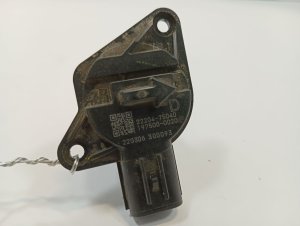
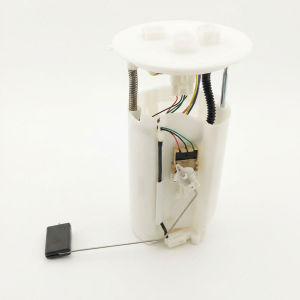
New Aftermarket Parts Available
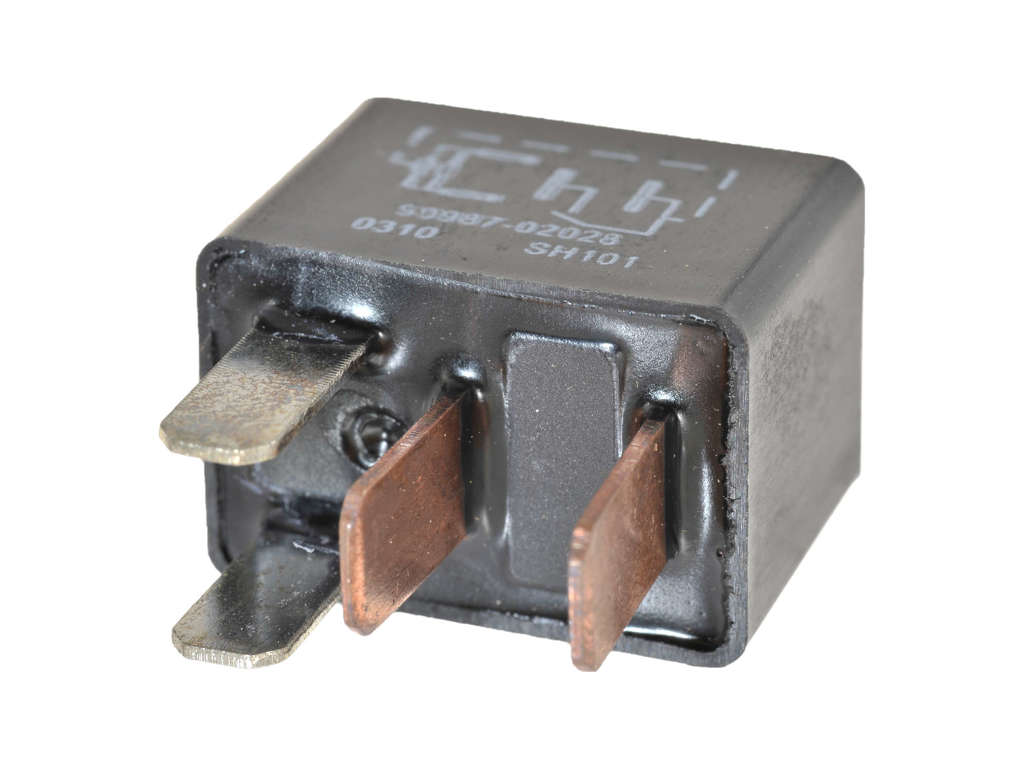
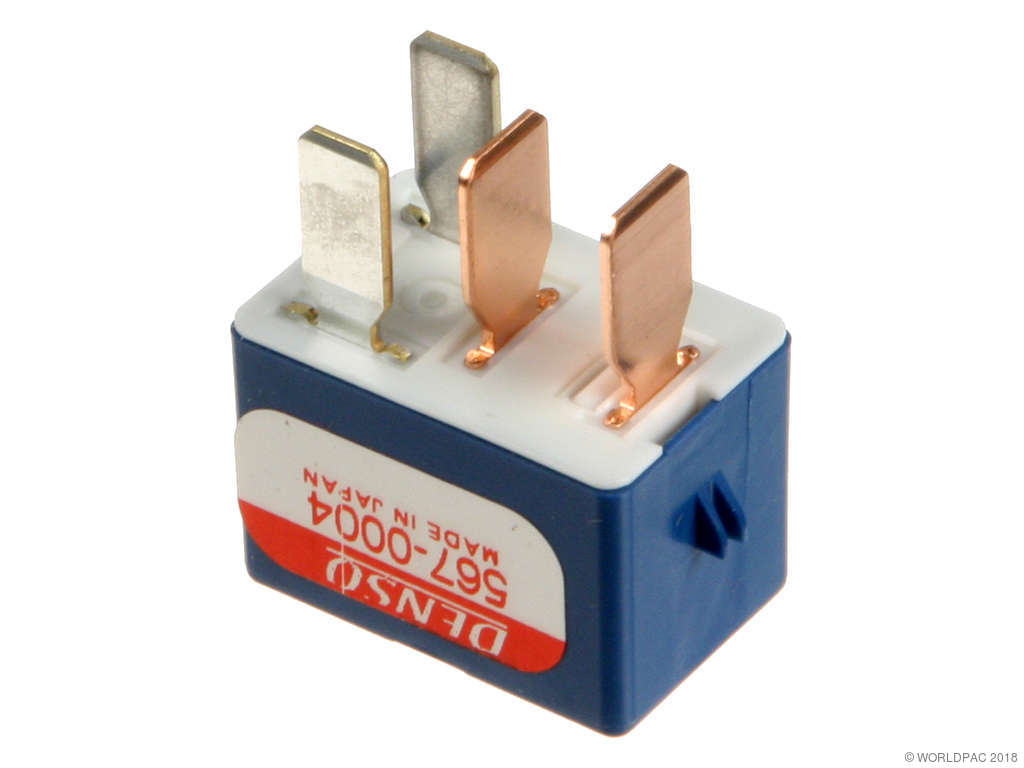

The information in this article is provided for general reference and educational purposes only. Vehicle specifications, procedures, and part compatibility can vary by production date, trim level, and region. Always consult your vehicle's factory service manual and verify part numbers before purchasing or performing repairs. Safety-critical components such as airbags, seat belts, and braking systems should be installed by a qualified professional.
- Lexus RX450h:
- 🧭 Diagnostic Flowchart
- 🎬 Helpful Videos
- 🛍️ Shop This Part
- What's Unique About the 2016-2022 Lexus RX450h
- Symptoms You May Notice
- Most Likely Causes
- Rare But Worth Checking
- Diagnosis Steps
- Parts You'll Likely Need
- Related Codes That Often Appear With This One
- Technical Service Bulletins (TSBs) & Recalls
- Platform-Specific Known Issues
- Mechanic-Grade Diagnostic Values
- Scan Tool Commands That Help
- Wiring & Ground Locations
- Real Owner Repair Stories
- "I Checked Everything" — The Actual Cause
- OEM Part Supersession History
- Other Known Issues on This Vehicle
- Used vs. New Parts: Buying Guide for This Vehicle
- Real Owner Stories
- 2001-2006 Lexus LS (3rd Gen)
- 1998-2005 Lexus GS (2nd Gen)
- 2006 Toyota Highlander Hybrid
- Related OBD-II Codes
- Frequently Asked Questions
- 🎟️ Get 5% Off