

P0171 on 1999-2002 Mercury Cougar: Lean Condition Causes and Fixes
For a 1999-2002 Mercury Cougar, especially with the 2.5L V6, a P0171 code is most often caused by vacuum leaks from aged rubber hoses (like the PCV hose) or failed intake manifold gaskets. Expect to spend $10-$250 on parts, with a DIY difficulty of 3/5.
- P0171 on a 1999-2002 Cougar, especially the V6, is almost always caused by a vacuum leak.
- The most likely culprits are the intake manifold gaskets and the PCV hoses. A smoke test is the best way to confirm the leak's location.
- Do not replace the oxygen sensor first; it is simply reporting the problem.
- If no vacuum leaks are found, the second most likely cause is a dirty Mass Airflow (MAF) sensor, which can often be fixed by cleaning it.
- If you have both P0171 and P0174 codes, it makes a large vacuum leak or a faulty MAF sensor even more probable.
What's Unique About the 1999-2002 Mercury Cougar
The 1999-2002 Cougar, particularly the 2.5L Duratec V6 model, is notorious for developing vacuum leaks as it ages. The plastic and rubber components in the engine bay, such as the upper and lower intake manifold gaskets and various PCV hoses, become brittle from heat and time, leading to cracks and leaks. This issue is so common that Ford issued a Technical Service Bulletin (TSB 01-20-5) to address it. It is very common to see both P0171 (Bank 1) and P0174 (Bank 2) codes appear together, which strongly points to a large, single vacuum leak affecting the entire engine rather than an issue isolated to one bank.
Symptoms You May Notice
- Check Engine Light is on
- Rough or erratic idle, sometimes idling very high or surging
- Hesitation or stumbling during acceleration
- Noticeable lack of engine power
- Reduced fuel economy
- Hissing noise from the engine bay, indicating a vacuum leak
- Engine may stall, especially when coming to a stop
- Engine may run hotter than usual
- Replacing the oxygen (O2) sensor. The O2 sensor is usually doing its job correctly by reporting the lean condition. The P0171 code is the result of what the sensor sees, not the cause of the problem itself. Many owners replace O2 sensors first, only to have the code return because the root cause (usually a vacuum leak) was not addressed.
Most Likely Causes
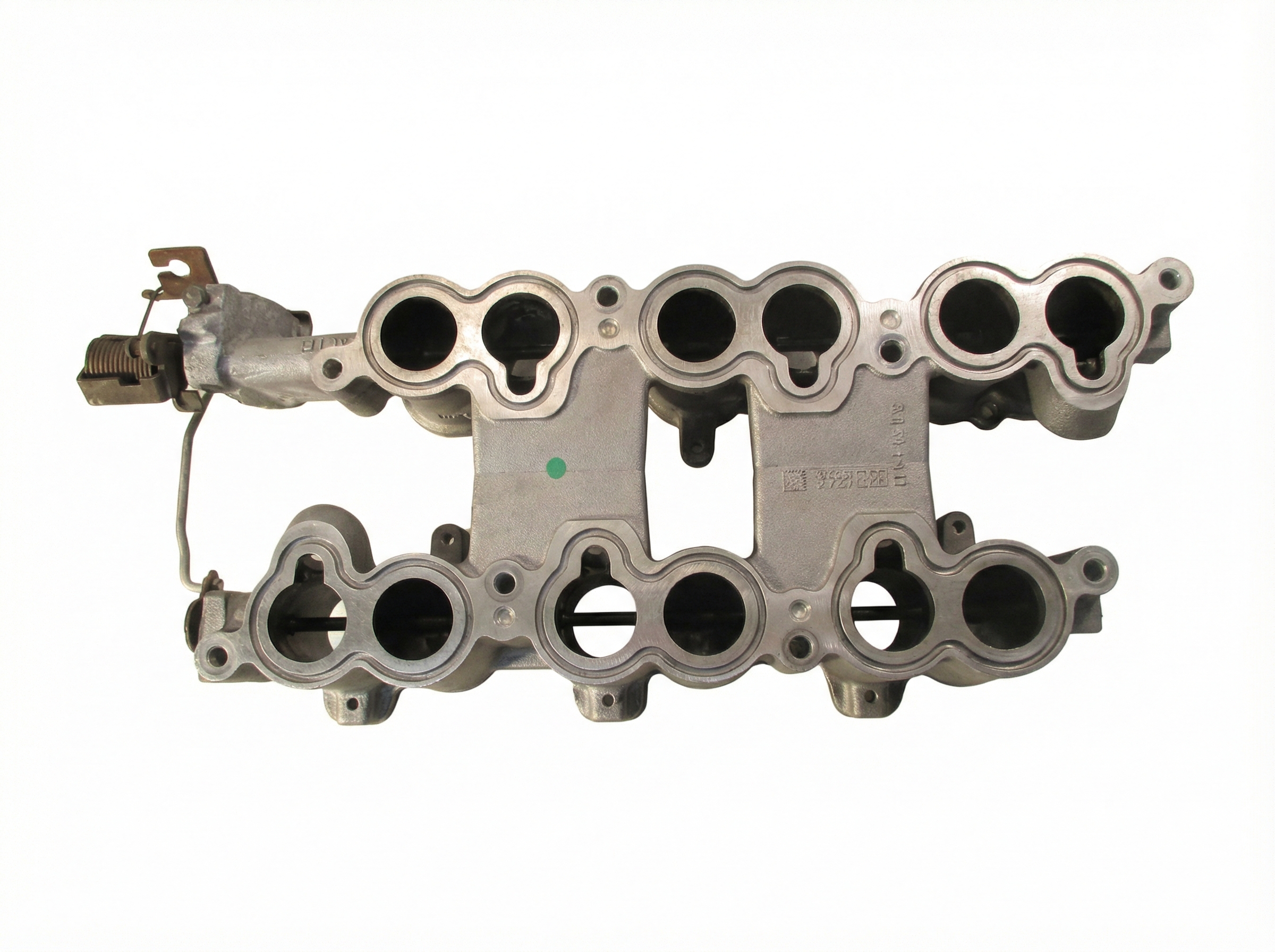
- Vacuum Leaks (Intake Manifold Gaskets, PCV Hoses) 🔴 High Probability The 2.5L Duratec V6 is well-known for intake manifold gasket failures and cracked PCV hoses. The gaskets (both upper and lower) and the PCV elbow hose located under the intake manifold become brittle from heat and age, causing significant unmetered air leaks. This is the most common cause of P0171/P0174 on this platform, as confirmed by owner forums and TSB 01-20-5.
How to confirm: Perform a visual inspection of all vacuum hoses for cracks. Listen for a hissing sound at idle. The most effective method is to use a smoke machine to introduce smoke into the intake system and watch for where it escapes. 🎬 See how to find vacuum leaks using a smoke machine You can also spray a small amount of water or carb cleaner around suspected leak areas; a change in engine idle indicates a leak. A scan tool showing high positive Long Term Fuel Trims (+15% or higher) at idle that decrease when RPMs are raised strongly suggests a vacuum leak.
Typical fix: Replace the failed gaskets or hoses. This often involves removing the upper intake manifold to access the lower gaskets and the PCV hose assembly. It is critical to replace both upper and lower intake gaskets at the same time. Many owners on forums like newcougar.org have documented this DIY repair.
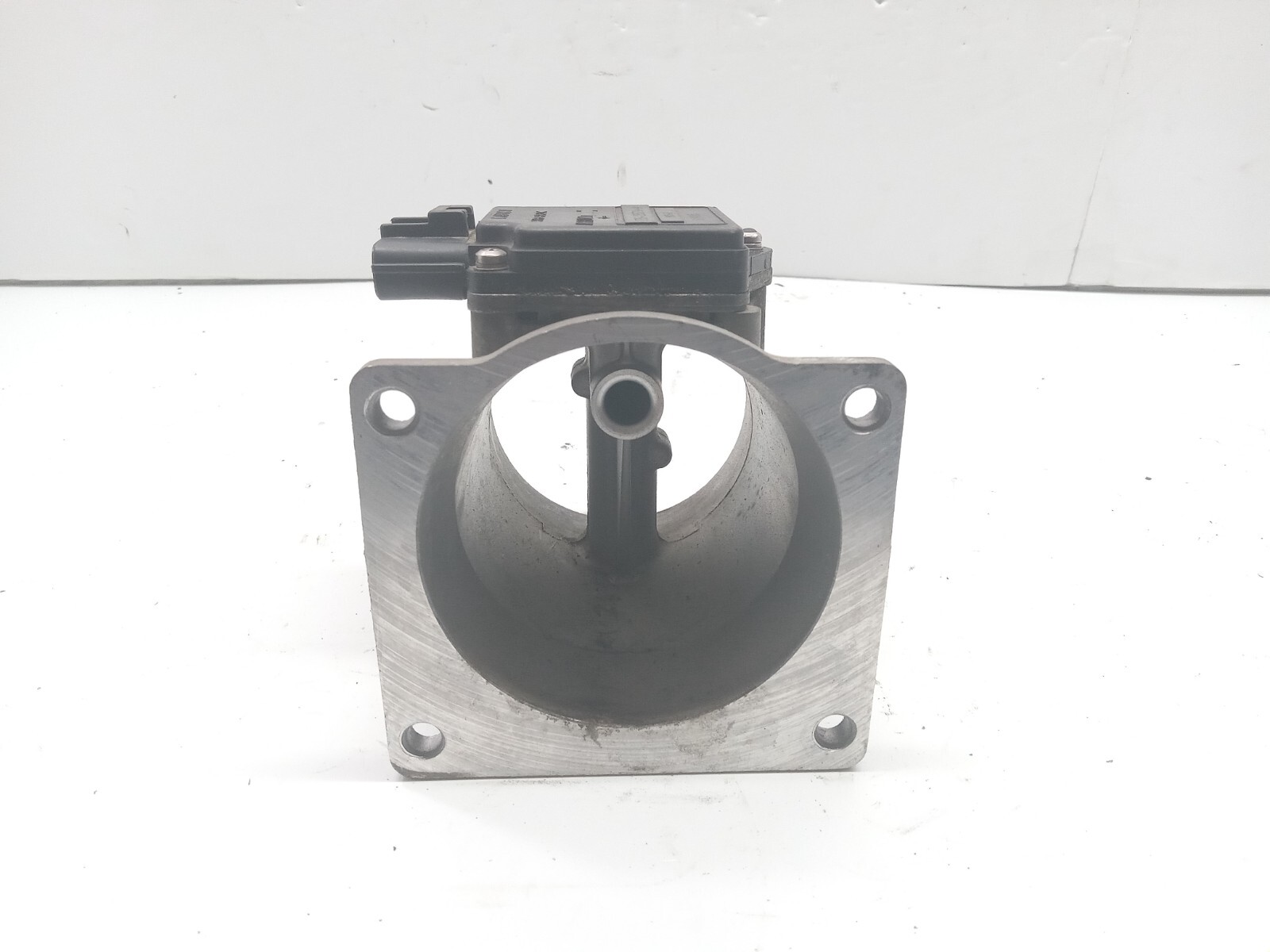
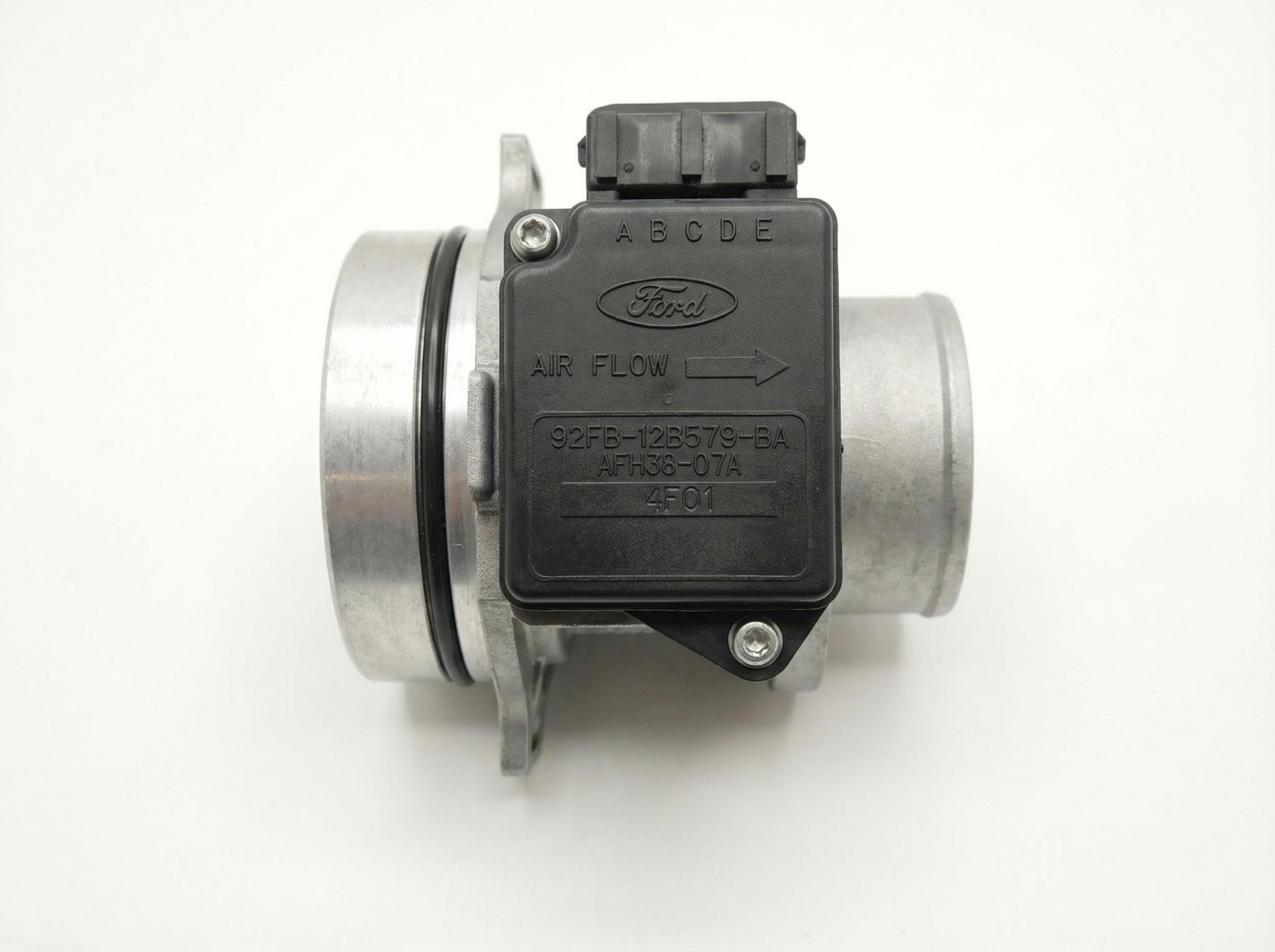
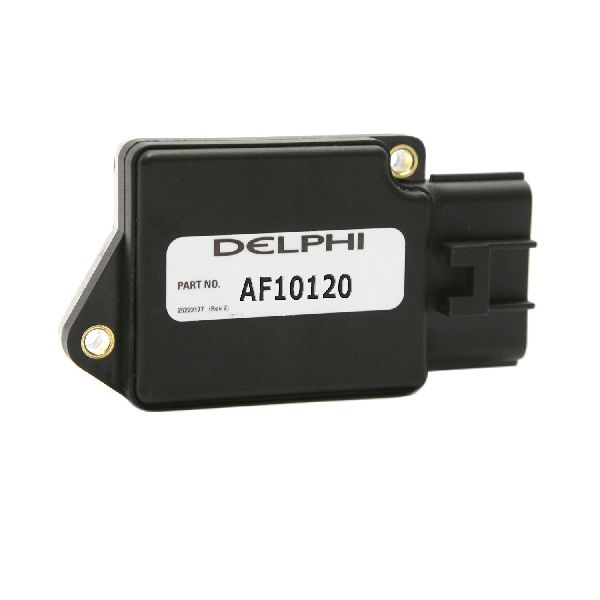
Est. part cost: $25 - $150 - Dirty or Faulty Mass Airflow (MAF) Sensor 🟡 Medium Probability → Shop Fuel Injection Air Flow Meter Oil and dirt can contaminate the MAF sensor's delicate wire, causing it to under-report the amount of air entering the engine. The PCM then injects too little fuel, creating a lean condition.
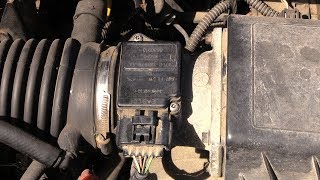
How to confirm: Unplug the MAF sensor with the engine running. If the idle smooths out, the PCM is switching to default values, which strongly points to a faulty MAF. The best first step is to clean the sensor using a dedicated MAF sensor cleaner spray. 🎬 Watch: Easy walkthrough for cleaning your Ford MAF sensor Do not touch the sensor wires.
Typical fix: Clean the MAF sensor with a specialized cleaner. If cleaning does not resolve the issue, the sensor must be replaced.
Est. part cost: $10 (cleaner) - $120 (new sensor) - Low Fuel Pressure ⚪ Low Probability While less common than vacuum leaks, a failing fuel pump or a clogged fuel filter can restrict fuel flow, leading to a lean condition.
How to confirm: Connect a fuel pressure gauge to the fuel rail's test port. Check that the pressure is within the manufacturer's specification (typically 35-65 psi for these Fords, but verify specific specs). Pressure should hold steady under load.
Typical fix: Replace the clogged fuel filter first, as it's an inexpensive maintenance item. If pressure is still low, the fuel pump will likely need to be replaced.
Est. part cost: $15 (filter) - $250 (pump)
Rare But Worth Checking
- Leaking Exhaust Manifold Gasket (Upstream of O2 Sensor): → Shop Exhaust Manifold A leak in the exhaust before the primary oxygen sensor can allow outside air to be drawn into the exhaust stream. This fools the O2 sensor into thinking the engine is running lean, causing the PCM to add unnecessary fuel.
- Faulty DPFE Sensor: On Ford models, a faulty Differential Pressure Feedback (DPFE) sensor for the EGR system can sometimes cause lean codes. It may incorrectly signal the PCM, causing the EGR valve to open at the wrong time and lean out the mixture. While this sensor fails frequently, it more commonly throws a P0401 code.
Diagnosis Steps
- Check for Stored Codes: Use an OBD-II scanner to confirm P0171 and check for any other codes, especially P0174.
- Analyze Fuel Trims: Use a scan tool with live data to view Short Term (STFT) and Long Term (LTFT) Fuel Trims. High positive numbers at idle (e.g., LTFT > +15%) that decrease as you raise the RPM to 2500 RPM are a classic sign of a vacuum leak.
- Inspect for Vacuum Leaks: Visually inspect all vacuum lines, the PCV system hoses (especially the elbow under the intake manifold on the V6), and the air intake boot for cracks or loose connections.
- Listen for Leaks: With the engine running, listen for a distinct hissing sound that would indicate a vacuum leak.
- Perform a Smoke Test: The most reliable way to find a vacuum leak is to use a smoke machine. Introduce smoke into the intake system and look for where it escapes. Pay close attention to the intake manifold gaskets.
- Clean the MAF Sensor: If no vacuum leaks are found, the next step is to clean the Mass Airflow sensor. Disconnect it, remove it from the intake tube, and spray it thoroughly with a dedicated MAF sensor cleaner. Let it dry completely before reinstalling.
- Check Fuel Pressure: If the problem persists, connect a fuel pressure gauge to the fuel rail and verify the pressure is within spec while the engine is running.
- Inspect O2 Sensor Operation: Using a scan tool with live data, observe the upstream O2 sensor voltage. It should fluctuate rapidly between approximately 0.1V and 0.9V. If it's stuck low (lean), it confirms the lean condition, but if it's stuck high, the sensor itself might be faulty (this is rare).
- Inspect Exhaust: Check for any exhaust leaks between the cylinder head and the upstream O2 sensor.
Parts You'll Likely Need
- Intake Manifold Gasket Set (Upper & Lower)
(OEM #YF1Z-9439-AA (Lower Gaskets, verify by VIN))— This is the most common failure point on the 2.5L Duratec V6, causing major vacuum leaks that trigger P0171 and P0174. Ford TSB 01-20-5 addresses this issue with updated gaskets.
Trusted brands: Fel-Pro (MS95731 for the set), Motorcraft
OEM price range: $60-$100
Aftermarket price range: $25-$50 - PCV Hose / Elbow
(OEM #1S7Z-6853-BA (part of assembly, verify))— The rubber elbow for the PCV system, often located under the intake manifold, is known to crack from heat and age, creating a significant vacuum leak.
Trusted brands: Motorcraft, Dorman (e.g., 46027)
OEM price range: $30-$50
Aftermarket price range: $10-$25 - Mass Airflow (MAF) Sensor
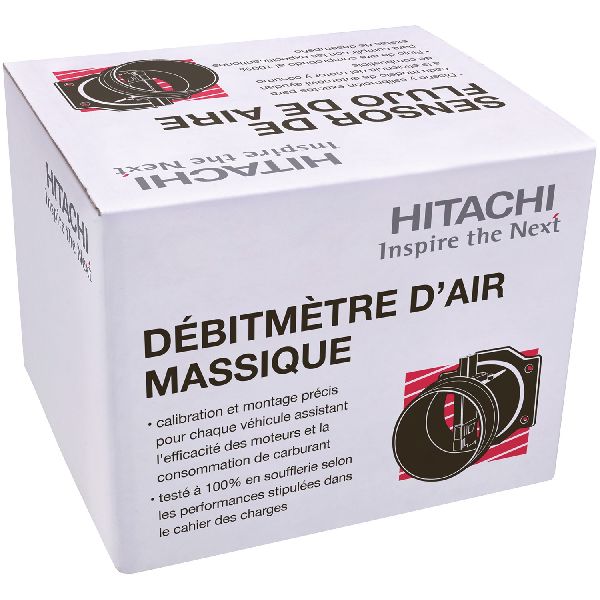
(OEM #Motorcraft AFLS131 (verify by VIN))— If cleaning the original sensor doesn't resolve the issue, the sensor itself may have failed and needs replacement.
Trusted brands: Motorcraft, Hitachi, Bosch
OEM price range: $100-$150
Aftermarket price range: $50-$90 - MAF Sensor Cleaner — Often, the MAF sensor is just dirty and does not need to be replaced. This is an inexpensive first step before replacing the sensor itself.
Trusted brands: CRC, WD-40
OEM price range: $10-$15
Aftermarket price range: $10-$15
Related Codes That Often Appear With This One
- P0174 — P0174 is 'System Too Lean (Bank 2)'. When both P0171 and P0174 are present, it strongly indicates a problem affecting the entire engine, such as a large vacuum leak (intake manifold gasket, PCV hose) or a faulty MAF sensor.
- P1506 — This code indicates 'Idle Air Control Overspeed Error'. A large vacuum leak can cause the engine idle to be much higher than the computer expects, triggering this code alongside the lean codes.
Technical Service Bulletins (TSBs) & Recalls
- TSB 01-20-5: Addresses DTCs P0171 and P0174 on 1999-2001 Cougars with the 2.5L engine. It acknowledges the lean condition and points technicians toward diagnosing vacuum leaks, specifically mentioning the intake manifold gaskets as a likely cause and providing procedures for testing.
Platform-Specific Known Issues
- Ford Technical Service Bulletin (TSB) 01-20-5 was issued for vacuum or air leaks in the intake manifold system causing P0171 and P0174 codes on these vehicles.
- On the 2.5L V6, the intake manifold gaskets and PCV hoses are the most frequent culprits for this code due to the materials becoming brittle over time.
Mechanic-Grade Diagnostic Values
- Fuel Pressure (Key On, Engine Running) — expected: 45 to 60 psi. Failure: Pressure below 45 psi indicates a potential weak fuel pump, clogged filter, or faulty regulator.
- Mass Airflow (MAF) Sensor Reading at Idle (2.5L V6) — expected: Approximately 2.5-3.0 g/s at normal operating temperature with A/C off.. Failure: A significantly lower reading (e.g., <2.0 g/s) suggests a dirty or failing MAF sensor. A reading that doesn't increase smoothly with RPM is also a sign of failure.
- Fuel Injector Resistance (2.5L V6) — expected: 11 to 18 Ohms. Failure: A reading outside this range, or an open/shorted circuit, indicates a faulty injector.
- Upstream Oxygen Sensor Voltage — expected: Fluctuating rapidly between 0.1 and 0.9 Volts. Failure: A sensor that is stuck low (e.g., < 0.2V) confirms a lean condition is being detected. A sensor that is stuck high or does not fluctuate indicates a faulty sensor.
Scan Tool Commands That Help
- FORScan: PATS Programming — While not a direct diagnostic for P0171, FORScan is a powerful, near-dealer-level tool for Fords. Its PATS (Passive Anti-Theft System) programming function is useful if the PCM or related security components are ever replaced during extensive troubleshooting, as it allows key relearning.
Wiring & Ground Locations
- Engine to Chassis Ground Strap — A primary ground strap connects the engine block to the vehicle's chassis/frame. A poor connection here can cause a multitude of electrical issues, including incorrect sensor readings that could contribute to a P0171 code.. The PCM and its sensors rely on a stable ground reference. A faulty ground can introduce voltage offsets and noise, causing sensors like the MAF and O2 sensors to provide inaccurate data, leading the PCM to miscalculate fuel trims.
- Battery Negative to Chassis Ground — The main negative battery cable connects directly to the vehicle's chassis, often near the battery tray or on the inner fender.. This is the master ground for the entire electrical system. Corrosion or a loose connection here can affect every component, including the fuel pump and PCM, potentially causing low fuel pressure or erratic sensor behavior.
Real Owner Repair Stories
- Ford Truck Enthusiasts Forums (2013 E350 with 6.8L V10 (Similar Ford lean code diagnostic principles apply)) — Check Engine Light with P0171 and P0174, rough idle, and stalling.
❌ Tried (didn't work) Visual inspection of PCV valve and hose., Visual inspection of intake boot., Spraying carb cleaner around the throttle body did not reveal the leak.
✅ What actually fixed it After hearing a hiss from the rear of the engine, the owner removed the engine cover ('dog house') and found a small, deteriorated rubber plug over an unused vacuum tube on the back of the intake assembly. Covering the hole with a finger immediately smoothed the idle. The final fix was replacing this rotted plug.
Model Year Variations Within This Range
- 2001-2002: For the 2001 model year, the Cougar received a facelift that included a new front fascia, grille, headlights, and a revised interior with a new steering wheel and instrument faces. While the core 2.5L Duratec V6 engine and its common P0171 failure points (intake gaskets, PCV hoses) remained the same, wiring or connector variations related to the updated components are possible, though not commonly cited as a cause for this specific code.
Diagnostic Flowchart
Other Known Issues on This Vehicle
Issues unrelated to this code that are worth knowing about as an owner of this generation:
- Timing Chain Driven Water Pump Failure 🔴 High — A known design flaw of the Duratec V6 family. Failure can occur at any point, often after 80,000 miles. When it fails, it leaks coolant directly into the engine oil, which can quickly lead to catastrophic engine damage if not caught immediately.
- CD4E Automatic Transmission Failure 🔴 High — The CD4E transmission has a reputation for premature failure, including slipping, harsh shifts, and torque converter issues. Problems can arise before 100,000 miles. (Ref: Various TSBs and a recall on some remanufactured units exist for related Ford models.)
- Alternator Failure due to Oil Contamination 🟠 Medium — The alternator is located below the valve covers on the V6. Leaking valve cover gaskets (another common issue) drip oil directly onto the alternator, causing premature failure.
- Intake Manifold Runner Control (IMRC) Failure 🟡 Low → Shop Engine Intake Manifold — The plastic clips on the IMRC actuator linkage can become brittle and break, or the actuator itself can fail. This results in a loss of power, particularly in the upper RPM range, and may or may not set a specific IMRC trouble code.
- Premature Wheel Bearing Failure 🟡 Low — Many owners report replacing front and/or rear wheel bearings more frequently than expected, characterized by a loud humming or grinding noise that changes with vehicle speed.
Used vs. New Parts: Buying Guide for This Vehicle
When a used part is the smart pick: For this repair, sourcing used parts is generally not recommended for the most common failure items. However, if a larger component like the entire upper intake manifold is needed due to damage, a used assembly from a low-mileage donor car could be a cost-effective option, but the gaskets should still be replaced with new ones.
Donor-vehicle mileage cap: roughly under 80000 miles for the part to have meaningful remaining life.
What to inspect on the donor part:
- For an intake manifold, check for any cracks, especially around mounting points and plastic seams.
- Ensure all threaded inserts are intact and not stripped.
- Avoid parts that show signs of extreme heat exposure (discoloration, warping) or heavy oil contamination.
OEM-only on this vehicle (don't cheap out):
- Intake Manifold Gaskets: Given the high failure rate of the original design, it is critical to use new, preferably updated-design gaskets (like those from Fel-Pro or the revised Motorcraft parts) rather than used ones.
- PCV Hoses and Elbows: These rubber and plastic parts fail from heat and age. A used part will have similar wear and is likely to fail soon after installation.
Aftermarket brands forum-validated for this vehicle:
- Fel-Pro for intake gasket sets (e.g., MS95731).
- Motorcraft for OEM replacement sensors and hoses.
- Bosch or Hitachi for MAF sensors if replacement is needed.
Brands owners have reported issues with on this vehicle:
- Unbranded, 'white-box' sensors (MAF, O2) from online marketplaces often have high failure rates and may not be calibrated correctly for the vehicle, causing persistent issues.
Real Owner Stories
Aggregated from forums and TSBs cited above. Mileages and costs reflect what owners reported in those sources.
1999-2002 Mercury Cougar 2.5L V6
Symptoms: The official P0171/P0174 thread details collective wisdom on solving these codes, focusing heavily on intake gaskets that become brittle from heat and age.
What fixed it: Replacing the failed upper and lower intake manifold gaskets and the PCV hose assembly.
Source hint: https://www.newcougar.org/threads/the-official-p0171-p0174-thread.129497/
2002-2008 Jaguar X-Type 2.5L V6
Symptoms: Bank 1 and 2 lean codes (P0171/P0174) caused by the identical engine design architecture as the Cougar.
What fixed it: Fixing vacuum leaks from the intake manifold gaskets, PCV hose, and brake booster hose.
Source hint: https://www.jag-lovers.org/t/x-type-codes-p0171-p0174-bank-1-2-to-lean-intake-manifold-leak/255146
1995-2000 Ford Contour 2.5L Duratec V6
Symptoms: Dreaded P0171 and P0174 lean codes appearing on the CDW27 platform.
What fixed it: Troubleshooting and repairing vacuum leaks, which are the primary suspect for this engine family.
Source hint: https://www.fordcontour.org/threads/dreaded-p0171-and-p0174.52627/
Related OBD-II Codes
Frequently Asked Questions
Does TSB 01-20-5 apply to my 1999-2001 Mercury Cougar with the 2.5L engine?
I hear a hissing noise from my Cougar's engine bay along with the P0171 code; what is that?
Should I replace just the upper intake gaskets on my 2.5L V6 to fix this code?
Can I just clean the MAF sensor on my Cougar instead of buying a new one?
Is the P0171 code on my Mercury Cougar related to the common water pump issues?
Why does my Cougar stall when I come to a stop with the Check Engine Light on?
Helpful Videos
Used OEM Parts in Stock
New Aftermarket Parts Available


The information in this article is provided for general reference and educational purposes only. Vehicle specifications, procedures, and part compatibility can vary by production date, trim level, and region. Always consult your vehicle's factory service manual and verify part numbers before purchasing or performing repairs. Safety-critical components such as airbags, seat belts, and braking systems should be installed by a qualified professional.
- Mercury Cougar:
- 🧭 Diagnostic Flowchart
- 🎬 Helpful Videos
- 🛍️ Shop This Part
- What's Unique About the 1999-2002 Mercury Cougar
- Symptoms You May Notice
- Most Likely Causes
- Rare But Worth Checking
- Diagnosis Steps
- Parts You'll Likely Need
- Related Codes That Often Appear With This One
- Technical Service Bulletins (TSBs) & Recalls
- Platform-Specific Known Issues
- Mechanic-Grade Diagnostic Values
- Scan Tool Commands That Help
- Wiring & Ground Locations
- Real Owner Repair Stories
- Model Year Variations Within This Range
- Other Known Issues on This Vehicle
- Used vs. New Parts: Buying Guide for This Vehicle
- Real Owner Stories
- 1999-2002 Mercury Cougar 2.5L V6
- 2002-2008 Jaguar X-Type 2.5L V6
- 1995-2000 Ford Contour 2.5L Duratec V6
- Related OBD-II Codes
- Frequently Asked Questions
- 🎟️ Get 5% Off