

P0171 on 2000-2002 Saturn S-Series SOHC: Lean Condition Causes and Fixes
For a 2000-2002 Saturn S-Series with a SOHC engine, a P0171 code is most often caused by a leaking intake manifold gasket, a known issue for these cars. This leak is frequently a factory defect where the gasket was wrinkled upon installation. Other likely causes include a clogged fuel filter or a failing front oxygen sensor.
- Start your diagnosis by checking for a vacuum leak at the intake manifold gasket; this is the most likely cause for P0171 on your Saturn S-Series.
- Do not replace the oxygen sensor until you have ruled out vacuum leaks and fuel delivery problems.
- Check fuel pressure. If it's below 51 PSI, the clogged fuel filter (which includes the regulator) is a strong possibility.
- Symptoms like a rough/high idle, hesitation, and stalling are common with this code and point towards a significant air/fuel mixture imbalance.
What's Unique About the 2000-2002 Saturn S-Series
The 2000-2002 S-Series, particularly with the SOHC engine, is well-known in owner communities for developing vacuum leaks at the intake manifold gasket. Forum discussions and repair videos frequently point to this as the primary cause of a P0171 code, sometimes even on cars that came from the factory with a wrinkled or improperly seated gasket, especially near the #1 cylinder. While other causes are possible, this specific gasket failure is a very common starting point for diagnosis on this platform.
Symptoms You May Notice
- Check Engine Light is on
- Rough or high idle, sometimes surging
- Engine hesitation or stumbling on acceleration
- Misfiring, which may feel like a sputter or shake, especially from cylinder #1
- Engine stalling, especially at idle or when coming to a stop
- Reduced fuel economy
- Long crank time before the engine starts
- A 'putt putt' sound from the exhaust due to misfires
- Replacing the oxygen sensor before checking for vacuum leaks or low fuel pressure. An O2 sensor will correctly report a lean condition caused by another issue, so replacing it won't fix the root problem.
Most Likely Causes
- Leaking Intake Manifold Gasket 🔴 High Probability → Shop Engine Intake Manifold The gasket design on the 1.9L SOHC engine is a widely documented failure point. It's often found to be leaking near the #1 cylinder because the gasket is thinnest there. Many sources claim this was often an assembly line error, with the gasket being installed incorrectly from the factory.
How to confirm: With the engine running, carefully spray short bursts of brake cleaner, starting fluid, or unlit propane around the area where the intake manifold meets the cylinder head, focusing on the #1 cylinder (driver's side). If the engine's idle speed changes or smooths out, a vacuum leak is present.
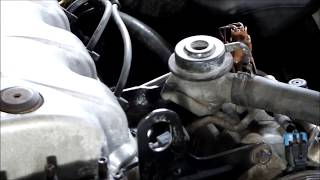
Typical fix: Replace the intake manifold gasket set. 🎬 Watch: How a bad intake gasket causes high idle and misfires. The intake manifold nuts should be torqued to 22 ft-lbs. Many owners recommend using the redesigned Fel-Pro gasket (part number MS 96134-1 or MS 94286) as it is considered more robust than the original.
Est. part cost: $15-$40 - Clogged Fuel Filter 🟡 Medium Probability → Shop Fuel Filter The fuel filter is a maintenance item that is often neglected. For the 1998-2002 models, the fuel filter also contains the fuel pressure regulator, making it a critical and more complex component for fuel delivery.
How to confirm: Perform a fuel pressure test. For 1998-2002 models, the specification is often cited as being higher than earlier models due to the integrated regulator. While Pass 1 stated 51-61 PSI, other sources point to a lower spec for S-series in general (38-44 PSI with key on, engine off). A low reading points to a fuel delivery problem, likely the filter/regulator assembly or the pump.
Typical fix: Replace the fuel filter and its integrated bracket. It is located in front of the driver's side rear wheel.
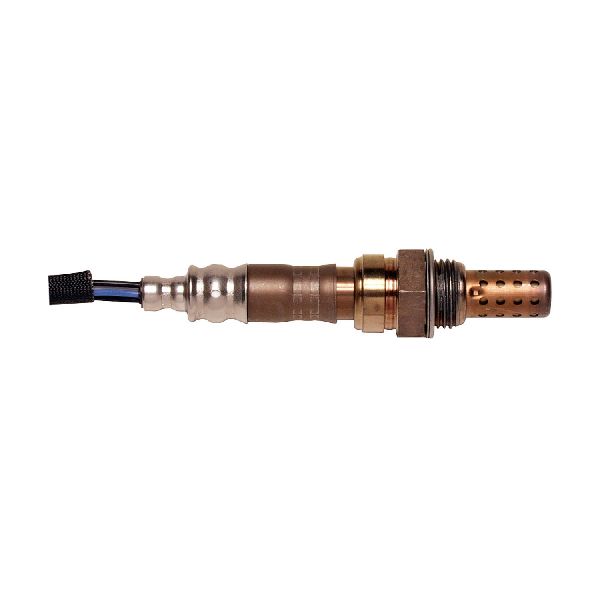
Est. part cost: $65-$95 - Failing Upstream Oxygen (O2) Sensor ⚪ Low Probability → Shop Oxygen Sensor O2 sensors are wear items that become slow and inaccurate with age. A failing sensor can incorrectly report a lean condition to the PCM, but this should be suspected only after ruling out vacuum leaks and fuel issues.
How to confirm: Use a scan tool to observe the live data for the upstream (Bank 1, Sensor 1) O2 sensor. A healthy sensor's voltage should fluctuate rapidly between approximately 0.1 and 0.9 volts. If the sensor is stuck low or responds very slowly, it is likely faulty. This should be checked after confirming there are no vacuum leaks or fuel pressure issues.
Typical fix: Replace the upstream oxygen sensor.
Est. part cost: $30-$80 - Cracked or Disconnected Vacuum Hoses ⚪ Low Probability → Shop Vacuum Hose With age, rubber vacuum lines can become brittle, dry-rotted, and crack, creating unmetered air leaks. The PCV hose, which connects to the cam cover and intake manifold, is a common culprit.
How to confirm: Visually inspect all vacuum hoses connected to the intake manifold for cracks, splits, or loose connections. Pay close attention to the PCV valve and its hose. You can also use the spray method described for the intake gasket to check hoses.
Typical fix: Replace the damaged section of vacuum hose or the PCV valve and grommet if they are leaking.
Est. part cost: $5-$20
Rare But Worth Checking
- Weak Fuel Pump: → Shop Fuel Pump While the fuel filter is more common, a failing fuel pump can also cause low fuel pressure and a P0171 code. If a new filter doesn't solve a low-pressure issue, the pump is the next logical suspect. A long crank time before starting can be a symptom.
- Dirty or Faulty Mass Airflow (MAF) Sensor: → Shop Fuel Injection Air Flow Meter A dirty MAF sensor can under-report the amount of air entering the engine, causing the PCM to inject too little fuel. Cleaning the sensor with dedicated MAF sensor cleaner is a good diagnostic step before considering replacement.
- Leaking Exhaust Manifold/Gasket: → Shop Exhaust Manifold A crack or leak in the exhaust manifold or gasket before the upstream O2 sensor can allow outside oxygen to be pulled into the exhaust stream. The O2 sensor will read this extra oxygen and incorrectly report a lean condition to the PCM.
Diagnosis Steps
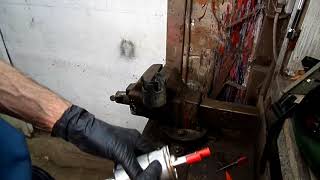
- Read the code with an OBD-II scanner and check for any other codes. 🎬 Watch: A helpful guide to diagnosing and fixing P0171 lean codes. Freeze frame data can show the engine conditions when the code was set.
- Visually inspect the engine bay for any obvious disconnected or cracked vacuum hoses, especially the PCV hose from the cam cover to the intake manifold and the intake air duct.
- Perform a vacuum leak test. With the engine idling, carefully spray short bursts of brake cleaner or unlit propane around the intake manifold gasket (especially near cylinder #1), throttle body base, and all vacuum line connections. Listen for any change in engine idle.
- If no vacuum leaks are found, check the fuel pressure. Connect a fuel pressure gauge. For 2000-2002 models with the integrated regulator/filter, pressure should be checked against the correct specification (conflicting reports exist, but a range of 38-44 PSI KOEO is a common GM spec for similar systems). If pressure is low, suspect the clogged fuel filter/regulator assembly first, then the fuel pump.
- If vacuum and fuel pressure are good, inspect and clean the Mass Airflow (MAF) sensor using a dedicated MAF sensor cleaner. Do not touch the delicate sensor wires.
- If the code persists, use a scan tool to monitor the upstream O2 sensor voltage. If it is stuck low (below 0.45V) or responds sluggishly, it may need replacement.
- As a final, less common check, inspect the exhaust manifold for cracks or leaks before the upstream O2 sensor. A leak here can introduce oxygen and fool the sensor into reading lean.
Parts You'll Likely Need
- Intake Manifold Gasket Set
(OEM #21009471)— This is the most frequent cause of P0171 on the S-Series SOHC engine due to a common design flaw and factory installation issue leading to vacuum leaks.
Trusted brands: Fel-Pro (MS 96134-1 or MS 94286), Mahle (MS19476), ACDelco
OEM price range: $25-$50
Aftermarket price range: $15-$40 - Fuel Filter
(OEM #21009427)— A clogged filter restricts fuel flow, causing low pressure and a lean condition. On 1998-2002 models, it includes the pressure regulator, making it a critical part.
Trusted brands: ACDelco, Wix, Purolator
OEM price range: $75-$100
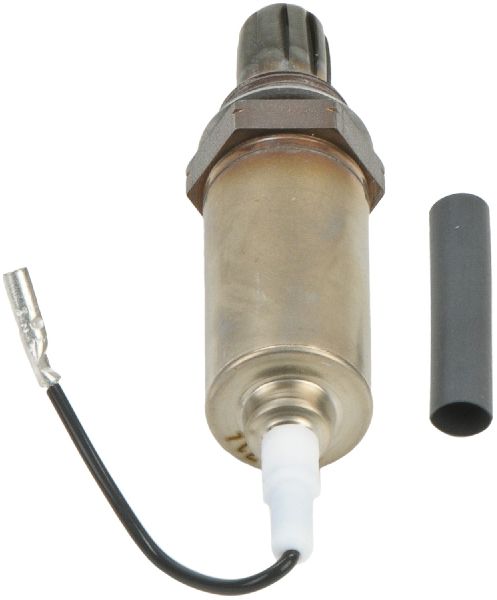
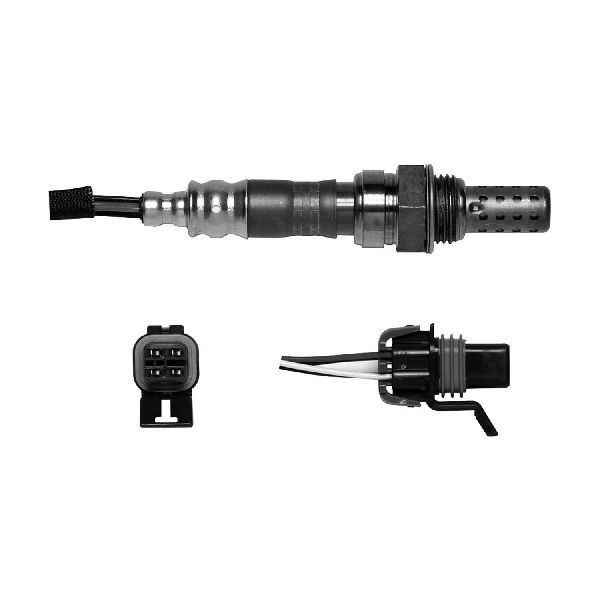
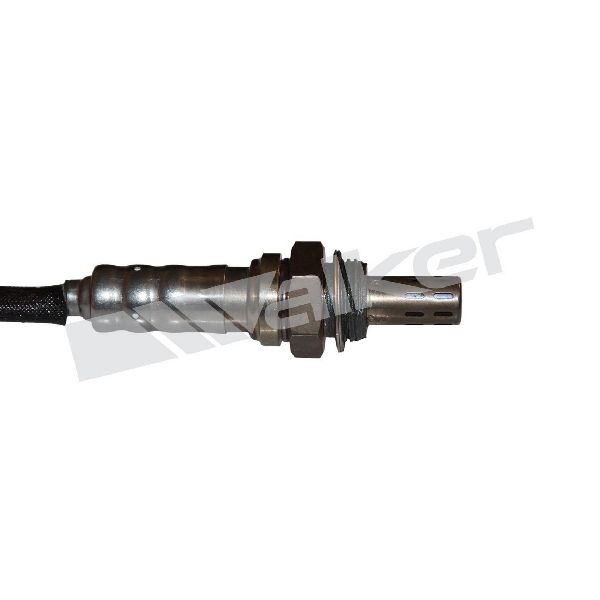
Aftermarket price range: $60-$90 - Upstream Oxygen Sensor — A lazy or failed sensor can send false lean signals to the computer. It should only be replaced after ruling out vacuum leaks and fuel delivery issues.
Trusted brands: Denso, Bosch, NGK/NTK
OEM price range: $60-$100
Aftermarket price range: $30-$80
Related Codes That Often Appear With This One
- P0300 — A lean condition can cause misfires. If the leak is severe, especially near one cylinder (like a bad intake gasket), it can lead to a P0301 (Cylinder 1 Misfire) or P0300 (Random/Multiple Misfire).
- P0507 — This code for 'Idle Air Control System RPM Higher Than Expected' is often caused by a vacuum leak, as the unmetered air entering the engine causes the idle to hang high. A leaking intake manifold gasket is a common cause for both P0507 and P0171.
Technical Service Bulletins (TSBs) & Recalls
- No specific TSB for P0171 on this exact model and cause was found in the search. However, other GM TSBs for lean codes often point to vacuum leaks or EVAP system issues. For example, TSB 02-06-04-037 addresses EVAP system blockages which can sometimes cause fuel trim issues, but it is not a direct fix for this common intake leak problem.
- A manufacturer service bulletin for other Saturn models (referenced in NHTSA ODI #10050888) specifically pertains to the Service Engine Soon (SES) light and code P0171 for a "fuel trim system lean" condition, noting that compromised gas mileage is a common result.
Platform-Specific Known Issues
- Factory Defect Intake Gasket: The intake manifold gasket on the 1.9L SOHC engine is notoriously prone to failure. It was often wrinkled or improperly seated during factory assembly, causing a vacuum leak concentrated at the #1 cylinder, which can also trigger misfire codes like P0301.
- Integrated Fuel Filter/Regulator: → Shop Fuel Filter On 1998-2002 models, the fuel pressure regulator is integrated into the fuel filter assembly. This means a simple clogged filter can also cause incorrect fuel pressure regulation, complicating diagnosis slightly compared to older models with a separate regulator on the fuel rail.
Mechanic-Grade Diagnostic Values
- Long Term and Short Term Fuel Trim — expected: The PCM uses a nominal value of 128 for 0% correction. Normal operating range is typically between 101 (-21%) and 147 (+15%).. Failure: A P0171 code will set when the average of the long-term idle and cruise fuel trim cells is 147 (maxed out positive trim) and the short-term fuel trim is also above 128 for 3 seconds.
- Fuel Injector Resistance — expected: 11-13 ohms. Saturns from 1996 onward use high impedance (saturated) injectors.. Failure: A reading significantly outside this range, or an open/shorted reading (OL or near zero ohms), indicates a failed injector coil.
- Mass Airflow (MAF) Sensor Reading — expected: A healthy 1.9L engine should read approximately 1.9-2.5 grams/second (g/s) at a stable, warm idle.. Failure: A reading significantly lower than expected at idle can indicate a dirty or failing MAF sensor, causing the PCM to command less fuel than is needed for the actual air entering the engine.
- Fuel Pressure (1998-2002 models) — expected: While conflicting reports exist, service documentation for returnless systems like this often specifies a higher pressure. One source specifies 55 PSI. However, many general GM specs from the era are 38-44 PSI with Key On, Engine Off (KOEO). Confirmation with a model-specific manual is best.. Failure: Pressure below the specified range indicates a clogged filter/regulator assembly or a weak fuel pump.
Scan Tool Commands That Help
- Tech 2 or equivalent professional scanner: Fuel Trim Reset — After performing a repair for a vacuum leak or fuel system fault, resetting the fuel trims forces the PCM to relearn the fuel strategy immediately. This helps confirm if the fix was successful without waiting for the long-term trims to adjust over several drive cycles.
- Tech 2 or equivalent professional scanner: EVAP Purge/Seal — To test if the EVAP canister purge solenoid is stuck open (a potential vacuum leak), you can command it closed with the scan tool. If the fuel trims improve or the idle smoothes out when the valve is commanded shut, the solenoid is faulty and needs replacement.
Wiring & Ground Locations
- Engine Harness Chafe Point — Behind the driver's side wheel well liner, the main engine harness can chafe against the ECM/TCM bracket, the upper control arm, and a shock tower bolt.. Chafing in this area can short out various sensor wires, including those for the O2 sensor or ECT sensor, leading to erratic signals and potentially triggering a lean code. A GM service bulletin addresses this by adding protective sleeves and zip ties.
- PCM Ground — On the 1999-2002 PCM, Pin 1 of the C1 (Clear/Blue) connector is a primary PCM ground (BLK/WHT wire).. A poor PCM ground can cause floating reference voltages for all sensors, leading to incorrect readings from the O2 sensor, ECT, and MAF, which can trick the PCM into diagnosing a lean condition.
- Upstream O2 Sensor Signal — The signal wire for the upstream O2 sensor (Bank 1 Sensor 1) runs to Pin 29 of the C1 (Clear/Blue) connector on the PCM. It is a TAN/WHT or TAN wire.. When diagnosing a suspected bad O2 sensor, you can test for continuity and voltage directly at this pin to rule out wiring issues between the sensor and the PCM.
Real Owner Repair Stories
- Saturnfans.com forum user (2001 Saturn SL1 SOHC) — High, surging idle, P0171 code, and a 'putt putt' sound from the exhaust.
❌ Tried (didn't work) Replacing spark plugs and wires, Replacing the ignition coil packs
✅ What actually fixed it The intake manifold gasket was found to be leaking at the #1 cylinder. Replacing the gasket resolved the high idle, misfire sound, and the P0171 code. - NHTSA ODI #11389677: An owner of a Saturn vehicle reported simultaneously receiving codes P0171 and P2138, along with an air bag malfunction code.
"I Checked Everything" — The Actual Cause
- In some cases, a smoke test may not reveal a small crack in the exhaust manifold or a leak at the manifold-to-head gasket located before the upstream O2 sensor. This leak allows oxygen to be sucked into the exhaust stream, fooling the O2 sensor into reading lean. The fix is to carefully inspect the exhaust manifold for hairline cracks or replace the gasket.
OEM Part Supersession History
21009471 (OEM)→Fel-Pro MS 96134-1 or MS 94286— The Fel-Pro gaskets are widely considered by the Saturn community to be a more robust, redesigned part that is less prone to the wrinkling and premature failure of the original OEM gasket.
Heads up: While both Fel-Pro part numbers are often listed, MS 94286 is specified for the SOHC engine, whereas other kits may be for the DOHC. It's critical to verify the application. MS 94286 is listed as correct for the 2000-2002 SL1 (SOHC).
Model Year Variations Within This Range
- 1998-2002: Starting in 1998, the S-Series switched to a returnless fuel system where the fuel pressure regulator was integrated with the fuel filter, located under the car near the fuel tank. This is different from 1991-1997 models which had a fuel return line and a regulator on the fuel rail in the engine bay.
- 1999-2002: The engine block, pistons, and connecting rods were redesigned for the 1999 model year to address oil consumption issues. While this doesn't directly cause a P0171, it's a notable internal engine change within the S-Series lifespan.
Diagnostic Flowchart
Real Owner Stories
Aggregated from forums and TSBs cited above. Mileages and costs reflect what owners reported in those sources.
2000-2002 Saturn S-Series SOHC
Symptoms: Check Engine Code P0171 with rough starts and idle.
What fixed it: Replacing the wrinkled intake manifold gasket that came improperly installed from the factory.
Source hint: Reddit - r/Saturn_Cars: 'Check Engine Code P0171 with rough starts and idle.'
2000+ Saturn S-Series SOHC
Symptoms: High idle and engine misfire.
What fixed it: Diagnosed the vacuum leak using propane and replaced the intake manifold gasket, which had been installed incorrectly on the manufacturing assembly line.
Source hint: YouTube - carquestions: 'Fix Saturn High Idle, Miss-fire - Its The Intake Manifold Gasket'
2001 Saturn SL1
Symptoms: High idle and the vehicle not starting.
What fixed it: Replaced a faulty intake gasket which fixed the issue and returned everything to normal (though a different issue mimicked the symptoms a year later).
Source hint: SaturnForum.com - '‘01 SL1 not starting'
Saturn S-Series 1.9L SOHC
Symptoms: Engine misfire specifically on cylinder #1.
What fixed it: Replaced the intake manifold gasket and torqued the intake bolts to 22 ft-lbs.
Source hint: BobIsTheOilGuy.com - 'Saturn Intake Manifold Gasket'
Related OBD-II Codes
Frequently Asked Questions
Is there a specific replacement gasket recommended for the 1.9L SOHC intake manifold leak?
Why does my 2000-2002 Saturn S-Series have a P0171 code and a misfire specifically on cylinder #1?
What should the fuel pressure be on my 2000-2002 Saturn S-Series when diagnosing P0171?
Does GM TSB 02-06-04-037 apply to the common intake gasket failure on this car?
What is the correct torque spec for the intake manifold bolts when replacing the gasket?
Helpful Videos

We Have This Part in Stock


The information in this article is provided for general reference and educational purposes only. Vehicle specifications, procedures, and part compatibility can vary by production date, trim level, and region. Always consult your vehicle's factory service manual and verify part numbers before purchasing or performing repairs. Safety-critical components such as airbags, seat belts, and braking systems should be installed by a qualified professional.
- Saturn S-Series:
- 🧭 Diagnostic Flowchart
- 🎬 Helpful Videos
- 🛍️ Shop This Part
- What's Unique About the 2000-2002 Saturn S-Series
- Symptoms You May Notice
- Most Likely Causes
- Rare But Worth Checking
- Diagnosis Steps
- Parts You'll Likely Need
- Related Codes That Often Appear With This One
- Technical Service Bulletins (TSBs) & Recalls
- Platform-Specific Known Issues
- Mechanic-Grade Diagnostic Values
- Scan Tool Commands That Help
- Wiring & Ground Locations
- Real Owner Repair Stories
- "I Checked Everything" — The Actual Cause
- OEM Part Supersession History
- Model Year Variations Within This Range
- Real Owner Stories
- 2000-2002 Saturn S-Series SOHC
- 2000+ Saturn S-Series SOHC
- 2001 Saturn SL1
- Saturn S-Series 1.9L SOHC
- Related OBD-II Codes
- Frequently Asked Questions
- 🎟️ Get 5% Off