

P0171 on 2008-2015 Scion xB: System Too Lean Causes and Fixes
On a 2008-2015 Scion xB, code P0171 is most often caused by a leaking intake manifold gasket, a known issue with the 2AZ-FE engine where the original gasket hardens and fails. Other common causes include a dirty Mass Airflow (MAF) sensor or other vacuum leaks, like a cracked PCV hose. The gasket is an inexpensive part, but labor can be moderate.
- For a 2008-2015 Scion xB, P0171 is most likely a vacuum leak.
- The two most probable causes are a dirty Mass Airflow (MAF) sensor and a leaking intake manifold gasket.
- Always start by cleaning the MAF sensor with dedicated cleaner; it's cheap and easy.
- If cleaning the MAF doesn't work, the next step should be a smoke test to find the vacuum leak, focusing on the intake manifold gasket.
- Avoid replacing the expensive Air/Fuel Ratio (oxygen) sensor until all potential vacuum leaks and fuel delivery issues have been ruled out.
What's Unique About the 2008-2015 Scion xB
The 2008-2015 Scion xB uses the Toyota 2AZ-FE engine, which is well-known for having a plastic intake manifold with a gasket that is prone to failure. The original gasket material becomes hard and brittle over time, losing its seal and creating a significant vacuum leak. This specific gasket leak is a very common cause of P0171 on this platform, more so than on many other vehicles. While other causes like a dirty MAF sensor are still possible, the intake gasket should be a primary suspect during diagnosis, especially on higher-mileage vehicles.
🎬 Watch: A diagnostic walkthrough for the P0171 code on a Scion xB.Symptoms You May Notice
- Check Engine Light is on (may be accompanied by VSC/Trac lights)
- Rough or erratic idle, may dip low or hunt for idle speed
- Hesitation or stumbling during acceleration, can feel like a 'bucking' sensation
- Poor fuel economy
- Engine stalling, especially when coming to a stop
- A whistling or hissing sound from the engine bay, indicating a vacuum leak
- Slightly longer crank time before the engine starts
- Replacing the upstream Air/Fuel Ratio (oxygen) sensor without first diagnosing for vacuum leaks or fuel delivery issues. The sensor is often just doing its job by reporting the lean condition.
- Replacing the MAF sensor without first attempting to clean it with a dedicated cleaner.
Most Likely Causes
- Leaking Intake Manifold Gasket 🔴 High Probability → Shop Engine Intake Manifold The 2AZ-FE engine's original intake manifold gasket is a very common failure point. The gasket material hardens with age and heat cycles, becoming brittle and losing its ability to seal, which allows unmetered air to enter the engine and directly cause a lean condition.
How to confirm: Perform a smoke test on the intake system for the most definitive diagnosis. Alternatively, with the engine running, carefully spray short bursts of brake cleaner or a propane torch (unlit) around the area where the intake manifold meets the cylinder head. If the engine's idle speed changes or smooths out, a leak is present. Many owners report the old gasket is noticeably hardened upon removal.
Typical fix: Replace the intake manifold gasket. It is recommended to clean the throttle body and intake manifold surfaces thoroughly during the repair.
Est. part cost: $15-$40 - Dirty or Faulty Mass Airflow (MAF) Sensor 🔴 High Probability → Shop Fuel Injection Air Flow Meter The MAF sensor measures the air entering the engine. If the sensing element is contaminated with dirt or oil, it will under-report the amount of air, causing the ECU to inject too little fuel. This is a very common first step in diagnosis due to its ease of access.
How to confirm: Remove the sensor and inspect the small wires inside. If they appear dirty, clean them ONLY with dedicated MAF sensor cleaner. Do not touch the wires. After cleaning and reinstalling, reset the ECU and monitor fuel trims. If cleaning doesn't resolve the issue, the sensor may be faulty and require replacement.
Typical fix: Clean the MAF sensor with a dedicated cleaner. If the problem persists, replace the sensor, preferably with an OEM or Denso part.
Est. part cost: $15 (cleaner) or $60-$150 (new sensor) - Cracked or Disconnected Vacuum Hoses 🟡 Medium Probability → Shop Vacuum Hose Rubber hoses become brittle and crack with age and heat cycles. The PCV hose and its connections are common culprits for vacuum leaks on the 2AZ-FE engine.
How to confirm: Visually inspect all vacuum lines connected to the intake manifold and throttle body for cracks, splits, or loose connections. Pay close attention to the PCV hose and any small rubber elbows. A smoke test is the most effective way to find small, hard-to-see leaks.
Typical fix: Replace the damaged hose(s).
Est. part cost: $5-$30 - Leaking Fuel Injector Seals ⚪ Low Probability → Shop Fuel Injector The O-ring seals at the base of the fuel injectors can dry out and crack, creating a vacuum leak at the cylinder head. While less common than the manifold gasket, it can be the source of a persistent P0171 code.
How to confirm: With the engine running, carefully spray brake cleaner around the base of each fuel injector where it enters the manifold. A change in engine idle indicates a leak. This was the confirmed fix in some forum cases after all other options were exhausted.
Typical fix: Replace the fuel injector O-rings and seals.
Est. part cost: $20-$50
Rare But Worth Checking
- Weak Fuel Pump: → Shop Fuel Pump If the engine hesitates more under heavy load or going uphill, low fuel pressure from a weak pump could be the cause. This is less common than vacuum leaks but should be checked with a fuel pressure test if other fixes fail.
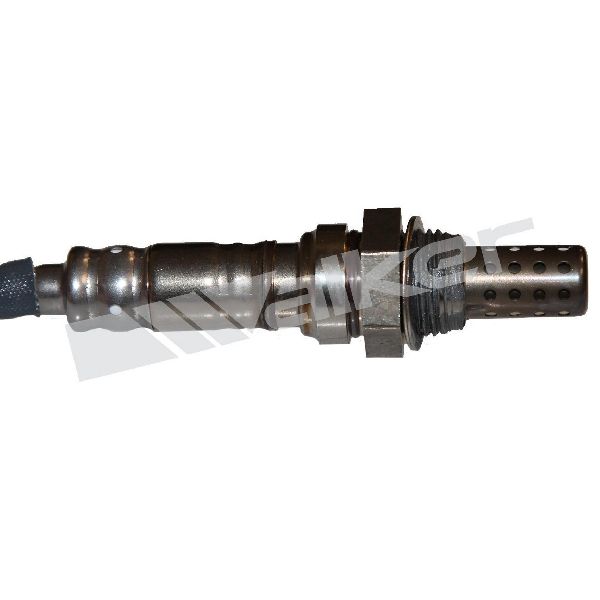
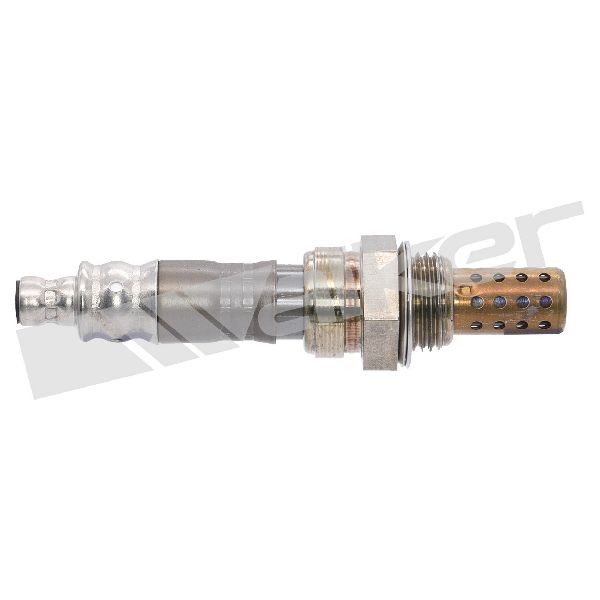
- Faulty Upstream Air/Fuel Ratio Sensor (Oxygen Sensor): → Shop Oxygen Sensor The sensor itself can fail and send incorrect lean readings to the ECU. However, it is more often correctly reporting a lean condition caused by something else. This should be one of the last parts to replace after confirming no vacuum leaks or fuel delivery issues exist.
- Loose or Faulty Gas Cap Seal: A cracked or non-sealing gas cap can sometimes cause lean codes, although it more commonly triggers EVAP system codes. It's a simple and inexpensive item to check and replace.
Diagnosis Steps
- Read the freeze frame data with an OBD-II scanner to see the engine conditions (RPM, load, speed) when the code was set.
- Check long-term fuel trim (LTFT) values at idle and at a steady 2500 RPM. High positive numbers (e.g., +20% or higher) confirm the engine is compensating for a lean condition. If the LTFT is high at idle but improves (moves closer to 0) at 2500 RPM, this strongly suggests a vacuum leak. If the LTFT is high at both idle and RPM, it may point more towards a MAF or fuel delivery issue.
- Visually inspect the engine bay for obvious issues like a disconnected vacuum hose, a cracked air intake boot, or a loose oil cap.
- Clean the Mass Airflow (MAF) sensor using a dedicated MAF sensor cleaner. Do not use brake or carb cleaner. Reset the ECU by disconnecting the battery or using the scanner. Drive to see if the code returns.
- If the code returns, perform a smoke test to check for vacuum leaks. This is the most reliable method. Pay close attention to the intake manifold gasket, PCV hose, and all vacuum lines connected to the intake.
- If no vacuum leaks are found, test the fuel pressure to rule out a weak fuel pump or clogged filter.
- If fuel pressure is good and no vacuum leaks are present, test the upstream Air/Fuel Ratio sensor's operation with a capable scanner to ensure it is responding correctly and not stuck in a lean reading.
Parts You'll Likely Need
- Intake Manifold Gasket
(OEM #17171-0H020 (Note: Some sources show 17171-28020 as a related part, verify by VIN))— This is the most common failure point on the 2AZ-FE engine that causes a P0171 code due to the original part hardening over time.
Trusted brands: Toyota (OEM), Fel-Pro, Mahle
OEM price range: $25-$40
Aftermarket price range: $15-$30 - Mass Airflow (MAF) Sensor
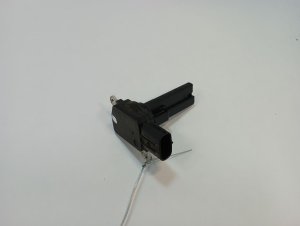
(OEM #22204-22010)— A dirty or failed MAF sensor is another primary cause, as it provides incorrect airflow data to the ECU. Cleaning often works, but replacement is sometimes necessary.
Trusted brands: Denso (OEM supplier), Hitachi, Delphi
OEM price range: $140-$200
Aftermarket price range: $60-$120 - Upstream Air/Fuel Ratio Sensor
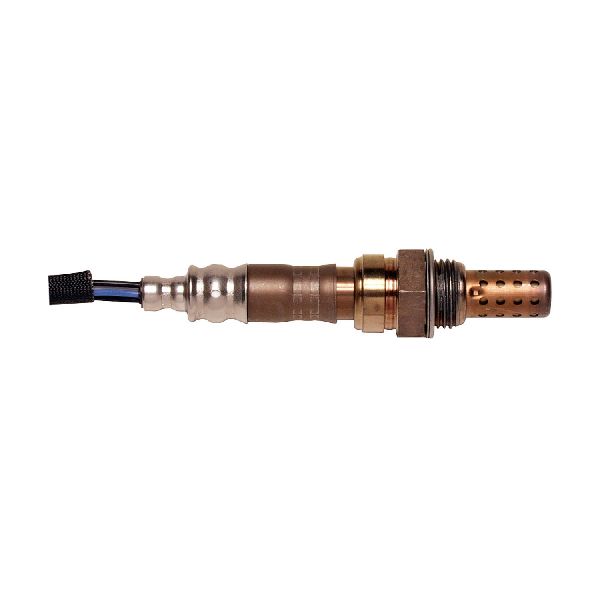
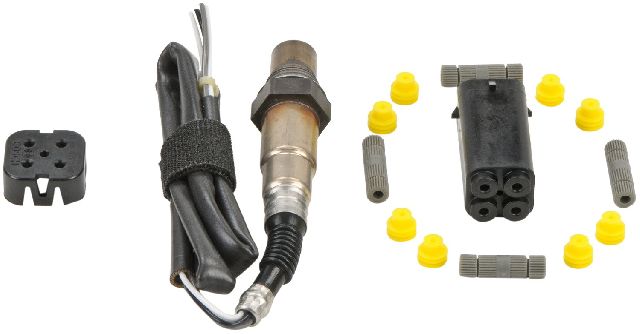
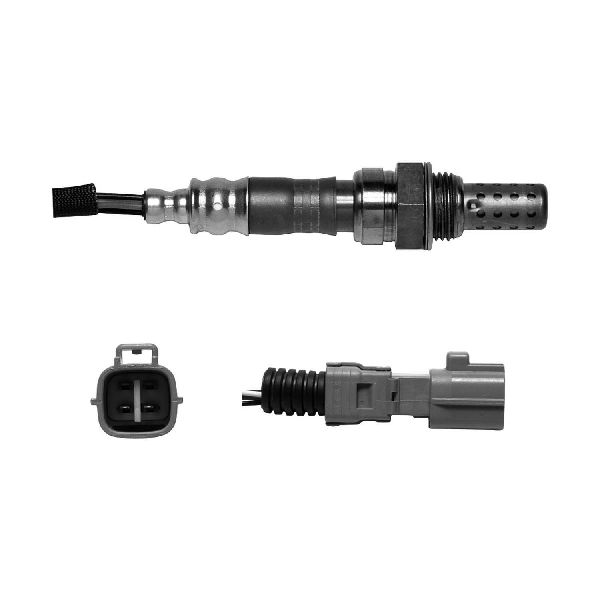
(OEM #89467-52060 (Toyota), 234-9049 (Denso direct equivalent))— While less common to be the root cause, a failing sensor can send false lean signals. It is replaced after other causes are ruled out. Denso is the OEM manufacturer.
Trusted brands: Denso (OEM supplier), Bosch, NTK
OEM price range: $150-$220
Aftermarket price range: $80-$140
Related Codes That Often Appear With This One
- P0101 — This code relates to the Mass Air Flow (MAF) sensor performance. It can appear alongside P0171 if the MAF sensor is dirty or failing, as this is a primary cause for the lean condition.
- P0300, P0301, P0302, P0303, P0304 — A severe lean condition can cause misfires. P0300 is a random misfire code, while P0301-P0304 indicate misfires in specific cylinders. This can happen as the engine struggles with the incorrect air/fuel mixture.
Technical Service Bulletins (TSBs) & Recalls
- While no TSB is a direct match for 'P0171' on this specific model, Toyota has issued TSBs for other models with the 2AZ-FE engine for lean conditions and intake gasket issues. For example, TSB EG045-07 for the 2007-2008 RAV4 addresses a MIL ON with DTCs including P0171, pointing to a potential ECM logic issue, though the root cause is often still a vacuum leak.
Platform-Specific Known Issues
- Intake Manifold Gasket Hardening: → Shop Engine Intake Manifold The intake manifold gasket on the 2AZ-FE engine is a widely documented failure item that directly leads to vacuum leaks and the P0171 code. Many owner forums and mechanic discussions point to this as the first place to check after cleaning the MAF sensor. The original gasket material becomes brittle with age and fails to seal.
- Excessive Oil Consumption (2007-2011): Some 2AZ-FE engines, particularly in the earlier part of this generation, were subject to a warranty enhancement program for excessive oil consumption due to piston ring design. While not a direct cause of P0171, severe oil burning can contaminate the MAF sensor and A/F ratio sensors, leading to lean codes. If the vehicle consumes a lot of oil, this underlying issue may need to be addressed to permanently resolve sensor-related P0171 codes.
Mechanic-Grade Diagnostic Values
- Fuel Pressure (at idle) — expected: 304 to 343 kPa (44 to 50 psi). Failure: Pressure below this range indicates a potential weak fuel pump, clogged filter, or faulty regulator. Pressure above this range could indicate a faulty regulator.
- Mass Airflow (MAF) Sensor Reading at Idle — expected: 1.0 to 3.0 g/sec (with A/C OFF). Failure: A reading significantly below 1.0 g/sec at idle, even after cleaning, suggests a faulty sensor under-reporting airflow.
- Mass Airflow (MAF) Sensor Reading at 2,500 RPM — expected: 3.33 to 9.17 g/sec (no load, A/C OFF). Failure: A reading below this range at a steady 2,500 RPM indicates the sensor is not correctly reporting the increased airflow.
- Fuel Injector Resistance — expected: 11.6 to 12.4 Ω at 20°C (68°F). Failure: Resistance outside this range indicates a faulty injector coil.
- Long-Term Fuel Trim (LTFT) Malfunction Threshold — expected: Normal range is typically within +/- 15%.. Failure: The P0171 code is typically set when the combined short-term and long-term fuel trim exceeds +33% to +35%.
Scan Tool Commands That Help
- Toyota Techstream: Active Test: A/F Control — This function allows a technician to manually command the ECU to increase (+25%) or decrease (-12.5%) the fuel injection volume. By observing the reaction of the A/F sensor and O2 sensor voltages during this test, a technician can determine if the sensors are responding correctly or if the fuel system is capable of adjusting the mixture, which helps isolate the fault.
Wiring & Ground Locations
- Ground Point EG — Located on the left side of the cylinder head.. This is a primary engine ground point. A poor connection here can affect various sensors, including the crank position sensor and potentially the A/F sensor heater circuit, leading to erratic data and incorrect fuel calculations.
- Ground Point EH — Located on the intake side of the cylinder block.. Provides a ground path for components on the intake side of the engine. A loose or corroded connection could interfere with sensor readings that are critical for the Engine Control Module (ECM).
- Ground Point EF — Located on the rear side of the surge tank (intake manifold).. This ground is critical for sensors mounted directly on or near the intake manifold. A bad ground here could directly impact the MAF sensor or other related components, causing incorrect readings that lead to a P0171 code.
Real Owner Repair Stories
- ScionLife.com user 'miketf1' (Scion xB (year not specified, but 2nd gen)) — Check Engine Light with VSC/TC lights on, code P0171.
❌ Tried (didn't work) Initially suspected a dirty MAF sensor due to a dry-filter short ram intake.
✅ What actually fixed it The user discovered the adapter for their aftermarket AEM intake was loose at the throttle body. The intake was not properly supported after removing the lower cold-air section, allowing unmetered air to leak in. Tightening the connection and properly supporting the intake resolved the code. - ScannerDanner Forum user 'Stryper' (2010 Scion xB) — P0171 code with high Long Term Fuel Trim (+35% or more) but the vehicle ran well at highway speeds (60-70 mph).
❌ Tried (didn't work) Replacing the MAF sensor with a new Denso part., Replacing the A/F Ratio sensor with a new Denso part.
✅ What actually fixed it The final diagnosis pointed towards dirty or faulty fuel injectors. Despite good driveability at speed, the extremely high fuel trims indicated the ECU was making a massive effort to add fuel, which is a classic symptom of clogged injectors that can't deliver the commanded fuel volume.
Model Year Variations Within This Range
- 2008-2011 (Primarily): Earlier models of the 2AZ-FE engine were known to have an issue with excessive oil consumption due to piston and piston ring design. Toyota issued a technical service bulletin (S-SB-0024-15) and a warranty enhancement program to address this. While not a direct cause of P0171, the high oil consumption can foul the A/F ratio sensor and MAF sensor, leading to incorrect readings and a lean code as a secondary symptom.
Diagnostic Flowchart
Real Owner Stories
Aggregated from forums and TSBs cited above. Mileages and costs reflect what owners reported in those sources.
Scion xB 2AZ-FE
Symptoms: Chased a persistent P0171 code, initially replacing the O2 sensor and MAF sensor without success.
What fixed it: Replacing the fuel injectors and their seals.
Source hint: ScionLife.com: 'P0171 Nightmare'
Scion xB 2AZ-FE
Symptoms: Experienced a P0171 code and went through a long diagnostic process including fuel pressure tests and cleaning injectors.
What fixed it: Replacing a hardened intake manifold gasket.
Source hint: ScionLife.com: 'Struggling with P0171'
Related OBD-II Codes
Frequently Asked Questions
Is there a specific TSB for the P0171 code on my 2AZ-FE engine?
My 2008-2011 Scion xB burns a lot of oil and has a P0171 code. Are they related?
I cleaned the MAF sensor on my Scion xB but the P0171 code came back. What is the most common next step?
How can I tell if the intake manifold gasket is leaking on my 2.4L engine without a smoke machine?
My VSC and Trac lights came on at the same time as the Check Engine Light for P0171. Is my traction control broken?
Could my fuel injectors be causing the P0171 code on my xB?
Helpful Videos

Used OEM Parts in Stock
New Aftermarket Parts Available


The information in this article is provided for general reference and educational purposes only. Vehicle specifications, procedures, and part compatibility can vary by production date, trim level, and region. Always consult your vehicle's factory service manual and verify part numbers before purchasing or performing repairs. Safety-critical components such as airbags, seat belts, and braking systems should be installed by a qualified professional.
- Scion xB:
- 🧭 Diagnostic Flowchart
- 🎬 Helpful Videos
- 🛍️ Shop This Part
- What's Unique About the 2008-2015 Scion xB
- Symptoms You May Notice
- Most Likely Causes
- Rare But Worth Checking
- Diagnosis Steps
- Parts You'll Likely Need
- Related Codes That Often Appear With This One
- Technical Service Bulletins (TSBs) & Recalls
- Platform-Specific Known Issues
- Mechanic-Grade Diagnostic Values
- Scan Tool Commands That Help
- Wiring & Ground Locations
- Real Owner Repair Stories
- Model Year Variations Within This Range
- Real Owner Stories
- Scion xB 2AZ-FE
- Scion xB 2AZ-FE
- Related OBD-II Codes
- Frequently Asked Questions
- 🎟️ Get 5% Off