

P0171 on 2014-2019 Toyota Highlander: System Too Lean Causes and Fixes
Code P0171 on a 2014-2019 Toyota Highlander most often means you have unmetered air entering the engine. The most common causes are a dirty Mass Airflow (MAF) sensor, a failing PCV valve, or a vacuum leak from a cracked hose or bad intake manifold gasket. Cleaning the MAF sensor is a good first step and costs under $15. In some cases, a faulty EVAP purge valve can also be the culprit.
- P0171 means your Highlander's engine is getting too much air or not enough fuel on Bank 1.
- Start your diagnosis by checking for the simplest and most common causes: a dirty MAF sensor, cracked air intake/vacuum hoses, and a faulty PCV valve.
- Cleaning the MAF sensor with a dedicated cleaner is a highly effective and low-cost first step.
- If you also have a P0174 code, the problem is affecting the whole engine, pointing strongly toward the MAF sensor or a fuel delivery issue.
- Do not immediately replace the oxygen (A/F) sensor; it is usually just reporting the problem correctly.
What's Unique About the 2014-2019 Toyota Highlander

On this generation of Highlander, the P0171 code is frequently tied to simple, inexpensive components like the MAF sensor or PCV valve. While fuel system issues can occur, they are less common starting points for diagnosis than vacuum leaks or sensor contamination. Several Toyota Technical Service Bulletins (TSBs) also point to a unique but serious issue: corrosion in an ECM connector caused by water wicking from a poorly sealed aftermarket windshield deicer harness, which can cause P0171 along with other fuel pressure and drivability codes. A significant change occurred in 2017, when the 3.5L V6 was updated to the 2GR-FKS engine, which uses a more complex D-4S direct and port injection fuel system. On these later models, issues with the high-pressure fuel system can also be a cause.
Diagnostic Flowchart

Tap your situation to follow the diagnostic path that matches what you're seeing on this vehicle.
Symptoms You May Notice
- Check Engine Light is on
- TRAC OFF light may also illuminate
- Vehicle hesitates or sputters on acceleration.
- Rough or unstable idle
- Loss of power.
- Engine stalling during operation.
- Hard starting.
- Decreased fuel economy
- "Low brake power" message on the dashboard in some cases.
- Hissing sound from the engine bay at idle, indicating a vacuum leak.
- Replacing the Air/Fuel Ratio (O2) sensor first. While the sensor reports the lean condition, it's often accurately detecting a problem elsewhere (like a vacuum leak). Always diagnose vacuum leaks and MAF issues before replacing the sensor.
Most Likely Causes

- Dirty or Faulty Mass Airflow (MAF) Sensor 🔴 High Probability → Shop Fuel Injection Air Flow Meter The MAF sensor wire is delicate and can become contaminated with dirt, oil vapor from oiled air filters, or other debris over time, causing it to misread the amount of air entering the engine. This is a very common first step in diagnosis for a P0171 code.
How to confirm: Inspect the sensor wires inside the MAF housing. If they appear dirty, cleaning is warranted. A scan tool can also show abnormal MAF readings at idle (should be around 2-4 g/s for the 2.7L and 3-5 g/s for the 3.5L). With the engine off and key on, the reading should be zero; a non-zero reading indicates a faulty sensor. Visually inspect the air intake hose between the MAF and throttle body for cracks, as this can mimic a bad MAF sensor.
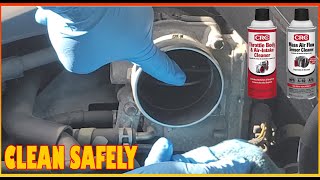
Typical fix: Remove the sensor and clean it carefully with a dedicated MAF sensor cleaner spray. Do not use brake or carb cleaner, and do not touch the delicate wires. Allow it to dry for at least 30 minutes before reinstalling. If cleaning doesn't resolve the issue, the sensor must be replaced. Using an OEM Denso sensor is highly recommended.
Est. part cost: $10-$20 for cleaner, $70-$150 for a new Denso sensor. - Vacuum Leak (Intake Gaskets, Hoses, PCV System) 🟡 Medium Probability Rubber hoses and gaskets become brittle with age and heat cycles, leading to cracks that allow unmetered air to enter the intake manifold. The intake manifold gaskets are a known failure point that can cause P0171 and P0174.
How to confirm: Visually inspect all vacuum lines and the air intake tube for cracks. Listen for a hissing sound at idle. A professional can perform a smoke test to pinpoint the exact location of the leak. A DIY method is to carefully spray brake cleaner or unlit propane around suspected areas (like the intake manifold gasket mating surface); a change in engine idle RPM indicates you've found the leak.
Typical fix: Replace the cracked hose or faulty gasket. Intake manifold gaskets are more labor-intensive to replace, often taking several hours.
Est. part cost: $10-$50 for hoses, $30-$60 for an intake gasket set. - Stuck-Open or Faulty PCV Valve 🟡 Medium Probability → Shop PCV Valve The PCV valve can get stuck open, creating a constant vacuum leak that the ECM cannot account for. It's a common maintenance item that is often overlooked and can cause a high or erratic idle.
How to confirm: Remove the PCV valve and shake it. A good valve will rattle. If it's silent or sluggish, it's likely stuck. You can also block the PCV port while the engine is running to see if the idle stabilizes and fuel trims decrease.
Typical fix: Replacement of the PCV valve is simple and inexpensive. It typically unscrews from the valve cover. The V6 (2GR-FE) is on the rear valve cover, making access slightly more difficult.
Est. part cost: $10-$25 - Stuck-Open EVAP Purge Valve 🟡 Medium Probability → Shop Vapor Canister The evaporative emissions (EVAP) purge valve can stick open, creating a vacuum leak by allowing unmetered fuel vapor from the charcoal canister to enter the intake manifold at the wrong time. This is a known issue on newer Toyota models.
How to confirm: With the engine running, disconnect the hose leading from the purge valve to the intake manifold and plug the port on the manifold with your finger. If the idle smooths out and live data shows fuel trims returning toward zero, the purge valve is stuck open and faulty.
Typical fix: Replace the EVAP purge valve. It is typically mounted on the intake manifold and held by one bolt, making it a quick replacement.
Est. part cost: $40-$80 - Low Fuel Pressure (Weak Fuel Pump) ⚪ Low Probability While less common than air leaks, a failing fuel pump can cause a lean condition by not supplying enough fuel to meet the engine's demand. Toyota TSBs have linked P0171 with low fuel pressure codes like P0087.
How to confirm: Connect a fuel pressure gauge to the fuel rail. For 2014-2016 2GR-FE engines, pressure should be 44-50 psi. For 2017-2019 2GR-FKS engines, the low-pressure side should be 28-121 psi, while the high-pressure side can range from 348 to 2828 psi. A scan tool can be used to command the fuel pump on and check pressure. If pressure is below specification, the pump may be weak or the filter clogged.
Typical fix: Replace the fuel pump assembly, which is located inside the fuel tank and requires accessing it from under the rear seats.
Est. part cost: $200-$400
Rare But Worth Checking
- Corrosion in ECM Connector: NHTSA documents and Toyota TSBs #T-SB-0072-19 and #T-TT-0462-17 specifically mention that water intrusion and corrosion in the A43 ECM connector can cause P0171 along with a variety of other drivability and fuel system codes. The source is often a poorly sealed aftermarket windshield deicer harness that wicks water into the main wiring harness. This should be inspected if multiple, seemingly unrelated codes are present.
- Failing Air/Fuel Ratio Sensor (Upstream O2 Sensor): → Shop Oxygen Sensor While the sensor is what triggers the code, it's less often the root cause than a vacuum leak or MAF issue. A lazy or failing sensor can send incorrect 'lean' signals to the ECM, causing it to enrich the mixture unnecessarily and leading to a rich smell from the exhaust despite the lean code. Swapping the Bank 1 and Bank 2 sensors (if applicable) can be a diagnostic step; if the code moves to P0174, the sensor is bad.
- Clogged or Leaking Fuel Injectors: → Shop Fuel Injector On higher mileage vehicles, injectors can become partially clogged, restricting fuel flow to a cylinder, or the seals can leak. This is less common than other causes but has been documented on high-mileage Toyotas.
Diagnosis Steps

- Read the code with an OBD-II scanner and check for any other accompanying codes. Note the freeze frame data, paying close attention to long-term fuel trim (LTFT). A high positive number (e.g., +25% or higher) confirms the lean condition.
- Inspect the air intake system between the MAF sensor and the throttle body for any cracks, loose clamps, or disconnections.
- Remove and inspect the Mass Airflow (MAF) sensor. If dirty, clean it with dedicated MAF cleaner and let it dry completely before reinstalling.
- Visually inspect all accessible vacuum hoses for cracks or disconnection, especially the PCV hose and the EVAP purge valve hose.
- With the engine running, listen for hissing sounds. Carefully spray brake cleaner or a propane torch (unlit) around the intake manifold gaskets and vacuum lines; a change in engine idle indicates you've found the leak.
- Test the PCV valve by removing it and shaking it. It should rattle.
- Test the EVAP purge valve by disconnecting the hose to the intake and plugging the intake port to see if the idle stabilizes.
- If no vacuum leaks are found, use a scan tool to monitor short-term and long-term fuel trims. High positive numbers confirm the lean condition. Revving the engine to 2,500 RPM and holding it should cause the fuel trims to decrease if a vacuum leak is present. If trims remain high, the issue is more likely fuel-related.
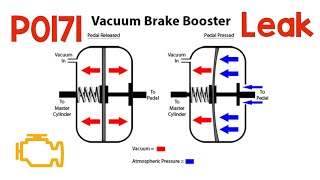
- If equipped, check the brake booster for vacuum leaks by pressing the brake pedal while monitoring engine idle and fuel trims; a significant change suggests a leak.
Parts You'll Likely Need
- Mass Airflow (MAF) Sensor Cleaner — Often, the sensor is just dirty, not broken. Cleaning is the cheapest and easiest first step.
Trusted brands: CRC, WD-40 Specialist
Aftermarket price range: $10-$20 - PCV Valve
(OEM #12204-0P020 (for 3.5L 2GR-FE), 12204-36020 (for 2.7L 1AR-FE))— This is a common failure point that creates a vacuum leak. It's an inexpensive and easy part to replace as part of diagnosis or maintenance.
Trusted brands: Genuine Toyota, Standard Motor Products, Aisan
OEM price range: $8-$20
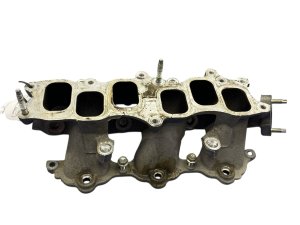
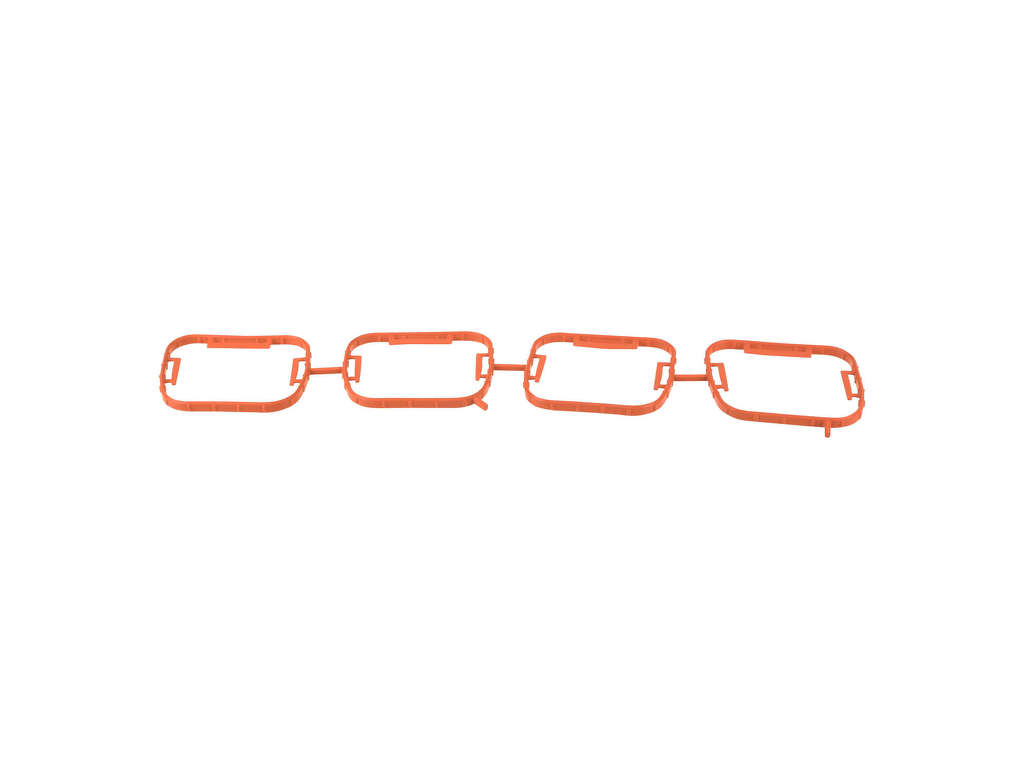
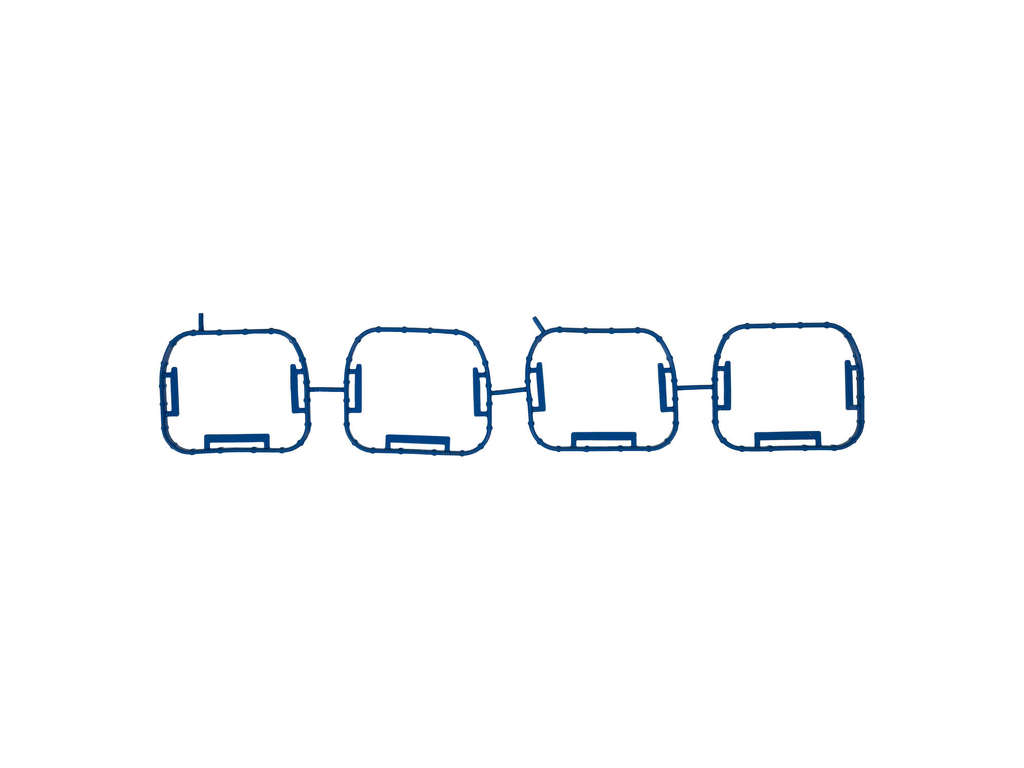
Aftermarket price range: $5-$15 - Intake Manifold Gasket Set
(OEM #17171-0P011 (Upper for 3.5L V6))— These gaskets can fail and cause a significant vacuum leak, a common cause for P0171/P0174 codes.
Trusted brands: Genuine Toyota, Fel-Pro, Mahle
OEM price range: $25-$40
Aftermarket price range: $15-$30 - Mass Air Flow (MAF) Sensor
(OEM #22204-0V020 (Denso))— If cleaning the MAF sensor does not resolve the issue, replacement is the next step. Using the OEM Denso part is highly recommended to avoid compatibility issues.
Trusted brands: Denso (OEM), Delphi, NGK
OEM price range: $100-$150
Aftermarket price range: $50-$100
Related Codes That Often Appear With This One
- P0174 — System Too Lean (Bank 2). This code is the counterpart for the other engine bank. When both P0171 and P0174 are present, it strongly suggests a problem affecting the entire engine, such as a faulty MAF sensor, a large vacuum leak at the intake manifold, a stuck purge valve, or low fuel pressure.
- P0087 — Fuel Rail / System Pressure – Too Low. This code directly indicates a fuel delivery problem and is mentioned alongside P0171 in Toyota TSB #TSB000923.
- P0300-P0306 — Cylinder Misfire codes. A severe lean condition can prevent proper combustion, leading to misfires in one or more cylinders.
Technical Service Bulletins (TSBs) & Recalls

- T-SB-0072-19: Mentions P0171 as a possible DTC resulting from corrosion in the A43 ECM connector, often due to water intrusion from aftermarket windshield deicer harnesses.
- T-TT-0462-17: A tech tip that provides more detail on the A43 ECM connector corrosion, linking it to poorly sealed aftermarket windshields and listing P0171 as a common resulting code.
- TSB000923: Links P0171/P0174 with P0087 (Fuel Rail Pressure Too Low), indicating a potential fuel delivery issue.
- T-SB-0072-18: While primarily for a front brake vibration, this TSB is relevant to the vehicle generation.
Platform-Specific Known Issues
- Corrosion in the A43 ECM connector due to water intrusion can cause P0171 and other codes. This is documented in TSB #T-SB-0072-19 and T-TT-0462-17.
- A stuck-open evaporative emissions (EVAP) purge valve can also cause a lean condition on these models.
Mechanic-Grade Diagnostic Values
- Fuel Pressure (2014-2016 3.5L 2GR-FE) — expected: 304 to 343 kPa (44 to 50 psi). Failure: Pressure below 44 psi indicates a potential weak fuel pump or clogged filter.
- Fuel Pressure (2017-2019 3.5L 2GR-FKS, Low Pressure Side) — expected: 196 to 833 kPa (28 to 121 psi). Failure: Pressure below specification points to an issue with the in-tank low-pressure fuel pump.
- Fuel Pressure (2017-2019 3.5L 2GR-FKS, High Pressure Side) — expected: 2400 to 19500 kPa (348 to 2828 psi) at 3000 rpm. Failure: Pressure below specification points to an issue with the engine-mounted high-pressure fuel pump.
- Fuel Trim Analysis (STFT + LTFT) — expected: Total trim should be close to 0%, within +/- 20%.. Failure: A sustained total fuel trim of +25% or higher will trigger the P0171 code.
- Fuel Injector Resistance (2GR-FE) — expected: 11.6 to 12.4 Ω at 20°C (68°F). Failure: Resistance outside this range may indicate a faulty injector coil.
Scan Tool Commands That Help
- Toyota Techstream: Active Test / A/F CONTROL — This function allows a technician to manually increase or decrease the fuel injection volume by a set percentage (e.g., +25% or -12.5%). By observing the A/F and O2 sensor voltage response, a technician can determine if the sensors are reacting correctly and if the fuel system is capable of adjusting the mixture, which helps isolate the fault.
Wiring & Ground Locations
- A43 ECM Connector — The ECM is typically located behind the glove box in the passenger compartment.. As per TSBs T-SB-0072-19 and T-TT-0462-17, this specific connector is prone to water intrusion and corrosion, often from a poorly installed aftermarket accessory like a windshield de-icer. This corrosion can disrupt signals related to the fuel system, causing P0171 and other codes.
Real Owner Repair Stories
- YouTube channel 'Toyota Maintenance' (2018 Toyota Highlander) — High RPM (1000+), Long Term Fuel Trims at +30% for both banks, codes P0171 and P0174.
❌ Tried (didn't work) The video directly diagnoses the purge valve without mentioning other failed attempts.
✅ What actually fixed it The EVAP purge valve was stuck open, creating a large vacuum leak. The technician confirmed this by removing the hose from the purge valve to the intake manifold and plugging the intake port with a finger. The RPMs and fuel trims immediately started to drop to normal levels. Replacing the faulty purge valve resolved the issue.
OEM Part Supersession History
22204-0T020, 22204-0V010→22204-0V020— Standard part revision and consolidation by the manufacturer.
Heads up: Part 22204-0V020 also replaces 22204-0T040. Always verify fitment with VIN, but these are generally interchangeable for the specified applications.
Model Year Variations Within This Range
- 2014-2016: V6 models used the 3.5L 2GR-FE engine with conventional port fuel injection and a 6-speed automatic transmission. Fuel system diagnosis is simpler, focusing on the low-pressure pump and injectors.
- 2017-2019: V6 models received a major update to the 3.5L 2GR-FKS engine. This engine features D-4S (both direct and port injection), VVT-iW for Atkinson cycle operation, and an 8-speed automatic transmission. P0171 diagnosis on these models must also consider the high-pressure fuel pump and direct injectors, in addition to the low-pressure system.
Helpful Videos


Used OEM Parts in Stock
New Aftermarket Parts Available


The information in this article is provided for general reference and educational purposes only. Vehicle specifications, procedures, and part compatibility can vary by production date, trim level, and region. Always consult your vehicle's factory service manual and verify part numbers before purchasing or performing repairs. Safety-critical components such as airbags, seat belts, and braking systems should be installed by a qualified professional.
- Toyota HIGHLANDER:
- 🧭 Diagnostic Flowchart
- 🎬 Helpful Videos
- 🛍️ Shop This Part
- What's Unique About the 2014-2019 Toyota Highlander
- Symptoms You May Notice
- Most Likely Causes
- Rare But Worth Checking
- Diagnosis Steps
- Parts You'll Likely Need
- Related Codes That Often Appear With This One
- Technical Service Bulletins (TSBs) & Recalls
- Platform-Specific Known Issues
- Mechanic-Grade Diagnostic Values
- Scan Tool Commands That Help
- Wiring & Ground Locations
- Real Owner Repair Stories
- OEM Part Supersession History
- Model Year Variations Within This Range
- 🎟️ Get 5% Off