

P0171 on 2012-2013 Toyota Prius V: Lean Code Causes and Fixes
For a 2012-2013 Prius V, code P0171 is most often caused by a dirty Mass Air Flow (MAF) sensor, which is an easy DIY cleaning job. Other common causes include vacuum leaks from a deteriorated intake manifold gasket or PCV system, and a faulty purge valve as identified in a Toyota TSB. In higher mileage cases, a weak fuel pump or clogged fuel injectors have been the definitive fix after more common items are addressed.
- Start with the simplest and most common fix: clean the Mass Air Flow (MAF) sensor with dedicated cleaner.
- If cleaning the MAF doesn't work, check for vacuum leaks. The intake manifold gasket and PCV hose are common culprits.
- Be aware of Toyota's TSB (T-SB-0041-15), which points to a faulty Purge VSV as a known issue that may require dealer reprogramming after replacement.
- Do not replace the oxygen (A/F) sensor unless all other possibilities (vacuum leaks, fuel delivery issues) have been thoroughly ruled out.
What's Unique About the 2012-2013 Toyota PRIUS V
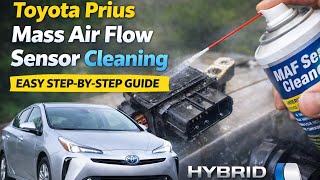
While P0171 is a generic code, the Prius V and other Toyotas with the 2ZR-FXE engine have specific, well-documented failure points. A dirty Mass Air Flow (MAF) sensor is extremely common and should be the first part checked. 🎬 Watch: Step-by-step guide to cleaning your Prius MAF sensor. Additionally, Toyota issued a Technical Service Bulletin (T-SB-0041-15) for this model range that directly links P0171 to a faulty 🎬 See how to fix combined P0171 and P3190 error codes. Purge VSV (Vacuum Switching Valve), which can also cause codes like P3190 or P3191. A significant and often overlooked issue is the connection between routine EGR system cleaning and the P0171 code. Many owners report the code appearing after cleaning the EGR cooler and intake manifold, pointing to a vacuum leak from a reused or improperly seated intake manifold gasket.
Diagnostic Flowchart
Tap your situation to follow the diagnostic path that matches what you're seeing on this vehicle.
Symptoms You May Notice
- Check Engine Light is on
- Rough or unstable idle
- Hesitation or lack of power during acceleration
- Reduced fuel economy, sometimes dropping by 10-15% or more.
- Engine may stall, especially when stopping
- Engine rattling or vibrating more than usual, particularly on startup.
- Hissing sound from the engine bay indicating a vacuum leak
- Replacing the Air/Fuel (Oxygen) Sensor first. The sensor is typically doing its job by reporting the lean condition, and the root cause is usually unmetered air (vacuum leak) or a lack of fuel (weak pump, clogged injectors).
- Replacing the intake manifold for a crack. While possible, a simple and cheap gasket is a much more common failure point. One owner reported a dealer misdiagnosed a cracked manifold when the actual cause was the fuel pump.
Most Likely Causes
- Dirty Mass Air Flow (MAF) Sensor 🔴 High Probability → Shop Fuel Injection Air Flow Meter The MAF sensor is sensitive to dirt and oil buildup, which insulates the sensor wire and causes it to under-report the amount of air entering the engine. This is a very common first-step fix on many Toyota models, including the Prius, and is frequently cited in owner forums as the successful solution.
How to confirm: Remove the sensor and visually inspect the two small wires inside the housing for a coating of grime. A scan tool may also show incorrect airflow readings. Often, cleaning it is the first and only step needed.
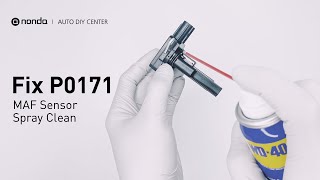
Typical fix: Clean the sensor using a dedicated MAF sensor cleaner spray. Do not use brake or carburetor cleaner, as they can damage the sensitive electronics. Let it air dry completely before reinstalling. If cleaning does not resolve the issue, the sensor may need to be replaced.
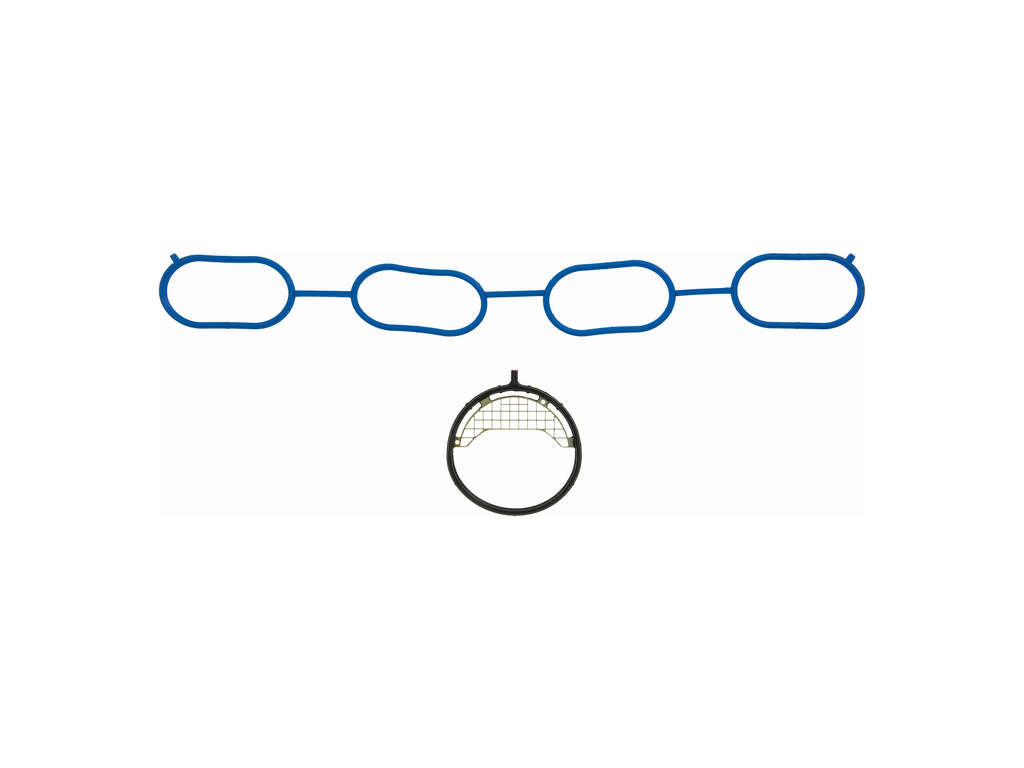
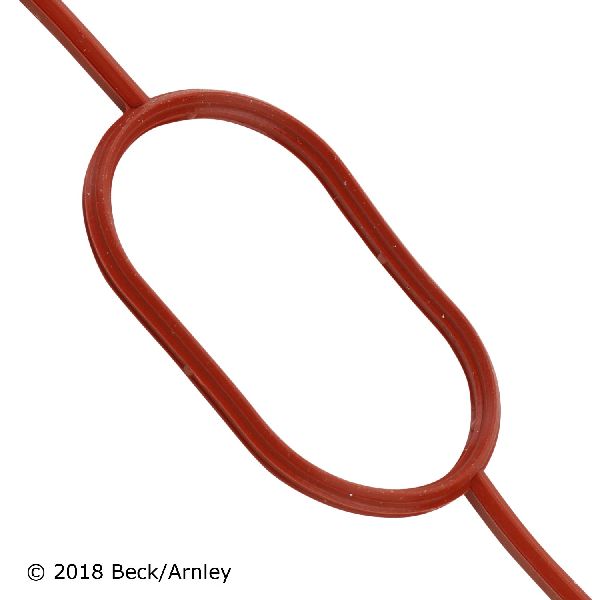
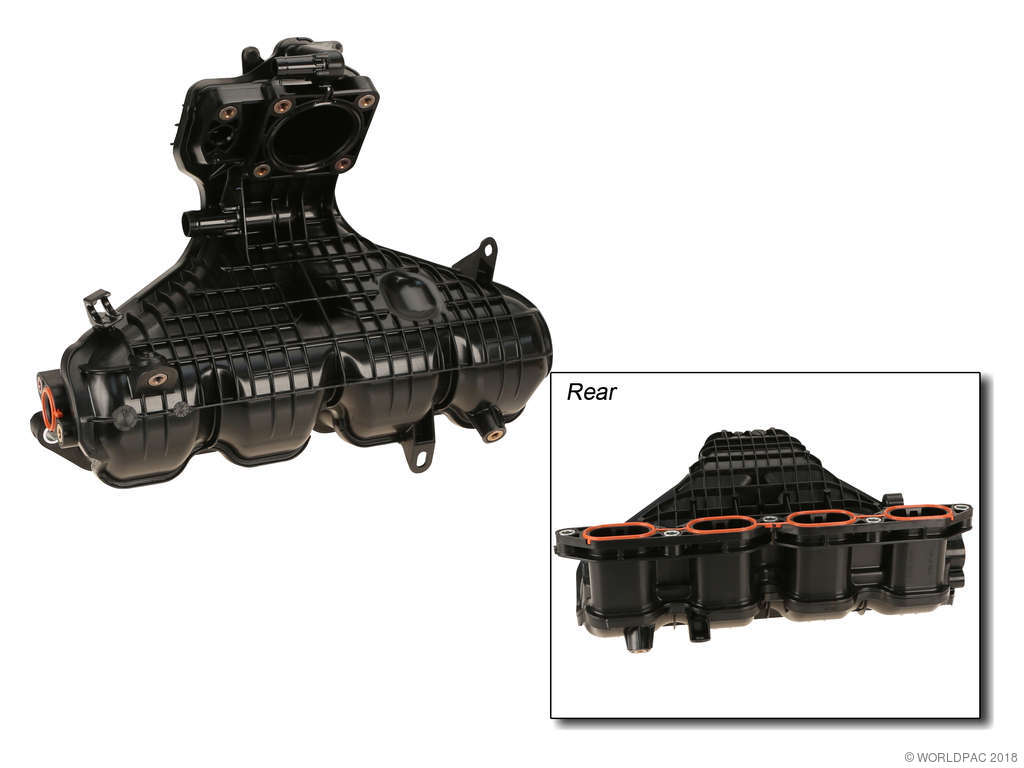
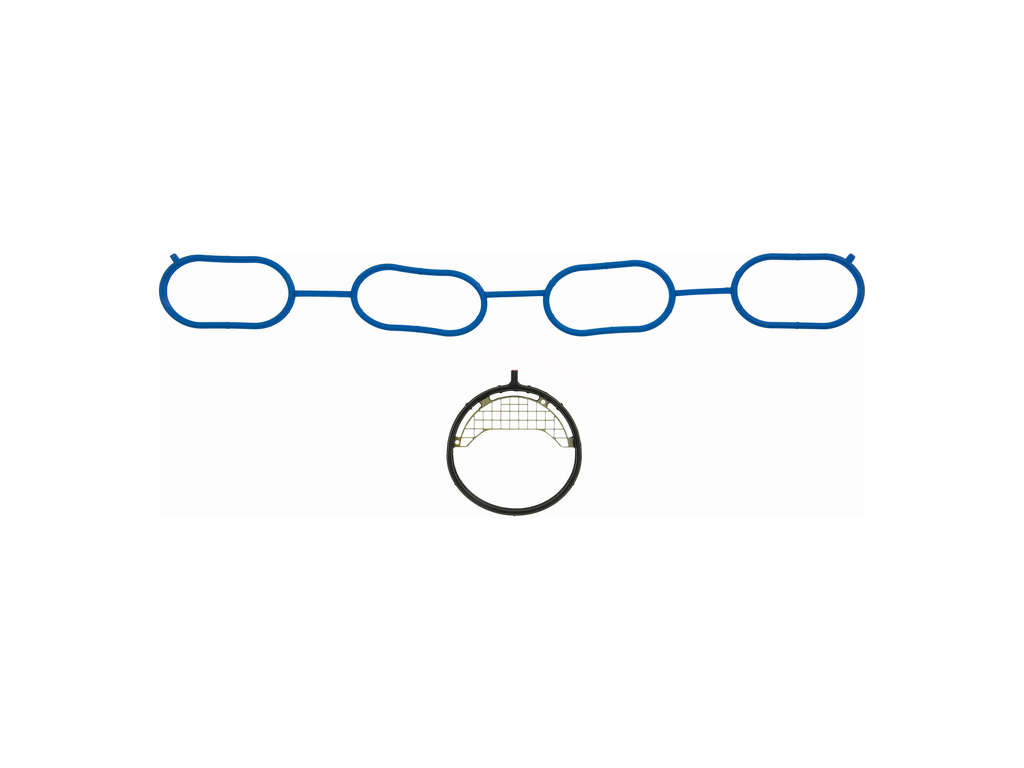
Est. part cost: $10-$15 for cleaner, $70-$150 for a new Denso sensor - Vacuum Leak (Intake Manifold Gasket, PCV Hose) 🔴 High Probability The intake manifold gasket is a known failure point that can flatten or crack, causing a leak. This issue is frequently discovered after performing routine maintenance like cleaning the EGR cooler and intake manifold, a common task on high-mileage 2ZR-FXE engines to prevent other issues. The PCV hose can also become brittle and crack.
How to confirm: Listen for a hissing sound. A professional can perform a smoke test to visually identify the source of the leak. A DIY method involves carefully spraying short bursts of brake cleaner or unlit propane near suspected leak points (like gasket edges and vacuum hoses) with the engine running; a change in engine idle indicates the leak's location. High positive fuel trims at idle that decrease as RPMs increase are a strong indicator of a vacuum leak.
Typical fix: Replace the cracked hose (e.g., PCV hose) or faulty gasket (e.g., intake manifold gasket). It is highly recommended to use a new intake manifold gasket whenever the manifold is removed for EGR cleaning.
Est. part cost: $15-$60 - Faulty Purge VSV (Vacuum Switching Valve) 🟡 Medium Probability → Shop Vapor Canister Toyota issued Technical Service Bulletin T-SB-0041-15 for this exact issue on 2012 models, indicating it's a known problem. A stuck-open purge valve creates a vacuum leak by allowing unmetered fuel vapors from the EVAP canister into the intake manifold.
How to confirm: This can be diagnosed by a technician with a capable scan tool that can command the valve to open and close. It is often diagnosed alongside codes P3190 or P3191, as noted in the TSB.
Typical fix: Replace the Purge VSV. As per the TSB, the ECM may need to be reprogrammed by a dealer or qualified shop with the latest calibration to prevent recurrence.
Est. part cost: $40-$90 - Weak Fuel Pump ⚪ Low Probability → Shop Fuel Pump On higher-mileage vehicles (typically over 150,000 miles), the fuel pump can weaken and fail to provide adequate pressure, leading to a lean condition. This is often a last resort after other, more common causes are ruled out, but there are multiple documented cases on PriusChat where this was the ultimate solution.
How to confirm: A fuel pressure test must be performed using a gauge connected to the fuel system. The pressure for a 3rd generation Prius should be between 44 to 50 psi (304 to 343 kPa). One owner noted that poor freeway MPG was a key symptom that pointed towards a fuel delivery issue rather than a vacuum leak.
Typical fix: Replace the fuel pump assembly, which is located inside the fuel tank. The fuel filter is integrated into this assembly.
Est. part cost: $200-$400
Rare But Worth Checking
- Clogged Fuel Injectors: → Shop Fuel Injector If injectors become restricted, they can't deliver the proper amount of fuel, leading to a lean mix. One forum user on PriusChat fixed their persistent P0171 by replacing clogged injectors after all other parts were checked, which brought their Long Term Fuel Trim from over 30% down to 2-3%. The standard resistance for the injectors is 11.6 to 12.4 Ω at 20°C (68°F).
- Faulty Upstream Air/Fuel Ratio Sensor: → Shop Oxygen Sensor While the A/F sensor is often replaced, it is usually just accurately reporting the lean condition. However, a slow or failing sensor can send incorrect data, causing the code. It should be one of the last parts to be replaced after verifying fuel delivery and checking for vacuum leaks.
- Exhaust Leak (before A/F Sensor): A crack or leak in the exhaust manifold or the pipe before the primary A/F sensor can allow outside oxygen to enter the exhaust stream. This tricks the sensor into thinking the engine is running lean, causing the ECM to add unnecessary fuel and trigger the P0171 code.
Diagnosis Steps
- Check for other stored trouble codes that could provide more clues.
- Using a scan tool, monitor long-term (LTFT) and short-term (STFT) fuel trims. High positive numbers (e.g., LTFT > +20%) confirm the engine is compensating for a lean condition. The code typically sets when the total fuel trim exceeds +33%.
- Visually inspect the engine bay for any obvious vacuum leaks, such as cracked, disconnected, or collapsed hoses, especially the PCV hose.
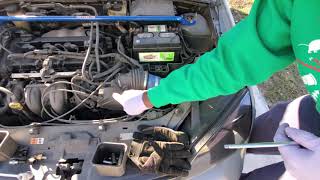
- Remove and inspect the Mass Air Flow (MAF) sensor. Clean it with dedicated MAF sensor cleaner and reinstall. Clear the codes and test drive to see if the code returns.
- If the code returns, perform a smoke test to check for vacuum leaks. Pay close attention to the intake manifold gasket, especially if the EGR system has been serviced recently.
- Test the fuel pressure at the fuel rail to rule out a weak fuel pump. Pressure should be between 44-50 psi (304-343 kPa).
- Test the function of the Purge VSV, especially if codes P3190 or P3191 are also present, following the guidance in TSB T-SB-0041-15.
- If all else fails, consider testing the fuel injectors for clogging or having them professionally cleaned. Resistance should be 11.6 to 12.4 Ω.
- As a final step, test the response of the upstream Air/Fuel ratio sensor to ensure it is not faulty.
Parts You'll Likely Need
- Mass Air Flow (MAF) Sensor
(OEM #22204-37010)— This is the most common cause of P0171 on this platform. It often only needs cleaning, but replacement is sometimes necessary.
Trusted brands: Denso
OEM price range: $120-$180
Aftermarket price range: $50-$100 - Intake Manifold Gasket
(OEM #17171-37030)— These gaskets are known to flatten and fail over time, creating a vacuum leak that triggers the P0171 code. It is a common failure point, especially after EGR system service.
Trusted brands: Toyota (OE)
Related Codes That Often Appear With This One
- P3190 — Poor Engine Power. Per TSB T-SB-0041-15, this code can appear with P0171 when the Purge VSV is the root cause.
- P3191 — Engine Does NOT Start. Also cited in TSB T-SB-0041-15 as a companion code to P0171 caused by a faulty Purge VSV.
- P0174 — System Too Lean (Bank 2). Not applicable to the Prius V's single-bank engine, but often seen with P0171 on V6/V8 engines, indicating a problem affecting the entire engine like the MAF sensor or fuel pump.
Technical Service Bulletins (TSBs) & Recalls
- T-SB-0041-15: Addresses P0171, P3190, and P3191 codes caused by a faulty Purge VSV, requiring replacement of the valve and an ECM reprogram.
Platform-Specific Known Issues
- Toyota Technical Service Bulletin T-SB-0041-15 was issued for 2012 Prius models (and others) stating that P0171, sometimes with P3190 or P3191, can be caused by a faulty Purge VSV. The official fix involves replacing the valve (Part #90910-TC001) and reprogramming the ECM.
- A very common maintenance procedure on the 2ZR-FXE engine is cleaning the EGR (Exhaust Gas Recirculation) cooler, valve, and intake manifold to prevent carbon buildup, which can lead to other issues like head gasket failure. Many owners report the P0171 code appearing immediately after this service, which strongly indicates a vacuum leak from a damaged or improperly installed intake manifold gasket.
Mechanic-Grade Diagnostic Values
- Fuel Pressure at Idle — expected: 304 to 343 kPa (44 to 50 psi). Failure: Pressure below this range indicates a weak fuel pump or clogged filter.
- Long-Term Fuel Trim (LTFT) + Short-Term Fuel Trim (STFT) — expected: Ideally close to 0%, but up to +/- 10% is acceptable.. Failure: A sustained total trim value exceeding +33% will trigger DTC P0171.
- Air/Fuel Ratio Sensor Voltage (Scan Tool) — expected: Fluctuating around 3.3V at steady throttle.. Failure: Voltage significantly above 3.3V indicates a lean condition; below indicates rich. A static or slow-to-respond sensor may be faulty.
- Air/Fuel Ratio Sensor Heater Resistance — expected: 1.8 to 3.4 Ω at 20°C (68°F) between terminals +B and HT.. Failure: Resistance outside this range indicates a faulty heater circuit within the sensor.
- Fuel Injector Resistance — expected: 11.6 to 12.4 Ω at 20°C (68°F). Failure: Resistance outside this range suggests a faulty injector coil.
Scan Tool Commands That Help
- Toyota Techstream: Active Test: Control the Fuel Pump / Speed — This command allows you to run the fuel pump independently of the engine to perform an accurate fuel pressure test.
- Toyota Techstream: Active Test: A/F Control — This function allows a technician to command a rich or lean mixture (e.g., +25% or -12.5%) and observe the A/F sensor's voltage response. A healthy sensor should respond quickly, with voltage increasing for lean commands and decreasing for rich commands. This helps differentiate a bad sensor from a sensor that is correctly reporting a problem elsewhere.
Wiring & Ground Locations
- ECM (Engine Control Module) — In the engine compartment, on the driver's side, next to the main fuse box.. The ECM is the central computer that receives data from the MAF and A/F sensors and controls the fuel injectors. All related wiring terminates here.
- Engine Ground Point — There is a primary ground bolt on the engine block behind the fuse box area, often used for jump-starting.. A poor engine ground can cause erratic sensor readings and contribute to various electrical issues, including lean codes. Toyota often uses brown wires for dedicated sensor grounds to isolate them from electrical noise.
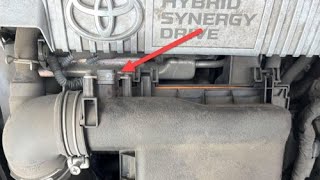
- MAF Sensor Connector — On the air cleaner box assembly where the main air intake tube begins.. Damage to the 5-wire pigtail connector or corrosion on the pins can interrupt the signal from the MAF sensor to the ECM, causing incorrect air metering and a P0171 code.
Real Owner Repair Stories
- PriusChat forum user (2010 Toyota Prius) — Persistent P0171 code.
❌ Tried (didn't work) Cleaned intake manifold, Replaced PCV valve, Replaced downstream O2 sensor
✅ What actually fixed it Replacing the fuel pump assembly. The user purchased a used assembly from a 90,000-mile Prius and a new fuel pump gasket, which resolved the code. - PriusChat forum user (Not specified, but Gen 3 Prius) — P0171 Check Engine Light
❌ Tried (didn't work) Initial diagnosis pointed to various potential causes.
✅ What actually fixed it Cleaning the Mass Air Flow (MAF) sensor. The user posted before-and-after photos showing a black coating of grime on the sensor wires, which was removed with MAF cleaner. The code did not return after 500 miles.
"I Checked Everything" — The Actual Cause
- In some documented cases on PriusChat, owners have performed or had shops perform smoke tests that revealed no vacuum leaks, yet the P0171 code persisted. The eventual fix in these situations was often a weak fuel pump that could not supply the required 44-50 psi, a problem a smoke test cannot identify.
When the Usual Fixes Don't Work
- While cleaning the MAF sensor and checking for vacuum leaks are the most common and logical first steps, there are numerous owner-documented instances where these actions did not solve the P0171 code. In many of these cases, particularly on vehicles with over 150,000 miles, the root cause was ultimately determined to be a weak fuel pump. One owner replaced the downstream O2 sensor, PCV valve, and cleaned the intake manifold with no success before a fuel pump replacement finally fixed the issue. This highlights that if initial air-side diagnostics fail, attention should be turned to the fuel delivery system, even if a smoke test for vacuum leaks comes back negative.
OEM Part Supersession History
22204-37010→22204-28010— Part has been updated or consolidated by the manufacturer.
Helpful Videos

We Have This Part in Stock


The information in this article is provided for general reference and educational purposes only. Vehicle specifications, procedures, and part compatibility can vary by production date, trim level, and region. Always consult your vehicle's factory service manual and verify part numbers before purchasing or performing repairs. Safety-critical components such as airbags, seat belts, and braking systems should be installed by a qualified professional.
- Toyota PRIUS V:
- 🧭 Diagnostic Flowchart
- 🎬 Helpful Videos
- 🛍️ Shop This Part
- What's Unique About the 2012-2013 Toyota PRIUS V
- Symptoms You May Notice
- Most Likely Causes
- Rare But Worth Checking
- Diagnosis Steps
- Parts You'll Likely Need
- Related Codes That Often Appear With This One
- Technical Service Bulletins (TSBs) & Recalls
- Platform-Specific Known Issues
- Mechanic-Grade Diagnostic Values
- Scan Tool Commands That Help
- Wiring & Ground Locations
- Real Owner Repair Stories
- "I Checked Everything" — The Actual Cause
- When the Usual Fixes Don't Work
- OEM Part Supersession History
- 🎟️ Get 5% Off