

P0171 on 2001-2009 Volvo S60: System Too Lean Causes and Fixes
On a 2001-2009 Volvo S60, code P0171 is most often caused by a failed PCV system (oil trap and hoses), resulting in a major vacuum leak. A distinct 'whistle of death' or an inflated glove on the oil filler neck are classic signs. A complete aftermarket PCV kit costs around $100-$170, while a shop replacement can range from $400 to over $800 due to the labor of removing the intake manifold. This is a hallmark issue for these Volvo 5-cylinder engines found in the S60, V70, and XC70.
- Assume the cause of P0171 on a 2001-2009 S60 is a vacuum leak until proven otherwise.
- The PCV breather system is the most likely source of the vacuum leak. Use the 'glove test' for a quick diagnosis.
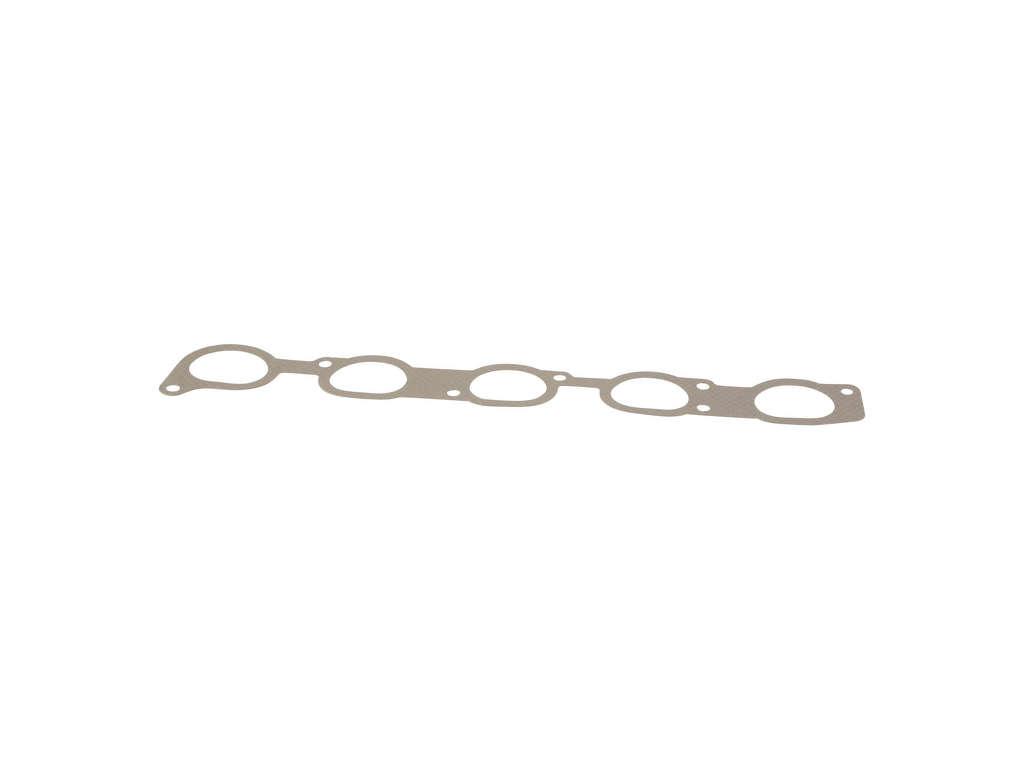
- Replacing the PCV system is a labor-intensive job because the intake manifold must be removed. Always replace the intake manifold gasket at the same time.
- If the PCV system is confirmed to be healthy, the next most likely causes are a dirty/faulty MAF sensor or other cracked vacuum hoses.
- Do not replace the oxygen sensor as a first step; it is usually just doing its job of reporting the lean condition.
What's Unique About the 2001-2009 Volvo S60
The first-generation Volvo S60 (P2 platform) is well-known for issues with its Positive Crankcase Ventilation (PCV) system. Unlike many cars where a PCV valve is a simple, cheap part, the S60 uses a more complex system with an oil separator box (or 'oil trap') and multiple plastic and rubber hoses routed underneath the intake manifold. These components become brittle and clogged with oil sludge and carbon over time. 🎬 Watch: See how badly these PCV systems can clog with carbon. The diaphragm in the oil trap can tear, creating a large vacuum leak that produces a loud whistling sound. This specific, labor-intensive failure is the primary cause of the P0171 code on this vehicle.
Symptoms You May Notice
- Check Engine Light is on
- Rough or unstable idle, sometimes hunting up and down
- Engine hesitation or stumbling during acceleration
- A distinct, loud whistling or squealing sound from the engine bay, especially at idle, which may stop if you pull the oil dipstick. This is often called the 'whistle of death'.
- Reduced fuel economy
- Difficulty starting the engine, especially when cold
- A feeling of the car wanting to 'jump' forward when holding the brake at a stop.
- Replacing the front O2 sensor first. The O2 sensor is almost always just accurately reporting the lean condition caused by a vacuum leak. A vacuum leak from the PCV system or a vacuum hose is far more common and should be the first thing investigated.
Most Likely Causes
- Failed PCV System (Oil Trap/Breather Box and Hoses) 🔴 High Probability The plastic oil trap and associated hoses are known to become brittle and crack, and the internal passages can clog with oil sludge. The diaphragm inside the oil trap assembly is notorious for tearing, creating a large, unmetered vacuum leak.
How to confirm: Perform the "glove test": with the engine running, remove the oil cap and place a rubber glove over the opening. If the glove inflates, it indicates positive crankcase pressure, confirming a clogged PCV system. If the glove gets sucked firmly inward, it indicates a torn diaphragm or other major vacuum leak in the system. A loud whistling noise that stops when you pull the oil dipstick is another strong indicator of a torn diaphragm.
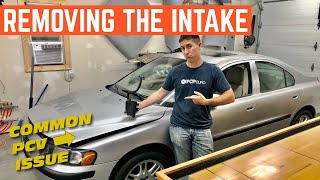
Typical fix: Replace the entire PCV system as a kit, including the oil trap, upper and lower hoses, and associated clamps. It is highly recommended to replace the intake manifold gasket at the same time, as the manifold must be removed for access. 🎬 See this step-by-step walkthrough of the PCV replacement process. The ports in the engine block where the PCV system drains should also be carefully cleaned of carbon buildup.
Est. part cost: $85 - $170 for an aftermarket kit (e.g., Rein, IPD), $350+ for a Genuine Volvo kit. - Cracked or Disconnected Vacuum Hoses 🟡 Medium Probability → Shop Vacuum Hose The numerous rubber and plastic vacuum lines in the engine bay degrade with age and heat cycles, leading to cracks and leaks, especially at elbows and connection points near the intake manifold.
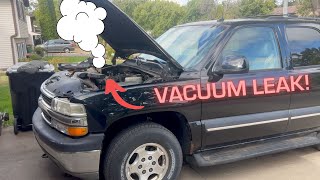
How to confirm: Visually inspect all vacuum lines for obvious cracks or disconnections. A smoke test is the most effective method; by pumping smoke into the intake system, any leaks will be clearly visible as smoke escapes 🎬 Watch: How to find vacuum leaks using a smoke machine. from the compromised area. A similar diagnostic approach was noted in NHTSA ODI #11607823, where a smoke test on a related Volvo model confirmed a P0171 code was caused by a vacuum leak.
Typical fix: Replace the specific cracked hose or elbow. It's often wise to replace multiple aging hoses at once as a preventative measure.
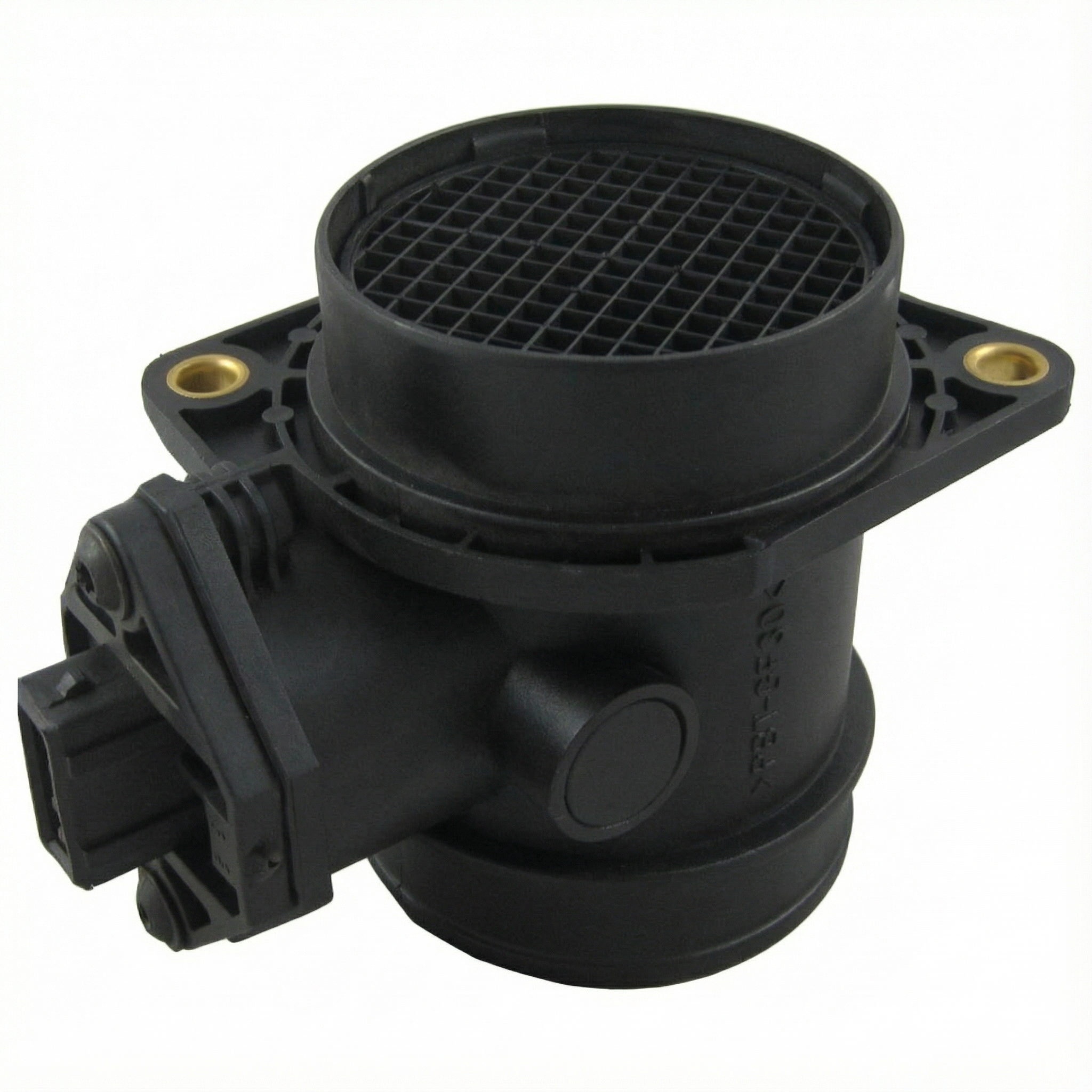
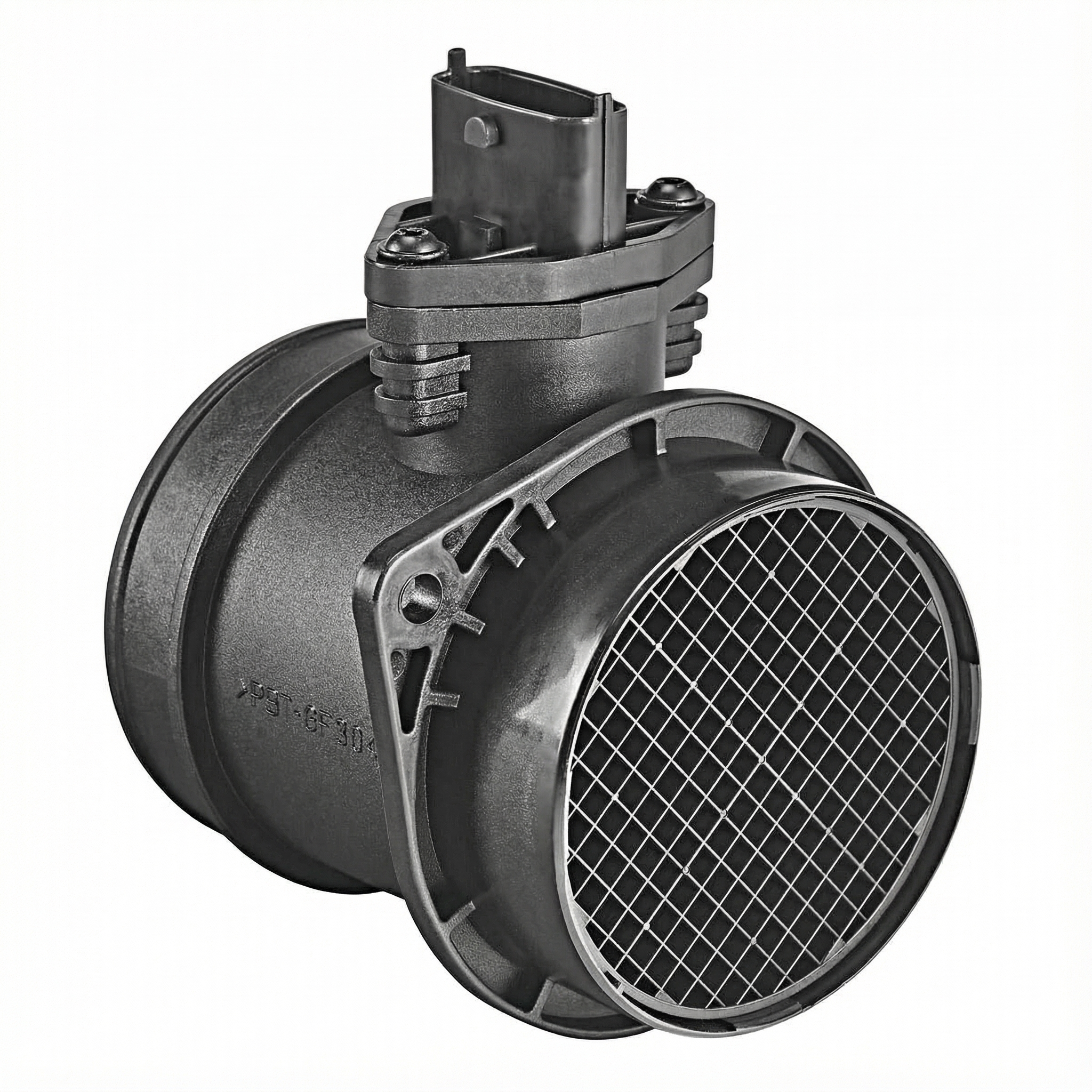
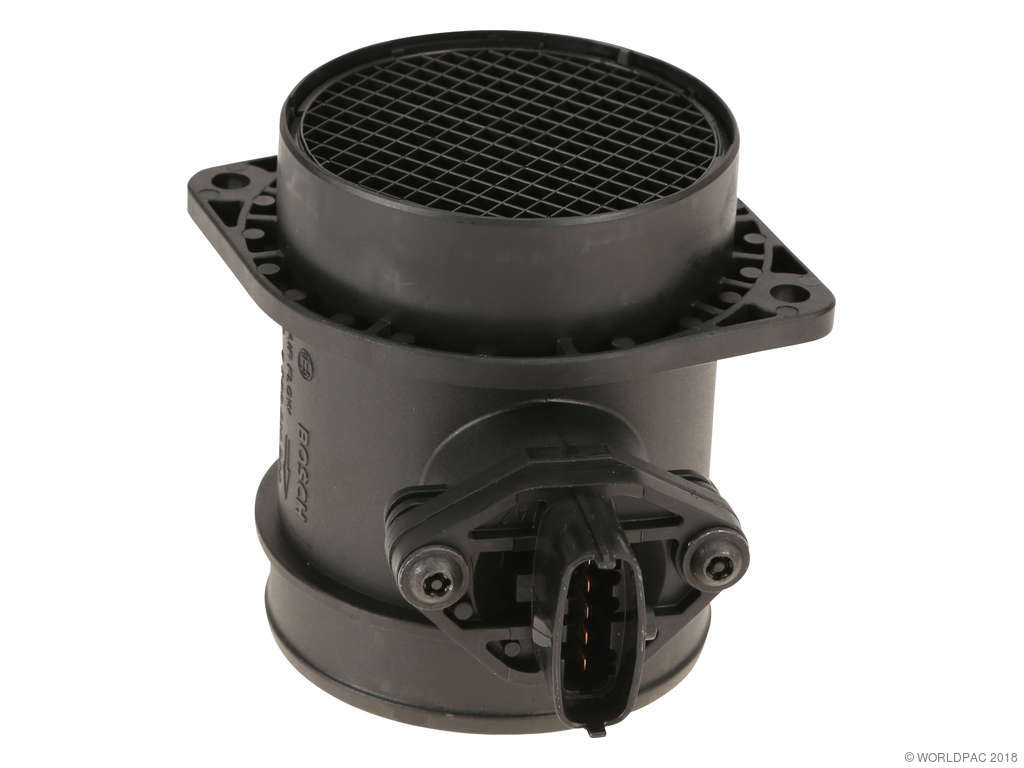
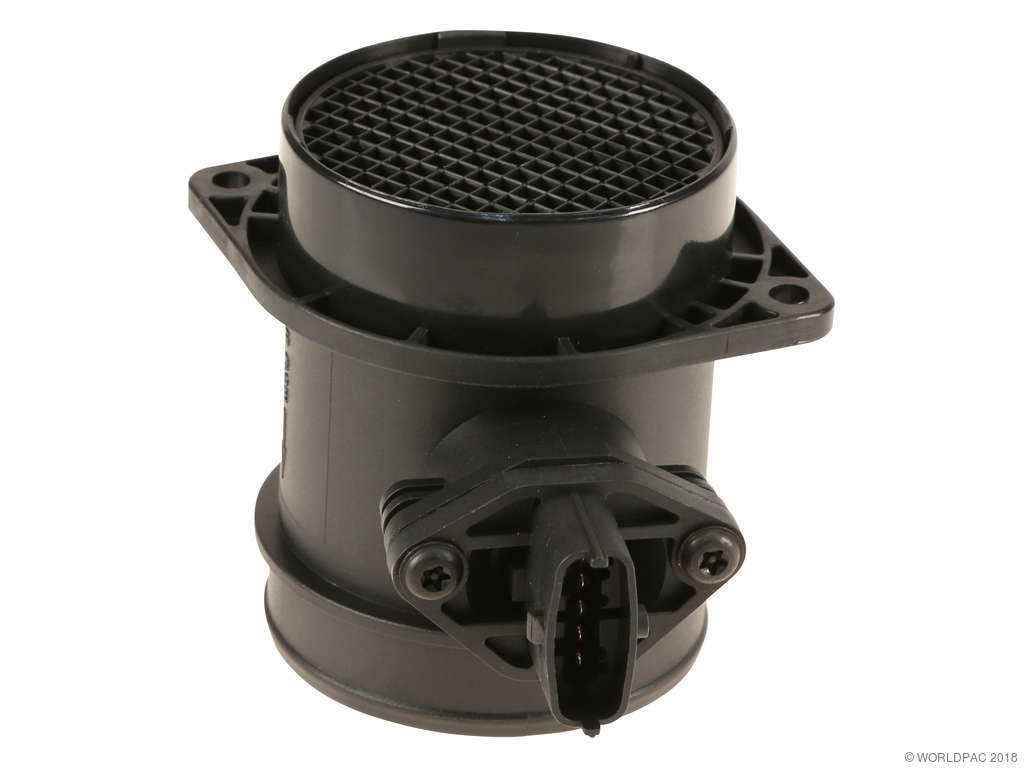
Est. part cost: $10 - $50 for individual hoses or small vacuum line kits. - Dirty or Faulty Mass Airflow (MAF) Sensor 🟡 Medium Probability → Shop Fuel Injection Air Flow Meter
How to confirm: A dirty MAF sensor will under-report the amount of air entering the engine, causing the ECU to inject too little fuel. Inspect the delicate sensor wires for contamination. You can try cleaning it with a dedicated MAF sensor cleaner spray. If cleaning doesn't resolve the issue, monitor its readings with an OBD-II scanner at idle and under load to see if they are within spec or replace it.
Typical fix: Clean the sensor with a specialized MAF cleaner. If the problem persists, replace the sensor. Always use a quality OEM brand like Bosch, as these engines are sensitive to aftermarket sensor readings.
Est. part cost: $85 - $150 for a Bosch sensor. - Faulty Front Oxygen (O2) Sensor ⚪ Low Probability → Shop Oxygen Sensor
How to confirm: This requires an OBD-II scanner that can graph live data. A healthy front O2 sensor (Air/Fuel Ratio sensor) should show rapidly fluctuating voltage. A lazy or failing sensor will react slowly or get stuck at a certain voltage, falsely telling the ECU the engine is lean when it isn't. This should only be suspected after all potential vacuum leaks are ruled out.
Typical fix: Replace the front (pre-catalytic converter) oxygen sensor. Use a quality brand like Bosch or Denso.
Est. part cost: $100 - $200 for a quality brand sensor.
Rare But Worth Checking
- Leaking Fuel Injector O-rings: → Shop Fuel Injector The small rubber O-rings that seal the fuel injectors to the intake manifold can become dry and cracked, creating a small vacuum leak at each affected cylinder.
- Faulty Fuel Pressure Sensor / PEM: On some models (typically 2003 and newer), the Fuel Pressure Sensor is part of the Pump Electronic Module (PEM) located outside the tank, often near the right rear wheel. These modules are prone to corrosion and failure from road debris and water, which can cause low fuel pressure and a P0171 code.
- Weak Fuel Pump or Clogged Fuel Filter: → Shop Fuel Filter If the fuel pump cannot supply adequate pressure (spec is ~55 PSI or 380 kPa), the entire system will run lean. The fuel filter, located under the car near the passenger side, can become clogged and restrict flow.
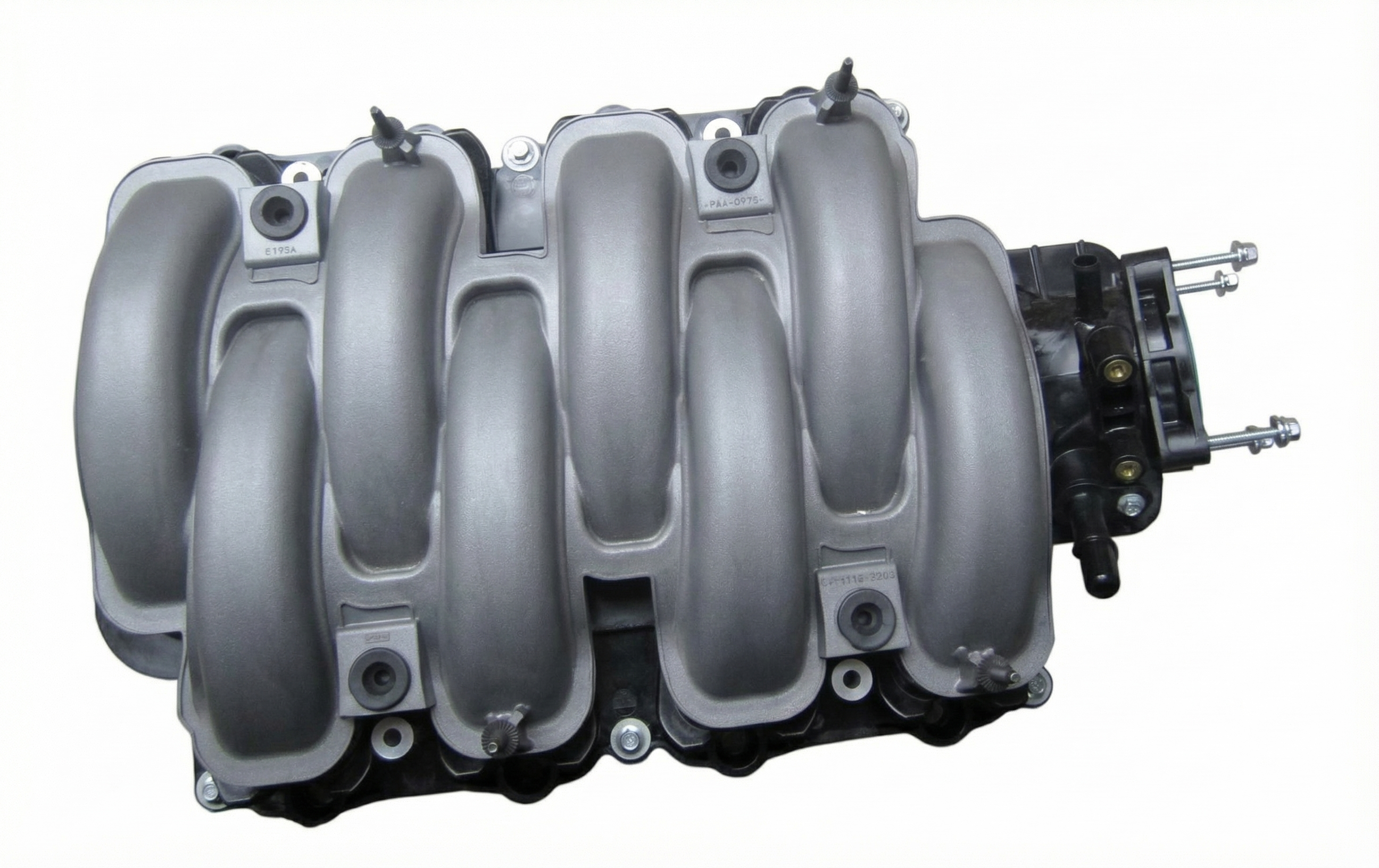
- Leaking Intake Manifold Gasket: → Shop Engine Intake Manifold While usually replaced during a PCV job, the intake manifold gasket itself can fail, creating a vacuum leak. This is often found during a smoke test.
Diagnosis Steps
- Read codes with an OBD-II scanner. Confirm P0171 is present and check Long-Term Fuel Trim (LTFT) values. A value of +20% or higher strongly suggests a vacuum leak.
- With the engine running, listen for a loud whistling or hissing sound. If present, it's likely a torn PCV diaphragm or a large vacuum hose leak.
- Perform the "glove test" on the oil filler opening. Glove inflates = clogged PCV. Glove sucks in = torn PCV diaphragm/hose.
- If the glove test is inconclusive, perform a smoke test. This is the most definitive way to find all vacuum leaks, including cracked hoses, leaking gaskets, and faulty injector O-rings.
- If no vacuum leaks are found, remove and inspect the Mass Airflow (MAF) sensor. Clean it with dedicated MAF sensor cleaner and re-evaluate. Do not touch the sensor elements.
- Check fuel pressure. Connect a fuel pressure gauge to the Schrader valve on the fuel rail (if equipped) or monitor the fuel pressure sensor data on a capable scanner. Pressure should be around 55 PSI (380 kPa). Investigate the fuel filter and PEM if pressure is low.
- Only after ruling out all other causes, analyze the live data from the front oxygen sensor. A slow or non-responsive sensor may be the culprit, but it's the least likely cause.
- If the code appeared immediately after a PCV system replacement, re-check all connections, ensure the intake manifold gasket is seated correctly, and verify no hoses were left disconnected.
Parts You'll Likely Need
- PCV Breather System Kit (Oil Trap & Hoses)
(OEM #Turbo: 8692211KT, 30731068 (pipe), 30731007 (nipple). Non-Turbo: 31338024 (kit varies by engine serial).)— This is the most common failure point on the 2001-2009 S60 that leads to a P0171 code.
Trusted brands: Genuine Volvo, Rein, IPD, Professional Parts Sweden (PPS)
OEM price range: $350-$500
Aftermarket price range: $100-$170 - Intake Manifold Gasket
(OEM #9458534)— Must be replaced when the intake manifold is removed to service the PCV system. A leak here can also cause P0171.
Trusted brands: Genuine Volvo, Elring, Victor Reinz
OEM price range: $15-$25
Aftermarket price range: $5-$15 - Mass Airflow (MAF) Sensor — A dirty or failing MAF sensor can under-report airflow, causing a lean condition. Cleaning is sometimes effective, but replacement is often necessary if the issue persists.
Trusted brands: Bosch (OEM), Denso, Delphi
OEM price range: $150-$250
Aftermarket price range: $85-$150
Related Codes That Often Appear With This One
- P0170 — A more generic 'Fuel Trim Malfunction' code that can sometimes accompany P0171.
- P0300-P0305 — Random or specific cylinder misfire codes can occur if the lean condition becomes severe enough to cause incomplete combustion.
- P0507 — 'Idle Air Control System RPM Higher Than Expected' can be triggered by the same large vacuum leak (like a torn PCV diaphragm) that causes P0171.
Platform-Specific Known Issues
- The PCV oil trap is located underneath the intake manifold, making its replacement a labor-intensive job (4-6 hours) that requires removing the manifold, fuel rail, and injectors. This significantly increases the repair cost compared to simpler PCV systems.
- The two lower bolts on the intake manifold are notoriously difficult to access, especially the one on the passenger side near the alternator. Special tools like a 10mm wobble socket and long extensions are often required.
- When replacing the PCV system, it is critical to clean the two ports in the engine block that the oil trap drains into. These are often completely blocked with hard carbon deposits and must be carefully scraped or drilled out to restore function.
Mechanic-Grade Diagnostic Values
- Mass Airflow (MAF) Sensor Reading at Idle — expected: 2 to 7 g/s, depending on engine size and load (A/C on/off). For a 2.4L/2.5L engine, a healthy reading is typically 3.0-4.5 g/s.. Failure: A reading significantly lower than 3 g/s at idle suggests a dirty or failing sensor that is under-reporting air, leading to a lean mixture.
- Mass Airflow (MAF) Sensor Reading at 2500 RPM (no load) — expected: 15 to 25 g/s.. Failure: A reading that does not increase smoothly and proportionally with RPM, or is significantly below this range, indicates a faulty sensor.
- Long-Term Fuel Trim (LTFT) at Idle — expected: -10% to +10%. Ideally close to 0%.. Failure: Sustained values of +20% or higher confirm the ECU is adding a large amount of fuel to compensate for a lean condition, strongly suggesting a vacuum leak.
- Front Oxygen Sensor (A/F Sensor) Voltage — expected: Rapidly fluctuating between approximately 0.1V and 0.9V on a healthy engine after warm-up.. Failure: A sensor that is slow to respond or is stuck at a low voltage (e.g., < 0.4V) may be faulty, but this is more often a symptom of a lean condition, not the cause.
Hidden / Shadow Codes Worth Checking
- ECM-250A: Long-term fuel trim, lower limit. This is the Volvo-specific code for a lean condition that corresponds to the generic P0171. (see via Volvo's VIDA diagnostic software or a compatible high-end scanner that can read manufacturer-specific codes.)
Scan Tool Commands That Help
- VIDA (Volvo Information and Diagnostics for Aftersales) or compatible advanced scanner: Reset adaptation of fuel and air mixture / Resetting fuel trims — This function should be performed after replacing components that affect the air/fuel mixture, such as the MAF sensor, O2 sensor, fuel injectors, or fixing a major vacuum leak. It erases the learned long-term fuel trim values, forcing the ECU to relearn from a zero baseline, which can resolve rough running or hesitation after a repair.
Wiring & Ground Locations
- 31/4 — On the engine block itself. A common attachment point for multiple grounds.. A poor ground connection at this point can affect various sensors, including those critical to the engine management system. While not a primary cause, checking that this ground is clean and tight is a valid step in advanced diagnosis.
- 31/1 and 31/2 — Located on the right and left MacPherson strut towers, respectively.. These are main chassis ground points. The MAF sensor and ECU rely on a solid ground path. Corrosion or looseness at these points can introduce electrical noise and cause erratic sensor readings, potentially contributing to a P0171 code.
- MAF Sensor Connector — On the MAF sensor, located in the air intake tube right after the air filter box.. The ground pin for the MAF sensor is critical. A poor connection or corroded pin within the connector can cause the sensor to send incorrect low-voltage signals, mimicking a failed sensor. Checking for voltage drop on the ground wire can diagnose this.
Real Owner Repair Stories
- YouTube user 'Mechanic Mode' (2007 Volvo S40 2.4i (P1 Platform, but shares engine architecture and similar components with P2 S60)) — Check Engine Light with code ECM-250A (P0171).
❌ Tried (didn't work) Replaced vacuum lines, Replaced brake booster, Replaced MAF sensor
✅ What actually fixed it The final fix was replacing the fuel pressure sensor located on the end of the fuel rail. The owner used a sensor from a 2.5T engine (different color) which worked correctly and resolved the code. - Matthews Volvo Site forum user (2006 Volvo XC70 2.5T (P2 Platform, similar systems to S60)) — P0171 code, lean condition.
❌ Tried (didn't work) Smoke test (passed with no leaks found), PCV system replacement, MAF sensor cleaning
✅ What actually fixed it The cause was a leaking brake booster check valve. The leak was internal to the booster and did not show up on a standard intake smoke test. The user confirmed the leak by capping the vacuum line to the booster and observing that the fuel trims returned to normal. - NHTSA ODI #11042866 — An owner reported experiencing codes P0171 and P0300.
❌ Tried (didn't work) Changed spark plugs, ignition coils, and the oxygen sensor, but the problem persisted.
"I Checked Everything" — The Actual Cause
- A documented case on Volvo forums pointed to a leaking brake booster. A standard smoke test of the intake manifold and vacuum lines showed no leaks. The technician isolated the problem by disconnecting the vacuum hose from the brake booster and plugging it. With the booster isolated, the fuel trims corrected themselves, proving the leak was internal to the booster or its check valve, a location often missed during a smoke test.
When the Usual Fixes Don't Work
- While the vast majority of P0171 codes on this platform are due to the PCV system, there are numerous documented cases where a full PCV system replacement did not fix the code. In these instances, the root cause was often more obscure. One recurring theme is a faulty Fuel Pressure Sensor, which can cause the lean code without a corresponding pressure sensor fault code. Another is a vacuum leak internal to the brake booster, which will not be found with a standard intake smoke test. In both scenarios, owners replaced the common, high-probability parts first (PCV, MAF) before finding the true, less obvious cause.
OEM Part Supersession History
N/A→30731007 (Nipple)— Cost-saving alternative for PCV repair.
Heads up: For turbocharged models (B5254T2 engine), instead of replacing the entire expensive breather hose (PN 30731068), some owners use the PCV nipple from an S80 T6 (PN 30731007) as a more affordable and effective repair for the connection at the intake manifold.Varies by year/engine→Varies by year/engine— Design updates and supplier changes.
Heads up: The PCV system components, particularly the oil trap and hoses, changed multiple times. For example, kits for 2001-2004 models are different from 2005-2009 models. Always confirm the correct kit using the vehicle's VIN.
Model Year Variations Within This Range
- 2003-2009: Introduction of the external Pump Electronic Module (PEM) to control the fuel pump. On earlier models (2001-2002), the fuel pump relay is integrated into the Central Electronic Module (CEM). The external PEM on 2003+ cars is notoriously prone to failure from corrosion due to its location near the right rear wheel, which can cause low fuel pressure and a P0171 code.
- 2005-2009: A mid-cycle refresh occurred in 2005, which included some changes to engine management components and PCV parts. For example, the PCV breather kits are often listed for pre-2005 or 2005-onward models.
- All years: Turbocharged models use a security Torx bit (TS25, 5-point) to secure the MAF sensor, while some non-turbo models may use a standard Torx bit. Owners often replace the security bolts with standard T25 Torx bolts for easier future service.
Diagnostic Flowchart
Other Known Issues on This Vehicle
Issues unrelated to this code that are worth knowing about as an owner of this generation:
- Electronic Throttle Module (ETM) Failure 🔴 High — Very common on early models (2001-2002) with the white label Magneti Marelli unit. Less common on later Bosch units. Failure often occurs between 100k-150k miles. (Ref: Volvo offered an extended warranty and software updates, but most have expired.)
- Driver Information Module (DIM) Failure 🟠 Medium — Extremely common, especially on 2002-2004 models. Symptoms include flickering gauges, scrambled text, or a completely dead instrument cluster. Caused by cold solder joints on the main processor.
- AWD Angle Gear Collar Sleeve Failure 🔴 High — A frequent failure point on all P2 platform AWD models. The splines on the collar connecting the transmission to the angle gear strip, resulting in a loss of AWD. Often happens without warning.
- Cracked Front Spring Seats 🟠 Medium — The upper rubber spring seats for the front struts degrade and break apart, causing clunking noises over bumps. A very common wear item that usually needs replacement every 100k miles.
- Automatic Transmission (Geartronic) Issues 🔴 High — The Aisin-Warner AW55-50/51SN transmission can develop harsh shifting, flaring between gears, or shift-flares, particularly when warm. Often related to worn valve body solenoids or requiring a 'B4' servo cover update. (Ref: Several TSBs were issued for software updates and component replacements.)
Used vs. New Parts: Buying Guide for This Vehicle
When a used part is the smart pick: Used parts are generally not recommended for the primary causes of P0171 on this vehicle. However, a used MAF sensor from a low-mileage donor car can be a cost-effective diagnostic tool to swap in and test if the original is faulty. Structural components like the intake manifold or air filter housing are also fine to source from a junkyard if damaged.
Donor-vehicle mileage cap: roughly under 80000 miles for the part to have meaningful remaining life.
What to inspect on the donor part:
- For a MAF sensor, check the donor vehicle's mileage and overall condition. Avoid parts from cars with signs of engine sludge or poor maintenance.
- Inspect the part for physical damage, cracks, or corrosion on the electrical connector pins.
- If possible, check the date code on the part; newer is always better.
OEM-only on this vehicle (don't cheap out):
- PCV System Components (Oil Trap/Hoses): While quality aftermarket kits exist, used PCV parts are a major gamble as the plastic and rubber will be aged and prone to the same failures. The labor involved is too high to risk using a used part.
- Fuel Pump Electronic Module (PEM): A used PEM can work, but it must be free of any corrosion on the housing or connector. Given the high failure rate from water intrusion, a new or remanufactured unit with better sealing is a wiser investment.
Aftermarket brands forum-validated for this vehicle:
- PCV System: Rein, IPD, Professional Parts Sweden (PPS)
- MAF Sensor: Bosch (this is the Original Equipment Manufacturer, OEM), Denso, Delphi
- Oxygen Sensor: Bosch, Denso, NTK
Brands owners have reported issues with on this vehicle:
- Unbranded/generic 'no-name' MAF sensors and O2 sensors from online marketplaces. Volvo engine management systems are very sensitive to sensor calibration, and cheap sensors are a very common cause of persistent, hard-to-diagnose running issues even if they are brand new.
Real Owner Stories
Aggregated from forums and TSBs cited above. Mileages and costs reflect what owners reported in those sources.
2001 Volvo S60 2.4T
Symptoms: The PCV system was completely clogged with hard carbon deposits in the engine block ports.
What fixed it: Replacement of the PCV system and manual cleaning of the carbon buildup in the engine block ports.
Source hint: YouTube: POORLY DESIGNED Volvo S60 PCV System *COMPLETELY Clogged With CARBON*
2001-2009 Volvo S60
Symptoms: Loud squealing noise and a creeping idle.
What fixed it: Installation of a new PCV kit from FCP Euro to replace a torn oil trap diaphragm.
Source hint: Reddit r/Volvo: Squealing, Creeping Idle, and P0507 P0171
2001-2009 Volvo S60
Symptoms: P0171 (Lean) code persisted even after a PCV system change.
What fixed it: Checking for missed vacuum leaks such as injector o-rings or the intake manifold gasket.
Source hint: Matthews Volvo Site: P0171 (Lean) after PCV change
Related OBD-II Codes
Frequently Asked Questions
What is the 'whistle of death' I hear from my S60 engine bay?
How can I test if my S60's PCV system is clogged or has a torn diaphragm?
Why is the PCV replacement so expensive on the 2001-2009 S60?
Are there specific parts of the engine block I need to clean during a P0171 repair?
Which brand of Mass Airflow (MAF) sensor should I use for my Volvo?
I just replaced my PCV system but still have a P0171 code. What should I check?
Helpful Videos
Used OEM Parts in Stock
New Aftermarket Parts Available


The information in this article is provided for general reference and educational purposes only. Vehicle specifications, procedures, and part compatibility can vary by production date, trim level, and region. Always consult your vehicle's factory service manual and verify part numbers before purchasing or performing repairs. Safety-critical components such as airbags, seat belts, and braking systems should be installed by a qualified professional.
- Volvo S60:
- 🧭 Diagnostic Flowchart
- 🎬 Helpful Videos
- 🛍️ Shop This Part
- What's Unique About the 2001-2009 Volvo S60
- Symptoms You May Notice
- Most Likely Causes
- Rare But Worth Checking
- Diagnosis Steps
- Parts You'll Likely Need
- Related Codes That Often Appear With This One
- Platform-Specific Known Issues
- Mechanic-Grade Diagnostic Values
- Hidden / Shadow Codes Worth Checking
- Scan Tool Commands That Help
- Wiring & Ground Locations
- Real Owner Repair Stories
- "I Checked Everything" — The Actual Cause
- When the Usual Fixes Don't Work
- OEM Part Supersession History
- Model Year Variations Within This Range
- Other Known Issues on This Vehicle
- Used vs. New Parts: Buying Guide for This Vehicle
- Real Owner Stories
- 2001 Volvo S60 2.4T
- 2001-2009 Volvo S60
- 2001-2009 Volvo S60
- Related OBD-II Codes
- Frequently Asked Questions
- 🎟️ Get 5% Off