

P0171 on 2000-2007 Volvo V70 2.4L: Lean Code Causes and Fixes
On a 2000-2007 Volvo V70, code P0171 is most often caused by a vacuum leak from a failed PCV breather system. A complete PCV kit costs between $100 and $200. The second most likely cause is a dirty or faulty Mass Airflow (MAF) sensor. A smoke test is the best way to confirm the diagnosis.
- For a P0171 code on a 2000-2007 Volvo V70, suspect a vacuum leak before anything else.
- The PCV breather system is the most likely source of the vacuum leak. Use the 'glove test' for a quick check.
- A smoke test is the most effective method to find hidden vacuum leaks.
- If no vacuum leaks are found, the next step is to clean, and if necessary, replace the Mass Airflow (MAF) sensor.
- Only consider replacing the front O2 sensor or investigating the fuel system after you have definitively ruled out all possible vacuum leaks and MAF sensor issues.
What's Unique About the 2000-2007 Volvo V70
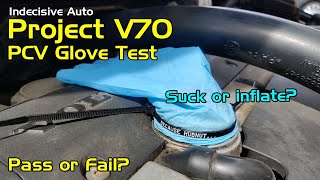
The P2 platform V70, which covers this entire year range, is famously prone to vacuum leaks, particularly from the Positive Crankcase Ventilation (PCV) system. Unlike many other cars where a lean code might point to a variety of sensors first, on this specific Volvo, a vacuum leak from the PCV oil trap or its associated hoses is the primary suspect by a wide margin. The diaphragm inside the oil separator box is known to tear, creating a significant unmetered air leak that produces a distinct whistling or howling sound. Owners often refer to the "glove test"—placing a rubber glove over the oil filler neck to see if it gets sucked in (good vacuum) or inflates (bad PCV pressure)—as a quick, platform-specific initial check.
🎬 Watch: A mechanic demonstrates the glove test and PCV check.Symptoms You May Notice
- Check Engine Light is on
- Rough or unstable idle, especially when the engine is warm.
- Hesitation or stumbling during acceleration.
- Reduced fuel economy.
- A distinct whistling or squealing noise from the engine bay, often indicating a torn PCV diaphragm.
- Engine stalling at low speeds or when coming to a stop.
- In some cases, a recurring P0171 can be triggered by a failing Electronic Throttle Module (ETM), which may also present codes like P0068.
- Replacing the oxygen sensor first without checking for vacuum leaks. A vacuum leak is far more common on this engine and will cause the O2 sensor to report a lean condition, even though the sensor itself is working perfectly.
- Replacing the MAF sensor without first attempting to clean it. Often, contamination is the issue, not outright failure.
Most Likely Causes
- Failed PCV System (Oil Trap/Breather Box) 🔴 High Probability The rubber diaphragm inside the oil trap assembly becomes brittle and tears over time, creating a significant unmetered vacuum leak. The plastic hoses connected to the system also crack. This is the most common cause of P0171 on this engine.
How to confirm: Perform the "glove test": with the engine running, remove the oil cap and place a latex glove over the opening. If the glove is sucked in slightly, the PCV system is likely working. If it inflates, there is positive crankcase pressure, and the system is clogged or has failed. A loud whistling that stops when you pull the oil dipstick is another classic sign of a failed PCV diaphragm. A smoke test is the most definitive way to confirm a leak in the system.
Typical fix: Replace the entire PCV system, including the oil trap box and all associated hoses. It is sold as a complete kit by companies like IPD and FCP Euro.
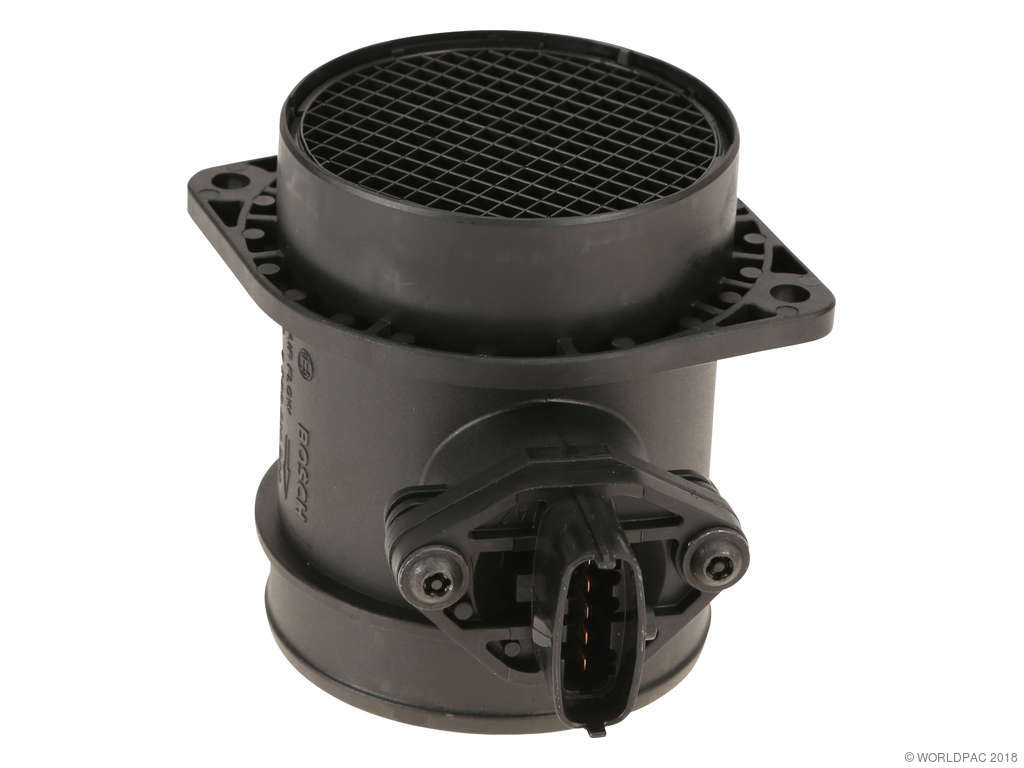
Est. part cost: $100 - $200 - Dirty or Faulty Mass Airflow (MAF) Sensor 🟡 Medium Probability → Shop Fuel Injection Air Flow Meter The MAF sensor wire can become contaminated with dirt and oil vapor over time, causing it to under-report the amount of air entering the engine. This leads the ECM to inject too little fuel, creating a lean condition.
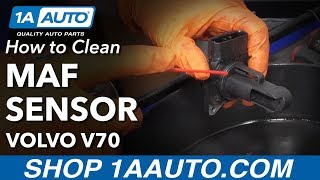
How to confirm: First, try cleaning the sensor with a dedicated MAF sensor cleaner spray. Do not touch the delicate sensor wires. 🎬 See how to safely clean your MAF sensor step-by-step. If cleaning does not resolve the issue, monitor the MAF reading (in grams/second) with a scan tool. At idle, it should be around 3-5 g/s and increase smoothly with RPM. A sluggish, erratic, or flat reading indicates a failed sensor.
Typical fix: Clean the sensor. If the problem persists, replace the MAF sensor. It is highly recommended to use an OEM-quality brand like Bosch to avoid compatibility issues.
Est. part cost: $100 - $250 - Other Vacuum Leaks 🟡 Medium Probability With age, rubber vacuum lines, the intake manifold gasket, and the large intake air hose between the MAF and throttle body can become brittle and crack.
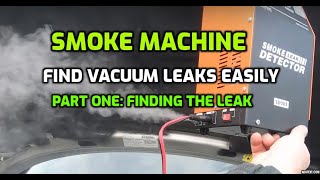
How to confirm: Perform a smoke test. This involves feeding pressurized smoke into the intake system and looking for where it escapes. Common non-PCV leak spots include the elbow on the brake booster vacuum line and the intake manifold gasket itself, which can be disturbed during a PCV system replacement. Spraying carburetor cleaner around suspected areas while listening for a change in engine idle is a less precise method.
Typical fix: Replace the specific hose, seal, or gasket that is leaking.
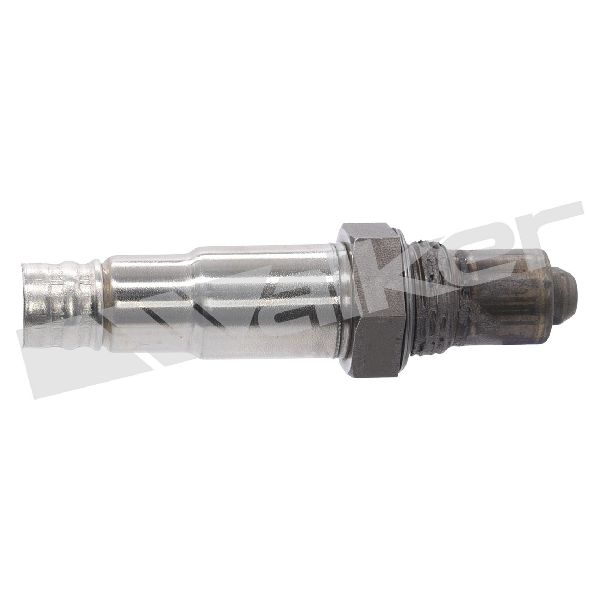
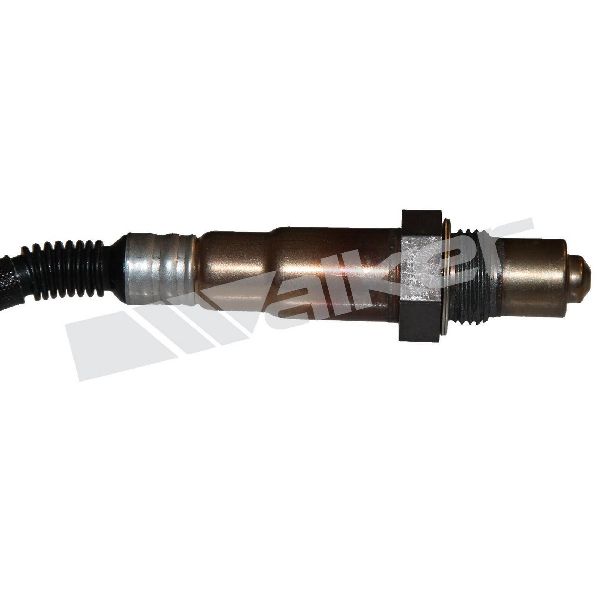
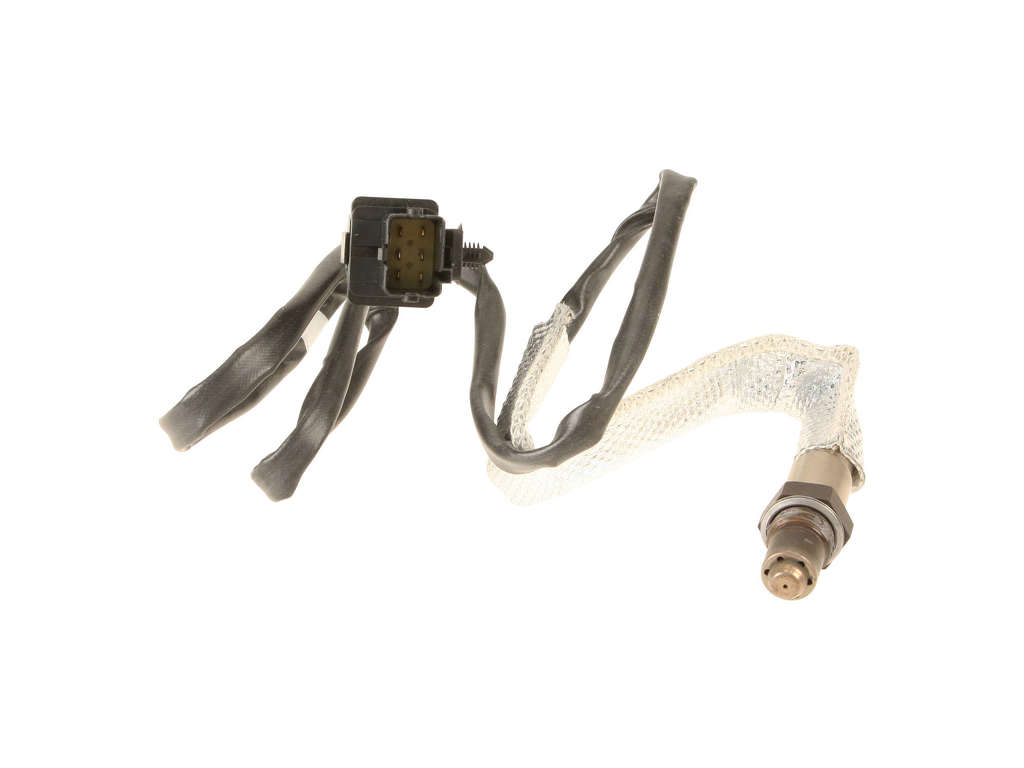
Est. part cost: $10 - $150 - Failing Front Oxygen (O2) Sensor ⚪ Low Probability → Shop Oxygen Sensor The upstream O2 sensor's heating element can fail, or the sensor can become 'lazy' after many miles (typically over 100,000), causing it to send slow or inaccurate signals to the ECM. It may falsely report a lean condition.
How to confirm: Use a scan tool to graph the voltage of the front O2 sensor. A healthy sensor should show rapidly fluctuating voltage between approximately 0.1V and 0.9V. A slow or flat reading indicates a problem. This should only be suspected after all potential vacuum leaks are ruled out.
Typical fix: Replace the front (pre-catalytic converter) oxygen sensor. Use a quality brand like Bosch or Denso.
Est. part cost: $80 - $180
Rare But Worth Checking
- Low Fuel Pressure: While less common than vacuum leaks, a weak fuel pump or clogged fuel filter can restrict fuel flow, causing a lean condition. This should be investigated if all vacuum leaks and sensor issues have been ruled out. Confirm by testing the fuel pressure at the Schrader valve on the fuel rail; it should be around 43 PSI (300 kPa or 3 bar) at idle.
- Exhaust Leak Before O2 Sensor: → Shop Oxygen Sensor A crack in the exhaust manifold or a bad gasket can allow outside air to be drawn into the exhaust stream. This extra oxygen will pass over the O2 sensor, tricking it into thinking the engine is running lean.
- Faulty Fuel Pressure Sensor: The fuel pressure sensor, located on the end of the fuel rail, can fail and send incorrect data to the ECM, causing fuel delivery issues. A failing sensor may trigger codes like ECM-280B. You can verify its operation by comparing the live data reading on a scan tool to a mechanical gauge connected to the rail.
Diagnosis Steps
- Read the fault codes with an OBD-II scanner and confirm P0171 is present. Note any other codes and check freeze frame data to see engine conditions when the code was set.
- Perform a visual inspection of the engine bay. Look for obviously cracked, disconnected, or collapsed vacuum hoses, especially around the PCV system and intake manifold.
- Perform the 'glove test' on the oil filler cap to quickly assess the health of the PCV system. An inflating glove or a loud whistle points to a failed system.
- If the PCV system seems okay, perform a smoke test to definitively locate any vacuum leaks. This is the most reliable method. 🎬 Watch: How to use a smoke machine to find leaks. Pay close attention to the PCV oil trap, all connected hoses, the intake manifold gasket, and the brake booster line.
- Remove and clean the Mass Airflow (MAF) sensor using a dedicated MAF sensor cleaner. Allow it to dry completely before reinstalling.
- If no vacuum leaks are found, test the fuel pressure at the fuel rail to rule out a weak fuel pump or clogged filter. It should be approximately 43 PSI at idle.
- If fuel pressure is normal, use a scan tool to observe the live data from the front (upstream) O2 sensor. If the voltage is slow to respond or stuck low (below 0.45V), the sensor has likely failed.
- As a final, less common check, inspect the exhaust manifold for cracks or leaks before the front O2 sensor.
Parts You'll Likely Need
- PCV Breather System Kit
(OEM #8692211)— This is the most common failure point for P0171 on the 2.4L Volvo engine. The diaphragm in the oil trap tears, creating a large vacuum leak.
Trusted brands: Volvo (Genuine), IPD, FCP Euro Kit, Meyle
OEM price range: $150-$220
Aftermarket price range: $80-$150 - Mass Airflow (MAF) Sensor
(OEM #8670398 or Bosch 0280218088)— The second most likely cause after vacuum leaks. A dirty or failed sensor provides incorrect airflow readings to the ECM.
Trusted brands: Bosch (OEM)
OEM price range: $200-$300
Aftermarket price range: $75-$150 - Front Oxygen Sensor (Bank 1, Sensor 1)
(OEM #Bosch 17098 (for 2001-2002) or Bosch 17137 (for 2003+))— A lazy or failed sensor can give false lean readings, but should only be replaced after ruling out vacuum leaks and MAF issues.
Trusted brands: Bosch (OEM), Denso
OEM price range: $180-$250
Aftermarket price range: $80-$150
Related Codes That Often Appear With This One
- P0300-P0305 — A lean mixture can cause incomplete combustion, leading to random (P0300) or specific cylinder (P0301-P0305) misfires.
- P0170 — This is a more generic fuel trim malfunction code for Bank 1 that can accompany the more specific P0171.
Platform-Specific Known Issues
- PCV Whistle and Glove Test Story: A user on volvoforums.com described a sudden 'whistling' from the engine bay. After much searching, they found the solution was
Mechanic-Grade Diagnostic Values
- Mass Airflow (MAF) Sensor Reading at Idle — expected: 2 to 7 g/s (grams per second). On a 2.4L engine, a healthy reading is typically 3-5 g/s.. Failure: A reading that is sluggish to respond to RPM changes, is erratic, or is significantly outside the expected range.
- Mass Airflow (MAF) Sensor Reading at 2500 RPM — expected: 15 to 25 g/s (grams per second).. Failure: Failure to increase smoothly and linearly with engine speed.
- Mass Airflow (MAF) Sensor Signal Voltage at Idle (Non-Turbo) — expected: Approximately 1.2V with the engine warm.. Failure: Voltage that does not correspond with engine RPM changes.
- Long-Term Fuel Trim (LTFT) — expected: Within +/- 10%. Ideally close to 0%.. Failure: A sustained positive value of +20% or higher, which indicates the ECM is adding a large amount of fuel to compensate for a lean condition.
Hidden / Shadow Codes Worth Checking
- ECM-250A: Long-term fuel trim, lower limit. This is the Volvo-specific code for a lean condition (P0171) that is readable with a Volvo-specific scanner like VIDA. (see via Volvo VIDA diagnostic software.)
- ECM-280B: Fuel pressure sensor - faulty signal. This code can accompany P0171 if the fuel pressure sensor is the root cause of the lean condition. (see via Volvo VIDA diagnostic software.)
Scan Tool Commands That Help
- Volvo VIDA (Vehicle Information & Diagnostics for Aftersales): ETM (Electronic Throttle Module) Sweep Test / Adaptation — After cleaning or replacing the ETM, this function is used to test its range of motion and reset its learned position. An ETM fault can sometimes cause codes like P0068 which can be related to P0171.
- Volvo VIDA (Vehicle Information & Diagnostics for Aftersales): Activate Fuel Pump — To test the function of the fuel pump and the Fuel Pump Electronic Module (PEM) without starting the engine. This helps isolate fuel delivery issues when diagnosing a lean code.
Wiring & Ground Locations
- Main Engine Ground Strap — A large braided cable running from the transmission housing to the vehicle's frame/subframe.. A corroded or loose main ground can cause a host of bizarre electrical issues, including incorrect sensor readings from the MAF and O2 sensors, leading to false lean codes.
- G110 / G134 — G110 is at the left front of the engine; G134 is at the top of the engine. These are grounding points for the engine wiring harness.. These grounds are critical for the proper operation of the ignition coils and various engine sensors. Corrosion at these points can introduce electrical noise and resistance, potentially affecting sensor data sent to the ECM.
- MAF Sensor Connector (Pin 5 & 3) — On the MAF sensor electrical connector itself.. For manual voltage testing, Pin 5 (Green/Red wire) is the signal wire and Pin 3 is the ground. Probing these pins allows for direct measurement of the sensor's output voltage to verify its operation against specifications.
Real Owner Repair Stories
- Volvo Owners Club Forum user (2000 V70 2.4L 170bhp) — Emission service light on, rough running, P0171 code present.
❌ Tried (didn't work) Initial diagnosis pointed to common vacuum leaks.
✅ What actually fixed it The user reported the final fix was replacing the Mass Airflow (MAF) sensor. - Volvo Owners Club Forum user (V70 P2 B5244S2 (2.4L Non-Turbo)) — Persistent P0171 error since summer.
❌ Tried (didn't work) Smoke test (no leaks found), Replaced air filter, Replaced fuel filter, Ran injector cleaner, Tested fuel pressure (was OK), Replaced fuel filler cap seal, Cleaned throttle body, Glove test (PCV was OK), Cleaned MAF sensor, Replaced front O2 sensor (seemed to help temporarily but code returned)
✅ What actually fixed it The owner finally replaced the MAF sensor with a new Denso unit. Graphing the old vs. new sensor showed the old one was extremely sluggish and under-reading airflow, which was the true cause of the lean condition. - NHTSA ODI #11042866 — An owner of a related Volvo model reported a persistent P0171 and P0300.
❌ Tried (didn't work) Changed spark plugs, ignition coils, and the oxygen sensor.
"I Checked Everything" — The Actual Cause
- In one documented case, a V70 passed a smoke test and multiple other checks (fuel pressure, PCV test, new O2 sensor) but still had a P0171 code. The root cause was ultimately a failing Mass Airflow (MAF) sensor that was sluggish and under-reporting airflow, even though it hadn't failed completely. Cleaning it had no effect; only replacement solved the issue.
Documented NHTSA Reports
- NHTSA ODI #11607823: A report for a similar Volvo model describes a P0171 code where an independent service center confirmed the engine was running lean due to a vacuum leak identified via a smoke test.
Model Year Variations Within This Range
- 2000-2002: These earlier models used a Magneti Marelli Electronic Throttle Module (ETM) which was prone to failure and subject to a recall and extended warranty. While ETM failure typically produces its own set of codes, a malfunctioning ETM can contribute to erratic idle and airflow issues related to P0171.
- 2003-2007: Volvo switched to a more reliable Bosch ETM starting in 2003. These years also introduced the Fuel Pump Electronic Module (PEM), adding another potential point of failure for fuel delivery that does not exist on the earliest P2 models.
- 2005+: Some facelift models from 2005 onwards may have a slightly redesigned PCV system and different part numbers for hoses, though the fundamental design and failure modes are the same.
Diagnostic Flowchart
Other Known Issues on This Vehicle
Issues unrelated to this code that are worth knowing about as an owner of this generation:
- Electronic Throttle Module (ETM) Failure 🔴 High — Extremely common on 1999-2002 models. A contactless sensor replacement (from sources like XeMODeX) is a permanent fix. Symptoms include erratic idle, stalling, and 'Limp Home Mode'. (Ref: Volvo offered an extended warranty (10 years/200,000 miles) in the US, but this has long expired. A software update was also released in 2006.)
- AWD Angle Gear Collar Sleeve Failure 🟠 Medium — Common on all AWD models, particularly pre-2006. The splines on the sleeve connecting the transmission to the angle gear strip, resulting in loss of AWD. The part was updated in 2006 for better durability.
- Upper Engine Mount Failure 🟠 Medium — The upper torque mount, located on top of the engine, frequently fails, causing vibrations at idle and a clunking noise on acceleration. It is considered a regular wear item.
- Front Suspension Compliance Bushings 🟠 Medium — The large rubber bushings on the front control arms wear out, typically after 80,000-120,000 miles, leading to clunking noises over bumps, vague steering, and uneven tire wear.
- Cracked Spring Seats 🟡 Low — The rubber front spring seats at the top of the strut assembly dry rot and disintegrate over time, causing a hollow clunking or popping sound when turning or going over bumps.
Used vs. New Parts: Buying Guide for This Vehicle
When a used part is the smart pick: Structural or simple mechanical parts like the intake air hose (if not cracked), engine covers, or a fuel filler cap can be sourced from a junkyard. For some electronic modules, a used part can be a cost-effective diagnostic step, but with risks.
Donor-vehicle mileage cap: roughly under 120000 miles for the part to have meaningful remaining life.
What to inspect on the donor part:
- Check for a date code on electronic modules like the PEM; newer is always better.
- Inspect plastic and rubber parts for brittleness, cracks, or oil contamination.
- For a MAF sensor, visually inspect the hot wire area for any physical damage or heavy contamination, but understand that internal failure cannot be seen.
OEM-only on this vehicle (don't cheap out):
- PCV System Kit: Aftermarket PCV kits, particularly the oil trap box itself, are notorious for using inferior diaphragms that fail quickly. It is strongly recommended to use a Genuine Volvo or OEM-spec kit from a reputable supplier like IPD or FCP Euro.
- Mass Airflow (MAF) Sensor: While cheaper aftermarket options exist, many owners report driveability issues or immediate failure. Sticking with the OEM Bosch sensor is the safest and most reliable choice.
- Electronic Throttle Module (ETM): Only a genuine Bosch replacement should be considered due to the complexity and critical nature of this part.
Aftermarket brands forum-validated for this vehicle:
- Bosch (For MAF, O2 Sensors, ETM - often the Original Equipment Manufacturer)
- Denso (For O2 Sensors)
- IPD / FCP Euro (For comprehensive PCV kits, often using Genuine Volvo parts)
Brands owners have reported issues with on this vehicle:
- Unnamed, no-brand 'white box' electronic sensors (MAF, O2) from online marketplaces.
- Cheap, non-branded PCV oil separator boxes, as the internal diaphragm is often the point of failure.
Real Owner Stories
Aggregated from forums and TSBs cited above. Mileages and costs reflect what owners reported in those sources.
2000-2007 Volvo V70 2.4L
Symptoms: A sudden 'whistling' from the engine bay.
What fixed it: Replacing the PCV system (oil trap and associated hoses).
Source hint: volvoforums.com vehicle_specific_issues 'PCV Whistle and Glove Test Story'
2000-2007 Volvo V70 2.4L
Symptoms: Rough running and P0171 code.
What fixed it: Repairing induction air leaks rather than replacing sensors.
Source hint: Volvo Owners Club Forum thread 'rough running with P0171' (https://www.volvoforums.org.uk/showthread.php?t=76243)
2000-2007 Volvo V70 2.4L
Symptoms: A 'P0171 Nightmare' accompanied by a whistling noise.
What fixed it: Replacing the failed PCV system.
Source hint: Volvo Owners Club Forum thread 'P0171 Nightmare' (https://www.volvoforums.org.uk/showthread.php?t=145329)
2000-2007 Volvo V70 2.4L
Symptoms: Persistent P0171 after ruling out the MAF sensor.
What fixed it: Replacing a bad intake manifold gasket and cleaning clogged fuel injectors.
Source hint: Volvo Owners Club Forum thread 'P0171 mystery' (https://www.volvoforums.org.uk/showthread.php?t=220382)
Related OBD-II Codes
Frequently Asked Questions
I hear a loud whistling noise from my V70 engine bay that stops when I pull the dipstick. What is causing this?
How can I quickly check if my V70's PCV system is failing without special tools?
My 2001 V70 is stalling and has an erratic idle; could this be related to the P0171 code?
Should I replace my Mass Airflow (MAF) sensor immediately to fix a P0171?
Is there a specific vacuum line on the V70 known for causing lean codes?
Can a failing oxygen sensor cause a false P0171 on this vehicle?
Helpful Videos

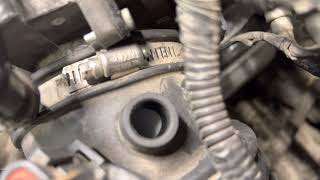
Used OEM Parts in Stock
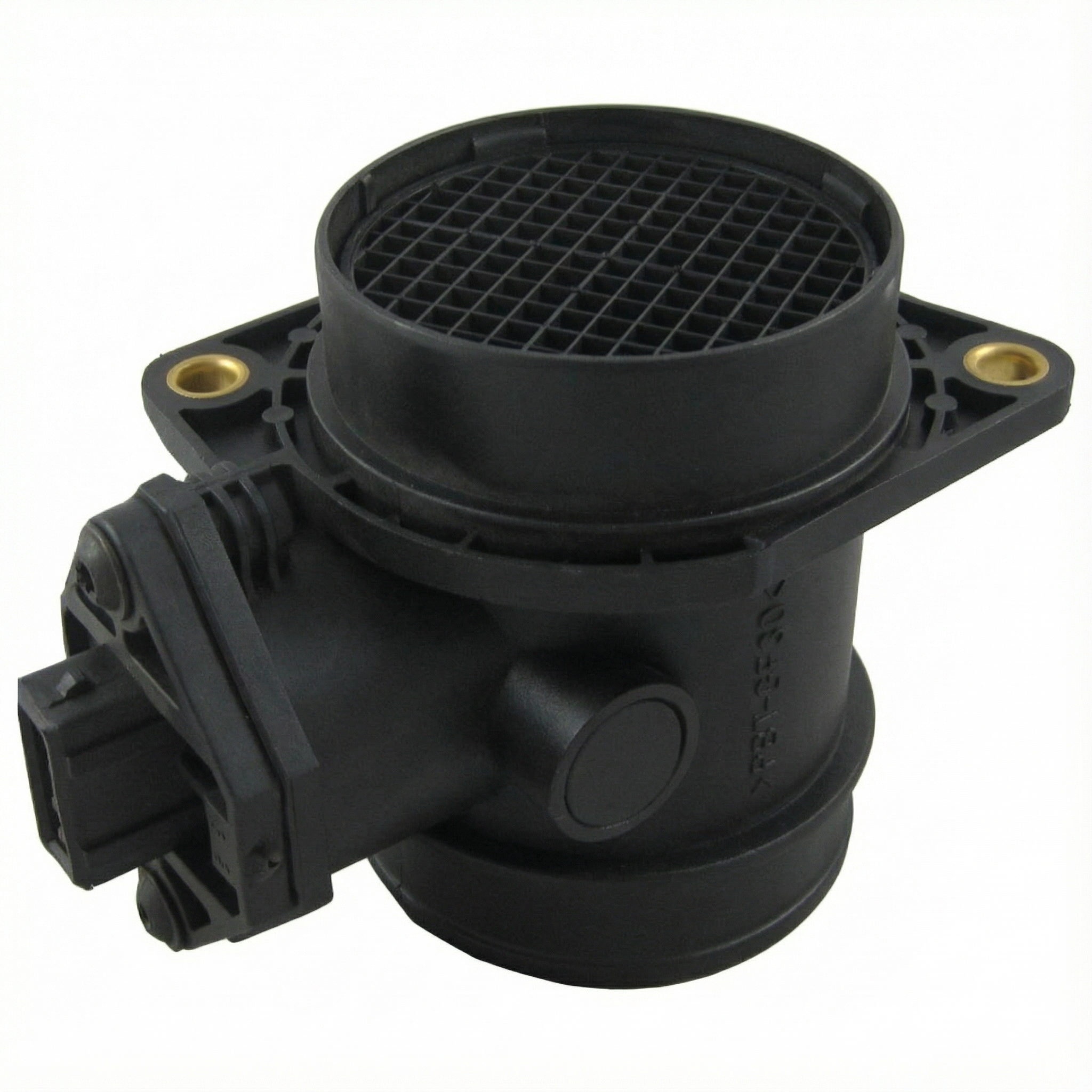
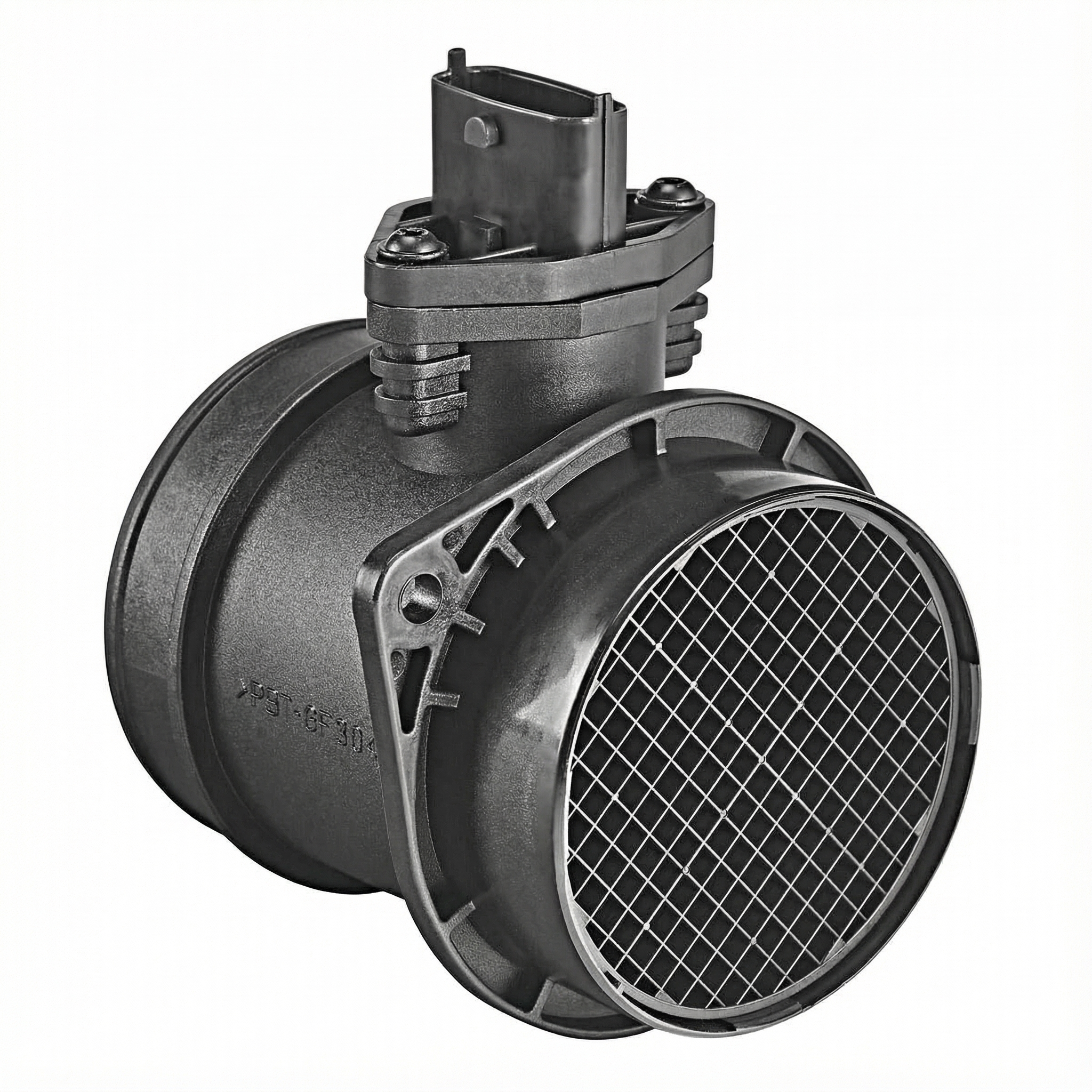
New Aftermarket Parts Available

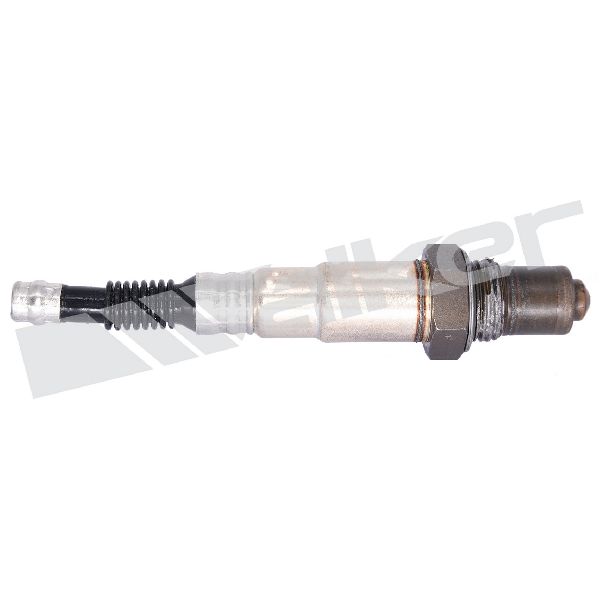

The information in this article is provided for general reference and educational purposes only. Vehicle specifications, procedures, and part compatibility can vary by production date, trim level, and region. Always consult your vehicle's factory service manual and verify part numbers before purchasing or performing repairs. Safety-critical components such as airbags, seat belts, and braking systems should be installed by a qualified professional.
- Volvo V70:
- 🧭 Diagnostic Flowchart
- 🎬 Helpful Videos
- 🛍️ Shop This Part
- What's Unique About the 2000-2007 Volvo V70
- Symptoms You May Notice
- Most Likely Causes
- Rare But Worth Checking
- Diagnosis Steps
- Parts You'll Likely Need
- Related Codes That Often Appear With This One
- Platform-Specific Known Issues
- Mechanic-Grade Diagnostic Values
- Hidden / Shadow Codes Worth Checking
- Scan Tool Commands That Help
- Wiring & Ground Locations
- Real Owner Repair Stories
- "I Checked Everything" — The Actual Cause
- Documented NHTSA Reports
- Model Year Variations Within This Range
- Other Known Issues on This Vehicle
- Used vs. New Parts: Buying Guide for This Vehicle
- Real Owner Stories
- 2000-2007 Volvo V70 2.4L
- 2000-2007 Volvo V70 2.4L
- 2000-2007 Volvo V70 2.4L
- 2000-2007 Volvo V70 2.4L
- Related OBD-II Codes
- Frequently Asked Questions
- 🎟️ Get 5% Off